This North Carolina Reuse Paradise Sparks Inspiration Around Every Corner
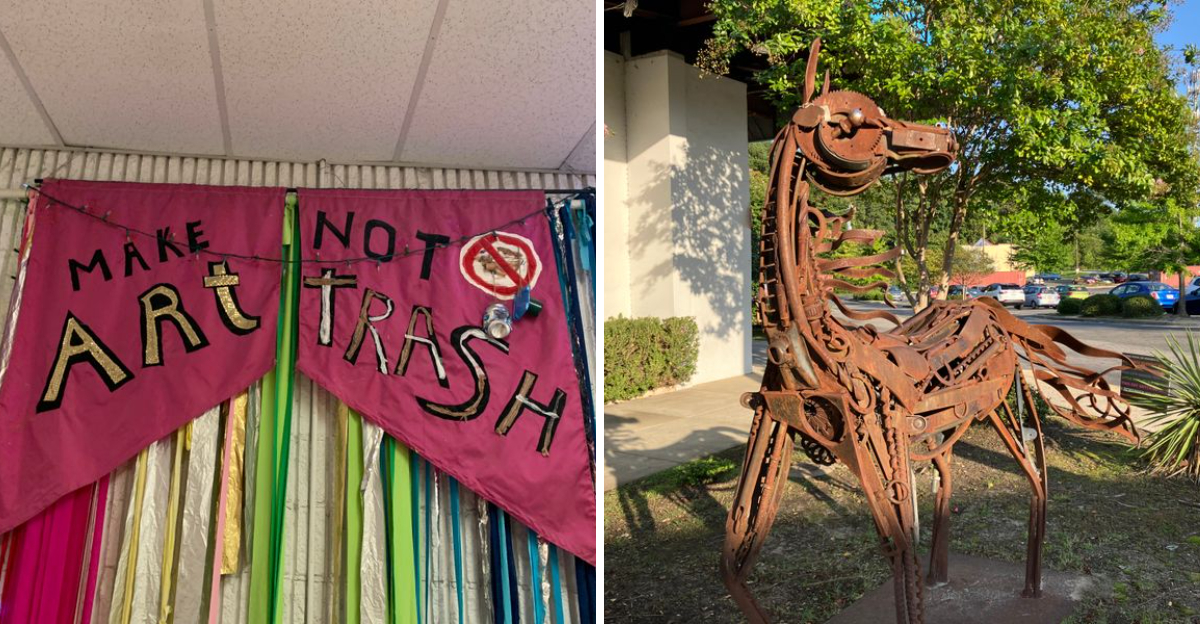
Walking through the doors at 2050 Chapel Hill Rd in Durham, North Carolina, I felt like I’d stumbled into a creative wonderland where discarded treasures find new purpose. The Scrap Exchange isn’t your typical thrift store.
It’s the largest reuse center in the entire United States, diverting over 850 tons of materials from landfills every single year since opening its doors in 1991. This is the kind of place that proves North Carolina creativity has no limits.
Inside this sprawling space, everything from fabric scraps and vintage buttons to office supplies and construction materials waits for someone with imagination to give them a second life. Teachers stock up on classroom supplies, artists discover unexpected mediums, and families hunt for affordable craft materials.
I spent hours wandering through aisles packed with possibility, and I’m convinced that places similar to this should exist in every major city from North Carolina to Ohio and beyond. The energy here buzzes with creativity, sustainability, and community spirit that makes you want to start a project immediately.
1. A Treasure Trove Of Reusable Materials
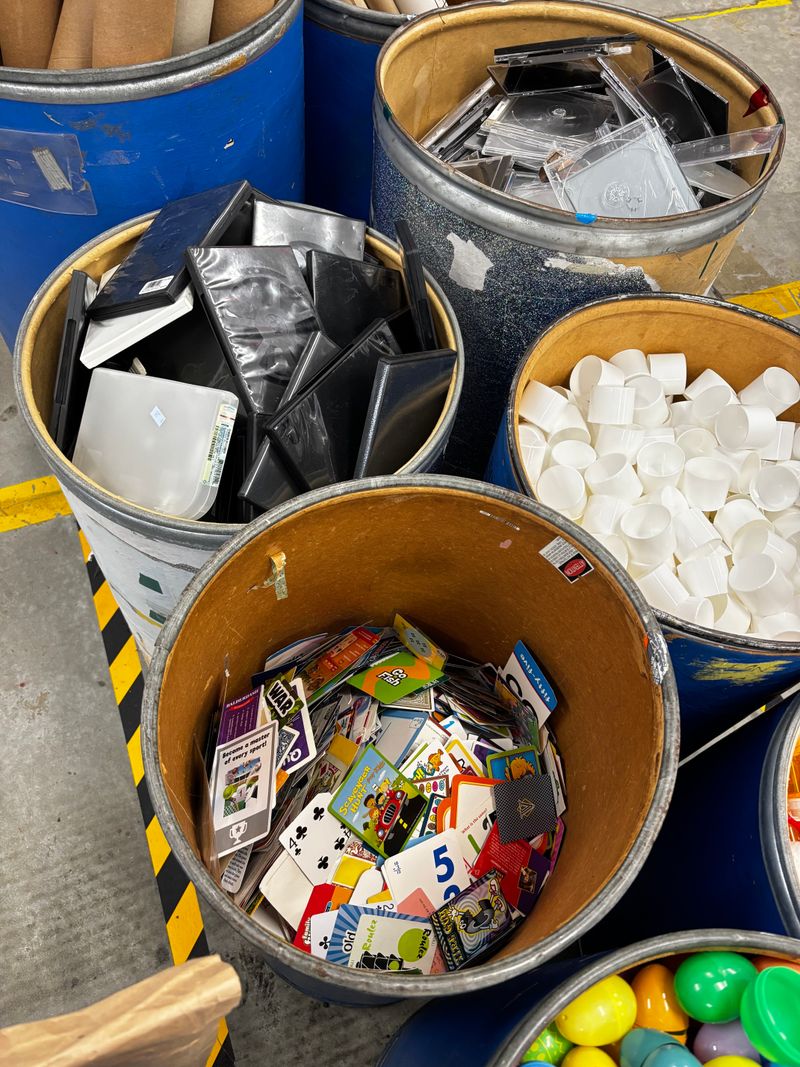
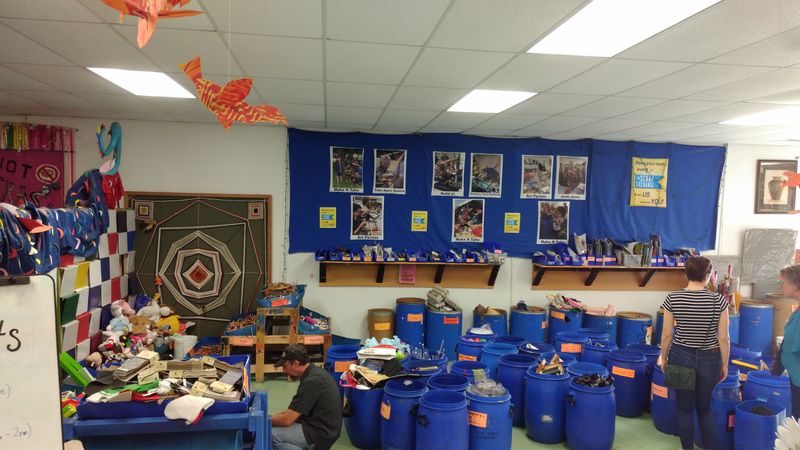
My first impression when entering The Scrap Exchange was pure sensory overload in the best possible way. Rows upon rows of carefully organized bins stretched before me, each containing materials that most people would toss without a second thought.
Toilet paper rolls sat alongside wine corks, bottle caps nestled next to ribbon spools, and egg cartons shared space with leather scraps. The organization system makes sense once you understand the philosophy: everything has potential value to someone.
I watched a teacher fill her basket with buttons for a counting activity while an artist nearby examined fabric remnants for a textile project. The variety reminded me of creative reuse centers I’d visited in Ohio, though none matched this scale.
Prices remain remarkably affordable, with many items costing just dollars or even cents. A pair of knitting needles runs about a dollar, and you can fill a bag with odds and ends for less than the cost of lunch.
The staff told me they receive donations daily, which means inventory constantly changes and every visit offers something different to discover.
2. The Reuse Arts Shop Experience
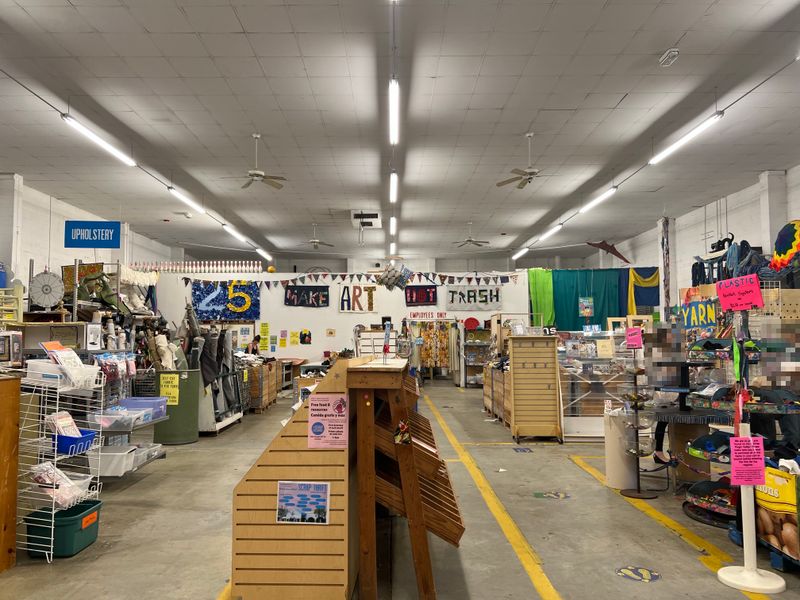
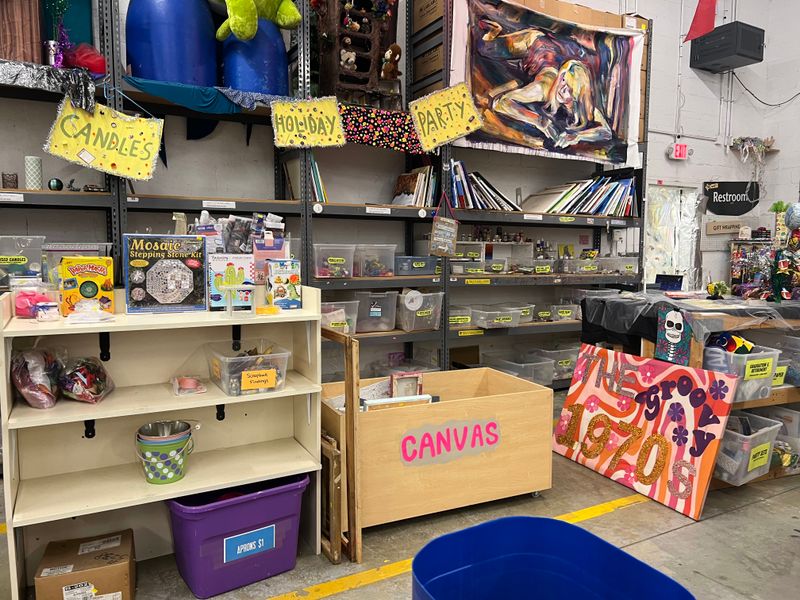
Stepping into The Reuse Arts Shop section felt like entering an artist’s dream supply closet that never ends. Traditional art supplies mingle with unexpected finds, creating combinations you won’t discover in conventional craft stores.
I spotted professional-grade oil paints sitting near vintage wooden frames, spray paint cans organized by color, and enough beads to outfit an entire jewelry-making business. The hardware section impressed me with its selection of tools, fasteners, and building materials that would cost triple at a big box retailer.
What sets this shop apart is the unpredictability. You might find a nearly complete set of colored pencils one day, or stumble upon antique ephemera perfect for scrapbooking the next.
During my visit, I met a woman from Ohio who was stocking up on supplies to take home, lamenting that her state lacked anything comparable. The mix of practical and whimsical items means you can outfit an entire art studio or find that one perfect piece for a specific project.
Quality varies since everything comes from donations, but staff members are transparent about item conditions and functionality.
3. Scrap Thrift Shop Treasures
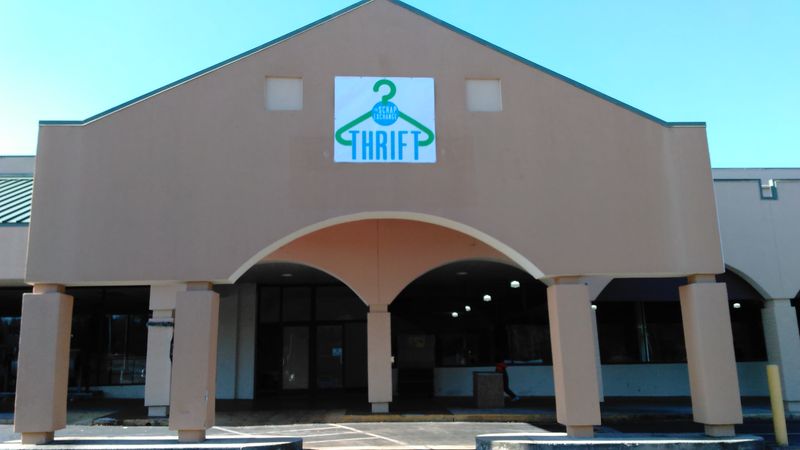
Beyond the craft materials, The Scrap Exchange operates a more traditional thrift shop that rivals any secondhand store I’ve visited across the country. Clothing racks hold everything from everyday basics to unique vintage pieces, though the organization system has evolved over time.
The shop now mixes men’s and women’s clothing together, which some visitors find challenging but others appreciate for the treasure hunt aspect. I spent considerable time flipping through hangers, discovering quality pieces alongside fast-fashion items.
Housewares fill multiple shelves with drinking glasses, dishes, small appliances, and decorative items priced to move. The book section caught my attention with its science fiction and fantasy titles, though regulars mentioned the selection was larger before the pandemic.
Jewelry cases sparkle with donated pieces, from costume jewelry to occasionally more valuable finds. Media including CDs, DVDs, and vinyl records occupy their own corner, perfect for collectors.
Prices have increased somewhat in recent years, with some items approaching retail costs, but most pieces remain affordable.
4. Cameron Art Gallery Inspiration
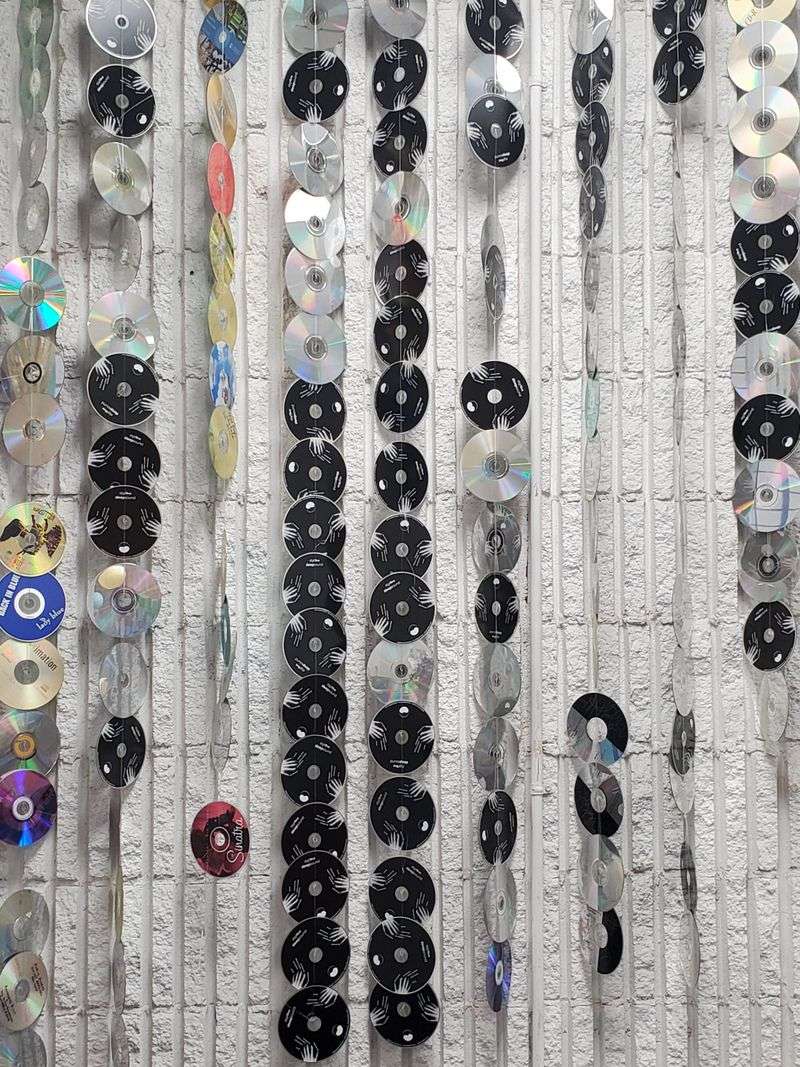
Tucked within The Scrap Exchange, the Cameron Art Gallery showcases what’s possible when creativity meets sustainable materials. Walking through this space, I found myself inspired by artists who transform discarded objects into legitimate works of art.
The gallery rotates exhibitions featuring reuse artists, staff creations, and guest creators who share the center’s environmental mission. During my visit, I admired a sculpture constructed entirely from bottle caps and wire, alongside paintings that incorporated fabric scraps into mixed media compositions.
What struck me most was how the gallery normalizes the idea that art doesn’t require expensive, virgin materials. A collage made from old magazines and packaging materials hung beside a textile piece woven from donated yarn ends.
The space serves as both inspiration and proof of concept for shoppers who might doubt their own creative abilities. Staff members often point visitors to gallery pieces and then direct them to similar materials available in the shop.
I overheard a teacher discussing how she’d replicate a gallery technique with her students using supplies she’d just purchased. The gallery transforms shopping into an educational experience that extends beyond simple acquisition.
5. Artist Market Local Creations
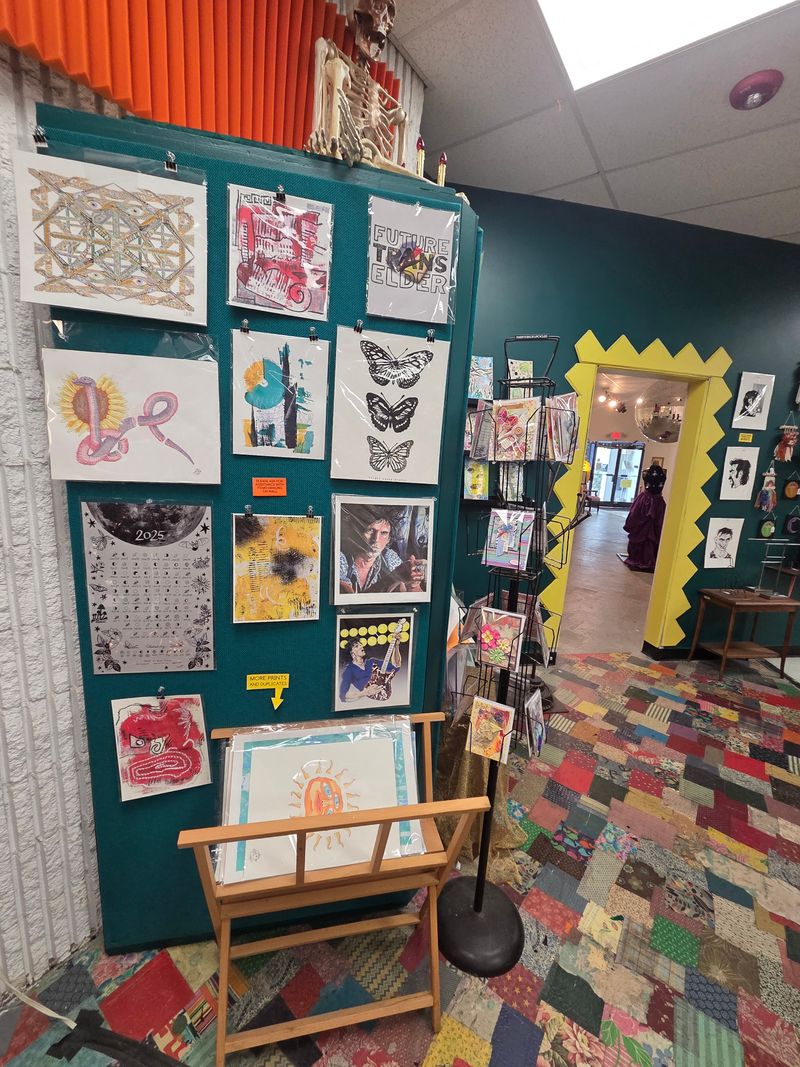
The Artist Market represents The Scrap Exchange’s commitment to supporting local creators while giving unique donated items a proper showcase. This curated section feels more boutique than thrift, with handmade goods that reflect Durham’s vibrant creative community.
I examined jewelry made by local artisans, hand-sewn bags crafted from repurposed materials, and pottery that would fit perfectly in upscale gift shops. The prices reflect the handmade nature of items but remain reasonable compared to traditional retail.
What makes this market special is how it blends artist creations with exceptional donated pieces that deserve special attention. A vintage handbag might sit beside a newly crafted wallet, both priced fairly for their respective values.
The selection changes regularly as artists drop off new inventory and notable donations arrive. During my visit, I spotted hand-printed cards, upcycled furniture pieces, and textile art that would enhance any home.
Supporting this market means your money goes directly to local creators while supporting The Scrap Exchange’s broader mission. Several artists told me they source their materials from the main shop, creating a sustainable ecosystem where nothing goes to waste and creativity flourishes throughout Durham and beyond.
6. Make N’ Take Room Adventures
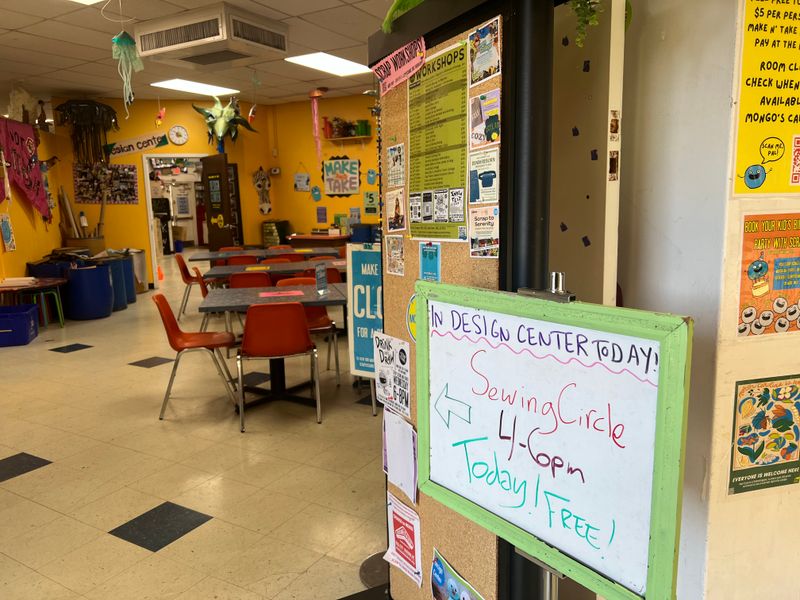
Booking time in the Make N’ Take Room turned out to be one of my favorite discoveries at The Scrap Exchange. This dedicated space hosts birthday parties, team-building events, field trips, and creative gatherings that bring people together through hands-on making.
The room setup is simple but functional, with large tables, plenty of seating, and immediate access to craft supplies from the main shop. For just five dollars per person, groups get ninety minutes of creative time with unlimited materials from designated bins.
I watched a birthday party unfold where kids created wildly imaginative projects using pompoms, pipe cleaners, cardboard tubes, and whatever else caught their fancy. The freedom to experiment without worrying about wasting expensive materials was evident in their uninhibited creativity.
Corporate groups use this space for team-building exercises that emphasize collaboration and out-of-the-box thinking. Schools schedule field trips that tie into environmental education and artistic expression curricula.
The room’s popularity means booking ahead is essential, especially for weekends. Staff members facilitate activities or simply provide space and materials, depending on what groups prefer.
7. Design Center Workshops And Learning
Adult learners find their creative home in The Scrap Exchange Design Center, where workshops and meet-ups foster skill development and artistic community. The center’s programming goes far beyond basic crafts, offering serious instruction in techniques that professionals use.
I browsed the workshop calendar and found classes ranging from bookbinding and screen printing to furniture upcycling and textile arts. Prices vary from free community sessions to more intensive courses costing up to fifty-five dollars, reflecting the instruction quality and materials included.
The instructors bring genuine expertise, often working as professional artists or craftspeople who volunteer their knowledge to support the center’s mission. During a workshop I observed, participants learned proper upholstery techniques while rehabbing donated chairs with fabric from the shop.
Meet-ups provide less structured opportunities for skill-sharing, where experienced makers help beginners while working on their own projects.
Regular attendees spoke about how workshops had expanded their creative confidence and introduced them to sustainable making practices. The Design Center proves that environmental consciousness and artistic excellence aren’t mutually exclusive but rather complementary values worth cultivating together.
8. Educational Outreach And Community Impact
Beyond its physical location at 2050 Chapel Hill Rd, The Scrap Exchange extends its mission through robust educational outreach programs that serve thousands annually. The organization partners with schools, senior centers, hospitals, and corporations throughout Durham and surrounding areas.
The “Events by the Truckload” program literally brings creativity to communities, loading up vehicles with materials and sending skilled instructors to lead activities at partner locations. I learned that this service reaches populations who might never visit the center itself, from hospitalized children to isolated seniors.
Teachers particularly benefit from these partnerships, receiving both materials and curriculum support that integrates environmental education with arts programming. One educator told me her entire year’s art budget goes further by partnering with The Scrap Exchange than purchasing new supplies from traditional vendors.
Corporate social responsibility programs tap into the center’s offerings for volunteer days and team-building exercises with meaningful environmental components. The outreach extends the center’s impact far beyond its walls, creating ripples of sustainable creativity throughout North Carolina.
Annual events like the Earth Day celebration and the famous Trashion Show bring community members together around shared values. These programs prove that reuse isn’t just about individual actions but about building collective commitment to environmental stewardship across diverse populations.
9. Environmental Mission And Impact

The numbers behind The Scrap Exchange tell a powerful environmental story that goes far beyond creative fun. Since 1991, this operation has grown into America’s largest reuse center, diverting more than 850 tons of material from landfills every single year.
Understanding what 850 tons means in practical terms helped me grasp the true scale of impact. That’s roughly the weight of 170 elephants worth of perfectly usable materials that would otherwise decompose in landfills, releasing methane and occupying precious space.
The center accepts an incredibly wide range of donations, from obvious craft supplies to surprising items like toilet paper rolls, wine corks, and bottle caps. This comprehensive approach means businesses and individuals can divert waste streams they’d normally trash without a second thought.
Staff members emphasize that reuse sits higher on the environmental hierarchy than recycling because it requires less energy and processing. By connecting donors with users directly, The Scrap Exchange eliminates industrial recycling steps while serving community needs.
Visitors from different states often express amazement at the scale and wonder why similar operations don’t exist everywhere. The environmental case is clear: reuse centers reduce waste, conserve resources, save money, and build community simultaneously.
10. Donation Process And Community Participation
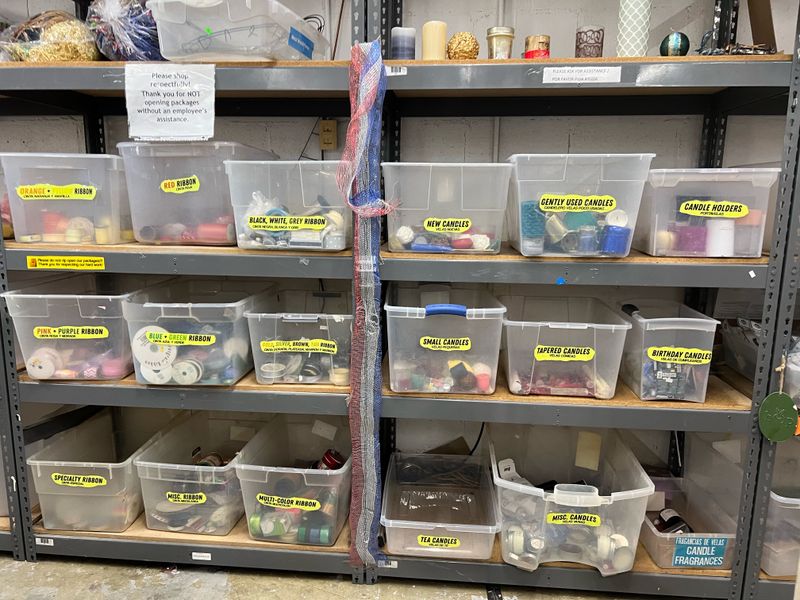
Keeping The Scrap Exchange stocked requires constant community participation through donations, and the center has developed systems to handle the impressive volume of incoming materials. The donation process is straightforward but comes with specific guidelines that ensure quality and usability.
The center accepts clean, reusable items across numerous categories: art supplies, craft materials, office goods, fabric, hardware, building supplies, clothing, and household items. During my visit, I watched donors arrive with everything from moving boxes full of office supplies to carefully packed fabric remnants from a closed sewing business.
Donation hours have evolved over time, and currently the center doesn’t accept items on Sundays or before 1 PM on other days. These restrictions, while sometimes inconvenient, help staff manage the sorting and processing workload that makes the retail experience possible.
Staff members inspect donations and make decisions about what can be sold, what needs different handling, and what truly isn’t reusable. The standards ensure shoppers find quality materials worth purchasing rather than actual garbage.
Some donors travel from neighboring states like Ohio specifically to offload materials they know will find appreciative users. The donation process completes the sustainability circle, turning one person’s excess into another’s treasure while keeping usable goods in circulation.
11. Pricing Philosophy And Affordability
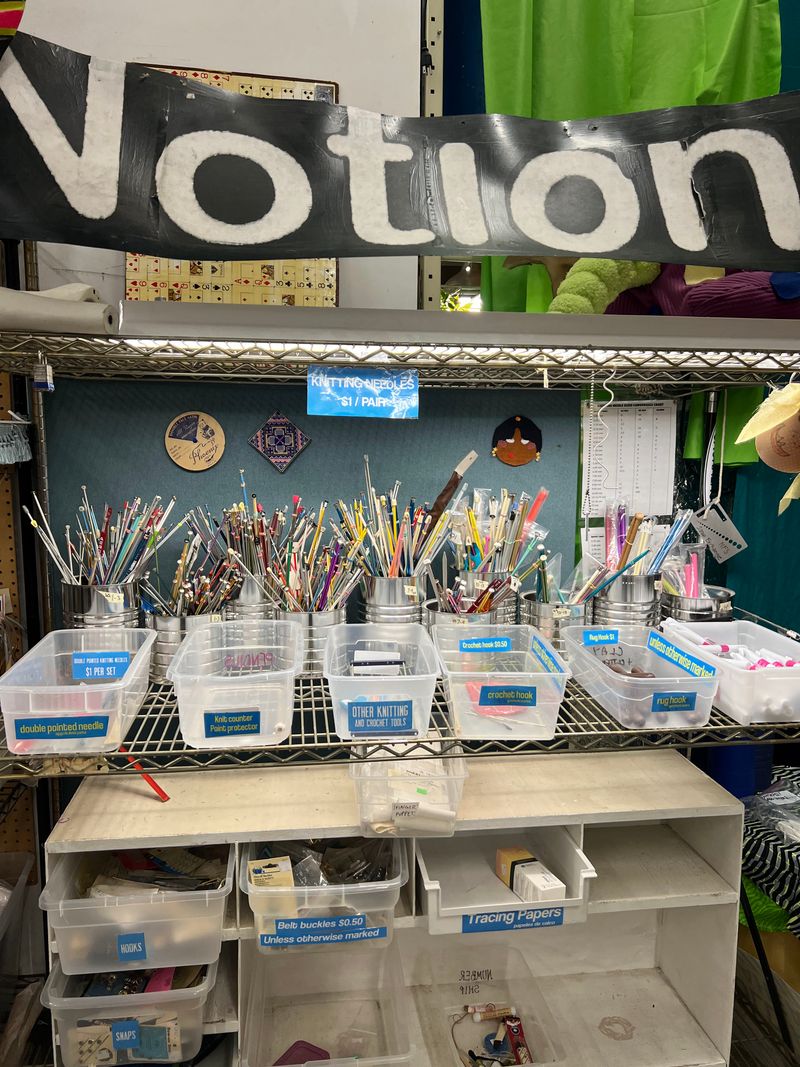
Navigating The Scrap Exchange’s pricing structure reveals a careful balance between sustainability, affordability, and operational necessity. The center’s mission emphasizes making creative materials accessible to everyone, from cash-strapped teachers to hobbyists on fixed incomes.
Most items carry remarkably low prices compared to retail alternatives. Knitting needles cost around a dollar per pair, buttons sell by the bag for change, and you can fill containers with miscellaneous craft supplies for just a few dollars.
However, some visitors have noted recent price increases on certain items, with used yarn sometimes approaching new retail costs and thrift clothing occasionally priced higher than expected. These adjustments reflect the reality of operating a large facility with staff, utilities, and programming to fund.
During my visit, I compared prices to what I’d pay at other craft stores and still found significant savings on most purchases. The value proposition remains strong, especially considering that proceeds support environmental and educational missions beyond simple retail.
Staff members explain that pricing donated items requires judgment calls about condition, desirability, and replacement value. A nearly new item might cost more than a well-worn equivalent, which seems fair when you consider the center’s operational needs and community benefits it provides to Durham and beyond.
12. Special Events And Community Celebrations
The Scrap Exchange calendar bursts with special events that transform the center from retail space into community gathering place. These celebrations bring together Durham residents around shared values of creativity, sustainability, and local culture.
The annual “Every Day is Earth Day” event has become a Durham tradition, featuring vendor markets, raffles, art installations, outdoor games, and activities that celebrate environmental stewardship. I heard from regulars who plan their spring around this festival, which draws families from across North Carolina.
The Trashion Show stands out as perhaps the most creative event, challenging local designers to create wearable fashion using only materials sourced from The Scrap Exchange. The resulting runway show demonstrates how constraint sparks innovation, with designers producing genuinely stunning garments from discarded materials.
Workshops, classes, and meet-ups occur regularly throughout the year, creating ongoing opportunities for learning and connection rather than just annual highlights. The programming serves diverse populations from children to seniors, hobbyists to professionals.
Recent initiatives include plans for a skate park built with recycled materials from a former skating rink, showing how the center’s reuse philosophy extends beyond crafts into community infrastructure. These events and projects make The Scrap Exchange a true community hub rather than simply a place to shop.
13. Visitor Experience And Practical Tips
Planning your visit to The Scrap Exchange requires understanding what makes this place unique and occasionally challenging. The center operates Tuesday through Sunday from 10:30 AM to 6 PM, staying closed Mondays for receiving donations and restocking.
Allocating sufficient time is crucial because this isn’t a quick in-and-out shopping trip. Most visitors spend one to three hours exploring, and some dedicated treasure hunters make it an all-day adventure.
The layout can feel maze-like as you wander between different sections, each revealing new discoveries.
Bringing your own bags or boxes helps transport finds, especially if you’re stocking up on supplies for big projects. The center provides bags, but serious shoppers come prepared with containers for organizing smaller items like buttons, beads, or hardware pieces.
The bathroom situation has drawn complaints from visitors, so plan accordingly before arriving. Parking lot conditions include significant potholes that require careful navigation, particularly if you’re driving a low-clearance vehicle.
Staff availability for questions can be limited during busy periods, so patience helps when you need assistance. The trade-off is that the place bustles with creative energy and fellow shoppers who often share tips and project ideas spontaneously, creating an amazing atmosphere.
14. Building Creative Community And Lasting Impact
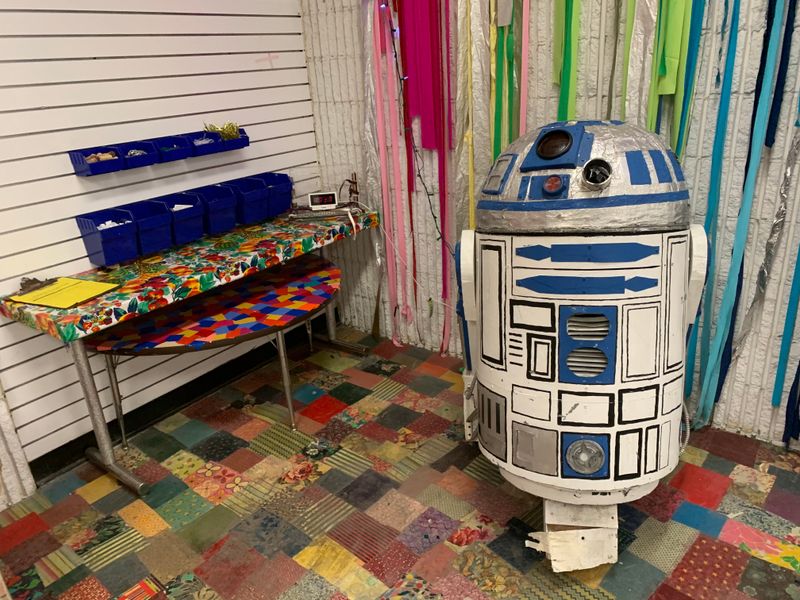
What ultimately sets The Scrap Exchange apart isn’t just the materials or the environmental mission but the community it has built over three decades. This becomes evident watching interactions between staff, volunteers, and customers who treat the space as a creative home rather than a mere store.
Regular visitors develop relationships with staff members who remember their projects and alert them when relevant materials arrive. Artists find collaborators, teachers swap classroom ideas, and hobbyists discover mentors simply by showing up and engaging with the space.
The center’s commitment to accessibility means people from all economic backgrounds can participate in creative pursuits without financial barriers. A retired teacher on a fixed income shops alongside professional artists and corporate event planners, all finding what they need.
Volunteers contribute thousands of hours annually, sorting donations, assisting customers, and facilitating programs. Many speak about how volunteering connects them to purpose and community in ways typical retail jobs never could.
The Scrap Exchange proves that reuse centers can be economically viable, environmentally significant, and socially valuable, offering a model worth replicating across America for generations to come.