This North Carolina Skyline Trail Feels Like Standing On Top Of The World
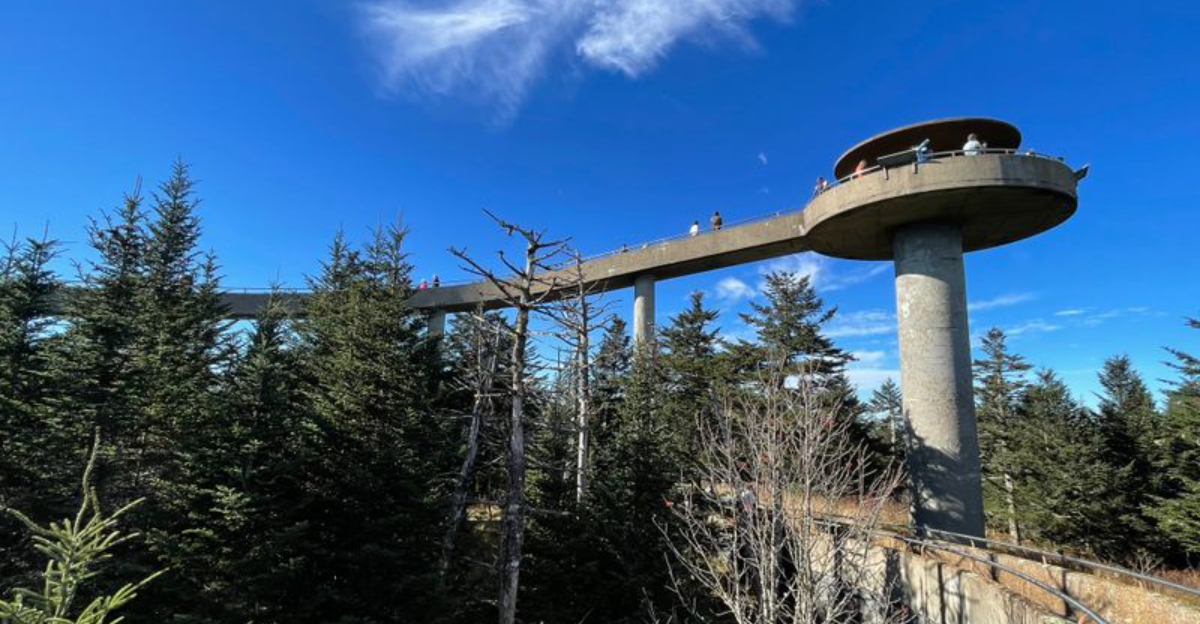
Winding through lush forest and whispering pines, the Kuwohi Observation Tower Trail near Bryson City, NC, is a half-mile adventure that packs big views into a short, satisfying climb. Every twist and turn of the paved path teases glimpses of the mountains beyond, hinting at the reward waiting at the top.
This North Carolina hike proves that the best adventures often come in small packages, but with giant payoffs. As you ascend, the air feels fresher, the trees taller, and the world a little quieter, until the observation tower finally comes into view.
Spiraling skyward like a mid-century dream, the tower invites you to climb higher and higher, revealing panoramic vistas that stretch across seven states on a clear day. Whether bathed in summer sun or the golden glow of autumn, the Kuwohi Trail transforms a simple climb into a memory that lingers long after your legs stop burning.
1. The Steep Half-Mile Challenge That’s Worth Every Step
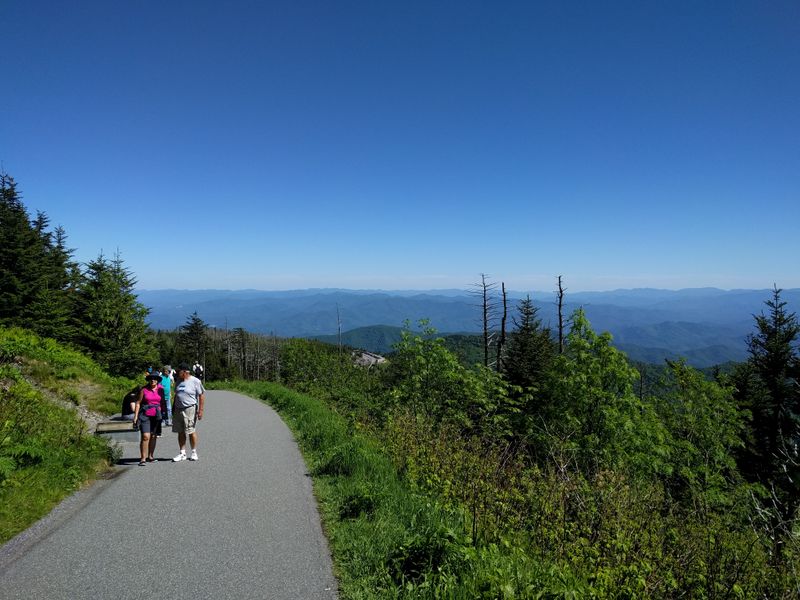
Calling this trail short would be technically accurate but spiritually misleading. The Kuwohi Observation Deck at Bryson City sits at the end of a deceptively challenging half-mile pathway.
That distance sounds like a gentle stroll until you realize the entire route climbs 330 feet at a relentless incline. The paved surface makes the journey accessible, yet the grade transforms this brief hike into a legitimate workout.
Families with young children often turn the ascent into a game, counting benches along the way. Fitness enthusiasts appreciate how quickly their heart rates climb alongside the elevation.
Rest stops become essential rather than optional for most visitors. The strategically placed benches offer more than just breathing breaks; they provide shifting perspectives of the surrounding peaks.
Each pause rewards you with views that improve as you ascend, building anticipation for what awaits at the summit. Arriving early morning or on weekdays helps avoid the crowds that can turn this narrow path into a congested parade.
The trail’s popularity stems from its perfect balance between challenge and accessibility, making summit success feel genuinely earned.
2. 360-Degree Views That Redefine Your Perspective
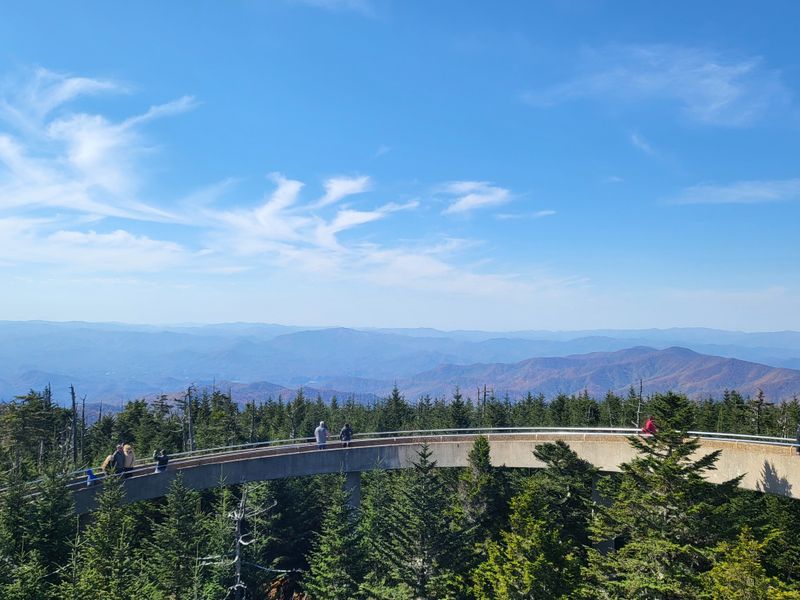
Reaching the top delivers a visual payoff that justifies every labored breath on the way up. The observation deck at Kuwohi Observation Deck provides unobstructed sightlines in every direction.
On exceptionally clear days, visitors can identify peaks over 100 miles away, spanning Tennessee, North Carolina, and beyond. The layered mountain ridges create a mesmerizing effect, each range appearing progressively lighter blue as distance increases.
This atmospheric perspective gives the landscape an almost painted quality. Photographers obsess over capturing the way morning light transforms these ridgelines into golden silhouettes.
Weather conditions dramatically alter the experience without diminishing its magic. Some visitors arrive to find themselves literally standing inside clouds, creating an ethereal white world.
Others witness the rare phenomenon of being above the cloud layer, looking down on a cotton-candy sea with mountain peaks poking through like islands. The circular design of the tower ensures everyone finds their perfect viewing angle.
Whether you’re drawn to the dramatic drop-offs on one side or the gentler slopes on another, the complete circle guarantees no perspective goes unexplored during your visit.
3. The Iconic Spiral Tower That Defies Convention
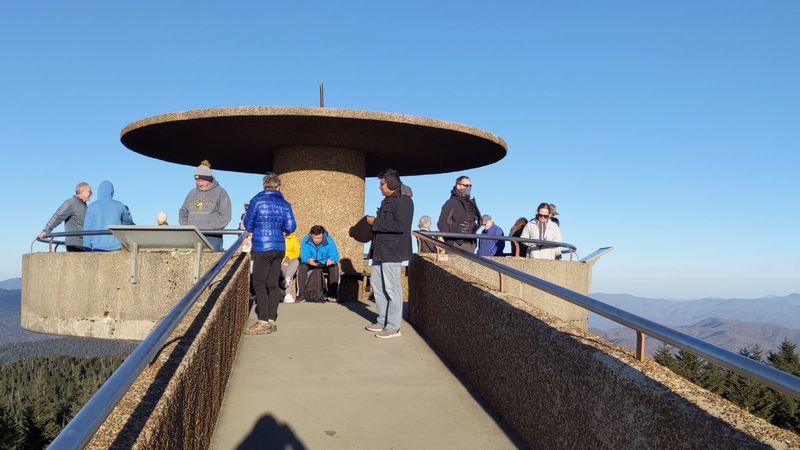
Architecture enthusiasts make pilgrimages specifically to see this structure. The observation tower at Kuwohi Observation Deck represents the National Park Service Modern design at its most ambitious.
Completed in 1959, the concrete spiral ramp climbs skyward in a distinctive circular pattern that looks futuristic even today. The design serves both form and function brilliantly.
That spiral approach eliminates the need for stairs, creating a gradual ascent accessible to more visitors. The open-air structure means you’re never disconnected from the environment, feeling wind and temperature shifts as you climb.
Its listing on the National Register of Historic Places recognizes both architectural significance and cultural importance. The tower has become as iconic to the Smokies as any natural feature.
First-time visitors often express surprise at how the structure complements rather than competes with the natural landscape. Sunset visits transform the tower into something almost mystical.
As golden light hits the concrete curves and shadows stretch across the observation deck, the space takes on a contemplative quality. The structure’s age shows in places, adding character that newer construction simply cannot replicate.
4. Temperature Swings That Demand Layered Thinking
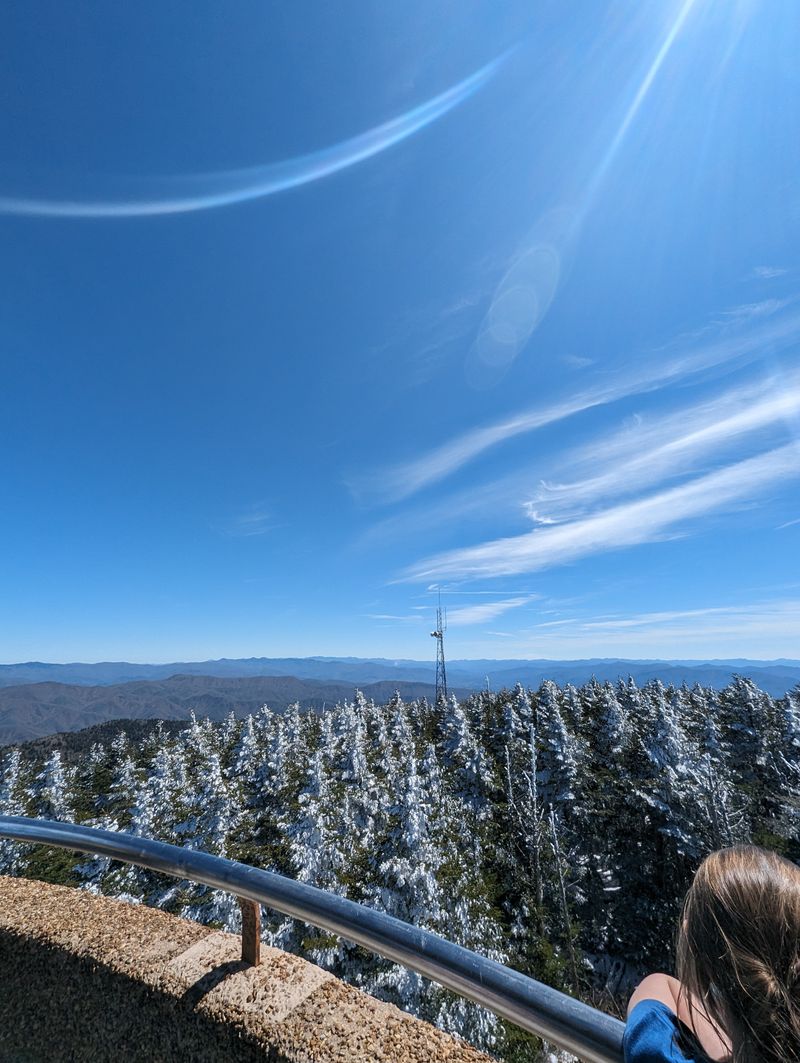
Packing for Kuwohi requires ignoring what the thermometer reads at your starting point. The Kuwohi Observation Deck ,exists in its own climate zone.
Temperatures typically run 10 to 20 degrees cooler than surrounding lowlands, creating microclimates that shift dramatically throughout the day. Summer visitors frequently arrive in shorts and t-shirts, only to find themselves shivering at the summit.
The elevation amplifies wind conditions, turning a pleasant breeze below into a genuine chill factor above. Smart hikers carry jackets year-round, treating the temperature difference as a given rather than a possibility.
Morning visits often mean encountering temperatures that feel more like early spring regardless of the season. That crisp air enhances the experience for many, making the environment feel more alpine and dramatic.
The cold becomes part of the adventure rather than a deterrent. Weather patterns change rapidly at this elevation.
Clouds can roll in within minutes, dropping visibility and temperatures simultaneously. Checking forecasts helps, but expecting variability serves visitors better than trusting any single prediction.
The unpredictability adds an element of excitement to every visit.
5. Parking Challenges That Test Your Patience
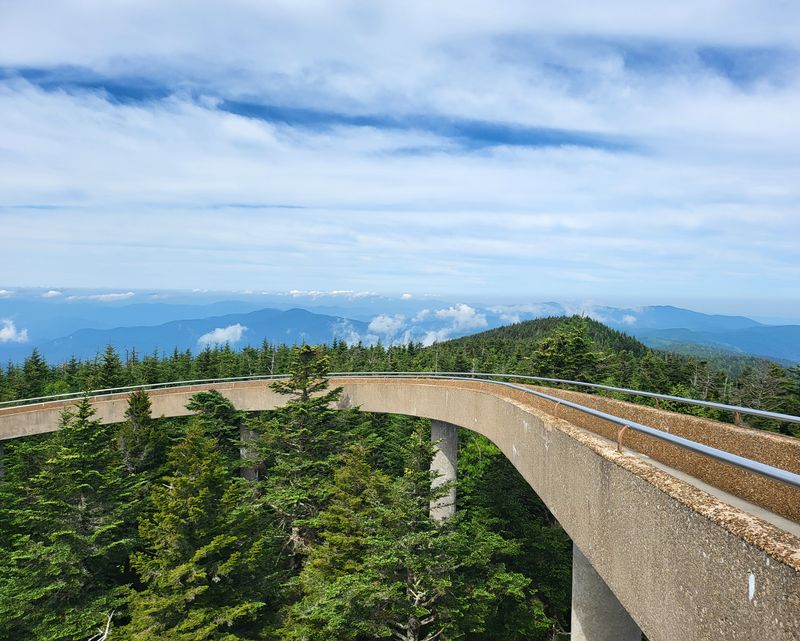
Arriving at the trailhead often presents the day’s first real challenge. The parking area at Kuwohi Observation Deck offers substantial space, yet demand regularly exceeds capacity.
Weekend afternoons during peak season transform the lot into a competitive waiting game. Early morning arrivals solve most parking frustrations.
Visitors who reach the lot before 9 AM typically find abundant spaces and enjoy the trail before crowds arrive. The effort of setting an alarm pays dividends in both parking convenience and trail experience quality.
Parking tags are required for stays exceeding 15 minutes, adding an administrative layer to your visit. These tags can be purchased online before your trip or at the visitor center upon arrival.
Enforcement happens regularly, making compliance worthwhile to avoid citations. Traffic backups on approach roads sometimes extend wait times beyond an hour during peak periods.
Some visitors report seeing cars parked illegally along roadsides, creating hazards and frustration. Patience becomes as essential as physical fitness when planning your Kuwohi adventure.
Weekday visits or off-season trips dramatically improve the parking experience. The difference between a Saturday afternoon in October and a Tuesday morning in May feels like visiting entirely different locations.
6. The Appalachian Trail’s Highest Point
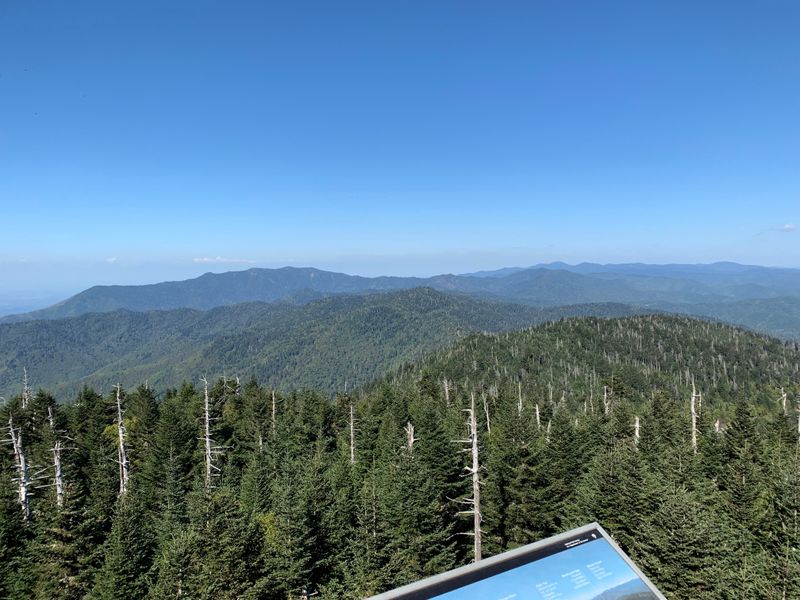
Through-hikers carry a special reverence for this location. The Appalachian Trail crosses directly through Kuwohi Observation Deck, marking the absolute highest elevation along its 2,190-mile journey.
For those walking from Georgia to Maine, or vice versa, this summit represents a literal and metaphorical peak. Day visitors sometimes encounter these long-distance hikers, recognizable by their worn gear and trail-hardened demeanor.
The contrast between fresh day-trippers and dusty thru-hikers creates interesting parking lot encounters. Many through-hikers treat the observation tower as a mandatory pilgrimage despite the detour it requires.
The trail intersection adds historical weight to an already significant location. Knowing that countless hikers have passed this exact spot on their epic journeys creates a connection to something larger.
You’re not just visiting a viewpoint; you’re standing on a legendary footpath. Trail markers and signs acknowledge the AT connection, though the day-use area dominates the landscape.
Serious hikers can access the trail for longer adventures beyond the observation deck. The Forney Ridge Trail begins nearby, offering extended hiking options for those wanting more than the standard half-mile experience.
7. Seasonal Road Closures That Shape Your Visit
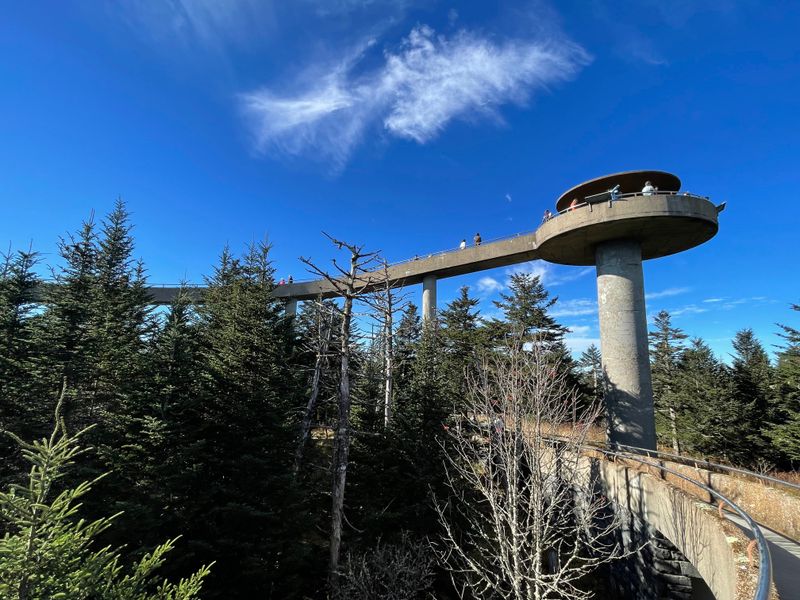
Planning your visit requires understanding the access calendar. Kuwohi Road leading to Kuwohi Observation Deck closes completely from December 1 through March 31 annually.
This isn’t a suggestion or weather-dependent guideline; it’s a firm closure that eliminates vehicle access during winter months. The closure protects both visitors and infrastructure from hazardous winter conditions.
Ice and snow at this elevation create dangerous driving situations that even experienced mountain drivers struggle to navigate. The decision prioritizes safety over year-round access, though it disappoints visitors who dream of winter summit views.
Unexpected closures happen outside the standard winter period, too. Severe weather, maintenance needs, or safety concerns can shut the road temporarily.
Calling ahead or checking the park website before making the drive prevents disappointment and wasted travel time. The seasonal rhythm creates a concentrated visiting season from April through November.
Peak summer and fall months see the heaviest traffic, while spring and late fall offer quieter experiences. Understanding these patterns helps visitors time their trips for either solitude or the energy of shared discovery.
8. Fog-Shrouded Mystery That Creates Magic
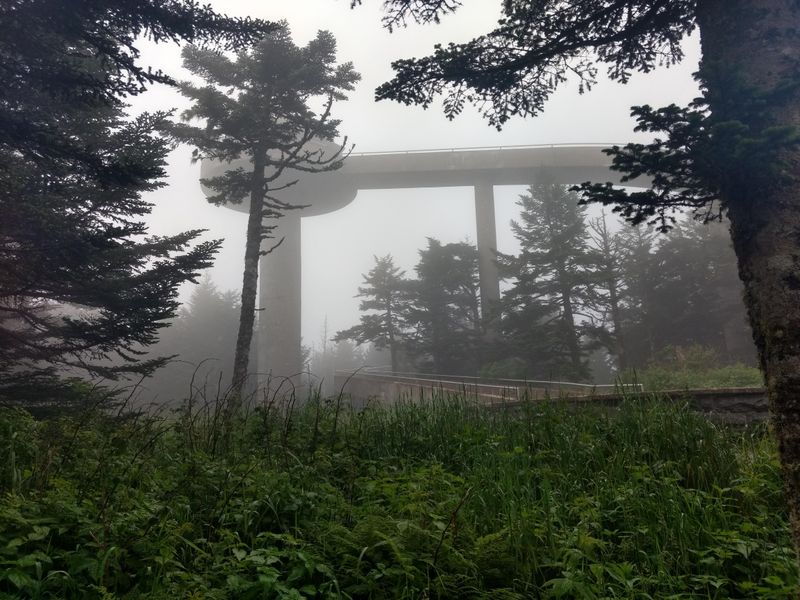
Clear days deliver the advertised panoramic views, but foggy visits offer something equally compelling. The Kuwohi Observation Deck transforms into something otherworldly when clouds engulf the summit.
Visibility drops to mere feet, creating an intimate experience with the mountain’s moody personality. Many visitors initially feel disappointed when fog obscures their anticipated views.
That disappointment often shifts to fascination as the atmospheric conditions create their own drama. The tower emerges from whiteness like a structure from mythology, and fellow visitors appear as shadowy figures in the mist.
Photographers who embrace fog conditions capture images impossible during clear weather. The soft light and limited visibility create minimalist compositions that emphasize form over detail.
These moody shots often prove more memorable than standard sunny-day panoramas. The experience becomes meditative rather than visual.
Sound behaves differently in fog, with voices and footsteps taking on muffled qualities. The reduced sensory input from sight heightens awareness of temperature, wind, and the physical sensation of being high above the surrounding world.
Some visitors return specifically hoping for fog after their first cloud-covered visit. The unpredictability becomes part of the appeal, making each trip a unique encounter with the mountain’s many moods.
9. Wildlife Encounters From Bears To Birds
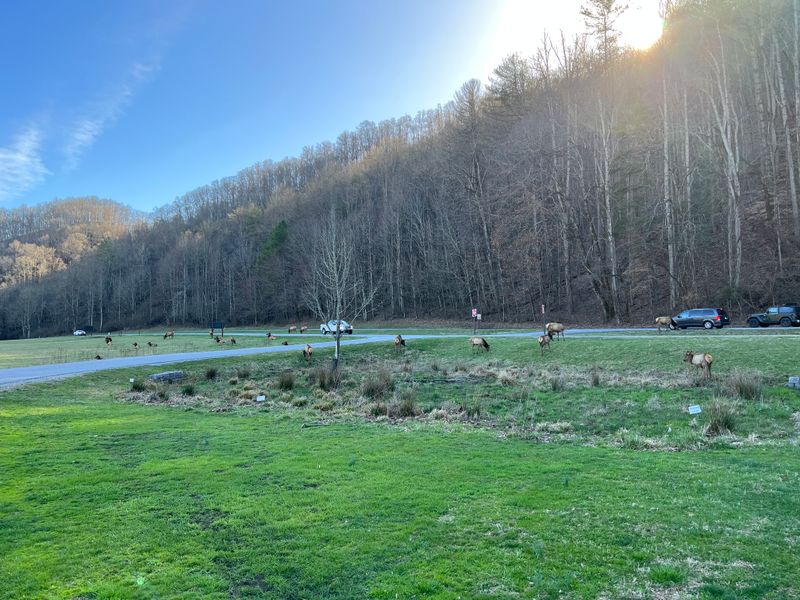
The drive to and from the summit often produces wildlife sightings that rival the views. The area around Kuwohi Observation Deck supports diverse animal populations, with black bears frequently spotted along roadways.
These encounters remind visitors they’re entering genuine wilderness despite the paved access. Bear safety protocols apply throughout your visit.
Maintaining distance isn’t just recommended; it’s essential for both human and animal safety. Park guidelines emphasize never approaching bears regardless of how docile they appear.
The animals’ comfort with human presence doesn’t indicate tameness. Bird species at this elevation differ from those in the valleys below.
The high-altitude environment attracts species adapted to cooler temperatures and different vegetation. Birders often bring binoculars specifically to identify species rarely seen at lower elevations throughout the Smokies.
Smaller wildlife like chipmunks and squirrels provide entertainment around the parking area and trail. Their bold behavior amuses children and adults alike, though feeding them remains strictly prohibited.
These creatures have learned to coexist with human visitors while maintaining their wild nature. Dawn and dusk drive times increase wildlife viewing odds significantly.
The trade-off between optimal viewing light and animal activity creates interesting timing decisions for photographers and nature enthusiasts.
10. Sunrise And Sunset Spectacles Worth The Effort
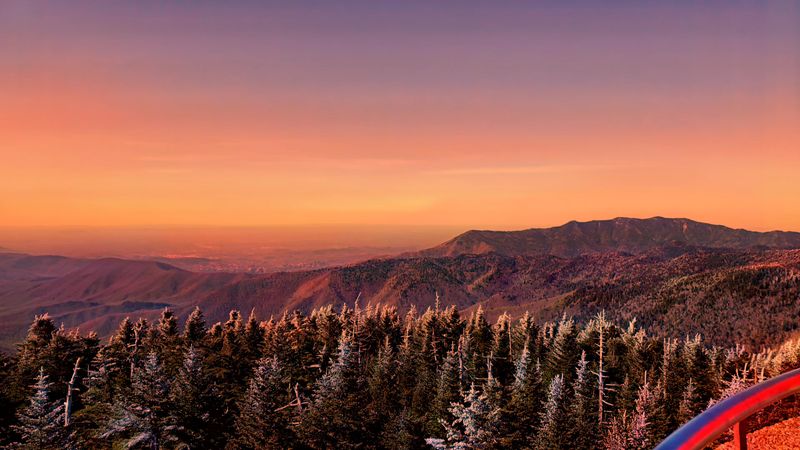
Timing your visit for golden hour transforms good views into unforgettable experiences. Sunrise at Kuwohi Observation Deck paints the mountain ranges in graduated shades of pink and orange.
The effort required to arrive before dawn pays dividends in both light quality and solitude. Summer sunrises come early, requiring pre-dawn departures from most nearby accommodations.
The drive up winding mountain roads in the darkness adds adventure to the experience. Arriving to watch the world wake up from 6,643 feet creates memories that outlast any photograph.
Sunset visits draw larger crowds but offer their own rewards. The observation deck becomes a communal gathering place as the sky shifts through its evening color palette.
Strangers share the experience, pointing out features as they emerge in the changing light. The visitor center closes at 6 PM, but the trail and observation deck remain accessible after hours.
Evening visitors should bring flashlights for the return hike down the paved trail. That descent in gathering darkness adds a final element of adventure to an already remarkable day.
Star-gazing becomes possible after sunset on clear nights. The elevation and relative darkness away from city lights create decent conditions for identifying constellations and planets visible to the naked eye.
11. The Visitor Center And Facilities That Support Your Trek
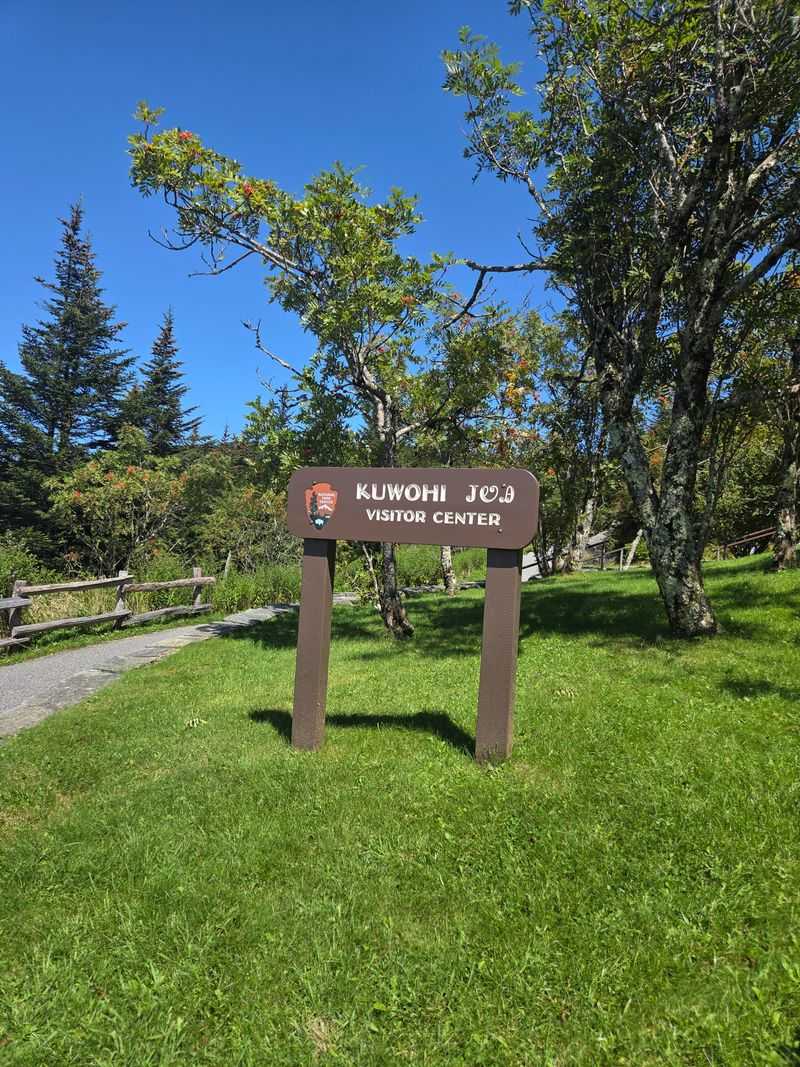
Practical amenities make the high-altitude adventure more comfortable for everyone. The visitor center near the parking area at Kuwohi Observation Deck at Great Smoky Mountains National Park, Kuwohi Rd, Bryson City, provides essential services and information.
Restroom facilities alone make this stop worthwhile before tackling the trail, as no facilities exist at the summit. Rangers and volunteer staff the center during operating hours, offering trail advice and park information.
Their local knowledge helps visitors plan their hike according to current conditions and personal fitness levels. The center also sells parking tags required for extended stays.
Educational exhibits inside the visitor center provide context about the mountain’s ecology and history. Spending a few minutes learning about the environment enhances appreciation for what you’re about to experience.
The displays explain everything from forest health to weather patterns specific to this elevation. Gift shop offerings range from standard souvenirs to quality regional crafts.
Purchasing a small memento supports park operations while providing a tangible reminder of your visit. The selection focuses appropriately on items celebrating the Smokies rather than generic tourist merchandise.
The center closes earlier than the trail itself, typically by 6 PM. Planning your visit to coincide with open hours ensures access to all amenities and information resources available.
12. Making The Journey Your Own Adventure
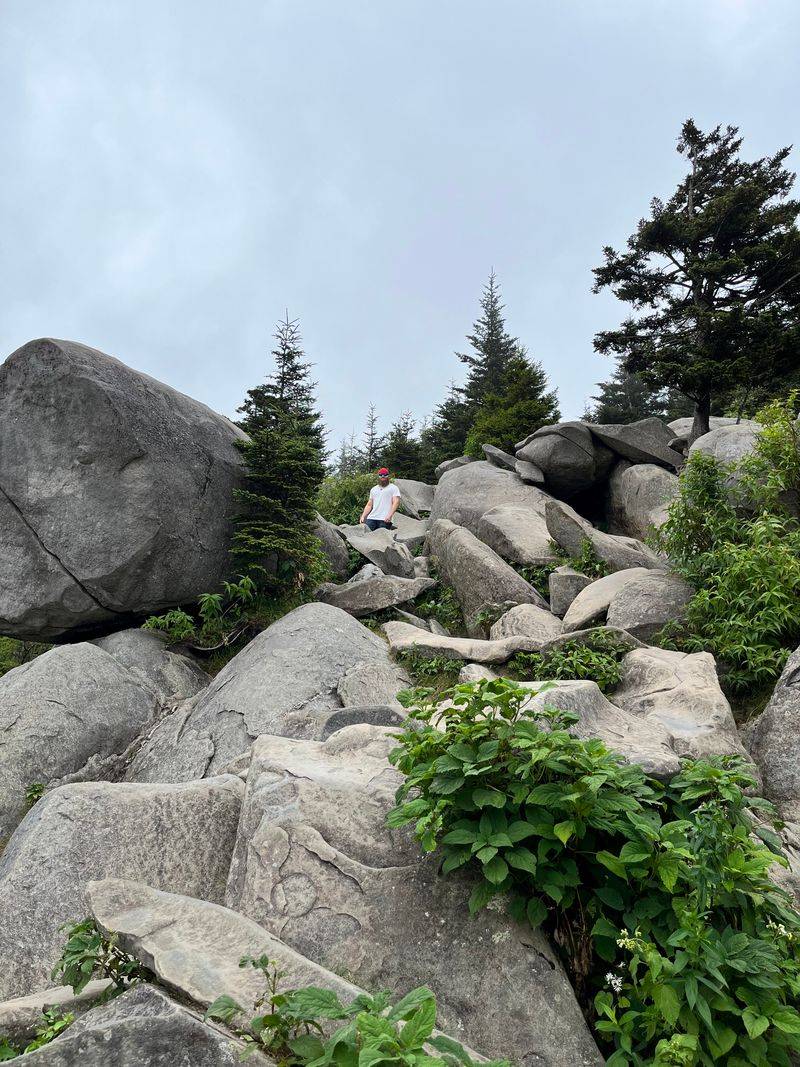
Every visitor creates a unique relationship with this mountain. Some approach Kuwohi Observation Deck as a fitness challenge, timing their ascent and pushing personal limits.
Others treat it as a contemplative pilgrimage, moving slowly and absorbing every sensation along the way. Families transform the hike into bonding experiences that children remember for years.
Parents often report surprise at their kids’ determination to reach the summit despite the challenging climb. The achievement builds confidence that extends beyond the trail, teaching lessons about persistence and reward.
Photographers visit repeatedly, chasing perfect conditions that align light, weather, and visibility. Each season offers different opportunities, from spring wildflowers to autumn colors.
Winter closure only intensifies appreciation for the accessible months, making every visit feel slightly precious. The mountain accommodates both quick visits and extended stays.
Some visitors sprint to the top, snap photos, and return to their cars within 45 minutes. Others spend hours at the summit, eating packed lunches and watching weather systems move through the valleys below.
Your experience depends entirely on what you bring to the mountain. Arriving with curiosity, respect for the environment, and realistic expectations about your physical abilities sets the stage for whatever adventure unfolds at Tennessee’s highest accessible point.