This North Carolina Spring Escape Comes With River Trails And A Painted Bridge

Spring knows how to show off, and this stretch of North Carolina barely tries to stop it.
Trails, river views, and rocky pockets of wild beauty make the whole place feel like the kind of escape that quietly steals your afternoon and then your camera roll.
Then the mood takes a turn for the wonderfully unexpected, because a painted pedestrian bridge nearby adds a burst of color and personality that no ordinary nature outing sees coming.
Paddles, walking shoes, binoculars, or no real plan at all can work here, which is exactly why this corner of the state feels so easy to love.
Lower Haw River State Natural Area
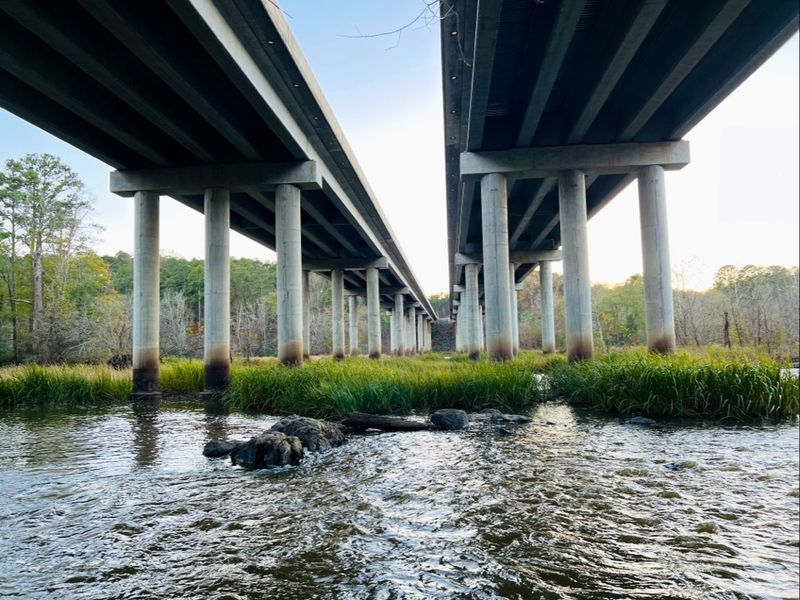
Spring feels especially alive along the lower Haw, where riverbank woods, steep slopes, and rocky edges create a day trip that feels fuller than the drive required to reach it. Friends of the Lower Haw describes the protected corridor as stretching along both sides of the Haw River in Chatham County, with more than 1,000 acres of state park land and river buffer habitat.
Haw River Assembly similarly describes it as a river corridor park of over 1,000 acres. Around Pittsboro, few places mix wild-feeling scenery with this much easy access to water, walking, and small-town character.
Instead of a polished park built around one overlook, this area gives visitors a looser, more textured landscape where river views appear between trees, rocks interrupt the forest floor, and every turn feels a little less scripted. Spring heightens all of it.
Fresh leaf-out softens the woods, birds grow louder, and the Haw itself pulls more light through the landscape. What makes the place memorable is not one single attraction, but the way river, trail access, and community landmark all fit into one outing without feeling forced together.
Old Bynum Bridge
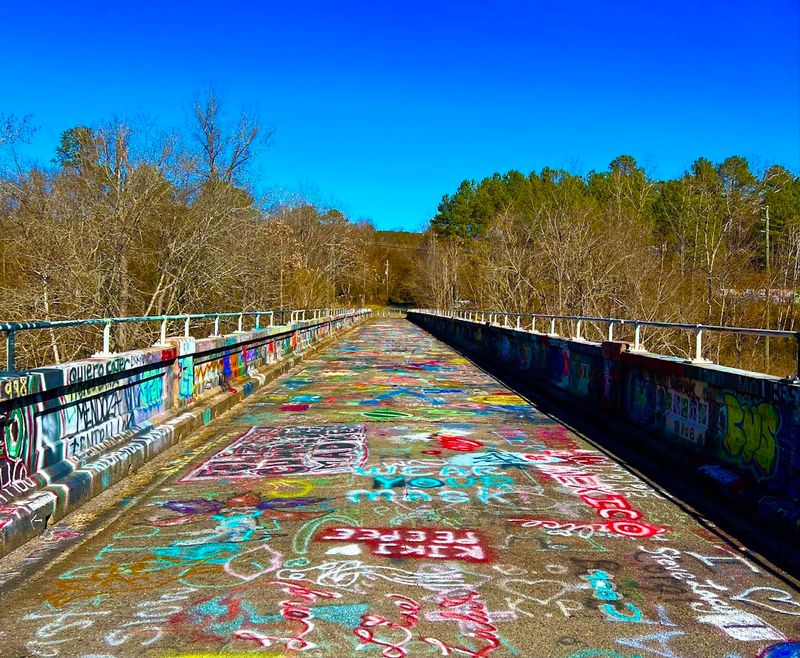
Color is what most people remember first about Old Bynum Bridge, but history is carrying just as much weight. North Carolina’s Department of Natural and Cultural Resources says the bridge was constructed in 1922–1923 and added to the National Register of Historic Places on April 23, 2020.
Chatham Historical Museum notes that vehicle traffic ended in 1999, which opened the way for the span to become the pedestrian landmark people know now. Today the bridge reads less like a relic and more like a living public canvas, with community-painted surfaces giving it a personality that feels unmistakably local.
Visit Pittsboro places the bridge and South Bynum River Access at 413 Bynum Road in Bynum. Standing on it in spring, with painted panels around you and the river moving below, gives the whole outing a sense of place that a standard trailhead cannot match.
Very few river walks come with a historic bridge that doubles as an outdoor gallery, and that unusual mix is exactly what makes this stop linger in memory after the day ends.
Bynum Mill Access Trailhead
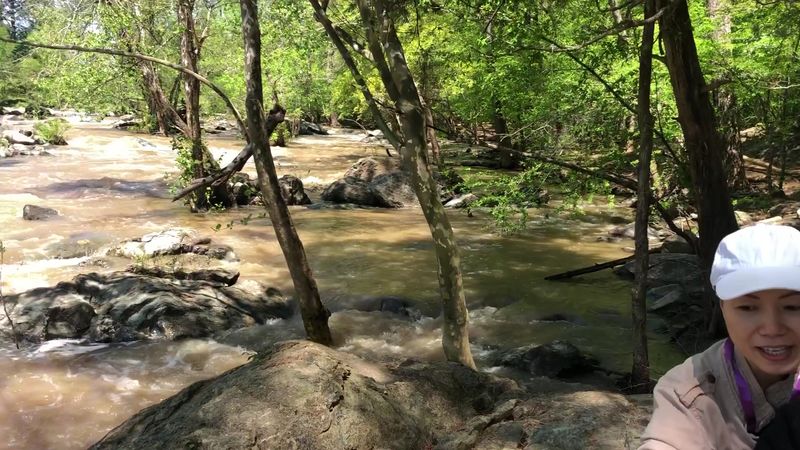
Bynum Mill Access works well for visitors who want to get close to the river without much fuss at the start of the day. Visit Pittsboro identifies the access point at 160 Bynum Church Road in Pittsboro, and Friends of the Lower Haw notes an important detail about the site: Lower Haw River State Natural Area remains largely undeveloped, the area remains more lightly developed than a typical state park, with access improvements at Bynum Mill rather than a heavily built-out trail network.
That means expectations matter. Visitors should think less in terms of a polished trail network and more in terms of footpaths, river proximity, and a natural landscape still waiting on fuller formal development.
Recent Friends updates also say Bynum Mill day access reopened after improvements, which helps confirm the area remains a practical starting point. Spring makes this kind of entry especially rewarding.
Green growth comes up quickly, river views flash through the trees, and even a short walk begins to feel tucked away from the road almost immediately. For people who like texture over polish, this access point usually feels like a strength rather than a drawback.
Haw River Paddling
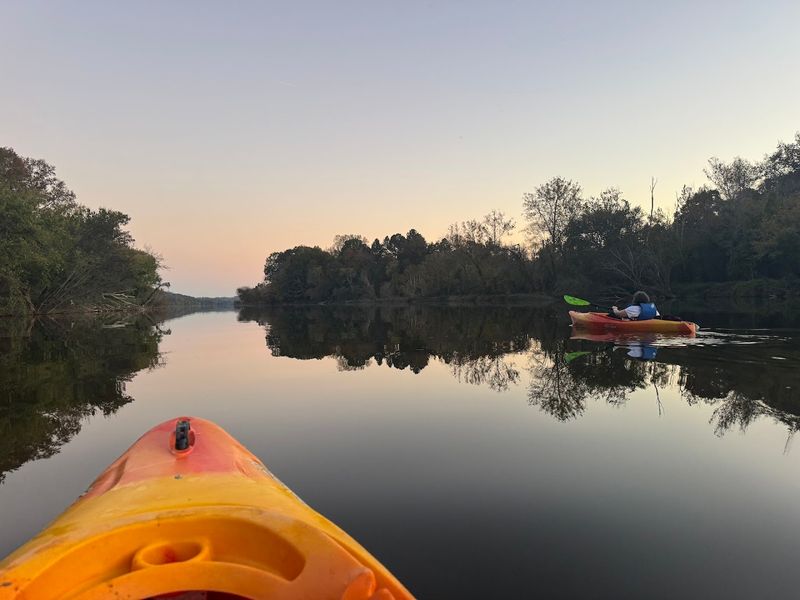
Water gives the lower Haw its strongest perspective, and paddling is one of the best ways to understand why the area keeps drawing people back. Visit Pittsboro describes Bynum Bridge and South Bynum River Access as a spot used for paddling, picnics, and birdwatching, while also clarifying that the canoe access is owned by Chatham County Parks & Recreation and that no land connection to the state natural area exists from that exact point.
That distinction is useful because it helps visitors choose the right access based on what they want to do. River users can launch or approach the Haw there, while hikers looking for state natural area land access may prefer Bynum Mill.
Outfitters also continue to serve this stretch. Visit Pittsboro notes that several regional companies, including Cape Fear River Adventures and Haw River Canoe & Kayak Company, operate in the area.
Spring is especially appealing for paddling because the river corridor looks fresh and bright, and seeing the painted bridge from the water adds a second layer to the experience that walking alone cannot quite provide.
Spring Birdwatching Along The Haw
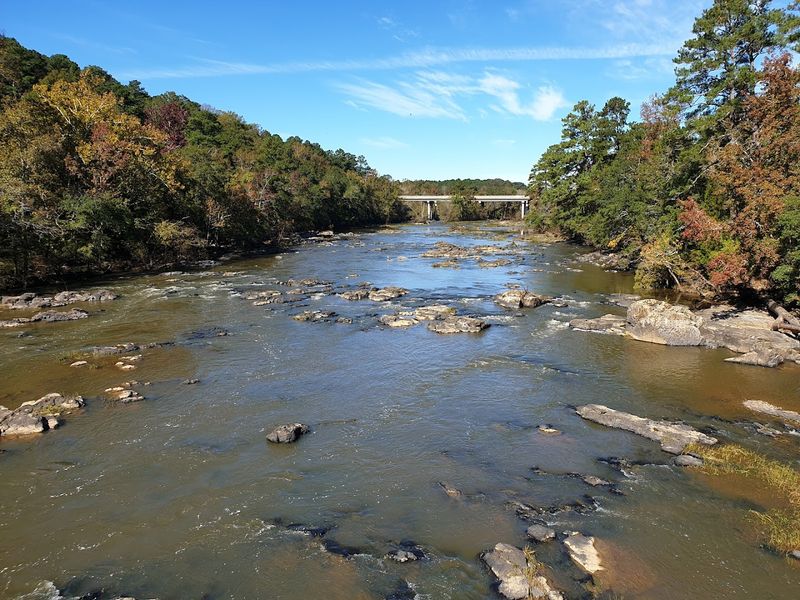
Birdsong is part of what makes this place feel so awake in spring. Friends of the Lower Haw emphasizes the ecological value of the area, including protected habitat along both sides of the river, and that helps explain why the corridor feels richer in wildlife than a simpler paved path or open recreation field would.
Mature woods, river edge, steep terrain, and changing light create the kind of layered habitat where birds are easier to hear and, with a little patience, easier to spot. Early morning usually gives the best chance for activity, especially near the river where the soundscape seems to sharpen before the day gets warmer and busier.
Casual visitors do not need to arrive with a life list to enjoy it. Herons, raptors, and smaller songbirds can all become part of the outing almost by accident, which is one of the most satisfying things about spring along the Haw.
Binoculars help, but slowing down helps even more. Much of the magic here is in noticing how much movement and sound the woods contain once winter has loosened its grip.
Bynum Community And Local Art Scene
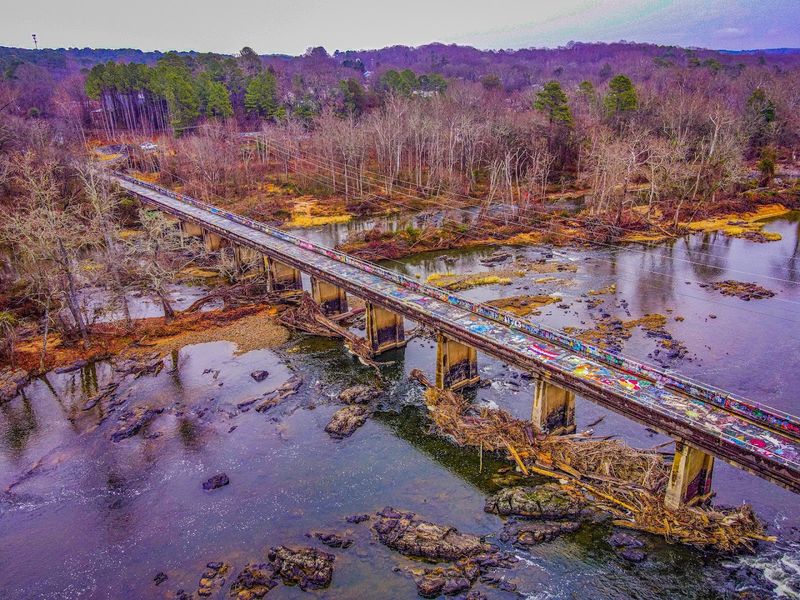
Creative energy gives Bynum its own identity, and the bridge is only the beginning of that story. Chatham Historical Museum’s local history feature on Bynum Bridge highlights the crossing’s ongoing community importance, while current tourism pages keep presenting the bridge as both a landmark and an access point rather than a frozen artifact.
Painted surfaces are the most visible expression of that spirit, but the larger appeal comes from the way the village still feels shaped by people rather than by polished tourism packaging. Walking here after time on the trail or river changes the tone of the outing.
Instead of leaving nature behind, visitors move into a small community where art and local history still feel embedded in the landscape. Spring only strengthens that impression.
Trees leaf out, light gets softer around the bridge and village streets, and the whole area feels especially gentle without becoming sleepy. Around Pittsboro, very few places combine river scenery and community-made character so naturally.
Bynum feels less like a side stop and more like part of the same story the water and trails have already started telling.
Rock Outcrops And Scenic Overlooks
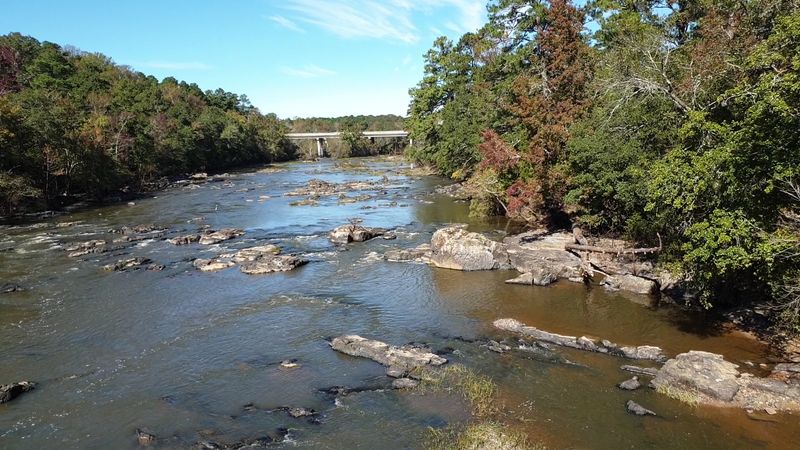
Rock is part of what keeps the lower Haw from feeling like an ordinary riverside woods walk. Friends of the Lower Haw specifically describes the natural area as having steep slopes and rock outcrops, and those features give the landscape more drama than many Piedmont visitors expect.
Spring helps them stand out even more. Fresh green leaves soften the forest, while exposed stone and moving water keep the scenery from becoming one-note.
Some of the best views are not broad, famous overlooks in the mountain sense. They are quieter moments where rock, river, and woods align in a way that makes the corridor suddenly feel older and more rugged than the surrounding region might suggest.
Terrain deserves respect here, especially because official trail development remains limited and footing can vary along unofficial paths. Still, that slightly rougher character is part of the attraction.
Visitors willing to move carefully and take their time often end up with the best reward: a river view that feels discovered rather than handed over immediately from a platform with signage. Along the Haw, stone changes the whole mood.
Picnicking Near The Painted Bridge
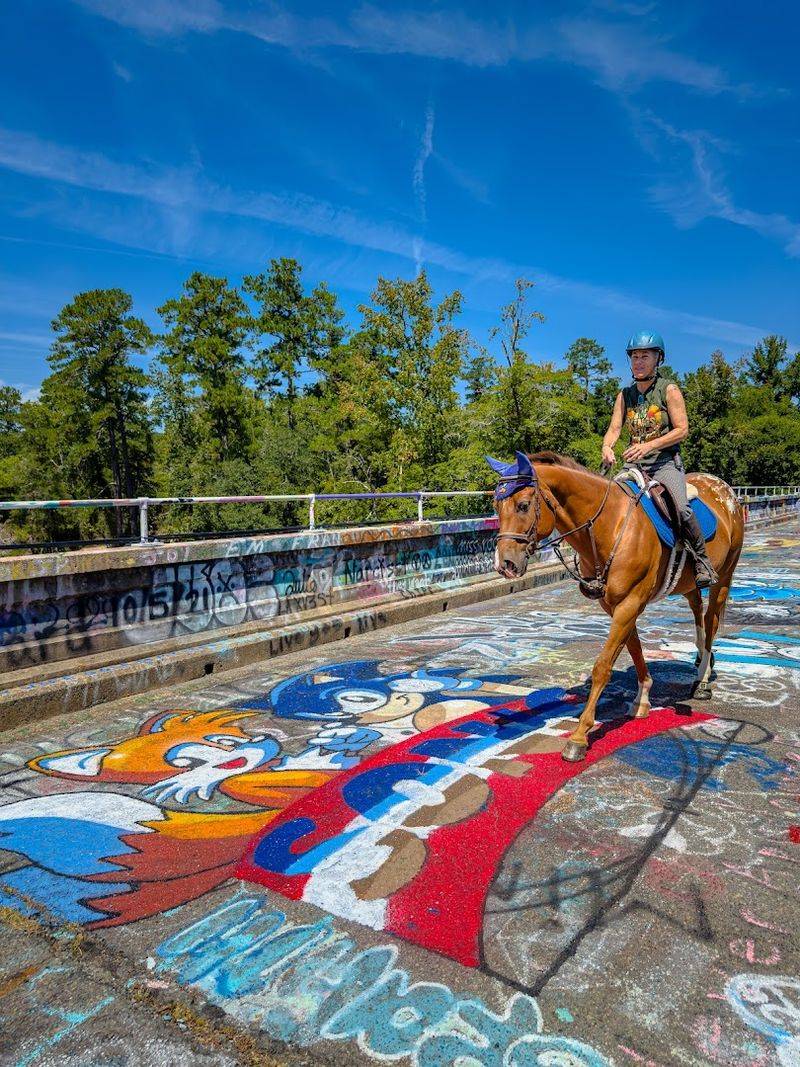
Slowing down works especially well in Bynum, and the bridge area lends itself naturally to an unhurried picnic stop. Pittsboro tourism pages describe Bynum Bridge and South Bynum River Access as a spot used for picnics alongside paddling, birdwatching, and simple strolling, which confirms that visitors already treat the area as more than a quick bridge crossing.
Grassy patches and river views make that easy to understand. Unlike a packed municipal park with designated shelters and a lot of noise, this setting feels more improvised in a pleasant way.
People can settle in, watch the bridge, listen to the water, and let the outing slow itself down. That suits spring especially well because temperatures are friendlier, the woods look fresh, and the bridge’s painted surfaces feel even more cheerful in brighter seasonal light.
Packing food is still the smart approach because the immediate Bynum area does not operate like a restaurant strip built around heavy tourist traffic. A simple lunch goes a long way here.
Sandwiches, fruit, and something cold to drink are usually enough when the real draw is the river and the view. In a place like this, the pause becomes part of the destination.
Stargazing At South Bynum River Access
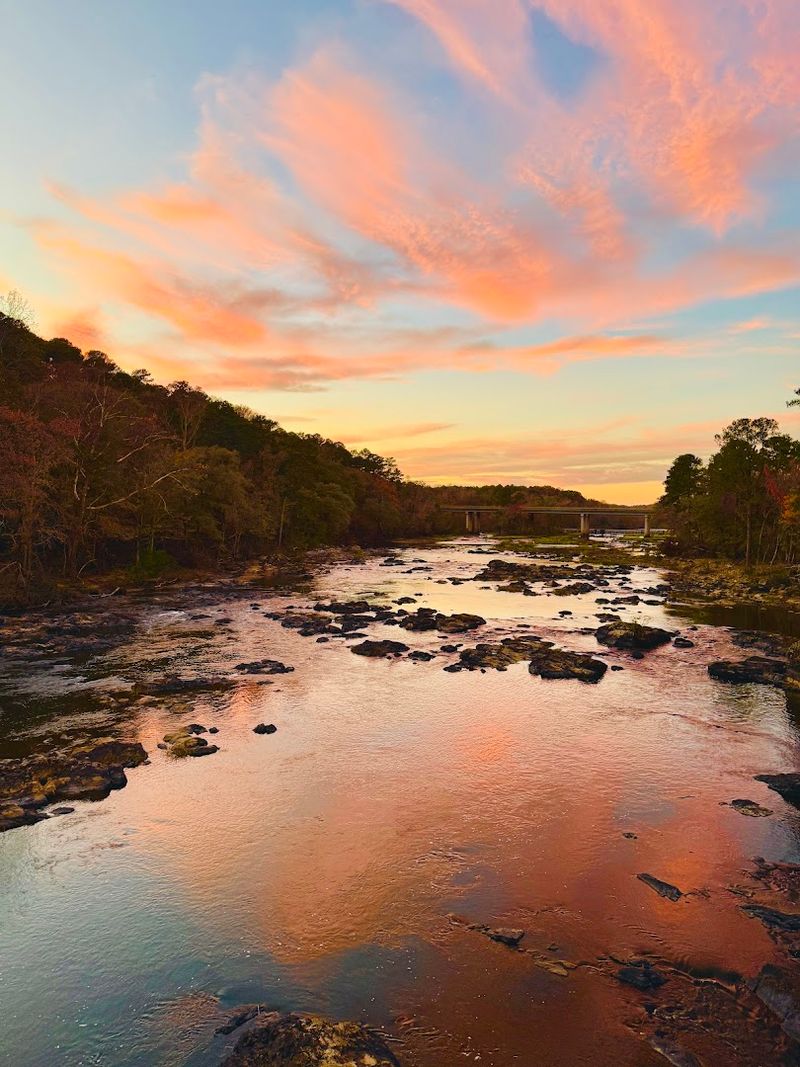
Not many spring escapes offer a compelling reason to stick around after sunset, but this one does. The South Bynum River Access area near Bynum Road is listed among the activities available at this destination.
On a clear spring night, the star count above the Haw River corridor can be breathtaking.
Arriving at dusk gives you time to watch the light shift over the water before the stars begin to appear one by one. The sound of the river and the cooling night air create an atmosphere that feels completely removed from everyday life.
Bring a blanket, lie back on a flat rock or patch of grass, and let your eyes adjust to the darkness.
Stargazing is one of those activities that requires almost no gear and rewards patience generously. For visitors who have never tried it in a natural setting, this riverside location offers an ideal introduction.
It is the kind of ending to a spring day in North Carolina that you will want to repeat every year.
Wildflower Season On The Riverbanks
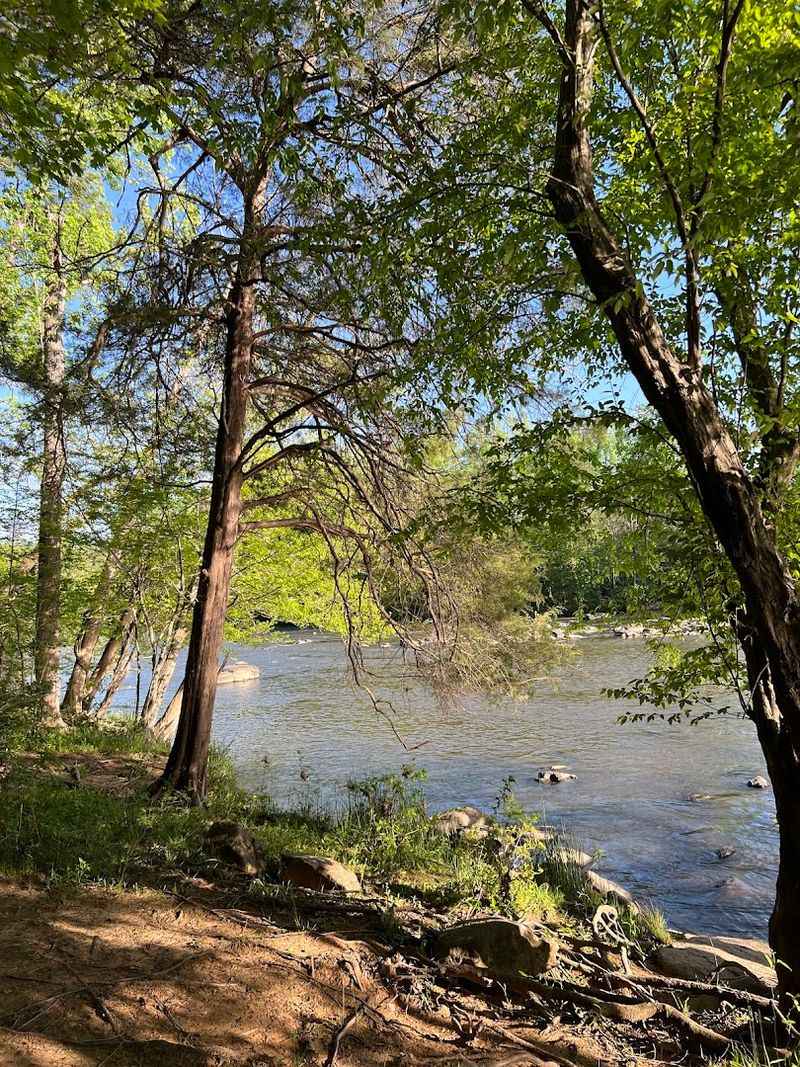
Wildflowers are one of the quiet rewards of spring here, especially for visitors willing to keep looking down as often as they look out toward the river. Friends of the Lower Haw describes the corridor as ecologically rich, with highly rated habitat along the riverbanks, and that broader environmental value helps explain why spring feels so active at ground level as well as in the canopy.
Blooms along unofficial footpaths and wooded edges do not arrive with the same fame that mountain wildflower destinations often claim, but that is part of the charm. Color appears more privately here, tucked into riverbank woods and mixed into a landscape already offering water, rock, and bridge views.
A slower pace makes all the difference. Quick hikers can miss half of what makes this season rewarding, while curious walkers tend to notice how much the forest floor changes from one stretch to the next.
Bringing a plant guide or app can deepen the visit, but it is not necessary for the experience to land. Spring already feels rich here.
Wildflowers simply make that richness more visible.