This North Carolina Town Feels Like Saturday Morning Never Left The 1950s
Saturday mornings used to feel longer, slower, and far less interested in reminding everyone about unfinished errands.
One small North Carolina town still carries that feeling.
Life moves differently here.
The mountain setting softens the noise, older buildings give the streets a familiar warmth, and nobody seems particularly eager to turn the day into a race against the clock.
Walking through town can feel strangely nostalgic, even if you never lived through the decade it seems to remember.
There is an ease to the place that brings back thoughts of porch conversations, quiet storefronts, and weekends that did not disappear before lunch.
Nothing about it feels staged for effect. The charm comes naturally, which may be why the town feels more like a memory than a destination.
This Blue Ridge town still knows how to make a Saturday morning feel wonderfully unhurried.
Main Street Keeps The Saturday-Morning Feeling Alive
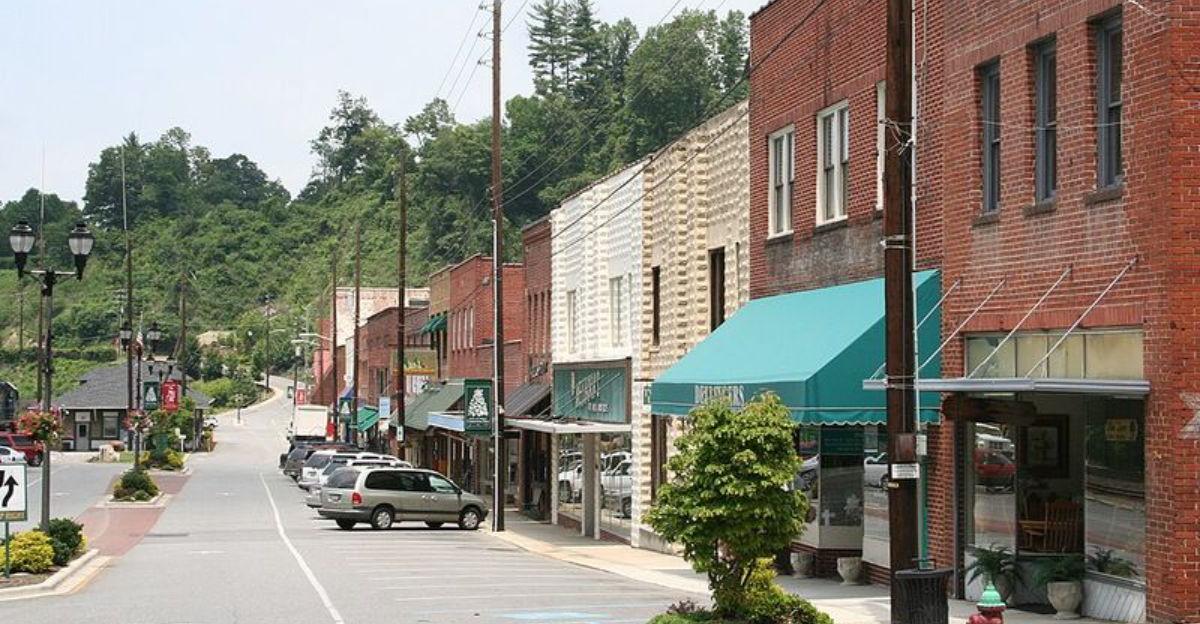
Weekend energy arrives here without much noise. Spruce Pine’s downtown feels compact, friendly, and easy to understand once you start walking.
Oak Avenue and Locust Street carry much of the action, with shops, restaurants, galleries, older buildings, and mountain-town details giving the area a lived-in charm. The town clock helps anchor the scene visually, but the feeling comes from more than one pretty landmark.
People stroll instead of rush. Store windows invite actual browsing.
Events such as Fire on the Mountain and the Toe River Studio Tour bring artists, makers, and visitors into the streets when the calendar lines up.
The Downtown Spruce Pine Historic District was added to the National Register in 2003, which helps explain why the old commercial core still feels so distinct.
Nothing about the place needs to shout. The appeal is quieter than that.
Spruce Pine feels like a town where Saturday morning can still include coffee, a bakery stop, a gallery visit, a diner meal, and a slow look at buildings that have watched generations pass by. That kind of pace is rare enough now to feel almost cinematic.
Old-School Storefronts Make The Town Feel Unrushed
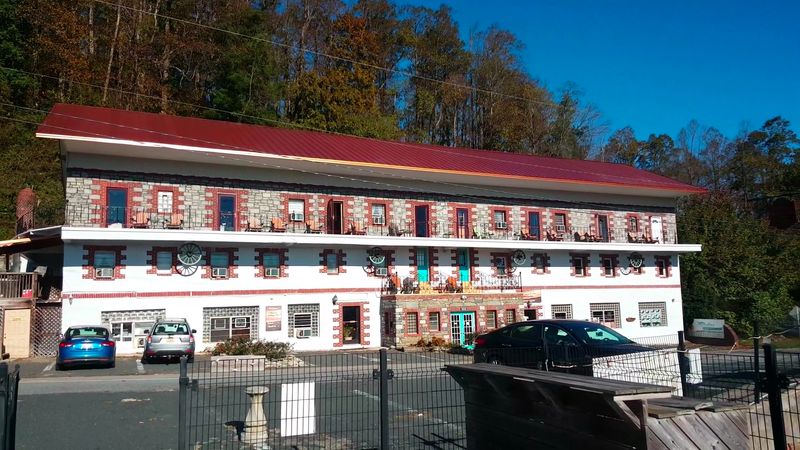
Historic architecture does much of the heavy lifting. The Downtown Spruce Pine Historic District includes 33 contributing buildings in the central business district, developed roughly between 1909 and 1953.
That date range fits the town’s throwback mood beautifully, especially because the buildings were not all scrubbed into sameness.
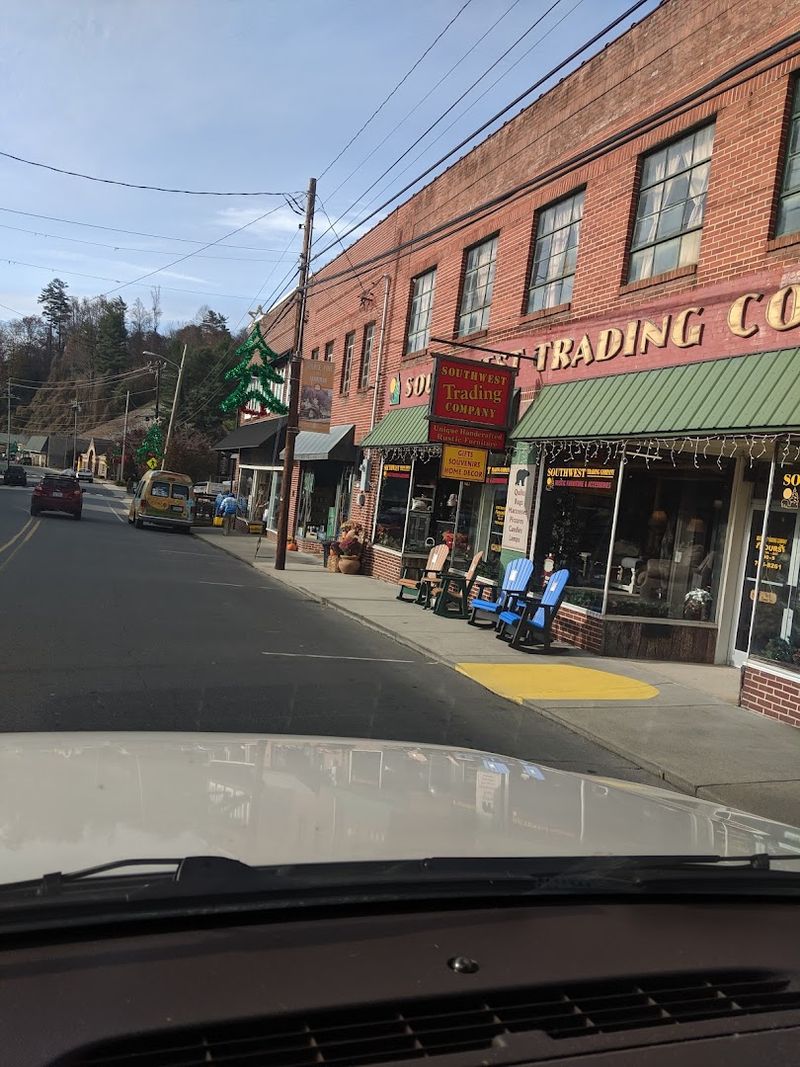
Early Commercial and Tudor Revival influences appear across the district, along with brick, stone, old storefront proportions, raised details, and materials that catch mountain light in a way newer construction rarely manages.
The Spruce Pine Depot dates to 1909, while Day’s Drug Store dates to 1950. The separately listed Gunter Building adds another memorable detail, thanks to its micaceous stone exterior and strong presence in the streetscape.
Walking past these buildings feels different from walking through a modern retail strip. The scale is smaller.
The details are easier to notice. The pace almost insists on slowing down.
Every window, corner, sign, and old facade adds another piece to the town’s visual story. Spruce Pine does not feel preserved in plastic.
It feels like an older downtown still being used, and that makes the nostalgia land with more honesty.
Local Diners Give The Nostalgia Somewhere To Sit
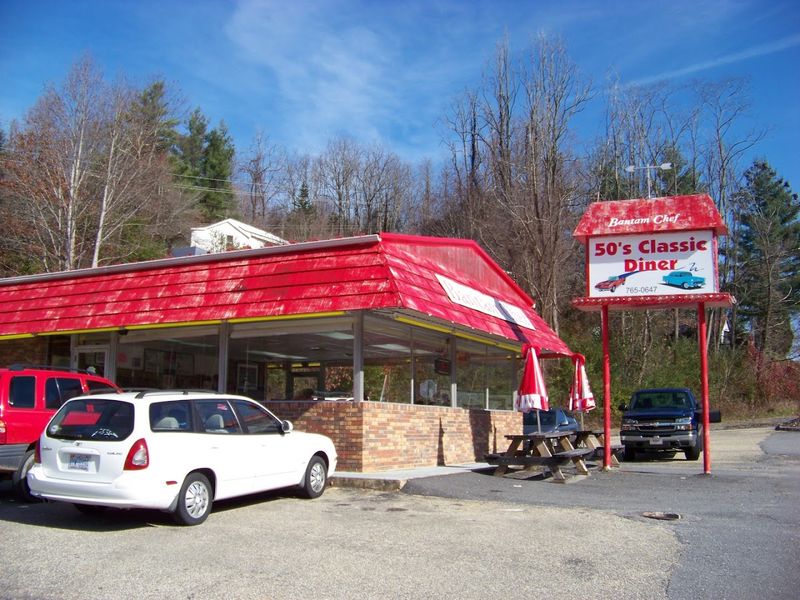
Good small-town atmosphere gets stronger when there is somewhere to eat. City Drive In gives Spruce Pine one of its clearest old-school anchors, with regional coverage tracing its local presence back to 1950.
The restaurant is known for fresh-ground burgers served Carolina-style with homemade chili, slaw, and mustard on a steamed bun. Sidewinder fries add the extra bit of local personality that makes people remember the stop.
That kind of food fits the town perfectly because it does not try to complicate the mood. It simply belongs.
Other local spots help round out the day. DT’s Blue Ridge Java brings coffeehouse warmth to Locust Street.
Pine Street Bakery gives visitors bread, pastries, sandwiches, and a good reason to follow their nose. Hef’s Restaurant keeps things casual with burgers, pizza, and familiar plates.
Donut Dinette adds a classic breakfast option for anyone who wants the morning to stay simple. Together, these places make Spruce Pine feel like more than a pretty downtown for photos.
They give the town a seat at the counter, a cup of coffee, a hot plate, and enough flavor to keep visitors from leaving too quickly.
The Two Main Streets Add A Small-Town Twist
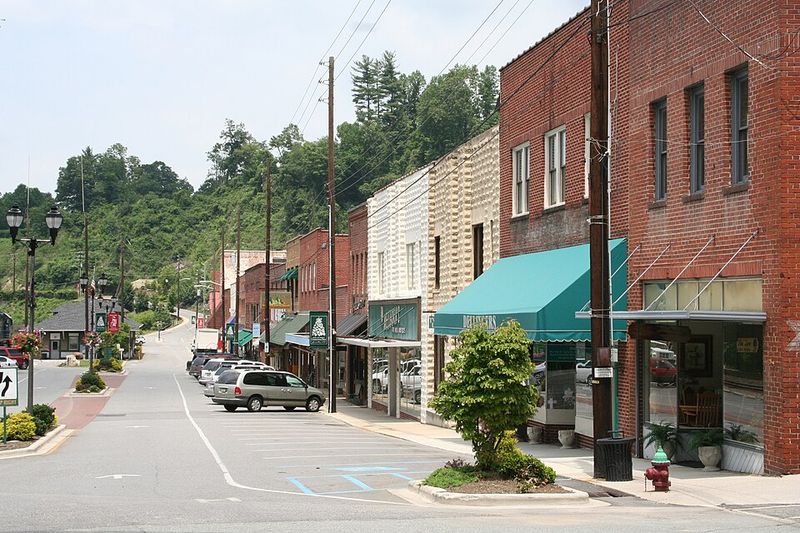
Most downtowns ask visitors to follow one obvious strip. Spruce Pine gives the walk a little more personality with its upper-and-lower street feel.
Oak Avenue and Locust Street run as parallel commercial corridors, shaped by the railroad, river, hillside, and the town’s older development pattern. That layout makes exploring feel natural without becoming boring.
Park once, follow one street, cross over, and return along the other. Locust Street carries more of the lower-town and railroad-side feeling, while Oak Avenue brings a stronger upper-street storefront rhythm.
The contrast gives a short walk more texture than the mileage suggests. One side may pull you toward food.
The other may pull you toward galleries, shops, or historic details. Together, they create a loop that rewards second looks.
This design also helps the town feel older in the best way. It was not built around one giant parking lot or a single overscaled road.
It grew with geography and practical life shaping the route. That makes wandering feel less manufactured.
Spruce Pine’s two-street rhythm gives visitors a reason to move slowly, double back, and let the town reveal itself in layers.
Art Studios Keep The Throwback Charm From Feeling Dusty
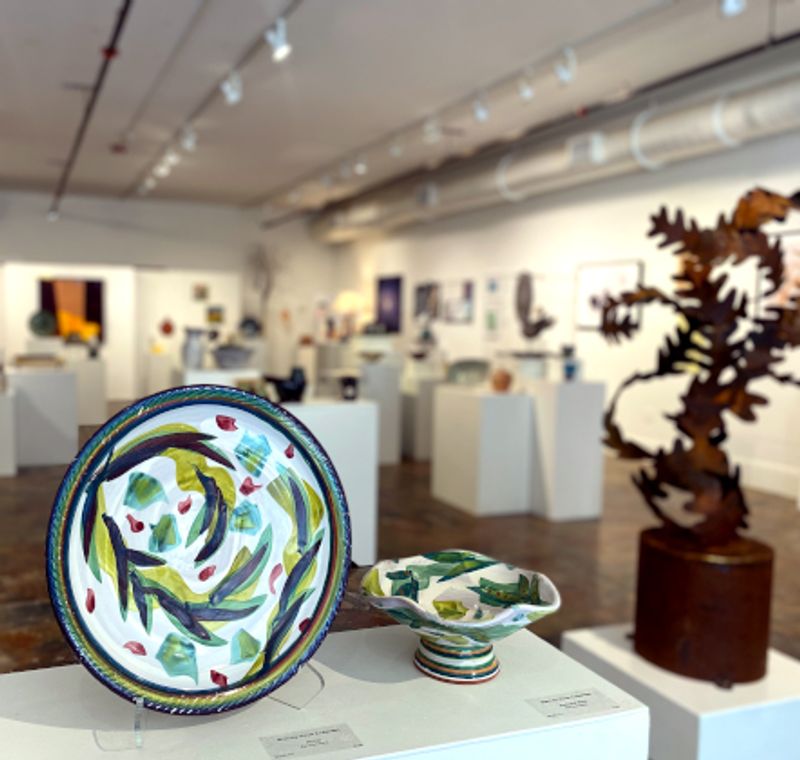
Creative work keeps the old-fashioned mood from going stale. Toe River Arts lists its Spruce Pine Gallery at 269 Oak Avenue, where exhibitions and regional work give downtown a strong arts anchor.
That matters because Spruce Pine is not only leaning on historic buildings and diner nostalgia. The town sits inside a larger craft region known for clay, glass, wood, metal, fiber, painting, and studio culture.
Penland School of Craft is only a short drive away, bringing international craft recognition close to town. Local studios, galleries, and makers add daily evidence that people are still creating here, not just preserving what already exists.
The Toe River Studio Tour, held in June and December, opens doors across the region and gives visitors a deeper look at the artists who shape this corner of the mountains. That creative pulse makes Spruce Pine feel current without losing its throwback charm.
Old buildings become places for new work. Sidewalks lead to galleries instead of only souvenir racks.
Visitors can admire the 1950s mood and still feel the town moving forward. That balance is what keeps Spruce Pine from feeling like a stage set.
Mountain Views Make The Scene Feel Even Softer
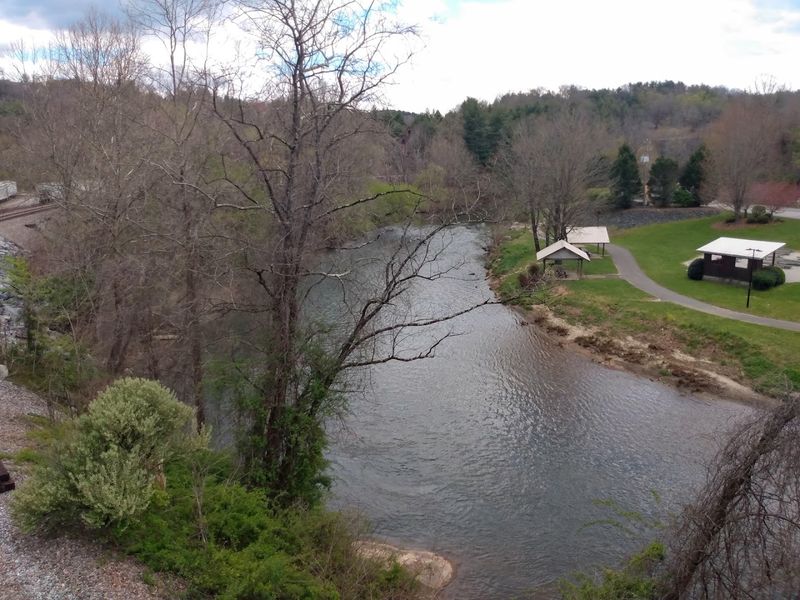
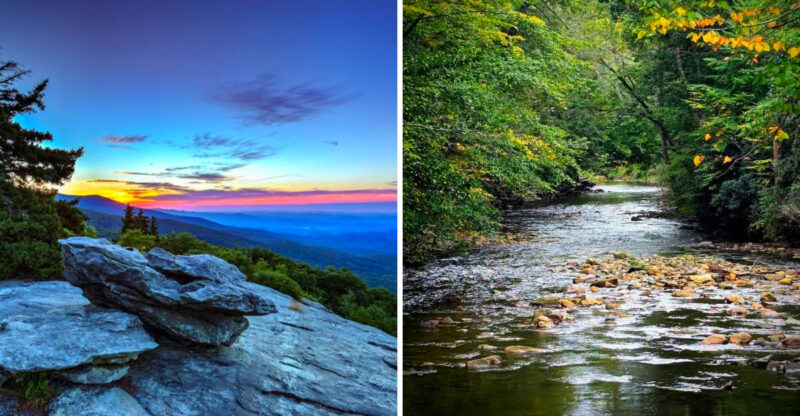
Blue Ridge scenery gives every downtown detail a gentler frame. Spruce Pine sits in the North Toe River valley, surrounded by mountain ridges that change the whole mood of a walk through town.
Coffee tastes a little better when the backdrop has layers. An old storefront looks more cinematic with mist hanging above the hills.
Even a quick bakery stop can feel like part of a larger mountain morning when the air is cool and the streets are quiet. Mount Mitchell, the highest peak east of the Mississippi River, is within driving distance, and the surrounding Blue Ridge Parkway region adds more scenic pull nearby.
The landscape keeps Spruce Pine from feeling like nostalgia for nostalgia’s sake. The town’s slower pace makes sense here because the setting encourages it.
Rivers, ridges, forests, and changing seasons all soften the edges of ordinary errands. Summer brings green fullness.
Fall adds color. Winter makes the old buildings stand out more sharply.
Spring gives the whole area a fresh start. Spruce Pine does not need to decorate itself heavily.
The mountains are already doing some of the work.
You Can Park Once And Wander Like It’s Another Decade
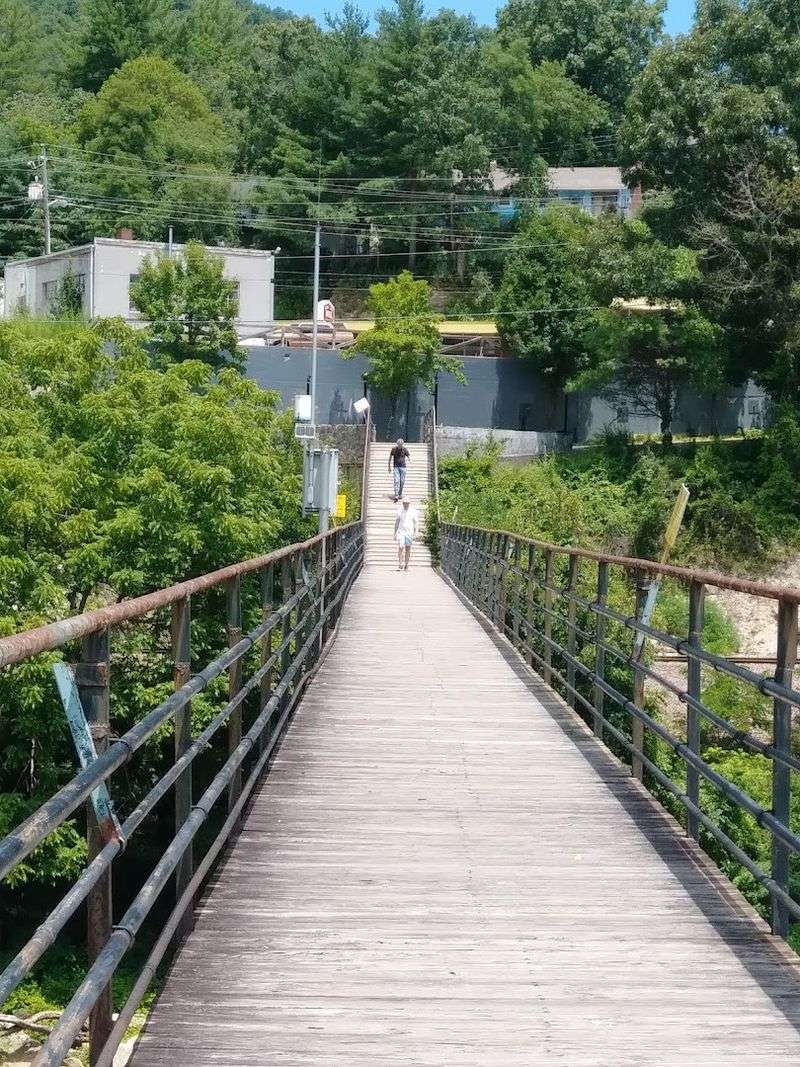
Walking remains the best way to understand the town. Spruce Pine’s downtown is compact enough that visitors can leave the car once and let the streets do the guiding.
Oak Avenue and Locust Street create an easy loop, with restaurants, shops, galleries, historic buildings, and small surprises close enough to reach without planning every step. That walkable scale gives the visit its old-fashioned rhythm.
No constant re-parking. No rushing between distant lots.
No need to turn the day into a checklist. A bakery smell may change the route.
A gallery window may slow the pace. A building detail may pull attention upward.
Riverside Park and the North Toe River area add another pleasant detour when visitors want a little green space near the water. During big events, parking can get busier, but the town’s compact shape still makes walking feel practical.
The best Spruce Pine visit leaves room for accidental discoveries. That is what makes it feel like another decade.
The town does not ask visitors to optimize every minute. It gives them permission to wander, pause, and circle back for whatever they almost missed.
Nearby Parkway Stops Turn The Visit Into A Scenic Detour
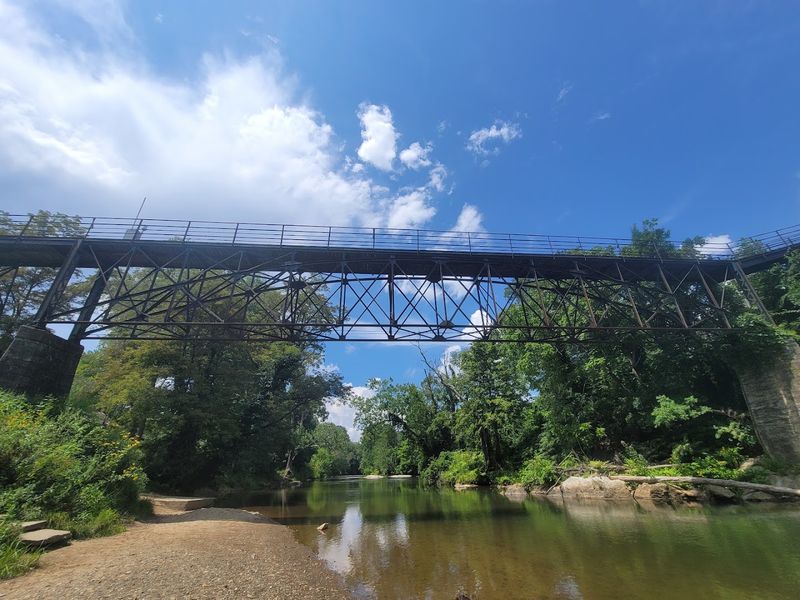
Scenic side trips sit close enough to make Spruce Pine even more tempting. The Museum of North Carolina Minerals is based at Blue Ridge Parkway Milepost 331, at the junction of the Parkway and NC-226, about six miles east of town.
That stop gives visitors a better understanding of the region’s geology, including the minerals and high-purity quartz that have made the Spruce Pine Mining District known far beyond western North Carolina.
The Orchard at Altapass, near Milepost 328.3, adds a seasonal mountain stop with apples, music, history, and community programming when open.
Linville Falls, farther along the Parkway near Milepost 316.4, offers one of the region’s most famous waterfall outings for travelers who want to extend the day. These nearby stops help turn Spruce Pine from a charming downtown visit into a fuller Blue Ridge detour.
Start with coffee and a slow walk through town. Add galleries or lunch.
Then follow the Parkway toward geology, orchards, overlooks, or waterfalls. The town’s 1950s Saturday-morning feeling is strong on its own, but the surrounding scenery makes the whole trip feel even richer.