This North Carolina Trail Becomes Pure Magic In Winter
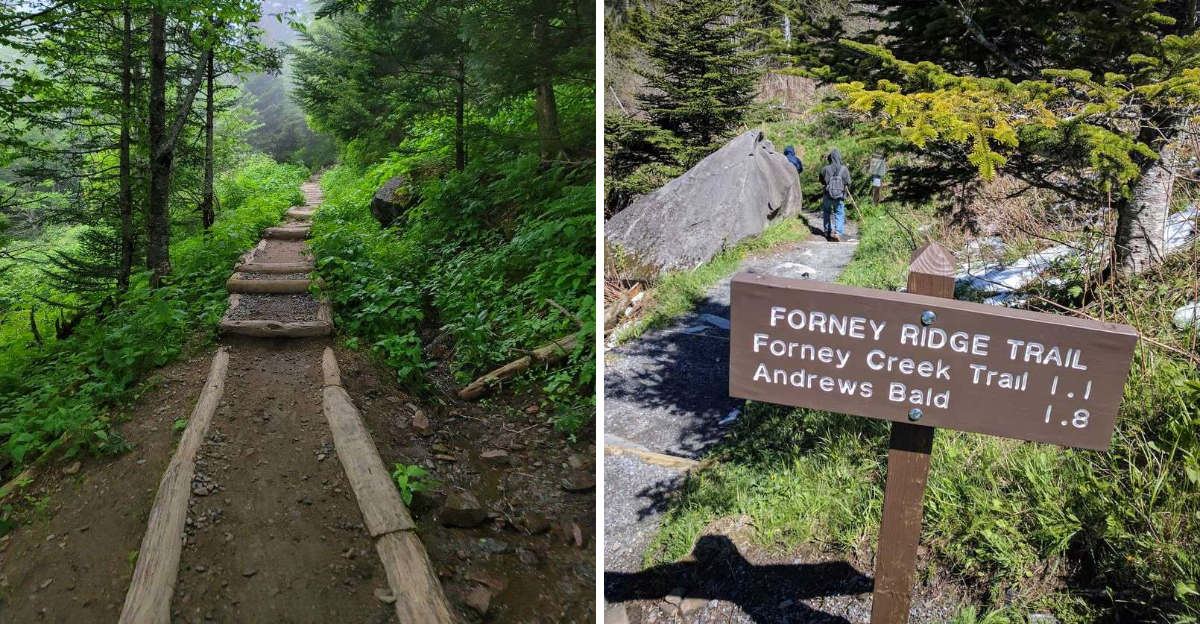
Winter transforms the Forney Ridge Trail into something truly unforgettable, turning an already scenic hike into a quiet mountain dream.
A soft blanket of snow settles over the high-elevation spruce-fir forest, ice crystals sparkle on evergreen branches, and the air feels sharp, fresh, and incredibly alive with every breath. As temperatures drop, the crowds fade away, leaving behind a hushed landscape where your footsteps crunch softly and the mountains seem to stand still.
Tucked near the North Carolina–Tennessee border at Clingmans Dome near Bryson City, this trail becomes a rare winter escape, one of the most peaceful, awe-inspiring places in the entire Great Smoky Mountains National Park.
Starting Point At Clingmans Dome Road
Getting to the trailhead feels like half the adventure. The Forney Ridge Trail begins at the Forney Ridge Parking Area along Clingmans Dome Trail in Bryson City, about seven miles from Newfound Gap Road. Winter access requires some planning since Clingmans Dome Road closes from December through March.
Snow gates block vehicle traffic during these months. Hikers who want to reach the trailhead must walk or ski the road, adding roughly fourteen miles round-trip to their journey. That extra distance keeps crowds away, creating a wonderfully solitary experience for those willing to make the effort.
The parking area sits at one of the highest elevations in the park. Cold temperatures and strong winds are common even on sunny days. Checking road conditions before heading out saves disappointment and ensures safety.
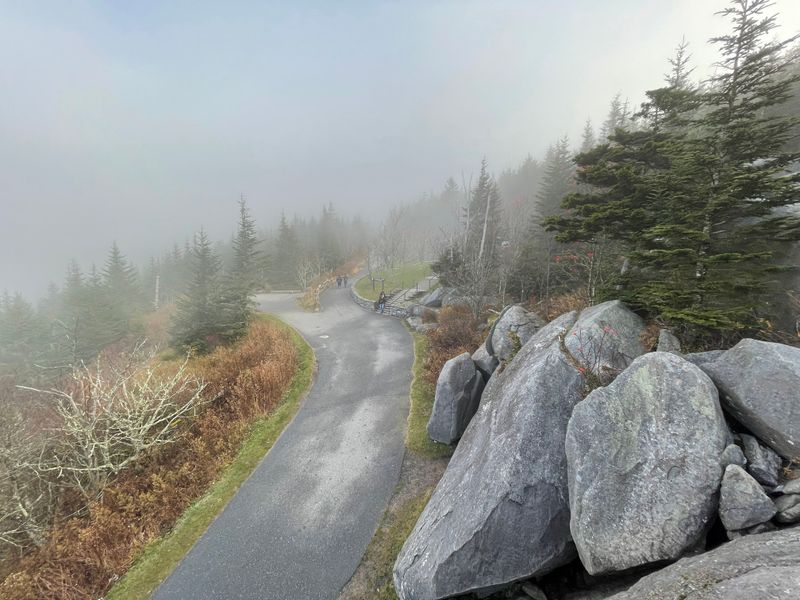
Many visitors combine this trail with a trip to Clingmans Dome observation tower. The tower offers panoramic views on clear days, though fog often wraps the summit in mysterious clouds. Starting early gives hikers the best chance for good visibility and plenty of daylight hours.
Moderate Difficulty With Elevation Changes
Trail ratings can be tricky to interpret. The Forney Ridge Trail earns a moderate difficulty rating primarily because of its length and elevation changes rather than technical challenges. Starting from the trailhead, hikers descend about 2,600 feet over roughly 5.6 miles to Board Camp Gap.
Descending sounds easier than climbing, but it creates its own challenges. Knees and toes take a beating on the downward journey, and returning uphill requires stamina and determination. Winter conditions add another layer of difficulty with ice, snow, and potentially slippery footing.
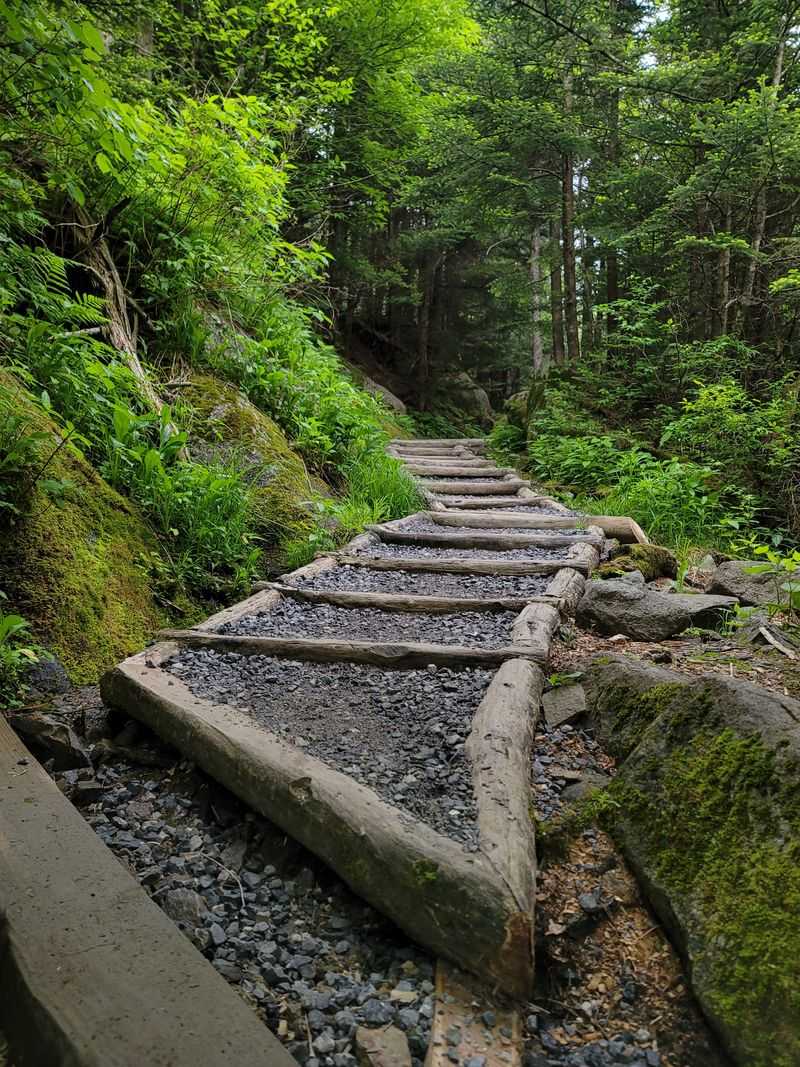
Rocky sections and exposed roots dot the trail throughout its length. Some areas feature log walkways installed to prevent erosion and keep boots dry. These elevated sections can become especially slippery when wet or icy, demanding careful foot placement.
Fitness level matters more than hiking experience on this trail. Anyone in decent shape who takes their time can complete the hike. Pacing yourself and taking breaks helps prevent exhaustion, especially when dealing with the elevation gain on the return trip back to the parking area.
Andrews Bald Mountain Views
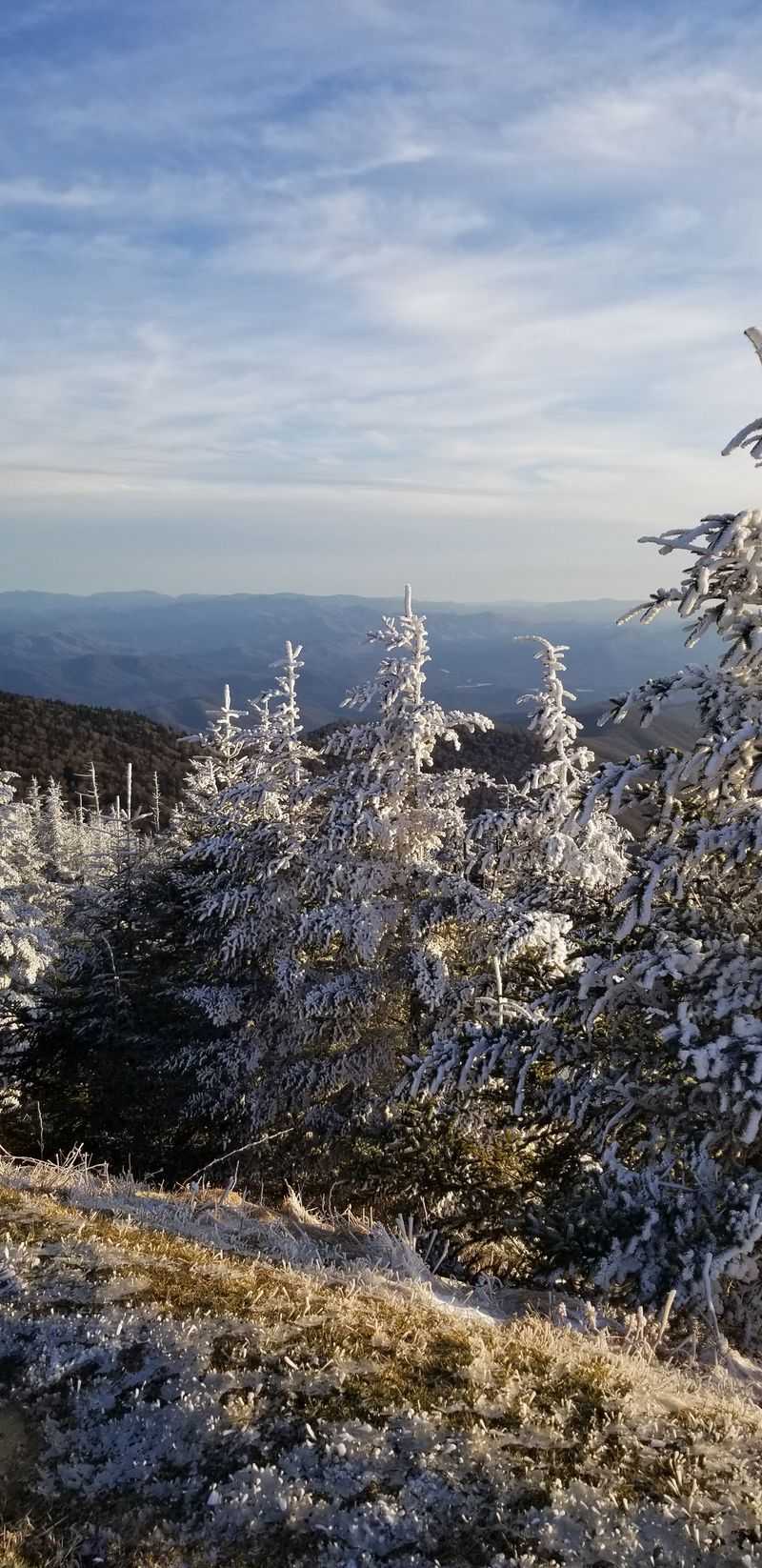
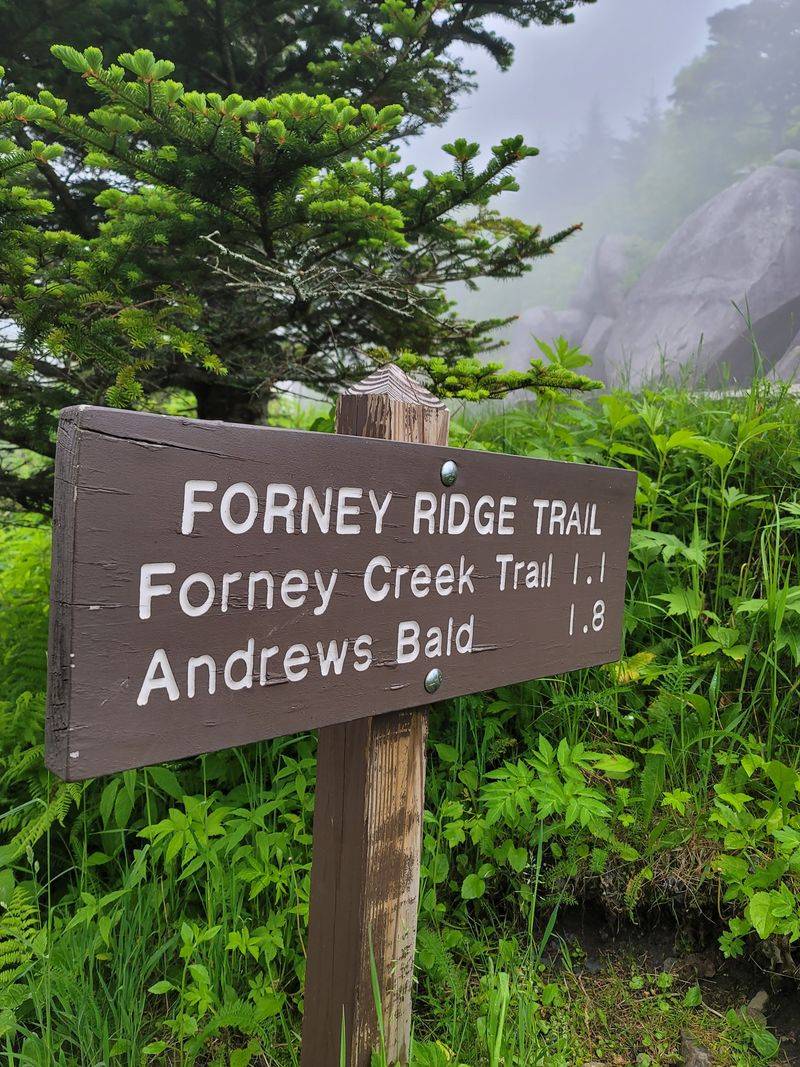
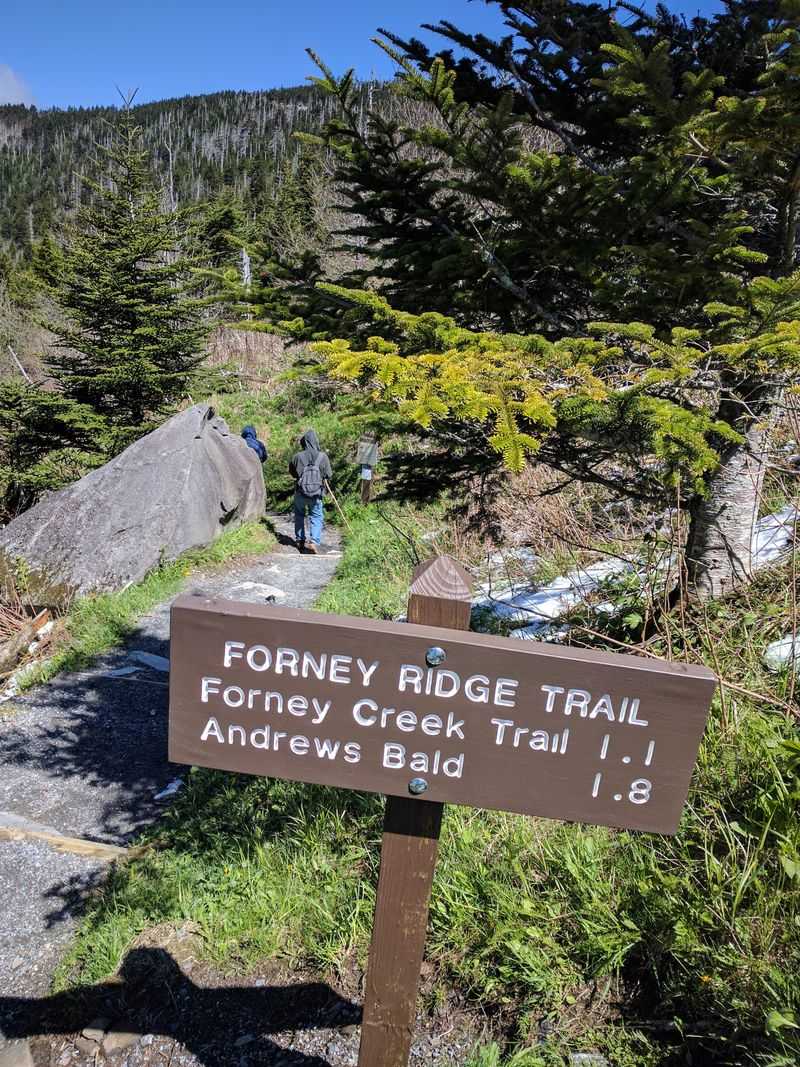
Approximately 1.8 miles from the trailhead sits Andrews Bald. This grassy clearing at 5,920 feet represents the highest bald in Great Smoky Mountains National Park. The open meadow provides stunning 360-degree views of surrounding peaks and valleys when weather cooperates.
Winter often brings crystal-clear days with exceptional visibility. Snow covers the bald in a blanket of white, creating photo opportunities that look like something from a winter wonderland postcard. Bare trees on distant ridges create intricate patterns against the sky.
The bald serves as a natural turnaround point for day hikers. Many people make this their destination, enjoying a snack or lunch while soaking in the scenery. The relatively short distance from the trailhead makes Andrews Bald accessible even for those not tackling the full trail.
Fog sometimes rolls in without warning, reducing visibility to just a few feet. These misty moments create an entirely different but equally magical atmosphere. The bald transforms into a mysterious, otherworldly place where sound travels strangely and landmarks disappear into the clouds.
Spruce-Fir Forest Ecosystem
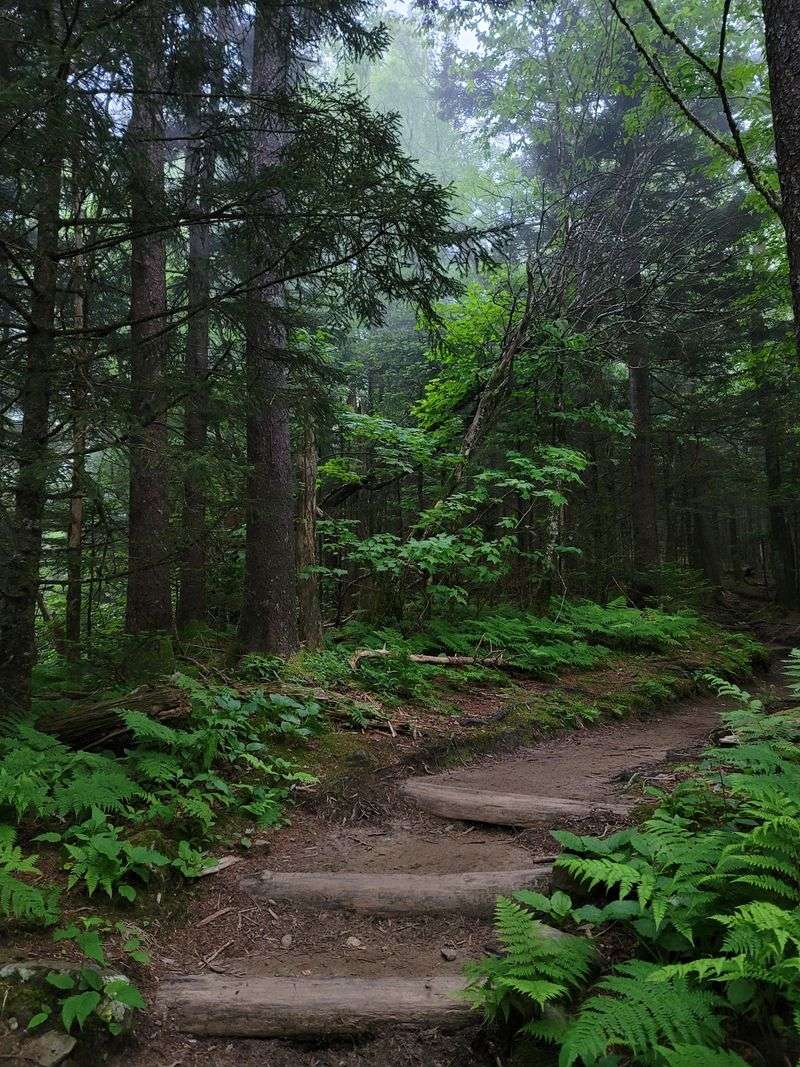
High-elevation forests feel different from lowland woods. The Forney Ridge Trail passes through a spruce-fir forest ecosystem found only at the highest elevations in the southern Appalachians. These dark, fragrant woods resemble forests found hundreds of miles north in Canada.
Red spruce and Fraser fir trees dominate the canopy. Their evergreen needles stay green year-round, providing color even when deciduous trees stand bare. Snow clings to their branches in winter, creating a scene straight from a holiday card.
The forest floor stays relatively open beneath the dense canopy. Moss covers fallen logs and rocks, adding texture and various shades of green. Ferns and wildflowers emerge in warmer months, but winter reveals the forest’s bones and structure.
Unfortunately, the Fraser fir population faces threats from the balsam woolly adelgid. This invasive insect has killed many mature firs throughout the park. Standing dead trees, called snags, remain as stark reminders of this ecological challenge while providing important habitat for woodpeckers and other cavity-nesting birds.
Winter Weather Preparation Essentials
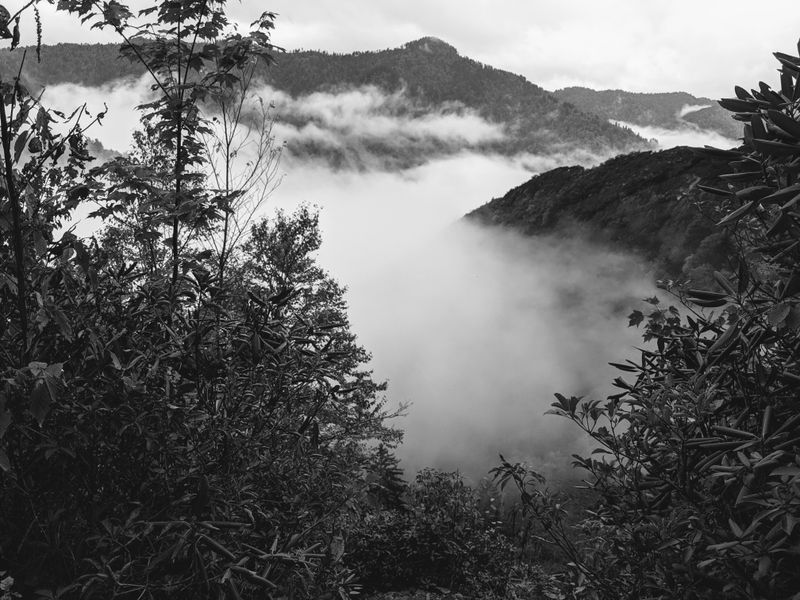
Mountain weather changes faster than most people expect. Temperatures at the Forney Ridge trailhead can be thirty degrees colder than in nearby valleys. Wind chill makes conditions feel even more severe, especially on exposed ridges and at Andrews Bald.
Layering clothing provides the most flexibility for changing conditions. Start with a moisture-wicking base layer, add insulating mid-layers, and top with a windproof and waterproof outer shell. Bringing extra layers in your pack allows adjustments as you warm up from exertion or cool down during breaks.
Gloves, hats, and neck gaiters protect extremities from cold and wind. Fingers and ears get cold quickly at high elevations. Many hikers bring two pairs of gloves, a lighter pair for hiking and heavier mittens for breaks or summit time.
Waterproof boots with good ankle support and traction are non-negotiable for winter hiking. Gaiters keep snow from getting inside boots. Chemical hand warmers provide emergency warmth if conditions turn unexpectedly cold.
Always carry more supplies than you think you need because mountain weather shows little mercy to the unprepared.
Traction Devices For Icy Conditions
Ice transforms hiking trails into skating rinks. The early portions of the Forney Ridge Trail can become especially treacherous when temperatures hover around freezing. Shaded sections may stay icy even when sunny areas thaw during the day.
Microspikes slip over hiking boots and provide excellent traction on ice and packed snow. These lightweight devices feature small metal spikes that grip frozen surfaces. They weigh almost nothing in your pack but make a tremendous difference in safety and confidence.
Trekking poles offer additional stability on slippery terrain. They help with balance, reduce strain on knees during descents, and provide extra points of contact with the ground. Many hikers who never use poles in other seasons find them invaluable for winter hiking.
Full crampons are typically overkill for this trail unless conditions are exceptionally severe. Microspikes or similar light traction devices handle most winter conditions hikers encounter. Practicing putting them on before you need them prevents fumbling with cold fingers on the trail.
Removing them when reaching bare ground extends their life and makes walking more comfortable.
Wildlife Encounters In Winter
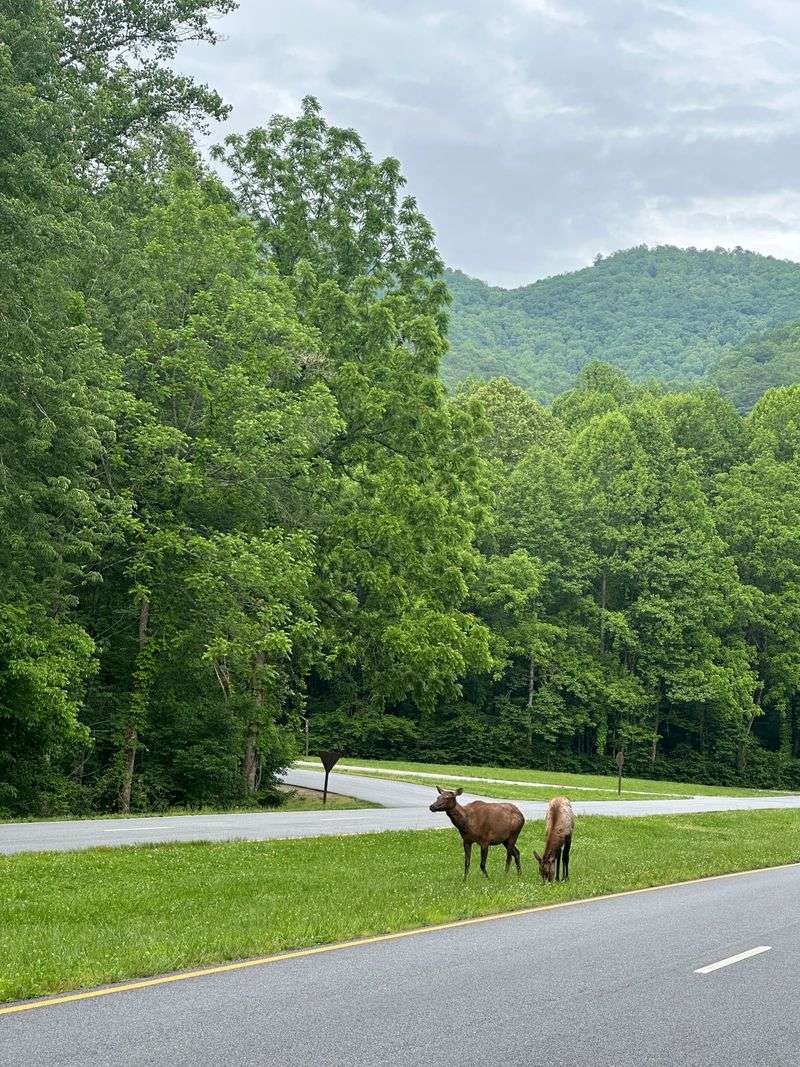
Animals behave differently when snow blankets the mountains. The Forney Ridge Trail provides opportunities to spot various wildlife species, though winter sightings require patience and sharp eyes. Fresh tracks in snow tell stories about who passed by and when.
Black bears typically den during the coldest months. Seeing one in winter is unusual but not impossible, especially during mild spells. White-tailed deer browse on whatever vegetation they can find, their brown coats standing out against white snow.
Bird activity increases on milder winter days. Ravens croak overhead, their calls echoing through the forest. Juncos, chickadees, and nuthatches flit through branches, searching for insects and seeds.
The high-elevation forest hosts some species rarely seen at lower elevations.
Squirrels and chipmunks stay active during warmer periods. They rely on cached food supplies to survive winter. Watching them navigate snow-covered branches and logs provides entertainment during rest breaks.
Respecting wildlife by observing from a distance keeps both hikers and animals safe while allowing natural behaviors to continue undisturbed.
Trail Maintenance And Rehabilitation
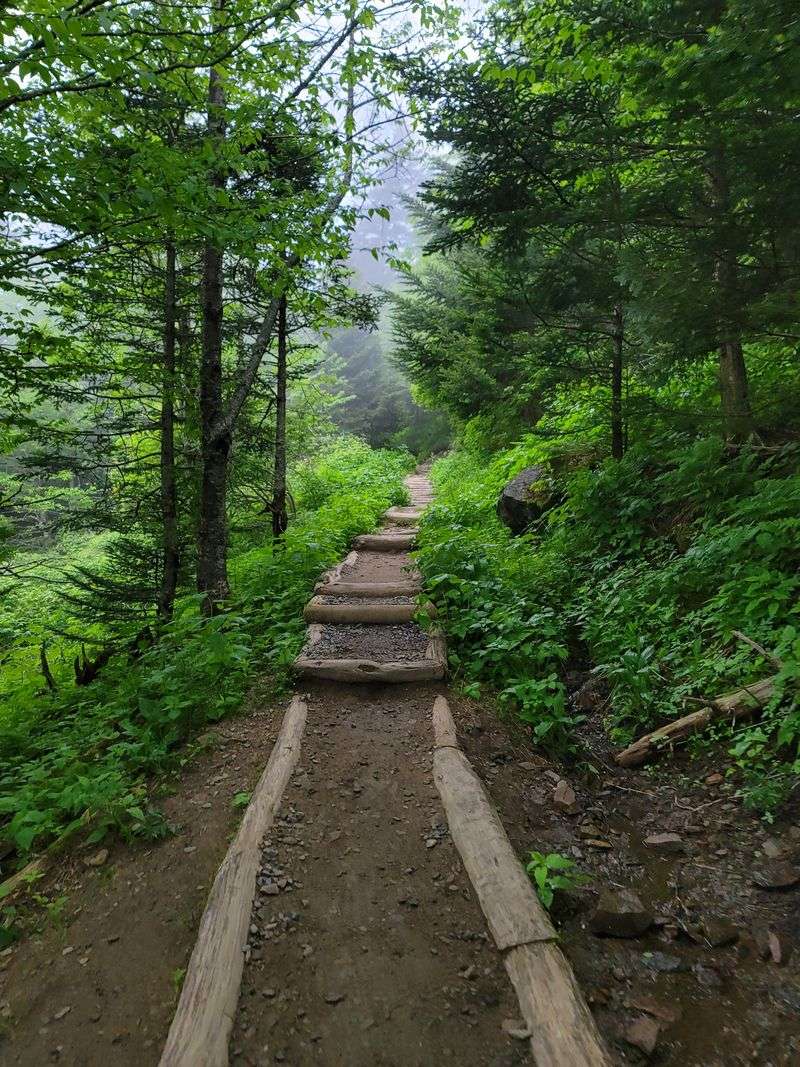
Thousands of boots create significant wear on popular trails. The Forney Ridge Trail has undergone substantial rehabilitation work to address erosion and improve hiker safety. These improvements help protect the fragile high-elevation ecosystem while enhancing the hiking experience.
Stone steps now stabilize particularly steep or eroded sections. These carefully placed rocks provide solid footing and direct water runoff away from the trail. The work required hauling materials and using hand tools since machinery cannot access remote trail sections.
Elevated log walkways cross wet or muddy areas. These structures keep hikers on the designated path and prevent trail widening. When everyone walks on the logs rather than skirting around muddy spots, the trail stays narrower and impacts remain concentrated.
Volunteers and trail crews from various organizations contribute to ongoing maintenance efforts. Their work often goes unnoticed by casual hikers but makes a tremendous difference. Staying on the maintained trail, avoiding shortcuts, and packing out all trash helps preserve these improvements.
Winter hikers see the trail in a different state, with snow covering many features, but the underlying infrastructure continues protecting the landscape year-round.
Solitude And Reduced Crowds
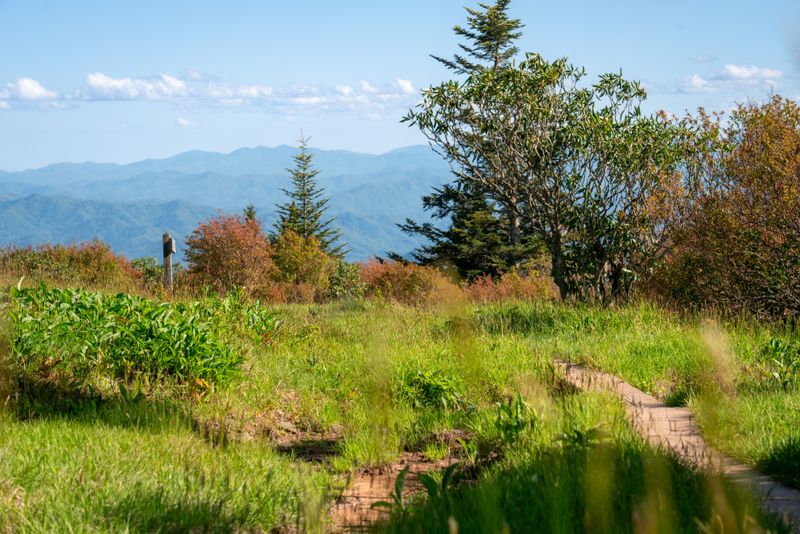
Summer brings crowds that can diminish the wilderness experience. Winter offers something increasingly rare in popular national parks: genuine solitude. The combination of road closures, cold temperatures, and challenging conditions keeps most visitors away from the Forney Ridge Trail during the coldest months.
Hiking for hours without seeing another person feels remarkable. The silence becomes almost tangible, broken only by wind through trees and your own breathing. This quietness allows deeper connection with the landscape and provides space for reflection.
Popular viewpoints that swarm with people in summer stand empty in winter. You can linger at Andrews Bald as long as you want without feeling rushed or crowded. Taking photos without strangers in the background becomes effortless.
The solitude does require extra safety awareness. Fewer people mean less chance of help if something goes wrong. Telling someone your plans and expected return time becomes even more important.
Carrying emergency supplies and knowing basic wilderness first aid provide peace of mind while enjoying the peaceful, uncrowded trails.
Photography Opportunities In Winter Light
Winter light possesses a quality that photographers dream about. The low angle of the sun creates long shadows and warm tones even at midday. Snow acts as a natural reflector, filling in shadows and creating even illumination.
Frost-covered branches catch morning light and glow like they contain their own light source. Ice crystals create intricate patterns on rocks, leaves, and bark. These tiny details reward close observation and macro photography.
Fog and clouds add drama to landscape photos. Partially obscured mountains create layers of receding ridges that fade into the distance. The monochromatic palette of winter scenes—whites, grays, and the dark green of evergreens—produces striking compositions.
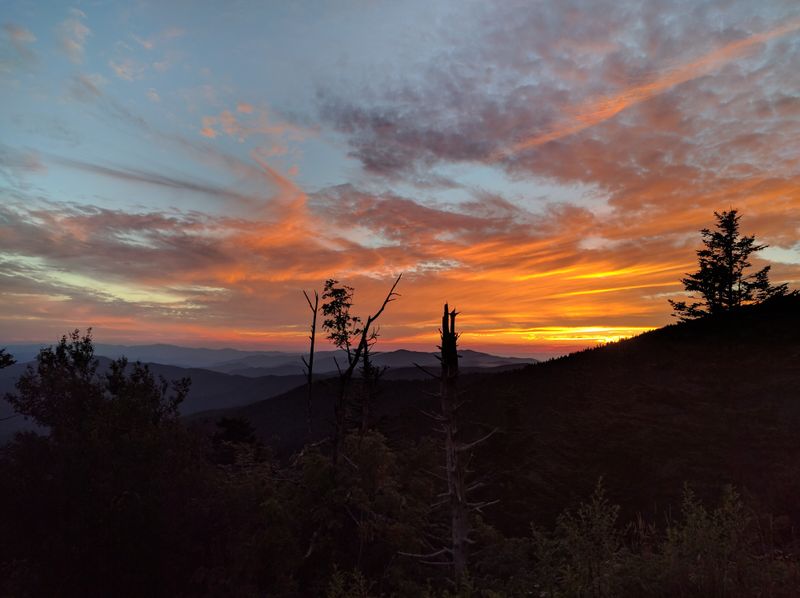
Sunset and sunrise at high elevations paint the sky in vivid colors. Pink and orange light washes across snow-covered peaks. Bringing extra batteries is essential since cold drains them quickly.
Keeping your camera inside your coat between shots prevents condensation problems and keeps batteries warmer. The extra effort required to capture winter images makes the resulting photos even more satisfying and memorable.
Hydration And Nutrition Needs
Cold weather tricks people into forgetting about hydration. Breathing cold, dry air and physical exertion cause significant water loss even when you do not feel thirsty. Dehydration impairs judgment and physical performance, increasing accident risk.
Insulated water bottles or hydration bladders with insulated tubes prevent freezing. Some hikers carry their water bottles upside down since water freezes from the top. Warm drinks in a thermos provide both hydration and comfort during breaks.
Your body burns extra calories generating heat in cold conditions. Bringing more food than you think you need provides energy and safety margin. High-calorie snacks like nuts, chocolate, and energy bars resist freezing and provide quick energy.
Eating regularly maintains energy levels and body temperature. Taking short breaks to refuel prevents the exhaustion that creeps up gradually. Warm soup or hot chocolate from a thermos offers a morale boost on cold days.
Many experienced winter hikers pack twice as much food as they would for a similar summer hike, knowing that extra supplies provide both physical fuel and psychological comfort when conditions turn challenging.
Magical Transformation After Fresh Snowfall
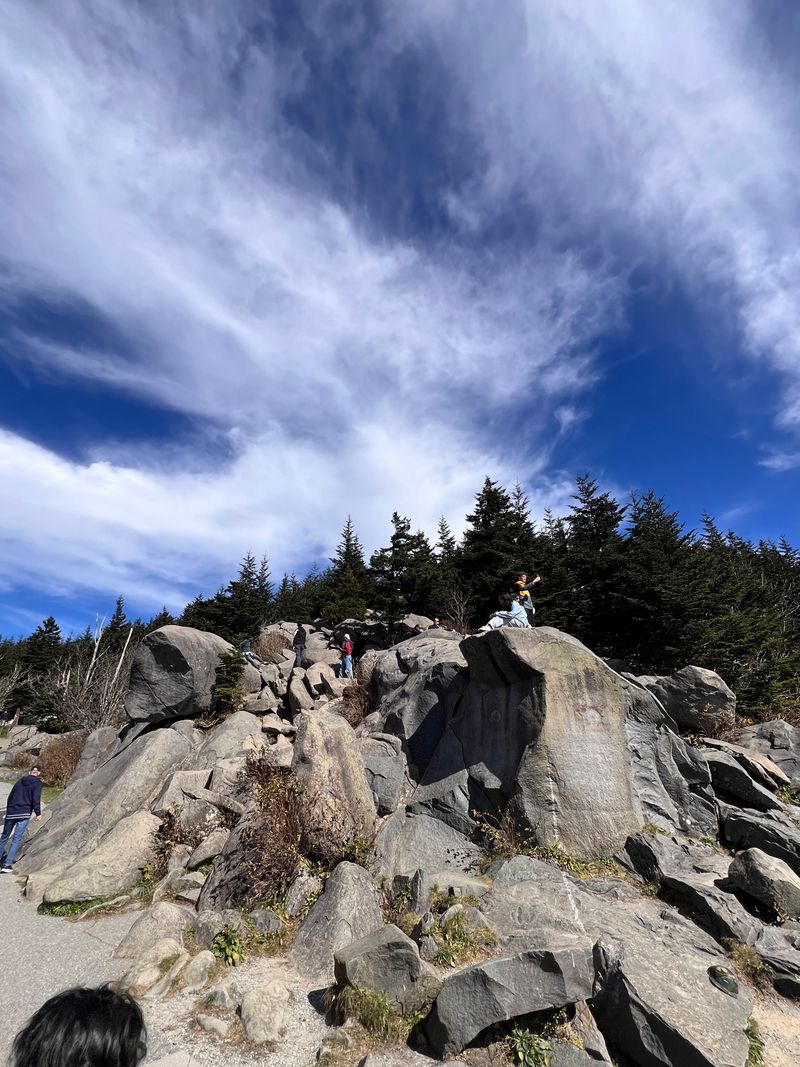
Fresh snow changes everything overnight. Trees that looked ordinary the previous day wear thick coats of white. Every branch, twig, and pine needle gets outlined in snow, creating a landscape that looks almost unreal in its perfection.
Being among the first to walk a trail after snowfall creates a special feeling. Your tracks write the first story in the fresh snow. The quiet feels even deeper, as if the snow absorbs sound.
Everything looks clean and new.
Snow reveals the landscape’s contours and shapes. Features hidden by summer vegetation become visible. Rock formations, fallen trees, and the trail itself stand out clearly against the white background.
The forest architecture becomes apparent in ways impossible during other seasons.
The transformation never lasts long. Wind knocks snow from branches, subsequent hikers create a packed trail, and melting begins as soon as the sun emerges. Catching the trail in its pristine, just-after-snowfall state requires timing and luck.
Those fortunate enough to experience it remember the magical quality of that fresh, unmarked snow for years afterward, often planning return trips hoping to capture that feeling again.