This North Carolina Victorian Mansion Is A Timeless Piece Of Fayetteville
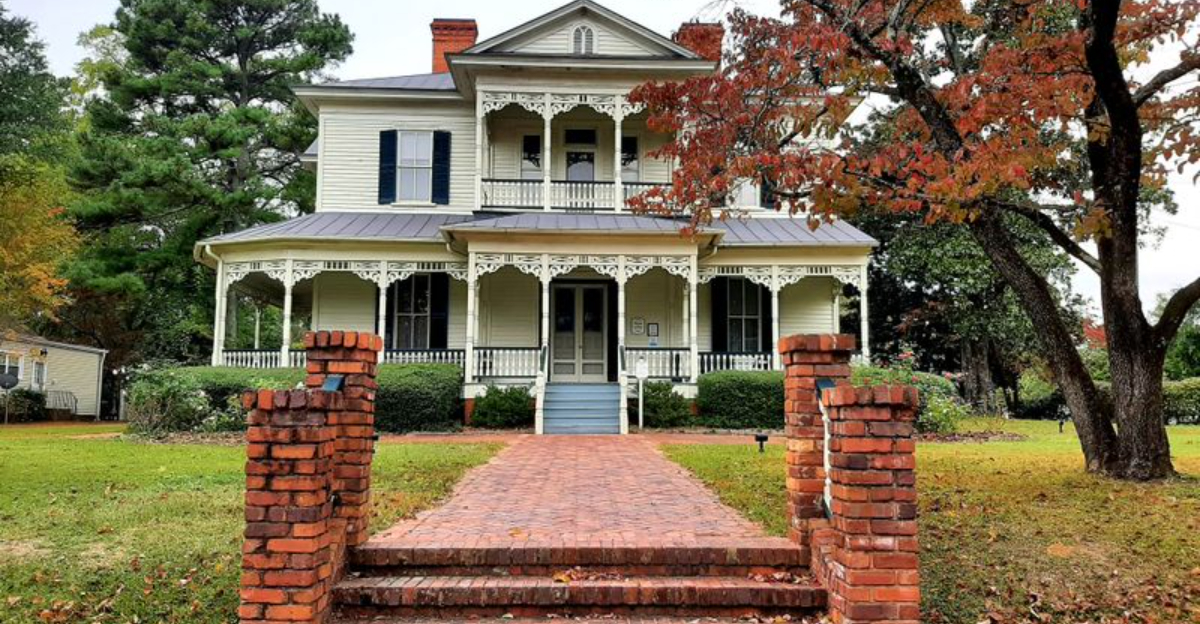
Stepping into the 1897 Poe House in Fayetteville feels like opening a time capsule where Victorian charm comes alive in every corner. Nestled in the city’s picturesque Haymount Historic District, at 206 Bradford Avenue, this mansion was built by a local brick magnate with a bustling family and a vision for the community.
Every room tells a story, from the intricate woodwork and original furnishings to the whispers of family dinners and the comings and goings of servants, making history feel immediate and alive. This North Carolina treasure proves that stepping back in time can be just as thrilling as any modern adventure.
Visitors can wander through sunlit parlors, imagine children playing along polished floors, and appreciate craftsmanship that has survived over a century. Far from a typical museum, the Poe House invites you to experience life as it once was, blending rich history, architecture, and stories into a visit you won’t forget.
Victorian Stick-Eastlake Architecture That Stops Passersby
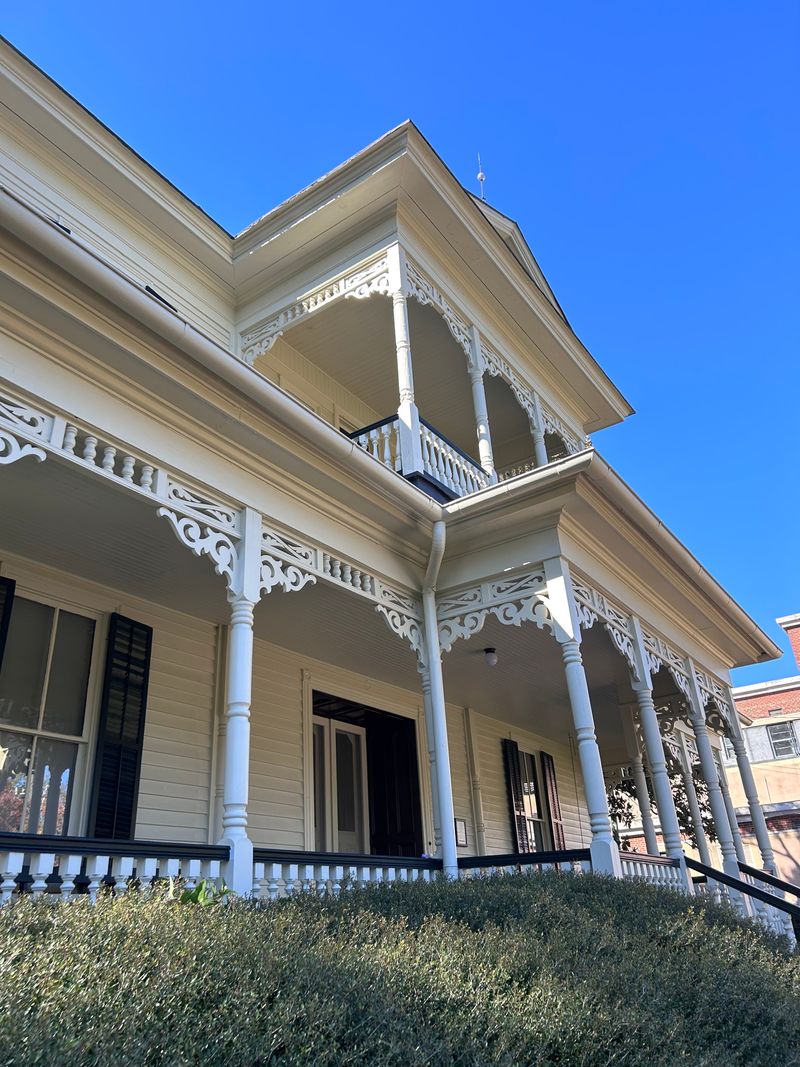
Walking up to this beauty feels like discovering a secret treasure chest of architectural candy. The wraparound porch practically begs you to imagine ladies in long skirts sipping lemonade while watching the neighborhood bustle by.
Every inch of decorative sawnwork and those perfectly turned posts showcase craftsmanship that modern builders can only dream about replicating.
The Stick-Eastlake style wasn’t just about looking fancy for fancy’s sake. These design choices reflected the wealth and status of the Poe family in turn-of-the-century Fayetteville.
The delicate details that dance across the porch railings and trim work took skilled hands and serious dedication to create.
Standing at 206 Bradford Avenue today, you can still see how this architectural gem commanded respect in its neighborhood. The design elements that made Victorian homes distinctive are all here, preserved beautifully for modern eyes.
Tour guides love pointing out how each decorative element served both beauty and function, from the shaded porch to the strategic window placements that caught summer breezes.
Home To Eight Children And Three Devoted Servants
Try wrangling eight kids in a modern house with all our conveniences, then imagine doing it in 1897. The Poe household buzzed with constant activity as Edgar and Josephine raised their large brood with help from Nancy, the cook, Ada, the housekeeper, and Jennie, the live-in nanny.
The walls practically echo with remembered laughter and the patter of many little feet.
This wasn’t just a house; it was a small community under one roof. The servants’ stories are woven into the home’s narrative just as importantly as the family’s tales.
Nancy’s kitchen creations fed hungry mouths daily, while Ada kept chaos at bay through sheer organizational wizardry.
Tour guides at 206 Bradford Avenue bring these personalities to life with fascinating details about daily routines. You’ll hear about Jennie managing bedtimes for eight children and the intricate dance of running an upper-middle-class household.
The exhibits explore how everyone from the youngest Poe child to the hardest-working servant contributed to this vibrant household’s rhythm and success.
National Register Recognition Since 1983
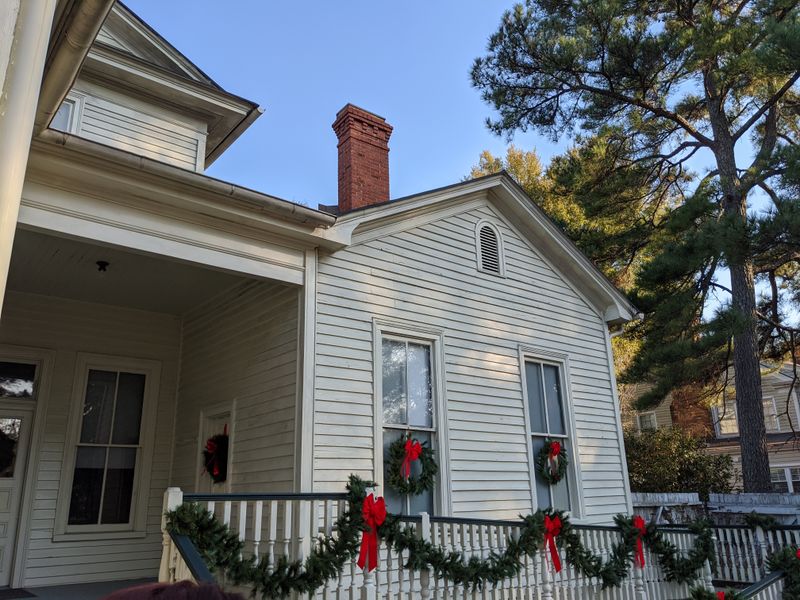
Some houses age gracefully; others earn official bragging rights. In 1983, this Victorian beauty received its well-deserved spot on the National Register of Historic Places.
That’s not just a fancy certificate to hang on the wall, it’s national recognition that this place matters to American history in ways that extend far beyond Fayetteville’s city limits.
The designation considers both architectural significance and historical importance. Evaluators looked at everything from the construction techniques to the family’s impact on local development.
The Poe House checked every box, proving itself worthy of preservation and study for generations to come.
This recognition helped secure funding and support for the restoration work that followed. Without that official stamp of approval, the house might have faced a very different fate.
Today’s visitors benefit directly from this 1983 decision, as it set the stage for the meticulous preservation efforts that allow us to experience authentic Victorian living at 206 Bradford Avenue in all its glory.
Museum Exhibits Exploring Turn-Of-Century Life
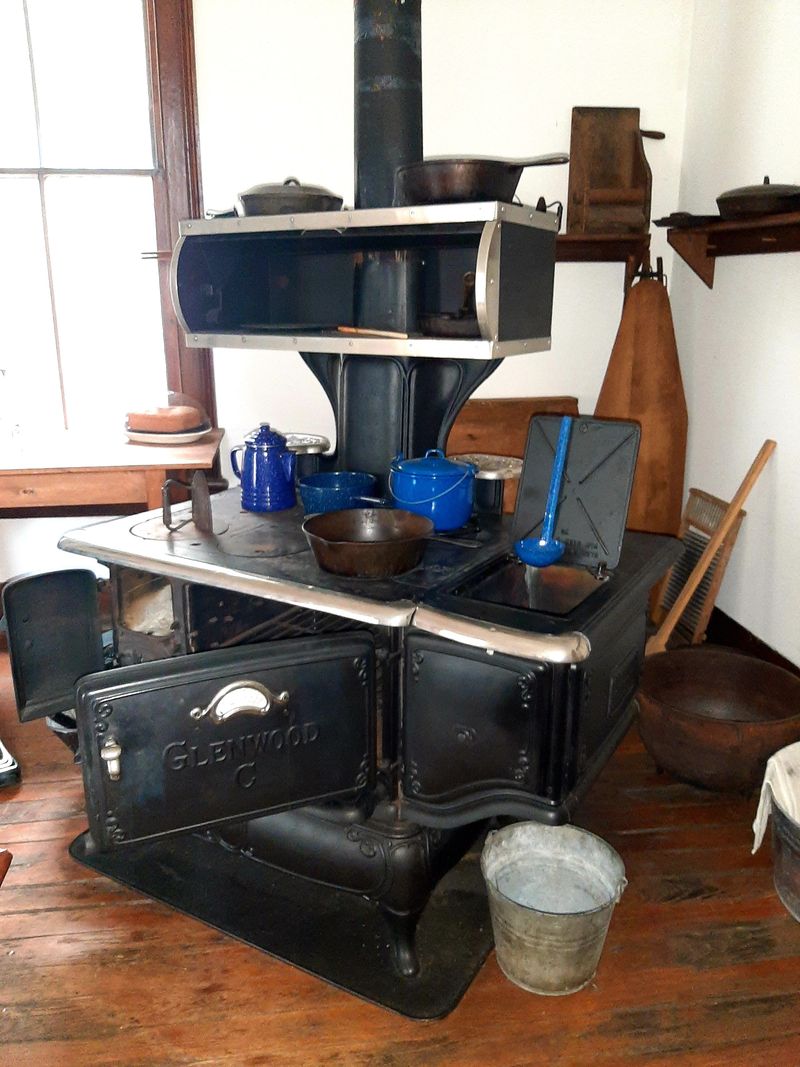
History books are great, but walking through actual rooms where history happened hits differently. The Museum of the Cape Fear Historical Complex transformed this house into an immersive experience exploring social, cultural, and family dynamics of the era.
You’re not just reading about the past; you’re practically living in it for an hour.
The exhibits tackle subjects that textbooks often gloss over. Women’s roles during this transformative period get serious attention, showing how ladies navigated changing expectations and opportunities.
African American history is explored through the servants’ experiences, giving voice to stories that deserve telling.
Technological advancements that we take for granted today were revolutionary marvels back then. The museum showcases how innovations like indoor plumbing and electric lighting changed daily life at 206 Bradford Avenue.
Tour guides excel at making these connections feel personal and relevant, helping modern visitors appreciate how dramatically life transformed during the Poe family’s residence in this beautiful home.
Restoration Project That Brought History Back To Life
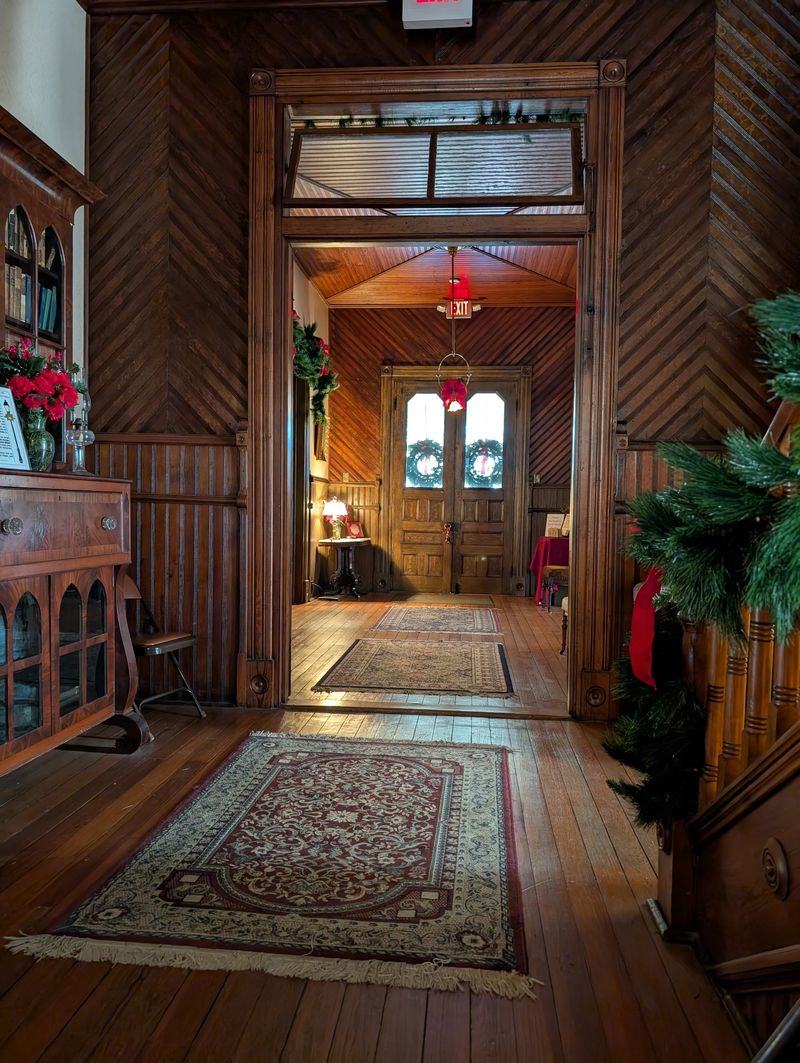
Picture a team of dedicated preservationists rolling up their sleeves in March 1997, ready to resurrect a sleeping beauty. Over fourteen months, skilled workers carefully peeled back layers of time, revealing original details and restoring the house to its former glory.
By May 1998, the transformation was complete, and visitors could finally step back into 1897.
Restoration isn’t just slapping on fresh paint and calling it done. Every decision required research, debate, and careful consideration of historical accuracy.
Paint colors were analyzed, wood samples examined, and period-appropriate techniques employed to ensure authenticity throughout the entire process.
The result speaks for itself when you visit 206 Bradford Avenue today. Original architectural features shine alongside carefully restored elements that honor the house’s heritage.
Workers discovered hidden treasures during renovation, from forgotten artifacts to original finishes preserved beneath later additions. The dedication to historical integrity means modern visitors experience the Poe House as the family knew it, not some sanitized Hollywood version of Victorian life.
Built From Bricks Made By The Owner Himself
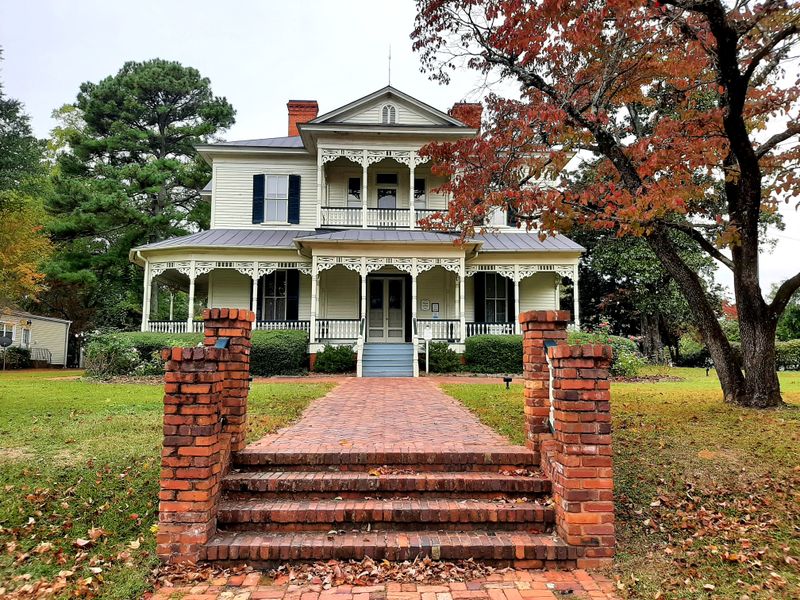
Nothing says confidence quite like building your dream home from products you manufactured yourself. Edgar Allan Poe owned the E.A.
Poe Brick Company, and he wasn’t shy about using his own bricks for this magnificent foundation. Talk about putting your money where your mouth is, or in this case, your bricks where your house is.
The foundation bricks tell a story beyond just holding up walls. They represent Fayetteville’s industrial growth during a transformative period when local businesses were booming.
Each brick carried the Poe name and reputation, literally supporting the family’s legacy in the most fundamental way possible.
Visitors can still see these original bricks today at the house on Bradford Avenue. The quality speaks volumes about nineteenth-century craftsmanship and Poe’s business acumen.
These aren’t just any old bricks; they’re pieces of Fayetteville’s economic history, baked and laid by hands that helped build an entire city’s infrastructure during its most exciting growth period.
Detached Kitchen For Safety And Summer Comfort
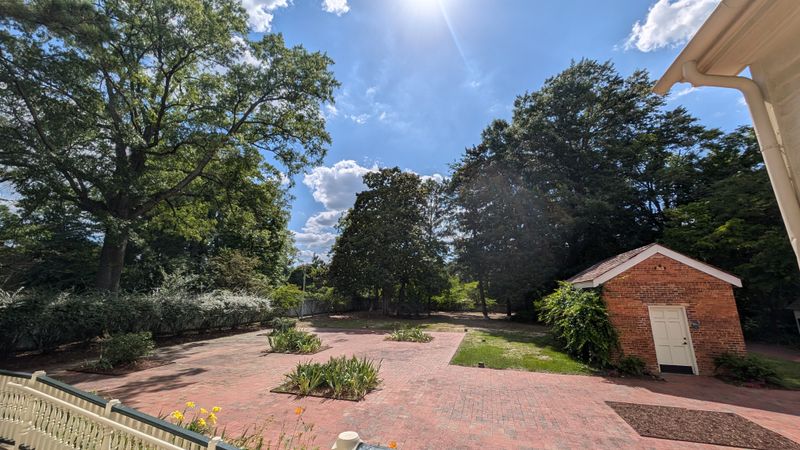
Modern folks might scratch their heads at the idea of cooking dinner in a completely separate building. But Victorians were pretty smart about fire prevention, and they also understood that nobody wanted a blazing hot stove heating the entire house during Carolina summers.
The detached kitchen at the Poe House served both purposes brilliantly.
Imagine Nancy the cook making her way across the yard carrying steaming dishes for the family dinner. Rain or shine, meals traveled from kitchen to dining room via this outdoor route.
The arrangement might seem inconvenient by today’s standards, but it kept the main house cooler and safer from the constant fire hazards that wood-burning stoves presented.
The kitchen building still stands at 206 Bradford Avenue, giving visitors insight into Victorian domestic arrangements. Tour guides explain how this setup affected daily routines and servant duties.
The space showcases period-appropriate cooking equipment and storage methods, helping modern visitors appreciate the labor-intensive nature of meal preparation before electric refrigerators and microwave ovens made life easier.
Original Poe Family Furnishings Still In Place
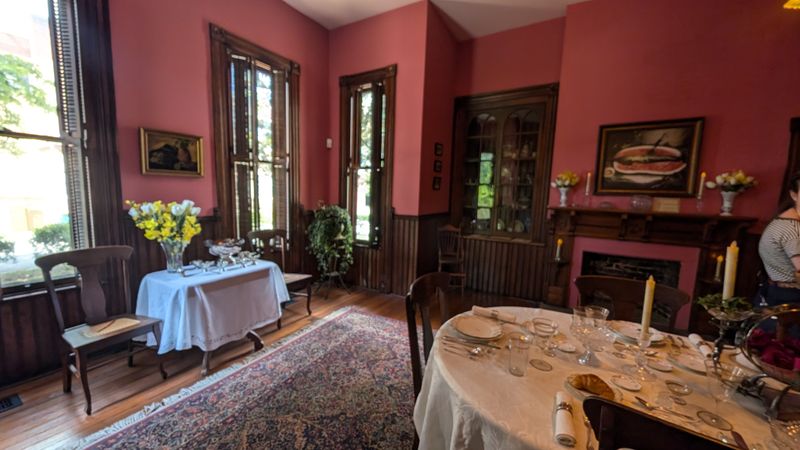
Most historic houses fill their rooms with period-appropriate pieces from various sources. This place goes several steps better by showcasing actual Poe family possessions that have called these rooms home for over a century.
That piano in the parlor? Actual Poe family fingers danced across those keys.
The dining room furniture witnessed countless family meals and important conversations.
The artwork hanging on the walls carries extra weight when you know it belonged to the original residents. These aren’t museum acquisitions chosen for historical accuracy; they’re genuine family treasures that survived generations.
Each piece connects visitors directly to the people who lived, loved, and built their lives within these walls.
Walking through 206 Bradford Avenue feels remarkably intimate because of these authentic touches. The furniture arrangement reflects how the Poes actually used their spaces, not some curator’s best guess.
Tour guides share stories about specific pieces, transforming ordinary objects into memory vessels that bring the past vividly to life for every visitor lucky enough to experience this remarkable collection.
Located In The Prestigious Haymount Historic District
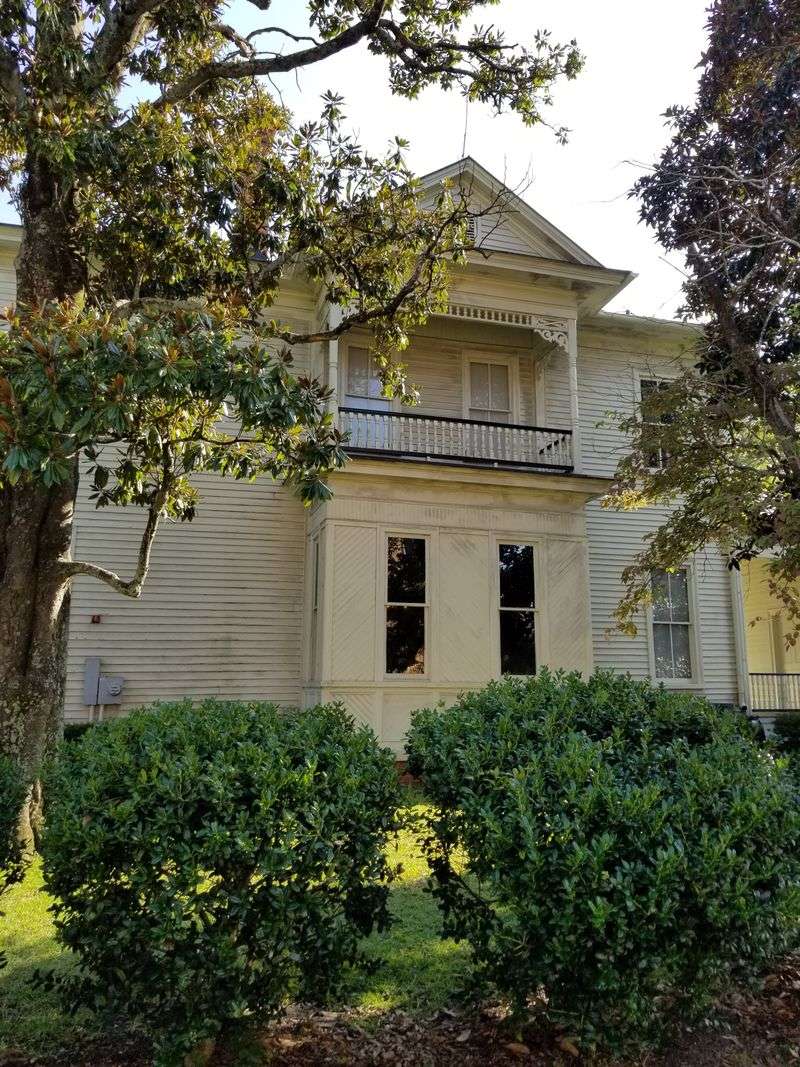
Every great house needs a great neighborhood, and the Poe House landed in one of Fayetteville’s finest. The Haymount Historic District showcases late nineteenth and early twentieth-century architecture at its most charming.
Tree-lined streets and beautiful homes create an atmosphere where you half expect to see horse-drawn carriages clip-clopping past at any moment.
The district’s designation recognizes the area’s architectural and historical significance to Fayetteville’s development. Wealthy and influential families built their homes here, creating a neighborhood that reflected the city’s prosperity during its most dynamic growth period.
The Poe House fits perfectly among these distinguished residences.
Walking through Haymount today offers more than just a trip to one museum. The entire neighborhood tells Fayetteville’s story through its preserved buildings and streetscapes.
Visitors to 206 Bradford Avenue often extend their explorations to appreciate the surrounding area’s beauty and historical richness. The district’s cohesive character helps transport you back in time before you even step through the Poe House’s front door.
Free Guided Tours Led By Knowledgeable Enthusiasts
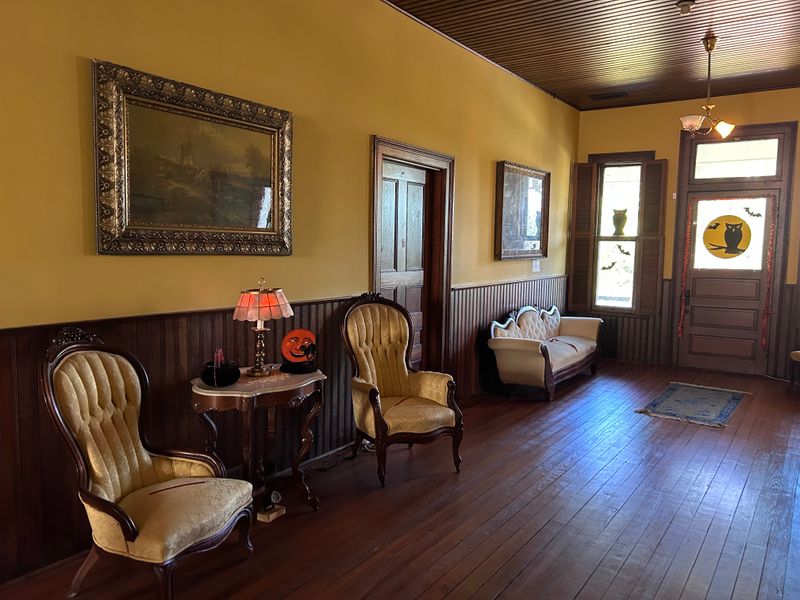
The best part? These engaging, informative tours won’t cost you a penny, though many visitors happily leave tips for guides who clearly love what they do.
Tours typically run hourly and last about forty-five minutes to an hour. Guides don’t just recite memorized facts; they share stories that make the Poe family and their servants feel like people you’d actually want to meet.
Their enthusiasm proves contagious as they point out architectural details and historical tidbits that casual observers might miss completely.
Meeting at the nearby Museum of the Cape Fear before heading to 206 Bradford Avenue, these tours accommodate various schedules throughout the week. Guides answer questions with genuine interest and adapt their presentations to different audiences.
Whether you’re a history buff or just curious about old houses, these knowledgeable enthusiasts ensure your visit becomes memorable and educational in equal measure.
Special Events Throughout The Year
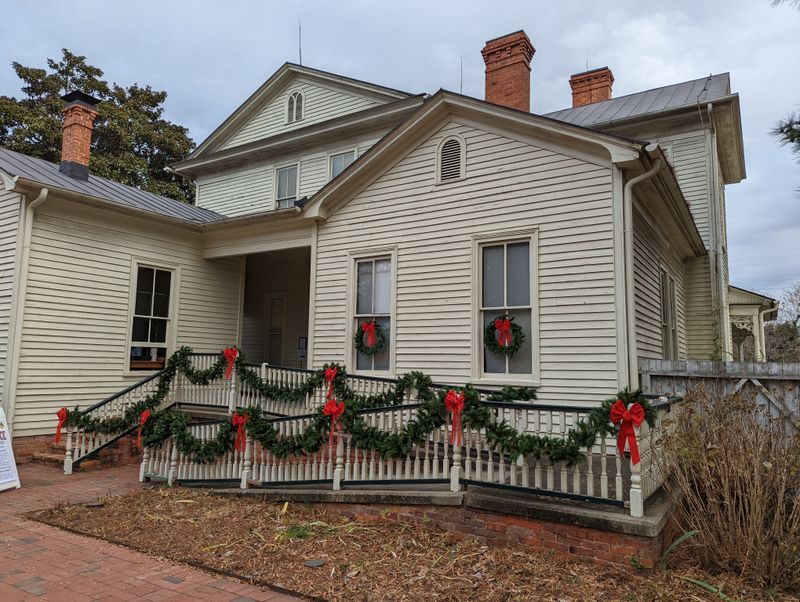
Why visit just once when the Poe House throws parties throughout the year? Holiday celebrations bring Victorian Christmas traditions to life with period decorations, carolers, and festive entertainment.
Halloween events let visitors experience the house with extra atmospheric touches. Educational programs dive deeper into specific historical topics, offering something new with each season.
The Holiday Jubilee attracts crowds eager to see the house dressed in its seasonal finest. Local performers like the Fayetteville Sound barbershop chorus add authentic period entertainment.
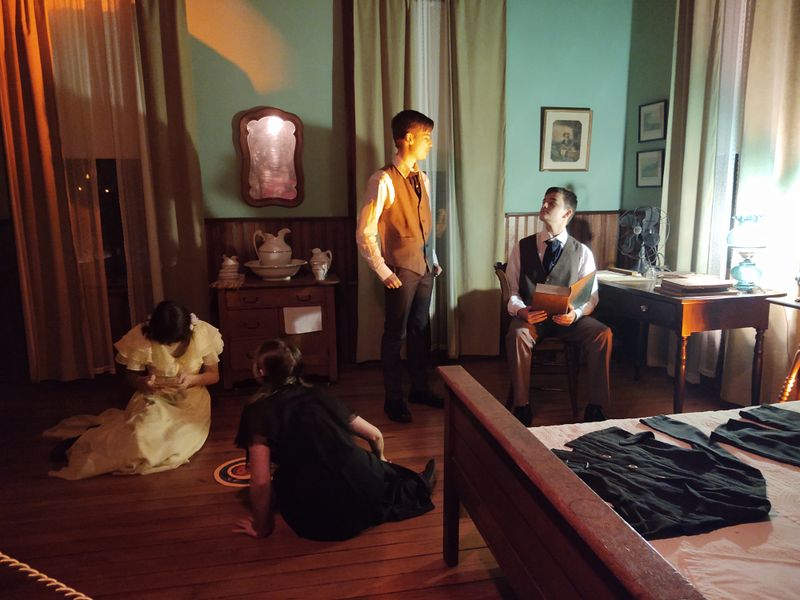
October reenactments bring history to life through costumed interpreters who populate the house with characters from the past.
These events transform 206 Bradford Avenue from a static museum into a living, breathing community gathering place. Families make annual traditions of attending favorite programs, while newcomers discover the joy of celebrating holidays Victorian-style.
The museum staff’s creativity ensures fresh experiences that honor historical accuracy while remaining accessible and fun for modern audiences of all ages seeking connections to Fayetteville’s rich cultural heritage.
Educational Resource For Regional History And Culture
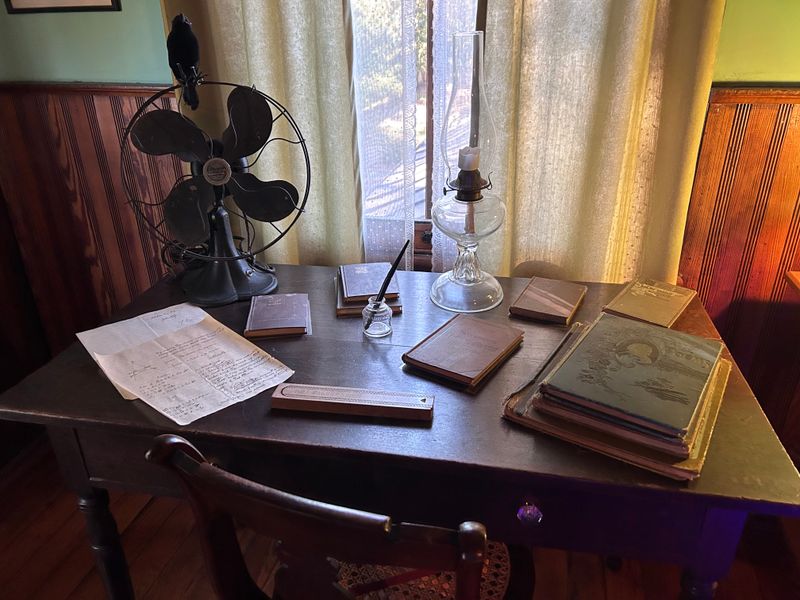
Schools and history enthusiasts treasure this place as more than just a pretty old house. As part of the Museum of the Cape Fear Historical Complex, it serves as a vital educational resource exploring southeastern North Carolina’s development.
Students gain insights into regional history that textbooks simply cannot provide through firsthand experience with authentic spaces and artifacts.
The house tackles complex topics like class structures, racial dynamics, and technological progress through accessible, engaging presentations. Educators appreciate how the museum makes abstract historical concepts concrete and relatable.
The servant quarters tell stories just as important as the family parlor, creating a more complete picture of turn-of-the-century life.
Research opportunities abound for serious scholars, while casual learners find plenty to fascinate them during visits to 206 Bradford Avenue. The museum’s commitment to accuracy and comprehensive storytelling sets it apart from superficial historic attractions.
Whether you’re writing a dissertation or just curious about how people lived before smartphones, this educational treasure offers insights that stick with you long after your tour concludes at this remarkable Fayetteville landmark.