This North Carolina Wildlife Festival Takes You Across 6 National Refuges To Explore The Wild Side Of The Outer Banks
The alarm goes off painfully early, but the birds do not care.
By sunrise, coastal North Carolina is already putting on a show for anyone willing to grab binoculars and follow an expert into the wild.
This fall festival turns six national wildlife refuges into a giant outdoor scavenger hunt where nobody can predict what might flap, splash, or wander into view next.
That uncertainty is half the fun.
You may spend ten quiet minutes watching absolutely nothing happen, then suddenly forget how to whisper.
Better yet, the adventure helps support the wild places making all that excitement possible.
Pack patience, curiosity, and a decent pair of binoculars.
The wildlife has not promised to pose, but apparently that is what keeps everybody coming back.
More Than 60 Wildlife Adventures Turn Six Days Into A Nature Lover’s Dream
Over six October days, festival guests can choose from a lineup that has grown well past 60 outings, with the 2026 schedule offering more than 75 different field trips.
That kind of variety means a beginner and a lifelong birder can both find something that fits.
Trips range from birding walks and paddling outings to photography sessions, nature art classes, and natural history programs across northeastern North Carolina.
The Coastal North Carolina National Wildlife Refuges Gateway Visitor Center serves as the festival’s Manteo base, although individual outings meet at locations scattered across the region.
Planning ahead helps a lot.
Popular trips fill quickly, so it makes sense to sign up early and pick a mix of activities, maybe a morning walk followed by a relaxed afternoon art workshop.
Bring layers, since October mornings on the water can feel chilly while afternoons turn warm and bright.
A small notebook is handy too.
Jotting down every new bird or animal you spot turns the week into a personal field journal you can flip through long after the salty breeze is gone.
You can find it at 100 Conservation Way, Manteo, NC 27954.
Special Access Opens Parts Of The Refuges Most Visitors Never Get To See
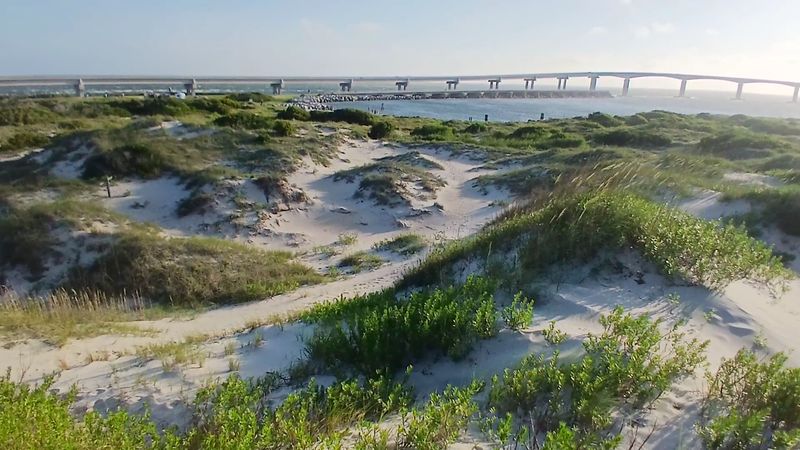
Some gates stay locked nearly all year.
During the festival, a few of them swing open, and that alone makes the trip feel like being handed a secret map.
One standout is South Pond at Pea Island National Wildlife Refuge.
This wetland is normally kept off limits to protect the birds that rest and feed there, so guided trips offer a rare, close look at herons, ducks, and shorebirds going about their day.
The water ripples softly, and you can hear wings beating overhead as flocks shift from one side of the pond to the other.
Another special stop is the Pine Island Audubon Sanctuary, which welcomes select festival programs.
Its marshes and maritime forest feel calm and untouched, with the smell of salt grass and pine drifting together in the air.
Because these spots are protected, groups stay small and follow the guide closely.
Quiet voices and slow steps matter here.
Keep your camera ready but your movements gentle, and you may be rewarded with a bird that never even notices you standing there.
Look for trip descriptions marked with special access when you register, since these outings are some of the most sought after on the schedule.
Black Bears, Red Wolves And Alligators Make This More Than A Birding Festival
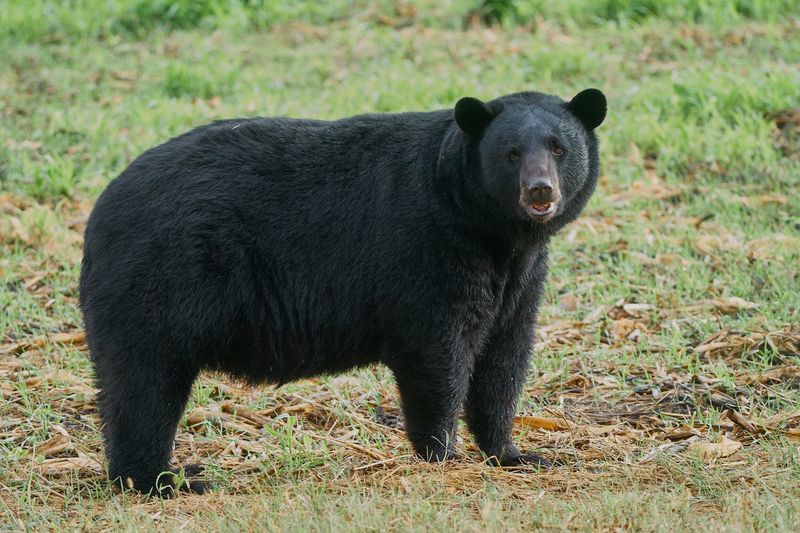
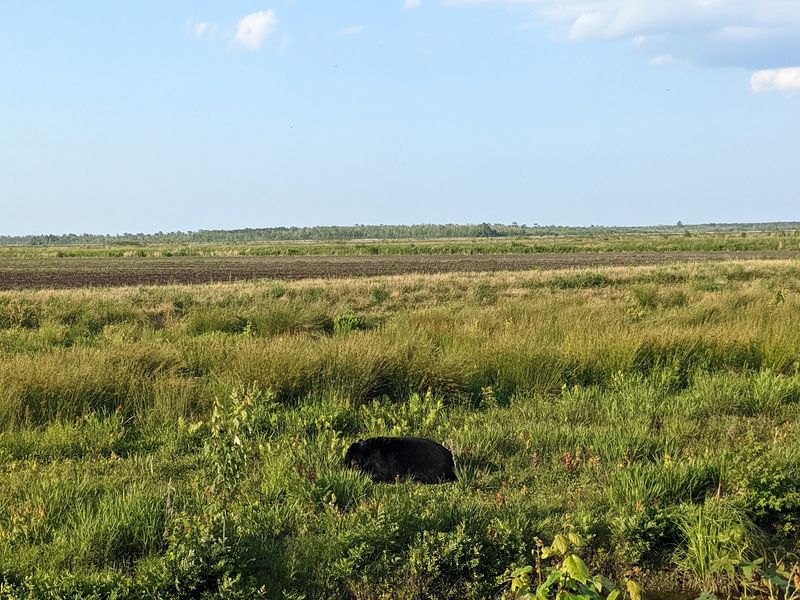
A shiny black shape lumbers out of the tree line, pauses, and sniffs the air.
Moments like that remind guests that birds are only part of the story here.
The region sits along the Atlantic Flyway and hosts more than 400 bird species, yet its refuges also shelter some impressive mammals and reptiles.
Black bears roam the fields and forest edges in eastern North Carolina, and the area is home to the endangered red wolf, one of the rarest wolves on Earth.
Alligators sun themselves along canals, looking almost like floating logs until an eye blinks. Smaller creatures add to the fun.
Keep watch for turtles stacked on branches, river otters sliding through dark water, deer at the edge of a clearing, and owls tucked high in the branches.
Kingfishers rattle as they zip past, and herons stand perfectly still while they hunt.
Fun fact: red wolves once ranged across much of the Southeast before nearly vanishing, and the wild population today lives in this corner of the coast.
Spotting wildlife takes patience.
Scan slowly, check the shadows, and listen closely, since a snapping twig or splash often comes before the animal itself appears.
Sunrise Kayak Trips Put You On The Water Before Most Visitors Are Awake
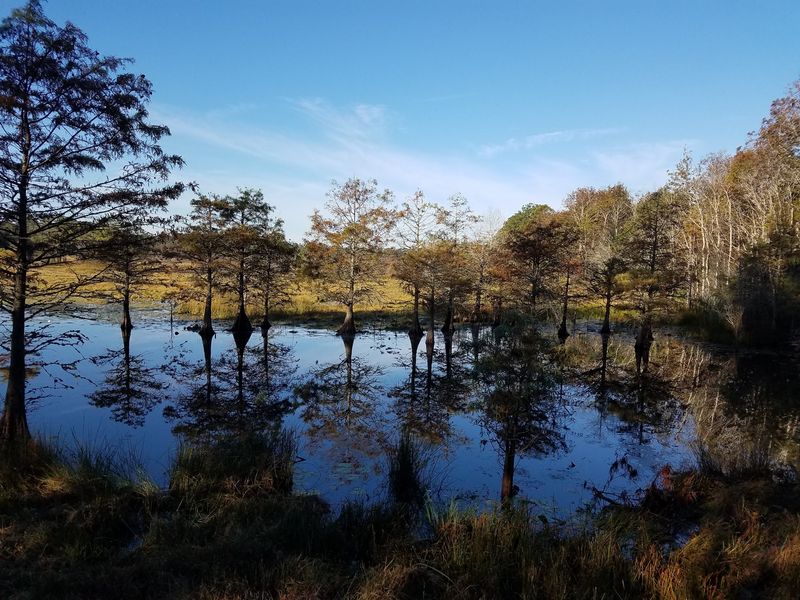
Mist hangs over the water like a thin blanket.
Your paddle dips in with barely a sound, and the sky slowly shifts from gray to pink to gold.
Paddling outings are part of the festival lineup, along with early morning birding and photography trips planned for people who love being out at first light. Dawn is when many animals are busiest, so you might see herons stalking the shallows or ducks lifting off in a noisy rush.
The air feels crisp, and the only other sounds may be bird calls and the gentle drip from your paddle.
Gliding low on the water gives a view you simply cannot get from land. Marsh grasses rise around you, and fish sometimes flick at the surface nearby.
A few simple tips make the morning smoother:
Wear quick-drying clothes and pack a warm layer.
Bring a waterproof bag for your phone or camera, and eat a small snack before you launch so your energy lasts.
Most of all, plan for an early alarm.
Setting out before the beaches fill up means having a quiet, glowing stretch of water almost to yourself, and that peaceful feeling tends to stick with you all day.
One Full-Day Adventure Heads Deep Into A Refuge Famous For Migrating Waterfowl
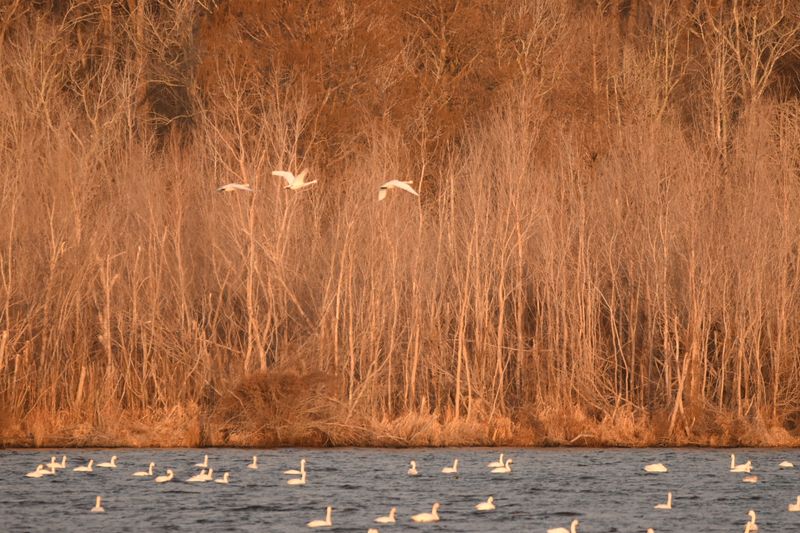
Thousands of birds rising at once can sound like rolling thunder.
Seeing it in person is the kind of memory that makes people come back year after year.
The 2026 all-day birding trip runs Friday, October 16, from 6:30 a.m. to 4 p.m. at Mattamuskeet National Wildlife Refuge and nearby hotspots.
Lake Mattamuskeet and its surrounding wetlands are among the Southeast’s best-known destinations for migrating waterfowl.
The outing targets ducks, waders, early-wintering sparrows, warblers, and raptors across farm fields, marshes, impoundments, canals, and wet woodland. What makes a full day special is the slower pace.
Instead of rushing, you have time to set up a spotting scope, study the shapes of different ducks, and listen as guides explain what to look for.
The light changes from morning to afternoon, painting the water silver, then blue, then soft gold.
Pack a lunch, plenty of water, sunscreen, and a hat, because shade can be scarce along the coast.
Comfortable shoes help too.
By the end of the day, the beauty of coastal North Carolina in migration season feels less like a postcard and more like a place you truly know.
Owl Prowls Take The Wildlife Search Into The Darkness After Sunset
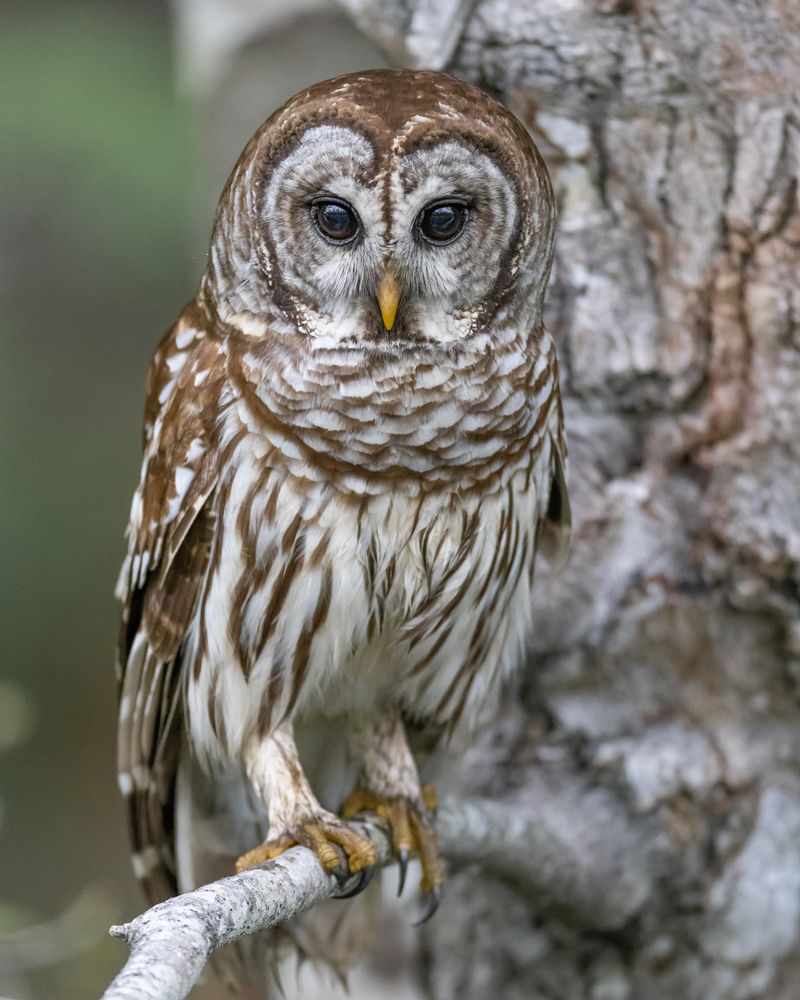
Who cooks for you?
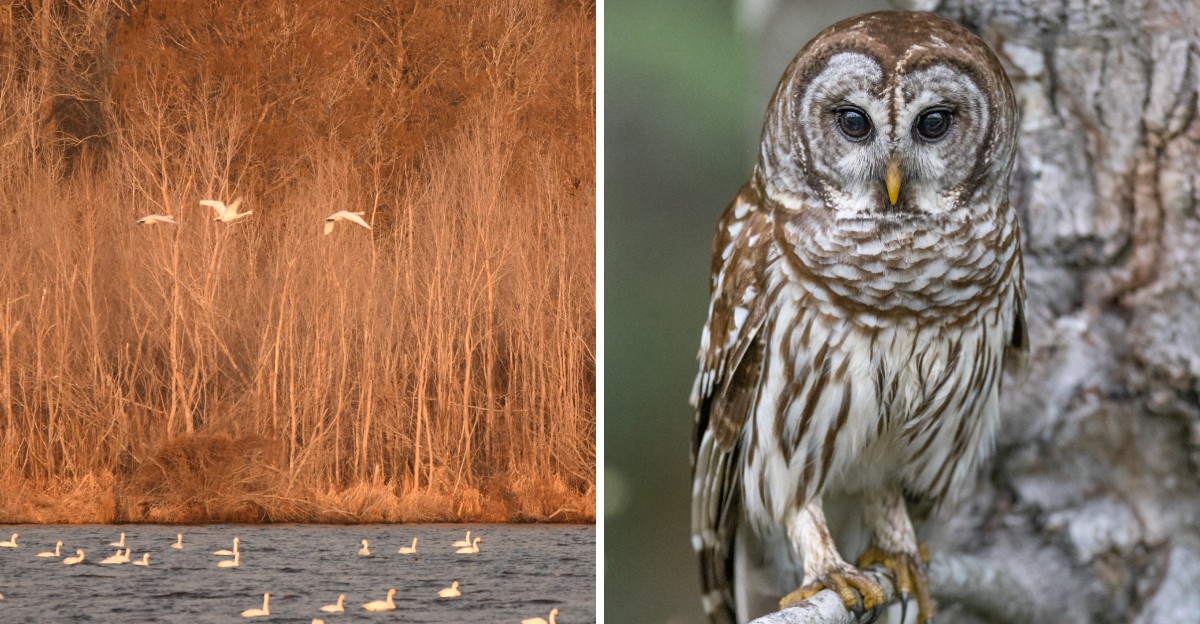
That is the famous call of the Barred Owl, and on a dark night in the woods, hearing it answer back feels thrilling. The festival’s Owl Prowl heads into Alligator River National Wildlife Refuge after sunset, using special nighttime access.
Two Owl Prowls are scheduled for 2026, on Wednesday, October 14, and Friday, October 16, from 5:30 to 8:30 p.m.Before stepping into the field, guests hear a presentation about owl natural history, where these birds live, and how to tell them apart.
Then the real adventure begins.
Under the stars, guides listen and call for Barred Owls, Eastern Screech-owls, and Great Horned Owls. Sometimes you only hear a soft trill or a deep hoot.
Other times, a pair of glowing eyes appears on a branch, and everyone holds their breath.
The night forest feels different from the daytime one.
Frogs and insects buzz, cool air settles in, and the darkness makes every sound seem sharper. Dress warmly and wear sturdy closed-toe shoes.
A small flashlight with a red filter is helpful, since it protects your night vision.
Bug spray is a smart idea, too.
Stay close to the group, move slowly, and let your ears lead the search.
Pulitzer Finalist Scott Weidensaul Headlines The 2026 Festival
Few people have followed birds as far, or as long, as the speaker taking the stage this year.
Scott Weidensaul, a Pulitzer Prize finalist, will give the 2026 keynote address.
Weidensaul is an author, lecturer, researcher, ornithologist, and naturalist.
He has spent about 30 years studying Northern Saw-whet Owls, small owls with big golden eyes, and he helped found Project SNOWstorm, which tracks Snowy Owls to learn how they travel and survive. His work on bird migration has taken him across continents.
His talk is set for Saturday, October 17, 2026, from 6 to 8 p.m.
The topic is his book Return of the Oystercatcher, released in April 2026, which shares hopeful stories of bird-conservation successes around the world. That focus fits nicely with the shoreline setting, since oystercatchers, with their bright orange bills, are a familiar sight along Atlantic beaches.
For young nature fans, a keynote like this can spark big dreams.
Hearing how one person turned curiosity into a lifelong career might inspire a future scientist in the audience.
Tip: plan a lighter day of field trips on Saturday so you arrive rested, ready to listen, and full of questions.
Miss October And A December Encore Gives Wildlife Fans Another Chance
Missed the fall dates?
Good news: the season does not end in October.
The main festival runs from October 13 to October 18, 2026, during the fall migration season. Then comes the WOW Encore, held from December 4 to December 6.
This shorter session is shaped especially for birders and photographers. December brings a different mood to the coast.
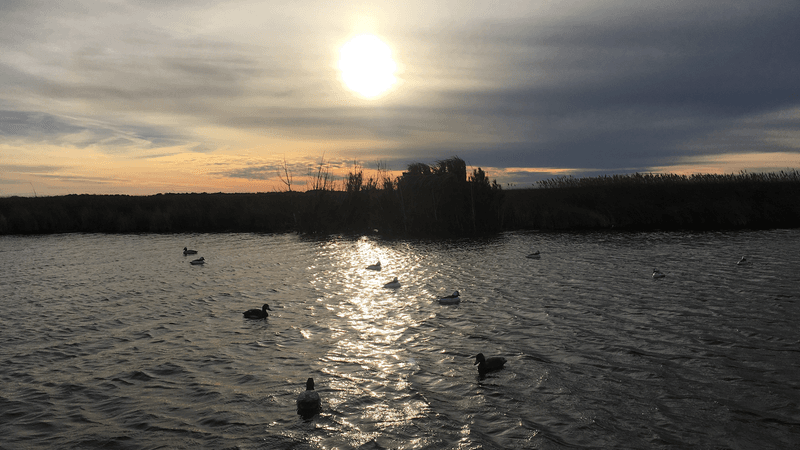
The air turns brisk, the marsh grasses fade to tan and copper, and larger flocks of migrating waterfowl may settle onto the refuges as colder weather pushes them south. Swans glow white against gray water, and ducks crowd the ponds in noisy groups.
Photographers often love this time of year.
The winter sun sits lower in the sky, giving softer light that flatters feathers and reflections.
Fewer crowds also make the refuges feel calm and spacious.
If you come for the Encore, pack gloves, a hat, a warm jacket, and hand warmers, because wind off the sound can bite.
A thermos of hot cocoa makes a cheerful companion during long waits for the perfect shot.
Either visit offers a fresh way to experience the wild beauty of North Carolina, so choosing one might just lead to trying both.