This North Carolina Zoo Boasts One Of The Largest Chimpanzee Troops In The U.S.
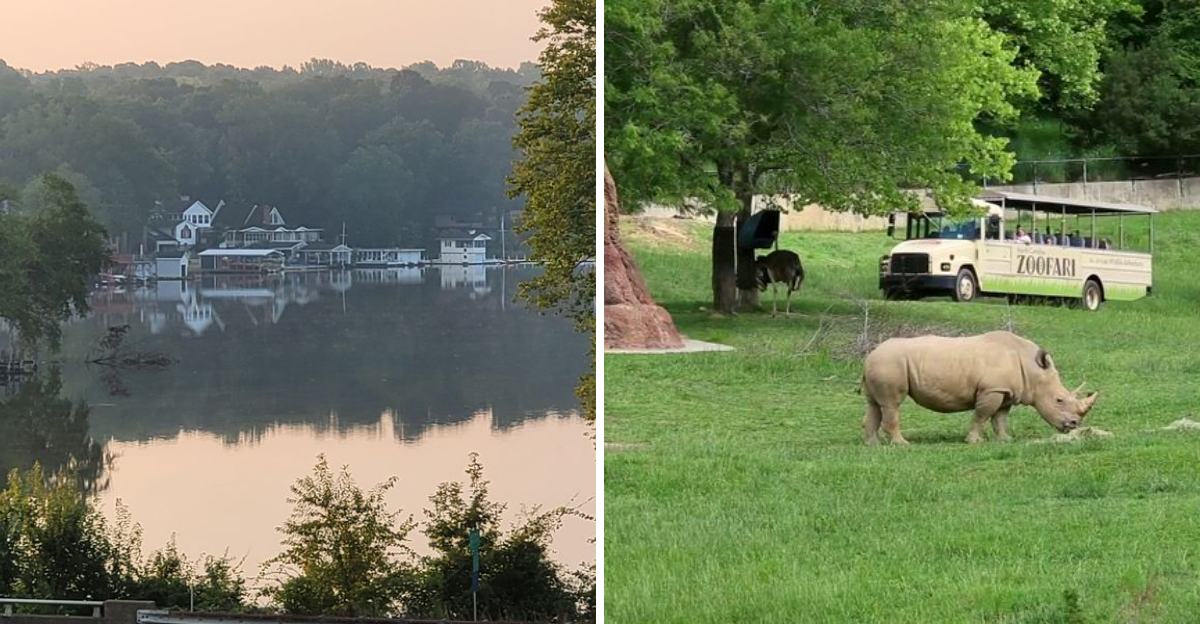
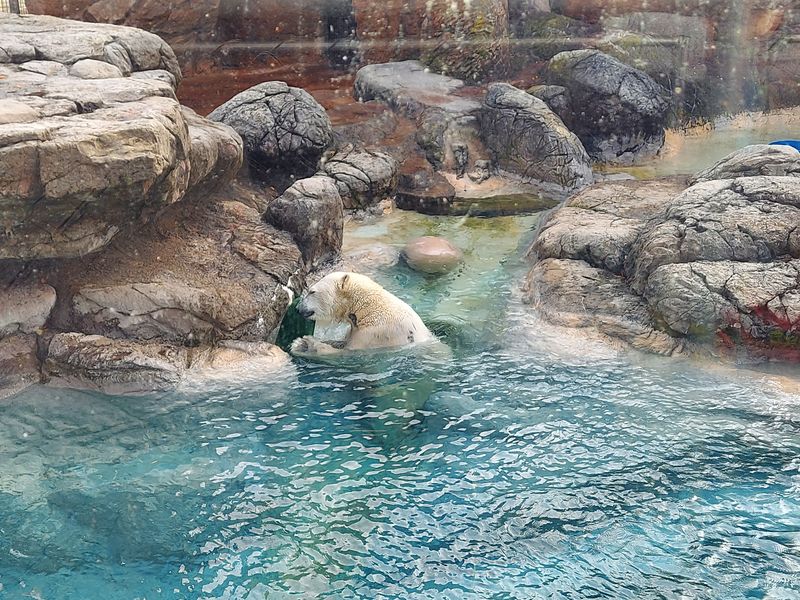
Picture a place where over 1,700 animals roam across habitats so vast they feel like slices of distant continents transplanted to central North Carolina. You’re about to discover a zoo that doesn’t just display wildlife but immerses you in worlds where elephants wander sweeping savannas and polar bears plunge into crystal pools.
Spanning more than 2,800 acres of rolling piedmont landscape, this destination redefines what a zoo can be. Among its many wonders, one troop of chimpanzees stands out as one of the largest social groups you’ll find in any American zoo, offering visitors a rare glimpse into complex primate societies.
From conservation breakthroughs to upcoming Asian exhibits, every corner of this remarkable place tells a story worth exploring. Plan your visit at 4401 Zoo Pkwy, Asheboro, and experience the magic for yourself.
1. World’s Largest Natural Habitat Zoo
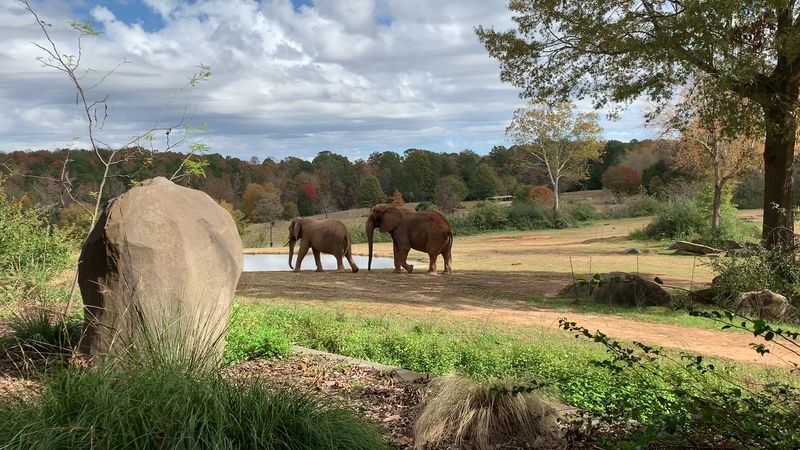
Imagine walking through a zoo so enormous it could swallow entire city blocks without breaking a sweat. Stretching across 2,800 acres of North Carolina piedmont, with 500 acres meticulously developed for animal habitats, this place holds the Guinness World Record as the largest natural habitat zoo on the planet.
The North Carolina Zoo transforms the traditional zoo experience into something closer to a wildlife expedition.
Animals don’t pace behind bars here; they explore territories that mirror their ancestral homes. Lions lounge on rocky outcroppings that could pass for African kopjes.
Bears lumber through woodlands that feel authentically wild.
Visitors quickly realize they’ll need stamina for this adventure. The sheer scale means you’re logging serious mileage between exhibits, but that’s precisely the point.
This design philosophy prioritizes animal welfare over human convenience, creating environments where creatures can express natural behaviors. You’re not just observing wildlife; you’re entering their world, one sprawling acre at a time.
2. Diverse Animal Collection Spanning Continents
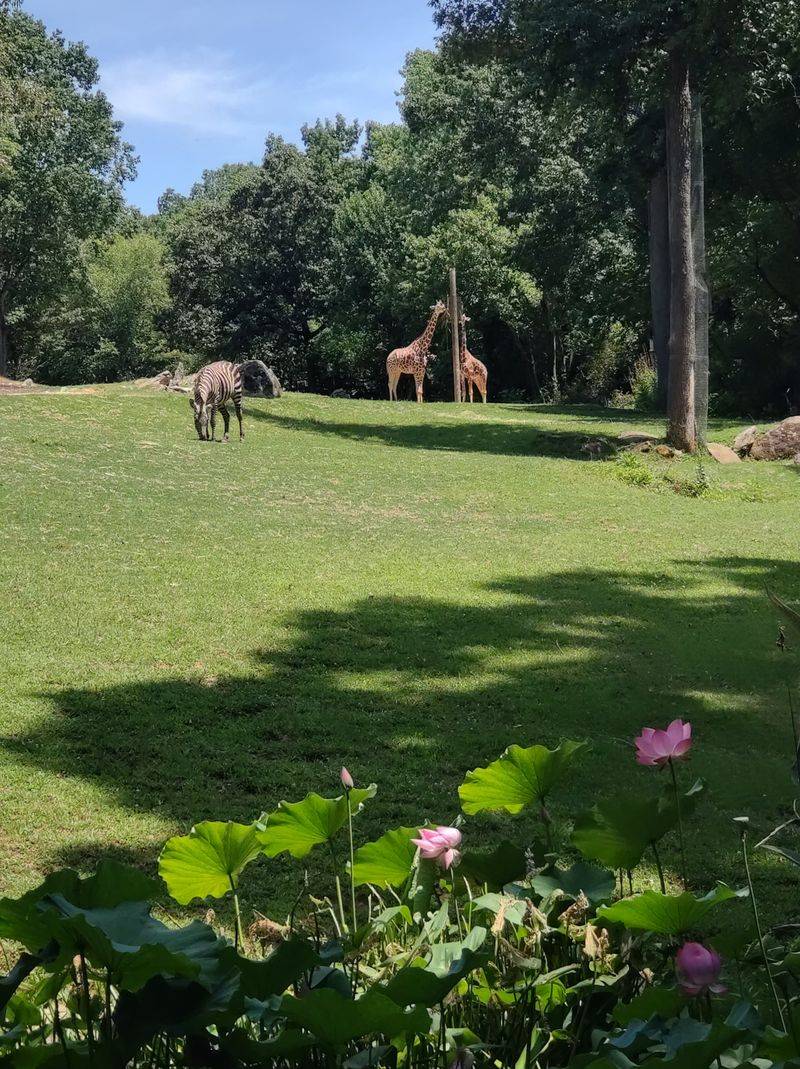
Ever wondered what it feels like to hopscotch between continents without boarding a plane? With over 1,700 animals representing more than 250 species, this collection reads like a living atlas.
The North Carolina Zoo divides its exhibits primarily between African and North American regions, creating two distinct journeys within one destination.
Wander through African plains where giraffes crane their elegant necks beside acacia-dotted landscapes. Minutes later, you’re tracking grizzly bears through forests that echo the Rocky Mountains.
This biodiversity serves purposes beyond entertainment. Many residents participate in Species Survival Plans, breeding programs designed to protect endangered populations.
You might watch red wolves, once extinct in the wild, raising pups destined to help restore their species. Each animal becomes a living ambassador for its kind, teaching visitors about ecosystems thousands of miles away while inspiring conservation action right here in North Carolina’s heartland.
3. One Of America’s Largest Chimpanzee Troops
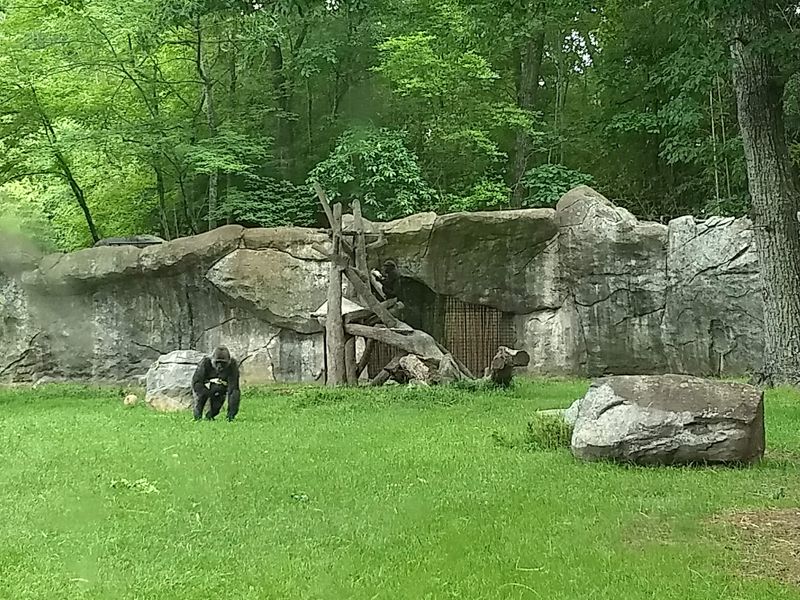
Social dynamics among chimpanzees rival the complexity of any human soap opera, and nowhere is this more evident than when watching 17 individuals navigate their relationships. The North Carolina Zoo maintains one of the largest chimpanzee troops in American zoos, a distinction that carries significant scientific and conservation weight.
These aren’t just primates sharing space; they’re a functioning society complete with hierarchies, alliances, and family bonds. Watch long enough, and you’ll witness grooming sessions that cement friendships, youngsters testing boundaries, and dominant individuals maintaining order.
Housing such a large group requires expertise and resources that most facilities can’t provide. The expansive habitat allows chimps to choose their companions, avoid conflicts, and engage in natural behaviors like tool use and cooperative problem-solving.
For visitors, it’s mesmerizing entertainment. For researchers, it’s a window into primate behavior that informs conservation strategies for wild populations facing habitat loss across Africa.
4. Global Conservation Partnerships
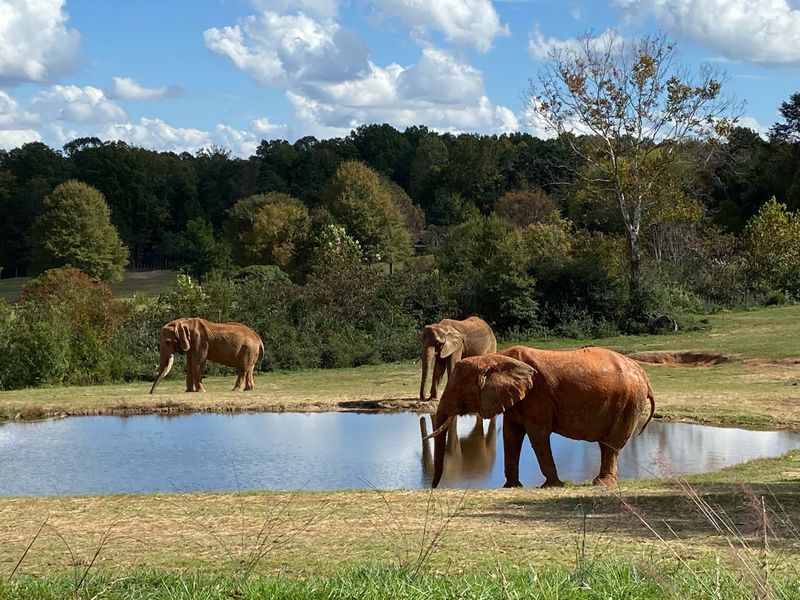
Supporting wildlife doesn’t stop at the property line for institutions serious about conservation impact. The North Carolina Zoo extends its mission across oceans through partnerships like the Ngogo Chimpanzee Project in Uganda’s Kibale National Forest.
This collaboration funds field research protecting wild chimpanzee populations in their native habitats. Scientists track troop movements, study behavior, and work with local communities to reduce human-wildlife conflict.
Your admission ticket directly supports these efforts, connecting your visit to real-world conservation thousands of miles away.
Beyond chimpanzees, the zoo participates in projects tracking elephant migrations in Cameroon, helping governments expand protected areas. They’ve contributed to research on North American species like red wolves and hellbenders.
Each initiative addresses specific threats, such as poaching, habitat destruction, and climate change, with science-based solutions. It’s conservation with tangible outcomes, proving that modern zoos serve as crucial hubs in the global fight to preserve biodiversity for future generations.
5. Association Of Zoos And Aquariums Accreditation
Not all zoos meet the rigorous standards required for top-tier animal care and ethical operation. Since 1984, the North Carolina Zoo at 4401 Zoo Pkwy, Asheboro, has maintained accreditation from the Association of Zoos and Aquariums, a distinction fewer than 10 percent of animal facilities in America achieve.
This certification isn’t handed out casually. AZA inspectors evaluate everything from veterinary care protocols to staff training, habitat design to conservation contributions.
Facilities undergo comprehensive reviews every five years, ensuring standards don’t slip.
For visitors, accreditation serves as quality assurance. You’re supporting an institution that prioritizes animal welfare, participates in cooperative breeding programs, and invests in scientific research.
Staff members receive ongoing education in the latest husbandry techniques. Nutritionists design species-specific diets.
Behaviorists create enrichment programs that keep animals mentally stimulated. This commitment to excellence explains why the zoo consistently ranks among the nation’s best, attracting over one million visitors annually who trust they’re witnessing ethical, world-class animal care.
6. Immersive Visitor Experience And Educational Programs
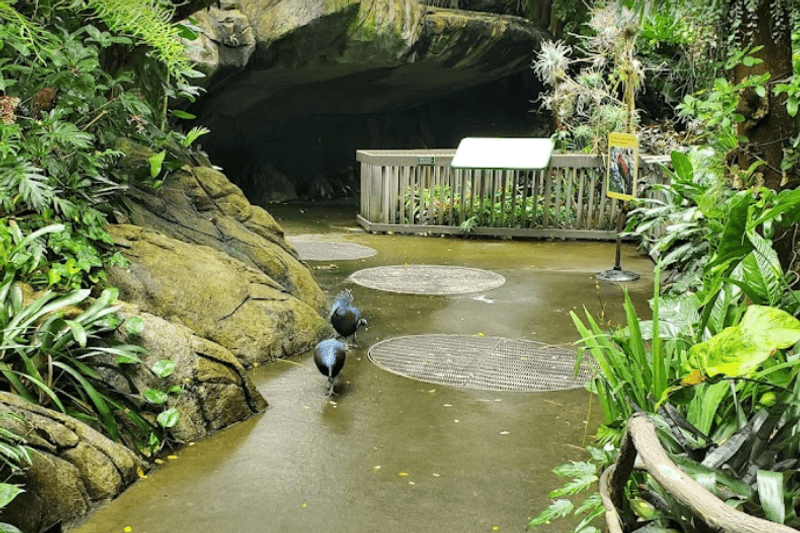
Education transforms casual observers into passionate conservationists, and this philosophy shapes every visitor interaction. The North Carolina Zoo offers nature-based programs ranging from summer camps for youngsters to specialized workshops for adults seeking deeper wildlife knowledge.
Kids don’t just look at animals; they participate in Zoo Trekker adventures that gamify learning through stamp collecting and habitat challenges. These interactive experiences keep young minds engaged while covering serious topics like ecosystem interdependence and species endangerment.
Beyond structured programs, the zoo’s design itself educates. Informative signage tells stories about each species’ wild counterparts, explaining conservation status and threats they face.
Keeper talks provide behind-the-scenes insights into daily care routines. Viewing areas position visitors at eye level with animals, fostering connections that inspire environmental stewardship.
Whether you’re a first-time guest or an annual member, there’s always something new to discover, making each visit both entertaining and enlightening for curious minds of all ages.
7. Upcoming Asia Region Expansion
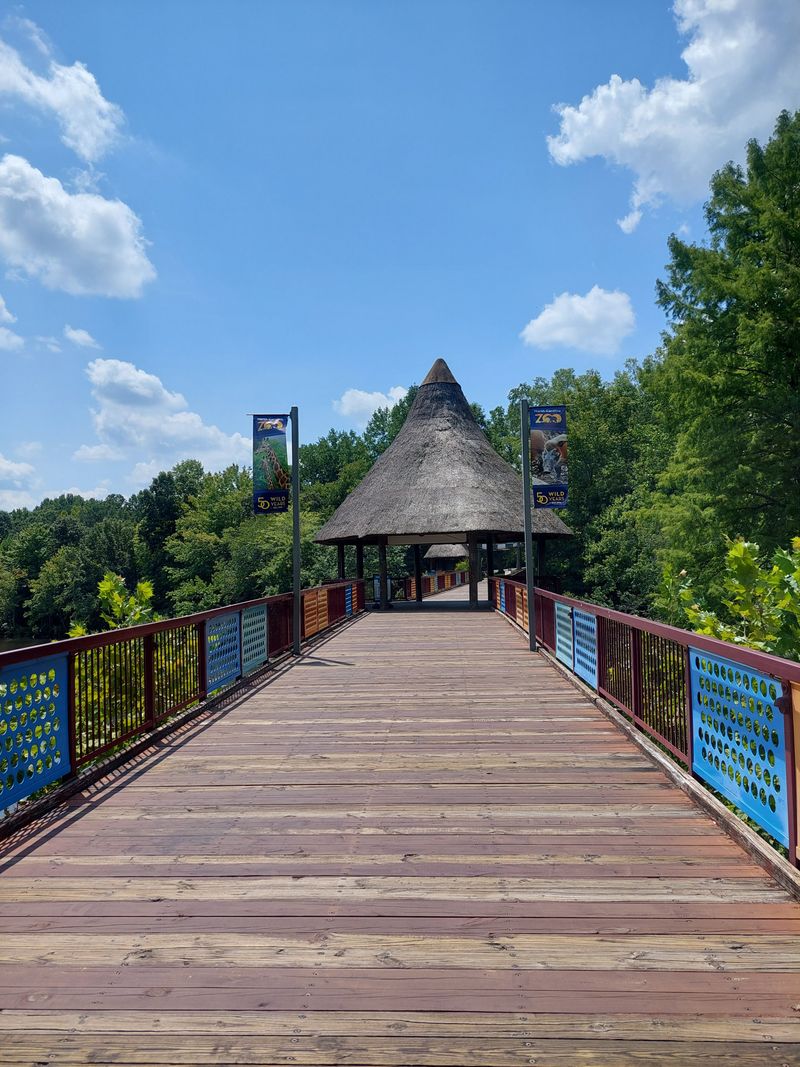
Anticipation builds as construction progresses on what promises to be a game-changing addition. Set to open in 2026, the new Asia region will introduce tigers, red pandas, and Komodo dragons to the North Carolina Zoo completing a trifecta of continental representations.
This expansion represents years of planning and significant investment in creating authentic Asian ecosystems. Imagine watching Sumatran tigers prowl through tropical forests or red pandas navigating bamboo groves with acrobatic grace.
The Komodo dragon exhibit will showcase these massive lizards in habitats mimicking Indonesian islands.
Early renderings suggest architectural elements inspired by Asian design, creating immersive environments that transport visitors across the Pacific. The addition addresses visitor requests for greater diversity while supporting conservation efforts for critically endangered Asian species.
Many existing members are timing renewals to coincide with the grand opening, eager to explore these new territories. It’s an exciting chapter that will cement the zoo’s position as a premier destination for experiencing global wildlife.
8. Sustainability And Environmental Stewardship

Preaching conservation while ignoring environmental impact would ring hollow, so this institution practices what it teaches. The North Carolina Zoo composts 2,000 tons of organic waste annually, transforming animal bedding and food scraps into nutrient-rich soil amendments.
Walk the grounds, and you’ll notice high-efficiency LED lighting reducing energy consumption. Water conservation systems capture rainfall for habitat irrigation.
Single-use plastics have been systematically eliminated from concession areas, replaced with compostable or reusable alternatives.
These initiatives extend beyond feel-good gestures; they demonstrate environmental responsibility on a meaningful scale. Staff members participate in ongoing sustainability training, finding innovative ways to reduce the zoo’s carbon footprint.
Solar panels generate renewable energy. Native plant landscaping supports local pollinators while requiring less water than traditional gardens.
For families teaching children about climate action, the zoo models practical solutions that visitors can adapt at home, proving that conservation starts with everyday choices multiplied across millions of conscientious individuals.
9. Accessibility Features For All Visitors
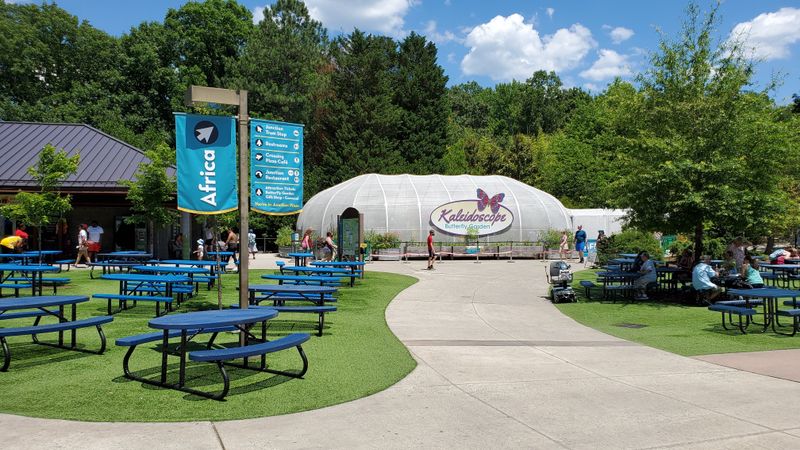
Physical limitations shouldn’t prevent anyone from experiencing wildlife wonders, a principle guiding accessibility planning. The North Carolina Zoo at 4401 Zoo Pkwy, Asheboro, provides wheelchair rentals, mobility scooters, and accessible trams, ensuring visitors with diverse needs can navigate the expansive grounds comfortably.
Paved pathways wind through habitats, wide enough for wheelchairs and strollers to pass easily. Viewing areas feature tiered designs allowing seated visitors unobstructed sightlines.
Restrooms throughout the property meet ADA standards, strategically placed to minimize travel distances.
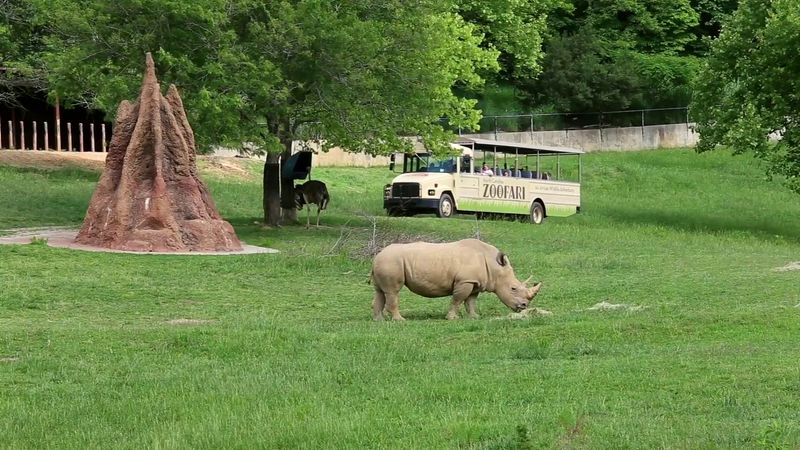
The tram system proves particularly valuable for guests with mobility challenges, running regular routes between major exhibit areas. Drivers accommodate wheelchairs and provide narrated tours highlighting points of interest.
Picnic areas offer shaded seating near accessible parking. Staff members receive training in assisting visitors with disabilities, creating a welcoming environment where everyone can participate fully.
These thoughtful accommodations recognize that wildlife appreciation should be universal, removing barriers that might otherwise exclude individuals from connecting with nature’s incredible diversity.
10. Extensive Animal-Themed Art Collection
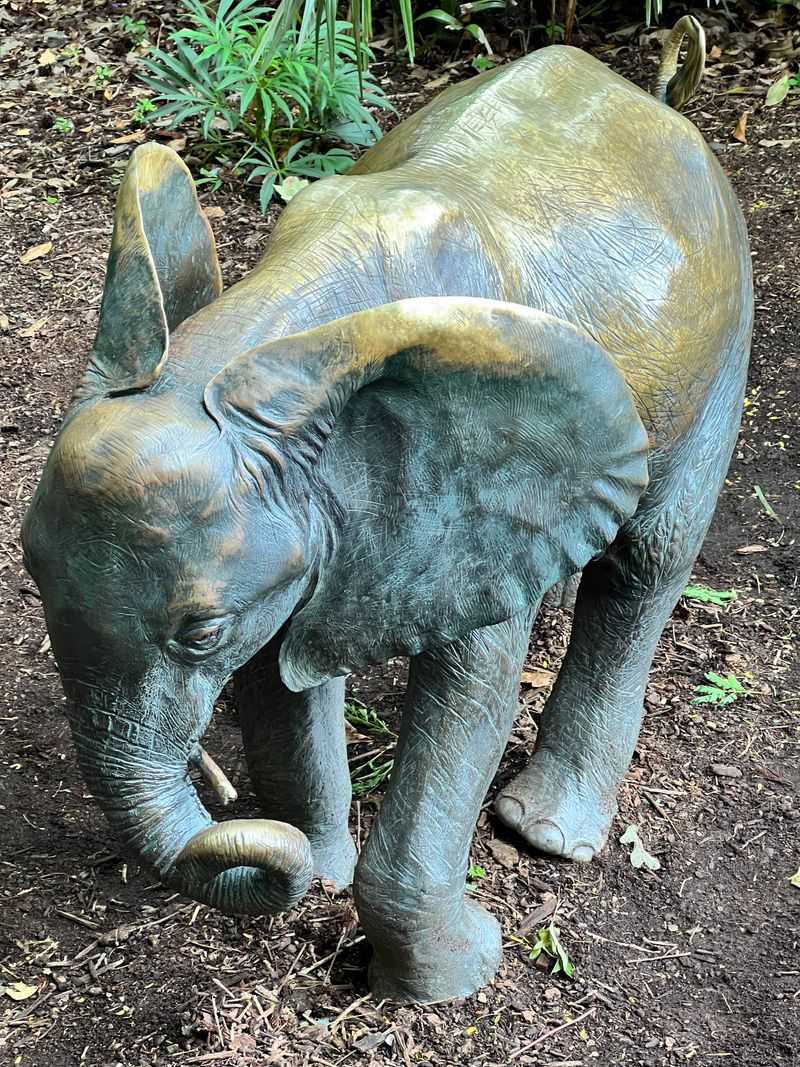
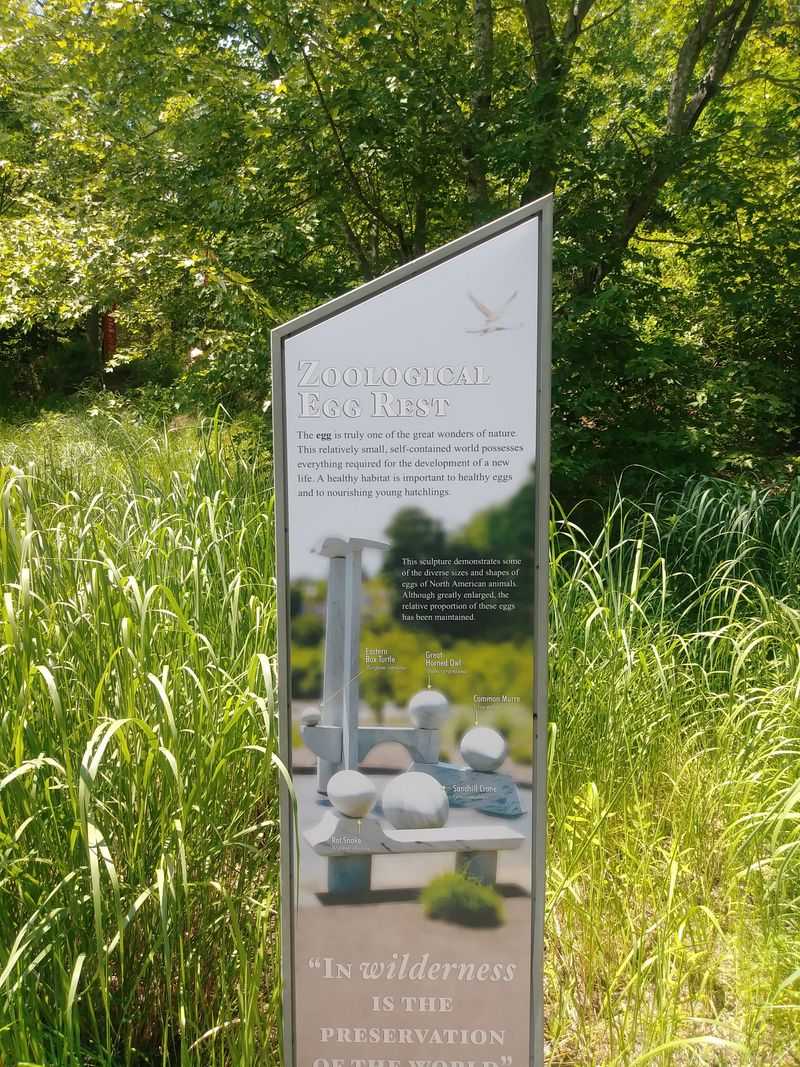
Art and wildlife intersect beautifully throughout the property, enhancing visitor experience in unexpected ways. The North Carolina Zoo features an extensive collection of animal-themed sculptures, murals, and installations that transform walkways into outdoor galleries.
Bronze elephants greet arrivals near parking areas, setting an artistic tone before you even purchase tickets. Colorful murals depicting savanna scenes brighten building exteriors, creating photo opportunities that visitors eagerly share on social media.
These pieces serve multiple purposes beyond decoration. They educate through visual storytelling, illustrating concepts like migration patterns or predator-prey relationships.
Children engage with interactive sculptures, touching textures, and exploring forms that spark curiosity about real animals nearby. Local and regional artists contribute works, creating community connections while celebrating North Carolina’s cultural heritage.
The collection grows periodically, giving repeat visitors fresh discoveries to appreciate. It’s an unexpected dimension that elevates the zoo experience from purely scientific to genuinely artistic, appealing to diverse interests and learning styles.
11. Research Contributions To Wildlife Science
Academic research drives meaningful conservation outcomes, and zoo professionals contribute valuable field data. The North Carolina Zoo participates in projects like tracking elephant movements across Cameroon, generating insights that inform protected area expansion and wildlife corridor development.
This work involves sophisticated GPS collar technology, satellite imagery analysis, and collaboration with international partners. Data collected helps governments make evidence-based decisions about land use, balancing human development with wildlife needs.
On-site research examines captive animal behavior, nutrition, and reproduction, findings that improve husbandry practices across the zoo community. Scientists publish results in peer-reviewed journals, advancing collective knowledge about species biology and conservation medicine.
Interns and graduate students gain hands-on experience, training the next generation of wildlife professionals. For visitors, these research efforts add depth to animal observations, so that the elephant you’re watching contributes to scientific understanding that protects its wild cousins thousands of miles away.
It’s conservation science in action, demonstrating how modern zoos function as research institutions with global impact.
12. Community Engagement And Special Events

Building conservation culture requires community involvement beyond passive observation. The North Carolina Zoo hosts events throughout the year that transform the property into a gathering place for environmental education and family fun.
Seasonal celebrations incorporate wildlife themes, Halloween events feature nocturnal animal encounters, while summer concerts on the lawn combine entertainment with conservation messaging. These occasions attract locals who might not otherwise visit, expanding the zoo’s reach into surrounding communities.
Educational workshops teach practical skills like wildlife-friendly gardening or reducing household plastic waste. Volunteer programs invite citizens to contribute directly through habitat restoration projects or guest services.
School partnerships bring thousands of students annually for curriculum-aligned field trips that make science tangible and exciting. The zoo becomes a community anchor, fostering environmental stewardship that extends beyond its boundaries.
Families create traditions around annual visits, passing conservation values across generations while supporting an institution deeply invested in regional identity and ecological health.
13. National Recognition And Awards
Excellence doesn’t go unnoticed in the competitive world of zoological institutions. The North Carolina Zoo has earned recognition as one of the nation’s top zoos, including being named the best zoo in the country for consecutive years.
These accolades reflect a comprehensive evaluation across multiple criteria, including animal welfare, conservation impact, visitor satisfaction, educational programming, and facility maintenance. Industry experts and public voting both contribute to rankings that help families choose where to invest their time and travel dollars.
Awards validate the staff’s dedication to continuous improvement and innovation. They attract talented professionals who want to work at premier institutions.
They boost tourism, benefiting the broader Asheboro economy as visitors from across the country plan trips specifically to experience this highly-rated destination. For North Carolinians, the recognition inspires state pride, knowing their zoo sets benchmarks that others aspire to match.
It’s an affirmation that commitment to natural habitats and ethical animal care creates experiences that resonate deeply with visitors seeking meaningful connections with wildlife.
14. Practical Visitor Tips And Planning
Maximizing your zoo adventure requires strategic planning, given the property’s massive scale. The North Carolina Zoo at 4401 Zoo Pkwy, Asheboro, rewards visitors who arrive prepared with comfortable walking shoes, water bottles, and realistic expectations about covering five-plus miles of pathways.
Off-season visits during November through February offer distinct advantages, smaller crowds, cooler temperatures that keep animals active, and reduced admission prices. Animals often display more natural behaviors when not stressed by summer heat and massive visitor volumes.
Purchasing tickets online saves money and reduces entry wait times. Arriving before noon ensures sufficient time to explore both the Africa and North America regions thoroughly.
The tram system helps conserve energy between distant exhibits, though some walking remains unavoidable. Bring strollers or wagons for young children who’ll tire before covering the full property.
Pack snacks, as concession options vary by season and location. Download the digital map via QR code at the entry for easy navigation.
With proper preparation, you’ll experience one of America’s finest zoos comfortably and comprehensively.