This Northern California Highway Is Noted For Its Scenic Yet Dangerous Reputation
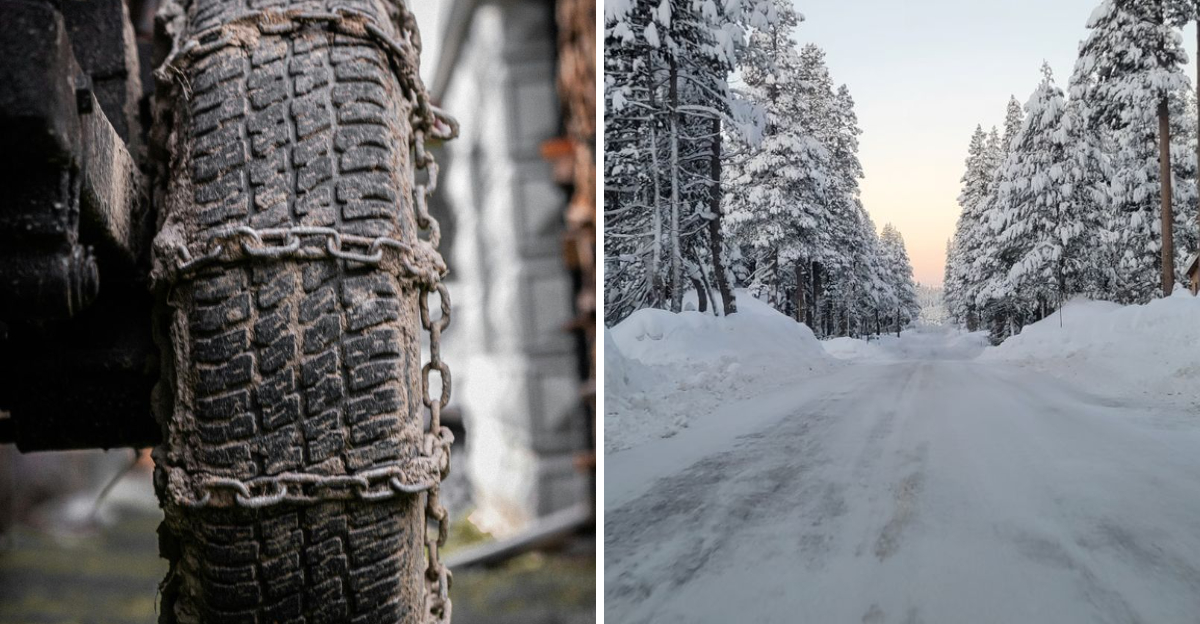
The mountains decide how this journey unfolds. Pavement rises and twists as the air thins. Weather shifts fast and attention sharpens even faster. This drive sets its own terms.
Interstate 80 climbs deep into the Sierra Nevada and challenges anyone who passes through. In California, this highway carries a reputation built on elevation snow and history.
Donner Pass looms ahead as both landmark and warning. Granite walls frame the road while long grades push engines and nerves alike. Calm days deliver sweeping views and open skies.
Harsh days demand preparation patience and respect. Interstate 80 balances reward and risk in a way few highways can match. The same stretch that inspires awe in summer can command total focus in winter.
This is where confidence matters and the road never stops asking questions while scenery comes with responsibility and not every highway tests you like this.
Drivers do not forget this route. Some remember the quiet beauty after a storm. Others remember chains biting into ice and headlights cutting through snowfall.
Interstate 80 is not just a passage across California. It is a reminder that the most memorable roads are the ones that make you fully present from start to finish.
Scenic Byway Designation Brings Recognition
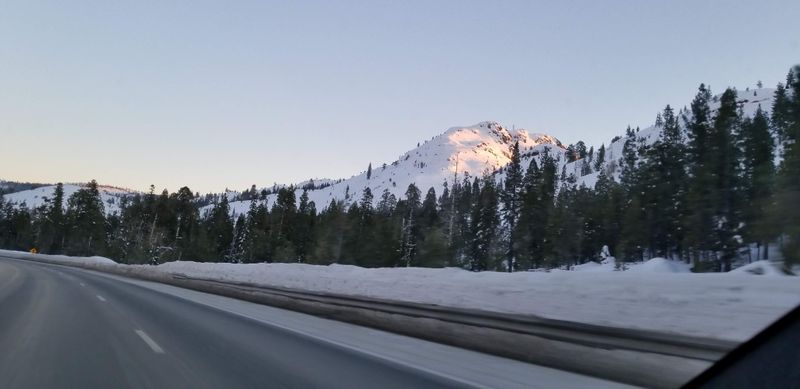
Travelers who drive the stretch from Emigrant Gap to Truckee find themselves on the Yuba–Donner Scenic Byway, a route officially recognized for its natural beauty.
The Sierra Nevada mountains rise on both sides, creating views that change with every mile and every season.
Pine forests blanket the slopes, and granite peaks punctuate the skyline in ways that make even routine trips feel memorable. This designation isn’t just a label.
It reflects years of appreciation from drivers who have experienced the landscape firsthand and recognized its value.
The byway status encourages slower speeds and more frequent pullouts, giving people chances to pause and take in the surroundings without feeling rushed.
During summer, wildflowers dot the meadows, and the air smells fresh with pine. In fall, aspens turn golden against the evergreens, adding contrast to the already dramatic scenery.
Winter blankets everything in white, transforming the highway into a corridor through a snow-covered wonderland, though that beauty comes with increased risk and requires extra caution from anyone behind the wheel.
Historical Significance Follows Pioneer Routes
Long before Interstate 80 existed, pioneers traveled the California Trail through these same mountains during the Gold Rush era.
Wagons creaked over rocky paths, families endured harsh weather, and dreams of fortune pushed people westward despite the dangers.
The modern highway follows much of that historic route, connecting today’s travelers to a past filled with determination and hardship.
Driving this road means tracing the footsteps of those early adventurers. Markers and plaques along the way tell stories of the journeys that shaped California’s history.
The landscape hasn’t changed much in some areas, with the same granite outcrops and steep slopes that challenged those wagon trains still visible from the car window.
This historical layer adds depth to the drive. It’s not just about getting from point A to point B; it’s about moving through a corridor that has seen generations of people seeking new opportunities.
Understanding that history can make the experience richer, even as modern vehicles handle the terrain far more easily than covered wagons ever could.
Heavy Snowfall Dominates Winter Months
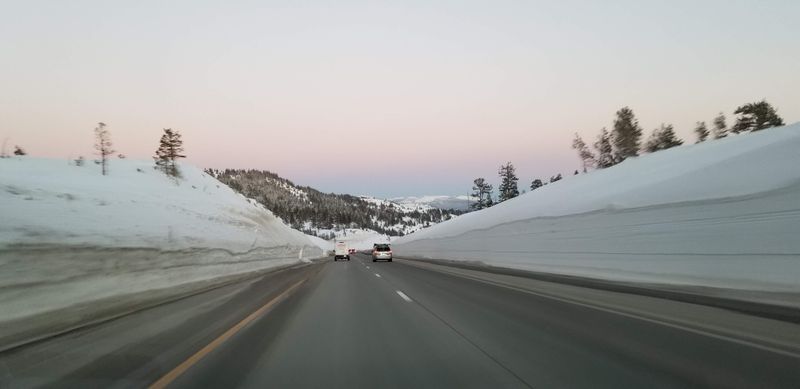
Around Donner Summit, snow accumulates to depths that exceed 30 feet annually, making this area one of the snowiest inhabited places in the United States.
That volume transforms the highway into a winter wonderland but also creates conditions that range from difficult to impossible for driving.
Plows work around the clock during storms, yet snow often falls faster than crews can clear it. The sheer amount of snowfall means that even experienced winter drivers face challenges.
Packed snow turns to ice, reducing traction and making stopping distances much longer.
Visibility drops during heavy snowfall, with flakes so thick that headlights barely penetrate the white curtain ahead.
Chain requirements become common, and enforcement is strict. Vehicles without proper equipment get turned back at checkpoints, causing delays and frustration.
The California Department of Transportation monitors conditions constantly, closing sections when safety can’t be guaranteed.
These closures sometimes last hours or even days, leaving travelers stranded in nearby towns and forcing route changes that add significant time to journeys across the mountains.
Avalanche Risk Threatens Road Safety
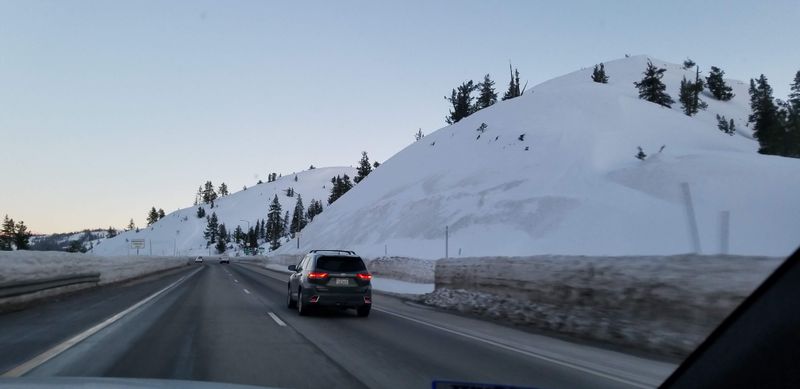
Steep mountain slopes above Interstate 80 hold massive amounts of snow that can break loose without warning.
Avalanches pose real dangers in certain sections, particularly during and after heavy storms when new snow loads destabilize the snowpack.
Control measures include artillery fire to trigger slides intentionally before they grow large enough to threaten the highway, but even these precautions can’t eliminate all risk.
Road closures due to avalanche danger happen regularly during peak winter months. Crews assess slopes constantly, looking for signs of instability and closing sections when conditions warrant.
These closures protect drivers but also create unpredictability for travel plans, as timing depends on weather patterns and snowpack behavior that can change within hours.
The aftermath of an avalanche can shut down the highway for extended periods while crews clear debris.
Snow, rocks, and trees pile across multiple lanes, requiring heavy equipment and careful work to restore safe passage.
Travelers caught between closures may wait for hours in their vehicles, highlighting the importance of carrying emergency supplies and checking avalanche forecasts before attempting winter crossings through this mountain terrain.
High Traffic Volume Increases Congestion
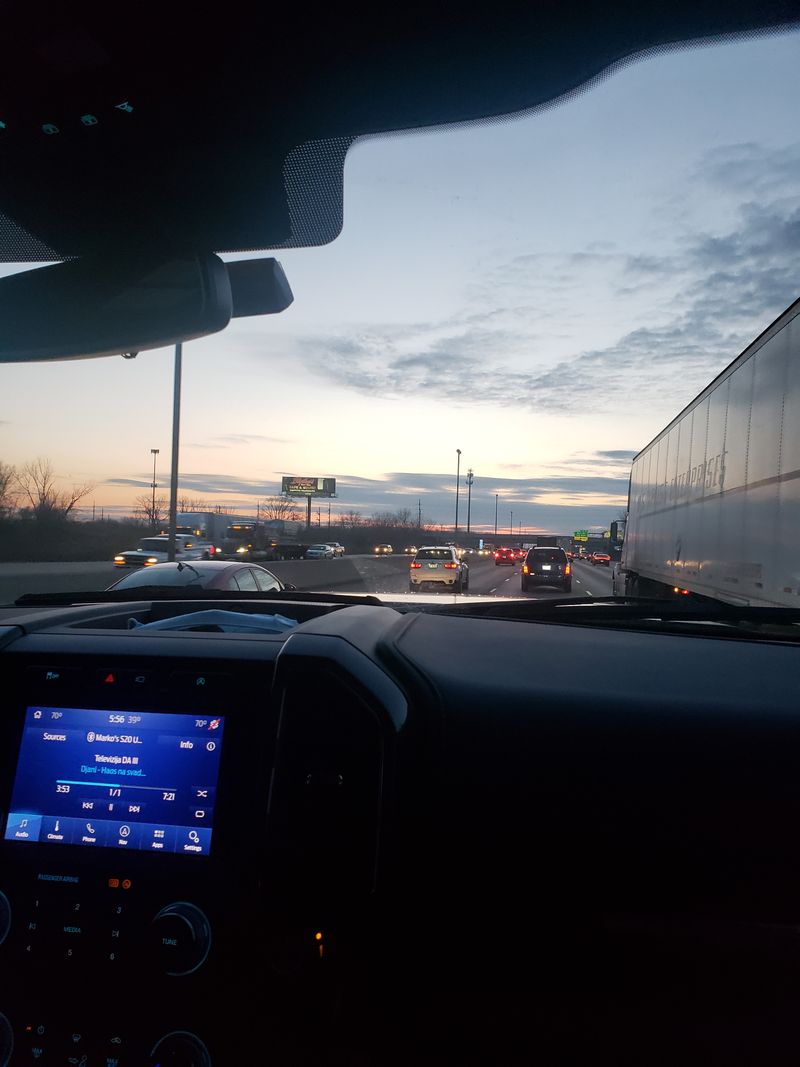
As a major freight corridor connecting California to the rest of the country, Interstate 80 carries thousands of trucks daily alongside regular passenger vehicles.
This constant flow creates congestion that can slow traffic to a crawl, especially during peak travel times and holiday weekends.
The combination of big rigs, cars, and recreational vehicles all sharing the same narrow mountain lanes leads to bottlenecks that frustrate even patient drivers.
Trucks climbing steep grades slow to walking speed, creating long lines of vehicles behind them. Passing opportunities are limited in many sections, and aggressive driving only increases accident risk.
The volume also means that any incident – a stalled vehicle, minor fender bender, or jackknifed truck – can back up traffic for miles within minutes.
Summer brings additional recreational traffic as people head to Lake Tahoe and other Sierra destinations.
Weekends see particularly heavy loads, with both directions filling up as people come and go.
This mix of local commuters, long-haul truckers, and vacation travelers creates unpredictable traffic patterns that require extra patience and alertness from everyone on the road.
Donner Pass Elevation Creates Stunning Vistas
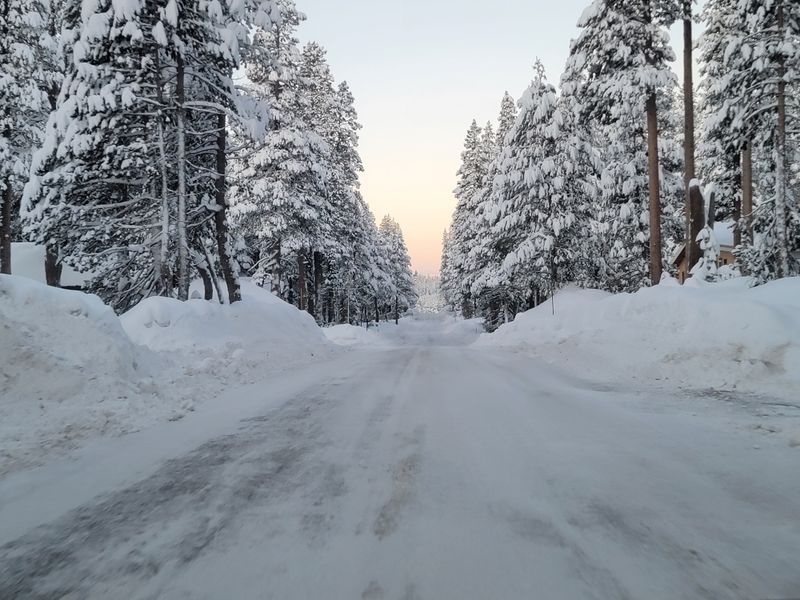
Reaching 7,056 feet above sea level, Donner Pass stands as one of the most dramatic points along Interstate 80.
The elevation brings expansive views that stretch for miles, with mountain peaks visible in every direction and valleys dropping away below.
On clear days, the vista feels almost endless, rewarding drivers who have climbed through the winding ascent. However, that same elevation creates challenges.
Steep grades test brakes and engines, while sharp curves demand full attention and steady hands on the wheel. Large vehicles struggle more than cars, and inexperienced drivers may find the descent nerve-wracking as the road twists downward.
The pass also serves as a weather divider, with conditions often changing dramatically from one side to the other. Fog can roll in quickly, reducing visibility to just a few car lengths.
Snow arrives earlier and stays later here than at lower elevations, sometimes closing the highway entirely during major storms and stranding travelers who didn’t check conditions before starting their journey through this mountain corridor.
Accident Hotspots Demand Extra Caution
Certain stretches of Interstate 80 have earned reputations as particularly dangerous based on accident statistics and fatal crash rates.
These hotspots don’t appear on most maps, but local drivers know them well and approach with heightened awareness.
Multiple factors contribute to these dangerous zones. Sharp curves limit sight distances, preventing drivers from seeing hazards until they’re close.
Steep grades challenge braking systems, especially for heavy trucks that can’t slow down quickly.
Weather often worsens in these sections, with microclimates creating fog or ice when surrounding areas remain clear. Recognizing these hotspots helps drivers prepare mentally and physically.
Reducing speed before entering known danger zones, increasing following distance, and avoiding distractions become even more critical.
The patterns in accident data aren’t random – they reflect real physical challenges that every driver faces in these locations, making awareness and preparation the best defenses against becoming another statistic in the ongoing safety concerns along this highway.
Rapid Weather Changes Create Unpredictability
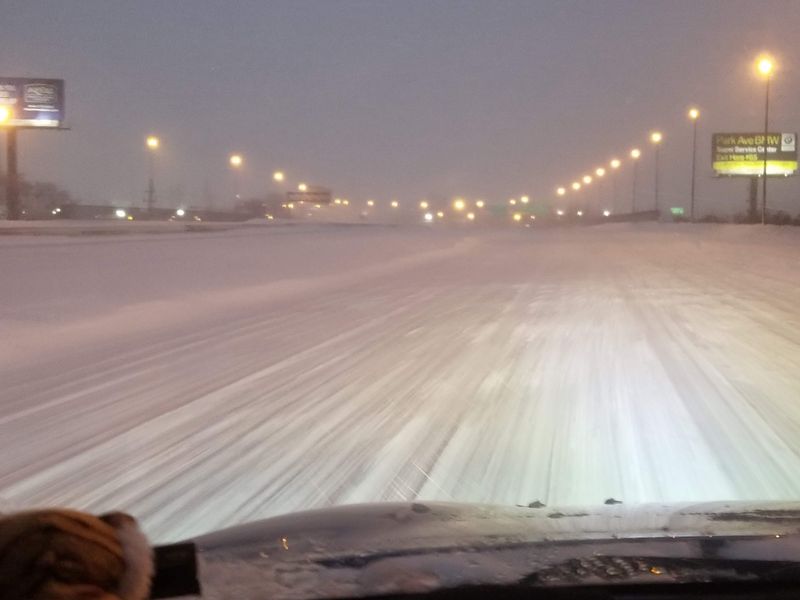
Mountain weather shifts faster than most drivers expect, with blue skies giving way to blinding snowstorms in less than an hour.
Fog banks roll across the highway without warning, cutting visibility so drastically that taillights disappear just a few car lengths ahead.
These sudden changes catch unprepared travelers off guard, turning what seemed like easy driving conditions into white-knuckle situations that test nerves and skills.
Temperature swings also affect road surfaces in ways that aren’t immediately obvious.
Wet pavement freezes as elevation increases, creating black ice that’s nearly invisible until a vehicle starts sliding.
What looks like a clear road can actually be a skating rink, especially on bridges and overpasses where cold air circulates underneath.
Checking weather forecasts before departure helps, but conditions in the mountains often differ from predictions.
Storms intensify quickly, and what meteorologists expect to be light snow can turn into a full blizzard.
Drivers need to stay flexible, ready to pull over and wait out dangerous conditions rather than pushing through when visibility or traction becomes compromised beyond safe limits.
Steep Grades And Sharp Curves Test Drivers
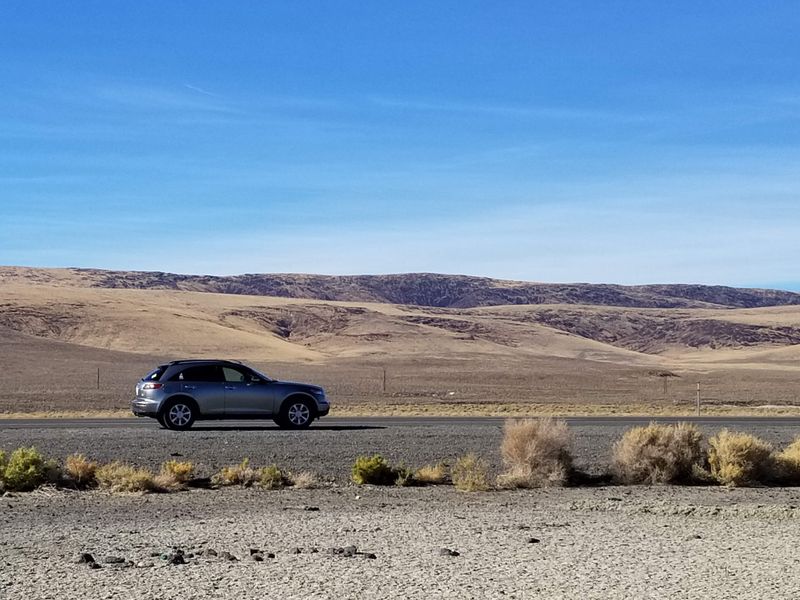
Mountainous sections of Interstate 80 feature grades that push engines hard on the climb and challenge brakes on the descent. Percentages reach levels where trucks must use lower gears, and even cars feel the strain.
Combined with curves that seem to appear one after another, these sections demand constant attention and smooth driving techniques that many people don’t practice regularly.
Sharp curves limit how far ahead drivers can see, making speed control essential.
Entering a curve too fast means either braking hard mid-turn – which can destabilize the vehicle – or running wide into other lanes.
Guardrails line the outside of many curves for good reason, as the drop-offs beyond them are steep and unforgiving.
Large vehicles face particular challenges. Trucks and RVs have higher centers of gravity that make them more prone to tipping in sharp turns.
Their longer wheelbases require wider turning arcs, sometimes forcing them to use multiple lanes to navigate curves safely.
Passenger vehicle drivers need to give these big rigs plenty of room and resist the temptation to pass in sections where the road geometry already pushes everyone to their limits.
Chain Requirements Add Complexity
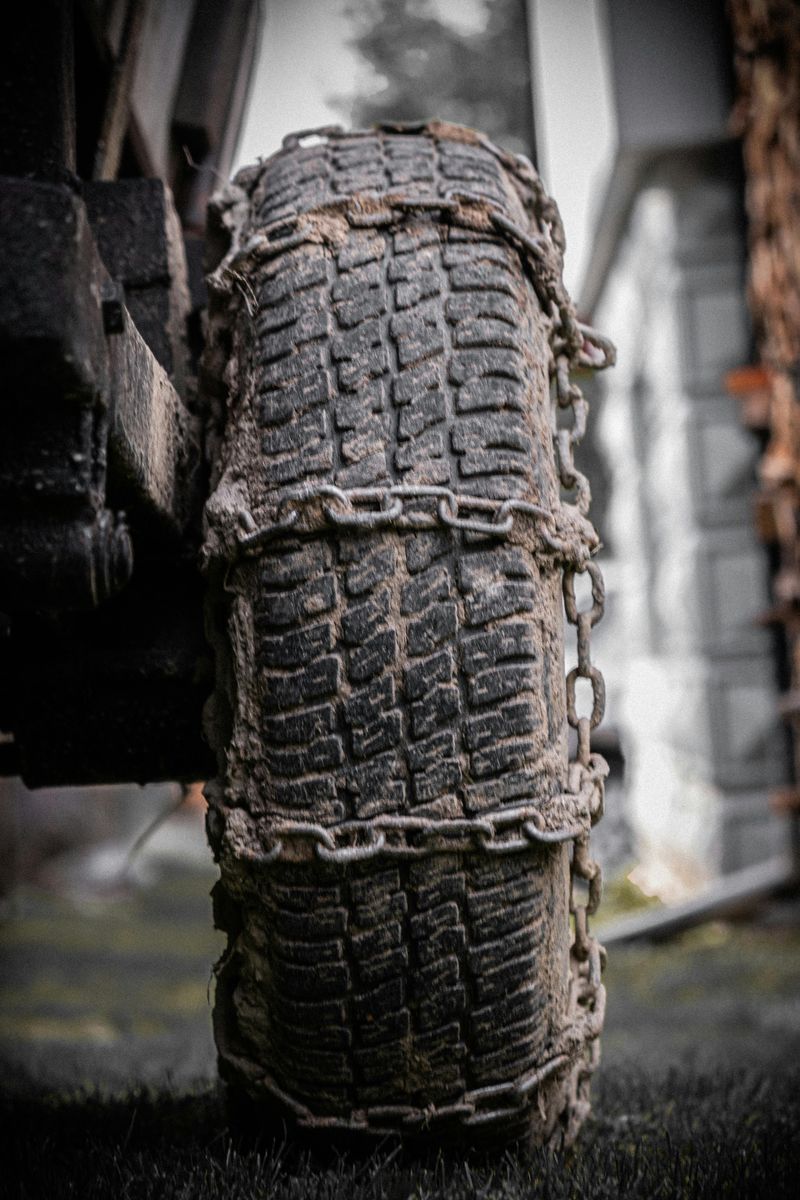
Winter storms trigger chain control requirements that force all vehicles to either install tire chains or turn back.
These requirements come in different levels, from chains required on all vehicles to chains or snow tires required, with enforcement officers checking compliance at designated points.
Travelers who arrive without proper equipment face the choice of buying chains on the spot at inflated prices or abandoning their trip entirely.
Installing chains isn’t particularly difficult, but doing it for the first time in a snowstorm on the side of a busy highway creates stress and confusion.
Gloves get wet, fingers go numb, and traffic rushes past just feet away. Commercial chain installers work at some checkpoints, offering to do the job for a fee, but lines can be long during major storms.
Once installed, chains limit speed and create a constant rattling sound that makes conversation difficult.
They wear out quickly on bare pavement, so drivers must remove them once they descend below the snow line or risk damaging both the chains and their tires.
This cycle of installing and removing adds time and hassle to what might already be a stressful journey through challenging winter conditions.
Historical Incidents Remind Of Severe Dangers
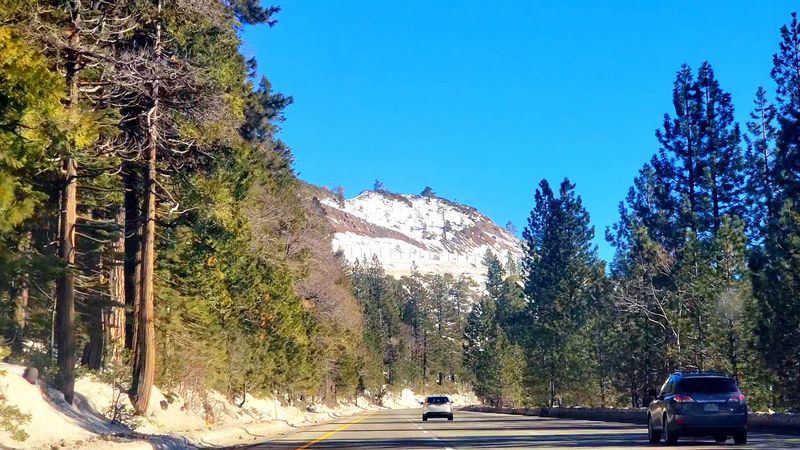
The 1952 blizzard that trapped over 750 motorists in Donner Pass stands as a stark reminder of how quickly conditions can turn deadly.
Multiple fatalities resulted from that storm, with people stranded in their vehicles for days without adequate food, water, or warmth.
Stories from survivors describe desperation and fear as snow piled higher and rescue efforts struggled against the same weather that created the crisis.
Other incidents throughout the decades add to the highway’s dangerous reputation. Multi-vehicle pileups during whiteout conditions endanger hundreds of people each year.
Trucks losing control on icy grades have crashed through barriers and tumbled down mountainsides. Each tragedy reinforces the need for respect and preparation when traveling this route, especially during winter months.
These historical events aren’t just statistics – they represent real people who underestimated the risks or got caught in situations beyond their control.
Modern forecasting and road maintenance have improved safety considerably, but the fundamental dangers remain.
The mountains don’t change, and weather still creates conditions that can overwhelm even experienced drivers who find themselves in the wrong place at the wrong time on this historic and challenging highway.