This Northern California River Is So Clear And Wild It Feels Like A Hidden Paradise
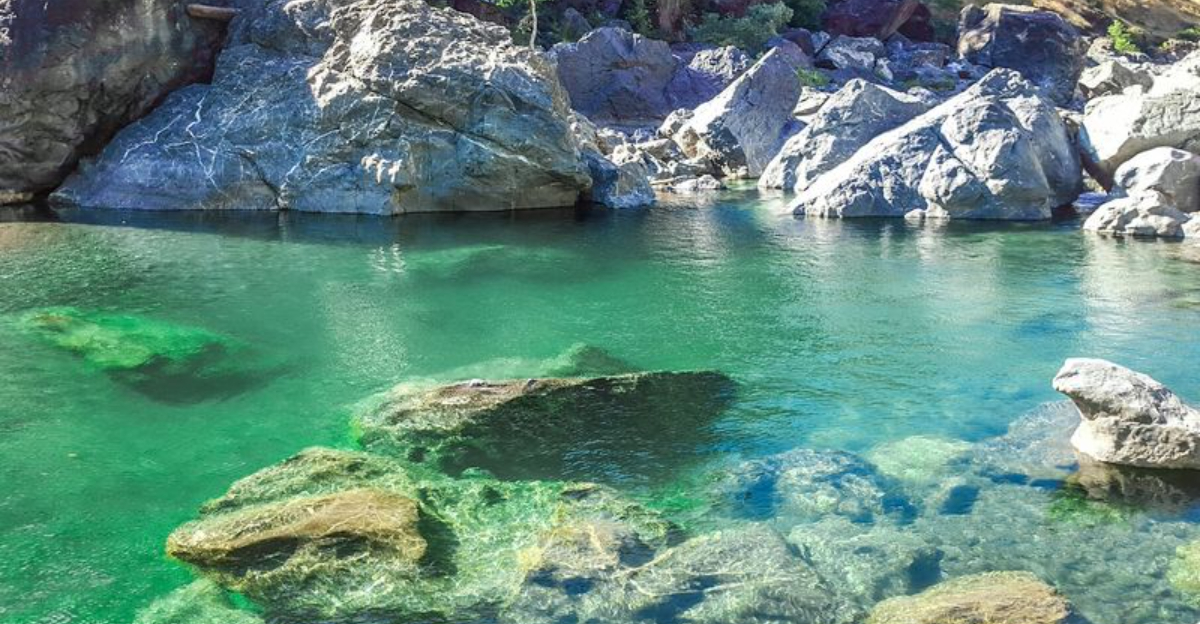
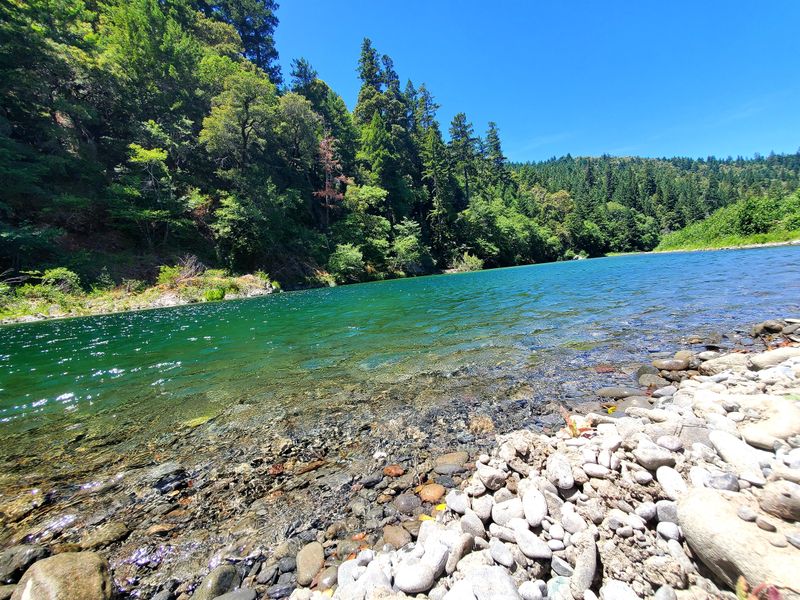
It almost looks unreal. The water is that clear. That bright. That alive. No fences. No crowds. No polished overlooks. Just a river slipping through steep green hills like it’s been doing it forever.
Eel River moves with a steady, untamed rhythm. Wide bends. Gravel bars. Sunlight cutting straight through the current to the stones below. You can see every ripple shift around the boulders.
It doesn’t perform for visitors. It doesn’t need to. The hills rise rugged on either side. Oaks and pines grip the slopes. The current slides from glassy pools into quick, restless runs, flashing silver and green in the light.
It isn’t curated. It isn’t crowded. It feels raw in a way that’s getting harder to find. Stand there long enough and everything else fades.
Wind through leaves. Water over stone. Nothing else.
This California river doesn’t need to be discovered; it’s already waiting for you, just as it’s always been.
1. Third-Largest River System In California
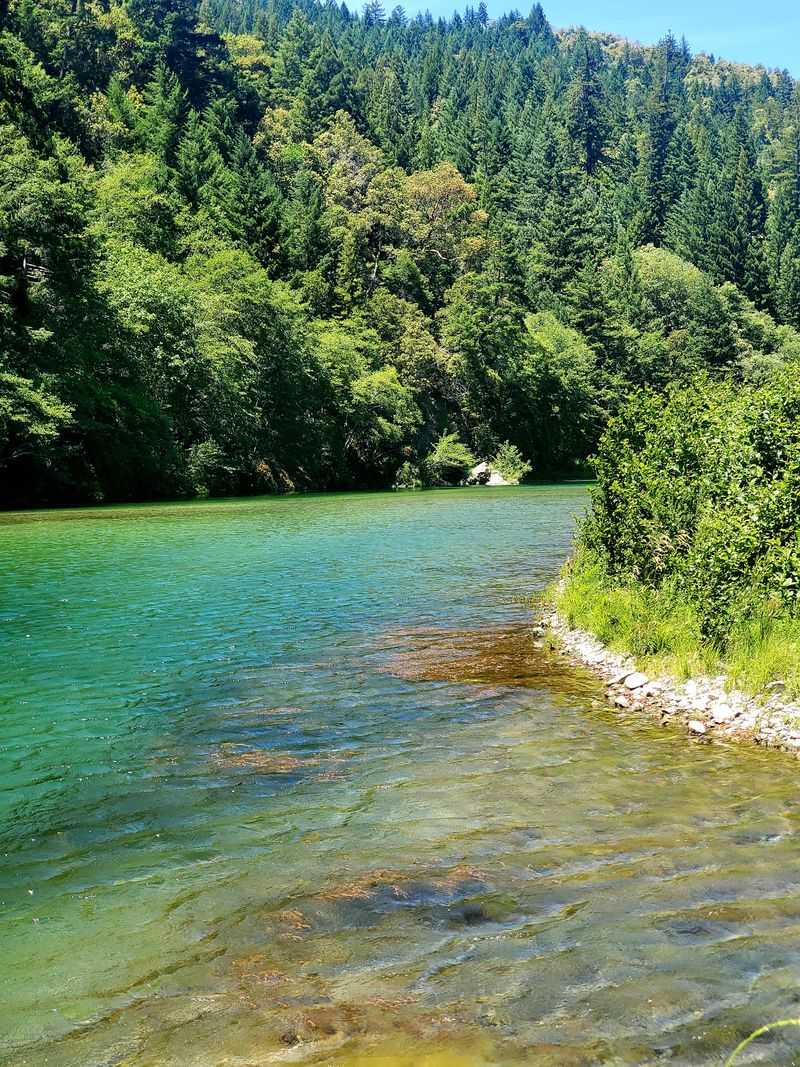
Measuring approximately 196 miles from headwaters to ocean, the Eel River claims the title of California’s third-largest river system. The watershed drains roughly 3,684 square miles across five counties including Humboldt, Lake, Mendocino, Trinity, and Glenn.
This extensive network makes the river a vital component of Northern California’s hydrology.
Water from countless mountain streams and tributaries flows into the main channel, creating a drainage system that influences weather patterns, wildlife populations, and forest health across a massive region.
The sheer scale of the Eel River system means it touches multiple climate zones and ecosystems.
Headwater streams begin in high elevation pine forests where winter snow accumulates, while the lower sections flow through coastal redwood groves before reaching the Pacific Ocean near Fortuna.
Traveling the entire length would take you through dramatically different landscapes.
Mountain ridges give way to steep canyons, which eventually open into broader valleys before the final coastal plain stretch, demonstrating the geological diversity that makes Northern California so visually striking.
2. National Wild And Scenic River Protection
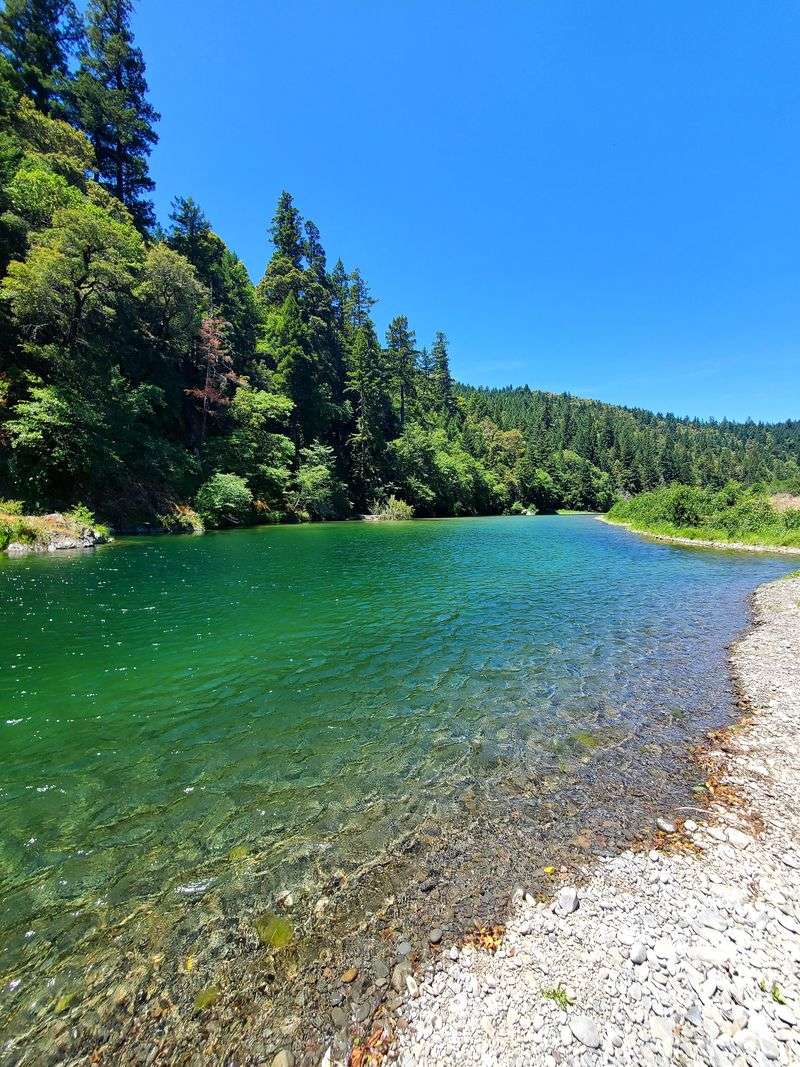
In 1981, federal authorities granted the Eel River designation as a National Wild and Scenic River, placing it among America’s most protected waterways.
This status prohibits dam construction and requires that environmental concerns receive priority consideration in any development decisions affecting the river corridor.
The designation came after decades of debate about the river’s future.
Previous generations had seen numerous California rivers dammed for water storage and hydroelectric power, but conservation advocates successfully argued that some waterways deserved permanent protection from such alterations.
This protected status means the Eel River can continue flowing in patterns dictated by rainfall and snowmelt rather than human water management schedules.
Seasonal variations in flow rates remain dramatic, with winter storms bringing torrential flows while summer months see the river drop to gentle currents between deep pools.
Environmental regulations tied to the designation also protect riverside vegetation and wildlife habitat. Development projects near the river face strict scrutiny, helping preserve the wild character that makes the Eel River feel like a landscape from another era.
3. Journey Through Multiple Ecosystems
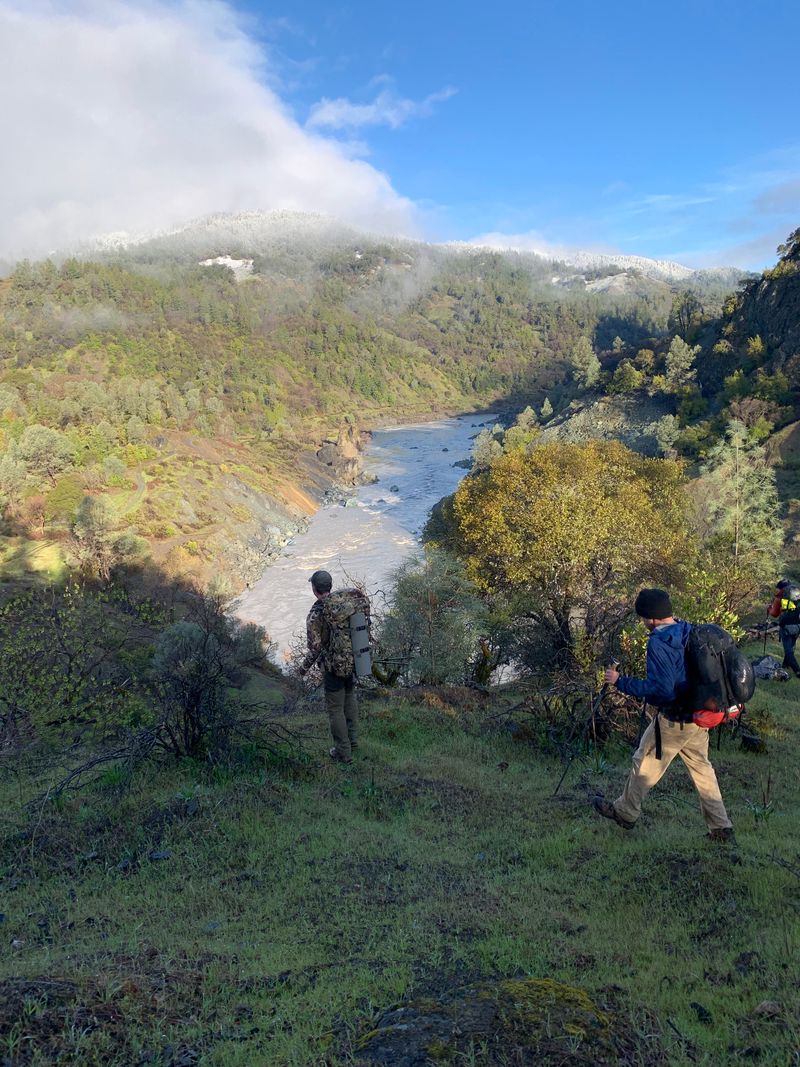
From mountain headwaters to coastal mouth, the Eel River passes through an remarkable variety of ecosystems. High elevation sections flow through pine forests where Douglas fir and ponderosa pine dominate, while middle sections cut through steep canyons lined with oak woodlands and chaparral.
The most dramatic ecosystem transition occurs in the lower sections. Ancient coastal redwood forests create cathedral-like groves along the riverbanks, with some of the tallest trees on Earth shading the water and creating cool microclimates that support unique plant communities.
Virgin redwood stands still exist in certain protected areas along the river’s course.
These groves escaped the extensive logging that cleared most old-growth forests in Northern California during the late 1800s and early 1900s, making them invaluable windows into pre-settlement conditions.
Wildlife diversity reflects this ecosystem variety. Black bears roam the upper forests, while river otters and harbor seals appear in lower sections.
Birdwatchers can spot mountain species like Steller’s jays upstream and coastal species like great blue herons near the estuary.
4. Historic Salmon And Steelhead Runs
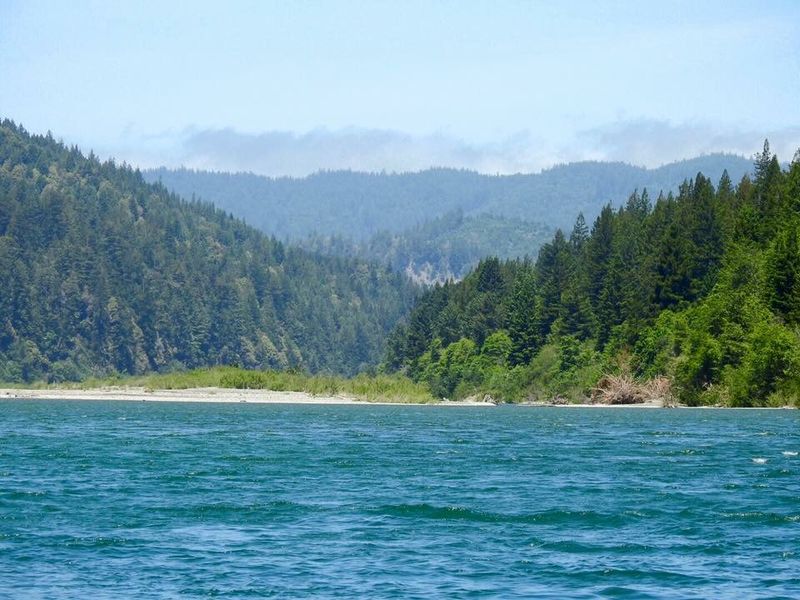
Before extensive development altered California’s waterways, the Eel River supported one of the state’s most productive salmon and steelhead fisheries. Chinook salmon begin arriving in August, with runs continuing through December and reaching peak numbers in late October.
These fish undertake remarkable journeys from the Pacific Ocean back to their natal streams.
Swimming against powerful currents and navigating rapids, adult salmon return to spawn in the same gravel beds where they hatched years earlier, completing a life cycle that has repeated for thousands of generations.
Steelhead trout follow similar patterns but with different timing. These sea-run rainbow trout enter the river during winter months, taking advantage of high water flows to reach upstream spawning areas that become inaccessible during summer’s low water.
Modern salmon and steelhead populations remain well below historical levels due to habitat changes, commercial fishing pressure, and climate variations.
Conservation efforts focus on restoring spawning habitat, removing migration barriers, and protecting the clear, cold water conditions these fish require for successful reproduction.
5. Whitewater Recreation Opportunities
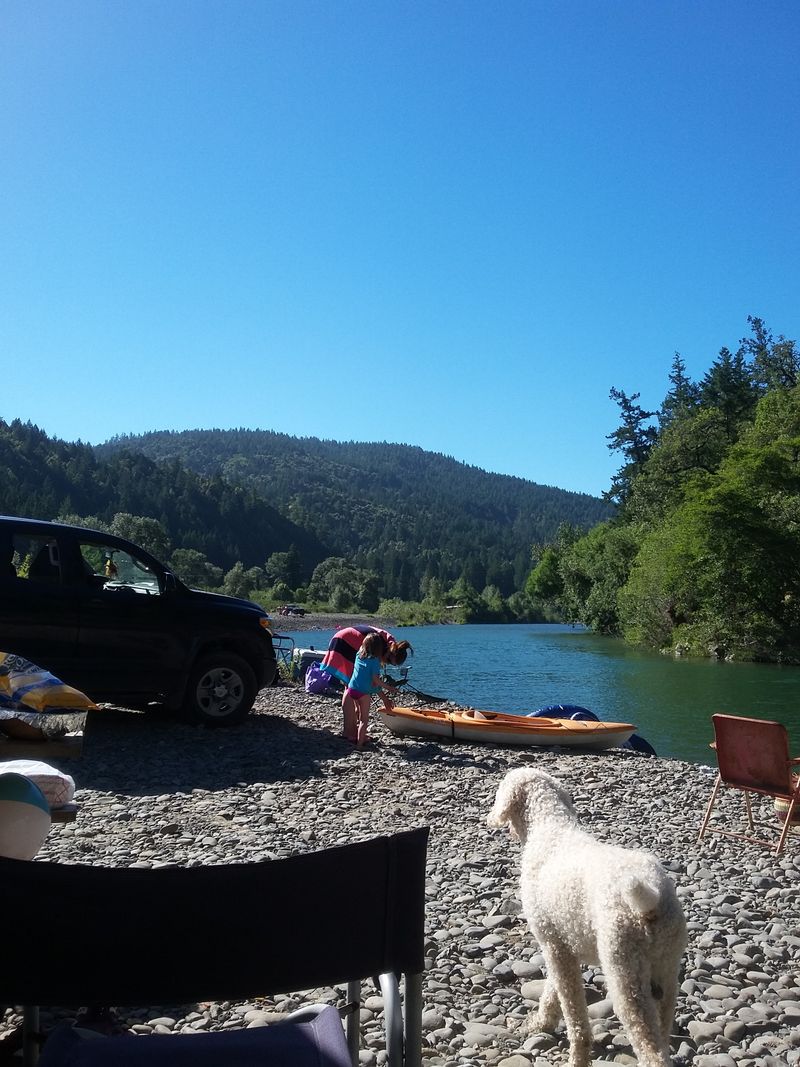
Adventure seekers discover exceptional whitewater experiences on various sections of the Eel River system. The South Fork offers a remote Class IV run through the Elkhorn Ridge Wilderness Area, challenging even experienced paddlers with technical rapids and continuous whitewater.
Dos Rios serves as a popular put-in point for multi-day river trips. From here, paddlers can embark on a four-day journey through the dramatic Eel River Canyon to Alderpoint, camping on riverside gravel bars and experiencing wilderness conditions rare in modern California.
Rapids range from gentle riffles suitable for beginners to demanding technical sections that require advanced skills and proper safety equipment. Spring runoff creates the most challenging conditions, with powerful hydraulics and cold water temperatures demanding respect from all river users.
Summer flows offer gentler conditions perfect for introducing newcomers to river travel.
Lower water levels reveal more gravel bars for camping and create playful wave trains rather than intimidating drops, making the river accessible to families and less experienced paddlers seeking wilderness adventure.
6. Four Major Tributary Systems
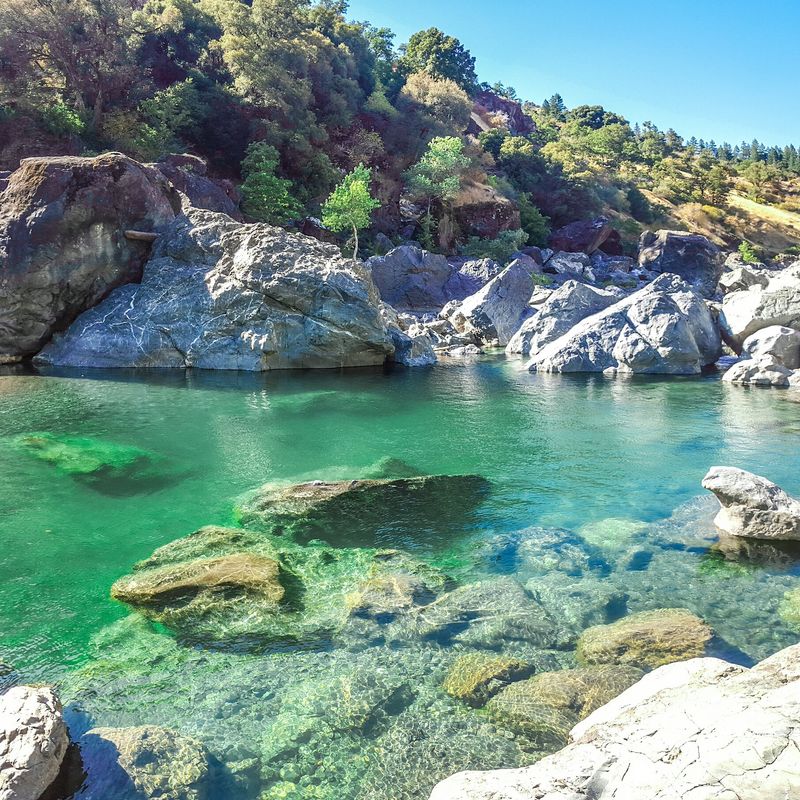
The North Fork flows entirely within Trinity County, traveling 35 miles through remote mountain terrain before joining the mainstem. This tributary drains some of the highest elevations in the watershed, contributing cold, clear water even during summer months.
Middle Fork claims the title of largest tributary, covering 70 miles before its confluence with the main river. This branch drains a substantial portion of the eastern watershed and carries significant water volume, especially during winter storm events.
South Fork originates in Mendocino County and flows through some of the most spectacular ancient redwood forests remaining in California. This tributary has gained recognition among river enthusiasts for its remote character and pristine water quality.
Van Duzen River enters the mainstem after the Eel reaches the coastal plain. This tributary system drains the western portions of the watershed and brings additional flow just before the river makes its final approach to the Pacific Ocean near Ferndale and Fortuna.
7. Biodiversity Of The River Estuary
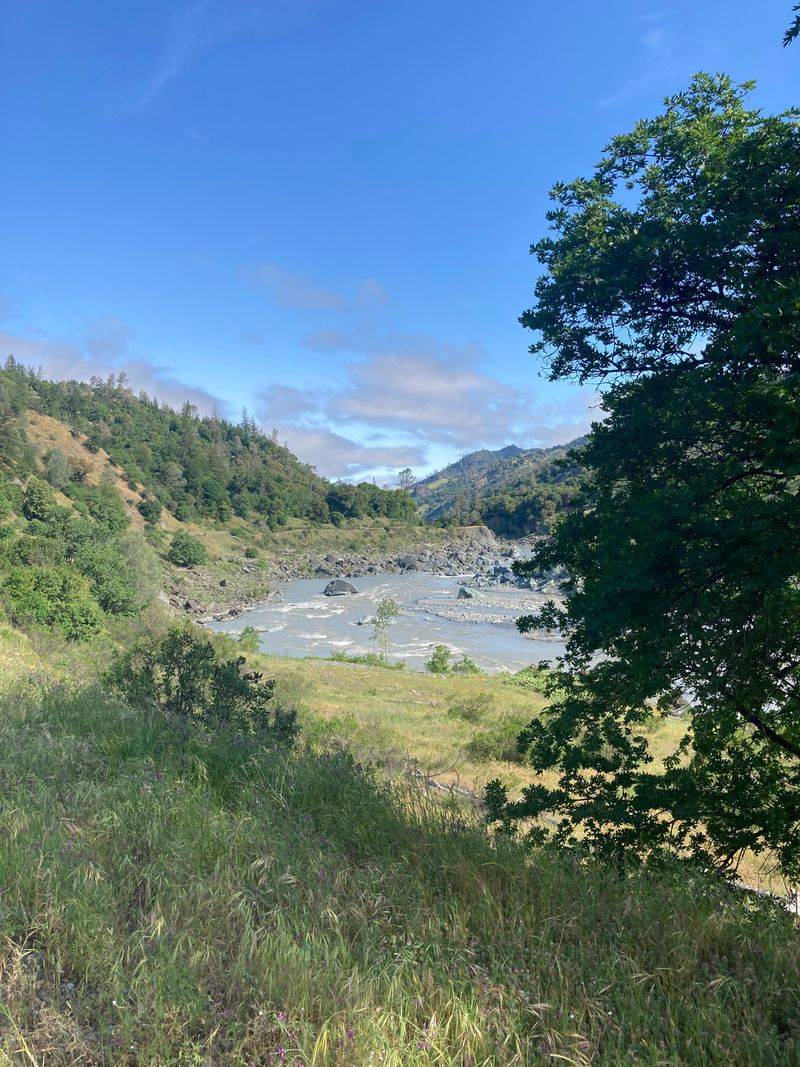
Where the Eel River meets the Pacific Ocean, a productive estuary supports remarkable biological diversity.
California’s Bays and Estuaries Policy recognizes this area for its ecological importance, protecting habitat that serves as a nursery for numerous fish species and feeding ground for migrating birds.
Shorebirds gather in impressive numbers during migration seasons. Sandpipers probe the mudflats for invertebrates, while egrets and herons stalk small fish in shallow channels, creating wildlife viewing opportunities that attract photographers and birdwatchers from across the region.
Mammals also depend on the estuary’s resources. River otters hunt for fish and crustaceans along the channels, while harbor seals haul out on sandbars to rest between feeding sessions in nearshore ocean waters.
The mixing of fresh and salt water creates unique conditions that support specialized plant communities.
Salt marsh vegetation stabilizes sediments and provides cover for young fish, while eelgrass beds in brackish areas offer habitat complexity that benefits countless invertebrate species forming the base of the estuarine food web.
8. The River’s Naming Story From 1849
The river’s unusual name comes from a case of mistaken identity during the Gold Rush era. In 1849, an exploring party led by Josiah Gregg encountered local fishermen along the river’s banks and noticed their catch of elongated, snake-like creatures.
Gregg’s group traded a broken frying pan to the fishermen in exchange for some of these creatures. The explorers assumed they were looking at eels, a familiar fish from eastern rivers, and subsequently named the waterway the Eel River.
The creatures were actually Pacific lampreys, jawless fish that superficially resemble eels but belong to an entirely different biological group.
Lampreys are primitive vertebrates that have remained largely unchanged for millions of years, representing an ancient lineage that predates true fish.
Native peoples had harvested lampreys from the river for countless generations before European contact.
These fish held cultural significance and provided an important food source, particularly during spring runs when lampreys migrate upstream to spawn in gravel beds similar to salmon spawning behavior.
9. Ancient Landslide Lake Formation
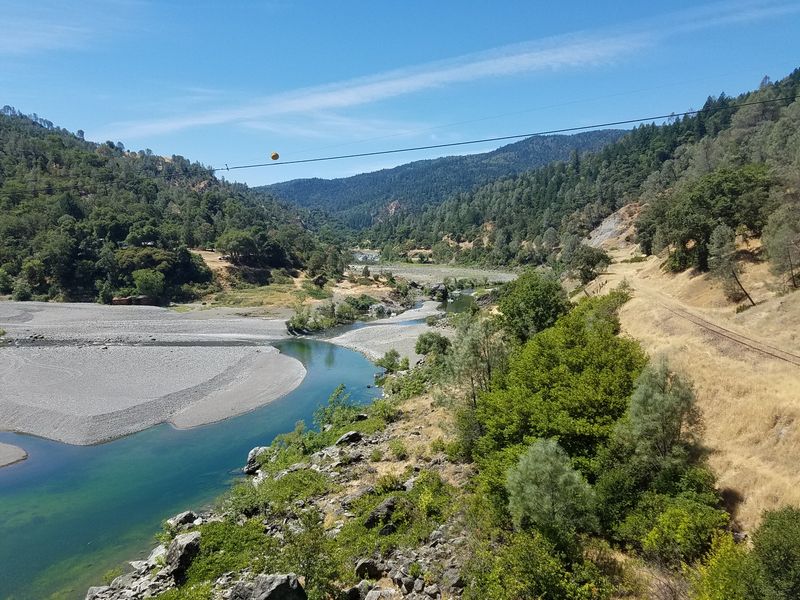
Approximately 22,500 years ago, a massive landslide dramatically altered the upper Eel River’s course. Rock and debris crashed down from surrounding slopes, completely blocking the river channel and creating a natural dam that backed water up for miles.
The resulting lake stretched approximately 30 miles upstream from the landslide dam. For perhaps thousands of years, this body of water occupied what is now part of the Round Valley area, fundamentally changing the local landscape and ecosystem.
Eventually, the natural dam failed or eroded enough to allow the river to break through. The lake drained, leaving behind sediment deposits and geological evidence that scientists use to reconstruct this dramatic event in the river’s history.
This ancient lake has left a lasting legacy in the region’s geology.
Sediment layers, terraces marking former shorelines, and changes in valley shape all provide clues about this prehistoric landscape, offering insights into how natural processes have shaped Northern California’s terrain over millennia.
10. Potter Valley Project Dam Removal
In 2023, PG&E initiated the decommissioning process for the Potter Valley Project, which includes removing two dams on the Eel River. This represents one of California’s most significant river restoration efforts, with the potential to transform fish populations and river ecology.
The dams have blocked fish migration for over a century, preventing salmon and steelhead from reaching hundreds of miles of historic spawning habitat. Removal will reconnect these upstream areas, potentially allowing fish populations to recover toward historical abundance levels.
The project also diverted substantial water from the Eel River watershed to the Russian River system.
Restoring natural flow patterns will benefit downstream ecosystems that have been deprived of water for decades, though it will require adjustments in water management for agricultural users who have relied on the diverted supply.
Dam removal presents engineering challenges given the accumulated sediment behind the structures.
Careful management of sediment release will be necessary to avoid downstream impacts while ultimately restoring more natural river bottom conditions that benefit spawning fish and aquatic insects.