This Offbeat Florida Attraction Gives Visitors A Close Look At A Truly Unusual Monkey Habitat
I had no idea a state this flat and sun-drenched could hide something this bizarre. Florida keeps surprising people, and this is one of those moments you do not expect until you are standing right in front of it.
A tiny island in the middle of a slow river, and on it, actual monkeys. Not in a zoo.
Not behind glass. Just living there, out in the open, like they own the place.
Florida is full of strange stories, but this one feels different. It is real, it is odd, and once you see it, you cannot stop thinking about it.
How Monkey Island Accidentally Came To Be
Accidents do not always turn out badly. Monkey Island was born in the 1960s, not by careful planning, but by a happy mistake during dredging operations on the Homosassa River.
Workers were told to cover a pile of rocks that was causing problems for boats passing through. That pile became a small island, and a local developer named G.A.
Furgason saw its potential right away.
He famously called it a “monkey-sized Alcatraz.” The name stuck because it perfectly described what the island would become. Spider monkeys from a nearby wildlife attraction had been causing all kinds of mischief, including escaping, pickpocketing visitors, and stealing food.
Moving them to the island solved the problem in the most creative way possible. The river acts as a natural barrier since the monkeys prefer not to swim.
Nobody planned for any of this to work out so well, but here we are, decades later, still talking about it.
The island is now managed by Historic Monkey Island Inc., a nonprofit that keeps the whole operation running smoothly. You can find it at Homosassa, FL 34448, United States, and it is worth every mile of the drive.
It is one of those origin stories that sounds too good to be true, but every detail checks out.
Meet The Three Spider Monkeys Who Call The Island Home
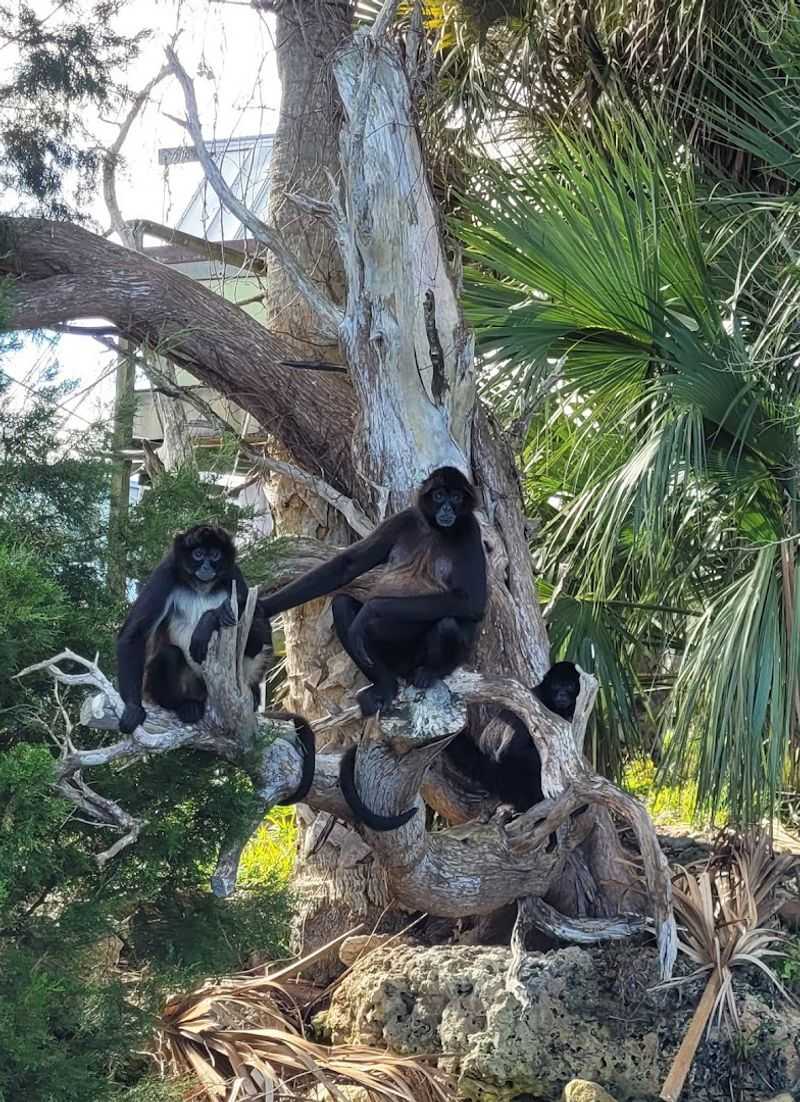
Not many places let you wave at monkeys from a riverbank for free. Monkey Island is home to three spider monkeys, and each one has a distinct personality worth knowing about.
Ralph is the alpha male and runs the island like he owns the place, which, honestly, he kind of does. Ebony is Ralph’s offspring, and the two share a close bond that visitors often notice right away.
Emily joined the group in 2006 and has settled in comfortably over the years. Spider monkeys are known for being expressive and social, so watching them interact is genuinely entertaining.
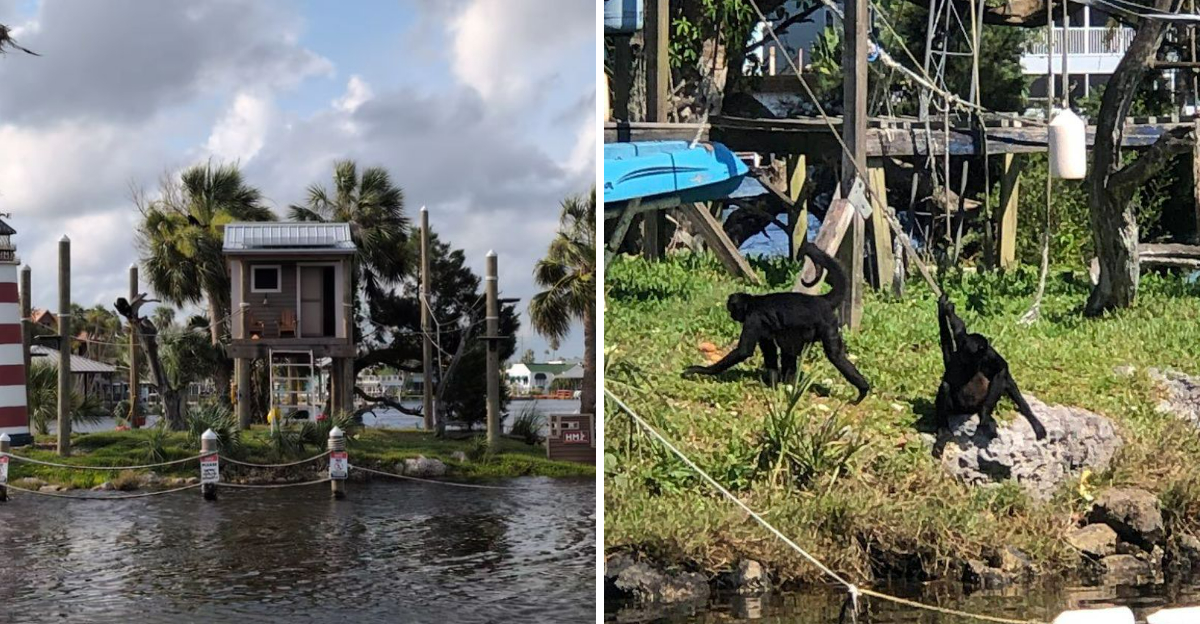
They swing on ropes, climb wooden huts, and move around their habitat with impressive agility.
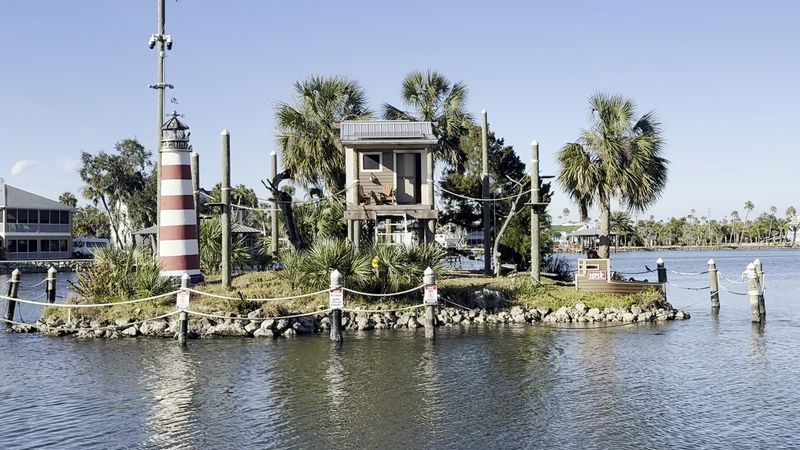
The island includes a lighthouse, wooden structures, and plenty of enrichment for the monkeys to enjoy daily. Their care is taken seriously by the nonprofit that manages the island.
Veterinary attention and proper nutrition are part of the routine, not an afterthought.
Getting to observe three spider monkeys living freely on a river island is something most people never experience. These three have become local celebrities in the best possible way.
What The Monkeys Eat Every Single Day
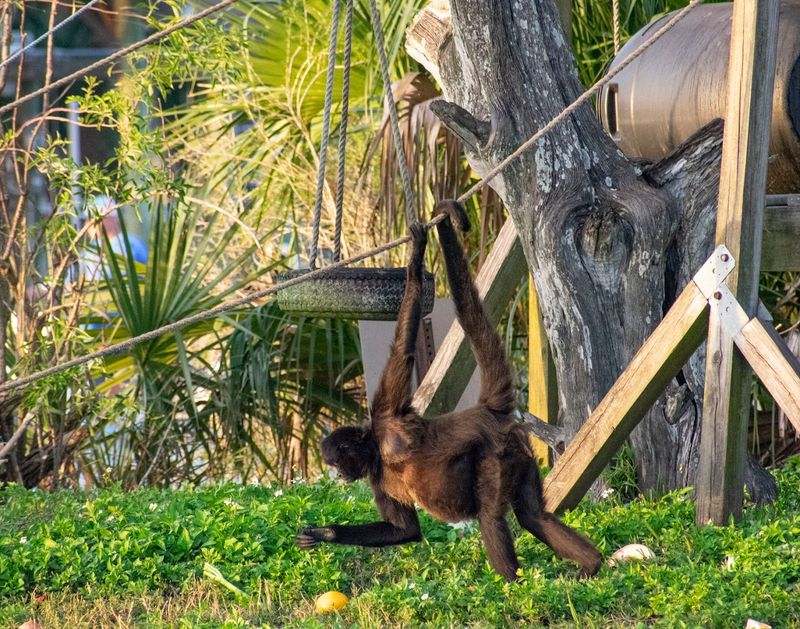
Feeding time on Monkey Island is the best show in town, and it is completely free to watch. The monkeys are fed twice a day, and their menu is surprisingly thoughtful and well-balanced.
Green leafy vegetables, bananas, oranges, sweet potatoes, raw peanuts, and specially formulated monkey chow make up their daily diet. It sounds like a pretty solid meal plan, honestly better than some of my own weekday lunches.
The twice-daily feeding schedule also happens to be the best time for visitors to see the monkeys at their most active. Morning feedings typically happen between 8 and 10 AM, while afternoon feedings fall between 4 and 6 PM.
During those windows, the monkeys move around more and are easier to spot from the shore or from a boat. Showing up outside of feeding times does not guarantee much action.
Timing your visit around meals makes a real difference in what you get to see.
Historic Monkey Island Inc. oversees the nutrition plan with care and consistency. Every item on the menu serves a purpose for the monkeys’ health.
It is a small but meaningful detail that shows how seriously this nonprofit takes its responsibility.
The Best Times To Visit For Maximum Monkey Action
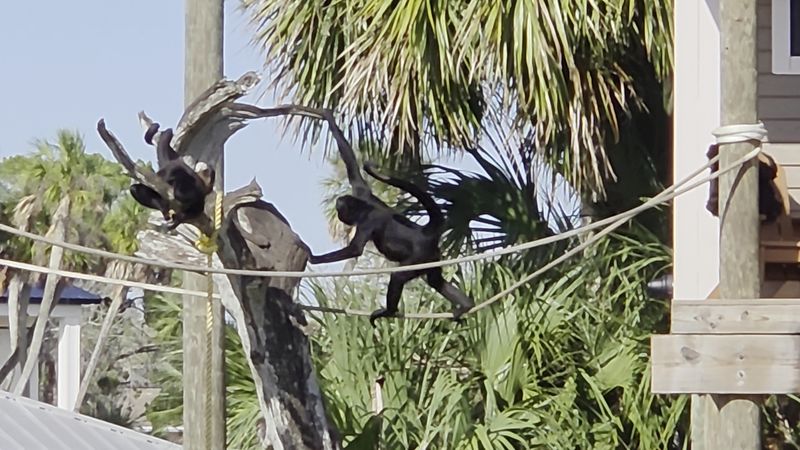
Timing is everything when it comes to wildlife watching. Show up at the wrong hour and you might spend twenty minutes staring at an empty island, wondering if you imagined the whole thing.
The sweet spot for visiting Monkey Island is between 8 and 10 in the morning or between 4 and 6 in the afternoon. Those are feeding times, and the monkeys come alive during those windows.
They swing, climb, and move around in ways that make for fantastic photos.
Weekday visits tend to be calmer than weekends. Fewer crowds mean a more relaxed experience, and you get more time near the water without jostling for a good view.
Arriving early in the morning also means you might catch some of the other wildlife in the area. Manatees, blue herons, and schools of fish have all been spotted near the river during morning hours.
The whole scene feels peaceful and surprisingly wild for a place that is so easy to reach.
Plan your arrival around feeding time and you will walk away with memories, and probably a few great photos, that last a long time.
Viewing The Island From Shore Versus By Boat
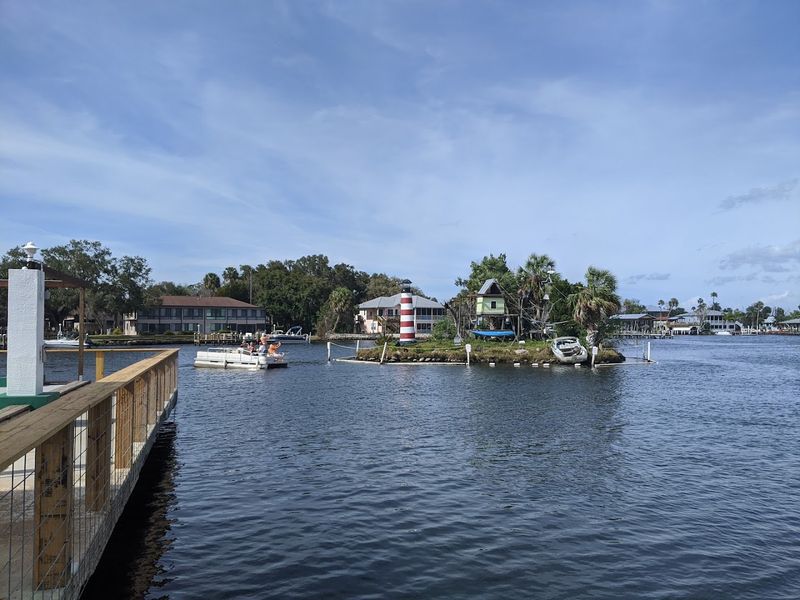
There is a big difference between watching from the shore and pulling up by boat. Both work, but they deliver very different experiences, and knowing which to choose makes your visit much better.
From the public boat ramp or shoreline, you can see the island clearly enough to spot the monkeys. The view is free and accessible to anyone who walks up.
However, the island sits at a distance that makes details harder to catch without binoculars.
Getting on a kayak, canoe, or small boat brings you significantly closer. Some visitors report that the monkeys respond when their names are called from the water.
That kind of interaction is hard to replicate from a distant shoreline.
Boat tours operate in the area and offer guided experiences with local context. Paddling over on your own is also an option if you have the gear or can rent it nearby.
Either way, the water-level view of the island feels more immersive than watching from the bank.
Landing on the island is not permitted, and that rule exists to protect the monkeys and their space. Respecting that boundary keeps the whole experience working for everyone who visits.
The monkeys are the stars here, and their comfort comes first.
Why The River Keeps The Monkeys In Place
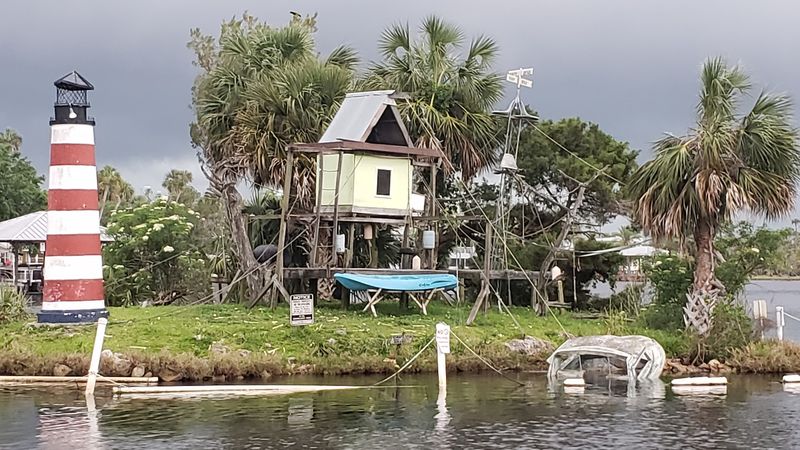
No fences, no cages, and no complicated enclosures keep these monkeys on their island. The Homosassa River itself does all the work, and it does it brilliantly.
Spider monkeys are not fans of water and generally avoid swimming. That preference makes the river a perfectly natural barrier that requires zero maintenance.
The monkeys stay put simply because they would rather not get wet.
It is an elegant solution to a problem that started with mischief. The original monkeys were moved from a nearby wildlife attraction after causing repeated trouble, including escape attempts and food theft.
The island became their new home, and the river became their boundary.
The setup has held for decades without any major issues. Visitors sometimes wonder how the monkeys stay contained, and the answer is always a little surprising.
Nature handled the logistics in the most straightforward way possible.
The island itself gives the monkeys plenty to do. Ropes for swinging, wooden huts for shelter, and a small lighthouse structure make up their habitat.
It is simple but functional, and the monkeys seem genuinely comfortable in their space.
Watching an animal thrive in an environment shaped by both history and practicality is quietly remarkable. Monkey Island earns its reputation just by existing the way it does.
The Nonprofit Behind The Island’s Care And Upkeep
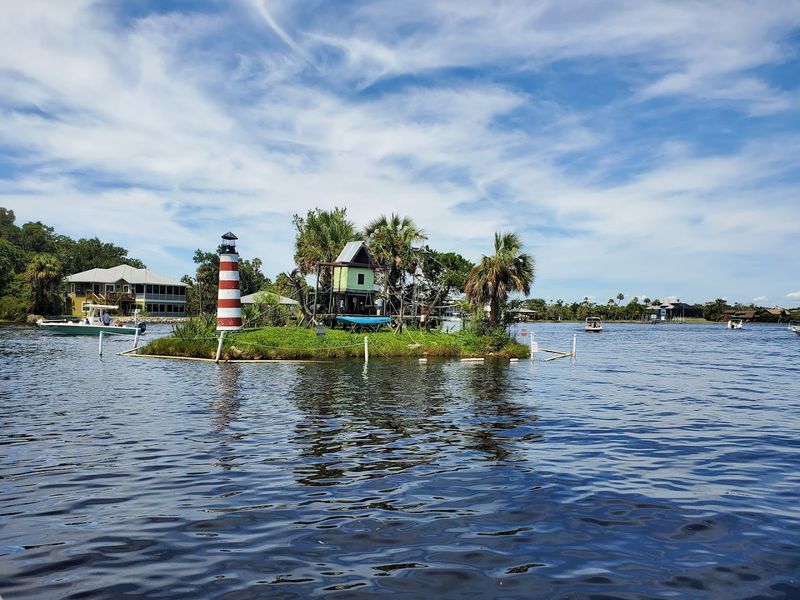
Behind every unusual attraction, there is usually a group of people working hard to keep it going. Historic Monkey Island Inc. is the nonprofit organization responsible for keeping Monkey Island running the right way.
They handle everything from daily nutrition and habitat maintenance to veterinary care for the three spider monkeys. It is a real operation with real responsibilities, not just a novelty project.
The organization takes animal welfare seriously and has done so for years.
Running a monkey habitat in the middle of a Florida river is not exactly a simple task. Weather events, including hurricanes that have affected the region, add challenges that require ongoing attention and resources.
The team behind the nonprofit keeps things stable even when conditions get difficult.
Visitor support plays a role in keeping the island viable. Stopping by, spreading the word, and engaging with the community around the island all contribute to its long-term health.
Small local attractions like this one survive through awareness and consistent interest.
Supporting a nonprofit like this one is one of the easiest good decisions you can make on a road trip.
What Else To Explore Near The Island
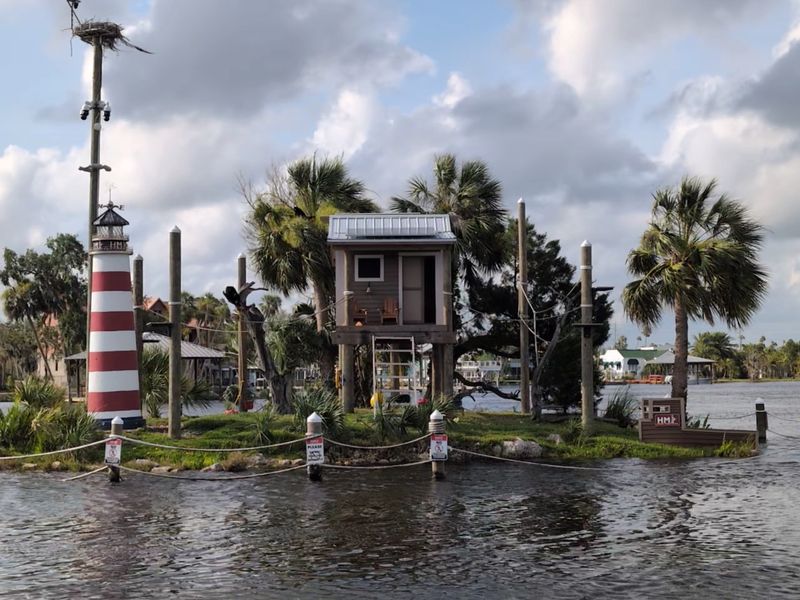
Monkey Island does not exist in isolation. The area around it has enough going on to fill a full day without any effort at all.
Waterfront dining options near the island let you eat with a view of the river and sometimes the monkeys themselves. The Monkey Island Riverside Resort sits nearby and offers a deck that looks directly out toward the island.
It is one of the better spots for relaxed viewing alongside a meal.
The river itself is a wildlife corridor worth exploring. Manatees are often spotted around the Homosassa River area, especially during cooler months.
The biodiversity here is genuinely impressive for a casual afternoon outing.
Homosassa Springs Wildlife State Park is also nearby and offers its own set of Florida wildlife experiences. Combining the two stops in one trip makes the drive entirely worthwhile.
The whole area rewards curiosity with something new around every bend.
Music, local food, and a marina atmosphere round out the experience near the island. It is the kind of place where you plan to stop for thirty minutes and end up staying for three hours.
That is never a bad problem to have on a Florida road trip.
Why Monkey Island Is Worth Adding To Your Florida Road Trip
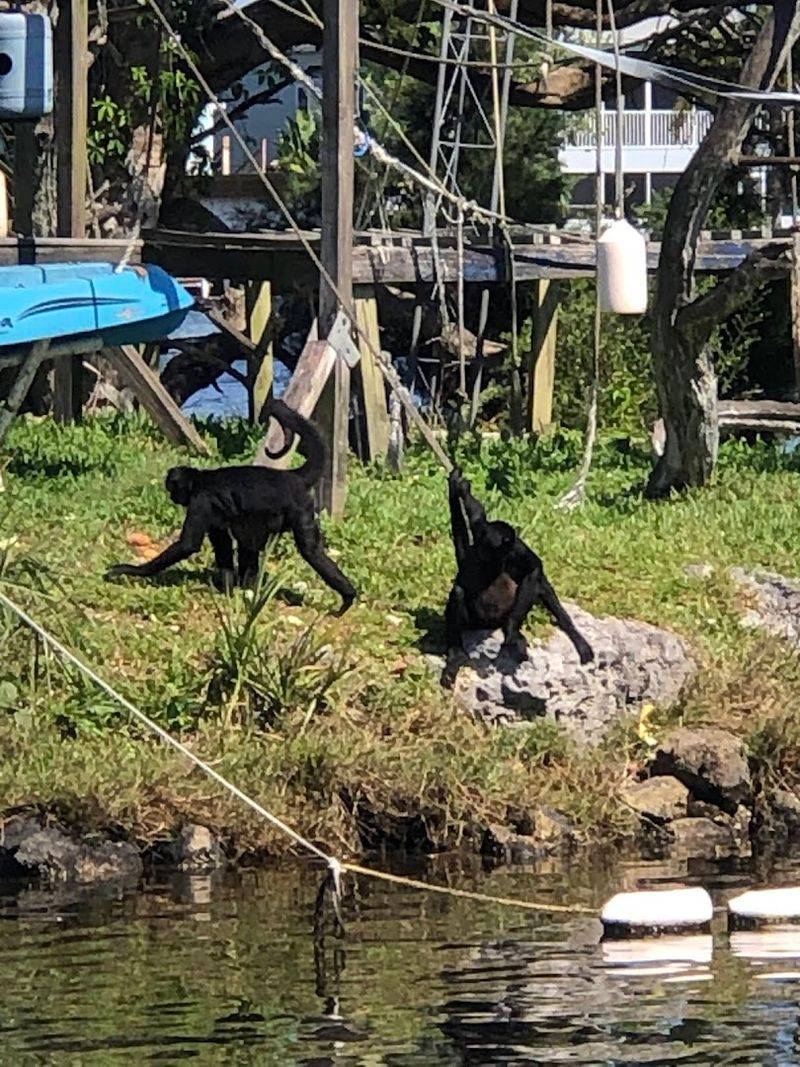
Not every great stop comes with a theme park price tag. Monkey Island is completely free to visit from the shoreline, which makes it one of the most accessible unusual attractions in the entire state.
The experience is hard to categorize, and that is exactly what makes it memorable. It is part wildlife encounter, part quirky history lesson, and part peaceful river outing all rolled into one visit.
You leave knowing something you did not know before, and that feeling is genuinely satisfying.
The story of how the island came to be, the mischievous monkeys who inspired it, and the nonprofit keeping it alive all add layers that most roadside stops simply do not have. Depth matters when you are trying to remember why a place stuck with you.
Bringing kids to Monkey Island turns into an instant conversation starter. Explaining why monkeys live on a river island is the kind of story children ask about for weeks afterward.
That kind of impression is rare and worth chasing.
Plan for feeding time, consider renting a kayak, and give yourself more time than you think you need. Monkey Island has a way of making you glad you showed up.