This Often-Missed California Automobile Museum Houses More Than 250 Classic And Vintage Cars
Chrome flashes. Conversations stop.
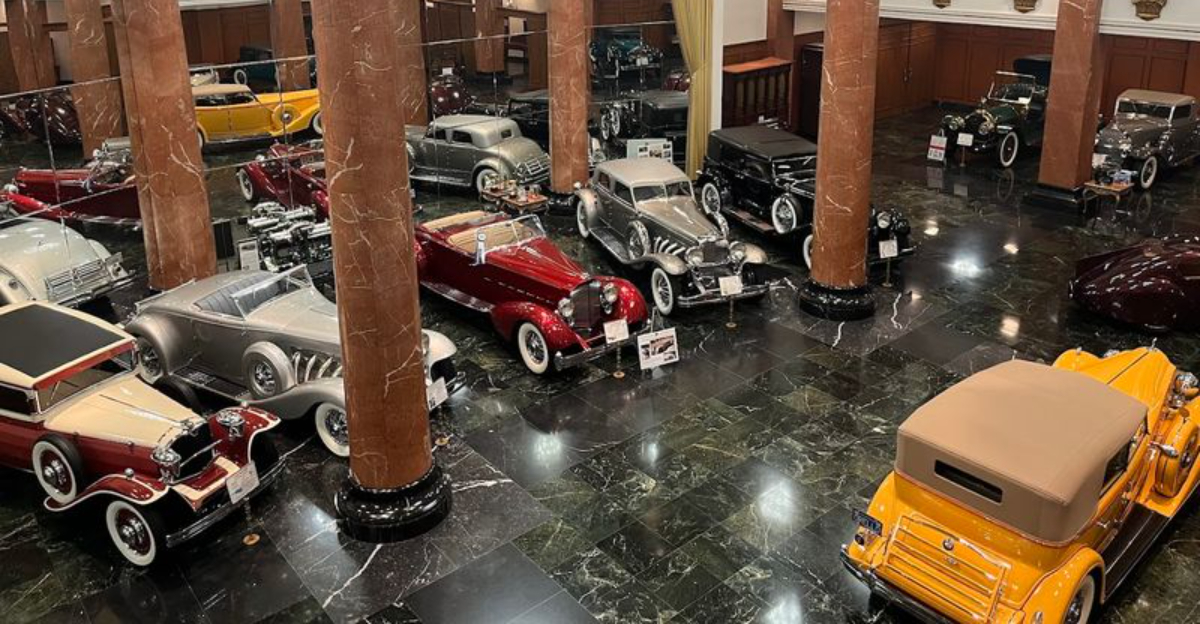
Engines rest in perfect silence behind velvet ropes while chandeliers glow overhead. Polished grilles mirror marble floors.
The room feels more like a European palace than a building in the San Fernando Valley. Every surface shines. Every detail feels intentional.
Hidden in plain sight, the Nethercutt Museum holds one of the most jaw-dropping automotive collections in California.
More than 250 impeccably restored cars line the galleries, spanning brass-era pioneers to lavish luxury classics that look more like rolling art than machines. You don’t just walk past them. You slow down. You stare.
One of the world’s greatest car collections hides behind unassuming doors in California’s Sylmar.
The museum stands quietly in the San Fernando Valley, far from tourist fanfare, yet inside it feels grand, ornate, and almost theatrical.
Guided tours uncover craftsmanship that borders on obsession, from hand-stitched interiors to engines restored to showroom brilliance.
This isn’t simply a car museum. It’s a time capsule of innovation, artistry, and ambition – and one of California’s most surprising hidden treasures.
1. Over 250 Meticulously Restored Automobiles Fill The Collection
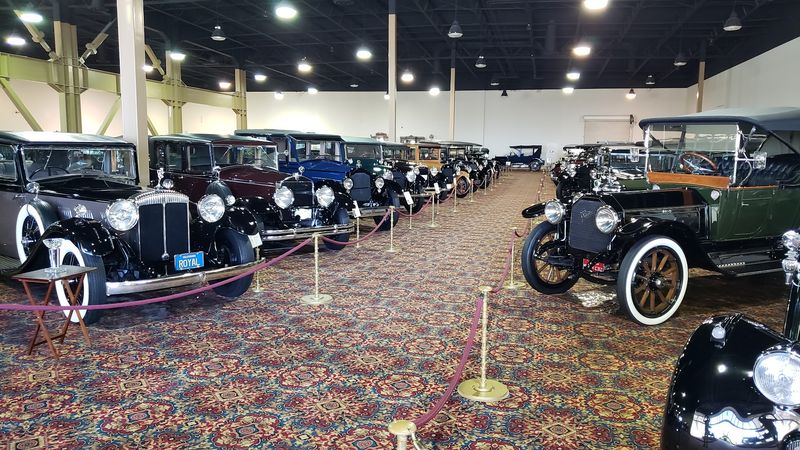
The Nethercutt Museum at 15151 Bledsoe St, Sylmar, CA 91342 houses more than 250 automobiles that fill the museum’s carefully curated spaces, each one representing a significant moment in automotive design and engineering.
The collection spans from 1898 horseless carriages through elegant 1970s luxury vehicles, creating a timeline that tells the story of how transportation evolved from novelty to necessity.
Every vehicle undergoes restoration to standards that exceed original factory specifications.
Chrome gleams brighter than the day it left the assembly line, while leather upholstery and wood trim receive painstaking attention from skilled craftspeople.
The restoration shop operates year-round, ensuring that each automobile remains in show-worthy condition whether displayed in the museum or driven at prestigious events.
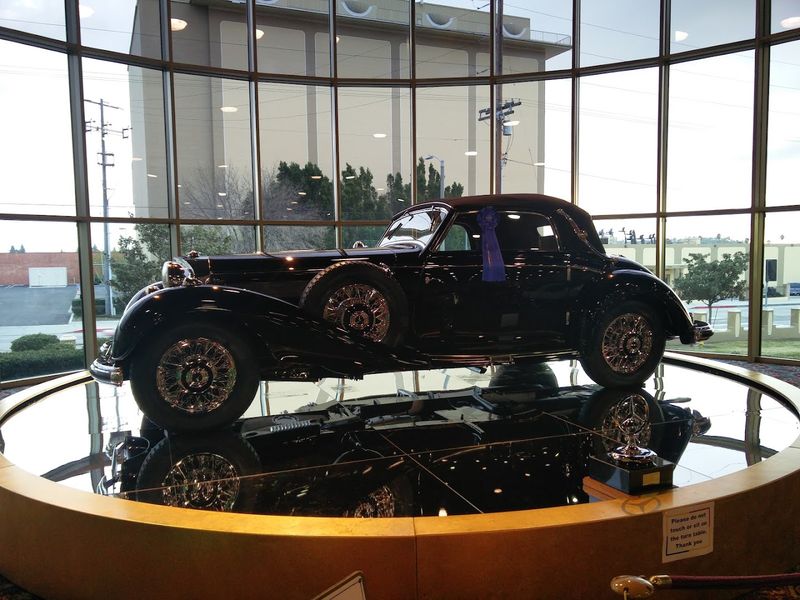
Rare marques like Duesenberg, Isotta Fraschini, and Maybach share space with more familiar names like Cadillac and Packard.
Each brand represents different approaches to luxury, performance, and style during their respective eras.
Walking through the collection reveals how automotive priorities shifted decade by decade, from hand-crafted coach-built bodies to streamlined production models.
The sheer number of vehicles means that visitors often discover something new even on repeat visits, as the museum rotates displays and brings different cars out from storage areas.
2. Exceptional Restoration Standards Rival Pebble Beach Quality
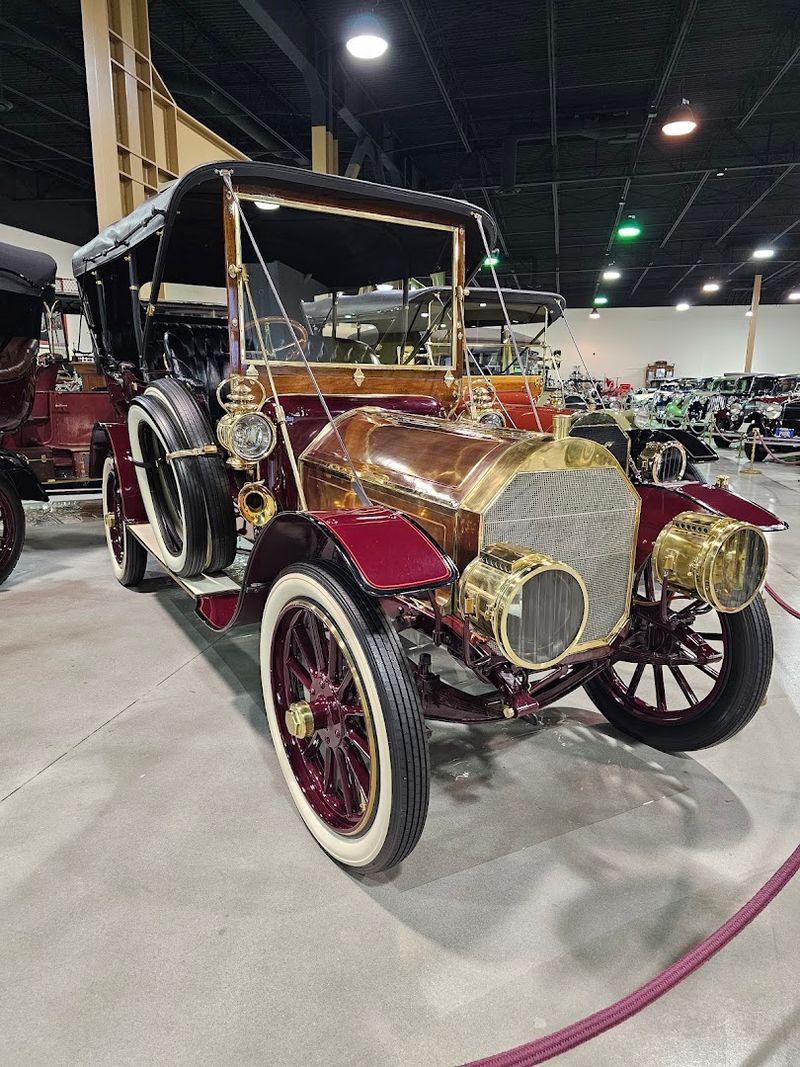
Automotive enthusiasts recognize the Nethercutt name as synonymous with perfection in restoration work.
Vehicles from the collection regularly appear at the Pebble Beach Concours d’Elegance, where they compete against the finest automobiles from around the world.
Many have taken home top honors, proving that the restoration team’s work stands among the absolute best. What sets these restorations apart goes beyond surface beauty.
Mechanical components receive the same obsessive attention as visible elements, with engines rebuilt to run as smoothly as they did when new.
Electrical systems, braking mechanisms, and suspension components all undergo complete overhauls using period-correct materials whenever possible.
The result is automobiles that look spectacular but also drive reliably enough for public road use. The museum maintains an active driving program, regularly taking vehicles out for exercise rather than letting them sit static.
This philosophy keeps mechanical systems functioning properly while demonstrating that these are real automobiles, not just static displays.
Hearing a 1930s V12 engine rumble to life provides a sensory experience that photographs cannot capture.
Staff members possess decades of combined experience in automotive restoration, with specialized knowledge covering everything from brass-era cars to postwar luxury vehicles.
3. Rare Mechanical Musical Instruments Create A Symphony Of History
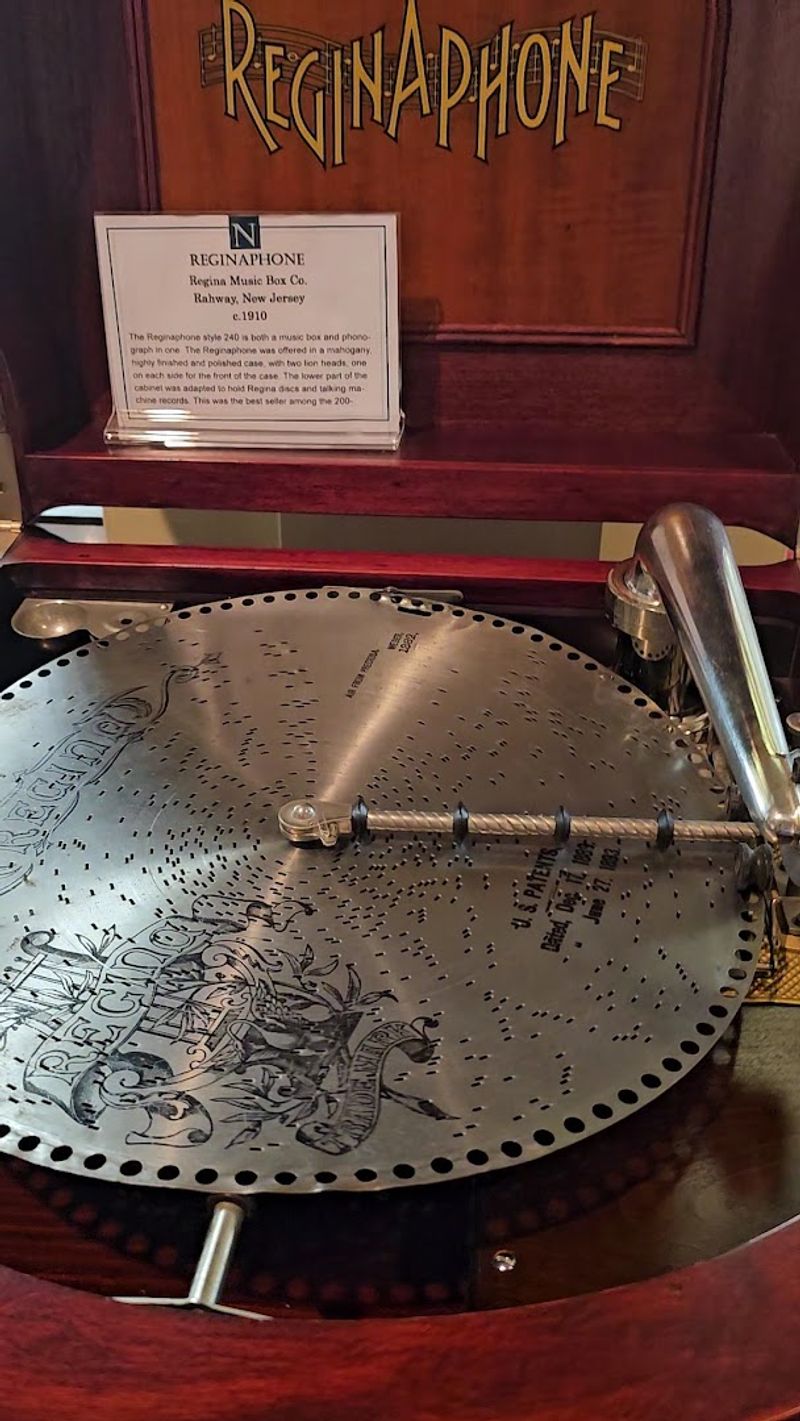
Stepping into certain galleries feels like entering a different century entirely, thanks to the vast collection of mechanical musical instruments that complement the automobiles.
Orchestrions tower against walls, their elaborate wooden cases hiding complex mechanisms that once filled theaters and restaurants with music before electronic amplification existed.
Player pianos sit ready to perform compositions from long-deceased virtuosos, their perforated paper rolls preserving performances with remarkable accuracy.
Music boxes ranging from pocket-sized novelties to room-filling spectacles demonstrate how people enjoyed recorded music before phonographs became common.
Some instruments combine multiple functions, incorporating percussion, strings, and wind instruments into single automated units that could replicate entire orchestras.
The craftsmanship involved in creating these mechanical marvels rivals that of the finest automobiles, with precision gears, levers, and pneumatic systems working in perfect harmony.
Regular demonstrations bring these instruments to life, filling the museum with sounds that visitors might otherwise never experience.
Hearing a vintage orchestrion play a ragtime melody or a reproducing piano perform a Chopin nocturne adds an auditory dimension that makes history feel immediate and real.
The instruments represent an entire era of entertainment technology that bridged the gap between live performance and modern recording.
4. The Mighty Wurlitzer Theatre Pipe Organ Commands Attention
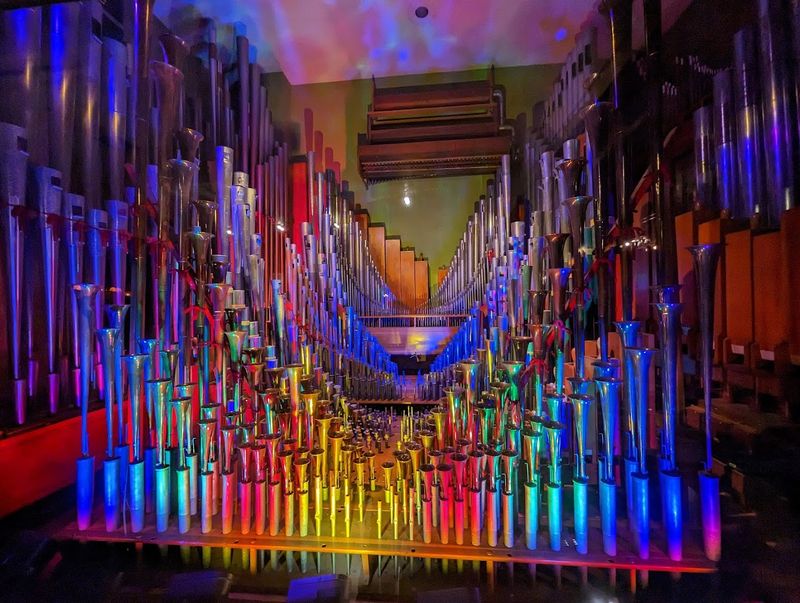
One instrument stands above all others in terms of sheer presence and power.
The Mighty Wurlitzer Theatre Pipe Organ represents the largest example of its kind on the West Coast, with thousands of pipes producing everything from delicate flute tones to thunderous bass notes that visitors feel in their chests.
Theatre organs like this one provided live accompaniment for silent films, with skilled organists creating sound effects, musical moods, and emotional cues that guided audiences through cinematic stories.
The organ’s console features multiple keyboards, hundreds of stops, and special effects controls that could simulate everything from train whistles to bird songs.
Playing such an instrument required not just musical skill but theatrical timing and creativity, as organists essentially scored films in real-time during performances.
The Nethercutt example has been restored to full playing condition, making it a living piece of entertainment history rather than a silent relic.
Special events often feature live organ concerts where talented musicians demonstrate the instrument’s incredible versatility.
Silent film screenings with organ accompaniment recreate the movie-going experience as audiences knew it in the 1920s.
The sound fills the entire building, creating an immersive experience that modern surround-sound systems cannot quite replicate despite their technical sophistication.
5. Guided Tours Provide In-Depth Educational Experiences
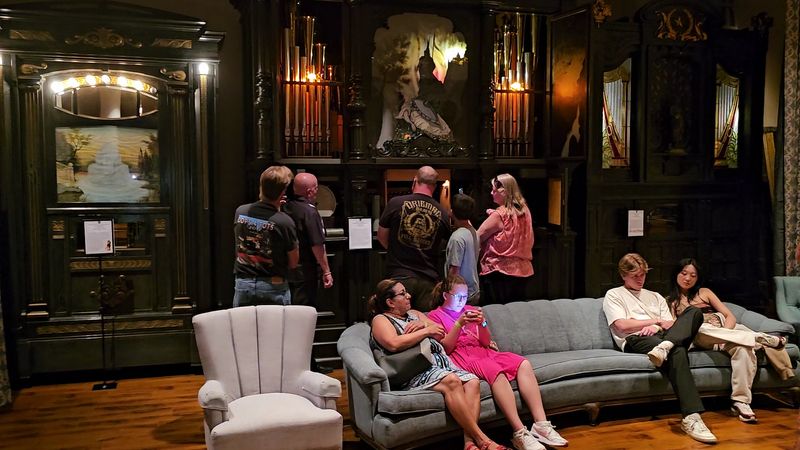
Visiting the main Nethercutt Collection requires joining a scheduled guided tour rather than wandering freely through the galleries.
This approach ensures that every visitor receives expert commentary about what they’re seeing, with knowledgeable docents sharing stories, technical details, and historical context that bring the collection to life.
Tours last approximately ninety minutes and cost $20, providing enough time to appreciate highlights without feeling rushed or overwhelmed by information.
Reservations are required and can be made through the museum’s website or by phone, with tours typically booking up several weeks in advance during peak seasons.
The guided format allows docents to answer questions and tailor discussions somewhat to group interests, whether visitors care more about engineering details, social history, or design evolution.
Small group sizes ensure that everyone can hear clearly and see demonstrations without crowding.
The tour route takes visitors through multiple buildings, each focusing on different aspects of the collection.
Automobile galleries showcase vehicles arranged both chronologically and thematically, while separate spaces highlight musical instruments, furniture, and decorative arts.
Demonstrations of mechanical instruments occur throughout the tour, with docents operating various pieces to show how they function and sound.
The structured approach prevents visitors from missing important pieces while ensuring that fragile artifacts remain protected from accidental damage.
6. Self-Guided Museum Offers Flexible Exploration Options
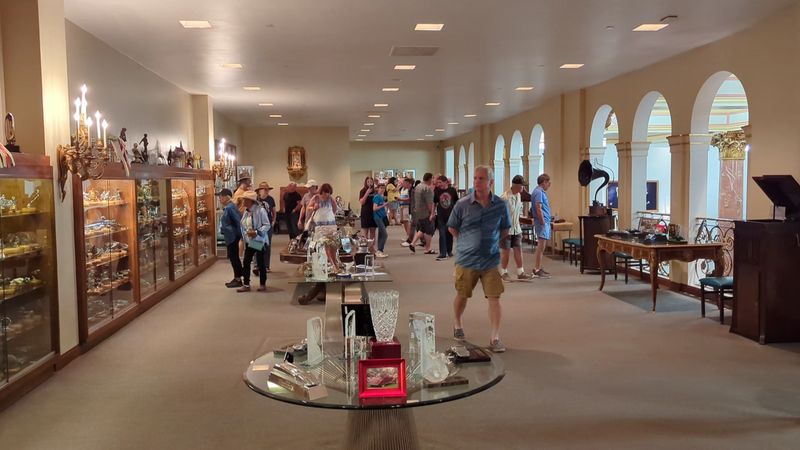
Adjacent to the main collection building stands the Nethercutt Museum, which operates on a different model that appeals to visitors who prefer setting their own pace.
This facility welcomes guests for self-guided tours without reservations, allowing people to spend as much or as little time as they wish examining displays.
The more casual approach makes it easier for local residents to drop in or for travelers to visit without advance planning.
The museum building at 15151 Bledsoe Street, Sylmar, California 91342, opens Thursday through Saturday, providing regular access for those who cannot commit to scheduled tour times.
Exhibits here include additional automobiles, Hood ornament collections, and rotating displays that change periodically to showcase different aspects of automotive and cultural history.
The self-guided format works well for photography enthusiasts who want to study details at length or families with young children who might need to move at an unpredictable pace.
$5 admission fee to the museum makes the Nethercutt accessible regardless of budget, a rarity among museums of this caliber.
The combination of guided and self-guided options means that visitors can choose the experience that best suits their learning style and schedule.
Many people visit the self-guided museum first before returning later for the more comprehensive guided tour of the main collection.
7. Historic Railway Equipment Adds Transportation Diversity
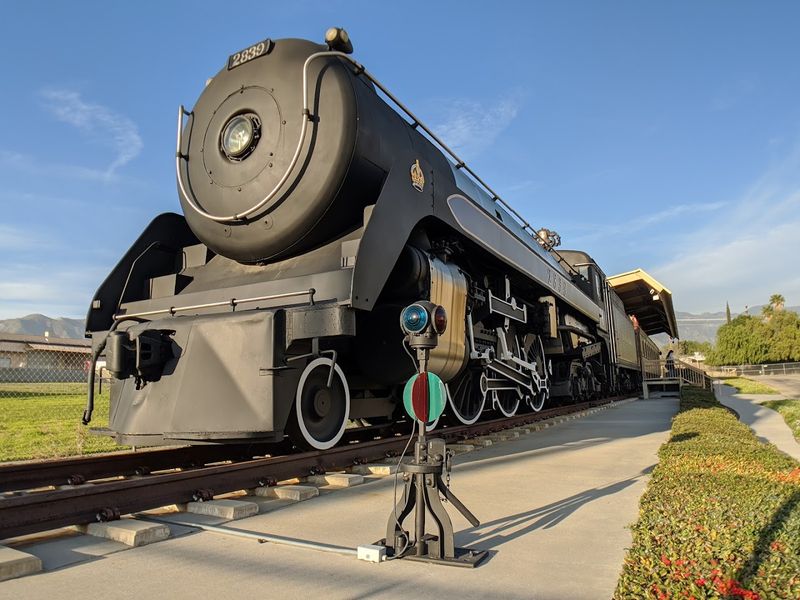
Not everything in the collection travels on rubber tires.
Outside the main buildings, visitors encounter a fully restored 1937 Canadian Pacific Royal Hudson steam locomotive, its massive boiler and driving wheels representing the pinnacle of steam railway technology.
These locomotives hauled passenger trains across the Canadian Rockies during an era when rail travel meant luxury and adventure rather than mere transportation.
The Royal Hudson designation indicated engines deemed worthy of pulling trains carrying British royalty during their visits to Canada.
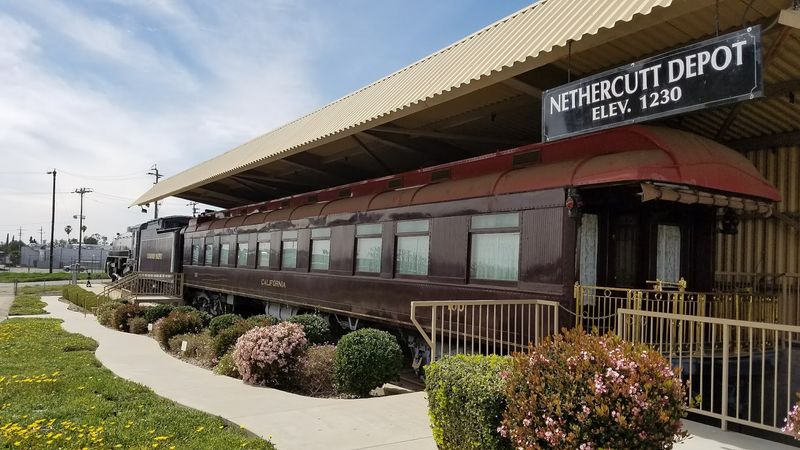
Sitting on adjacent tracks, a 1912 Pullman private railcar demonstrates how wealthy individuals traveled before private jets existed.
The car’s interior features sleeping quarters, dining areas, and lounge spaces appointed with the same attention to luxury found in the finest automobiles.
Pullman cars represented the height of mobile comfort, with porters providing hotel-quality service while the train covered hundreds of miles overnight.
The railway equipment illustrates that the Nethercutt vision extends beyond automobiles to encompass transportation history more broadly.
Steam locomotives and luxury railcars occupied the same cultural space as fine automobiles, representing engineering achievement, craftsmanship, and social status.
Seeing these massive machines up close helps visitors appreciate the scale and complexity of transportation technology before highways and airways dominated American life.
8. World-Class Automotive Research Library Serves Scholars
Serious automotive researchers and historians know about a resource that casual visitors might overlook.
The Nethercutt houses an automotive research library considered among the finest in the world, with thousands of volumes covering every aspect of automobile history, design, and technology.
Original sales brochures, technical manuals, period magazines, and rare books fill the shelves, providing primary source material for anyone studying automotive heritage.
The library collection includes documentation for obscure marques that produced only a handful of vehicles, as well as comprehensive materials on major manufacturers spanning decades of production.
Factory photographs, engineering drawings, and correspondence between designers and executives offer insights into how decisions were made and how specific models evolved from concept to production.
This depth of documentation proves invaluable for restoration work, as it allows craftspeople to verify original specifications and details.
Access to the library typically requires appointment scheduling, as the materials are valuable and sometimes fragile.
Researchers working on books, articles, or restoration projects find the staff knowledgeable and helpful in locating relevant materials.
The library represents a commitment to preservation that extends beyond physical objects to encompass the documentation and knowledge surrounding automotive history.
Having such resources available ensures that future generations can continue learning from and appreciating the achievements of early automotive pioneers.
9. Architectural Grandeur Matches The Collection’s Quality
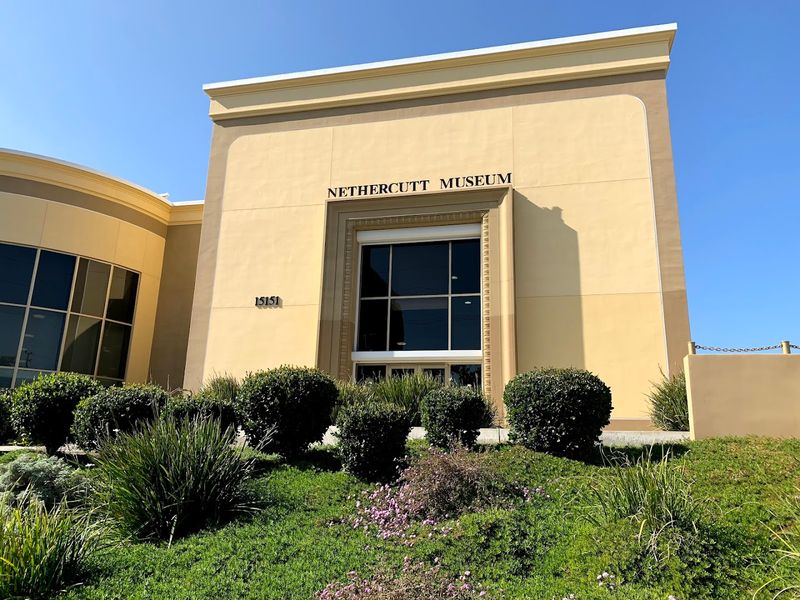
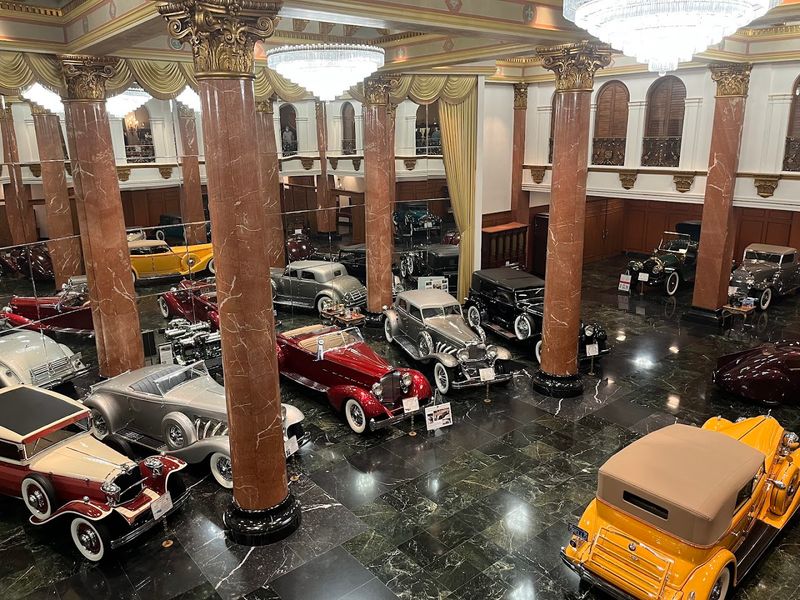
Walking into the Nethercutt Collection buildings feels like entering a European palace rather than a typical museum.
Marble columns rise from polished floors, supporting ceilings adorned with painted murals and ornamental plasterwork.
Crystal chandeliers cast warm light across galleries, their facets sparkling above the polished automobiles below.
The architectural treatment reinforces the idea that these vehicles deserve settings as elegant as the finest artwork.
This design philosophy reflects how luxury automobiles were originally marketed and sold, often displayed in showrooms that resembled jewelry stores more than car dealerships.
Presenting the cars in opulent surroundings helps visitors understand how these machines were perceived during their era, as objects of desire that represented the pinnacle of craftsmanship and taste.
The architecture also serves practical purposes, with careful climate control and lighting that protect delicate materials from deterioration. Different galleries employ varying architectural styles appropriate to their contents.
Spaces housing brass-era vehicles might feature darker wood tones and period lighting fixtures, while galleries with streamlined Art Deco automobiles use cleaner lines and brighter finishes.
This attention to contextual presentation shows the same care for detail evident in the vehicle restorations themselves.
The building becomes part of the educational experience rather than just a neutral container for displays.
10. Regular Public Events Enrich The Cultural Experience
The museum calendar includes special events that transform the facility from a static display space into an active cultural venue.
Live organ concerts showcase the musical instruments in the collection while demonstrating the skill required to play these complex machines.
Silent film screenings with live organ accompaniment recreate entertainment experiences from the 1920s, introducing modern audiences to cinematic treasures they might otherwise never encounter.
Holiday events and themed programs add variety throughout the year. These events serve multiple purposes beyond simple entertainment.
They demonstrate that the collection’s instruments remain functional rather than decorative, keeping mechanical systems in working order through regular use.
Public programs also build community connections, attracting repeat visitors who develop ongoing relationships with the museum.
Families might attend annual holiday concerts, while film enthusiasts seek out rare silent movies that commercial venues never screen.
Event attendance typically requires separate registration from regular museum visits, with some programs filling quickly due to limited seating.
The intimate venue size means that every seat offers good views and excellent acoustics, unlike large concert halls where distant seats provide diminished experiences.
Attending an event adds another dimension to understanding the collection, showing how these objects functioned in daily life rather than as museum pieces.
11. Inexpensive Admission Makes World-Class Collections Accessible
One of the most surprising details about the Nethercutt Museum isn’t what it displays — it’s how accessible it remains.
General admission to the self-guided museum is just $5, making it one of the most affordable world-class automotive experiences in California.
For those who want a deeper look, guided tours of the Nethercutt Collection are available for $20, offering expanded access and expert insight into the rarest and most significant pieces.
This generosity reflects the founding vision of making automotive and cultural heritage accessible to everyone regardless of economic circumstances.
Most museums of comparable quality and scope charge substantial admission fees to cover operating costs and fund ongoing preservation work.
The Nethercutt operates differently, supported by endowments and donations that allow it to welcome visitors without ticket charges.
This approach means that families can visit repeatedly without budget concerns, and students or retirees on fixed incomes can access resources that might otherwise remain beyond their reach.
The same expert staff, meticulous maintenance, and comprehensive programming available at expensive museums operate here without cost to visitors.
This democratization of access aligns with broader educational missions, treating cultural heritage as something to be shared rather than commodified.
The policy also encourages word-of-mouth promotion, as satisfied visitors enthusiastically recommend the museum to friends knowing that cost won’t prevent anyone from visiting.