This Ohio Park Has Streams And Wooded Trails That Feel Like A Secret Only Locals Know
You will hear the water before you see it. That is how this place introduces itself.
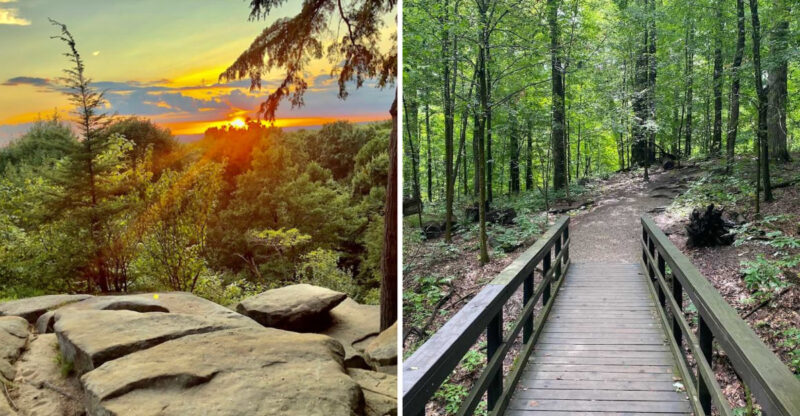
The parking lot gives away nothing at all. You start down a trail and the trees close in overhead.
Then the ground drops and a stream appears below you. Ohio is full of parks that photograph well from the parking area.
This one makes you work a little for it. The payoff starts about ten minutes in.
You will cross the water more than once. Somebody will be fishing and will nod at you.
Bring shoes you do not mind getting wet. The trails here are quieter than the famous Ohio parks an hour away.
That is mostly an accident of geography rather than anything mysterious. People drive past the turnoff on their way somewhere louder.
Their loss is your parking spot. Go early and go on a weekday if you can manage it.
Six Hundred Seventy Acres Of Quiet Shoreline
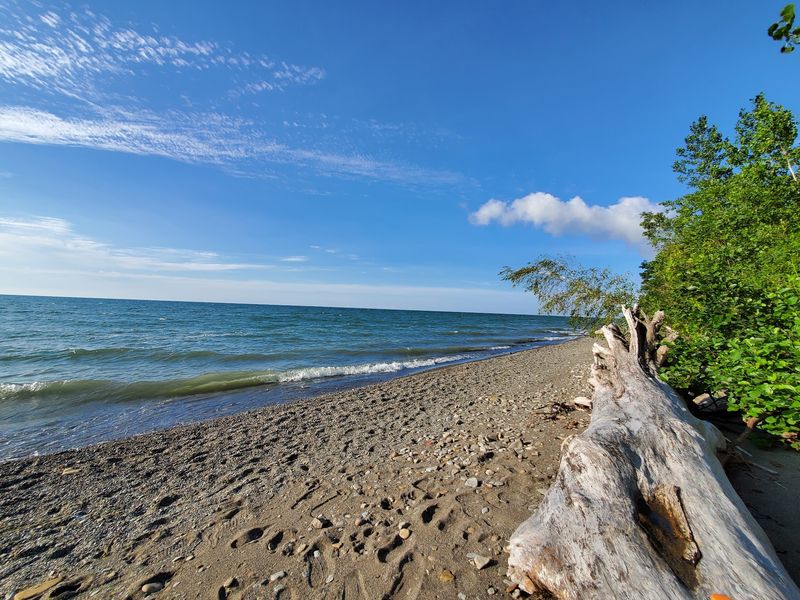
Lake Erie Bluffs covers 670 acres, which is a lot of room for very few people. Nearly two miles of undeveloped Lake Erie shoreline sit inside those borders.
That number matters more than it sounds. Most of Ohio’s north coast is lined with homes, roads, and private docks.
Here the land stays wild, protecting wetlands, meadows, and lakefront habitat.
The bluffs rise about 40 feet above the water. Standing at the edge, you get views that stretch until the lake blurs into sky.
Visitors often describe the mood as peaceful rather than busy. You will hear waves, wind through grass, and birds arguing overhead.
The park earned national recognition too. Outside Magazine named it one of the 25 Best Hikes to Beaches in the U.S., which is heavy praise for a Lake County park.
Parking is free and the lot is generous. Restrooms sit near the main gathering area, so you are not roughing it unless you want to.
Start your visit at 2901 Clark Rd, Perry, Ohio. That entrance puts you closest to the tower and the main trail network.
Come once and you will understand why regulars keep it in their back pocket.
A Fifty-Foot Tower With Views In Every Direction
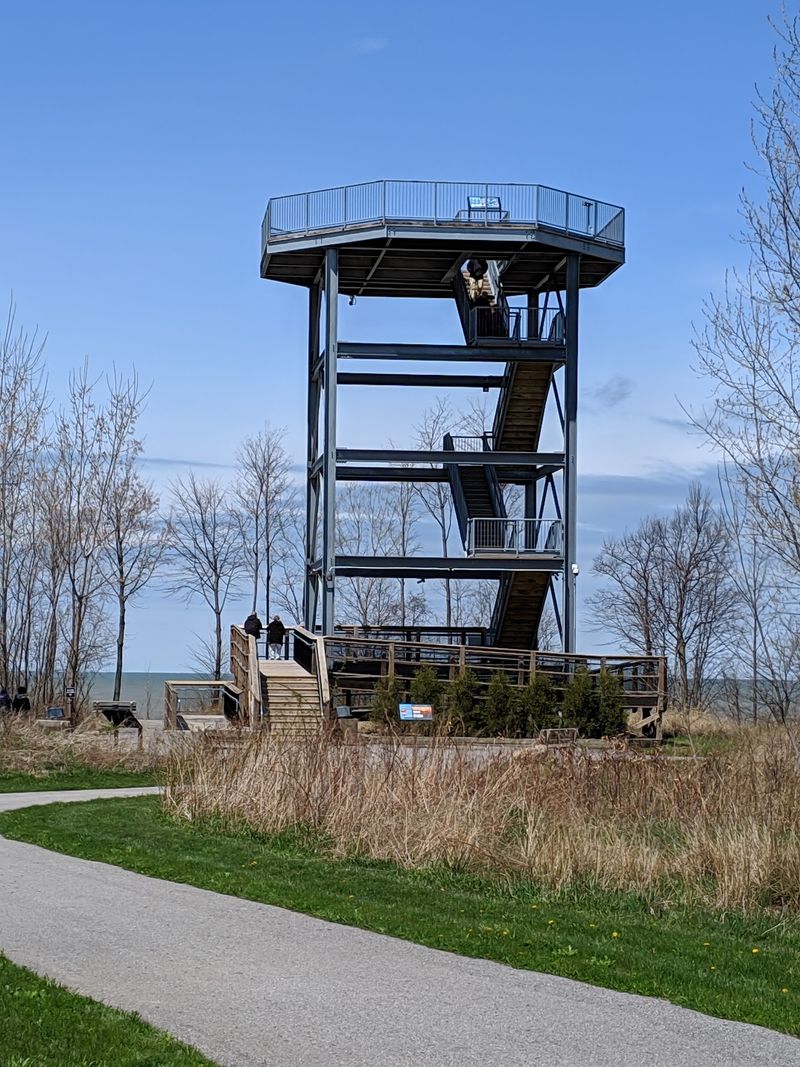
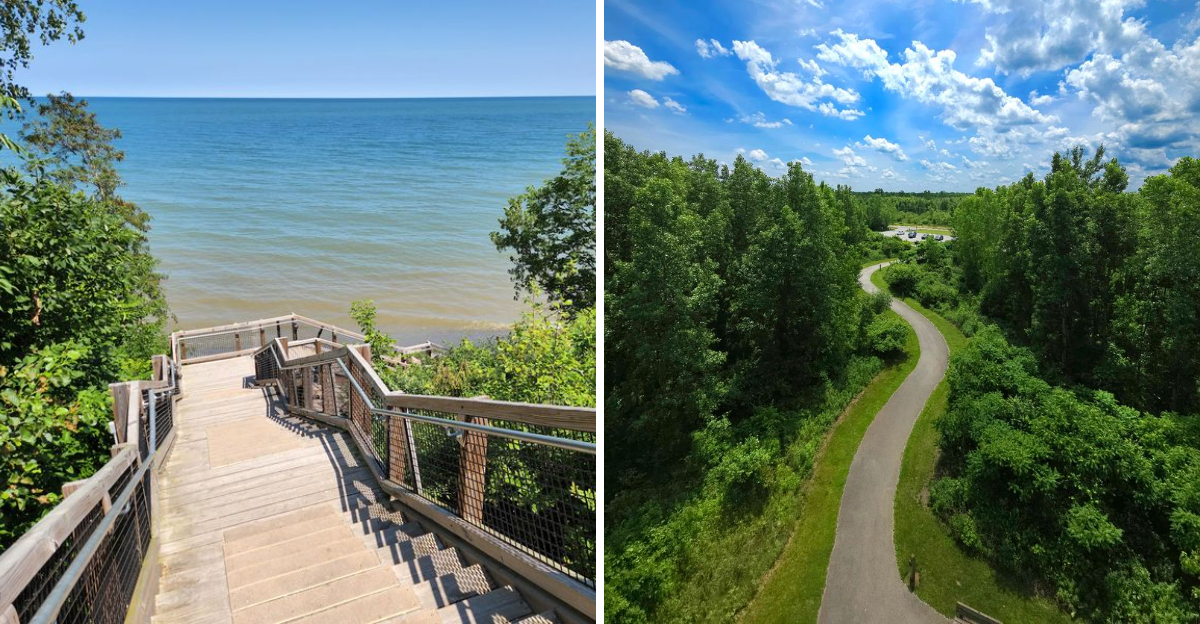
Climbing 50 feet does not sound dramatic until you reach the top. The coastal observation tower stands near the Clark Road entrance and rewards every step.
Several viewing platforms break up the climb. Kids race between them, and the landings give you a reason to catch your breath without admitting it.
The top deck delivers 360-degree views. Lake Erie fills one side, while woods, meadows, and wetlands spread out behind you.
On clear evenings, the tower turns into the best seat around for sunset. Visitors regularly mention watching the sky change color from that platform.
Birders love it for a different reason. Bald eagles are spotted here often, soaring past at eye level or perched in nearby trees.
Bring binoculars if you own a pair. The elevated angle lets you scan the shoreline and treetops at the same time.
The climb is short and manageable for most ages. There is no ticket booth, no line, and no fee.
Grandparents and toddlers both make it up on a regular basis. Take your time and let the wind do its thing.
Photos never quite capture it, though plenty of people try anyway.
Wooded Trails That Change Their Mind Constantly
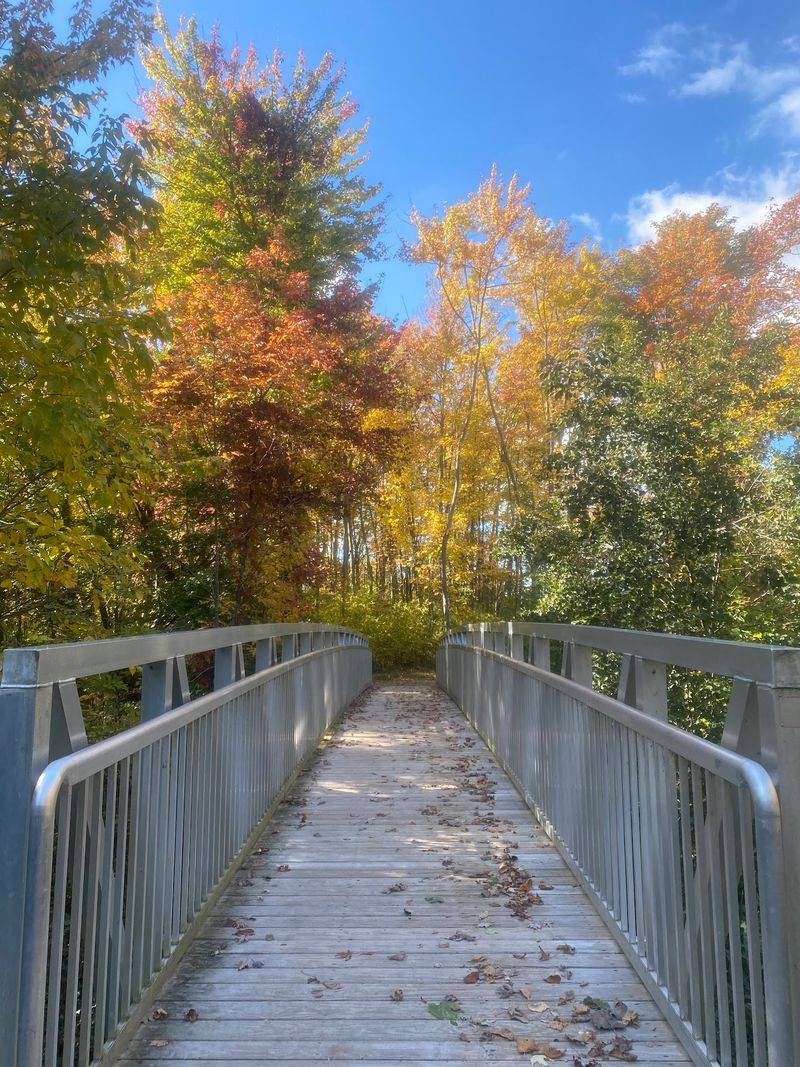
Trails here refuse to stay the same for long. One minute you are under a canopy of trees, the next you are crossing open meadow with the lake in view.
The park offers both crushed gravel paths and natural dirt trails. That mix means you can pick smooth walking or something a little rougher underfoot.
Lakeview Trail runs about 0.6 miles and packs in strong lake-watching spots. It is a solid choice when time is short.
Longer options include the Bluff Loop Trail, the Connector, the Campsite Access Trail, and the Shoreline Trail. Link a few together and you can build a real hike.
Difficulty ranges from easy to moderate. There is some elevation, especially near the bluff edges and the beach stairs.
Shade comes and goes, so a hat helps in July. Sturdy shoes beat sandals if you plan to wander off the gravel.
Signage and maps are posted, which keeps first-timers from guessing. Dogs are welcome on the trails too, and you will meet plenty.
Fall brings serious color through the wooded stretches. Late October usually turns the whole loop gold and rust.
Walk slowly and the woods start showing off.
Rocky Beach Access Down A Set Of Friendly Stairs
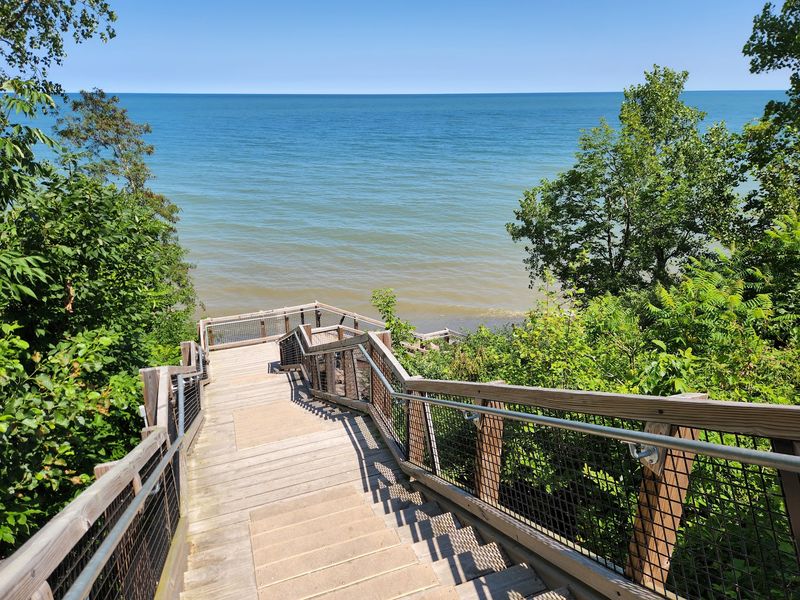
Across from the pavilion, a staircase drops toward the water. Several small landings break up the descent, so the climb back is not brutal.
At the bottom you find a rocky shore rather than soft sand. Large boulders sit along the base for erosion control.
Rock hunters treat this place like a treasure chest. Smooth stones and beach glass turn up constantly along the waterline.
Families with kids do well here. Splashing in shallow waves and tossing pebbles keeps young hikers happy for a long stretch.
Water shoes are a smart call. The stones are slick in spots and warm underfoot on sunny days.
Canoe and kayak access to Lake Erie is available from the natural beach. Paddlers get a launch point most people never think to use.
Because the park sits off the main routes, the shore often feels private. Visitors frequently compare it to having a personal cove.
Storms and shifting lake levels rearrange the beach through the year. What you saw in spring may look different by fall.
Pack a towel and a bag for stones. You will want both.
Bird Traffic That Reaches Into The Thousands
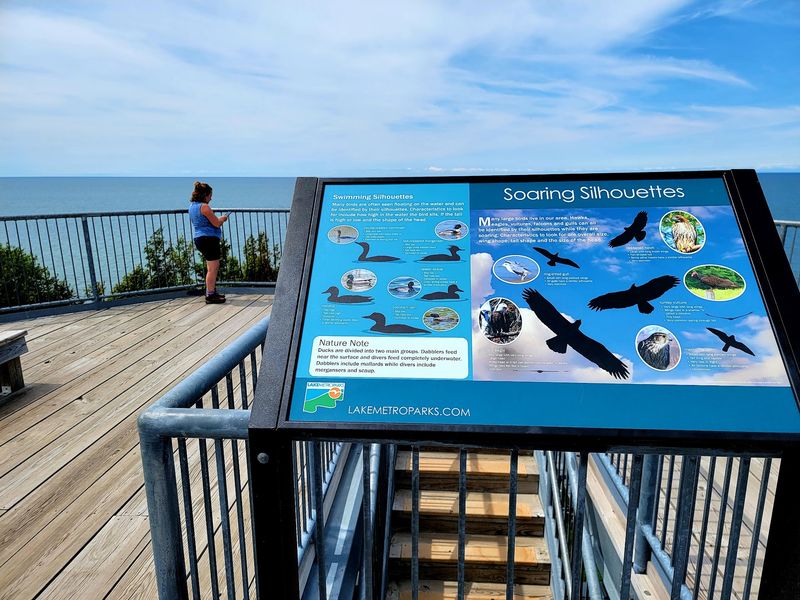
More than 230 bird species have been documented at this park. That is a serious number for one stretch of Ohio coast.
Spring and fall migration turn the place into an airport. Warblers, sparrows, and thousands of blue jays move through in waves.
Bald eagles show up often enough that regulars stop gasping. Look for them gliding over the bluff line or sitting high in shoreline trees.
Meadows and shrubby edges pull in different birds than the woods do. Walking both habitats in one trip doubles what you might see.
Early morning is prime time. Wind is calmer, songs carry farther, and the parking lot is nearly empty.
The observation tower gives birders an unusual advantage. Being level with the canopy changes what you can actually spot.
Dragonflies and butterflies join the parade too. Rare migratory species pass through alongside the birds.
Keep voices low and movements slow. Sudden noise clears a hedgerow fast.
A field guide app helps with the confusing fall plumages. Warblers in September look nothing like they did in May.
Even casual walkers notice the activity overhead.
Cliffs Older Than The Lake Itself
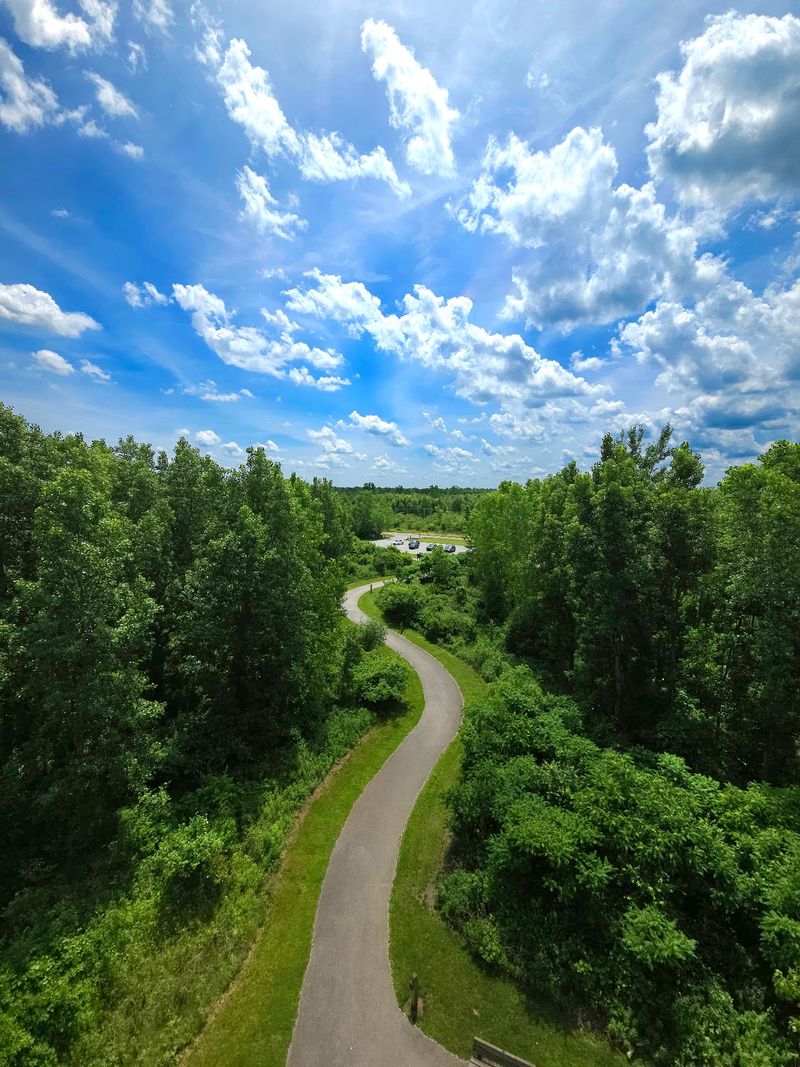
Here is a strange fact. The bluffs at this park are older than Lake Erie.
Glaciers shaped this land during the last Ice Age. The lake basin itself was carved by rivers and ice between roughly one million and 12,600 years ago.
The bluff faces expose Devonian shale bedrock. That dark, layered rock formed long before anything resembling the current shoreline existed.
Erosion has not stopped. Wind, waves, storms, and changing lake levels keep reshaping the edge every single year.
Familiar spots genuinely look different from season to season. Regulars notice new slumps and fresh rock exposed after big storms.
Stay behind fences and marked overlooks. The edge is unstable by nature, and that is part of the story.
Winter is when the changes are easiest to see. Ice pushes against the shore and rearranges rock piles below.
Kids often get hooked once they learn the shale is hundreds of millions of years old. It makes a rock hunt feel like time travel.
Slow down at the overlooks and read the layers. The whole cliff is a timeline standing on its side.
Rare Plants Hiding In Plain Sight
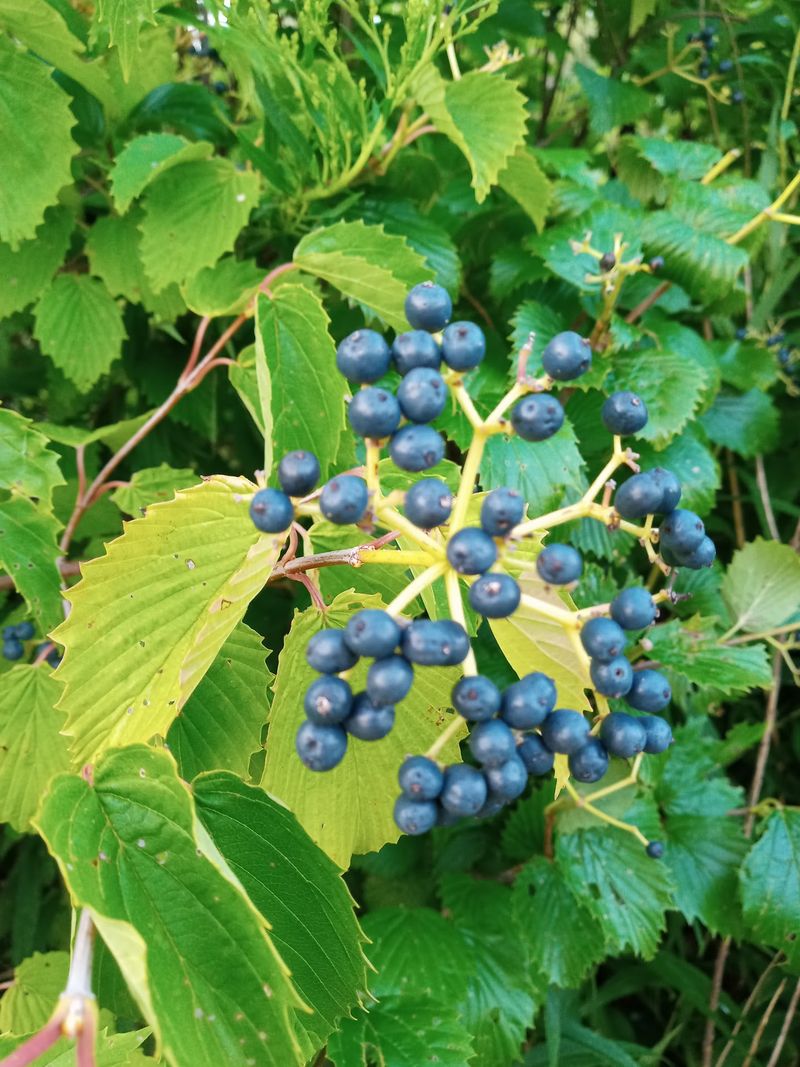
Wildflowers here are not just pretty, they are genuinely rare. The beach zone and wetlands support plants you will not find in most Ohio parks.
Fringed gentian is the headliner. A vigorous population of greater fringed-gentian thrives along the bluffs, blooming a deep violet-blue.
Seaside spurge and purple sand grass also grow in the sandy shoreline strip. Both are specialists that need exactly these conditions.
That is a big reason the park is called nationally significant habitat. Protecting the shoreline protects species with nowhere else to go.
Late summer into early fall is peak gentian season. Look near open, damp ground rather than deep shade.
Stay on marked paths while you look. Trampling is the fastest way to lose a fragile plant colony.
Pollinators follow the flowers. Bees, butterflies, and hoverflies work the meadows all season long.
The park has hosted pollinator programs with guided hikes and hands-on activities. Kids get nets, and everyone learns something.
Bring a camera with a close-up setting. Small blooms photograph beautifully against the lake background.
Leave the flowers where they are and take pictures instead.
Picnics, Geocaches, And A Night Under The Stars
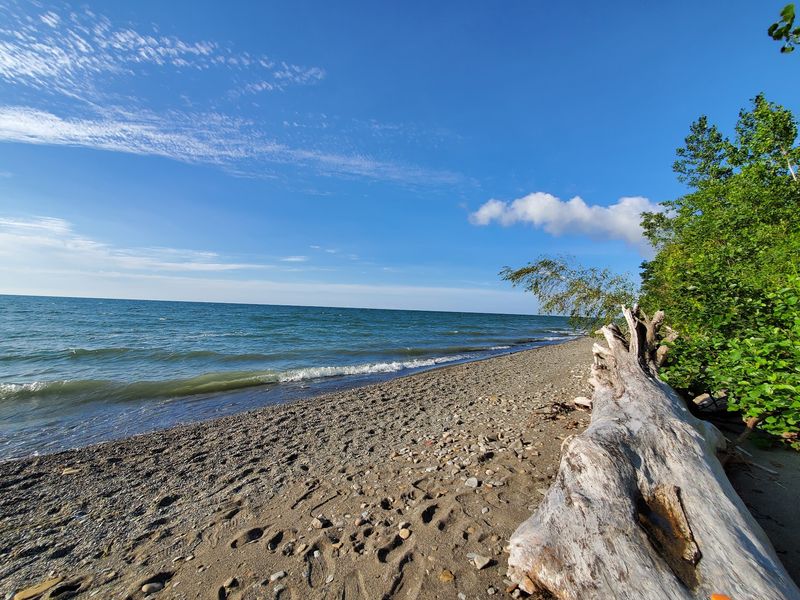
Hiking is only part of the deal. Picnic areas and a pavilion sit near the main entrance, and the pavilion can be rented.
Scattered tables and benches face the lake. Grabbing one before sunset is a local move worth copying.
Fishing and geocaching both draw steady visitors. The caches give restless kids a mission while adults enjoy the view.
Primitive camping is available by permit. Two campsites let you stay overnight on a stretch of protected shoreline, which is rare in this part of Ohio.
Falling asleep to waves and waking to migrating birds is a solid trade for skipping a hotel. Plan ahead, since permits are required.
Restrooms are on site in small cabin-style buildings. Parking is roomy and free.
The park opens early and stays open late, so sunrise and sunset are both fair game. Sunset over the water is the crowd favorite.
Pack food, water, and layers. Lake wind cuts harder than the forecast suggests.
Nobody ever leaves this park wishing they had rushed.