This Old-Fashioned Georgia Grist Mill Is A Delicious Step Straight Back Into The 1870s
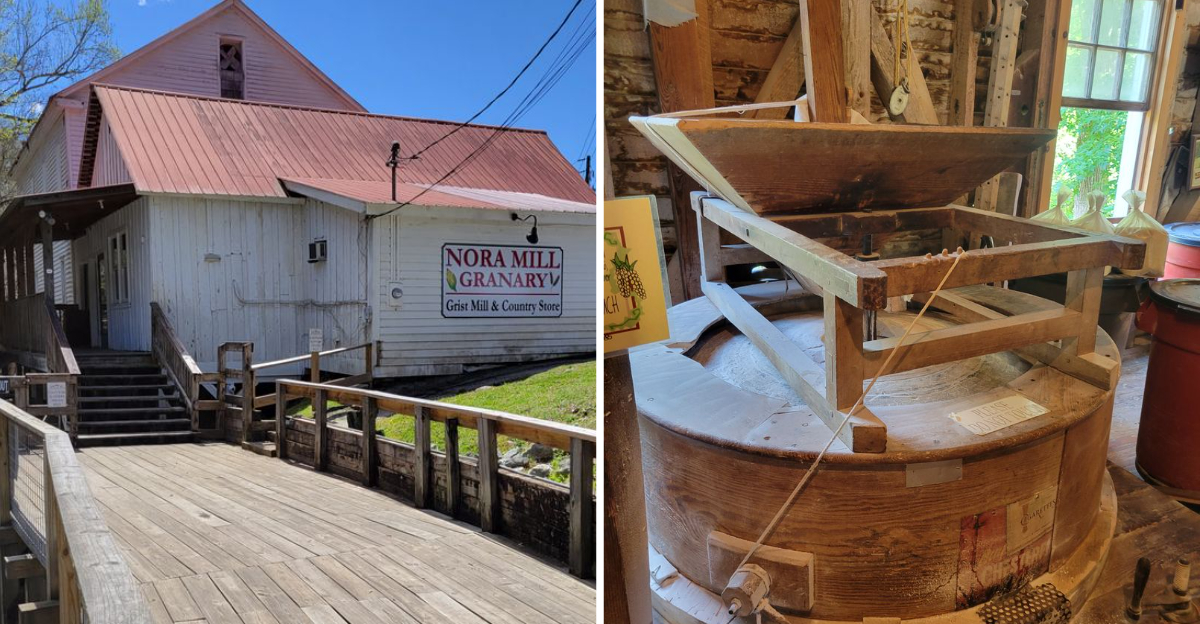
Have you ever wanted to step back in time and experience how people lived more than 150 years ago? Nora Mill Granary in Helen, Georgia makes that possible the moment you arrive. Tucked beside a rushing creek, this historic site feels frozen in another era.
Since 1876, the mill has been grinding grains the old fashioned way using original equipment powered by water. The sounds, smells, and motion instantly transport you to a simpler time when craftsmanship mattered and nothing was rushed. Unlike many historic landmarks, this is not just something to look at from a distance.
You can watch the milling process happen right in front of you and then take home freshly milled cornmeal, grits, and flour made the same way generations ago enjoyed them. Nora Mill is both a living piece of history and a working business, offering visitors a rare chance to see the past still hard at work in North Georgia.
1. A Working Mill Since 1876
Walking into a place that has been operating continuously for nearly 150 years feels almost magical. You can find this incredible piece of living history at 7107 South Main Street, Helen, GA 30545. The mill has survived wars, economic depressions, and countless changes in technology, yet it still grinds grain just like it did when Ulysses S.
Grant was president.
What makes this even more special is that Nora Mill isn’t just a museum piece collecting dust. Real flour and cornmeal come from these grinding stones every single day. The machinery creaks and groans with purpose, not as a show for tourists but because people depend on these products.
I love that you can actually purchase what the mill produces right there on site. Families have been buying from Nora Mill for generations. Some customers tell stories about their grandparents shopping here, creating a living connection across time that few places can offer today.
2. Original Water-Powered Grinding Stones
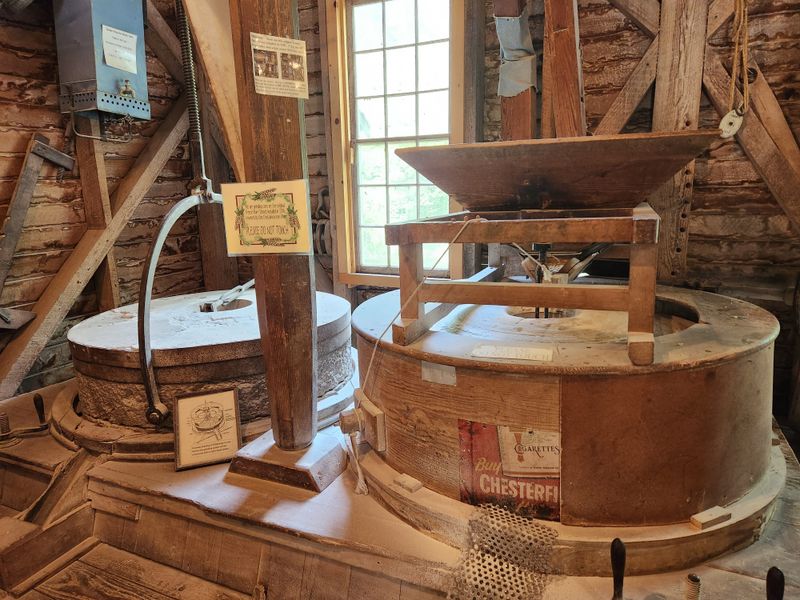
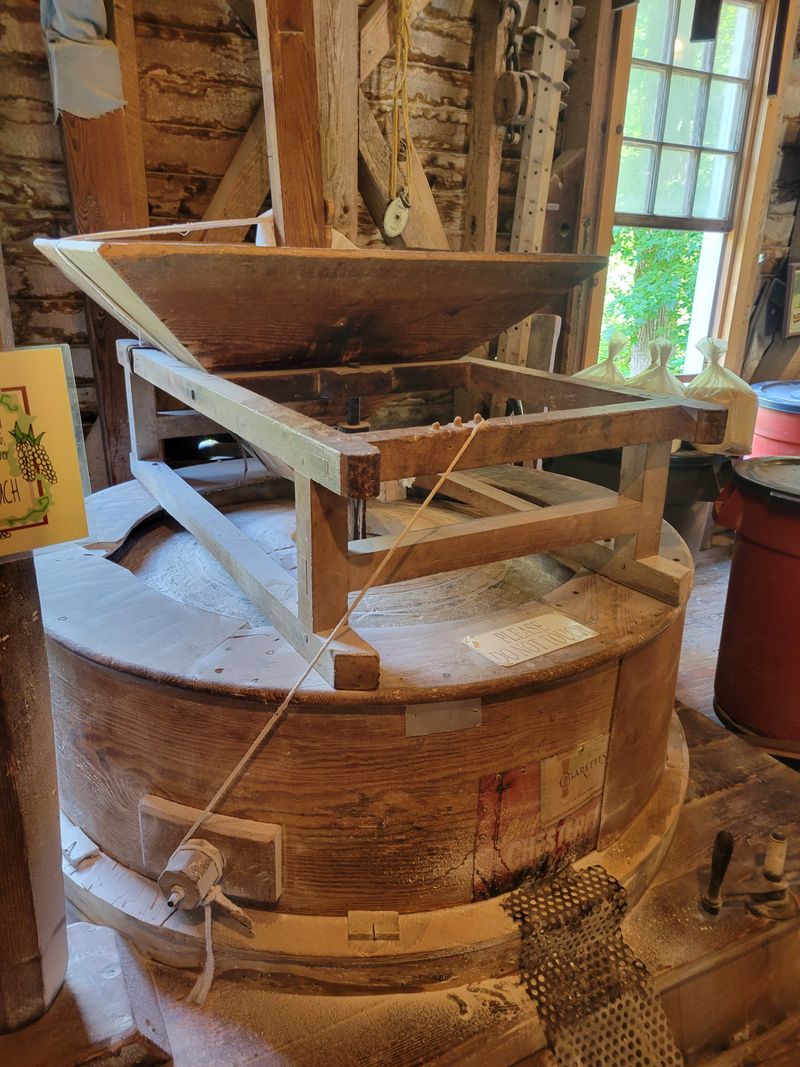
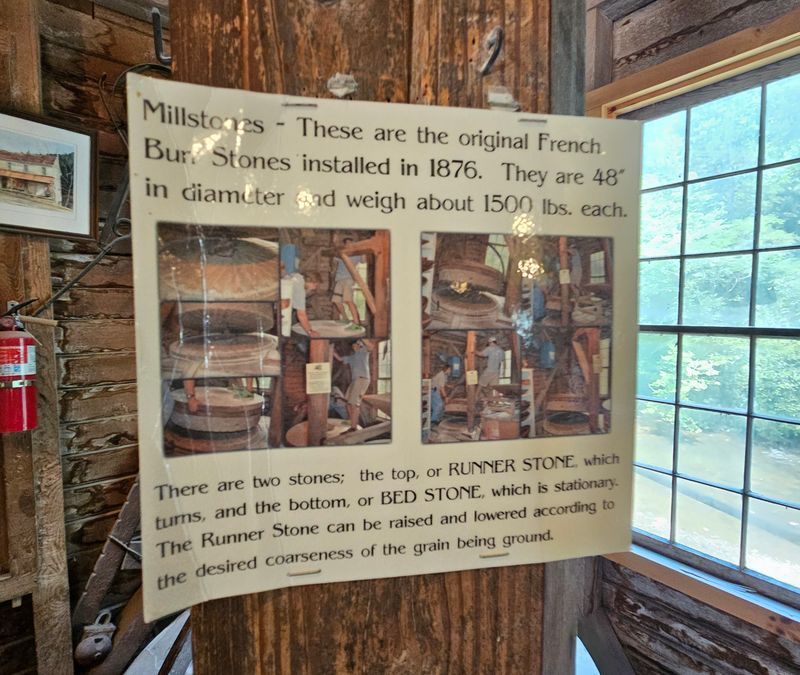
The heart of any grist mill beats with its grinding stones, and Nora Mill’s originals are still doing their job after all these years. These massive circular stones weigh hundreds of pounds each and require the constant flow of water to turn them. When you stand near them, you can feel the vibrations through the wooden floor.
Modern mills use steel rollers and electricity to process grain in minutes. Traditional stone grinding takes much longer but produces superior results. The slow grinding process keeps temperatures low, which preserves the natural oils, vitamins, and flavors that get destroyed in high-heat industrial milling.
I find it fascinating that these stones need to be “dressed” or re-carved periodically to maintain their grinding surfaces. Skilled craftsmen use special tools to cut precise patterns into the stone. This ancient maintenance technique has been passed down through generations, and watching it happen connects you to millers from centuries past.
3. The Soothing Sound of Rushing Water
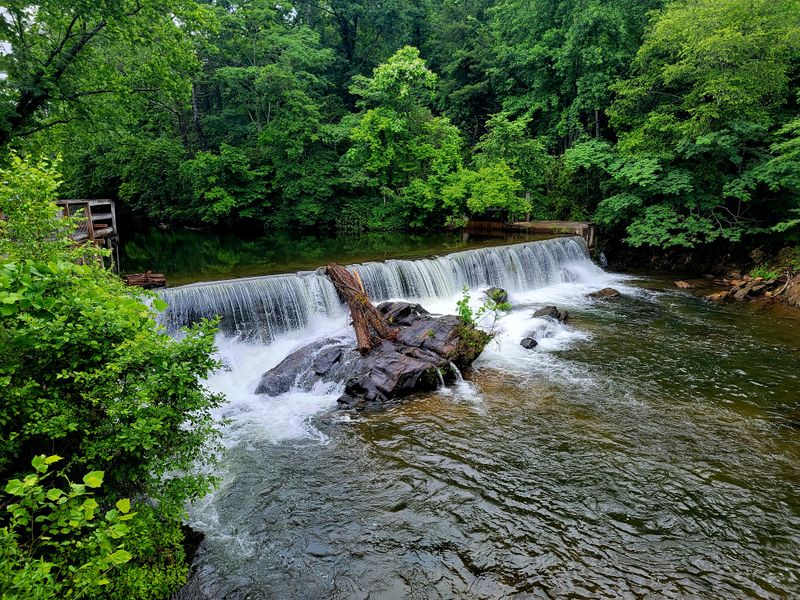
Before you even enter the mill building, your ears pick up the constant rushing sound of water flowing over rocks and through the mill race. This sound has been the soundtrack to this location since the 1870s. The water comes from the nearby creek and channels through a carefully constructed system that directs it to the water wheel.
Something about flowing water calms the human mind, and scientists have studied this effect for years. At Nora Mill, the water does more than relax visitors. It provides all the power needed to grind hundreds of pounds of grain each week without using a single watt of electricity.
I always recommend spending a few minutes just listening to the water before you go inside. Close your eyes and imagine what this place sounded like in 1880, then open them and realize it sounds exactly the same. That continuity across time creates a peaceful moment that’s hard to find in our fast-paced modern world.
4. Authentic 19th Century Architecture
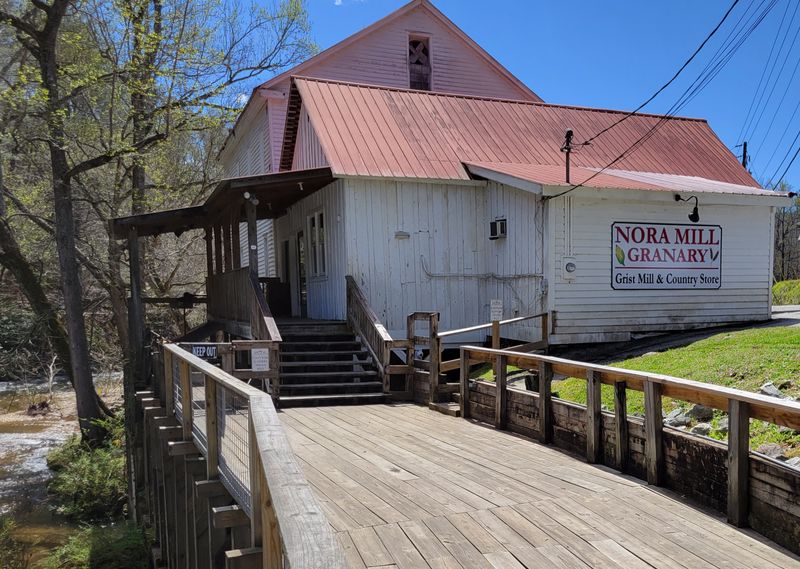
The building itself tells a story through every weathered board and hand-hewn beam. Constructed using traditional techniques from the 1870s, the structure features mortise-and-tenon joints held together with wooden pegs instead of nails. You can visit this architectural treasure at 7107 South Main Street, Helen, GA 30545, where it stands as a testament to the craftsmanship of another era.
Unlike modern buildings with their steel frames and concrete foundations, this mill was built entirely from local timber. The builders understood how wood expands and contracts with temperature and humidity. Their joinery techniques allowed the building to move and flex without falling apart, which explains how it has survived so many Georgia summers and winters.
I’m always amazed by the vertical plank siding and the steep roof pitch designed to shed rain quickly. Every architectural detail served a practical purpose. There were no decorative elements added just for looks, yet the building possesses a simple beauty that comes from honest, functional design.
5. Stone-Ground Cornmeal You Can Buy
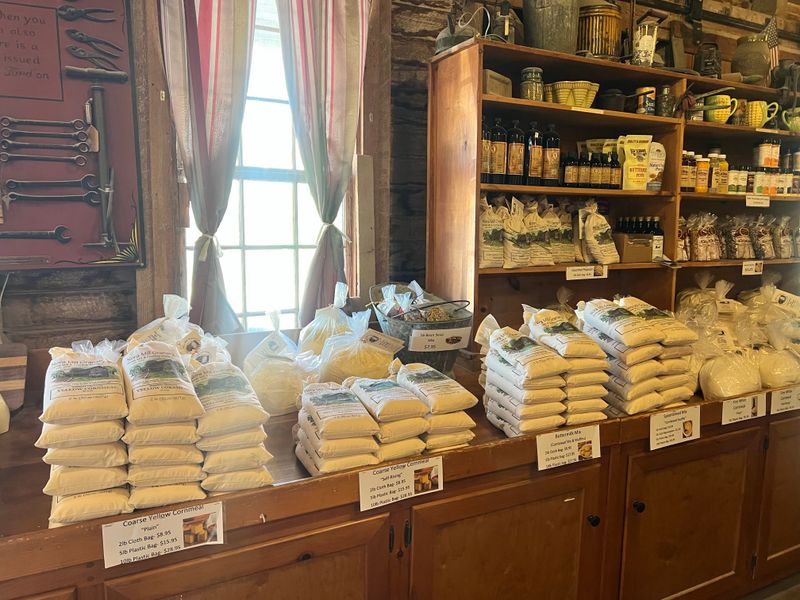
Once you taste stone-ground cornmeal from Nora Mill, you’ll understand why people drive hours to buy it. The difference between this and supermarket cornmeal is like comparing a homegrown tomato to one picked green and shipped across the country. Stone grinding preserves the corn’s natural oils and germ, giving the meal a rich, sweet flavor that industrial milling destroys.
The mill offers several varieties including white, yellow, and even blue cornmeal. Each type has its own distinct flavor profile and works better for different recipes. Yellow cornmeal makes incredible cornbread with a golden color and robust taste, while white cornmeal produces lighter, more delicate results perfect for fish coating.
I always stock up when I visit because this cornmeal stays fresh longer than you might expect when stored properly. Keep it in your refrigerator or freezer, and it will maintain its flavor for months. Your biscuits, muffins, and cornbread will taste so much better that you’ll never want to go back to store-bought meal again.
6. Freshly Milled Whole Wheat Flour
Whole wheat flour from Nora Mill bears little resemblance to the brown powder sold in grocery stores. Real whole wheat flour contains all three parts of the wheat kernel including the bran, germ, and endosperm. Commercial mills often remove the germ because its oils can go rancid, but that germ contains most of the wheat’s nutrients and flavor.
When flour is milled fresh and you use it within a few weeks, rancidity isn’t a concern. The flavor is nutty, slightly sweet, and incredibly complex compared to flour that has been sitting in warehouses and on shelves for months. Your bread, pancakes, and pastries will have depth of flavor you never knew wheat could provide.
I’ve found that baking with this flour requires small adjustments to recipes because it behaves differently than commercial flour. The extra oils and fiber content mean you might need slightly more liquid in your dough. Experiment a little, and you’ll discover that the superior taste is worth the minor learning curve involved in working with truly fresh ingredients.
7. Old-Fashioned Grits That Make Breakfast Special
Southerners know that grits can be either wonderful or terrible depending on their quality, and Nora Mill’s stone-ground grits fall firmly in the wonderful category. These aren’t the quick-cooking grits that turn into wallpaper paste. Real grits require patience to cook properly, taking 30 to 45 minutes of gentle simmering with frequent stirring.
The texture difference is remarkable when you compare stone-ground grits to instant varieties. Each grain maintains some of its structure even after cooking, giving you a creamy yet slightly coarse texture with individual character. The corn flavor shines through clearly, whether you serve them plain with butter or dress them up with cheese and shrimp.
I recommend cooking these grits in a mixture of water and milk with a generous pinch of salt. Stir them often to prevent sticking, and add more liquid if they get too thick. The result will be breakfast grits that taste like something your great-grandmother would have made, full of genuine corn flavor that reminds you why this simple dish has been a Southern staple for generations.
8. Pancake and Waffle Mixes Made On-Site
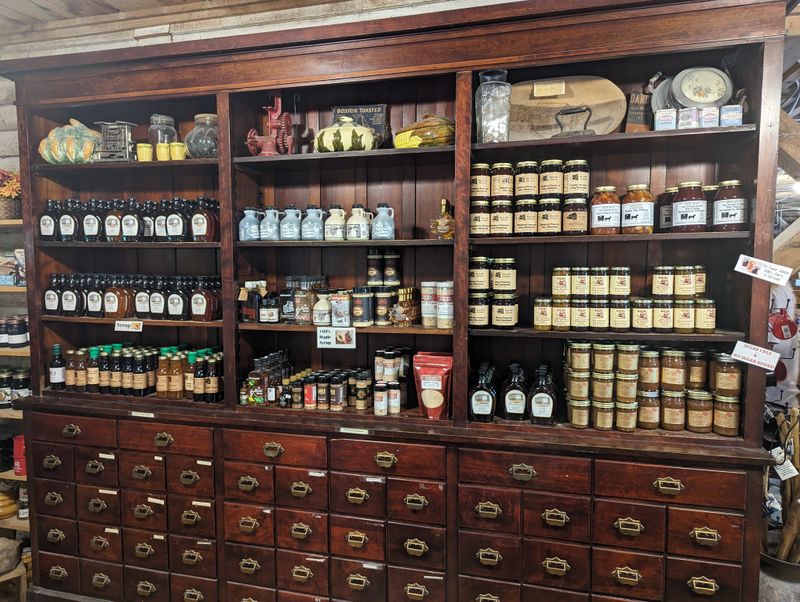
Convenience meets quality in Nora Mill’s pancake and waffle mixes, which combine their stone-ground flours with just the right balance of leavening agents and seasonings. These mixes save you time on busy mornings while still delivering the superior taste of freshly milled grain. Just add eggs, milk, and oil, and you’re minutes away from breakfast that tastes homemade because it essentially is.
The mix contains larger particles than commercial pancake mixes because stone grinding produces a coarser texture. This creates pancakes with more substance and character. They’re heartier and more filling than fluffy restaurant pancakes, with a satisfying texture that sticks to your ribs.
I keep several bags of this mix in my pantry for weekend mornings when I want something special without spending an hour in the kitchen. The pancakes brown beautifully and develop crispy edges while staying tender inside. Add fresh berries or pecans to the batter, and you’ll have breakfast that impresses guests yet requires minimal effort from you as the cook.
9. The Country Store Filled With Local Products
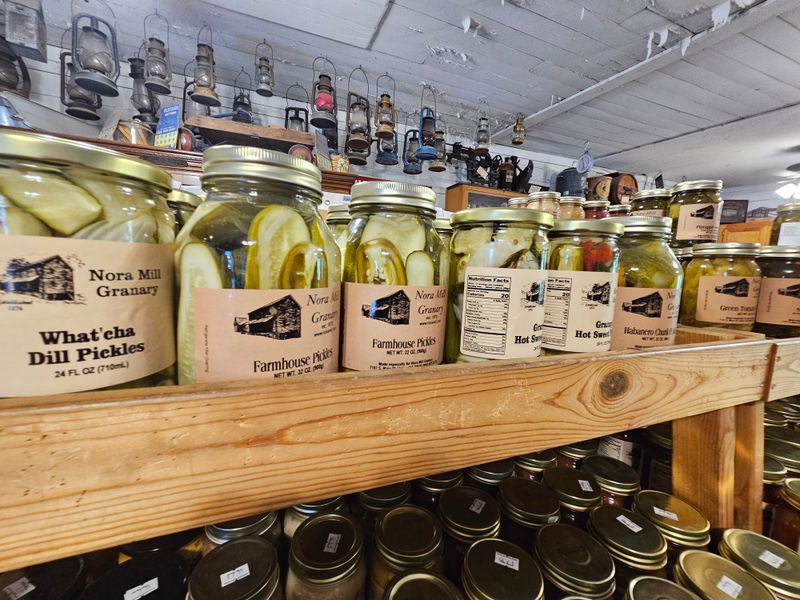
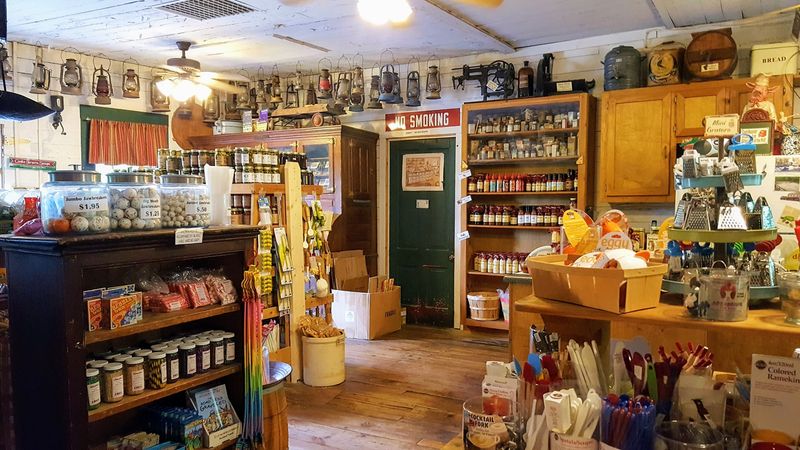
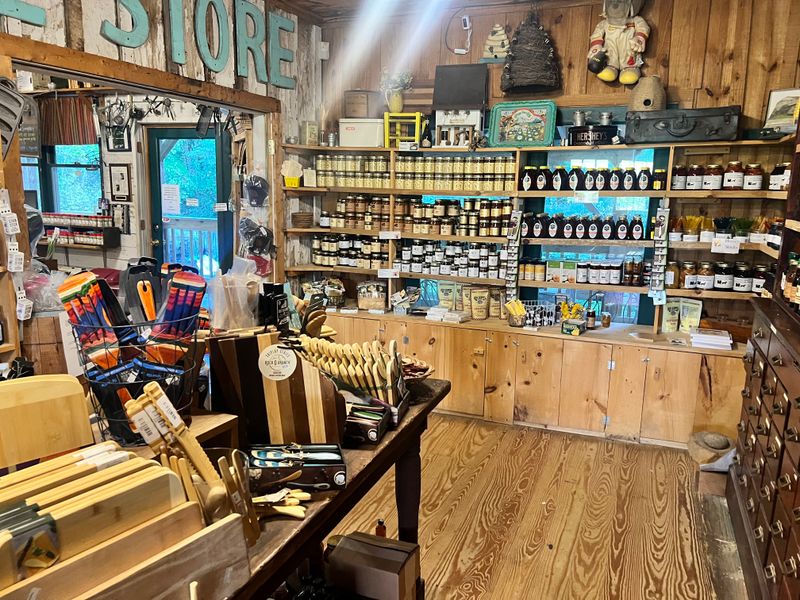
Beyond the mill itself, Nora Mill operates a country store that feels like stepping into a general store from the past. Wooden shelves line the walls, stocked with products from local makers and regional favorites you won’t find in chain stores.
You’ll find locally made jams, jellies, honey, and preserves alongside the mill’s flour and cornmeal. There are also cast iron skillets, old-fashioned kitchen tools, and cookbooks featuring Southern recipes. Everything in the store connects to traditional cooking methods and regional food culture.
I always leave with more than I planned to buy because the store curates its selection so carefully. Every product has a story, and the staff can tell you about the people who make each item. Supporting these small producers helps keep traditional food crafts alive, and you get to enjoy products made with care rather than mass-produced on assembly lines.
10. Educational Tours That Teach History
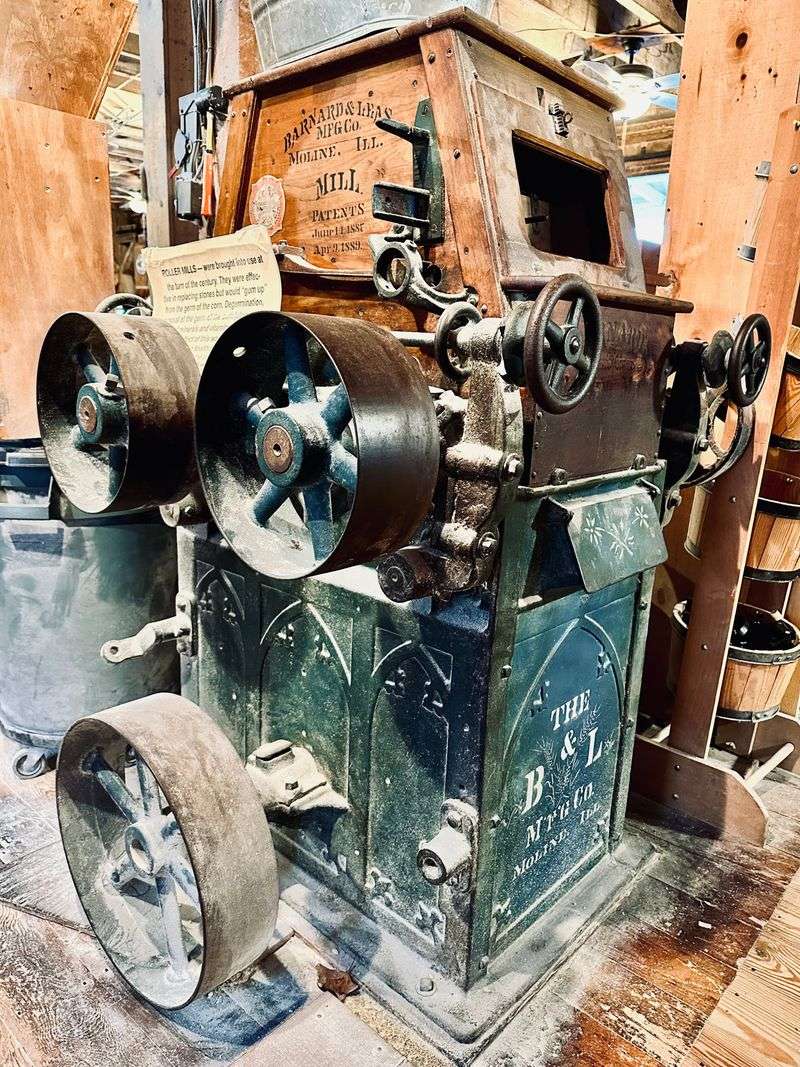
Learning happens naturally at Nora Mill because you can watch the entire milling process from start to finish. The staff welcomes questions and enjoys explaining how water power turns the wheel, which turns the shaft, which rotates the grinding stones. Seeing these mechanical relationships in action teaches physics and engineering principles better than any textbook could.
Children especially benefit from visiting working historical sites like this one. They can touch the rough burlap bags of grain, feel the vibrations from the machinery, and smell the fresh flour in the air. These sensory experiences create memories that last far longer than looking at pictures or reading about history in a classroom.
I think every school in North Georgia should organize a field trip here at least once. Students learn about agriculture, engineering, business, and history all in one location. They see that people in the past weren’t less intelligent than us, just working with different tools.
The ingenuity required to design and build a water-powered mill deserves respect and recognition.
11. The Peaceful Mountain Setting
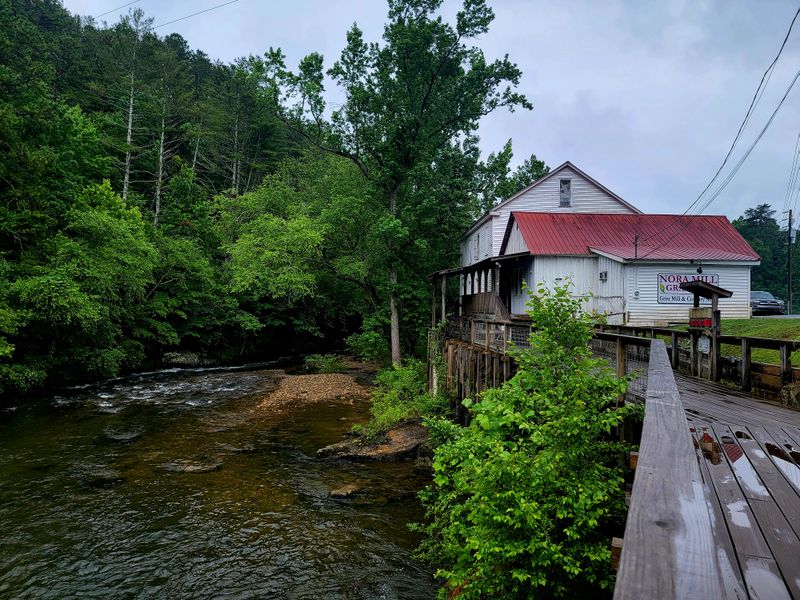
Location matters tremendously for a water-powered mill, and Nora Mill sits in an ideal spot in the North Georgia mountains where reliable creek water flows year-round. The surrounding forest provides shade and keeps temperatures moderate even during summer. Birds sing in the trees, and the air smells clean and fresh with hints of pine and water.
Helen itself has transformed into a Bavarian-themed tourist town, but Nora Mill remains authentically Georgian in character. The mill predates all the alpine architecture by nearly a century. Standing by the creek here, you can ignore the tourist development and focus on the natural beauty that attracted settlers to this area in the first place.
I recommend visiting during fall when the leaves change color and the weather turns crisp. The combination of autumn foliage, rushing water, and historic architecture creates an atmosphere that’s both relaxing and invigorating. Bring a camera because the photo opportunities are exceptional, but also take time to simply be present in this peaceful setting without worrying about documenting every moment.
12. Family-Owned and Operated Tradition
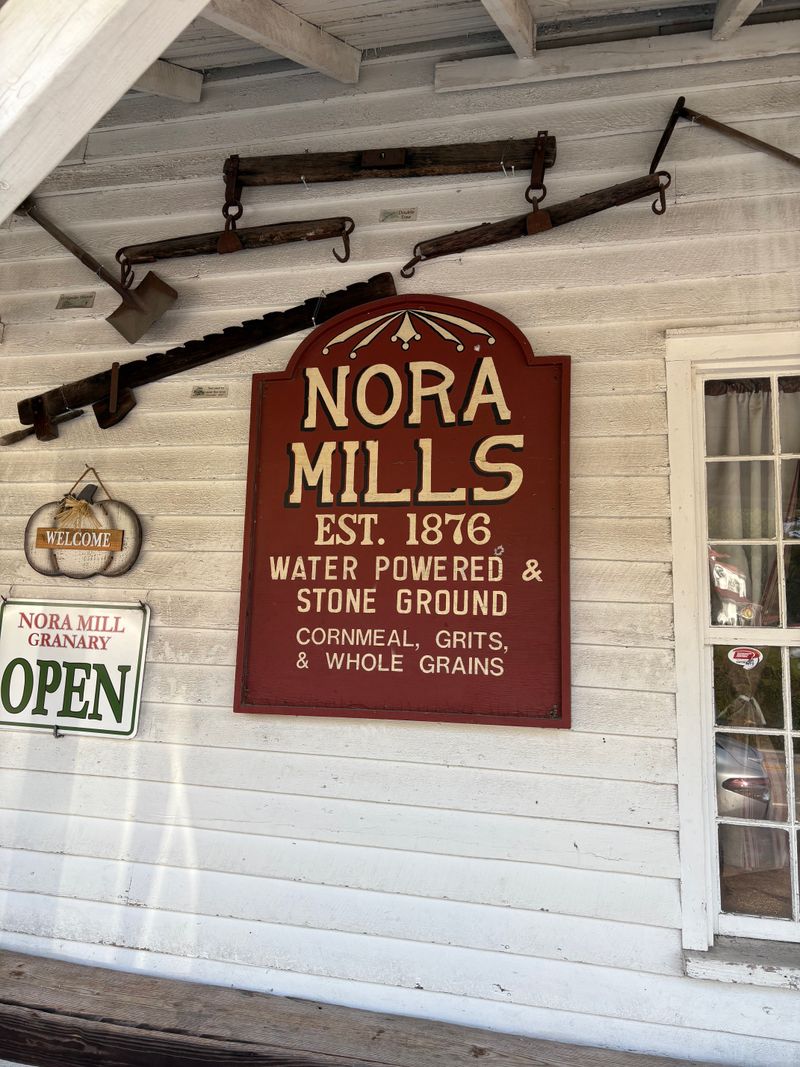
Corporate chains dominate retail today, which makes family-owned businesses like Nora Mill increasingly rare and valuable. The current owners care deeply about maintaining the mill’s historical integrity while keeping it economically viable. They’ve resisted the temptation to modernize in ways that would compromise the mill’s authenticity just to increase profits or production speed.
Family ownership creates continuity and long-term thinking that quarterly earnings reports don’t encourage. The owners know their regular customers by name and remember their preferences. They hire local people who understand the mill’s importance to the community.
This personal connection transforms a simple shopping trip into a relationship.
I appreciate that the family has invested in preserving the building and machinery for future generations. They could have sold out to developers years ago, but instead they chose to keep this piece of history alive. When you buy their products, you’re supporting their commitment to preservation and helping ensure that Nora Mill will still be grinding grain decades from now.
13. Recipe Cards With Traditional Southern Dishes
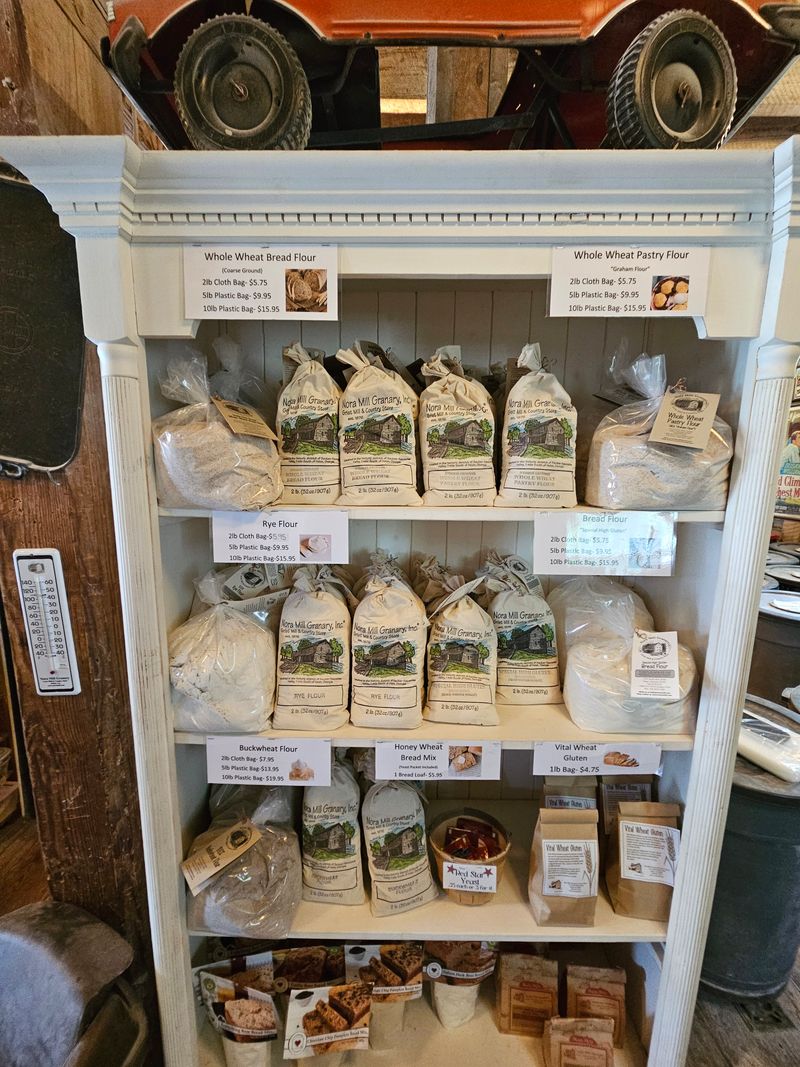
Knowledge about how to use stone-ground products has faded as convenience foods took over American kitchens, so Nora Mill provides recipe cards to help customers rediscover traditional cooking. These aren’t fancy chef recipes with exotic ingredients. They’re straightforward Southern dishes like cornbread, biscuits, hushpuppies, and spoonbread that your ancestors would recognize immediately.
Each recipe card includes clear instructions written for home cooks, not culinary professionals. The recipes assume you’re working in a regular kitchen with standard equipment. Most require just a few simple ingredients beyond the mill’s flour or cornmeal, making them accessible even for beginners.
I’ve collected quite a few of these recipe cards over multiple visits, and they’ve become some of my most-used recipes. There’s something satisfying about cooking a dish the same way people did 100 years ago. The recipes connect you to culinary traditions that might otherwise be lost.
Try the cornbread recipe first because it’s nearly foolproof, and the results will convince you that stone-ground cornmeal makes all the difference in traditional Southern cooking.
14. Supporting Sustainable Agriculture
Choosing stone-ground products from local mills supports a more sustainable food system than buying from industrial agriculture. Nora Mill sources grain from regional farmers, keeping food dollars circulating within the local economy. These farmers typically use more sustainable practices than massive corporate farms because they’re growing for quality rather than maximum yield.
The milling process itself uses renewable water power instead of electricity generated from fossil fuels. No chemicals or additives go into the flour and cornmeal. The packaging is simple and minimal.
From farm to mill to customer, the entire system operates with a smaller environmental footprint than conventional grain processing.
I think about sustainability every time I shop now, and buying from Nora Mill aligns with my values. The food tastes better, supports local farmers and businesses, and doesn’t require the massive energy inputs of industrial food production. You’re not just buying flour when you shop here.
You’re voting with your dollars for a different kind of food system, one that values quality, community, and environmental responsibility over pure efficiency.
15. A Living Connection to Georgia’s Past

Most historical sites preserve the past behind glass cases and velvet ropes, but Nora Mill lets you participate in history by purchasing products made using methods from 1876. This active participation creates a stronger connection than passive observation ever could. You become part of the mill’s ongoing story rather than just a spectator watching from outside.
Georgia has changed dramatically since the mill opened, transforming from a rural agricultural state to a modern economic powerhouse. Yet this one building and the creek that powers it remain essentially unchanged. Standing here, you can understand what daily life was like for your great-great-grandparents in ways that history books can’t convey.
I believe places like Nora Mill are treasures that deserve protection and support. They remind us that progress doesn’t always mean replacing old ways with new ones. Sometimes the old ways work just fine and produce superior results.
When you visit, you’re not just seeing history, you’re tasting it, hearing it, and feeling it. That multi-sensory experience makes the past real in a way that benefits both children and adults.