This Old Five-And-Dime In Pennsylvania Is Now A Museum Where Century-Old Music Machines Still Play For You
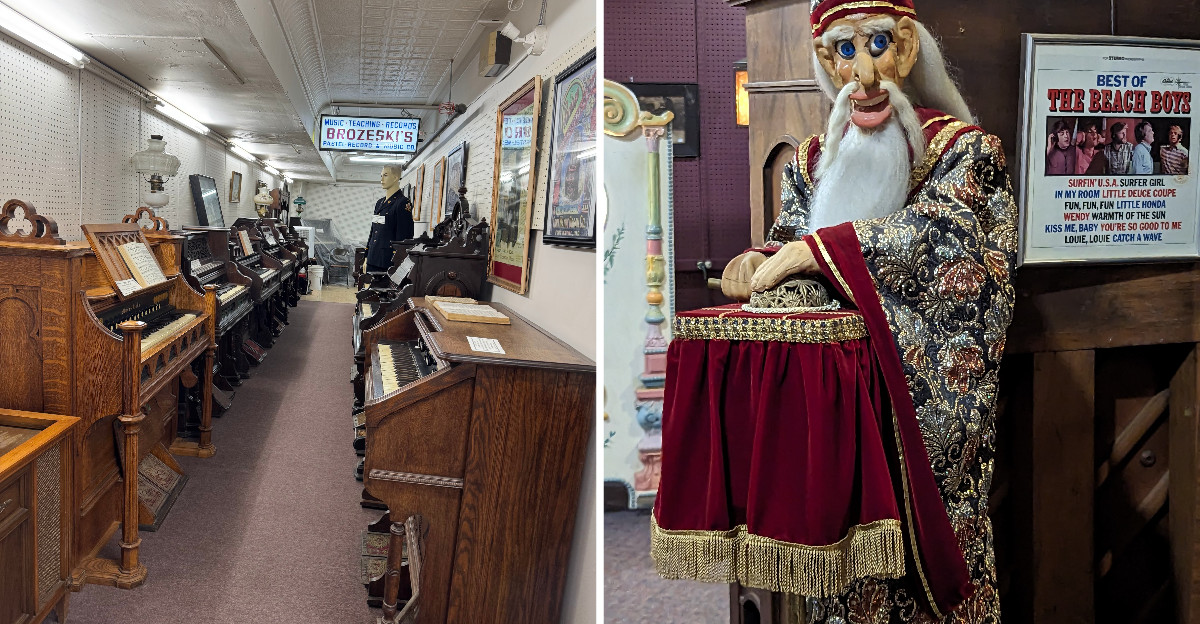
A former five-and-dime store now whistles, chimes, and plinks with antique music machines that still work.
Some of them were built well over a century ago, and they still play on cue.
A guide walks you through the collection and brings the instruments to life one at a time.
Music boxes sparkle, band organs boom, and old phonographs crackle back from the past like they never left.
I love that these treasures are not simply parked behind glass with a little card and a polite request to stay quiet.
I believe hearing a machine from the 1800s actually perform is a completely different thing than reading about it.
The whole experience lives in a small Pennsylvania city with a deep fondness for its Victorian roots. So how loud can a calliope really get indoors?
A Five-And-Dime Store That Traded Pocket Change For Player Pianos
DeBence Antique Music World sits inside the old G.C. Murphy five-and-dime building in Franklin, Pennsylvania.
The shelves that once held everyday bargains now hold music boxes, organs, and player pianos.
That alone is a pretty great plot twist for a downtown storefront. Instead of shopping carts, you get carousel organs and machines that play songs from another century.
The museum focuses on antique mechanical musical instruments dating from the mid-1800s through the 1950s. Think of it as a timeline of how people heard music before streaming, before cassettes, and even before radio took over living rooms.
Its home on Liberty Street places it right in the middle of Franklin’s downtown. That makes it easy to pair with a stroll or a bite nearby before or after your visit.
I like how the building’s past and present fit together so neatly. A store built for small everyday treasures now protects much bigger ones, and they happen to be very loud.
The collection counts well over 100 instruments, and many of them still play. That’s the real draw here, and it’s what sets this spot apart from a typical quiet museum.
How A Private Passion Became A Public Concert Hall
Collections like this one rarely happen by accident. Years of hunting, hauling, and careful restoring went into the instruments now filling DeBence Antique Music World.
The museum opened for tours in 1994, giving the public a front-row seat to the machines. Since then, staff and volunteers have worked to keep the artifacts in good working order.
That last part matters more than you’d think. A music box with a broken comb or a band organ with tired bellows is just furniture, and nobody drives across Pennsylvania to stare at furniture.
Many of the pieces come from the surrounding region. That gives the collection a neat mix of rare, one-of-a-kind showpieces and sturdy machines that ordinary families once owned and enjoyed.
Some instruments even have ties to well-known amusement spots, including machines that once played for parks like Kennywood. Hearing one of those tunes may stir up a few summer memories for western Pennsylvania families.
I can’t imagine the patience it takes to keep century-old gears turning smoothly. Every working note feels like a small victory over time, and the museum hands those victories out generously.
Your Guide Pushes Play On The 1800s
Guided tours are the heart of a visit here, and they come with a soundtrack. Your guide explains each instrument, then sets it in motion so you hear exactly what folks heard generations ago.
Expect history mixed with plenty of fun facts. You’ll learn how these machines were built, what they cost families back then, and why some sounded so wildly different from others.
The tour carries a small fee, which helps support the museum’s upkeep. Considering how much care goes into keeping these pieces running, that feels like a very fair trade.
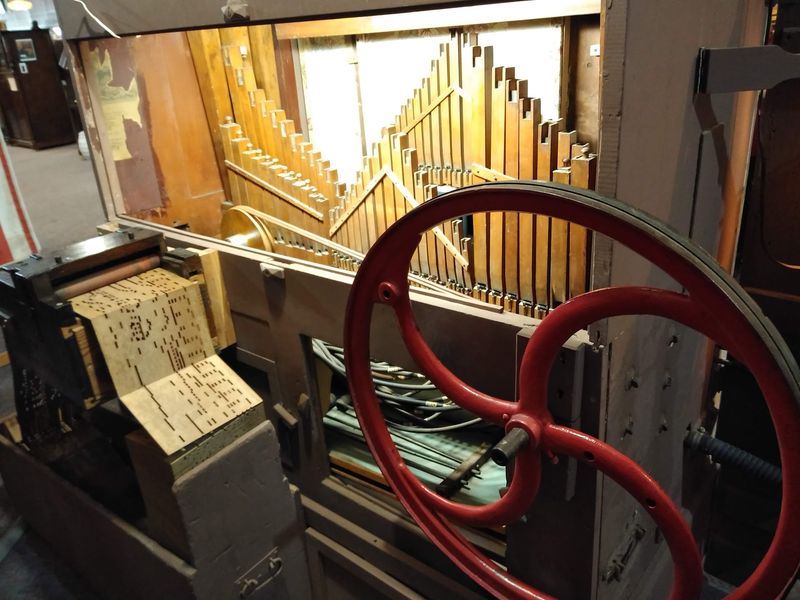
Some machines have parts opened up so you can peek inside at the inner workings. Watching pins, cylinders, and bellows do their jobs is half music lesson and half engineering class.
Plan your visit with some breathing room. A tour plus time to wander can easily stretch past an hour or two, and rushing would feel like leaving a concert at intermission.
Calling ahead to arrange a tour is a smart move. Guides are friendly and full of stories, so it’s worth making sure one is ready when you arrive.
Calliopes, Orchestrions, And Other Wonderfully Noisy Contraptions
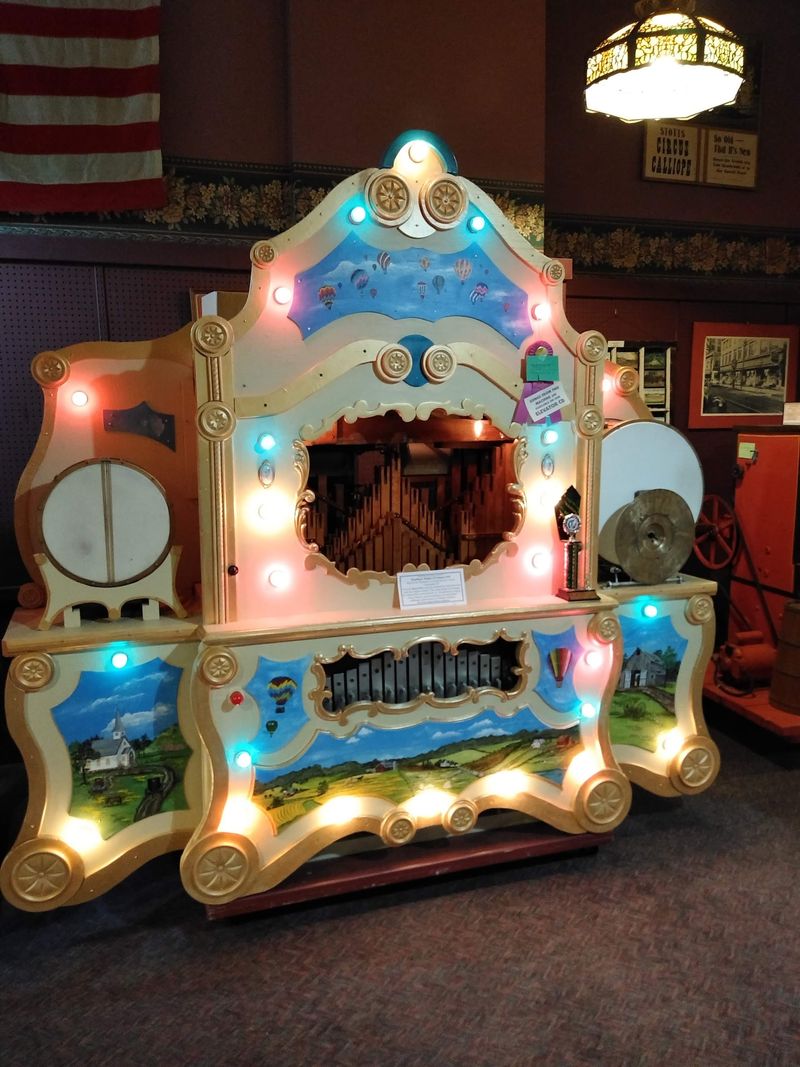
Some machines here could easily drown out a marching band. Calliopes, band organs, and orchestrions make up some of the boldest pieces in DeBence Antique Music World.
An orchestrion is basically a one-machine orchestra. It can combine pipes, drums, and other instruments, all controlled by a mechanism instead of a room full of musicians.
Calliopes are famous for their bright, whistling sound. They were built to grab attention outdoors, so hearing one inside a building gives you a whole new respect for your eardrums.
Band organs bring that cheerful carnival feel. Their decorated fronts often look as lively as they sound, with bright colors and fancy details that practically beg for a photo.
I believe these big machines are where most visitors grin the widest. There’s something delightfully silly about a piece of furniture that can outplay a small brass section.
Each one also tells a story about how people once gathered for fun. Skating rinks, parks, and fairs relied on machines like these long before anyone plugged in a speaker.
Tiny Music Boxes With Surprisingly Big Personalities
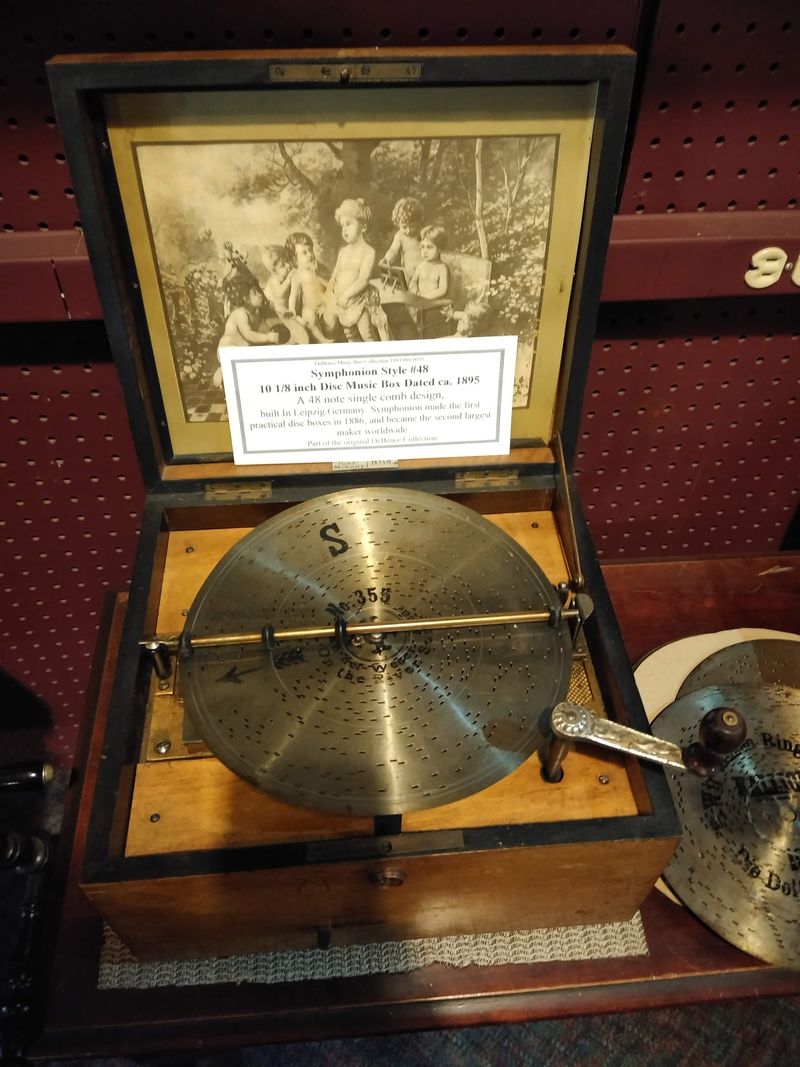
Not every star of the show weighs a ton. Some of the most charming pieces in the collection are music boxes small enough to sit on a parlor table.
Victorian music boxes rank among the museum’s highlights. Their delicate chimes sound nothing like a cheap jewelry box, and the craftsmanship on many cases is truly impressive.
Larger disc music boxes bring fuller, richer tunes. They worked a bit like early record players, swapping metal discs to change the song, which was quite the luxury in its day.
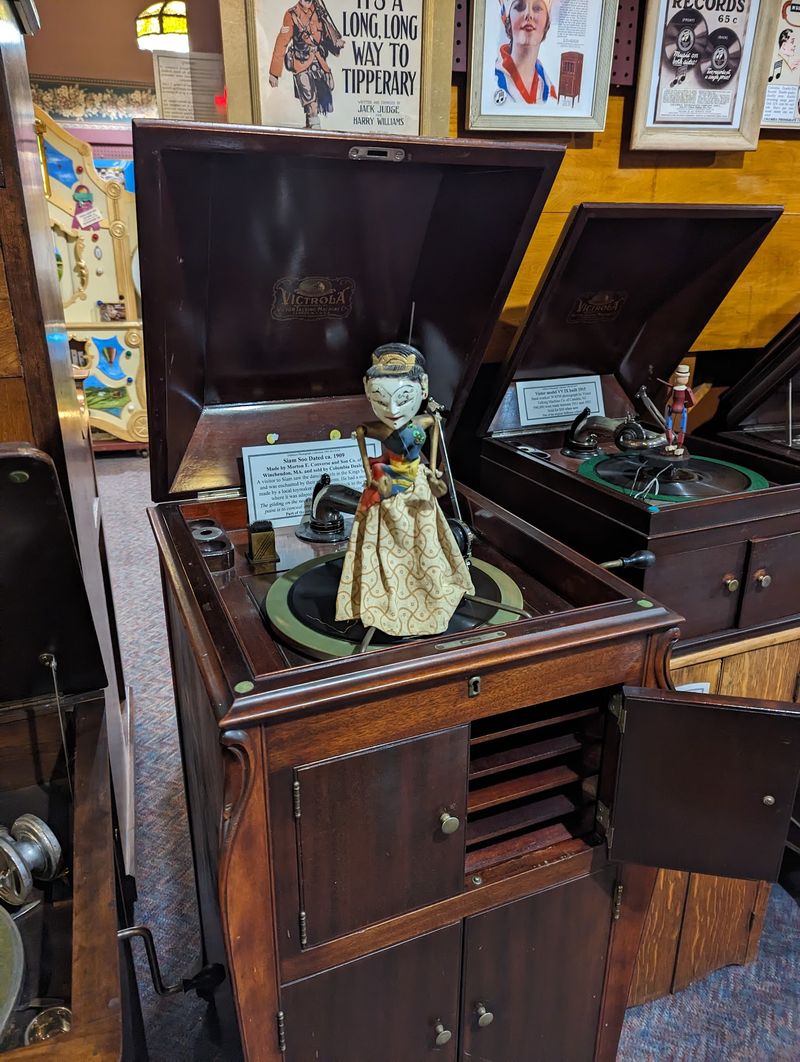
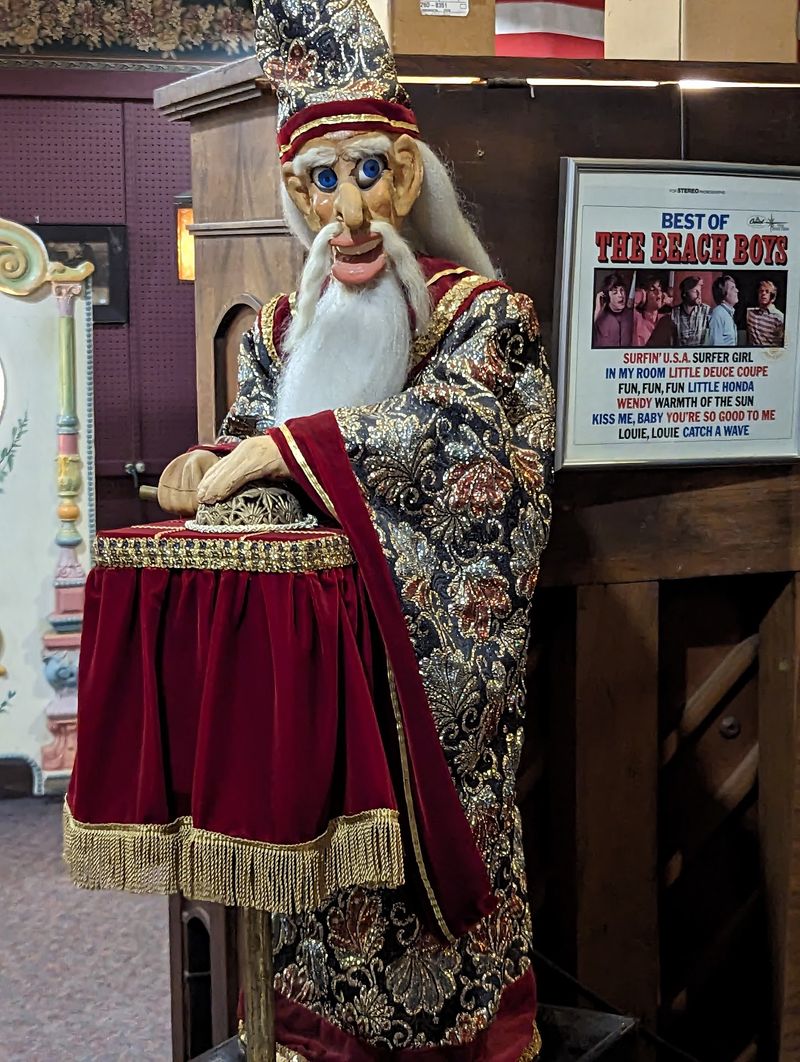
Some gramophones in the collection even come with puppets. Yes, puppets, because apparently music alone was not entertaining enough for some inventors.
The phonograph lineup adds another layer to the story. Victrola and Edison machines show how recorded sound slowly made its way into ordinary homes across Pennsylvania and beyond.
Hearing these machines side by side helps the whole timeline click. You can practically hear music shift from handcrafted mechanisms to recordings, one crank and cylinder at a time.
Downstairs, The Quarters Do The Talking
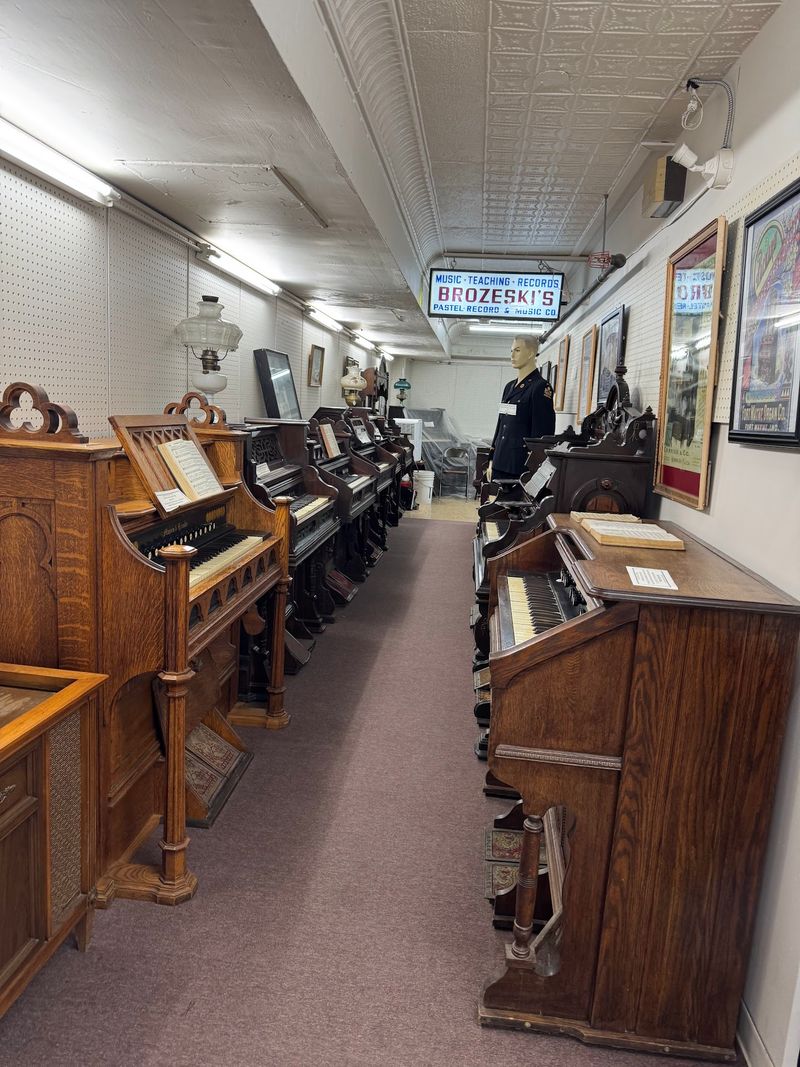
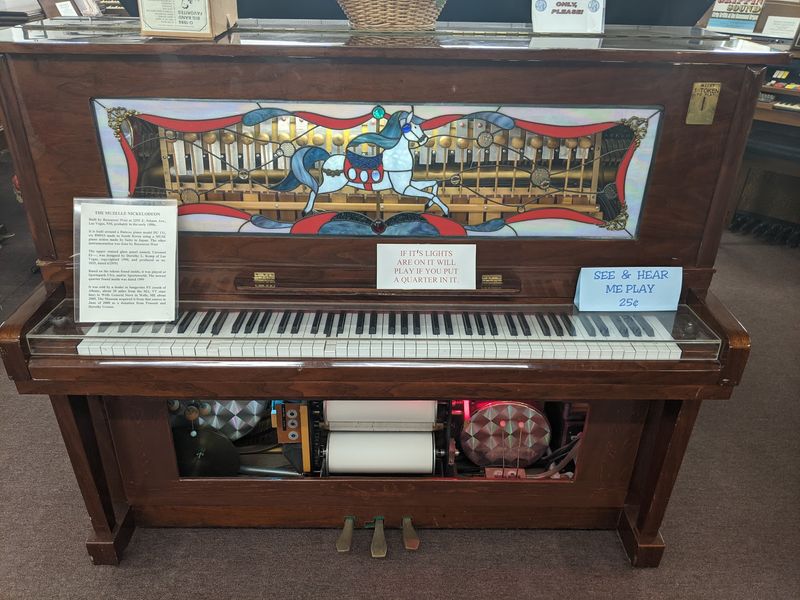
Good news for anyone with a pocket full of change. The lower level holds player pianos, a jukebox, and other machines that may play when you drop in a quarter.
You’ll also find rows of pianos, home organs, and vintage radios down there. It feels a little like a giant musical attic where everything still works.
Exploring at your own pace is part of the fun. The basement and second floor can typically be browsed without a guide, so you can linger wherever your ears want.
Some free displays are available even if you skip the paid tour. That makes it an easy stop for budget-minded families who still want plenty of tunes and things to see.
Among the instruments, keep an eye out for an early synthesizer. Seeing it near the mechanical machines shows just how far music technology traveled in a fairly short time.
I like how this space hands the music over to you. Pressing play on history yourself feels different, and maybe a little more rebellious, than simply listening politely.
Music Lovers, Tinkerers, And Grandparents All Find Their Corner
Musicians will feel right at home here, but you don’t need to read sheet music to enjoy it. Anyone curious about how things work will find plenty to marvel at.
Engineering fans get gears, pins, and bellows to study. History buffs get a full timeline of how people listened to music across roughly a hundred years.
Grandparents may recognize radios or record players from their own childhoods. Kids, meanwhile, get to see what music looked like before it lived inside a phone.
That mix makes DeBence Antique Music World a solid pick for a multi-generation outing. Everyone gets a different favorite, and nobody gets stuck waiting in the car.
Younger children may enjoy the hands-on quarter machines most. Older kids and adults tend to get more from the tour’s stories and detailed explanations.
The atmosphere leans cheerful and a bit quirky, in the best way. Where else can you hear a calliope, a music box, and a jukebox in one afternoon without leaving the building?
Plan Around Afternoon Hours And Leave Time For The Gift Shop
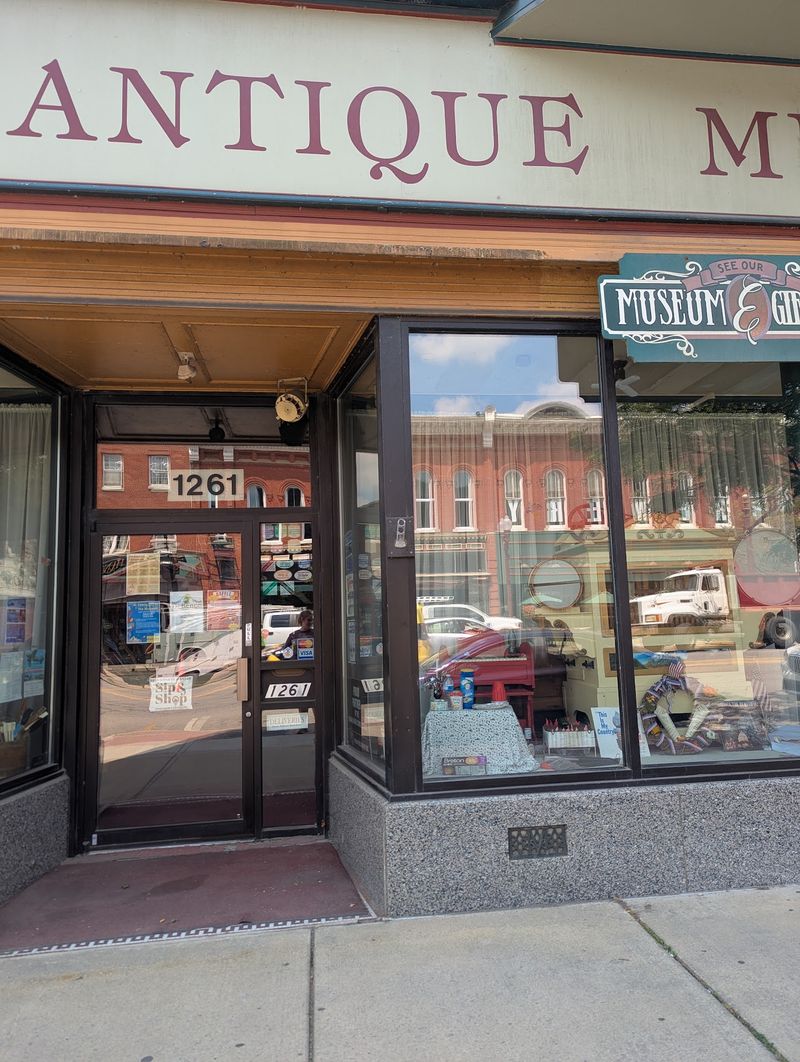
Timing your trip takes a little planning. DeBence Antique Music World keeps daytime hours most of the week, with a shorter schedule on some days and at least one day closed.
Hours can shift, so check ahead before making the drive. Arranging a guided tour in advance is a good idea too, especially if you’re traveling a distance.
You’ll find the museum at 1261 Liberty St, Franklin, PA 16323. Liberty Street serves as Franklin’s main downtown corridor, so finding it should be pretty painless.
Admission to some areas is free, while the guided tour costs a modest fee. It’s an affordable outing, which makes it easy to justify for families and retirees alike.
Save a few minutes for the gift shop before you leave. It sells souvenirs along with 33s, 78s, Edison cylinders, and player piano rolls that help support the museum.
Give yourself at least two hours if you love music. Between the tour and the self-guided floors, the time disappears faster than a tune on a wind-up box.