This Old Idaho Prison Feels Completely Different Once The Sun Goes Down
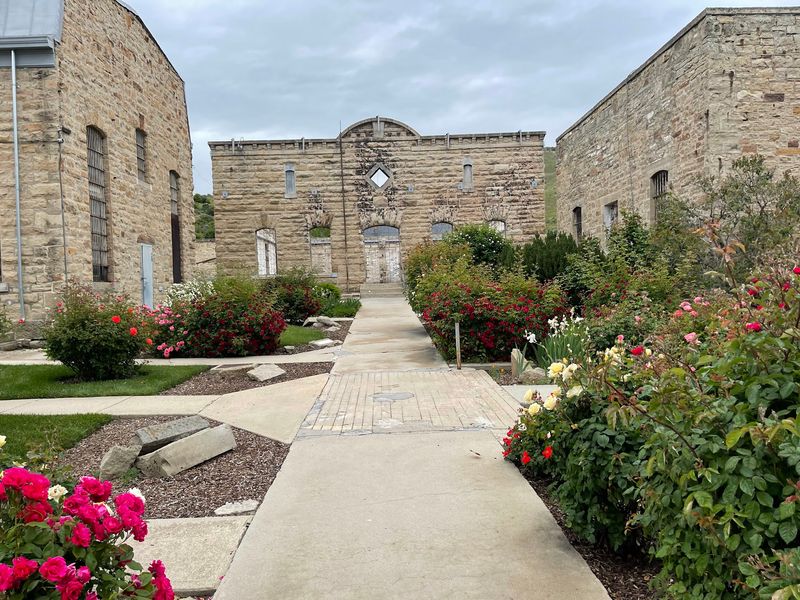
Sandstone walls cut by prisoners’ own hands still glow orange when the sun drops low behind the foothills in Idaho. Inside them sits more than a century of the state’s story, told through cell blocks, guard towers, and a rose garden that seems out of place in the best way.
Walking those grounds as daylight fades feels quiet, a little eerie, and surprisingly thoughtful. It is one of the most memorable afternoons or evenings you can spend without leaving the Treasure Valley.
A Stone Fortress East Of Downtown
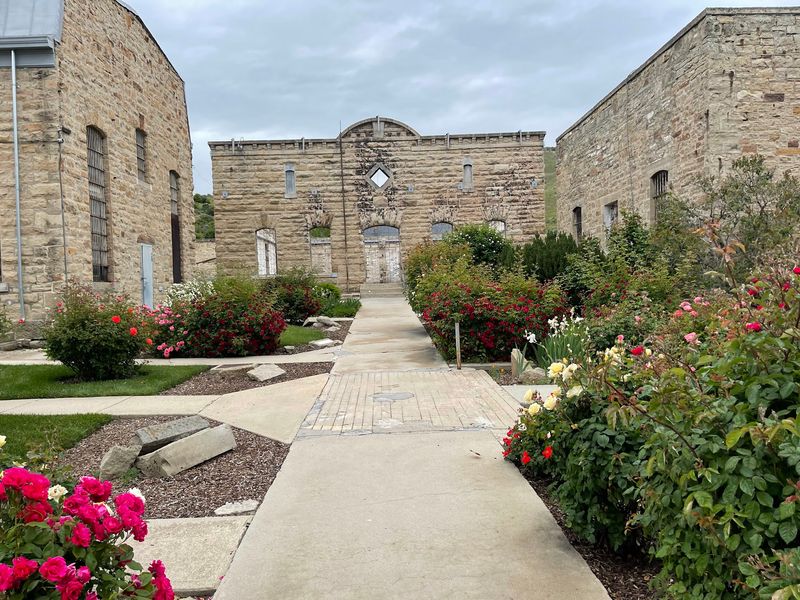
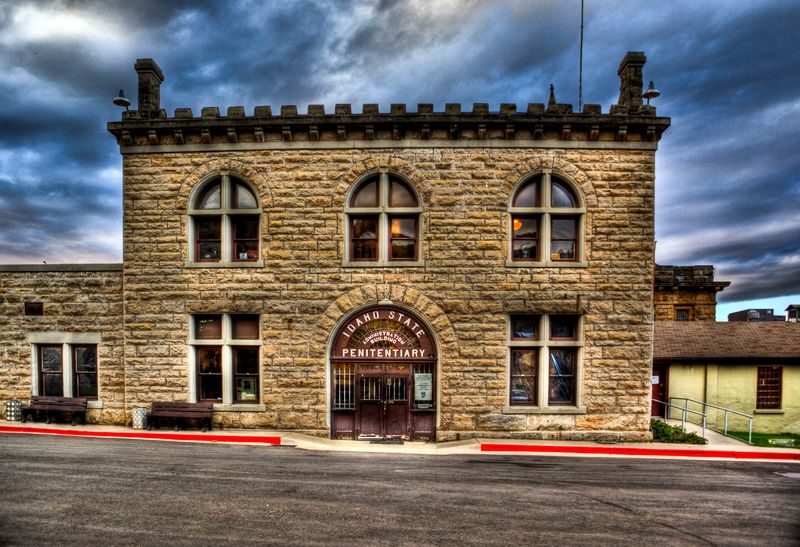
Just a short drive east of downtown Boise, the road bends toward the foothills and a wall of tan sandstone rises up beside it. That wall belongs to the Old Idaho Penitentiary, a former prison that now works as a museum run by the Idaho State Historical Society.
From the parking area, the site looks almost like a small castle. Rough stone blocks, narrow windows, and a heavy gate give it a look that stops people mid-step.
The foothills behind it add a backdrop of sagebrush and open sky, which makes the whole scene feel far away from city traffic.
The complex holds 30 historic buildings spread across the grounds. Visitors can wander through cell houses, peek into solitary rooms, and explore exhibits that explain how people lived here for more than a hundred years.
What makes it special is the mix of beauty and weight. One moment you notice how the stone glows in late light, and the next you are reading about the people who were locked behind it.
That pull between curiosity and reflection is exactly why so many folks across Idaho call it a must-see stop.
Territorial Roots From 1870
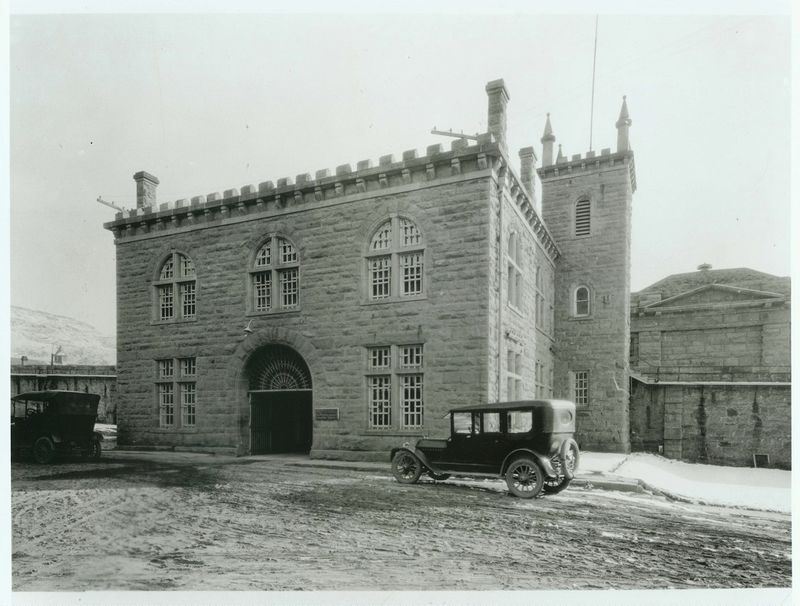
Construction began in 1870, long before Idaho was even a state. Two years later, in 1872, the doors opened and the building started life as the Idaho Territorial Prison.
Statehood arrived in 1890, and the prison kept growing alongside it. Over its 101 years of use, it held more than 13,000 inmates, including 216 women.
Those numbers sound big on paper, but they feel even bigger when you stand inside a cramped cell and picture years passing there.
Here is a fun fact worth sharing on the drive home: this is one of only four territorial prisons in the whole country that the public can still explore today. Most others were torn down or changed beyond recognition.
The address is 2445 Old Penitentiary Road in Boise, and it sits near the edge of the city where the valley floor meets the hills. Getting there is simple, and parking is right on site.
Knowing the timeline before you walk in helps everything click. The older buildings near the front tell the early story, while newer cell houses farther back show how ideas about prisons shifted with each decade.
Walls Quarried By Inmate Hands
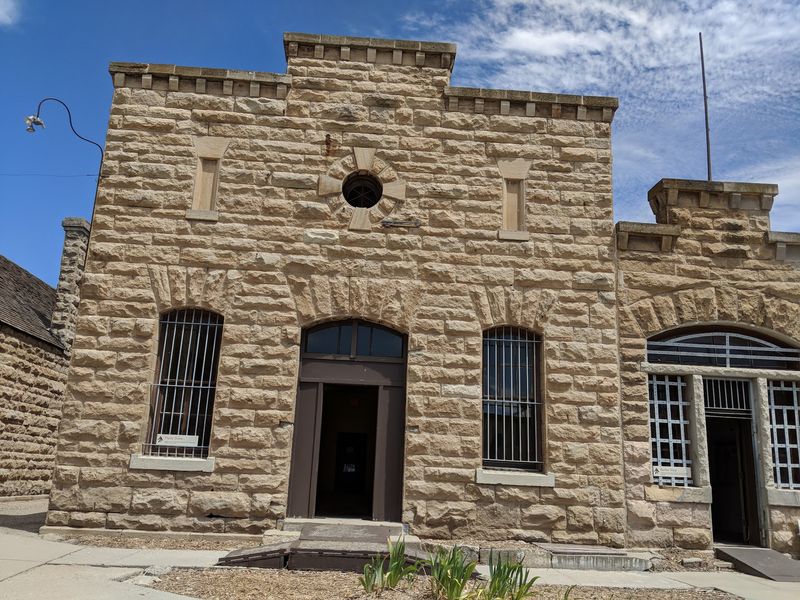
Run your eyes along the wall and you will spot tiny chisel marks in nearly every block. Each one was cut by inmates who quarried the sandstone from nearby ridges and hauled it back to build the very structure that held them.
That detail changes how the place feels. The walls are not just barriers, they are hard labor turned into architecture.
Some visitors find themselves stopping to touch the stone, trying to imagine the effort behind a single block.
The color shifts throughout the day. At noon it looks pale and dusty, but near sunset it turns honey gold, then soft pink, then gray as the light slips away.
Photographers love that slow change, and the old stone buildings make for great pictures from almost any angle.
Look closely at how the construction style changes from building to building. Earlier sections use rougher blocks, while later additions look more even and planned.
One visitor mentioned enjoying how the architecture showed changes in prison design over the years.
It is a quiet lesson in Idaho history written in rock, and you do not need a guide to read it.
Life Inside The Cell Blocks
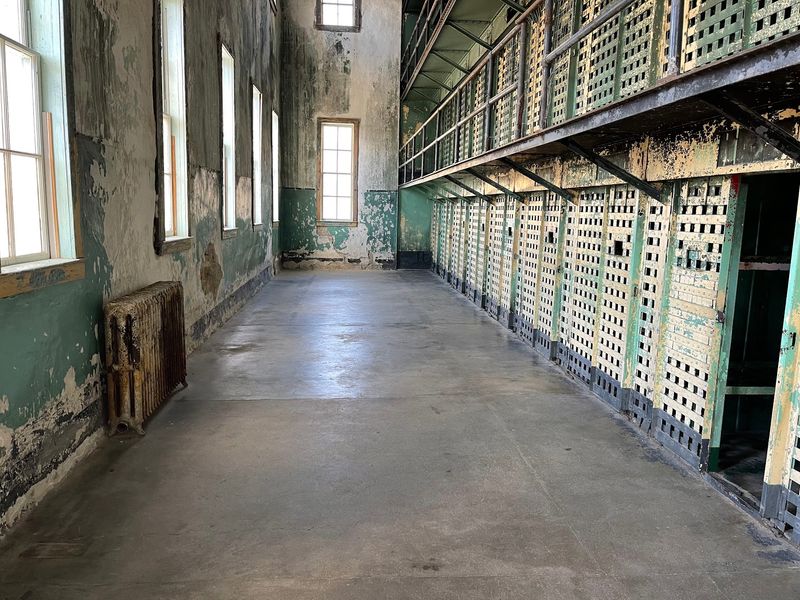
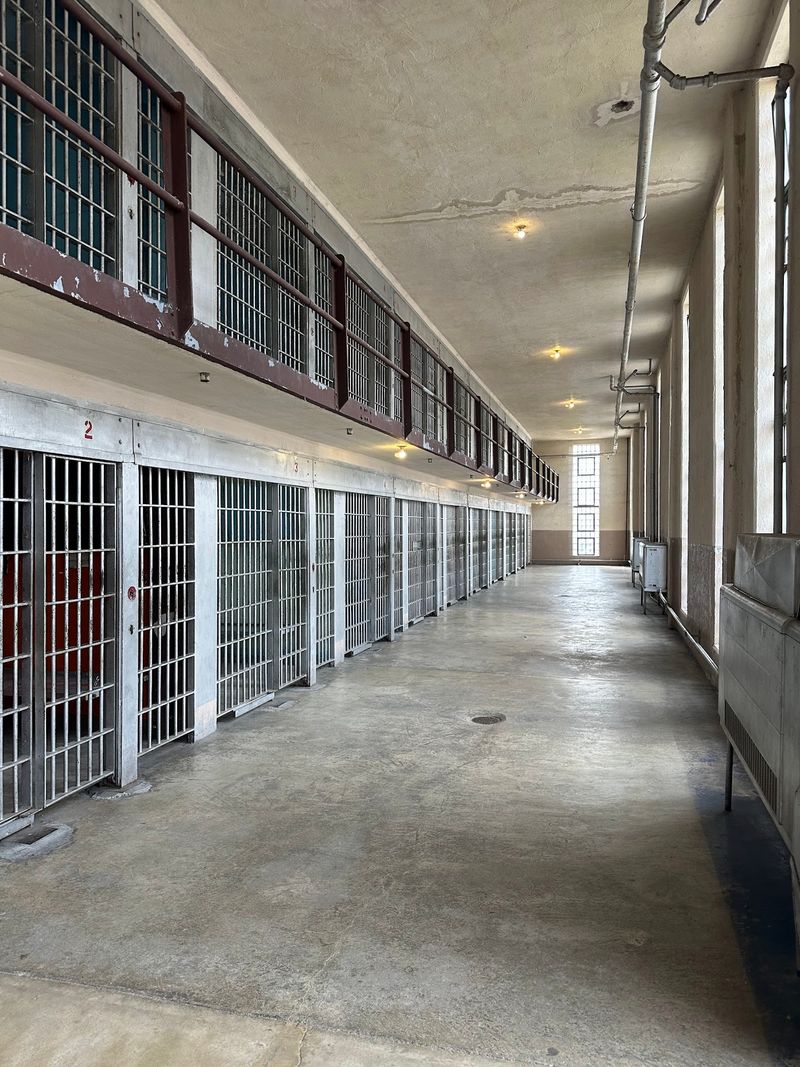
Step into one of the cell houses and the temperature seems to drop. Rows of iron bars line narrow halls, and the paint peels in long curls along the ceilings.
Cells here are small, often barely wider than a person with arms stretched out. Bunks, simple fixtures, and scratched walls hint at daily routines that went on for decades.
Signs placed throughout explain who lived in each building and what a normal day looked like.
Visitors often say they found themselves reading nearly every exhibit. The information is clear and well laid out, so kids and adults can follow along easily without feeling lost.
Echoes play a big part in the experience. A shoe scuffing the floor bounces down the hall, and a closing door can make you jump even when you know it is just another guest.
Some of the stories posted on the walls are heartbreaking, while others are odd enough to make you shake your head. Together they turn rows of empty cells into a picture of real people.
You will leave knowing far more about Idaho than you expected when you parked the car.
The Dungeon, Cooler, And Siberia
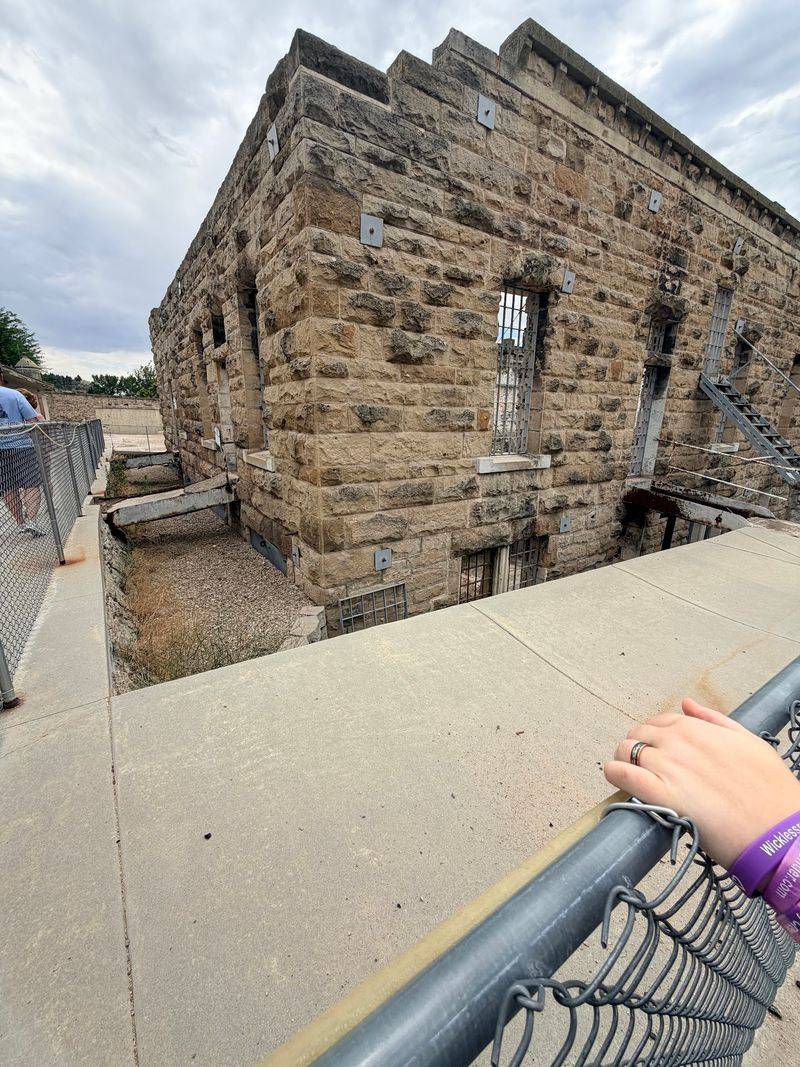
Nicknames tell you plenty about a room. The solitary confinement areas here earned three of them: The Dungeon, The Cooler, and Siberia.
Each space was built to isolate. Thick stone, heavy doors, and almost no light made them the harshest spots in the complex.
Standing at the doorway for even a minute gives a strong sense of how lonely time inside must have felt.
Many guests describe these rooms as the most sobering part of the visit. Siberia in particular has a chilly, closed-in quality that stays with people long after they step back into the sunshine.
Parents may want to read ahead before bringing younger children here. The museum itself posts a note that some content may not suit little ones, and families say the right choice depends on the child.
Still, these rooms matter. They show how prison discipline worked in an earlier era and why later reforms came along.
Seeing them in person makes history feel less like a textbook and more like something you can understand with your own senses. Take a slow breath, look around, and let the quiet do the explaining.
Where The Women’s Ward Stood Apart
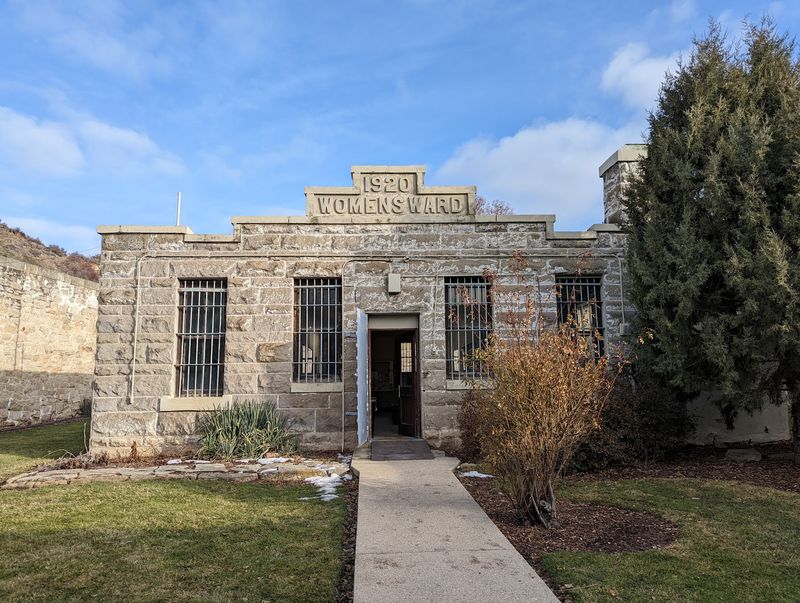
Plenty of returning visitors share one simple tip: do not skip the women’s ward. Several guests even call it their favorite part of the whole site.
Out of more than 13,000 people held here, only 216 were women. They lived in a separate building with its own walled yard, set apart from the main cell houses.
The smaller scale makes it feel different right away, almost like a little house tucked inside a fortress.
Exhibits inside share stories of the women who passed through. Some arrived for minor offenses, while others had far more complicated pasts.
Reading about them adds a side of Idaho history that rarely gets told.
The ward also shows how prison officials tried, and sometimes struggled, to handle a small group of women in a place designed mostly for men. Daily chores, routines, and living spaces all reflect those choices.
Give yourself extra time here. The building is compact, but the stories are rich, and the quiet yard makes a peaceful spot to pause between the heavier stops on your walk through the grounds.
Gallows And The Somber Rows
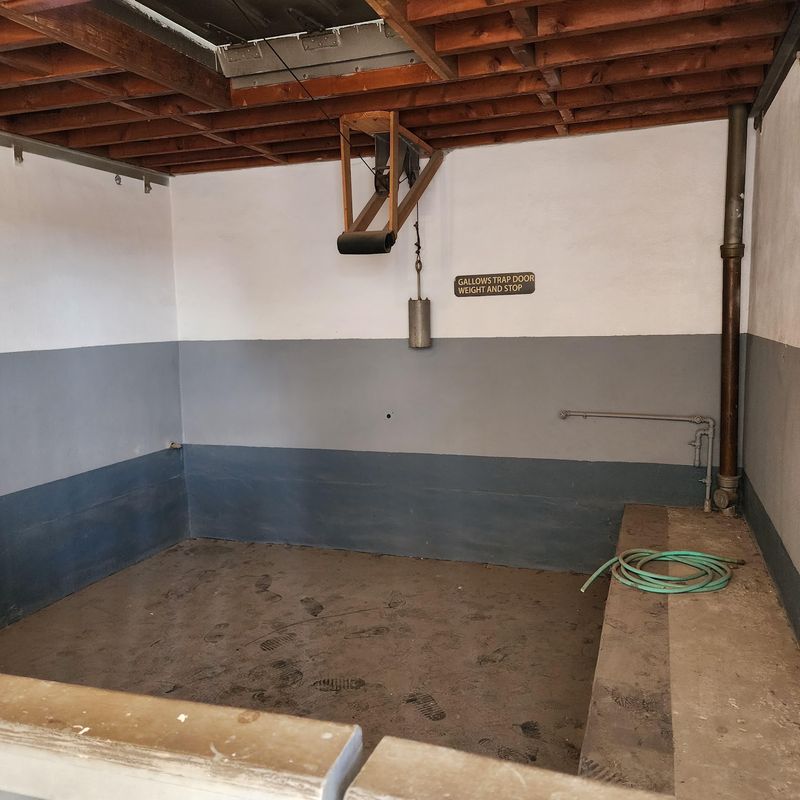
Silence tends to fall over tour groups as they reach the gallows. Even chatty kids seem to lower their voices without being asked.
The gallows room ranks among the most talked-about stops at the site, and it is handled with care. Signs explain its role in Idaho’s justice system plainly, without drama, letting visitors process the history at their own pace.
Nearby, the old maximum security rows add to the serious mood. One visitor described these areas as sobering and hard to see, which feels like an honest reaction.
They are not meant to be fun, they are meant to make you think.
This is a good moment to slow down. Read the panels, notice the small details in the stairwell and the walls, and consider how attitudes about punishment have shifted over the last century.
Families often use these stops to start real conversations. One parent shared that their 10-year-old walked out declaring she would never end up in jail, which might be the best lesson a museum could ask for.
History has a way of teaching gently when you give it space.
Roses Along The Dead Line
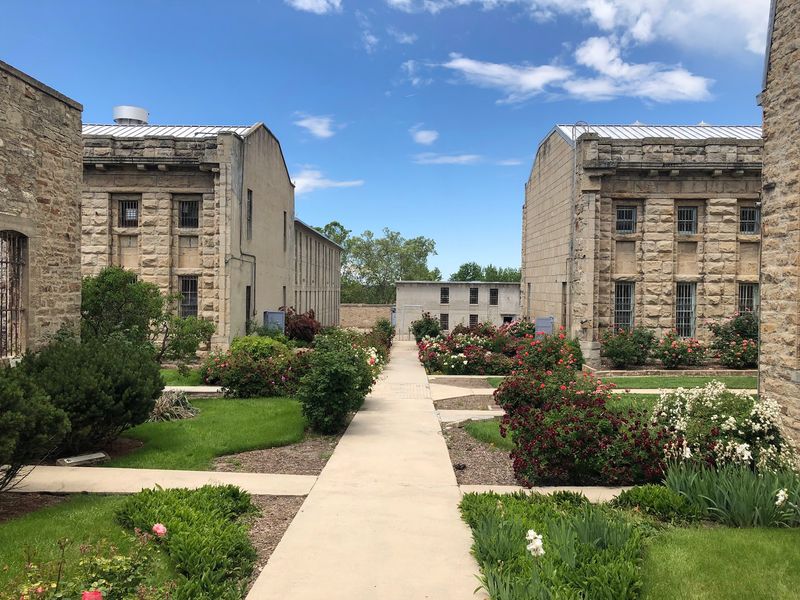
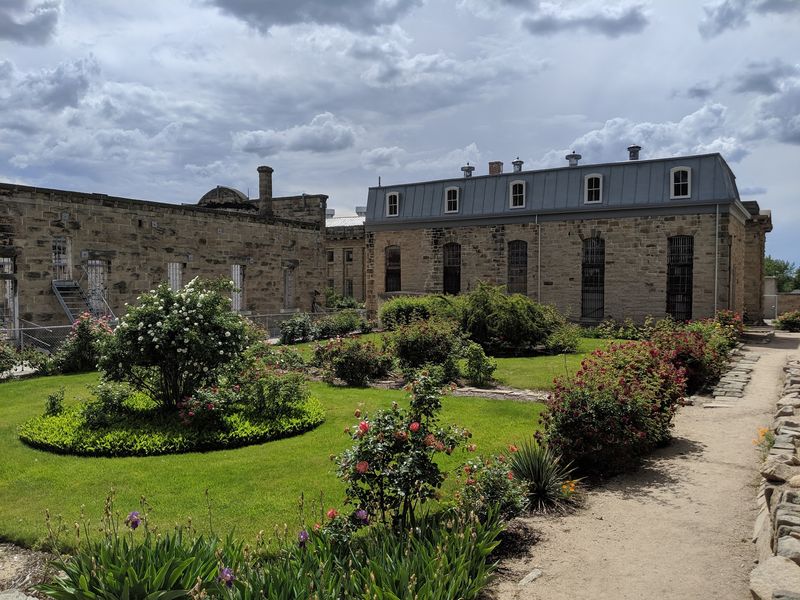
Roses might be the last thing you expect inside a prison yard. Yet here they are, blooming along wide sidewalks next to bright poppies and soft grass.
The flowers are a nod to the past. Inmates once grew roses on the grounds, and today’s plantings carry that tradition forward.
The contrast between petals and stone is one of the strangest, loveliest sights on the property.
Not far away runs a strip with a far less gentle history. Called the Dead Line, it was a ten-foot band of dirt between the inner walls and the yard.
Inmates were strictly forbidden to cross it, and guards kept close watch from above.
Standing between those two features tells a full story in just a few steps. One side speaks of control and rules, while the other shows small moments of care and growth.
In late spring and summer the yard looks its brightest. At dusk, the roses fade into shadow and the walls take over the view again, which may be the moment the whole place feels most unusual in a wonderful, thought-provoking way.
Riots That Forced A Closing
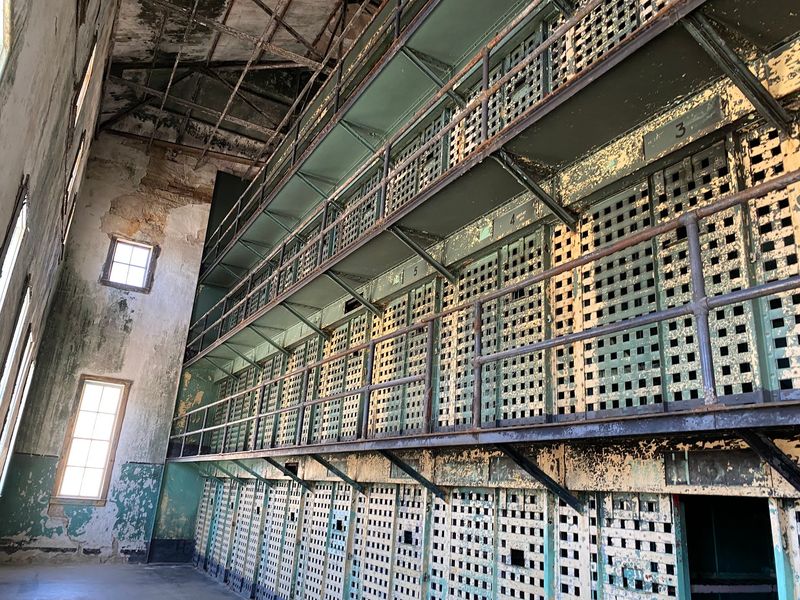
Old plumbing, poor heating, and too many people under one roof. By the middle of the 1900s, the penitentiary was showing its age in ways that inmates could no longer accept.
Unrest broke out in 1952, again in 1971, and once more in 1973. Each uprising grew from complaints about outdated living conditions.
Some buildings still show signs of that turmoil, and guides point them out along the route.
In 1973 the state finally closed the prison and moved inmates to a newer facility south of Boise. That same year, the site landed on the National Register of Historic Places, which helped protect it from being torn down.
The shift from working prison to public museum is a big part of what makes visiting feel meaningful. Instead of disappearing, the complex became a place where Idahoans can learn about a chapter many would rather forget.
Plenty of longtime residents admit they lived nearby for years without ever going inside. One visitor said family in town finally gave them the push, and they were pleasantly surprised.
Sometimes the most interesting stop is the one you drive past every week.
Guides Who Bring Stories Alive
Guided tours come up in conversation about this place more than almost anything else. Visitors rave about guides who share names, dates, and personal stories that bring empty cells to life.
A guided walk costs only a couple of dollars more than regular admission, and families say it is well worth it. Tours typically run around an hour and a half, and they can open up areas that self-guided guests may not reach.
Groups often include a wide range of ages, from grade schoolers to grandparents. Guides keep things moving, answer questions from curious kids, and mix in enough humor to keep the mood balanced without making light of serious history.
Many guests mention specific guides by name and plan return trips just to hear new stories. That kind of loyalty says a lot about the staff here.
Tours are offered on a set schedule, so it helps to arrive early and ask at the front desk about the next start time. If one is about to leave, hop on.
You will likely walk away knowing the buildings in a far more personal way than signs alone could offer.
Self-Paced Wandering With A Podcast
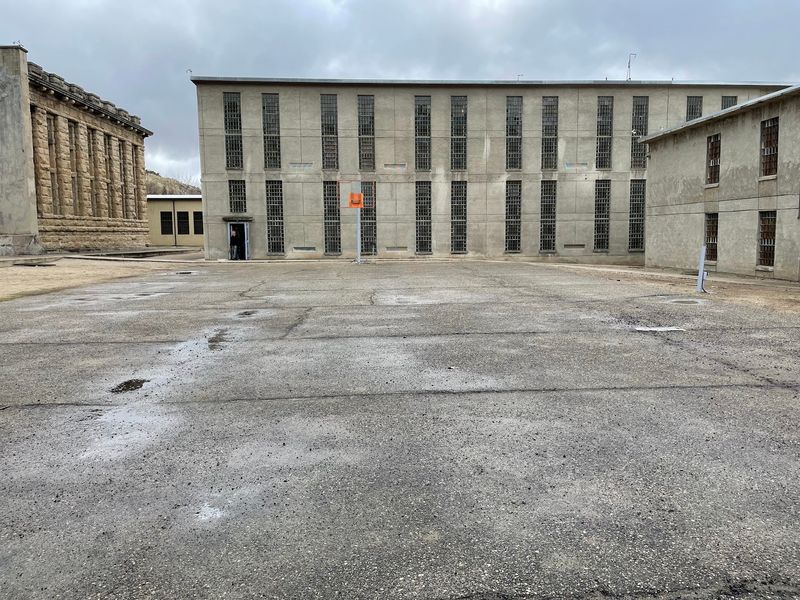
Earbuds in, phone in pocket, and the whole yard to yourself. For some visitors, that is the perfect way to explore.
Self-guided walks let you move at your own speed. One guest from out of state spent about two hours wandering alone, soaking in every detail.
Others follow along with a video tour online, or with the Behind Gray Walls podcast, which adds narration while you roam.
Going solo has perks. You can step into quiet rooms after a group leaves, linger at exhibits that grab your attention, and snap photos without a crowd in the frame.
Signs throughout the complex provide plenty of background, so you will not feel like you are missing the basics.
Self-guided access reaches nearly every building. One visitor noted it covers everything except the cemetery, which is reserved for other options.
Plan on one to two hours for a relaxed visit. Wear comfortable shoes, since there is a lot of walking on uneven paths and some stairs.
Some upper levels can only be reached by climbing, and visual aids are available for guests who prefer to stay on the ground floor.
Twilight Tours And Unexplained Whispers
Flashlights bobbing across a stone yard set the scene for the site’s evening events. During certain seasons, often summer and fall, the museum hosts Twilight Tours and Night Tours that stretch visits past sundown.
These later events may include self-guided wandering along with scheduled guided walks. Guests are encouraged to bring a flashlight and dress for the weather, since Boise evenings can cool off quickly once the sun disappears behind the hills.
Night programs are generally suggested for ages 13 and up.
Here is where the strange feeling really kicks in. Shadows stretch long across the cell houses, guard towers turn into dark outlines, and every creak sounds louder.
Some visitors say they noticed unusual sights or sounds, and the site has a reputation for odd happenings, though nothing has ever been proven.
Halloween season brings extra interest, and several guests mention wanting to return for those fall festivities.
Even skeptics tend to enjoy the experience. The point is less about spooks and more about seeing a familiar Idaho landmark in a completely new light.
Check the schedule ahead of time, since evening dates change from year to year.
Museum Extras And Dennis The Cat
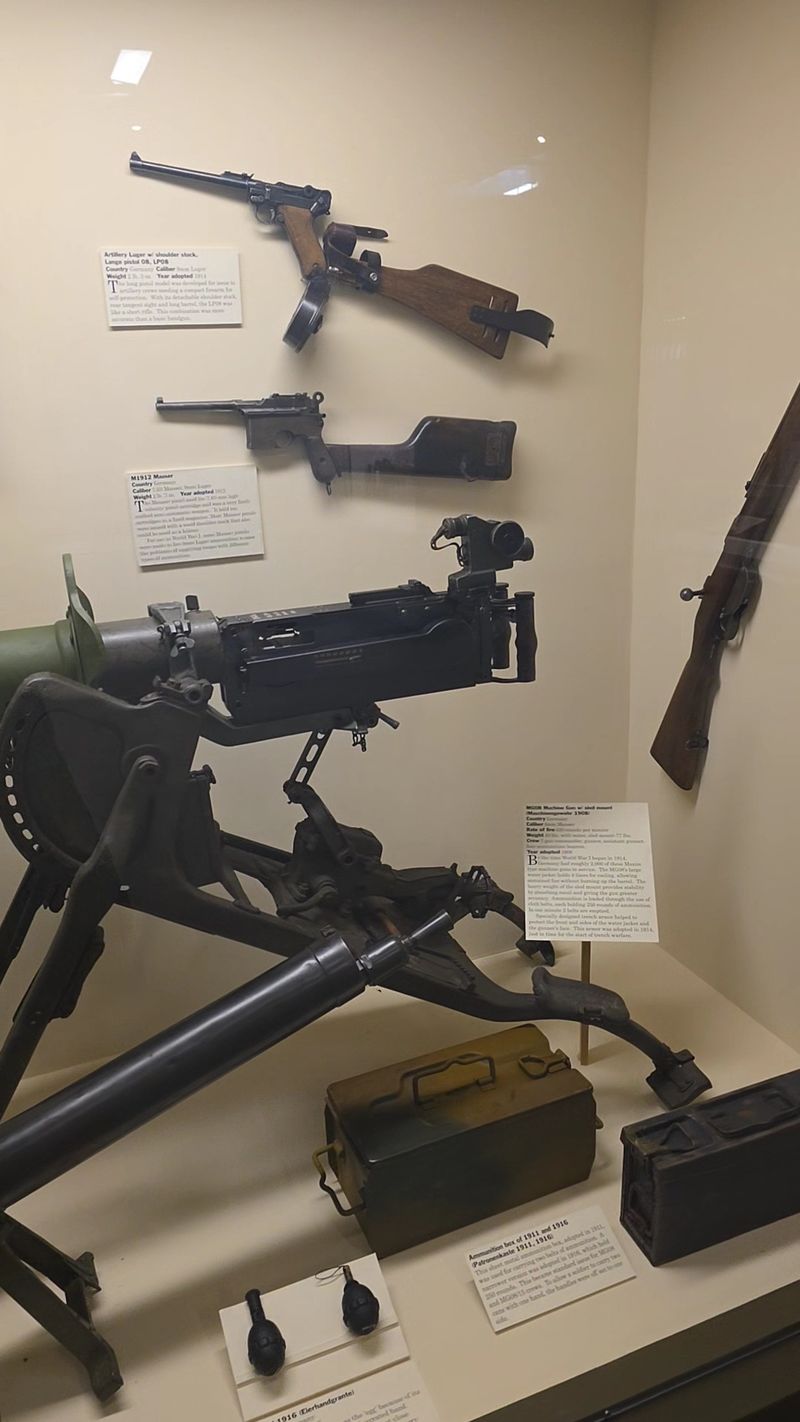
Toward the back of the grounds waits a surprise many guests did not expect. The J.
Curtis Earl Memorial Exhibit holds a large collection of historic arms and military memorabilia, spanning ancient artifacts to items from conflicts around the globe.
It is not tied directly to the prison’s story, but plenty of visitors find it surprisingly well done. History buffs can easily spend extra time studying how tools of war changed across centuries.
Then there is Dennis the Cat. This quirky mascot has a loyal fan base, and the museum holds a yearly design contest for Dennis the Cat t-shirts.
Some returning guests proudly collect a new shirt each time they visit.
Little touches like that give the site personality. Friendly staff at the front desk and gift area add warmth to a place that could otherwise feel heavy.
Nearby trails in the foothills make a nice add-on for anyone wanting fresh air afterward. The neighboring Idaho Botanical Garden also offers a combined ticket option, which turns one stop into a full, leisurely Boise afternoon with lots of walking.
Planning A Visit Worth The Drive
Afternoons are the main window here. The museum generally opens around midday and closes in the early evening, so it is smart to check the Idaho State Historical Society schedule before driving, especially if you are hoping for a guided tour or a seasonal night event.
Admission runs just a few dollars, and many guests call it a very fair price. Guided tours add only a small extra charge.
Look for the complex at 2445 Old Penitentiary Road, on the east side of Boise near the foothills. It makes an easy half-day outing for anyone in the Treasure Valley, and a worthwhile detour for travelers crossing southern Idaho.
Bring sturdy shoes, a camera, and maybe a light jacket if you are staying late. Families with younger kids should know the subject matter can be heavy, though many children handle it well with a parent nearby.
So is it worth it? For history fans, curious teens, and anyone who enjoys places with a story etched into every wall, the answer leans strongly toward yes.
Go once in daylight, then come back at dusk and see how different it feels.