This Old-School California Butcher Shop Has Kept Locals Coming Back For Fresh Meat Since 1969
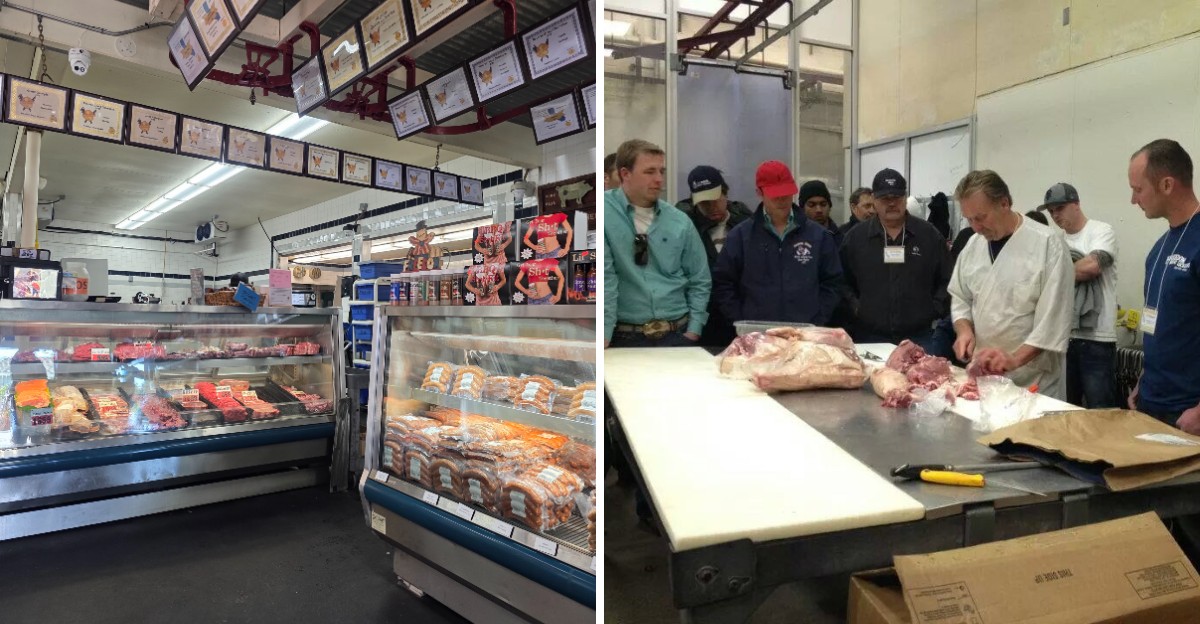
Some people buy their meat wherever they happen to be shopping. Others have a butcher they trust so much that going anywhere else barely crosses their minds.
One old-school shop has been earning that kind of loyalty since 1969, back when neighborhood meat counters were a regular part of grocery shopping.
More than five decades later, the appeal of choosing your cuts from a dedicated butcher has hardly disappeared.
Fresh meat, knowledgeable service, and the chance to get exactly what you need can make an ordinary shopping trip feel a little more personal.
California still has traditional butcher shops where generations of families have returned for their favorite cuts of meat.
There is something satisfying about buying from people who understand the products behind the counter.
You can discuss what you are planning to cook, explore different cuts, and make your dinner plans with a little more confidence.
And for longtime customers, familiarity is part of the experience.
The Family-Owned Butcher Shop’s History Since 1969
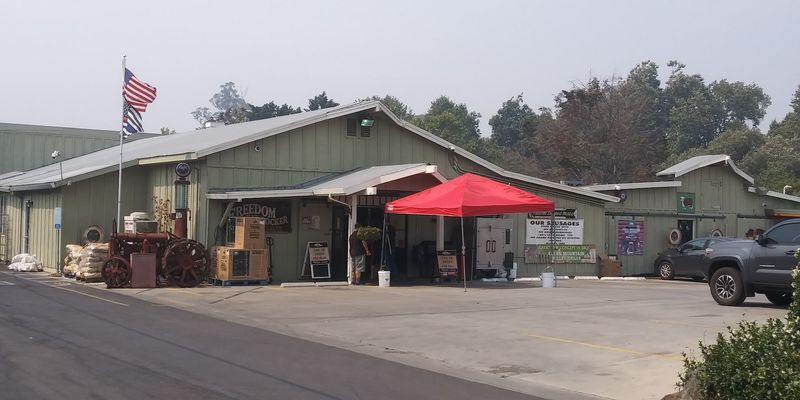
Long before the first steak ever crossed its counter, the barn-shaped building in this small farming community had a story of its own.
Freedom Meat Lockers sits inside a structure first built in 1948 by a family of old-school butchers from Denmark. That Danish craft set the tone for everything that came after.
A father and son came across the shop in 1968 and leased it the following year. That 1969 opening is the date locals still connect with the business today.
In 1976, the son and his wife bought the building outright, and the shop kept growing from there.
Three generations of the same family are now involved in daily operations. That kind of continuity is rare for any small business, and it shows in the steady way the shop runs.
Recipes, cutting methods, and customer habits have been passed down rather than reinvented every few years.
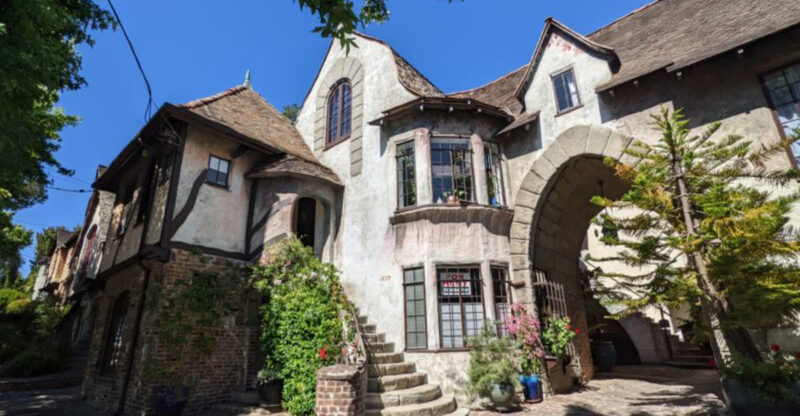
The building at 160 Hi Grade Ln, Freedom, California 95019 is part of the charm itself.
Its barn shape stands out along a quiet lane near Watsonville, and first-time drivers may want to watch closely so they do not pass it by.
Knowing the history adds a little meaning to a simple errand. Buying a pound of ground beef here connects shoppers to more than seven decades of meat cutting in one spot.
Why Generations Of Local Customers Keep Coming Back
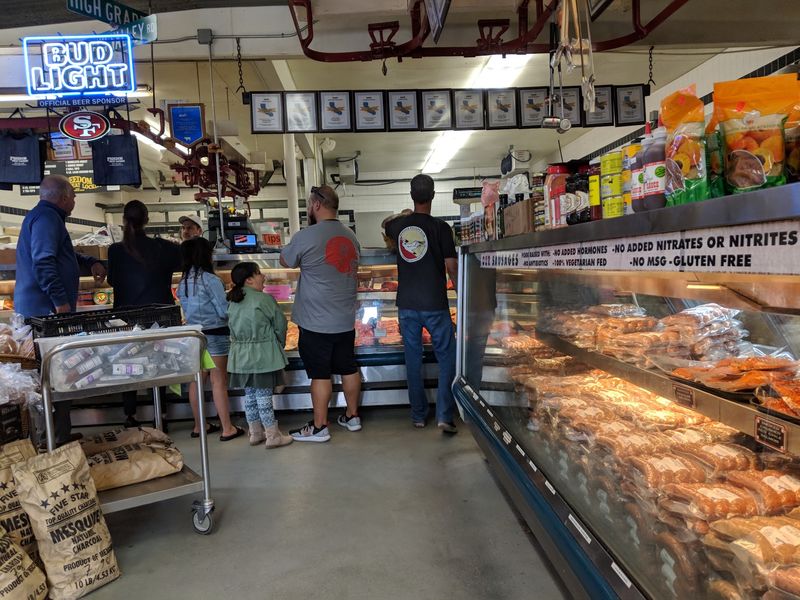
Some families measure time by birthdays, and others measure it by holiday roasts picked up from the same counter year after year.
Loyal shoppers often describe the shop as a place where quality stays steady even as everything else changes. That reliability is a big reason people keep returning.
The approach blends traditional butchery with modern tools and equipment. Old skills guide the cutting, while newer technology helps keep products consistent from one visit to the next.
Awards also play a part in the shop’s reputation. Its products have earned recognition at both the state and national level over the years.
Ribbons alone do not bring people back, but they do show that the work holds up under expert judging.
The mood inside stays friendly and community focused. Regulars may chat with staff about weekend cookouts, and newcomers can expect the same easy welcome.
Habits form around places that make life simpler. A quick stop for marinated chicken on a Friday can turn into a family routine that lasts decades.
For anyone new to the area, joining that cycle is easy. One good meal is often enough to start the habit.
Fresh Meat Cut To Customers’ Specifications
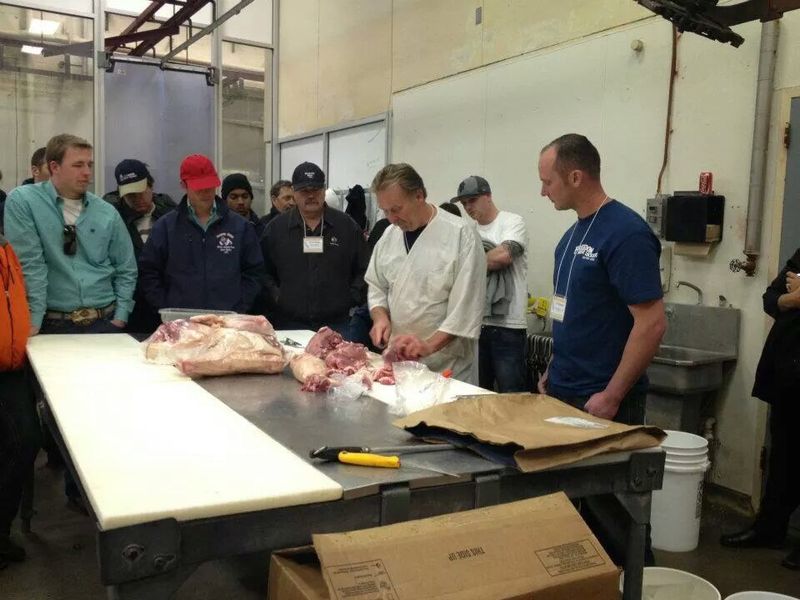
Need a pork chop exactly one and a half inches thick for the grill? Requests like that are routine at the counter.
The butchers take pride in cutting meat to match what each customer actually plans to cook.
Custom cutting and wrapping cover a wide range of animals. Domestic options include beef, hog, lamb, and goat.
Wild game such as elk, deer, moose, wild boar, and other exotic game can also be handled.
For whole animal orders, the process follows clear steps. After an animal arrives, staff contact the owner for cutting instructions.
Beef may be aged when needed, and then everything is cut, wrapped, and frozen.
Staff members guide customers through each stage, which helps a lot for first-timers.
Someone who has never ordered half a hog may not know how many roasts, chops, or pounds of sausage to request. Asking questions early can prevent surprises when the freezer bundles come home.
Everyday shoppers benefit too, not just people bringing in animals. A steak can be trimmed a little leaner, and a roast can be sized for a smaller table.
Clear communication works best, so sharing the cooking method and the number of guests is a smart move.
Fresh cuts here do not contain the curing ingredients used in smoked items. Shoppers who prefer simple, unseasoned meat can stick with the fresh case.
The Old-School Butcher Service That Sets It Apart
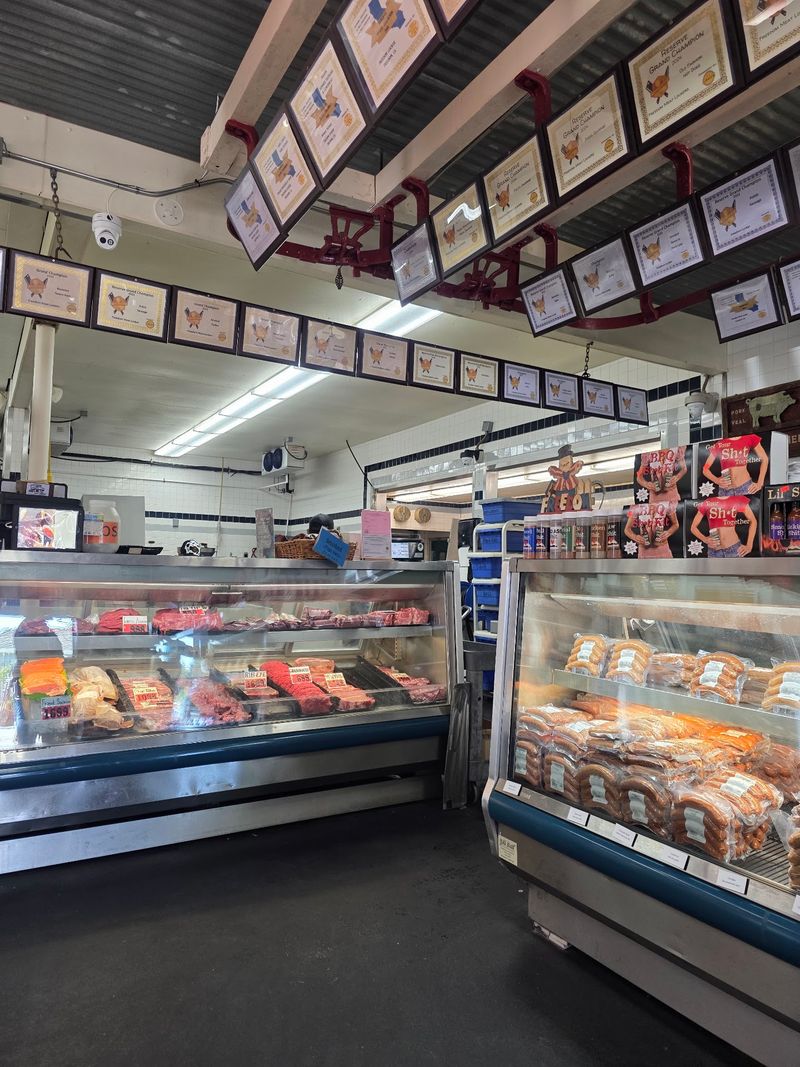
Forget shrink-wrapped trays under buzzing grocery lights. The counter here runs on conversation, real knives, and people who know their trade.
Time-honored methods still guide the work, while modern tools help the team stay efficient.
The result feels like a classic neighborhood butcher that has quietly kept up with the times. Nothing about the service feels rushed or robotic.
The smell often greets shoppers first. Aromas of smoking and roasting meat may drift through the air, giving the space a warm and lived-in feel.
On a cool coastal morning, that scent alone can make a stop feel cozy.
Personal guidance sits at the center of the experience. Butchers help match cuts to cooking needs, from quick weeknight steaks to slow-cooked roasts.
The space buzzes during busy hours, with orders called out and freezer doors opening and closing.
Lines may form, especially around lunch when the deli side gets crowded. Patience pays off, since the meat counter staff are ready to help even when the sandwich line looks long.
The Selection Of Beef Cuts Available At The Counter
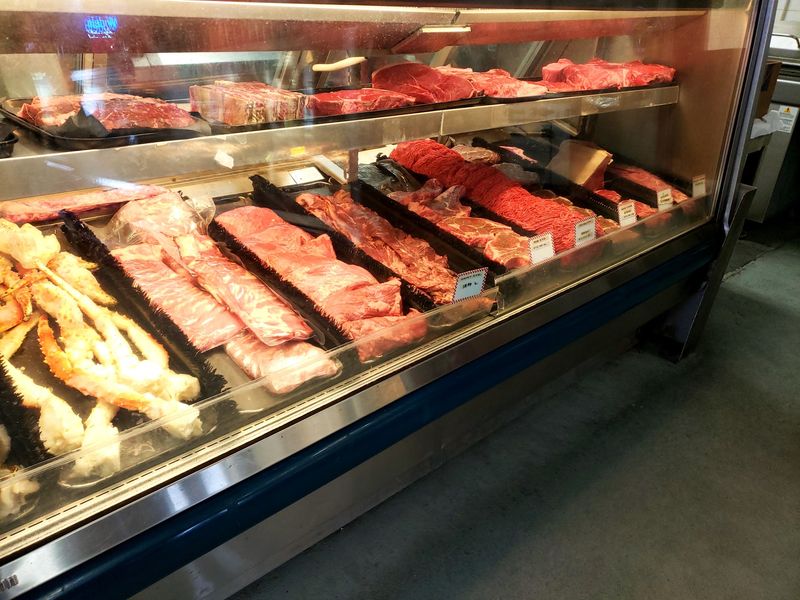
Steak lovers tend to slow down when they reach the beef case. The selection covers fancy dinner cuts along with budget-friendly choices for busy weeknights.
Premium steaks include Filet Mignon, New York, Ribeye, T-bone, and Tomahawk.
Filet is known for being tender and mild, while Ribeye has more marbling and a richer taste. The Tomahawk, with its long bone, makes a dramatic centerpiece for a special meal.
Slow cooking fans have plenty to work with as well. Beef short ribs, chuck roast, and brisket all reward low heat and patience. Carne asada is also available for quick grilling and taco nights.
House-made ground beef rounds out the lineup. It works in burgers, meatballs, chili, and pasta sauce, so it may be the most flexible item in the case.
Choosing between cuts gets easier with a few simple questions. Will the meat go on a hot grill, into a pan, or into a slow cooker? How many people need to eat, and how much time is there to cook?
Prices at this California place may vary with the cut and the season, and availability can change from day to day. Calling ahead for large orders or specialty steaks is a good idea.
Smoked Meats That Give Customers More Than Just Fresh Cuts
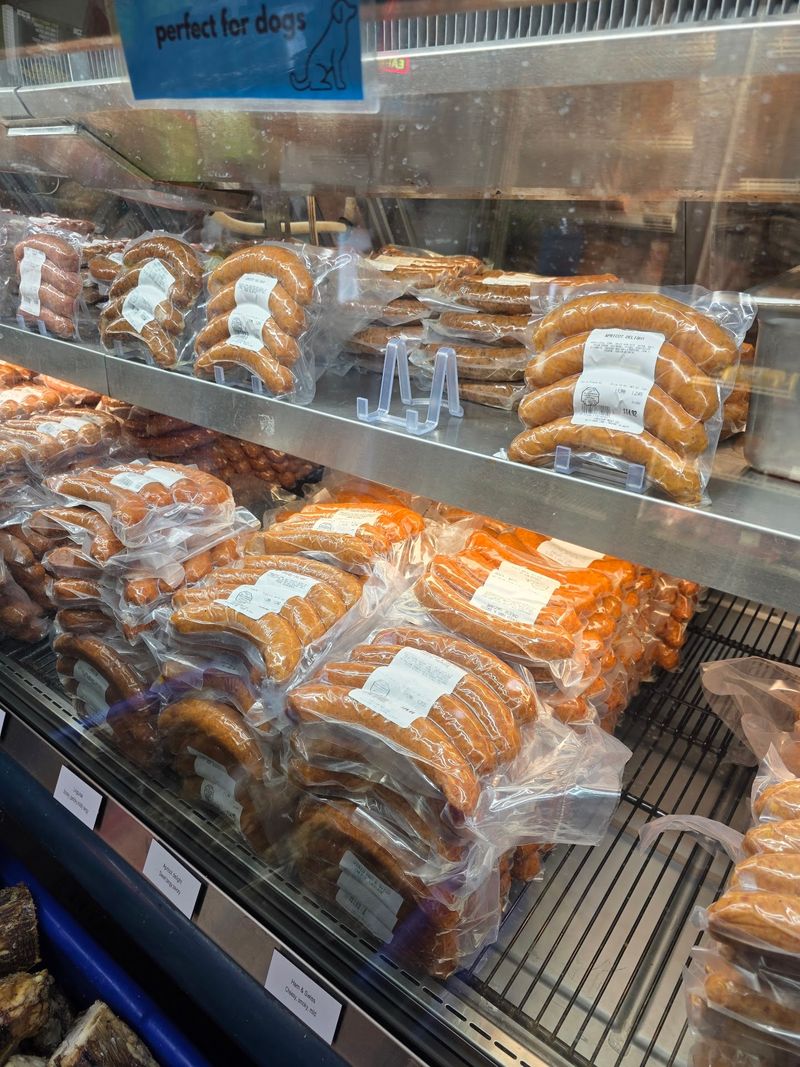
Did you know the ham from this shop was once named the best ham in the United States?
That honor gives a hint of how seriously the smokehouse side of the business is taken. Many of the house-smoked products have won awards over the years.
Sausages are the real headline, with more than 30 house-made varieties.
Flavors range from Bavarian cheese and jalapeño cheddar to Portuguese linguisa, Croatian kobasica, and Hot Cajun.
Fruity choices like Mucho Mango and Apricot Delight sit next to classics such as Polish and Hot Italian.
Some combinations sound playful at first. A BBQ bacon cheeseburger sausage blends pork and beef, while a garlic artichoke link brings a garden twist.
Bacon, ham, smoked pork chops, and baby back ribs round out the smoked lineup. Smoked chops make a fast dinner since much of the flavor is already built in. Heating gently helps keep them juicy.
Smoked and specialty items do contain curing ingredients and seasonings common in traditional meat processing.
Fresh cuts do not include those ingredients. Shoppers watching certain additives can ask staff which products fit their needs.
A mixed pack of sausages makes an easy way to sample several flavors at once. Grilling them low and slow keeps casings from splitting.
Custom Meat Processing And Specialty Orders
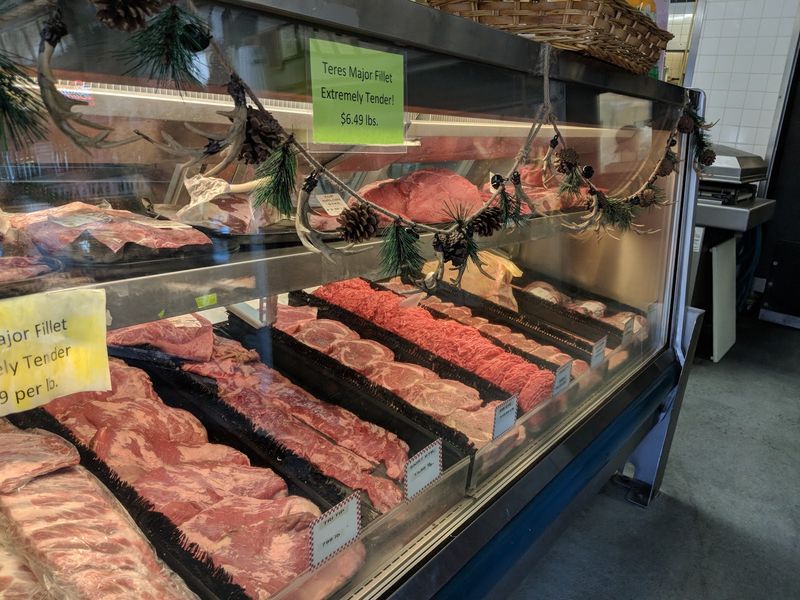
Hunting season brings a special kind of rush to the shop.
Wild game drop-offs can be handled at any time, even outside regular business hours. An on-call staff member is available to help with those after-hours arrivals.
Customers come from a wide area for this service. The shop processes animals from as far south as Santa Barbara and as far north as San Mateo.
Both domestic animals and wild game are accepted. Ranch families may bring in beef, hogs, lamb, or goats raised at home. Hunters may arrive with deer, elk, wild boar, or other game.
Instructions shape the final result. Customers decide how meat should be cut, wrapped, and processed, from steak thickness to how much goes into ground meat or sausage.
Planning freezer space is another smart step. Half a hog or a whole deer produces a surprising number of packages. Measuring the freezer ahead of time prevents a scramble.
Specialty orders are not limited to big animals. Holiday roasts, larger party orders, and seasonal items like prime rib may be requested ahead of busy dates.
Processing times and fees can vary by animal and request. Asking for details at drop-off helps set clear expectations for everyone.
What First-Time Visitors Should Know Before Shopping
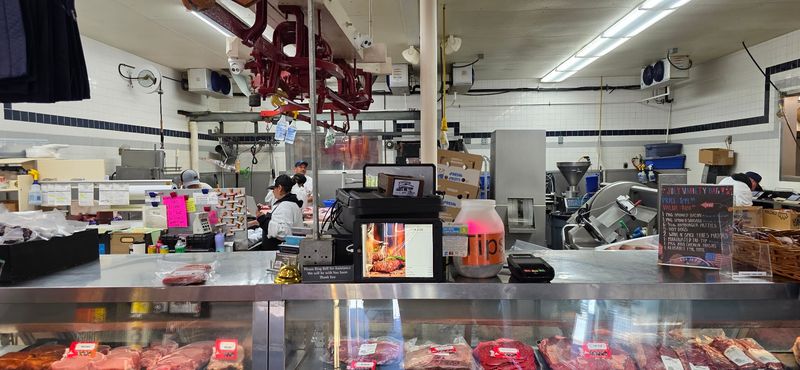
A little planning goes a long way before a first visit.
Butcher shop hours generally run from 9 a.m. to 6 p.m., Tuesday through Saturday. This California shop is closed on Sundays and Mondays, so weekend shoppers should plan for Saturday.
The attached deli has kept shorter hours, around 10 a.m. to 4 p.m. on the same days. Hours can change, so checking the official website or calling ahead is wise.
Parking is free, though spaces may fill up during busy times. The lot can feel tight around lunch when the deli draws a crowd. Arriving in the morning may mean an easier stop.
Lines are part of the experience on busy days. The longest line is usually for the deli, while the meat counter keeps moving.
If a number system is in use, take a ticket and wait to be called.
Not sure what a cut is called? Pointing at it works perfectly well. Mention how many people need to be fed, and ask for any special thickness.
Bring a cooler or insulated bag, especially when the drive home is long. Phone wallet payments have been accepted at the register, which helps anyone who forgets a card.
The building is easy to miss along the quiet lane. Using a map app helps first-timers find it without circling back.