This Old-School Connecticut Fabric Shop Has Kept Crafters Coming Back For More Than 50 Years
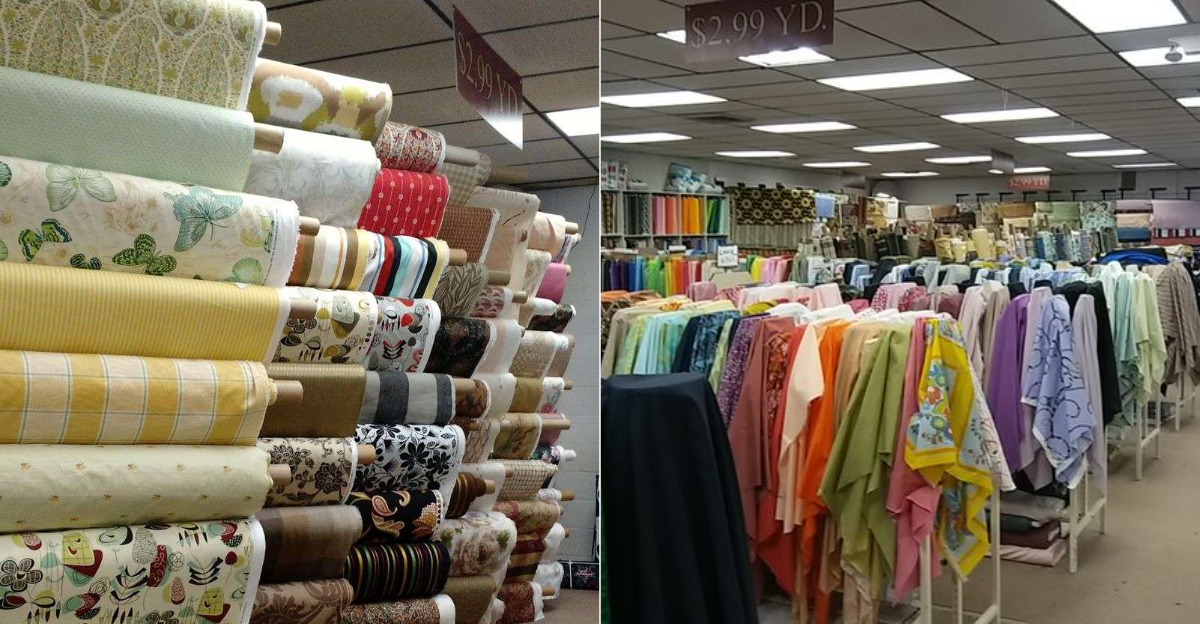
Fabric shopping feels different when the store has been part of people’s creative routines for more than half a century.
In Connecticut, this old-school shop has kept generations of crafters coming back for the simple pleasure of finding exactly the right material.
The selection is broad enough to make browsing dangerous in the best way. Quilting cottons share space with fashion fabrics, and there is always the possibility that a project you had not planned suddenly becomes necessary.
That is part of the charm.
The business traces its fabric story to the 1970s, and the family behind it still leans into the hands-on experience of touching and comparing materials before buying.
For longtime sewists, that familiarity matters.
For newer crafters, the place can feel like discovering a much bigger world than the neat little bolts found in ordinary chain stores.
Half the fun is arriving with one idea and leaving with three more.
1. Fifty Years Of Fabric Hunting Still Draws Crafters In
Some shops are quick errands. This one can swallow an afternoon.
The family story behind Americana Fabrics reaches back to the mid-1970s, when David Taylor opened his first fabric store after working as a buyer for Ames Department Stores.
His ability to purchase large quantities at low cost helped shape a business that has lasted for more than fifty years.
That bargain-hunting approach still matters, but selection is just as important. Quilters can spend ages comparing cotton prints, while clothing makers have rows of fashion fabric to explore.
Upholstery projects are covered too, and specialty materials give costume makers plenty to work with.
The Rocky Hill shop has become more than a local stop. The company says customers travel from across the country, with some even planning New England trips around a visit.
For fabric lovers in Connecticut, that kind of devotion says plenty about how enjoyable browsing can become when the shelves keep surprising you.
The Americana name arrived through a 2023 rebrand, but the family fabric business behind it is much older. Prices remain a major part of the appeal, especially for shoppers who like leaving with more yardage than expected.
It is the kind of store where one project idea can quietly turn into five before checkout.
2. The Busy Commercial Setting Hides An Old-School Fabric Haven
The highway gives nothing away. Then fabric takes over.
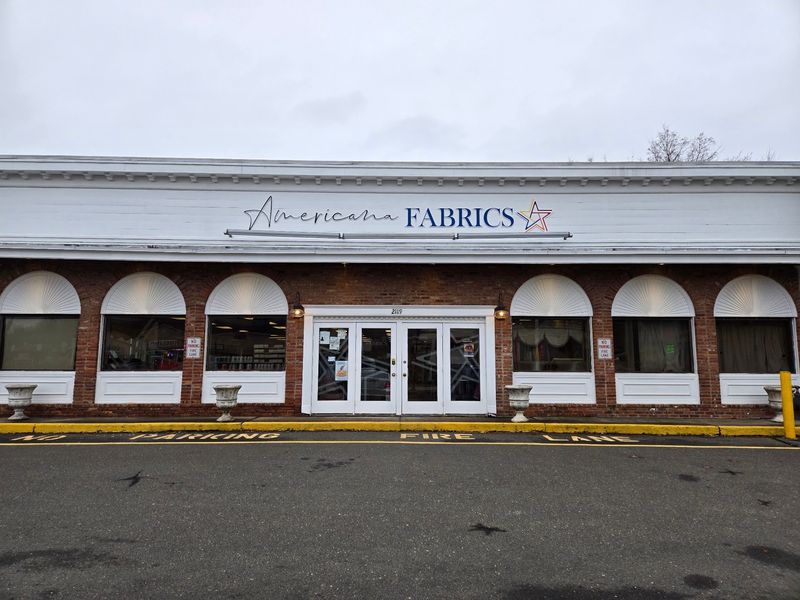
From the road, the Silas Deane Highway looks like another suburban stretch with plazas and parking lots. Inside, though, the mood changes fast.
Bolts of fabric fill the space, turning a routine shopping trip into the kind of browse that can easily run longer than planned.
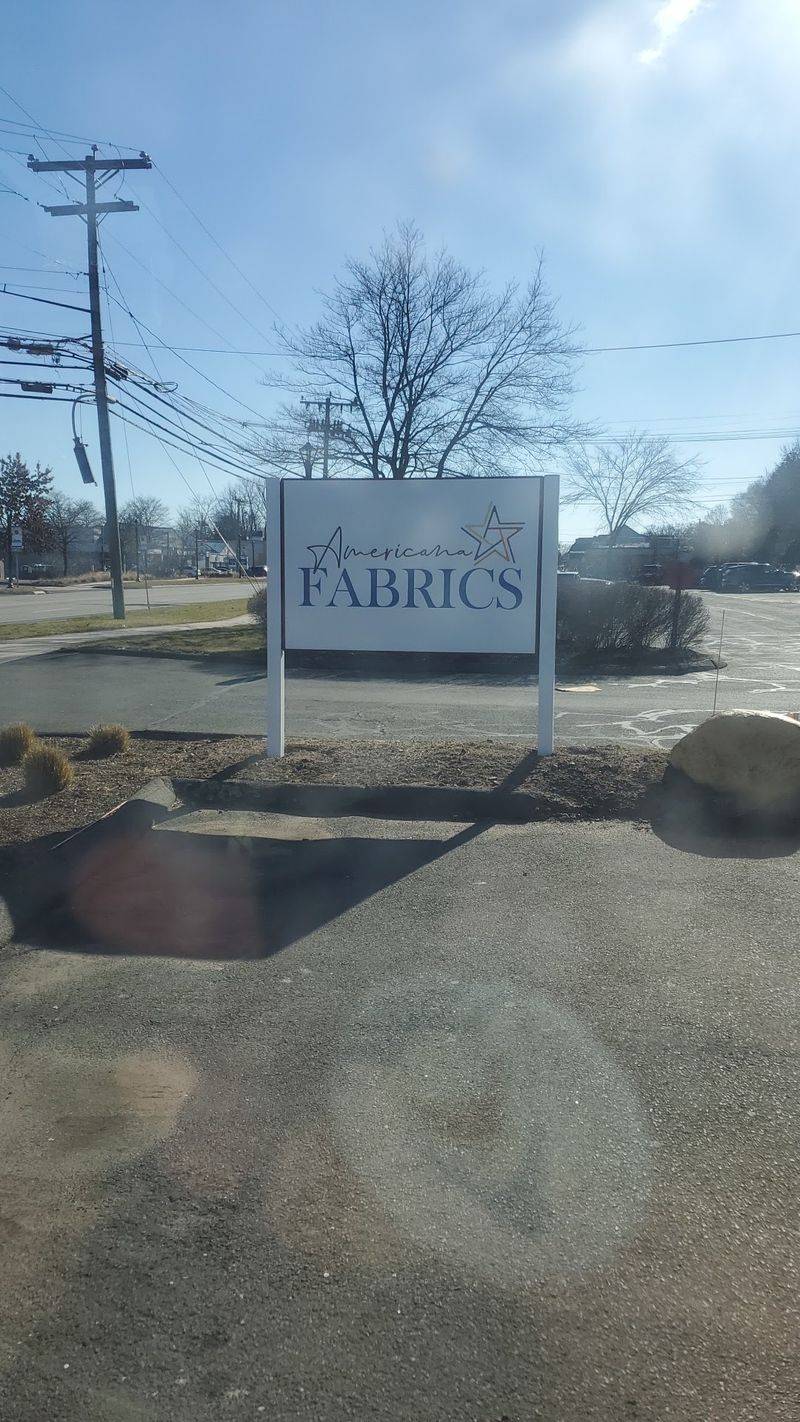
Longtime customers may remember the business as Affordable Fabrics. The family operation dates back to the 1970s, while the Americana Fabrics name arrived in 2023 after the company expanded into the former Americana Furniture building in Waterford.
The familiar name from that property became part of a broader rebrand.
Rocky Hill remains one of the company’s established locations, and the selection reaches far beyond basic quilting cotton. Fashion fabrics attract attention, while home décor materials give larger projects room to grow.
Prices remain part of the appeal, especially for shoppers who enjoy digging through deep inventory instead of ordering sight unseen.
The store continues to operate at 2119 Silas Deane Highway in Rocky Hill. Parking makes it easy to load up when one project unexpectedly becomes several.
That may be the real danger here: leaving with exactly what you planned is harder than it sounds.
3. One Family Has Shaped The Business For Generations
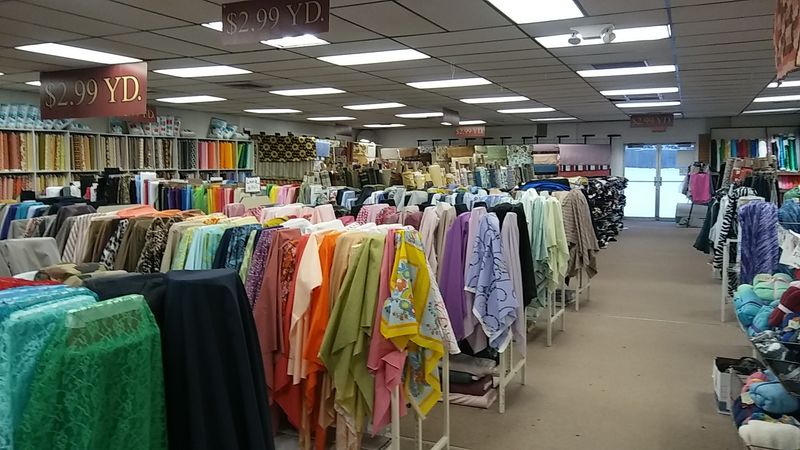
Family businesses tend to carry a particular texture, and this one wears its history comfortably. The store grew out of the 1970s, started by someone who had worked as a buyer for Ames Department Stores and understood the mechanics of sourcing goods at scale.
That retail background turned out to be the foundation of everything that followed. Knowing where fabric comes from, how it moves, and when to act on an opportunity is a skill set that does not appear overnight.
Since then the family has stayed involved across generations, which is part of why the shop still feels personal rather than corporate. Decisions about what to stock come from people who know their customers by sight.
You notice it in small ways. Staff members are frequently praised for being knowledgeable and willing to help, and questions about fabric weight, stretch, or suitability for a project usually get a real answer.
New sewers benefit most from that. Walking into a wall of options can feel overwhelming, and having someone point you toward the right cotton or the right lining shortens the learning curve considerably.
Continuity like this is increasingly rare in retail, and it shows in the store’s steady character.
4. Huge Fabric Buys Helped Build The Store’s Reputation
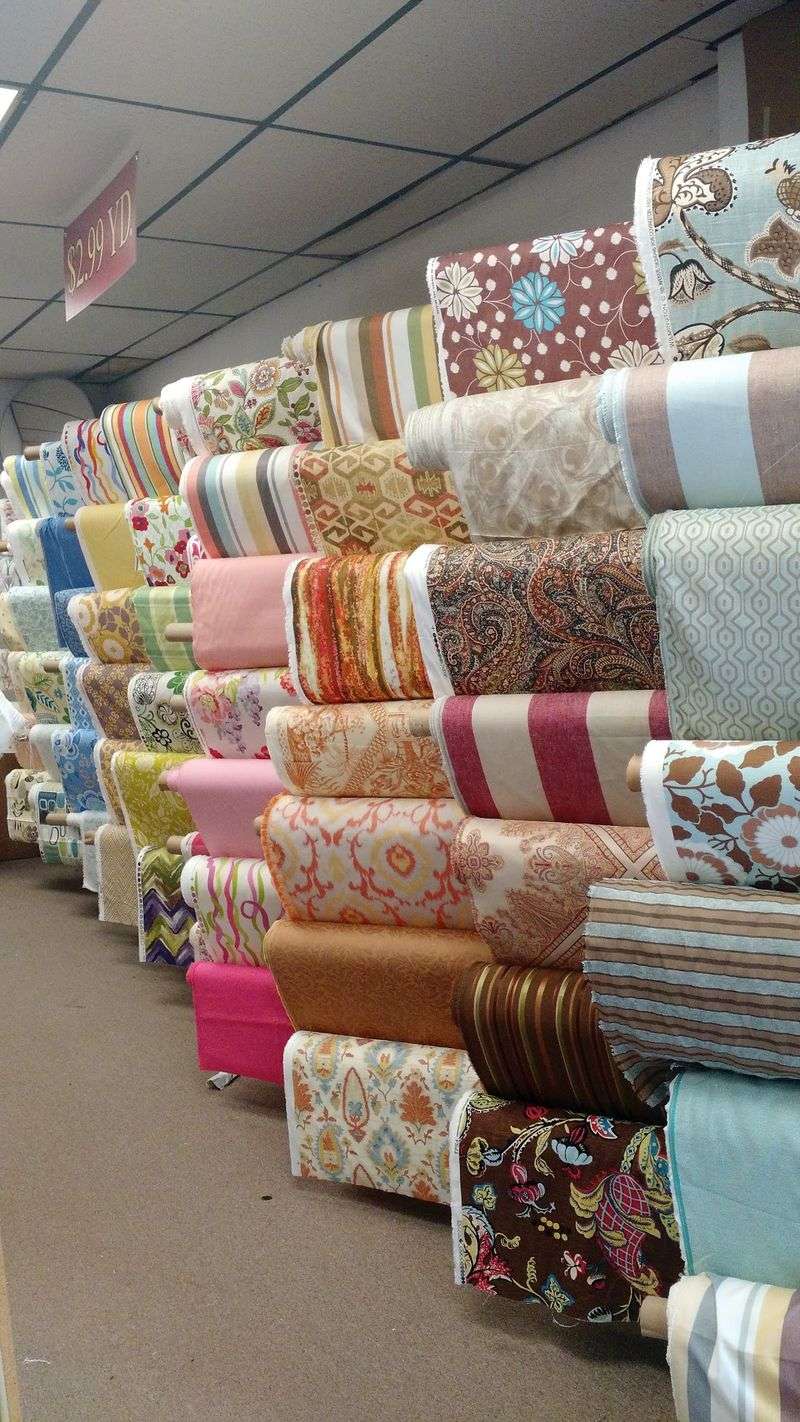
Here is the engine behind those low price tags: buying big. The store’s founder built a reputation for securing enormous quantities of fabric at costs that allowed the shop to pass savings along, and that approach became the backbone of the business.
One purchase illustrates the scale better than any description could. When a major online retailer exited the fabric business, the store bought roughly half a million yards of material.
Half a million yards is difficult to picture until you stand in the aisles and realize the shelves are genuinely packed, not styled for display. Volume buying is why quilting cotton here often costs a fraction of what specialty shops charge.
The strategy has a side effect that regular customers have learned to respect. Stock arrives in large lots, sells through, and does not necessarily come back, so the advice passed around among shoppers is simple: if you love it, buy it now.
That creates a mild sense of urgency that longtime visitors find part of the fun rather than a frustration.
It also means two trips a few months apart can feel like visits to two different stores, with entirely new colors and textures filling the same shelves.
5. Quilting Fabrics Fill An Especially Large Selection
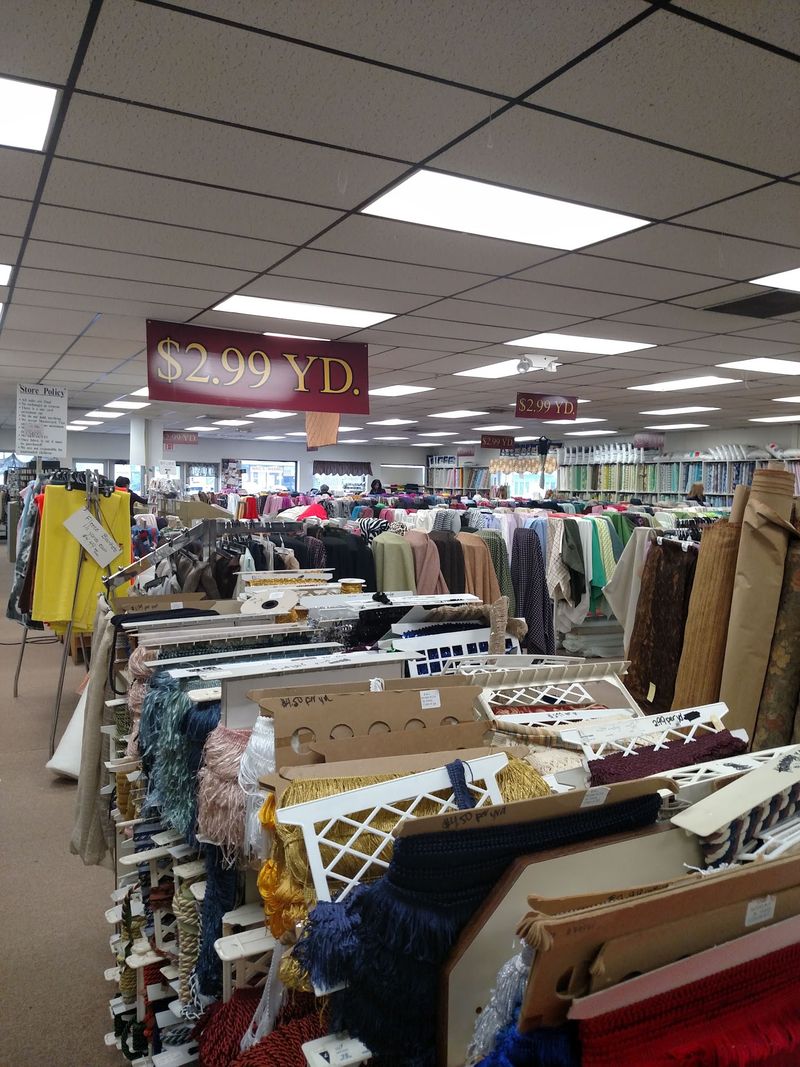
Quilters know when a store deserves extra browsing time. This one can turn a quick fabric stop into an afternoon.
Americana Fabrics describes its quilting selection as the largest and most diverse in New England, and the shelves make that claim easy to understand. Cotton prints run deep, giving shoppers room to compare shades in person instead of guessing from a screen.
That matters when one slightly different tone can change how an entire quilt comes together.
The online shop currently shows more than 400 quilting cotton products, but the physical stores carry a broader selection than the website alone suggests. That depth makes it easier to build a coordinated project in one visit rather than piecing together orders from several sources.
Price is another reason people linger. Many quilting cottons are listed at $4.99 per yard, keeping bigger projects from becoming intimidating before the first cut is made.
Seeing fabric under real store lighting adds another advantage. Color can shift online, and Americana itself notes that screens do not always show shades accurately.
Bring your pattern or a swatch if you have one, then give yourself time to compare. The hardest part may be leaving with only the fabric you planned to buy.
6. Buttons And Trims Add To The Treasure Hunt
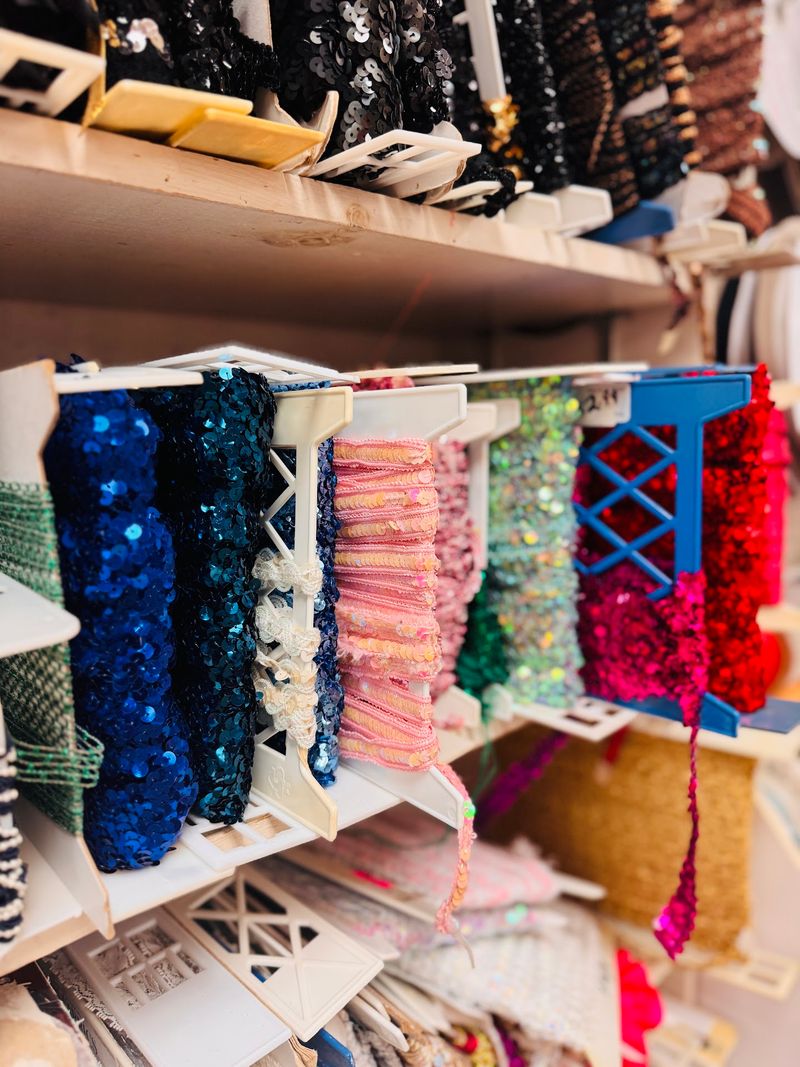
Anyone who sews knows the small stuff can make or break a project. A dress can be beautifully constructed and still feel unfinished without the right buttons, and that is where the notions section earns its keep.
Distinctive buttons and stylish trims fill part of the store, offering the sort of details that turn a homemade garment into something that looks intentional. Browsing them is a small pleasure in itself.
Beyond decoration, the practical essentials are covered too. Threads, zippers, scissors, rotary cutters, bobbins, straight pins, tape measures, and seam rippers are all part of the inventory.
That matters for anyone building a sewing kit from scratch. Rather than piecing together supplies from multiple sources, you can gather cutting tools, marking tools, and closures in one visit alongside the fabric itself.
Shoppers over the years have mentioned finding trims, snaps, tapes, and hooks here that were hard to track down elsewhere, which is part of why the store gets described as a treasure hunt.
A useful habit: before you leave the house, list every notion your pattern calls for. It is far easier to grab a matching zipper while standing in front of the wall than to make a second trip later.
7. New Materials Keep Arriving Throughout The Year
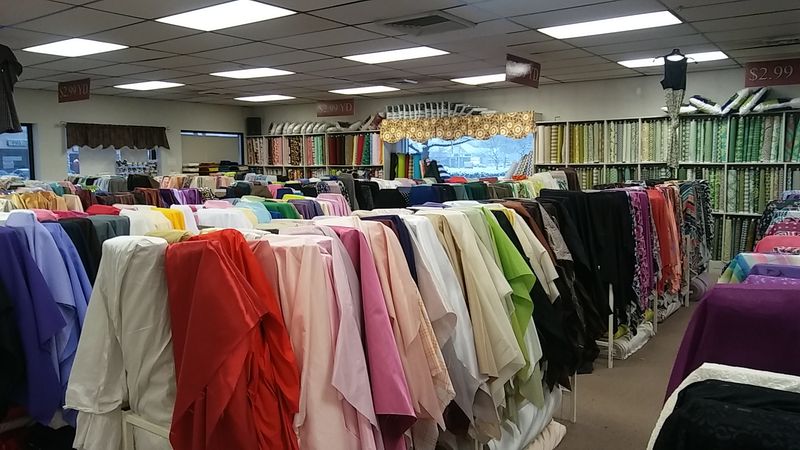
Stock here does not sit still. New products come in every month, and the online inventory sees fresh fabrics and supplies added daily, which keeps the shelves in constant rotation.
Recent arrivals have included solid-colored fleece, plaid flannels, and gingham check fabrics, the kind of cozy, practical materials that suit cooler-weather projects and simple everyday sewing.
For repeat visitors, that turnover changes how they shop. Instead of arriving with a fixed list, many come with a general idea and let the current selection guide the project.
The ever-changing nature of the inventory is one of the qualities customers mention most often, sometimes with a note of friendly warning attached. A print you admired last month may well be gone.
The smart move is to buy a little extra when you find something you genuinely love. Running short on yardage halfway through a project is a familiar heartbreak among sewers, and restocking the exact same fabric is not guaranteed.
On the upside, this rhythm rewards frequent visits. Crafters who stop in seasonally tend to discover fabrics they never would have searched for, from unusual novelty prints to upholstery weights suited to furniture projects.
Curiosity, more than a shopping list, is the right tool to bring.
8. Hands-On Browsing Remains Part Of The Fun
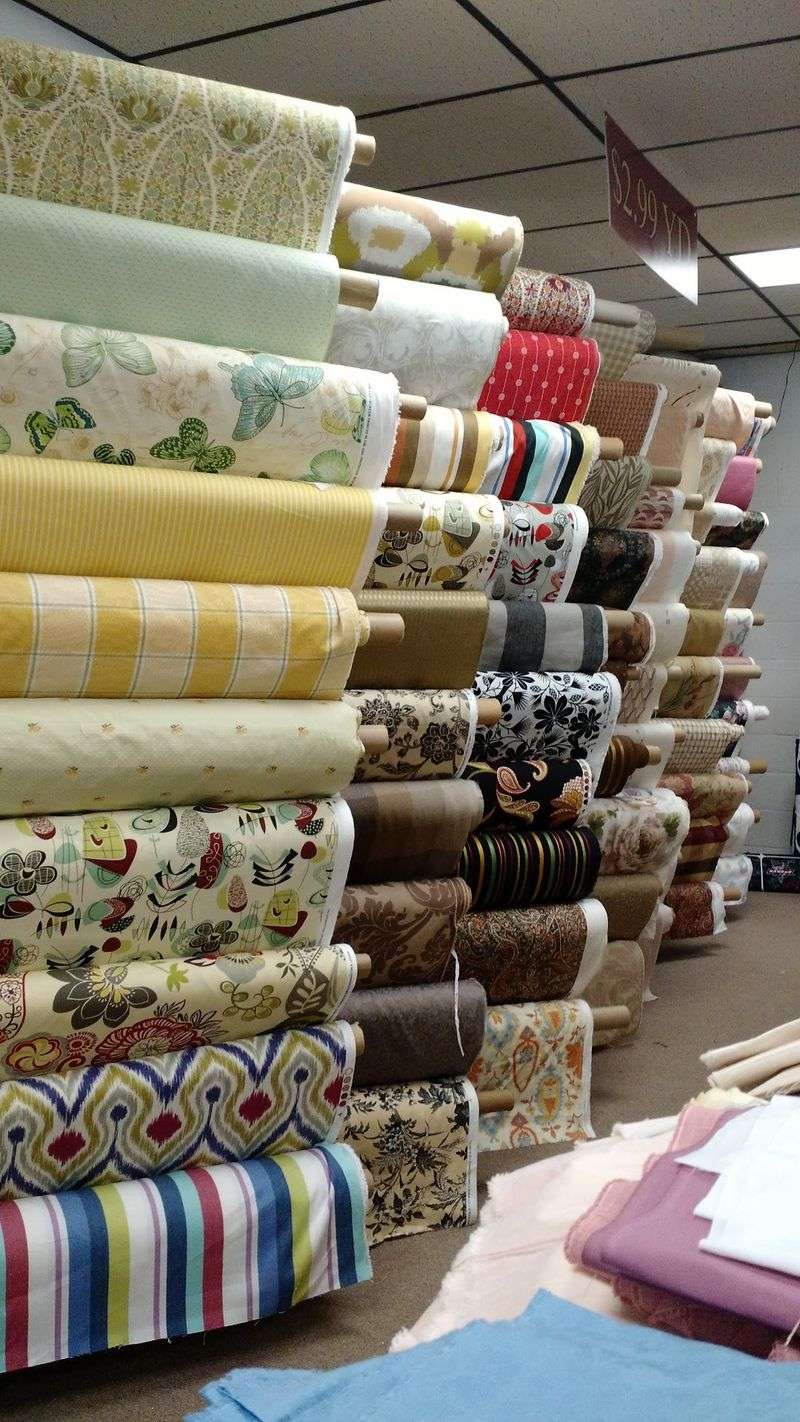
Fabric is better when you can actually feel it. That changes everything.
Online photos can show a pattern, but they cannot tell you how a material behaves in your hands. A quick touch reveals whether something feels soft enough for clothing or structured enough to hold its shape.
That instant feedback is part of what makes browsing here so satisfying.
The aisles encourage shoppers to slow down and compare materials side by side. Colors look more accurate in person, while weight and texture become obvious without any guesswork.
It turns fabric shopping into something far more hands-on than scrolling through product pages.
That kind of browsing can spark projects that were never part of the original plan. Someone may arrive simply tagging along with a friend, then spot a print or texture that suddenly makes sewing sound much more interesting.
Inspiration tends to arrive quickly when so much material is within reach.
Fabric is measured and cut at the counter, so having project dimensions ready can make the process easier. Earlier visits may also give shoppers more breathing room to explore without feeling rushed.
Most importantly, leave yourself extra time. What looks like a quick stop can easily become a long browse once one interesting bolt leads to another.