This One-Of-A-Kind Indiana Park Offers Guided Tours Through A Habitat Filled With Gray Wolves And Coyotes
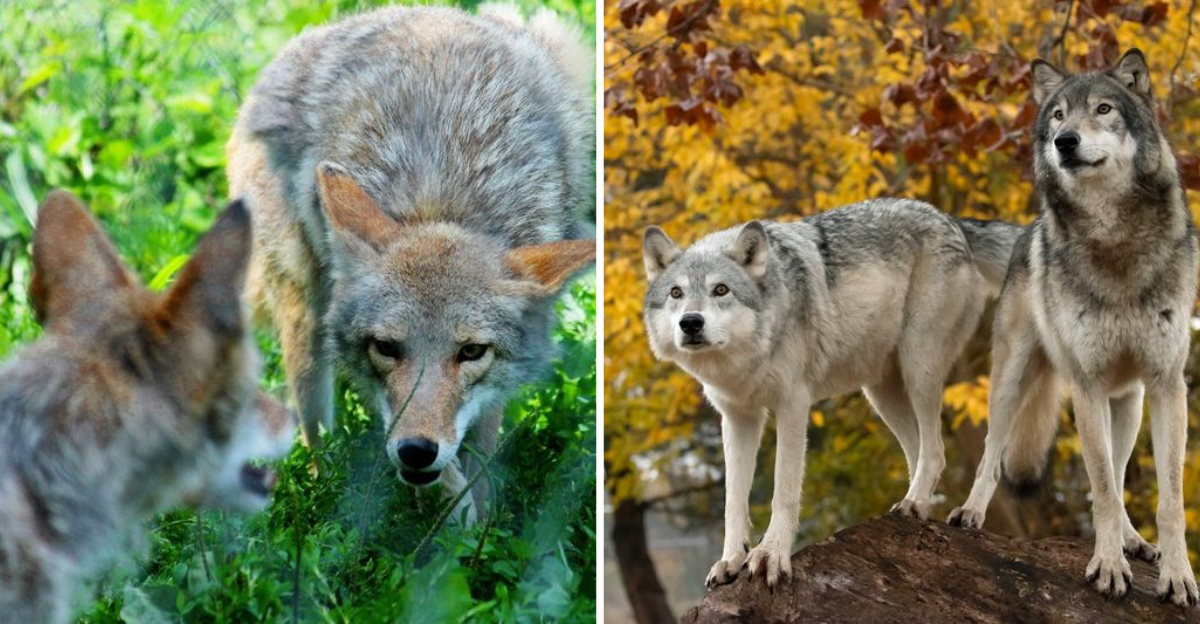
Standing close to a gray wolf is not something most people do. This Indiana park makes that experience possible in a genuinely real way.
Guided tours move through a habitat where wolves and coyotes actually live. Rangers explain behavior, history, and biology in ways that connect everything.
Watching a wolf move through its setting changes how you understand them. The experience is respectful, unhurried, and unlike anything else available nearby.
I stood at the habitat edge and felt something entirely unexpected. Indiana has built something here that belongs on a very different list.
Go ready to look closely and leave very differently than you arrived.
The Story Behind Park
Not every wildlife facility has a founding story worth telling, but this one does.
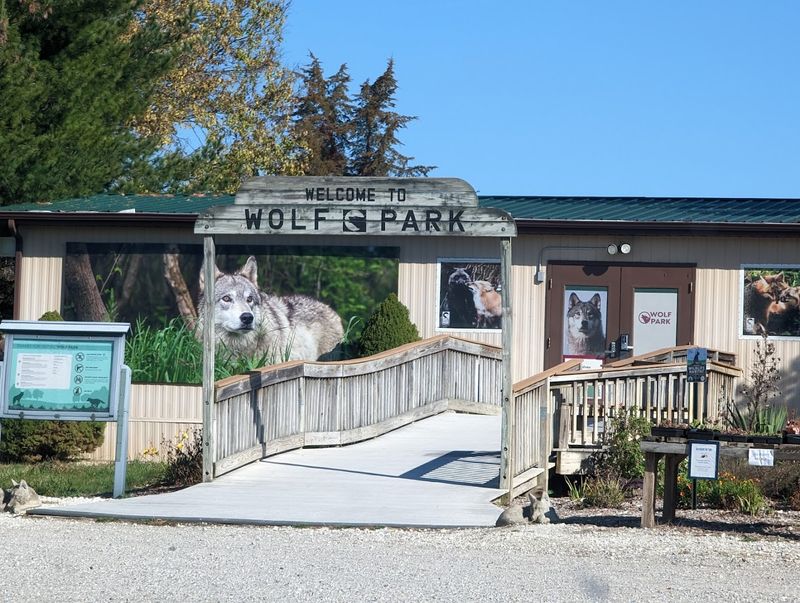
Wolf Park was established in 1972 by Dr. Erich Klinghammer, an animal behaviorist who wanted to study wolf behavior up close in a setting that respected the animals.
His goal was simple but ambitious: understand wolves better so humans could coexist with them more peacefully. Over the decades, the park grew into a respected research center and nonprofit organization in Indiana.
Scientists, students, and wildlife educators have all contributed to its mission. The facility now houses multiple wolf packs, red and gray foxes, coyotes, and even a herd of bison.
Every enclosure, every trail marker, and every staff member reflects decades of careful, dedicated work.
Visiting here feels less like a tourist stop and more like stepping into an ongoing scientific mission that also happens to be open to the public. That combination makes the park at 4004 E 800 N in Battle Ground truly one of a kind.
Gray Wolves Up Close
There is something that stops you cold the first time a gray wolf walks toward you along the fence line.
These animals are bigger than most people expect, and their eyes hold a kind of calm intelligence that is hard to describe. At Wolf Park, you can observe the wolves from a respectful distance that still feels remarkably close.
The wolf packs here are socialized to human presence, which means they are comfortable near staff and visitors during tours. That does not make them pets, of course.
They are still wild animals with unpredictable behavior, and the guides are careful to explain that distinction clearly throughout every tour.
What makes the experience so memorable is watching the wolves interact with each other. You might catch a dominant wolf asserting its role, or see two pack members grooming side by side.
On cooler days, the wolves tend to be especially active, trotting through their enclosures with an easy confidence.
Guided Tours Worth Every Step
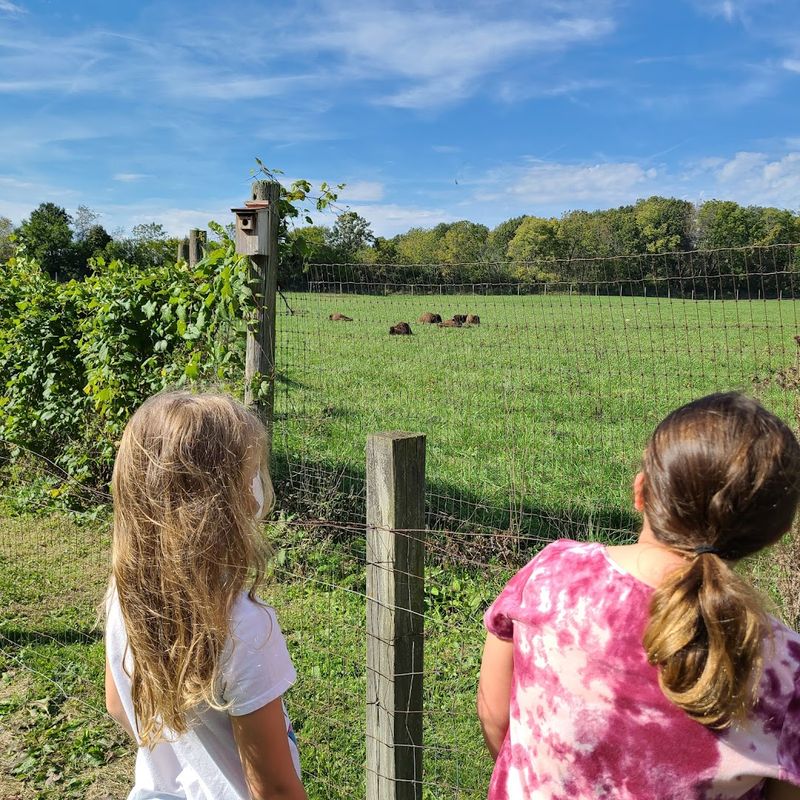
Booking a guided tour at Wolf Park is genuinely the best decision you can make before arriving.
The walking tour covers roughly three quarters of a mile and takes you through the wolf enclosures, past the fox habitats, and out toward the bison grazing area. It moves at a relaxed pace, which gives you plenty of time to stop, look, and ask questions.
The guides here know their stuff. They can explain wolf pack hierarchy, describe the research currently happening on site, and share specific stories about individual animals.
No question feels too basic or too detailed for them. That kind of open, knowledgeable energy makes the tour feel more like a conversation than a lecture.
There are different tour formats available, including private tours for smaller groups who want a more personal experience. The standard guided tour is a great starting point, but the private option lets you linger longer at each habitat.
Either way, the guides make sure you leave knowing far more about wolves, foxes, and bison than when you arrived.
Howl Nights And Special Events
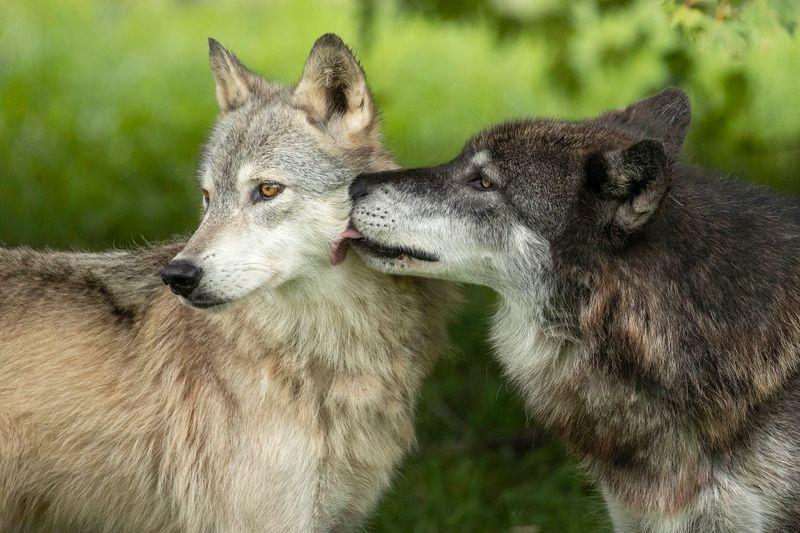
If you really want to understand why people drive two or three hours just to visit this place, Howl Night is your answer.
This special evening program lets visitors gather outside as staff encourage the wolves to howl, and then the crowd joins in.
It sounds a little silly until the wolves actually respond, and then it becomes one of the most spine-tingling experiences imaginable.
Wolf Park runs a rotating calendar of programs and events throughout the year.
Some focus on specific topics like wolf communication or pack behavior. Others are designed with families in mind, making them accessible and fun for kids who are old enough to stay focused during a presentation.
The park is open Thursday through Tuesday, with hours varying by day. Evening programs tend to draw a more spirited crowd, and the cooler temperatures that come with evening hours also tend to make the wolves more active and vocal.
Planning your visit around one of these special events transforms a good trip into a truly great one.
Foxes, Coyotes, And Bison Too

Wolves get top billing here, but they are far from the only reason to visit.
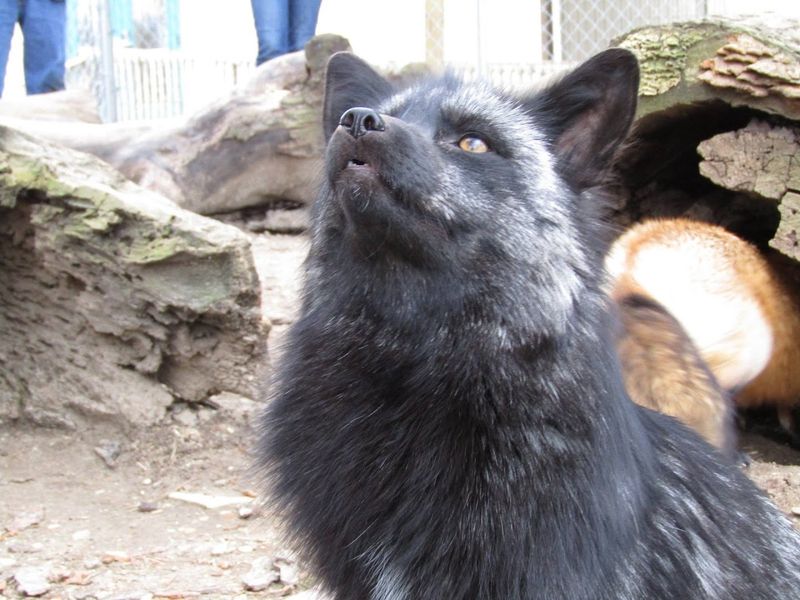
The park also houses red foxes and gray foxes, both of which have their own enclosures near the main walking path.
Foxes are quick and curious by nature, and watching them dart around or peek out from their wooden shelter boxes is genuinely entertaining.
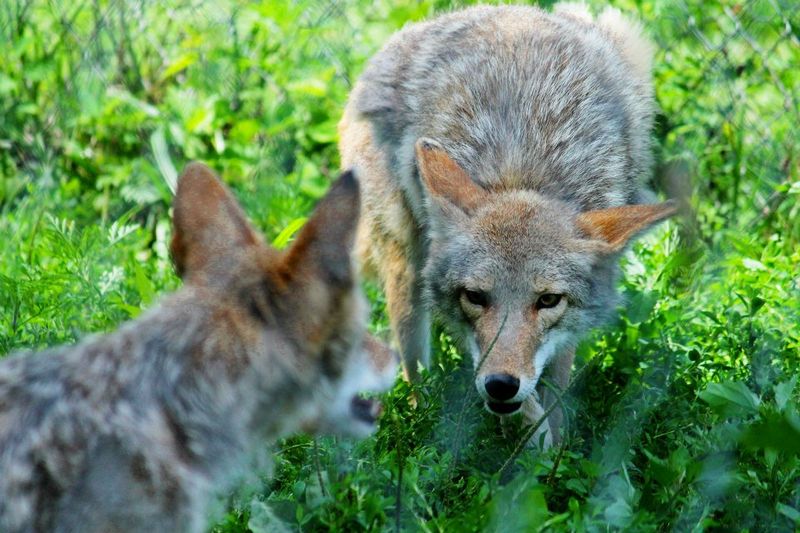
Coyotes are also part of the animal family at Wolf Park, adding another layer of interest for visitors who want to learn about the full range of wild canines found across North America.
Seeing coyotes up close helps you appreciate how different they are from wolves, despite sharing a family tree. The guides are great at highlighting those differences in a way that sticks with you.
Then there is the bison herd, which roams a wide open section of the property. These animals are massive, and their grazing area gives them real room to move.
Watching a bison lift its heavy head and stare in your direction is a reminder of just how wild and powerful these creatures are. For a nonprofit park in rural Indiana, the variety of animals here is nothing short of impressive.
Conservation And Research At Its Core
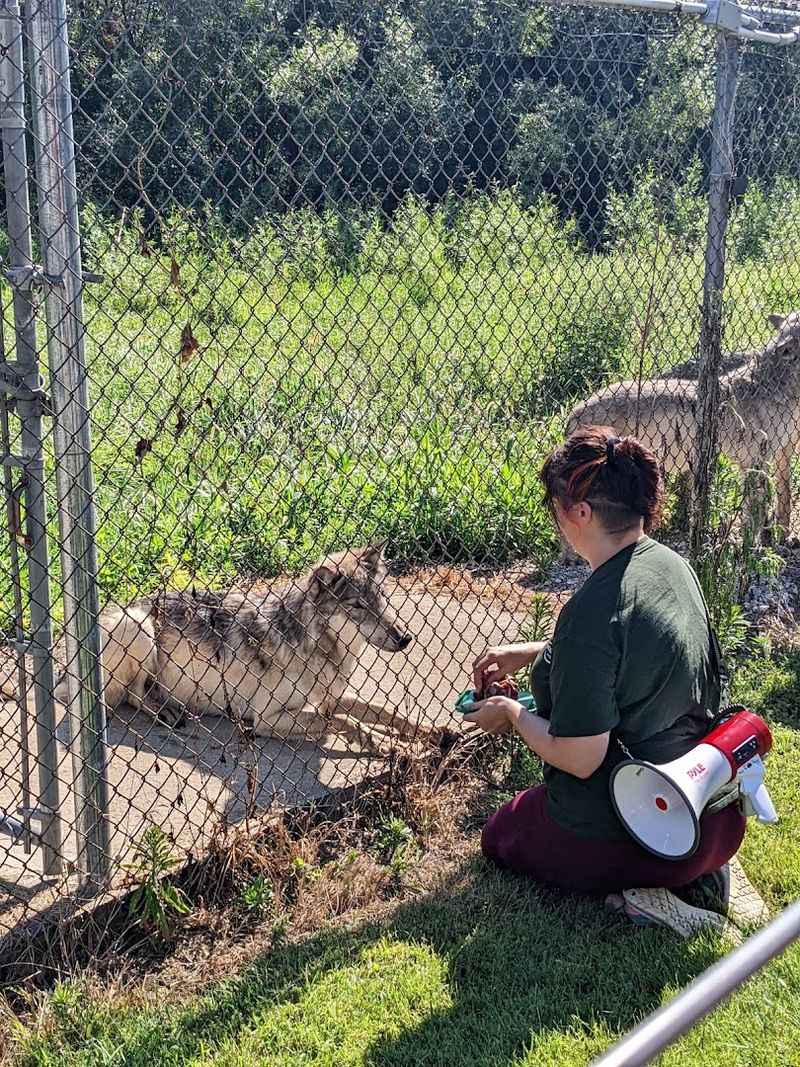
Behind every tour and every howl night, there is serious scientific work happening at Wolf Park.
The facility has been a site for behavioral research on wolves for over five decades. That research has contributed to a broader understanding of how wolves communicate, form bonds, and structure their social groups.
The park works closely with universities, wildlife organizations, and conservation groups across the country.
Interns and researchers come to Indiana specifically to work here, contributing to ongoing studies that help inform wolf management and conservation policy.
The animals are not just attractions, they are participants in work that matters to wild wolf populations across North America.
As a nonprofit, the park relies on support from visitors, memberships, and donations to keep its research and care programs running.
That mission-driven focus is evident in everything from the cleanliness of the enclosures to the depth of knowledge the staff shares on every tour.
Visiting Wolf Park means contributing directly to that work, which adds a layer of meaning to the experience that you simply do not get at a standard zoo or wildlife attraction.
The Setting And Natural Atmosphere
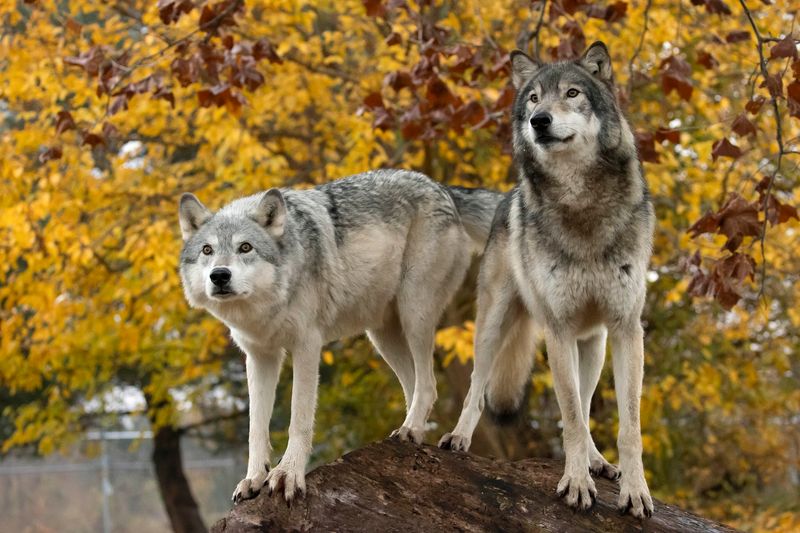
Battle Ground, Indiana might not be on most travel radars, but the landscape around Wolf Park makes the drive more than worth it.
The trails inside the park are well-maintained and easy to walk, even for visitors who are not regular hikers. The grounds feel thoughtfully designed to let visitors move between habitats without feeling rushed or crowded.
There is enough space between each enclosure that you can take your time, breathe in the surroundings, and really settle into the experience.
The bison area in particular has a wide, open quality that feels surprisingly raw for a managed facility. Watching those animals move through tall grass against a backdrop of Indiana sky is a scene that belongs in a nature documentary.
Even the wolf enclosures, which are large and shaded with mature trees, have a natural feel that helps the animals behave more naturally.
The whole property strikes a careful balance between accessibility for visitors and a genuine sense of wildness that makes every visit feel like a real encounter with nature rather than a manufactured one.
Planning Your Visit Smartly
Getting the most out of your time at Wolf Park starts with a little planning before you arrive.
The park is open Thursday through Tuesday, with Thursday through Friday hours running from 3 PM to 8 PM.
Saturday hours are 9:30 AM to 6 PM, and Sunday through Tuesday the park opens again at 3 PM. Wednesday is the one day it stays closed, so plan accordingly.
Booking a guided tour in advance is strongly recommended, especially for weekend visits or special programs like Howl Night. Tours can fill up quickly, and having a reservation means you will not miss out on the most rewarding part of the experience.
Cooler weather tends to bring out more wolf activity, so fall and winter visits often yield the most memorable sightings. Wearing comfortable walking shoes is a must since the tour covers uneven terrain in places.
The gift shop carries a solid selection of wolf-themed items including shirts, plush toys, and ornaments, making it easy to bring a piece of the experience home.
For anyone passing through Indiana, this is one stop that absolutely earns a place on the itinerary.