This One-Of-A-Kind Elvis Boarding House In Georgia Is Packed With Nostalgia
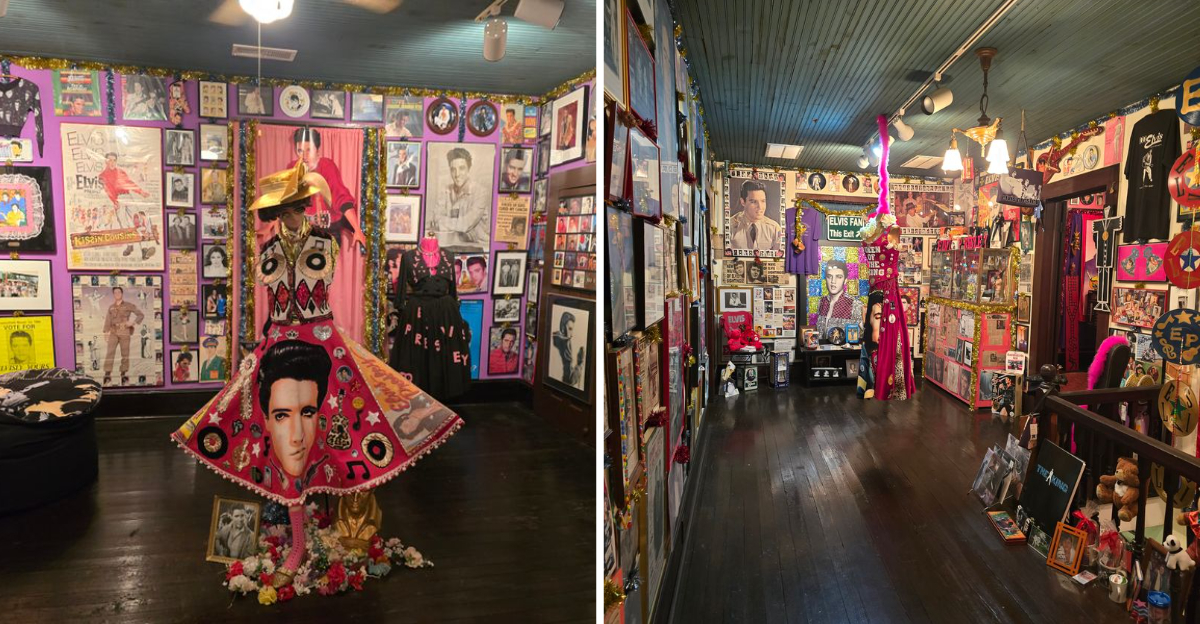
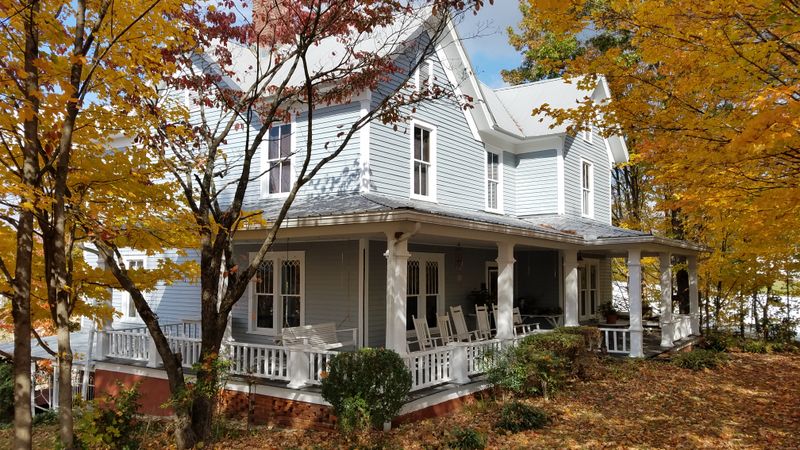
Elvis Presley fans have a special place to visit in Georgia that feels like stepping straight into rock and roll history. The Loudermilk Boarding House & Everything Elvis Museum in Cornelia offers a rare glimpse into the time when the King himself once stayed within its walls. Located at 271 Fore Acre Street, this unique attraction blends personal history with heartfelt fandom in a way that feels intimate and authentic.
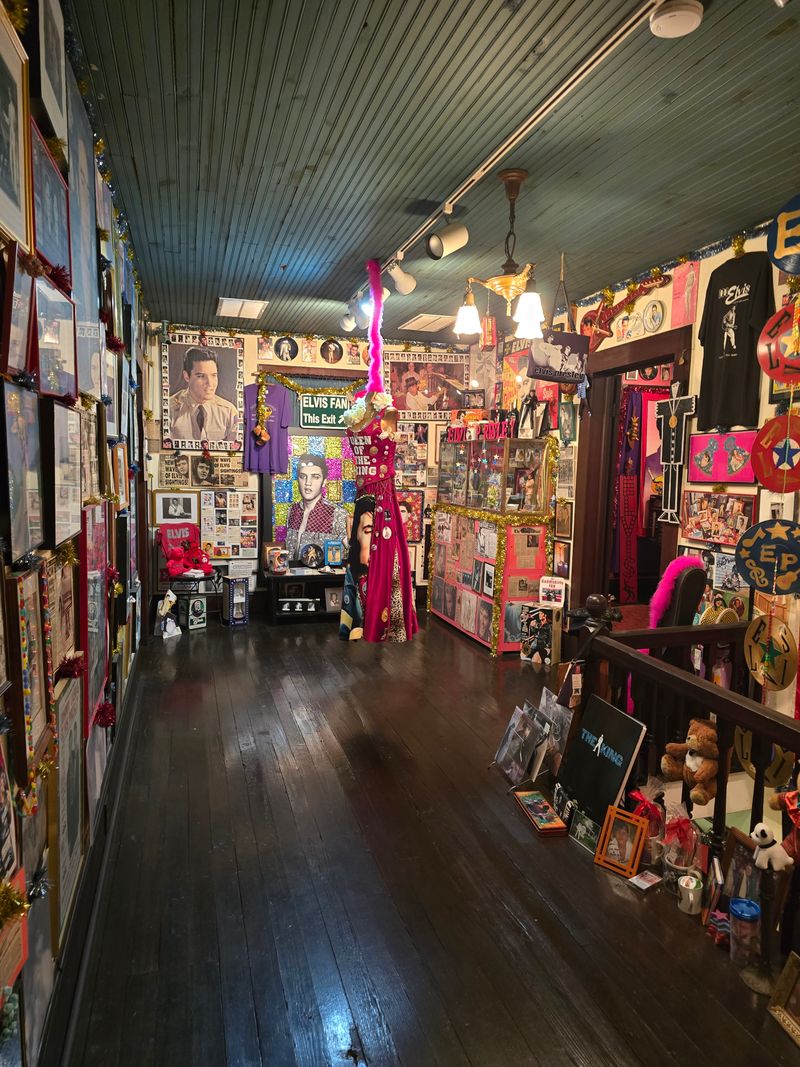
Inside, visitors discover rooms filled with memorabilia, photographs, and artifacts that celebrate Elvis’s life and career. Stories shared throughout the museum add depth, giving insight into his travels, performances, and personal moments connected to the house. The setting feels personal rather than commercial, making the experience especially meaningful for devoted fans.
Whether you grew up on his music or are newly discovering his legacy, this hidden gem brings Elvis Presley’s story to life in a memorable and engaging way.
1. The Historic Boarding House Where Elvis Actually Stayed
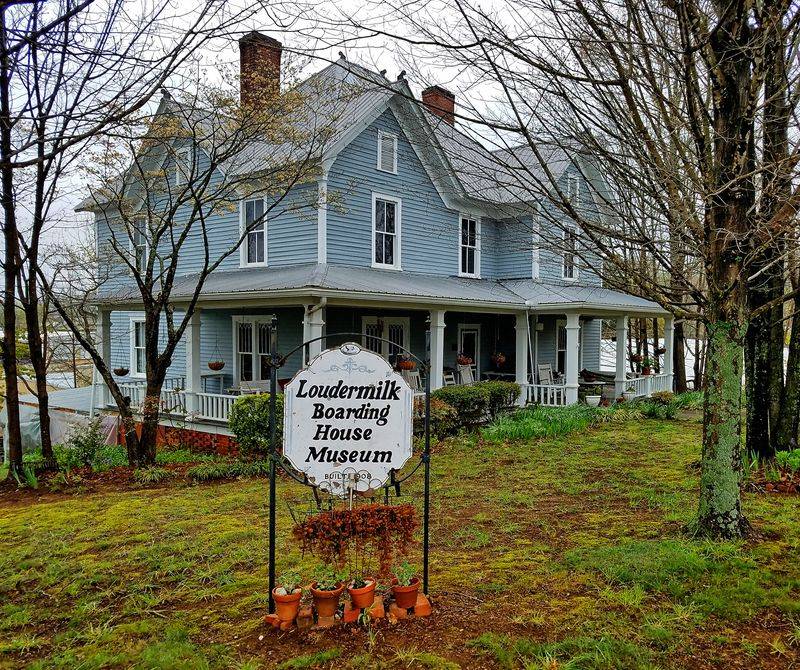
Elvis really did sleep here, and that makes all the difference. The Loudermilk Boarding House stands at 2109 Maple Street NE in Gainesville, Georgia, preserving the exact rooms where Elvis stayed during his military service days. Walking through these halls feels like stepping into a time machine.
The original structure remains intact with period-appropriate furnishings and decor. You’ll see the actual bed where Elvis rested and the windows he looked through. The owners have carefully maintained the building’s authentic 1950s character.
Every corner tells a story about young Elvis before he became a global superstar. The floorboards creak under your feet just like they did when he walked these same paths. This isn’t a replica or reconstruction—it’s the real deal, making your visit genuinely meaningful and unforgettable.
2. Over 5,000 Pieces of Elvis Memorabilia Under One Roof
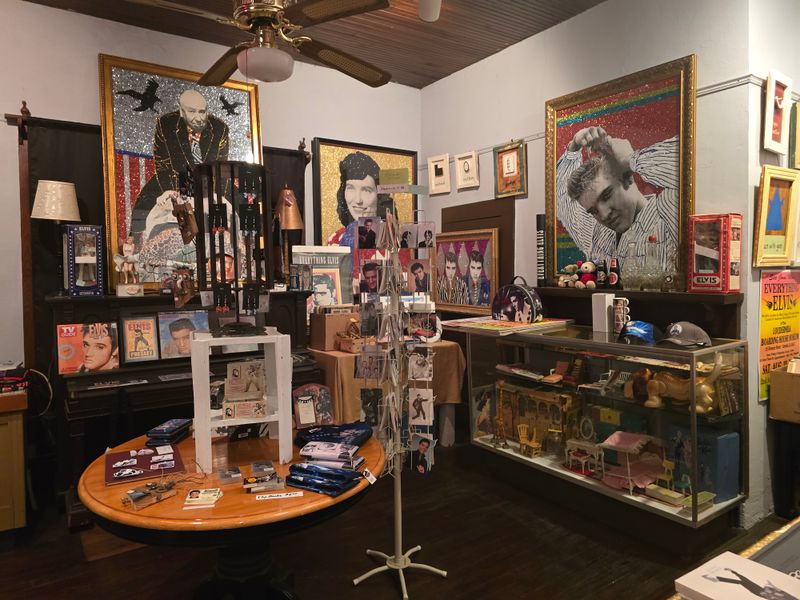
Collectors spend lifetimes gathering Elvis items, but you can see thousands in one afternoon. The museum houses more than 5,000 authentic pieces ranging from concert tickets to personal belongings. Each item has been verified and documented for authenticity.
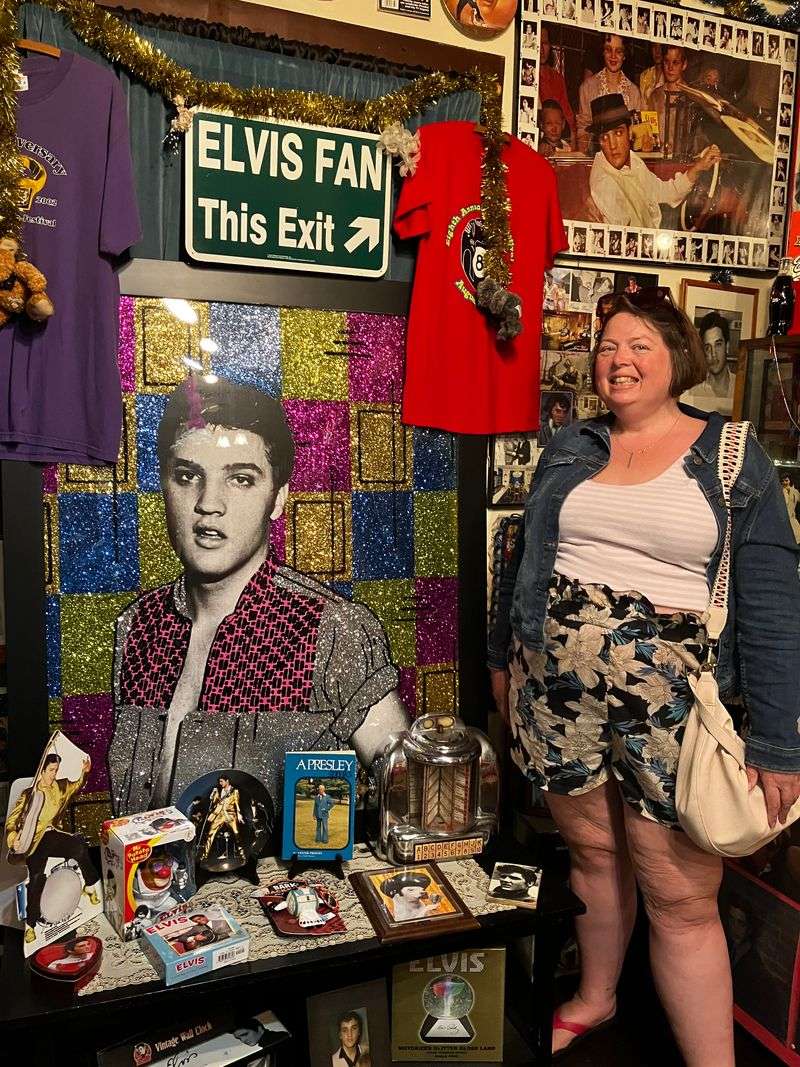
You’ll find rare photographs that haven’t been published in mainstream books. Original vinyl records, movie posters, and fan club newsletters fill the display cases. Some items belonged to Elvis himself, while others represent the cultural phenomenon he created.
The sheer volume means you’ll discover something new with each visit. Staff members know the backstory of nearly every piece and love sharing details with curious visitors. Whether you’re a casual fan or serious collector, this collection will exceed your expectations and leave you amazed at its breadth and quality.
3. Personal Items That Belonged to the King Himself
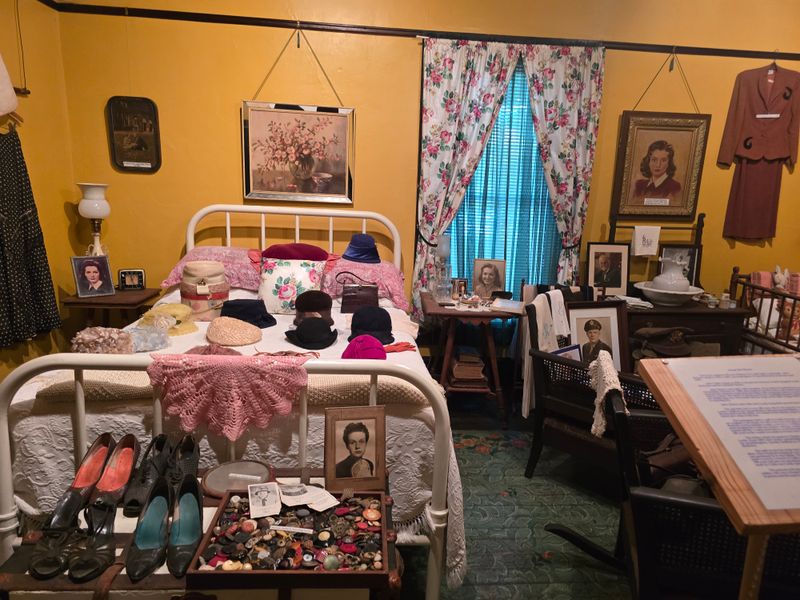
Some museums display replicas, but here you’ll encounter actual possessions from Elvis’s life. His clothing items hang behind protective glass, showing wear patterns from actual use. These aren’t costume reproductions—they’re garments that touched his skin and moved with his legendary performances.
You can see jewelry he wore, books he read, and everyday objects he handled. Each item comes with documentation explaining how it was acquired and verified. The museum takes authentication seriously, working with experts to confirm provenance.
Standing inches away from Elvis’s personal effects creates an emotional connection that photographs can’t replicate. You’ll notice details like his clothing sizes, style preferences, and the brands he favored. These intimate glimpses into his daily life humanize the icon and help you understand the man behind the fame in profound ways.
4. The Room Where Elvis Wrote Letters Home
Elvis kept in touch with family and friends through handwritten correspondence during his stay. The writing room at 2109 Maple Street NE in Gainesville preserves the intimate space where he penned these personal messages. A simple desk sits by the window, just as it did decades ago.
You can imagine him sitting there late at night, missing home and processing his rapidly changing life. The room’s quiet atmosphere contrasts sharply with the screaming crowds he faced elsewhere. This was his private refuge, a place for reflection and connection.
Period-appropriate stationery and writing implements sit on the desk as if waiting for his return. The museum has preserved letters he wrote from this very spot, displaying copies for visitors to read. His words reveal vulnerability, humor, and homesickness that remind you he was just a young man navigating extraordinary circumstances.
5. Original Photographs Never Seen in Books or Documentaries
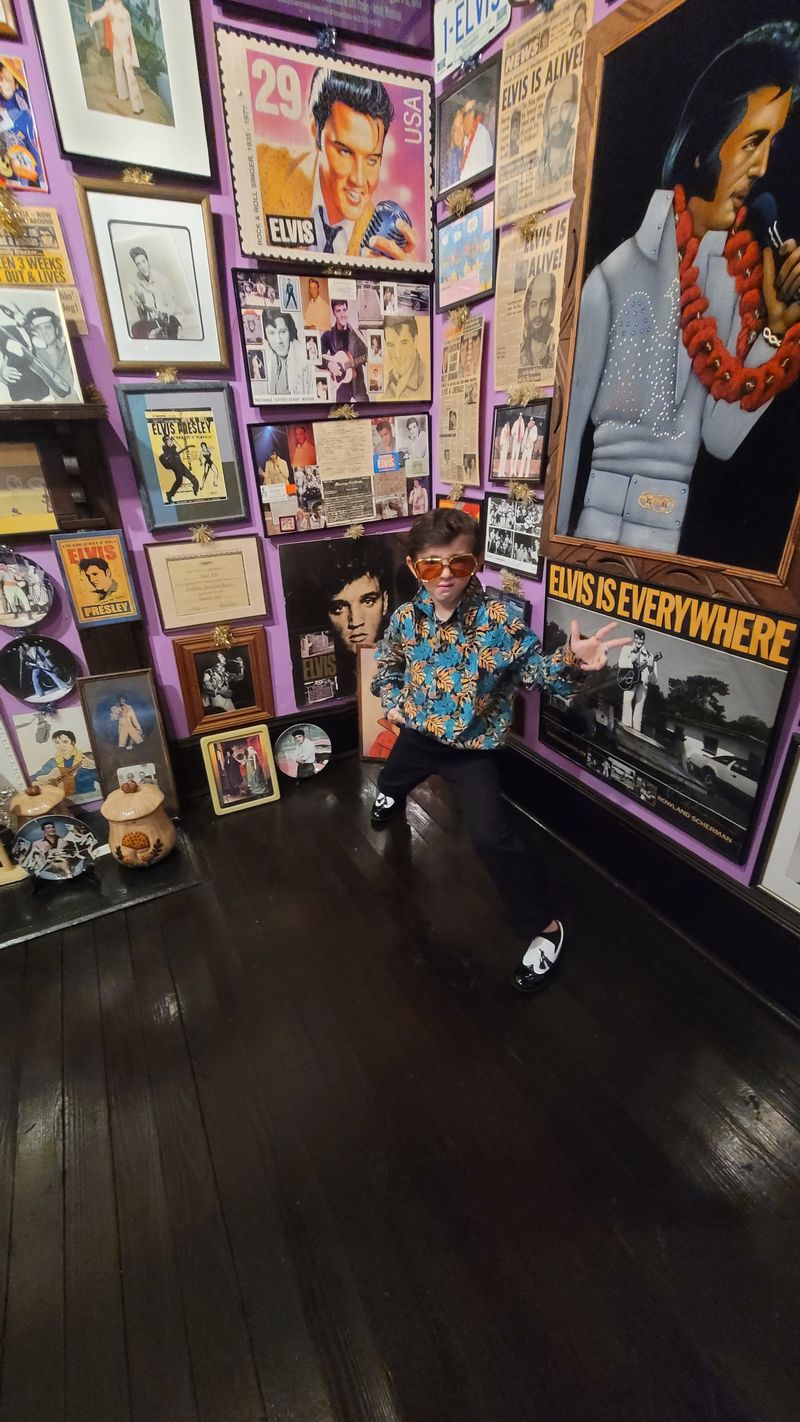
Most Elvis photos have been published countless times, but this collection holds surprises. The Loudermilk family took candid shots during his stay that capture unguarded moments. These images show Elvis relaxing, laughing, and living normally away from cameras and crowds.
You won’t find these pictures in coffee table books or online galleries. They remained in private family albums until the museum opened, making them genuinely exclusive. The quality varies from professional to snapshot, but authenticity trumps technical perfection.
Facial expressions in these photos reveal personality traits that staged publicity shots never captured. You’ll see him joking with other boarders, eating meals, and simply existing as a regular person. These glimpses into his unfiltered life provide context that changes how you understand his public persona and the pressures he faced throughout his career.
6. Vintage Jukeboxes Playing Elvis’s Greatest Hits
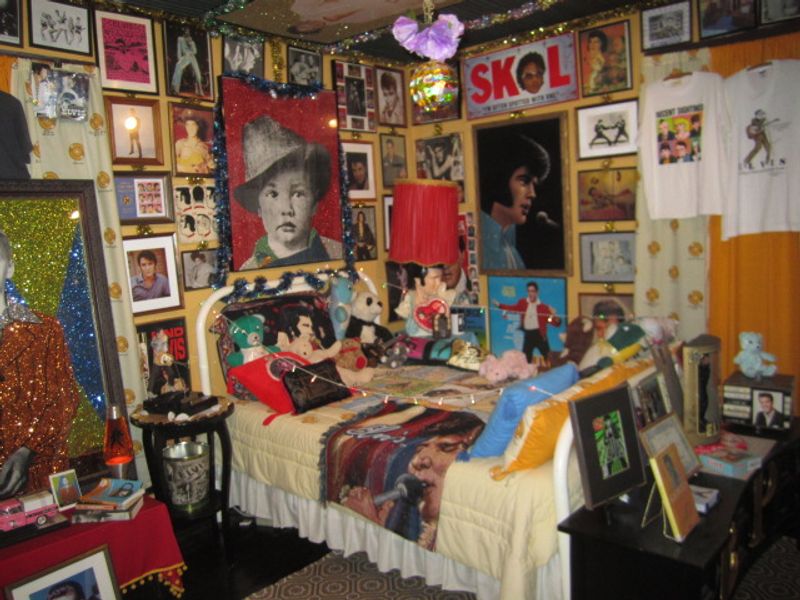
Music sounds different when it comes from authentic period equipment. Several working jukeboxes from the 1950s fill the museum with Elvis’s voice exactly as fans first heard it. The warm, slightly imperfect sound quality transports you back to diners and soda shops of that era.
These aren’t reproduction units—they’re original machines restored to working condition. Chrome details gleam under period lighting, and the mechanical selection process clicks and whirrs satisfyingly. You can actually play songs by inserting quarters, making the experience interactive.
The acoustics differ dramatically from modern digital playback, with tube amplifiers producing rich, warm tones. Listening to “Hound Dog” or “Love Me Tender” this way helps you understand why teenagers went crazy for this sound. It was revolutionary, dangerous, and irresistible, and hearing it through vintage equipment brings that cultural moment vividly back to life.
7. The Kitchen Where Elvis Enjoyed Home-Cooked Southern Meals
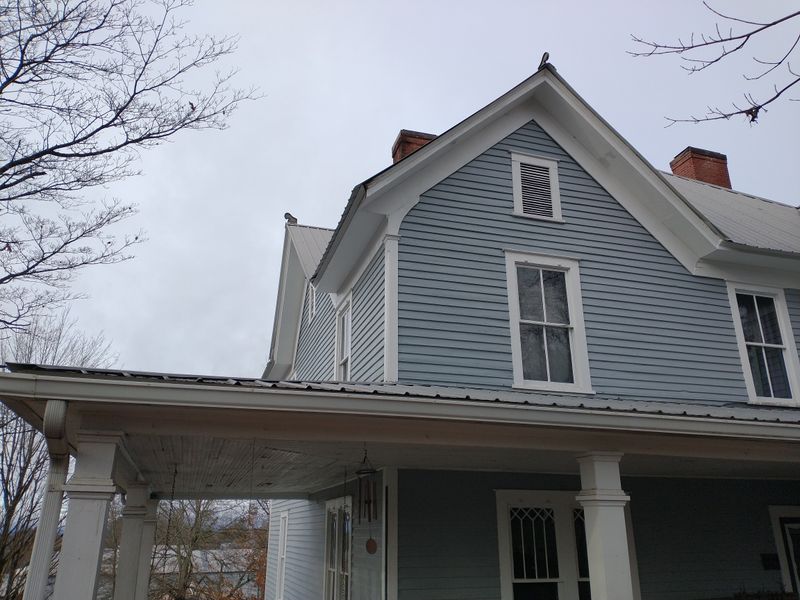
Food meant comfort to Elvis, especially Southern cooking that reminded him of home. The boarding house kitchen at 2109 Maple Street NE remains much as it was when Mrs. Loudermilk prepared meals for her famous guest. Vintage appliances still function, and the layout hasn’t changed.
You’ll see the stove where she cooked his favorite dishes and the table where he sat with other boarders. Period cookware and dishware fill the cabinets, creating an authentic domestic scene. The kitchen wasn’t fancy, but it provided nourishment and normalcy during uncertain times.
Elvis loved fried chicken, mashed potatoes, and biscuits staples that appeared regularly on this table. The museum shares recipes and mealtime stories passed down through the Loudermilk family. Standing in this ordinary kitchen, you realize how much Elvis craved normal experiences even as fame pulled him toward extraordinary circumstances beyond his control.
8. Concert Posters and Promotional Materials from His Early Career
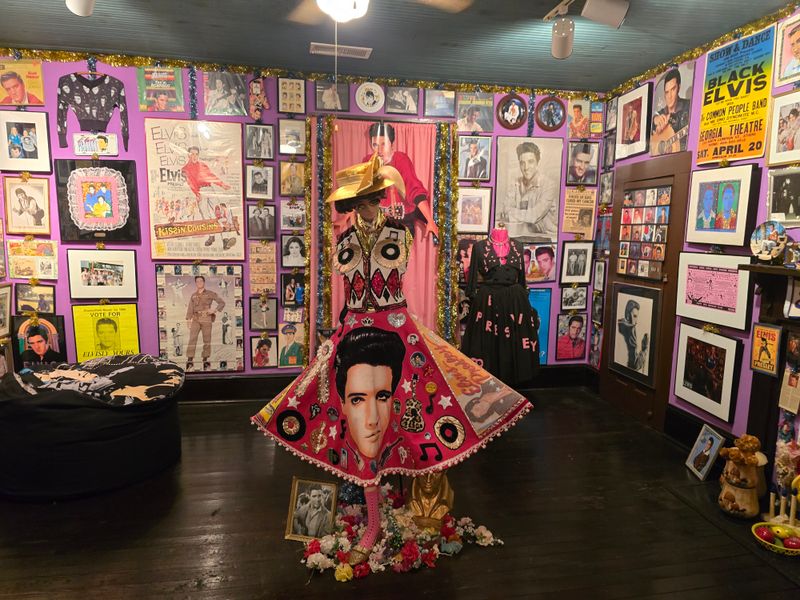
Before stadium tours and Vegas residencies, Elvis played smaller venues advertised through simple posters. The museum displays original promotional materials from these early performances, showing how his image evolved. Hand-painted signs and letterpress posters demonstrate the grassroots marketing of that era.
You’ll notice how his billing changed from opening act to headliner within months. The graphics grew bolder and his name larger as demand exploded. These artifacts document his meteoric rise better than any biography could.
Ticket prices listed on these posters seem laughably low today—just a few dollars to see the future King of Rock and Roll. Some posters advertise him alongside acts now completely forgotten, highlighting how quickly he eclipsed his contemporaries. The paper has yellowed and edges have frayed, but these fragile documents preserve crucial evidence of cultural transformation happening in real time across America.
9. Military Service Memorabilia from Elvis’s Army Days
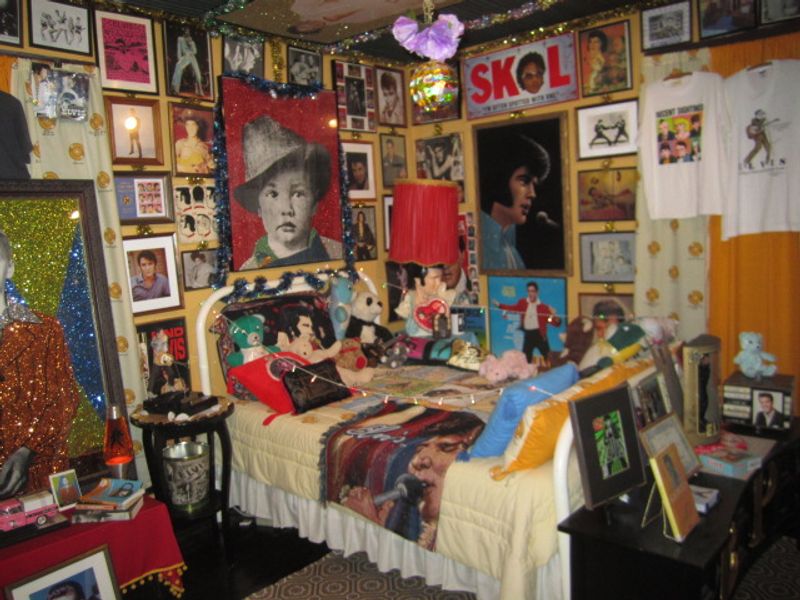
Elvis served his country despite his fame offering potential exemptions. The museum houses uniforms, insignia, and documents from his military service period, including items connected to his time near Fort McPherson. These artifacts prove he didn’t seek special treatment or avoid his duty.
You can examine his actual uniform pieces, noting how standard-issue clothing fit his famous frame. Dog tags, service ribbons, and rank insignia tell the story of his progression through military life. Photographs show him getting regulation haircuts and following orders like any other soldier.
This chapter of Elvis’s life demonstrated character that won over critics who’d dismissed him as just another entertainer. The military memorabilia reveals discipline and patriotism that contrasted with his rebellious rock and roll image. Seeing these items helps you appreciate the complexity of his personality and the sacrifices he made when he could have easily avoided service.
10. The Living Room Where Elvis Relaxed and Watched Television
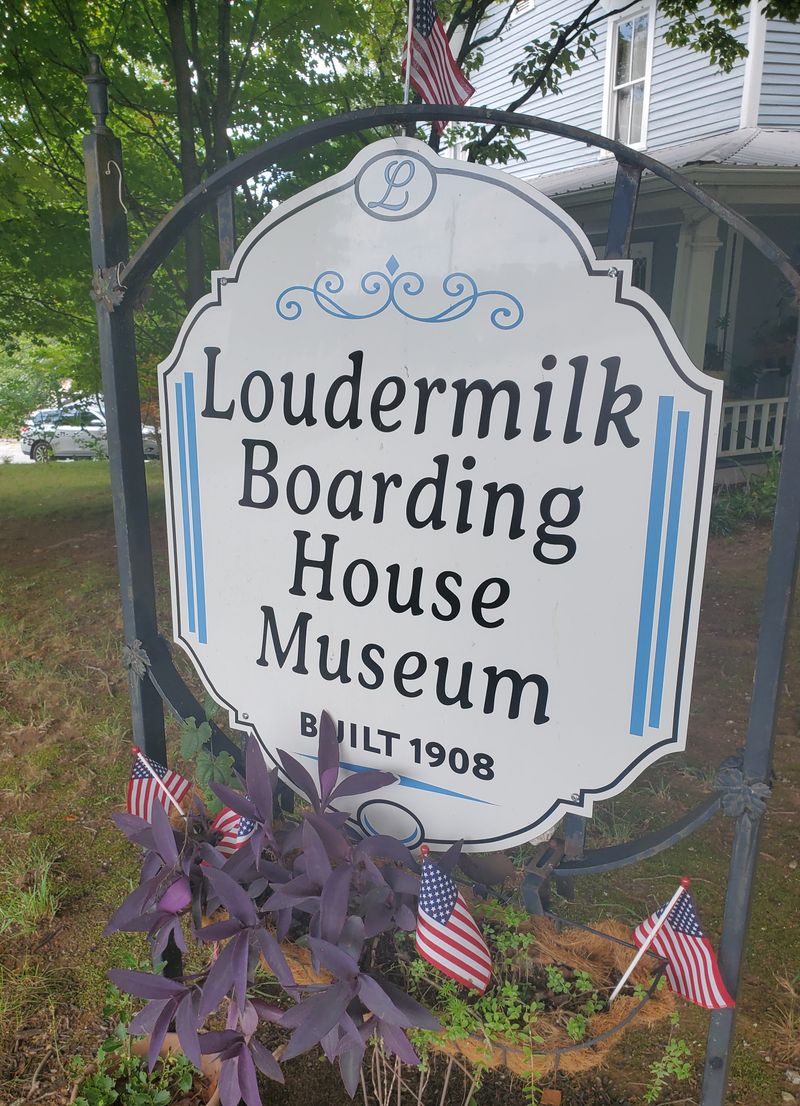
Everyone needs downtime, even rock and roll legends. The boarding house living room offered Elvis a space to unwind away from public scrutiny. A vintage television set sits in the corner, the same model that broadcast shows he watched during his stay.
Period furniture includes the actual sofa where he sat, now carefully preserved behind velvet ropes. Floral wallpaper and lace curtains create the homey atmosphere Mrs. Loudermilk maintained. This wasn’t glamorous, but it provided the normalcy he desperately needed.
You can imagine him sitting here after long days, watching “I Love Lucy” or news broadcasts about his own fame. The television represented connection to the wider world while the room itself offered shelter from it. This balance between public life and private refuge became increasingly difficult for Elvis to maintain as his career exploded, making these quiet moments at 2109 Maple Street NE especially precious in retrospect.
11. Rare Vinyl Records Including Test Pressings and Promotional Copies
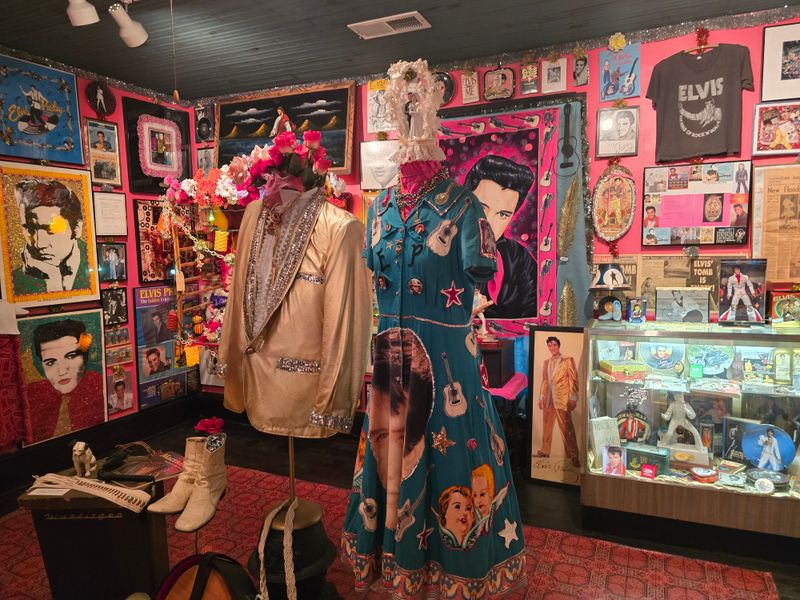
Serious collectors know that certain pressings are far more valuable than standard releases. The museum’s vinyl collection includes test pressings, promotional copies sent to radio stations, and foreign releases with unique artwork. Some exist in quantities of only a few dozen worldwide.
You’ll see records with handwritten labels from recording sessions and acetates used for studio approval. These weren’t meant for public sale, making them extraordinarily rare. The condition varies, but provenance is impeccable, with documentation tracing each record’s journey to the collection.
A vintage record player lets you hear the difference between various pressings and masterings. Audio quality varies noticeably, and serious fans appreciate these subtle distinctions. The museum staff can explain the technical aspects of record production and why certain pressings became legendary among collectors who spend fortunes acquiring them at specialized auctions.
12. Personal Stories Shared by the Loudermilk Family
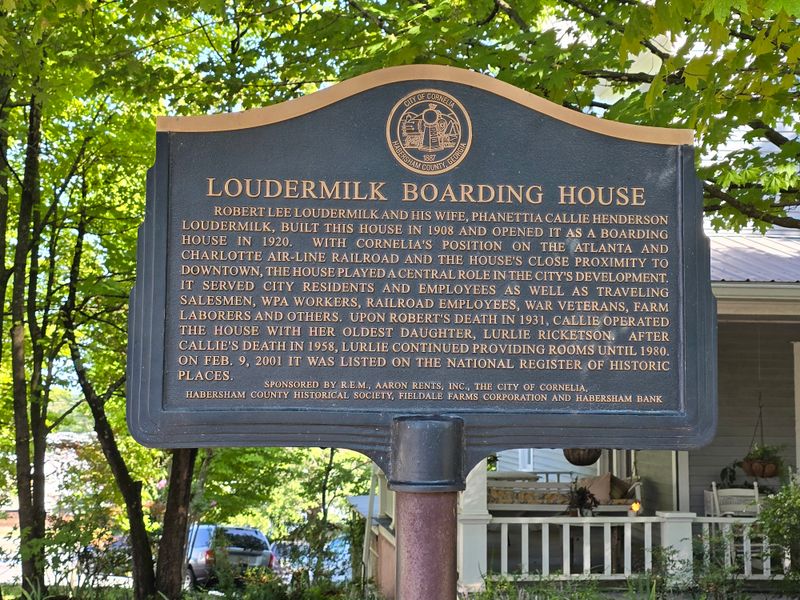
History books provide facts, but personal memories bring those facts to life. The Loudermilk family members who knew Elvis personally sometimes visit the museum to share their recollections. Their stories reveal details no biographer could have captured because they experienced them firsthand.
You’ll hear about his manners, his sense of humor, and his kindness to everyone he met. They remember specific conversations, meals shared, and quiet moments that humanize the legend. These aren’t rehearsed anecdotes—they’re genuine memories from people who saw him as a boarder, not a superstar.
The family describes how normal Elvis seemed despite the chaos surrounding his career. He helped with dishes, made his bed, and treated Mrs. Loudermilk with respect and affection. These intimate details paint a picture of character and humility that contrasts sharply with celebrity excess, reminding you that fame hadn’t yet corrupted the polite young man from Tupelo.
13. Movie Memorabilia from Elvis’s Hollywood Films
Elvis’s acting career produced 31 films, and the museum represents this chapter extensively. Original movie posters in various languages show how globally his films were distributed. You’ll find props, costumes, and behind-the-scenes photographs from productions spanning his entire Hollywood period.
Some items come from famous films like “Jailhouse Rock” and “Blue Hawaii,” while others represent lesser-known productions. The collection doesn’t discriminate every film receives representation because each contributed to his legacy. Script pages with his handwritten notes reveal his preparation process.
Critics often dismissed Elvis’s movies as formulaic, but they entertained millions and kept his music reaching new audiences. The memorabilia helps you appreciate these films on their own terms rather than comparing them to his musical achievements. Whether the movies were masterpieces or not, they were undeniably popular, and this collection celebrates that connection with fans who loved seeing him on the big screen.
14. The Front Porch Where Elvis Sat and Played Guitar
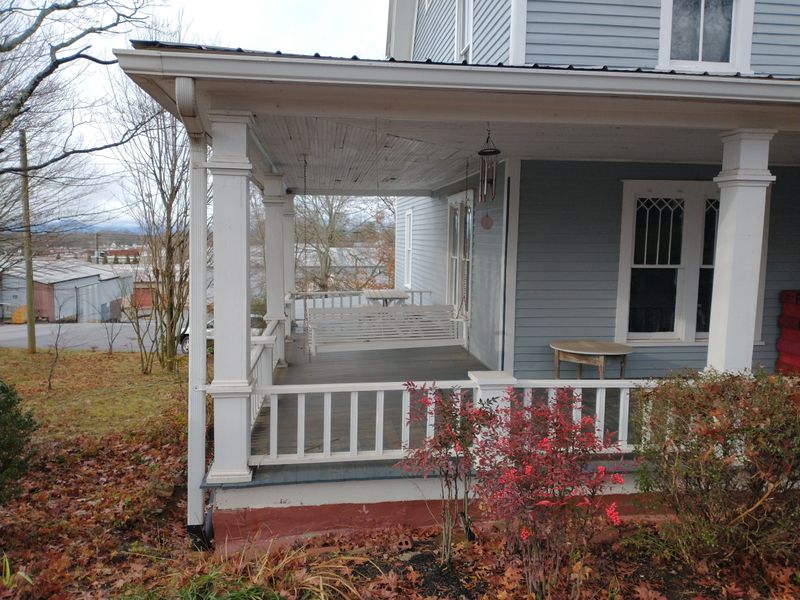
Music wasn’t just Elvis’s profession—it was his constant companion. The front porch at 2109 Maple Street NE witnessed informal performances as he practiced guitar and tried out new songs. Neighbors would gather to listen, getting free concerts from someone who would soon command enormous fees.
The porch remains structurally unchanged, with the same wooden floorboards and support columns. Rocking chairs sit invitingly, and you can imagine summer evenings filled with music drifting through the neighborhood. These impromptu sessions were pure and uncommercial, music for its own sake.
A vintage guitar similar to what Elvis played rests on display, representing those casual performances. The porch symbolizes accessibility that later became impossible as fame erected barriers between Elvis and regular people. Standing here, you can almost hear the music and feel the community connection that grounded him during this transitional period before superstardom changed everything forever.
15. Special Events and Elvis Tribute Performances Throughout the Year
The museum comes alive during special events that celebrate Elvis’s enduring influence. Tribute artists perform throughout the year, bringing his music back to the very building where he once lived. These aren’t Las Vegas-style spectacles but intimate performances that honor his artistry and legacy.
Annual celebrations mark his birthday, the anniversary of significant career milestones, and holidays he loved. Fans travel from across the country to attend these gatherings, creating a community of people who share genuine appreciation. The events include live music, historical presentations, and opportunities to meet other enthusiasts.
You might encounter tribute performers who’ve studied Elvis’s mannerisms and vocal style for decades. While no one can truly replicate him, these dedicated artists keep his music alive for new generations. The events transform the museum from a static display into a living celebration, proving that Elvis’s impact continues resonating more than four decades after his passing.