This Otherworldly California Desert Oasis Is One Of The State’s Most Unexpected Surprises
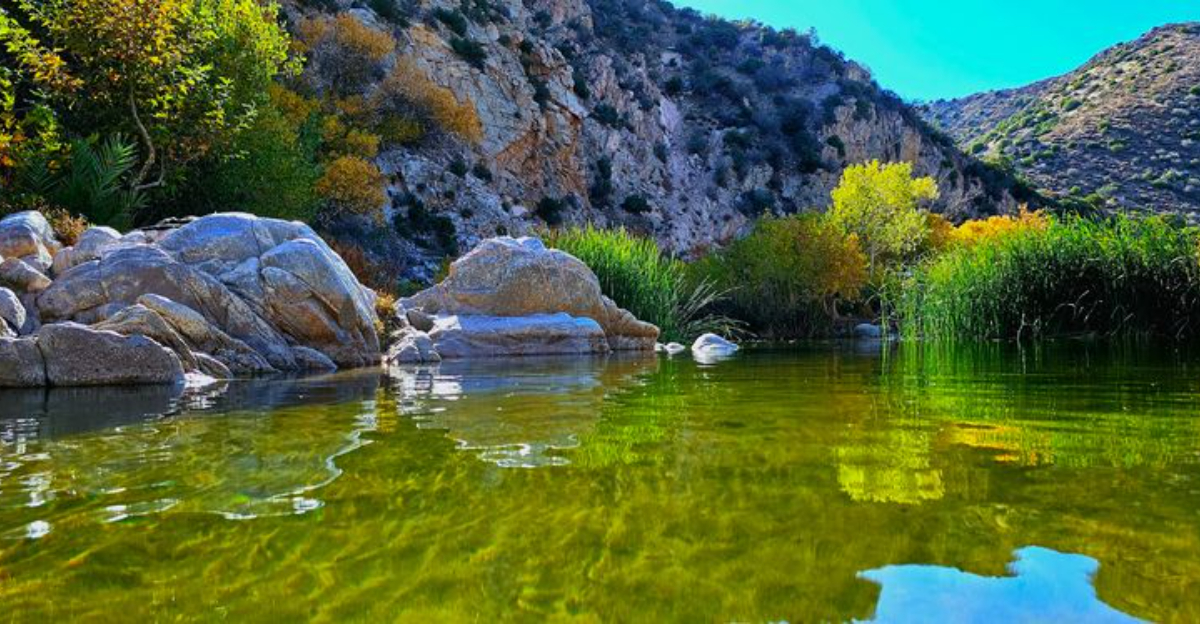
Warm water rises from the earth in the middle of the desert. Steam drifts above rocky pools. Canyon walls glow in the sun.
The only sounds come from wind, water, and the occasional hiker making the trek down the trail.
Deep Creek Hot Springs feels almost unreal the first time you see it. Tucked within the rugged landscape of Southern California, this natural oasis rewards those willing to put in the effort to reach it.
The journey involves a demanding hike through dry terrain and open sky, but the payoff waits at the bottom of the canyon in the form of mineral-rich pools heated straight from underground.
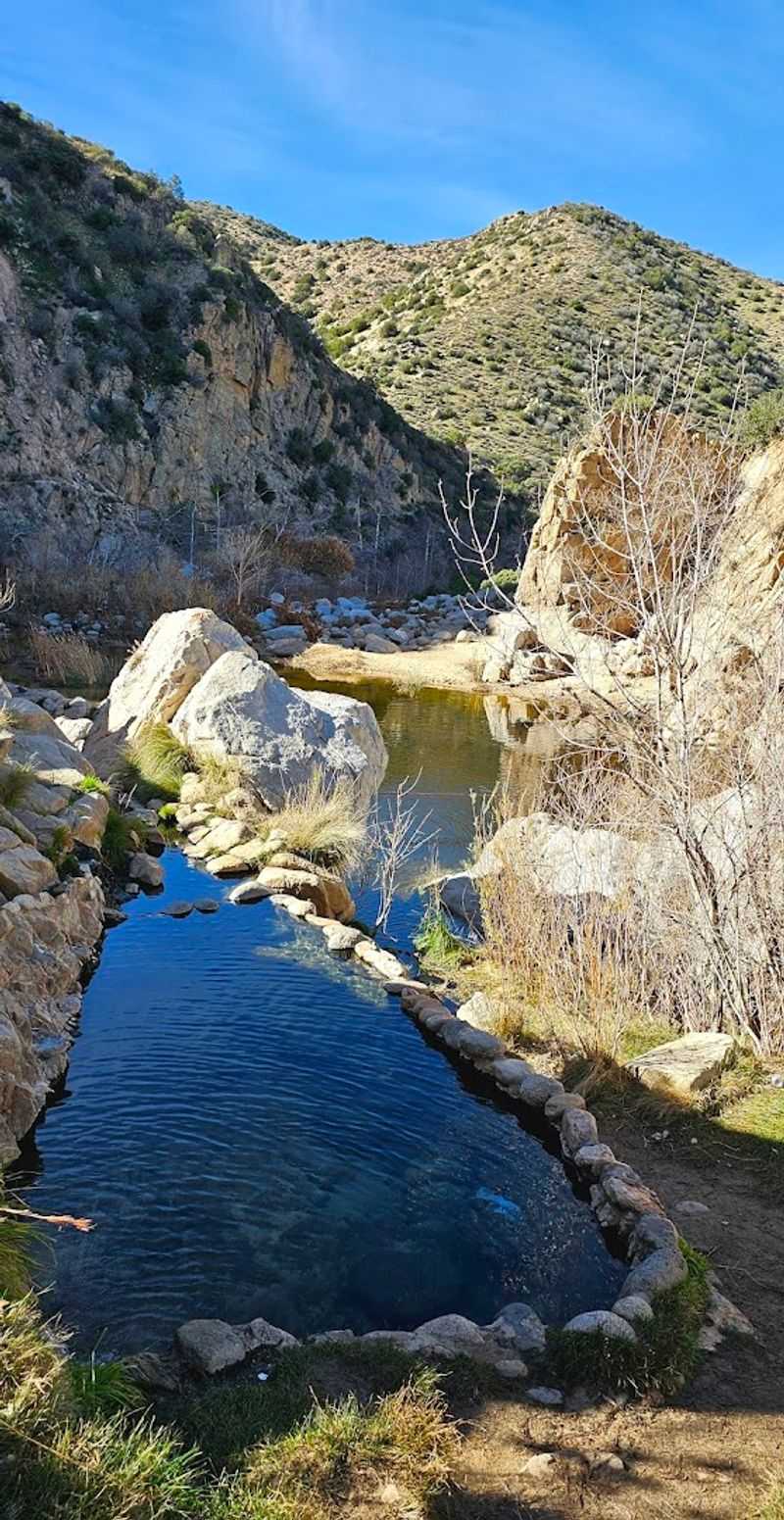
The setting stays wild and untamed. No luxury spa buildings. No paved walkways. Just geothermal water flowing into rock-lined basins surrounded by raw desert beauty.
This California hot spring turns a simple day hike into something unforgettable.
Visitors who prepare properly discover more than warm water. They find solitude, sweeping canyon views, and a rare reminder that some of the most powerful experiences still require effort to reach.
1. Natural Geothermal Pools Provide Year-Round Warmth
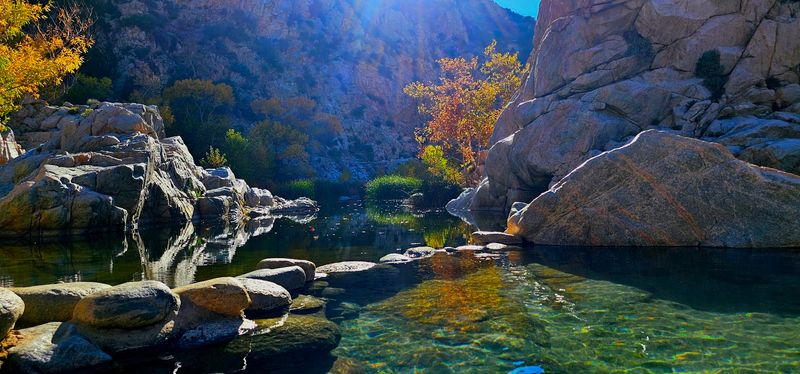
Geothermal energy beneath the earth’s surface creates the warm pools at Deep Creek Hot Springs without any human intervention. Water temperatures stay between 100 and 105 degrees Fahrenheit throughout the year, offering consistent comfort regardless of the season.
The geothermal heat comes from underground, warming the water naturally before it surfaces in the canyon.
Several pools exist along the creek, each with slightly different temperatures and depths. Some pools sit closer to the hot water source and feel warmer, while others mix more with the cooler creek water.
Visitors can move between pools to find their preferred temperature. The surrounding canyon walls create a sense of privacy and seclusion that enhances the soaking experience.
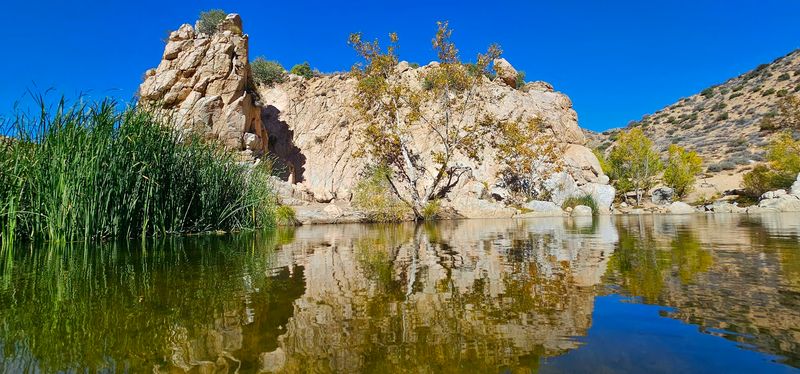
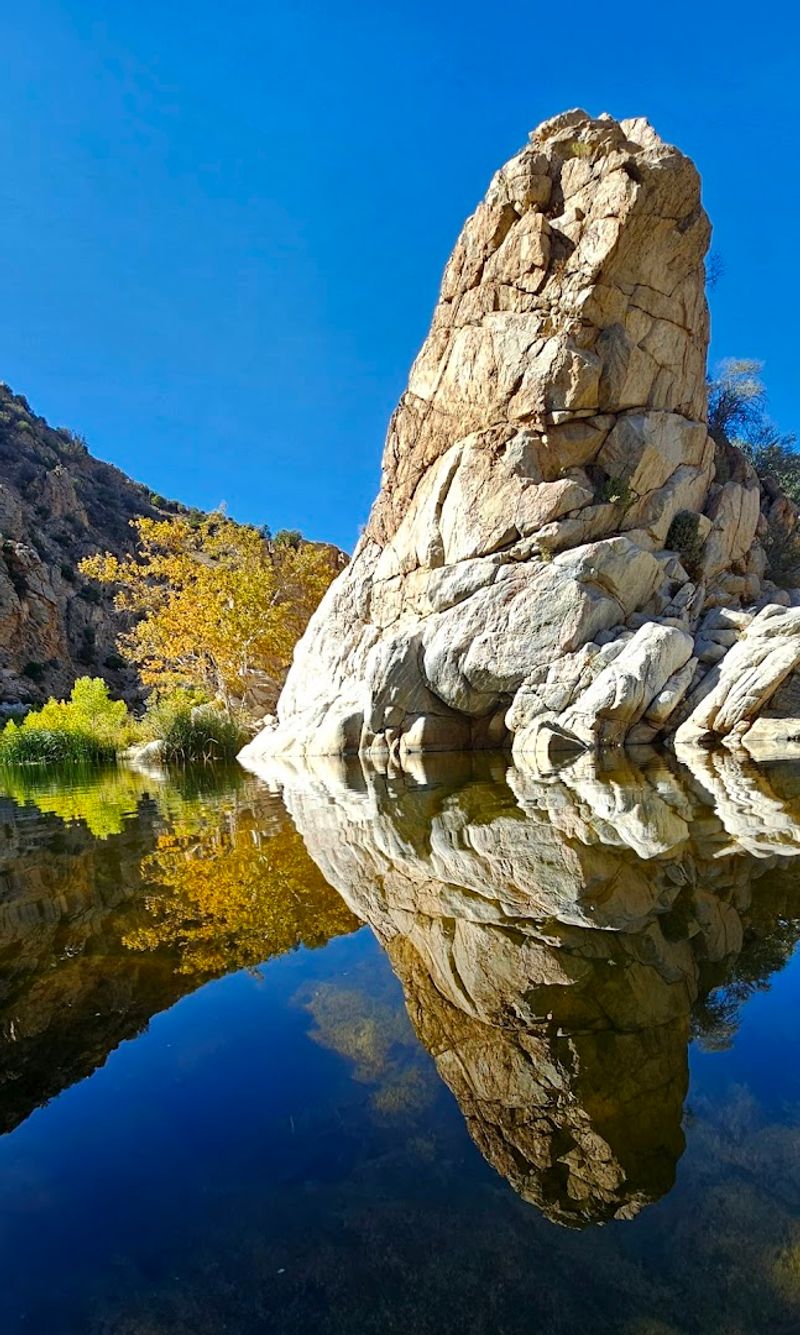
Rock formations tower above the pools, and the sound of flowing water adds to the peaceful atmosphere. The combination of warm water and desert scenery creates a contrast that feels almost surreal.
Soaking in these pools at California Section C, Apple Valley, CA 92308 after a challenging hike provides relief for tired muscles and creates a sense of accomplishment.
The natural minerals in the water may contribute to the relaxing sensation many visitors describe. Morning visits often feature cooler air temperatures that make the warm water feel especially inviting.
2. Diverse Wildlife Makes The Area Home
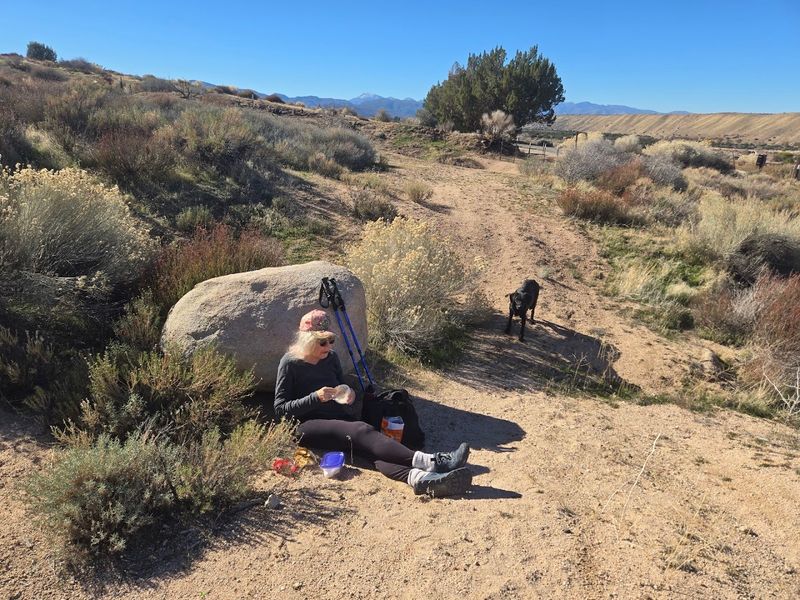
The creek and surrounding habitat support numerous species that have adapted to the unique desert environment. Among them lives the Southwestern Arroyo Toad, a federally endangered amphibian that relies on the sandy shores and shallow pools for survival.
This small toad breeds in slow-moving stream sections and represents just one example of the area’s ecological importance.
Birds frequent the canyon throughout the day, taking advantage of the water source in an otherwise arid landscape. Raptors sometimes circle overhead, while smaller birds visit the creek edges to drink and bathe.
The presence of water in the desert creates a concentration of wildlife activity that visitors may notice during their hike.
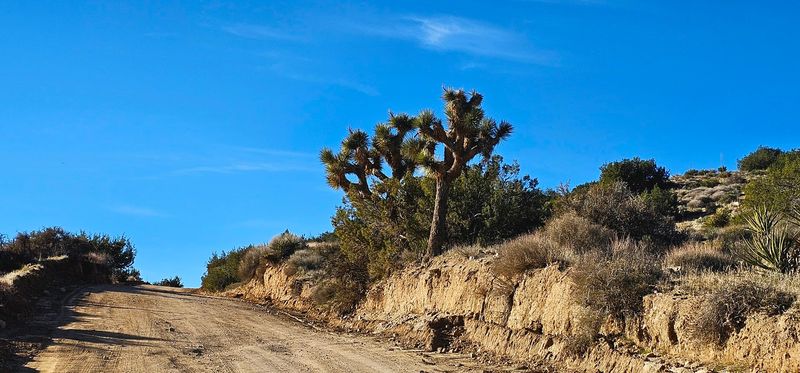
Desert plants cling to the rocky slopes, showing remarkable adaptation to harsh conditions with limited rainfall. Lizards dart between rocks, and insects buzz near the water’s edge, all playing roles in the local ecosystem.
The biological diversity here reminds visitors that even seemingly barren landscapes support complex webs of life.
Protecting this habitat means following guidelines about where to walk and being mindful of nesting areas during breeding seasons. The endangered species present make environmental stewardship especially important at Deep Creek.
Observing wildlife from a respectful distance allows animals to continue their natural behaviors without stress or disruption.
3. Pacific Crest Trail Crosses Through The Canyon
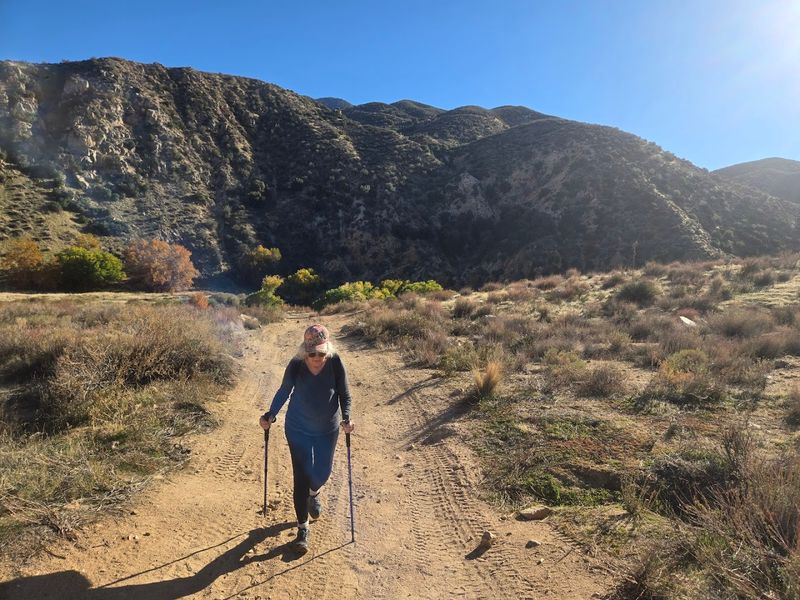
Long-distance hikers traveling the Pacific Crest Trail pass directly through the Deep Creek Hot Springs area during their journey. The trail spans from Mexico to Canada, covering 2,650 miles of diverse terrain, and this section offers one of the most memorable stops.
Two elevated bridges carry the PCT over Deep Creek, providing safe passage and impressive views of the canyon below.
These bridges replaced older crossing methods and make the area more accessible to through-hikers carrying heavy packs.
The engineering required to build them in such a remote location demonstrates the importance of this trail corridor.
Hikers often plan their schedules to allow time for soaking in the springs before continuing their journey.
Day hikers can use portions of the PCT to reach the hot springs, though other trail options also exist. The well-maintained trail surface and clear markers make navigation easier than some alternate routes.
Encountering PCT through-hikers adds an interesting social element to the experience, as they often share stories from their long journey.
The trail’s proximity means the springs can get busy during peak hiking season, typically April through June. Planning visits during weekdays or off-peak times may result in a quieter experience.
The combination of trail access and natural hot springs creates a destination that serves both serious hikers and casual adventurers.
4. Unique Pool Names Reflect Individual Characteristics
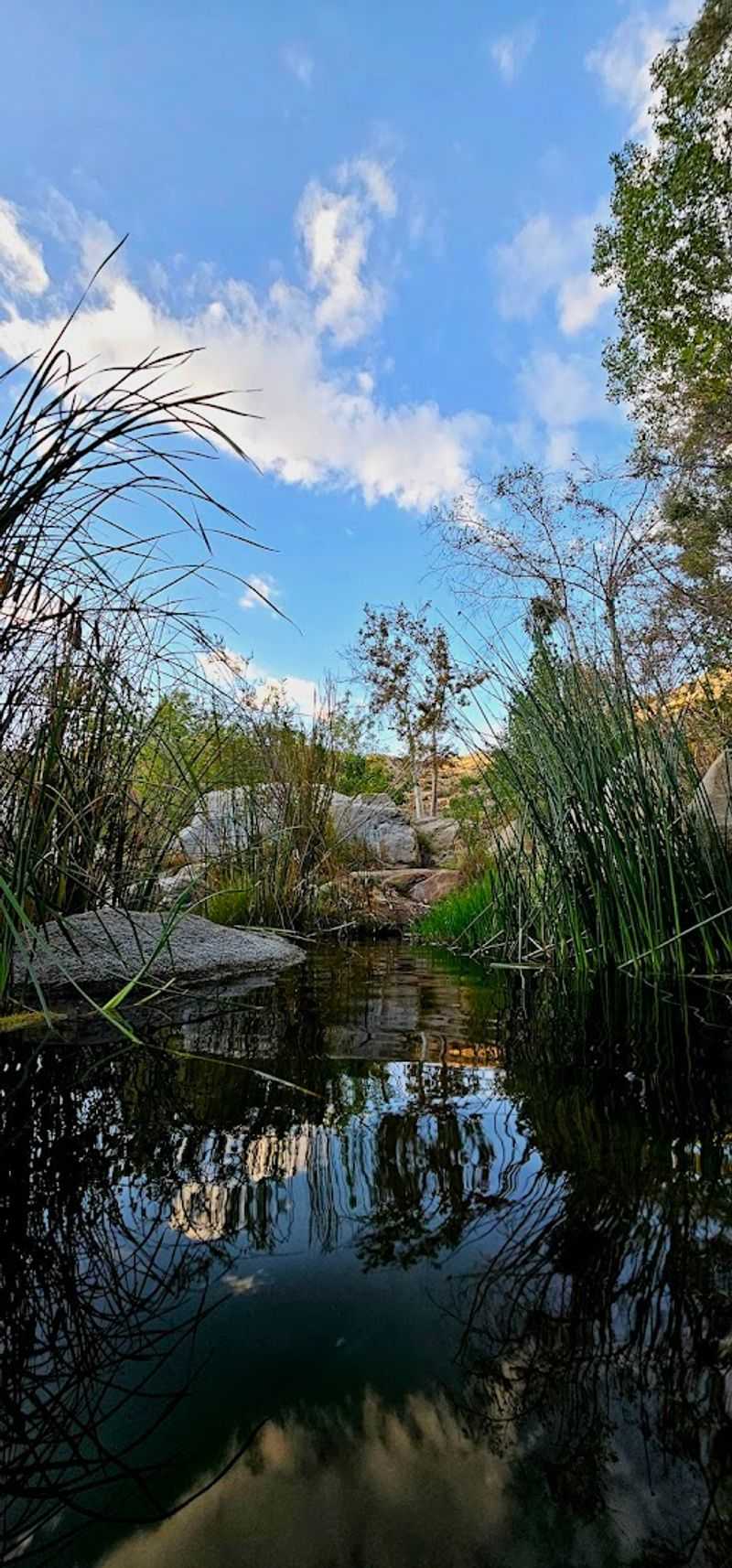
Regular visitors have given names to the various pools based on their distinctive features and personalities.
The Crab Cooker earns its name from being one of the hottest pools, with temperatures that can feel intense at first.
Anniversary Pool sits in a more secluded spot, making it popular with couples seeking privacy.
The Womb features a rounded shape and enclosed feeling that some find especially comforting and protective.
Serenity Pool lives up to its name by offering a calmer atmosphere, often positioned slightly away from the busiest areas.
Each pool develops its own character through a combination of temperature, location, and the type of visitors it attracts.
Learning these names helps orient newcomers to the layout and allows for easier communication about which pool someone prefers.
The naming tradition reflects the community that has formed around this natural resource over the years. Some pools work better for socializing, while others suit those seeking quiet contemplation.
Water depth varies significantly between pools, with some barely covering seated adults and others deep enough for full immersion. The creek’s flow level affects pool conditions, with higher water sometimes creating new pools or changing existing ones.
Exploring different pools throughout a visit allows people to discover their personal favorite based on temperature preference and desired atmosphere.
5. Challenging Access Requires Proper Preparation
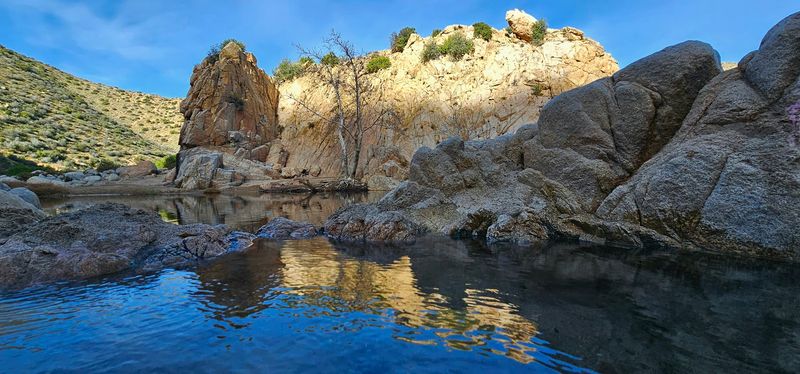
Several trailheads provide access to Deep Creek Hot Springs, but none qualify as easy walks. The terrain includes steep sections, loose decomposed granite that can feel like walking on ball bearings, and uneven surfaces that demand attention.
Hikers should expect to gain and lose significant elevation regardless of which route they choose.
The most popular approach covers about 2.5 miles each way with roughly 950 feet drop. That distance sounds manageable until the trail conditions and desert heat factor into the equation.
Proper footwear with good traction becomes essential, as slipping on loose rock creates real injury risk.
Trail conditions can deteriorate after storms, with debris and washouts creating new obstacles. Checking recent trip reports before heading out provides valuable information about current conditions.
Some sections feature narrow paths along steep slopes where careful foot placement matters significantly.
Physical fitness level should honestly match the trail difficulty before attempting this hike. The combination of elevation change, technical terrain, and potentially hot weather challenges even experienced hikers.
Turning back if conditions feel unsafe shows good judgment rather than weakness, as the remote location means help arrives slowly in emergencies.
6. Clothing Policy Reflects Natural Atmosphere
Deep Creek Hot Springs follows a long-standing tradition that allows visitors to decide their own level of attire while soaking. Many people choose to enjoy the pools in a more natural state, viewing it as part of the connection to the landscape.
Others prefer to wear swimsuits, and both approaches are generally accepted by those who frequent the springs.
First-time visitors sometimes feel unsure about what to expect. Taking a moment to observe the setting upon arrival helps gauge the overall atmosphere, which often leans toward a freer, naturist culture.
The remote location and challenging hike tend to attract guests who value personal freedom and a relaxed social environment.
Families should think carefully about this aspect before planning a visit, as children may encounter adults in various states of dress.
Some parents see it as an opportunity for open conversation about body positivity and respect, while others may decide it is not the right fit for their group.
Understanding the environment ahead of time helps avoid surprises after completing the demanding trek.
The tradition contributes to the laid-back, judgment-free feeling many visitors appreciate about Deep Creek. Courtesy remains essential regardless of attire.
Staring, inappropriate comments, or intrusive behavior are not tolerated. Photography requires particular sensitivity, and it is widely understood that capturing images of others without clear consent is unacceptable.
7. No Facilities Means Pack Everything In And Out
Visitors find absolutely no amenities at Deep Creek Hot Springs beyond the natural pools themselves.
No restrooms exist anywhere near the springs, requiring people to practice proper wilderness bathroom techniques well away from water sources.
Bringing toilet paper and a bag for packing out waste demonstrates environmental responsibility.
The lack of potable water means carrying enough for both the hike and time spent at the springs. Desert conditions increase water needs significantly, with many people requiring a gallon or more for a half-day visit.
Running out of water in this environment creates a dangerous situation quickly.
Trash services don’t exist, making the pack-it-in, pack-it-out principle absolutely essential. Every wrapper, bottle, and piece of waste must return in the same pack that brought it.
Some visitors go further by picking up trash left by less considerate people, helping preserve the area’s beauty.
The absence of facilities means planning ahead for all personal needs before starting the hike. Forgetting sunscreen, snacks, or first-aid supplies can’t be remedied once on the trail.
This self-sufficiency requirement filters out casual visitors and attracts those willing to take responsibility for their own comfort and safety in a wilderness setting.
8. Water Quality Concerns Require Safety Awareness
Primary amoebic meningoencephalitis, though extremely rare, has been associated with warm freshwater environments including hot springs.
This brain infection occurs when contaminated water enters through the nose and can prove fatal.
The risk remains very low, but awareness and prevention make sense given the serious consequences.
Keeping heads above water eliminates the primary transmission route for this amoeba. Many visitors soak comfortably for hours while following this simple precaution without incident.
Avoiding submersion doesn’t diminish the relaxation benefits or enjoyment of the warm pools.
Water quality varies depending on recent rainfall, creek flow levels, and the number of visitors using the pools. Some pools maintain better water quality than others based on their location and water source.
Other water quality issues include the potential for contamination from visitors themselves, making personal hygiene important.
Rinsing off before entering pools and avoiding pools if experiencing illness shows consideration for others.
The natural environment lacks the filtration and chemical treatment of commercial facilities, requiring visitors to accept some level of natural water conditions while taking reasonable precautions.
9. Seasonal Considerations Affect Visit Comfort
Spring months from March through May offer ideal conditions for visiting Deep Creek Hot Springs in most years.
Temperatures stay moderate, making the hike more comfortable and the contrast between air and water temperature especially pleasant.
Wildflowers sometimes bloom in the canyon during wet springs, adding visual interest to the landscape.
Fall brings another excellent window from September through November when summer heat subsides but winter cold hasn’t arrived.
The creek typically runs lower during fall, which can mean better defined pools and warmer water temperatures.
Fewer visitors may be present compared to spring, creating a more peaceful experience.
Summer visits require extreme caution due to dangerous heat that regularly exceeds 100 degrees Fahrenheit.
The combination of intense sun, high temperatures, and strenuous hiking creates serious heat illness risk.
Many experienced visitors avoid summer entirely, considering the danger too great regardless of heat tolerance.
Winter can bring pleasant daytime temperatures perfect for soaking, though nights get quite cold in the desert.
The hot springs feel especially inviting when air temperatures drop, creating dramatic temperature contrasts.
However, winter storms can make trails muddy or dangerous, and shorter daylight hours limit visit duration.
10. No Overnight Camping At The Springs
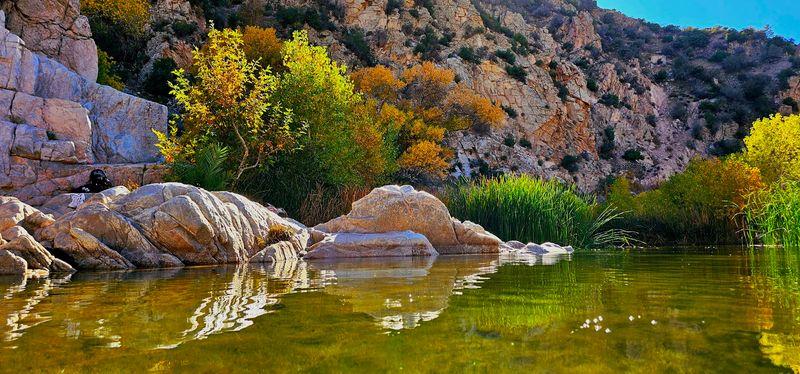
Regulations prohibit overnight camping directly at the hot springs themselves, though enforcement can be inconsistent.
This rule aims to reduce environmental impact and prevent the area from becoming a long-term camping destination.
Day use allows the land to recover between visitor groups and helps maintain the natural character.
Designated camping areas exist near some trailheads, allowing overnight stays for those wanting an early start to the hike. These campsites typically offer basic amenities like fire rings and cleared tent spaces.
Camping near the trailhead means a shorter hike the next morning when temperatures stay cooler and energy levels run higher.
Some visitors complete the hike, spend several hours soaking, and return the same day without camping. This approach works well for people living within a few hours’ drive who can start early.
Others prefer the camping option to split the experience over two days and avoid rushing.
Backcountry camping regulations apply in the surrounding national forest, with specific rules about distance from water sources and trail corridors.
Understanding and following these regulations protects the environment and keeps the area accessible for future visitors.
Obtaining necessary permits before arrival prevents problems with forest service rangers who patrol the area.
11. Environmental Stewardship Preserves This Resource
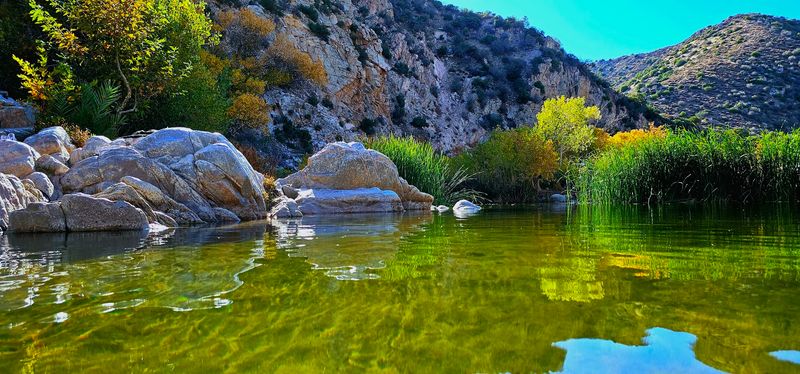
Leave No Trace principles form the foundation of responsible visitation at Deep Creek Hot Springs. These seven guidelines help minimize human impact on fragile desert ecosystems that recover slowly from damage.
Packing out all trash, staying on established trails, and respecting wildlife all fall under this philosophy.
The popularity of Deep Creek has increased pressure on the environment, making individual responsibility more important than ever.
Each visitor’s choices either contribute to preservation or degradation of this natural resource.
Small actions multiply across hundreds of visitors, creating either positive or negative cumulative effects.
Soap and shampoo should never be used in or near the pools, as these products contaminate the water and harm aquatic life.
Even biodegradable soaps affect water chemistry and the creatures living in the creek. Rinsing off beforehand and saving bathing for after returning home shows respect for the environment.
Disturbing rocks, carving into trees, or creating new trails damages the landscape in ways that last for years.
The temptation to alter the environment for personal convenience or to leave a mark should be resisted.
Future visitors deserve to experience the same natural beauty, and environmental stewardship ensures Deep Creek Hot Springs remains a special destination for generations ahead.