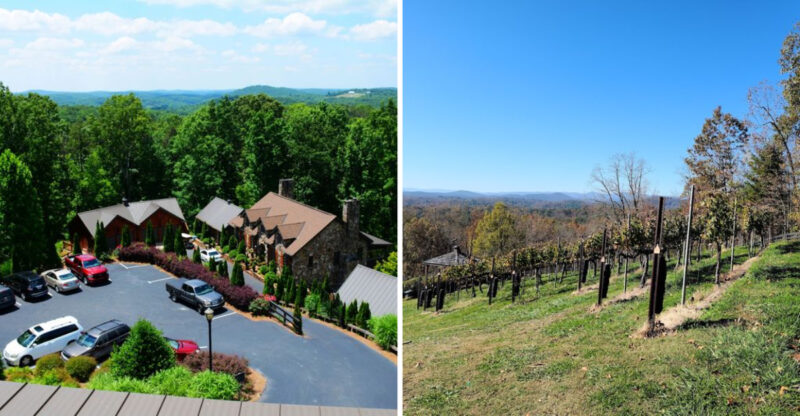
This Overlooked Georgia Museum Holds The Untold Story And Heart Of The American West
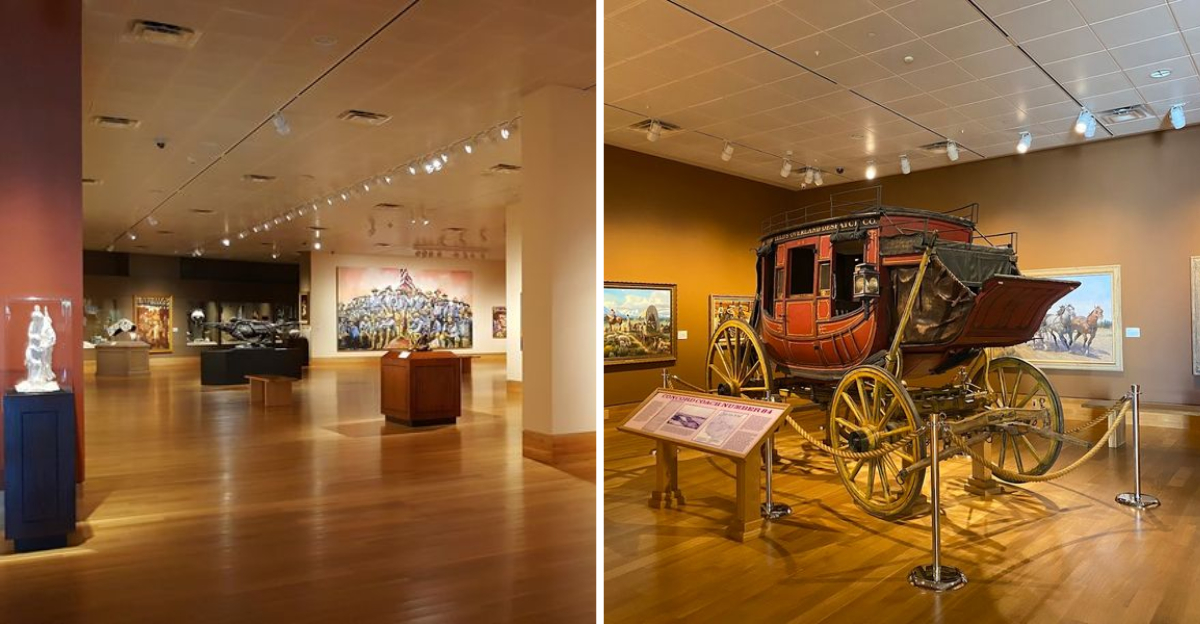
How does the spirit of the American West end up in the American South? That question is exactly what this museum was built to answer.
Georgia is home to something most people drive right past without a second glance.
Inside, the walls carry stories that history textbooks have quietly left out for generations.
Artifacts, imagery, and voices from a forgotten era fill every single corner with purpose.
This is not a place that shouts for attention. It earns it slowly, room by room.
The West has always had many hearts. One of them beats here, far from where absolutely anyone ever expected to find it.
How A Small Town Surprised Everyone
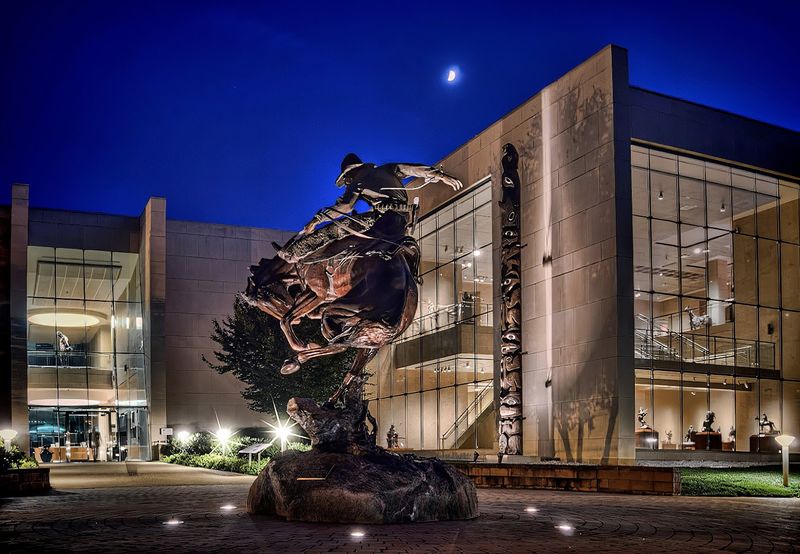
Nobody expects to find the world’s largest permanent exhibition space for Western art sitting in a small Georgia town. Yet here it stands, and the backstory is just as compelling as the art inside.
The founders spent more than 30 years carefully building this collection before the museum opened its doors in 2003.
That kind of patience and dedication shows in every gallery. You can feel the lifelong passion behind each carefully chosen piece.
This is not a collection assembled quickly to fill a building. It was built slowly, with real intention and love for the subject.
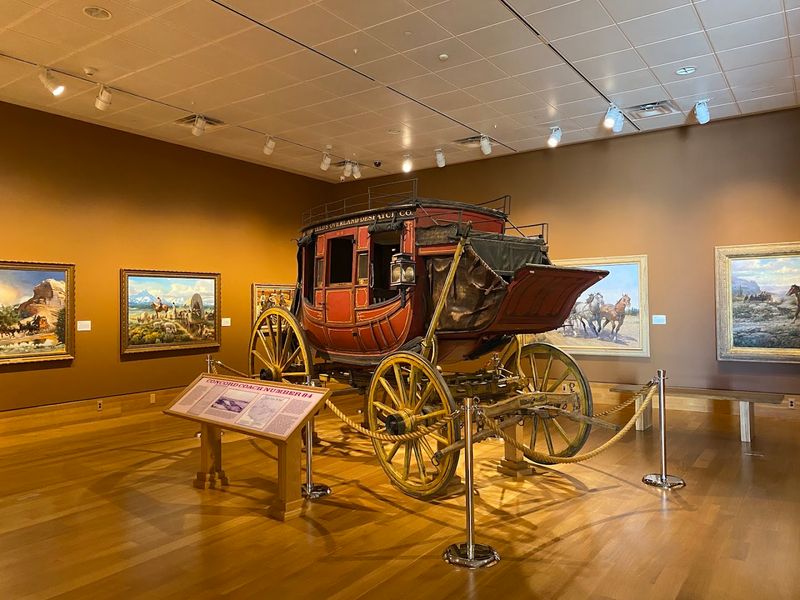
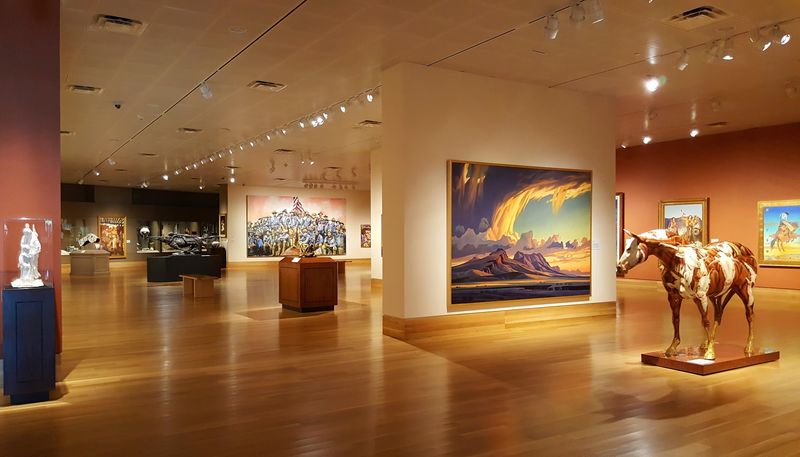
The museum covers 120,000 square feet, which is hard to picture until you are actually walking through it. Plan for at least three hours, because rushing through it would be a real shame.
The Booth Western Art Museum is located at 501 N Museum Dr in Cartersville, and it sits right in the heart of a downtown area full of dining and shopping options nearby.
The Architecture Makes A Statement
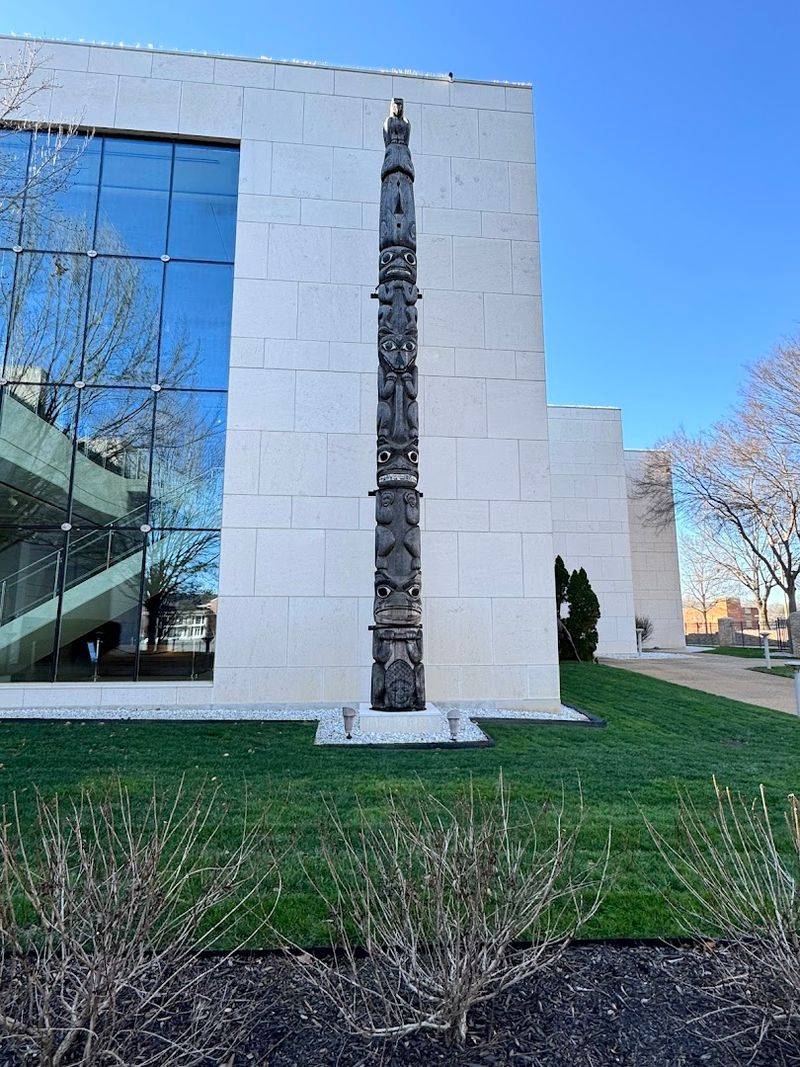
Before you even go through the front doors, the building itself sets a tone. The Booth Western Art Museum features a striking limestone exterior that carries a sense of weight and permanence.
It does not try to blend into the surrounding streetscape. It announces itself confidently, and that confidence feels entirely earned.
The entrance area includes an outdoor sculpture garden that is absolutely worth a slow stroll before or after your indoor visit.
Bronze figures and carefully placed installations greet you as you approach, giving the whole arrival experience a ceremonial quality. I paused at several pieces before I even reached the main entrance.
Inside, the architecture supports the art rather than competing with it. High ceilings give large paintings room to breathe. Natural light is used thoughtfully in certain galleries.
The building is ADA accessible, with a centrally located elevator making every floor reachable for all visitors. The overall design communicates that Western art deserves serious, beautiful spaces.
The architectural ambition here is remarkable and sets the right mood from the moment you arrive on the grounds.
Presidential Gallery
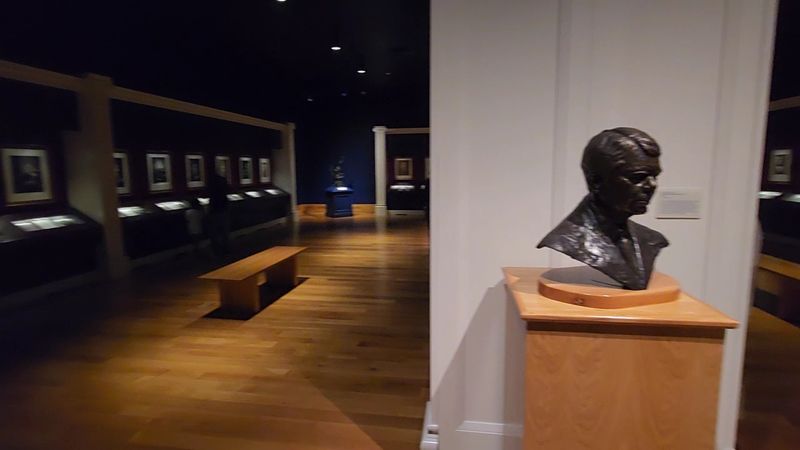
Somewhere between the cowboy paintings and the bronze sculptures, there is a room that stops nearly every visitor cold.
The Presidential Gallery holds signed letters from every single U.S. President, from George Washington all the way to Donald Trump. That is not a collection you stumble upon every day.
Each letter gives you a small window into the personality and priorities of a different era in American leadership. Some are formal and precise.
Others are surprisingly personal and candid. Reading them feels like eavesdropping on history in the best possible way.
Multiple visitors have said the Presidents room alone is worth the price of admission, and after spending time in there myself, I completely understand why. The curators have done a thoughtful job of providing context alongside each document.
You walk out with a richer sense of how the presidency has changed over more than two centuries, and how the American West often shaped the conversations happening in Washington at the time.
War Painted Without The Sugarcoating
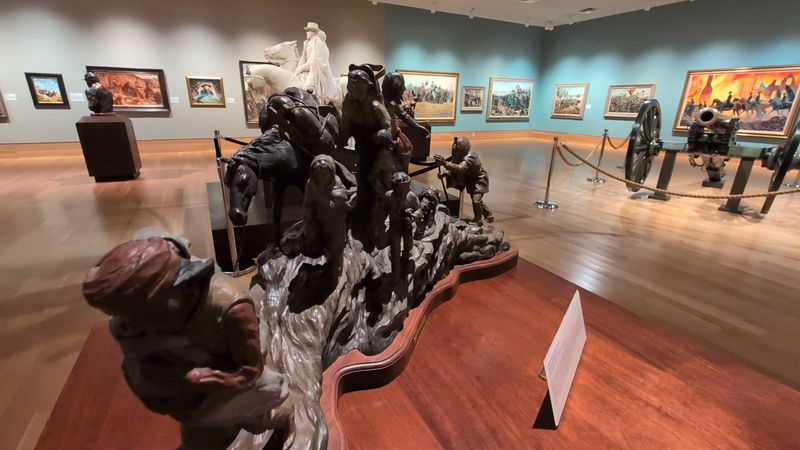
The Civil War galleries at this museum take a thoughtful and unflinching look at one of the most painful chapters in American history.
Large-scale paintings and sculptures portray both the chaos of battle and the quieter, more human moments that soldiers experienced. Nothing here feels sanitized or overly romanticized.
I found myself standing in front of a mural-sized canvas for a long time, just taking in the detail. The artists represented in these galleries clearly did their research.
The textures of uniforms, the expressions on faces, and the landscapes all feel grounded in real history rather than myth.
Each piece is accompanied by a short but detailed description that explains the historical event or scene being depicted. That context makes a big difference.
Without it, you might admire the craft but miss the deeper meaning. With it, the art becomes a genuine history lesson.
For anyone who loves American history, this section of the Booth Western Art Museum delivers a level of depth and emotional weight.
Native American Perspectives Honored Here
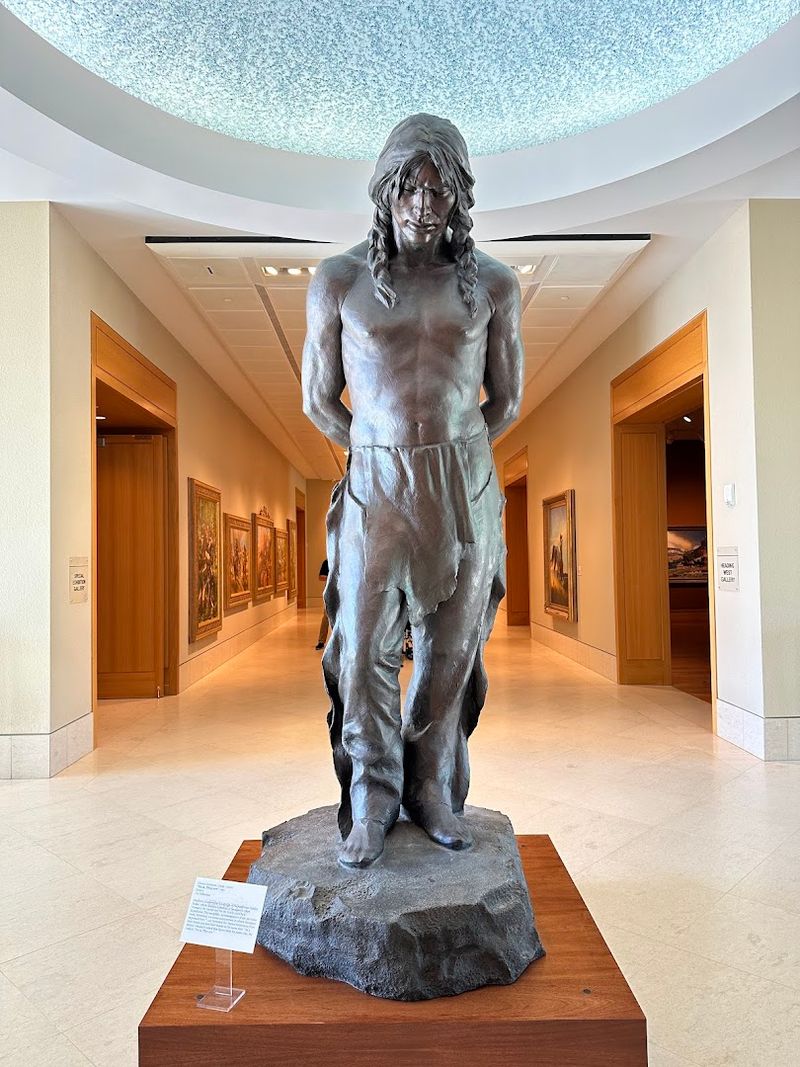
One of the things I appreciated most about this museum is how seriously it takes Native American history and art. This is not a token corner with a few artifacts tucked away.
Indigenous perspectives are woven throughout the collection in a way that feels respectful and genuinely educational.
You will find traditional headdresses, moccasins, and detailed paintings depicting everyday indigenous life across different nations and regions.
The curators have worked to present these items with proper historical context rather than treating them as curiosities. That distinction matters enormously, and visitors notice it.
The annual West Fest event, formerly known as the Cowboy Festival, includes live Native American dancing and cultural performances that bring this dimension of the collection to life in a powerful way.
Attending that event adds a layer of experience that no gallery display can fully replicate.
For anyone who wants a more complete understanding of Western history, the indigenous art and heritage sections of this extraordinary museum offer some of the most thoughtful and humanizing storytelling in the entire building.
Plan extra time here, because there is a lot to absorb.
Contemporary Western Art And Living Artists
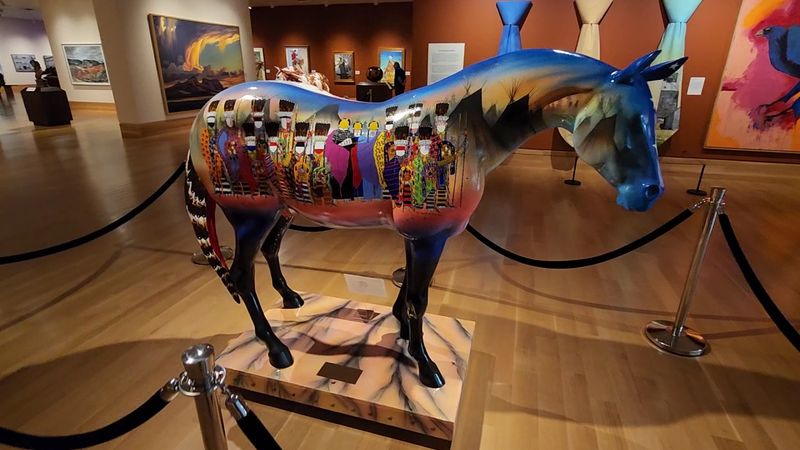
Western art is not frozen in the 19th century, and this museum makes that point beautifully. The contemporary galleries feature living artists who are actively reshaping what it means to paint or sculpt the American West.
Some of their interpretations are bold, unexpected, and even a little provocative. I walked through one section where the color palettes felt almost electric compared to the muted earth tones of the traditional galleries.
The contrast was deliberate and effective. It reminded me that the West is not just a historical subject but a living, evolving one that artists are still wrestling with today.
A watercolor exhibit featuring work from artists was running during one recent visit, showing that the museum also celebrates regional talent.
The Booth Western Art Museum treats contemporary Western art with the same seriousness it gives to historical works. That keeps the entire experience feeling fresh and relevant rather than dusty or dated.
Adults Loved This Kid Zone Too
There is a special area inside the museum called Sagebrush Ranch, and it is designed specifically for younger visitors.
That said, I will be honest: the adults in the group seemed to enjoy it just as much as the kids. I know I definitely did!
Something about a hands-on space that puts you inside the world of the Old West has a way of waking up your curiosity at any age.
Children can explore replica ranch settings, try on gear, and interact with displays that make Western history feel tangible rather than abstract.
For families with young kids, this section is a genuine relief. It gives little ones an outlet for their energy while keeping the learning going in a fun format.
Parents have shared that their three-year-olds had a wonderful time here, which says a lot about how well the space is designed for small visitors. The staff in this area are patient and enthusiastic.
If you are visiting with children, do not rush through Sagebrush Ranch. Give the kids time to really explore, because the hands-on experience here plants seeds of curiosity about history that can last a very long time.
Plan Smart And Leave Wanting More
The museum is open Tuesday through Saturday from 10 AM to 5 PM, and on Sundays from 1 PM to 5 PM. Monday is a closed day, so plan accordingly.
Arriving early on a weekday gives you the quietest and most relaxed experience, especially if you want to spend real time in each gallery without crowds.
One piece of advice I would give anyone: book the docent-led tour. It runs once a day and the guides are genuinely knowledgeable.
They share stories, symbolism, and historical context that you simply will not get from reading the wall plaques alone.
Parking is free and located across the street, which is a welcome convenience. The on-site bistro serves food at reasonable prices, making it easy to spend a full day without leaving the property.
The gift shop is well stocked with interesting Western-themed souvenirs and art prints.