This Peaceful Alaska Mountain Town Feels Made For Slowing Down And Starting Fresh
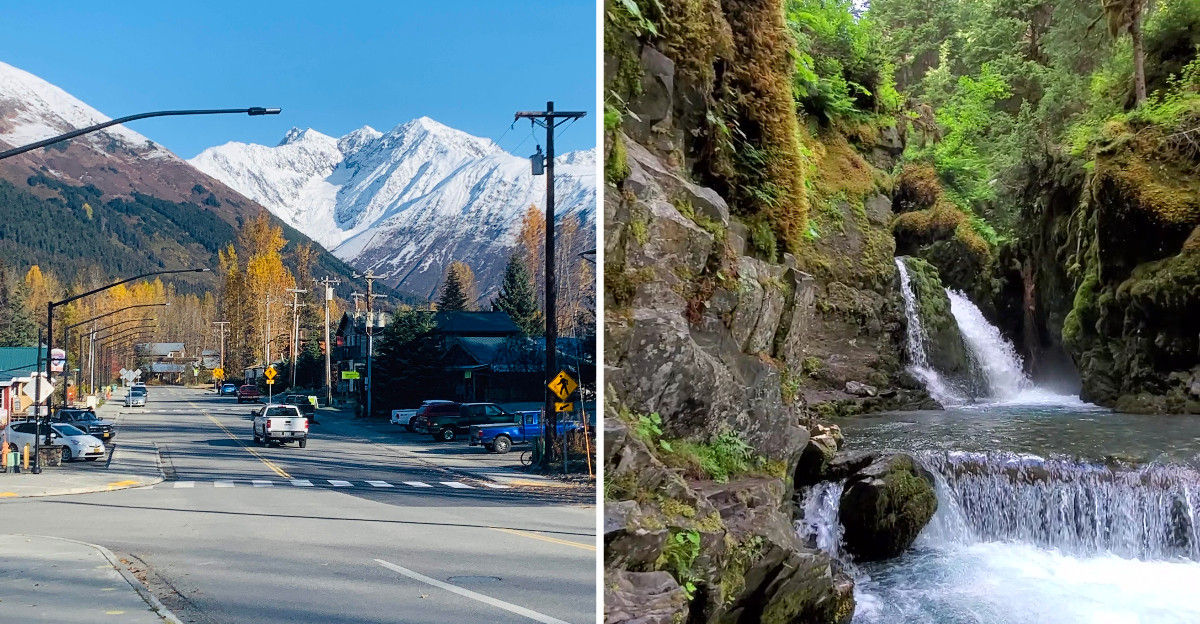
Starting fresh sounds dramatic until you picture a small mountain town where the pace naturally seems slower.
Alaska has one valley community surrounded by glaciers, trails, wildlife, and enough open space to make everyday routines feel very far away.
I can see why people come for scenery and start wondering what staying longer might feel like.
The appeal is not just dramatic mountains; it is the possibility of quieter mornings, outdoor time, and fewer distractions.
Who would not be curious about that?
Some places make a weekend feel full. This one sounds like the kind that could make you rethink what “busy” should mean.
Gold Claims And Ghost Town Days
Long before ski lifts, prospectors called this place Glacier City. Girdwood began as a busy supply camp for placer gold miners.
They crowded the creeks feeding Turnagain Arm, chasing flakes and fortune. Colonel James Girdwood, an Irish immigrant, staked claims on Crow Creek in 1896.
His name stuck, and the community grew around that early ambition. Railroad construction in 1915 pushed development further, and businesses multiplied quickly.
By 1917, a genuine Main Street bustled with shops and services. Mining declined sharply in the late 1930s as several local operations closed, leaving Girdwood close to becoming a ghost town.
The community nearly became a ghost town before highway construction brought new activity to the valley. The Seward Highway changed everything when it was finished in 1951.
That road reconnected the valley to Anchorage and the Kenai Peninsula. New life and a new economy followed the pavement.
The 1964 Good Friday Earthquake rewrote the map again. The original townsite dropped below the high tide line of Turnagain Arm.
After the earthquake, the townsite was reestablished about two and a half miles farther up the valley on higher ground.
Seven Glaciers From Mount Alyeska
Ride high on Mount Alyeska and, on a clear day, you can see up to seven hanging glaciers from the upper tram area.
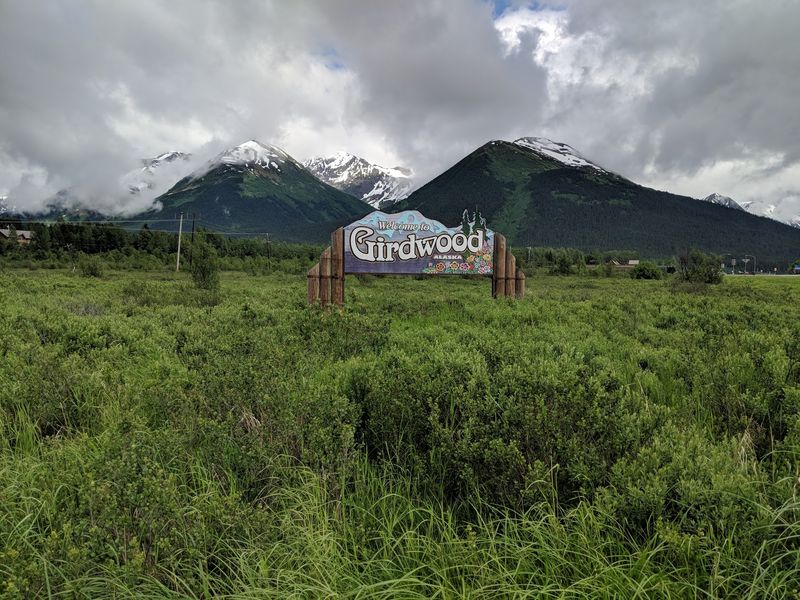
The Chugach Mountain Range wraps around the town like a stone amphitheater. Peaks rise from sea level to more than 6,000 feet.
Waterfalls streak the valley walls, especially in warm summer months. Virgin Creek Falls sits at the end of a short, easy trail.
That path winds through old-growth forest and ends at a photogenic cascade. Bring a camera, because the light there shifts constantly.
Girdwood sits inside a temperate rainforest, which surprises many first-time visitors. Towering Sitka spruce shade the trails and hold in the damp air.
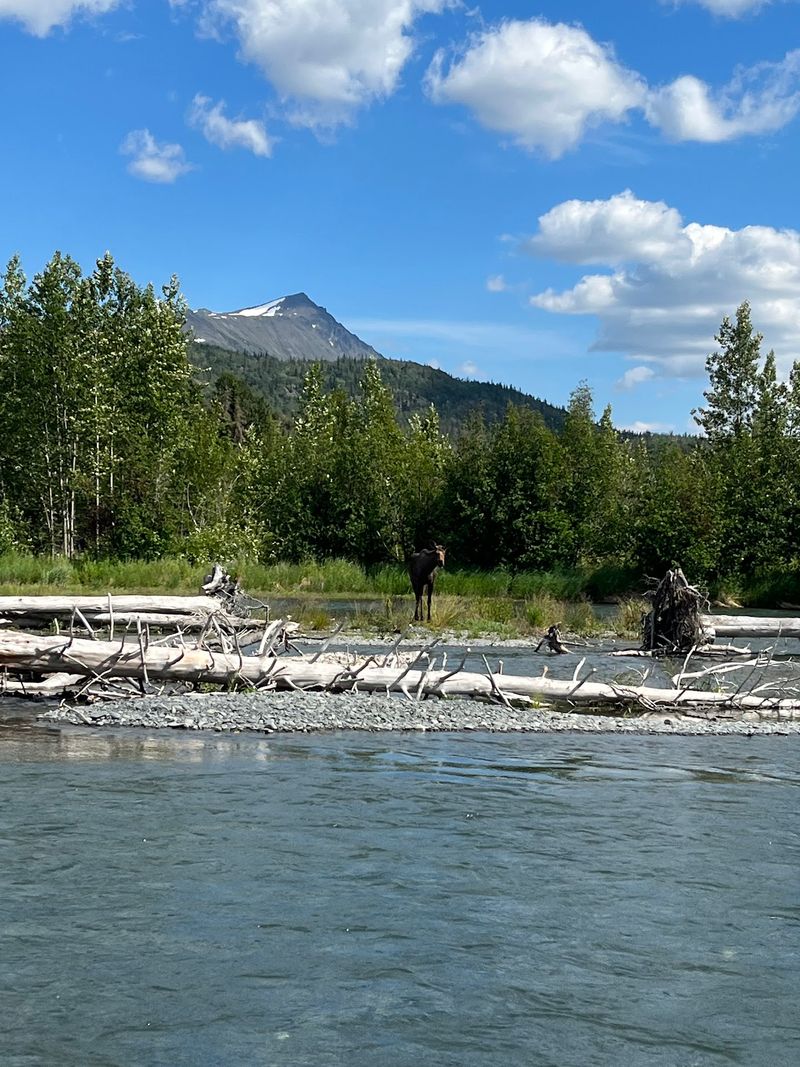
Wildlife thrives in this rich habitat. Moose graze along quiet roadsides, while bears and mountain goats roam higher ground.
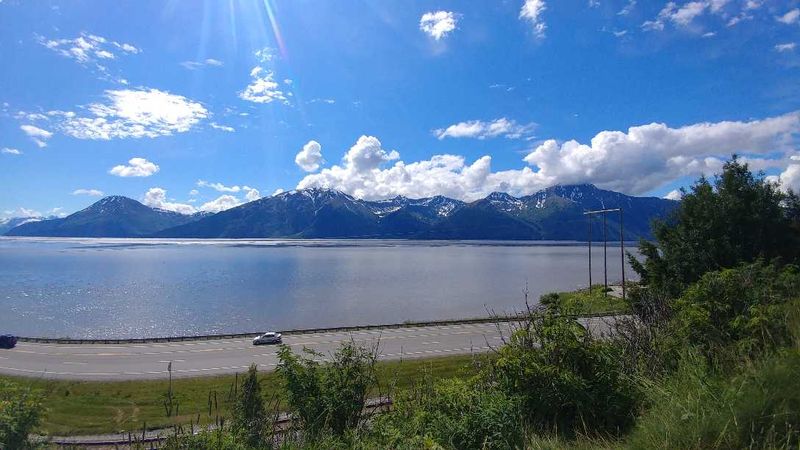
The valley opens onto Turnagain Arm, a 45-mile waterway reaching toward Portage. Dall sheep pick their way across cliffs above the water.
Eagles circle overhead, scanning the silty channel for fish. Belugas are most commonly spotted along Turnagain Arm from mid-July through August when salmon are running, though sightings can occur later in the fall.
Riding The Bore Tide
Here is a wave that keeps a schedule.
A bore tide can be seen somewhere along Turnagain Arm on nearly every day, although its size varies dramatically with tidal conditions.
A moving wall of water pushes up the narrow arm. It can reach around six feet tall on a strong day.
Speeds climb to roughly 15 miles per hour as it travels. Experienced surfers sometimes ride the bore tide for miles as it moves through the arm.
Watching from a pullout along the Seward Highway is half the fun. On larger bore tides, you may hear the approaching water roar before the wave passes your viewpoint.
Timing matters, so check tide tables before driving out. Larger tides generally produce the most dramatic show.
Dress warmer than you think you need, since wind funnels down the arm. A thermos and patience both pay off nicely.
Do not walk out onto the mudflats, which are notoriously soft and sticky. Stay on solid ground and enjoy the view from there.
Beyond the wave, the arm delivers some of North America’s finest scenery. Cliffs on one side, glacial water on the other.
Winter Slopes And Snowy Nights
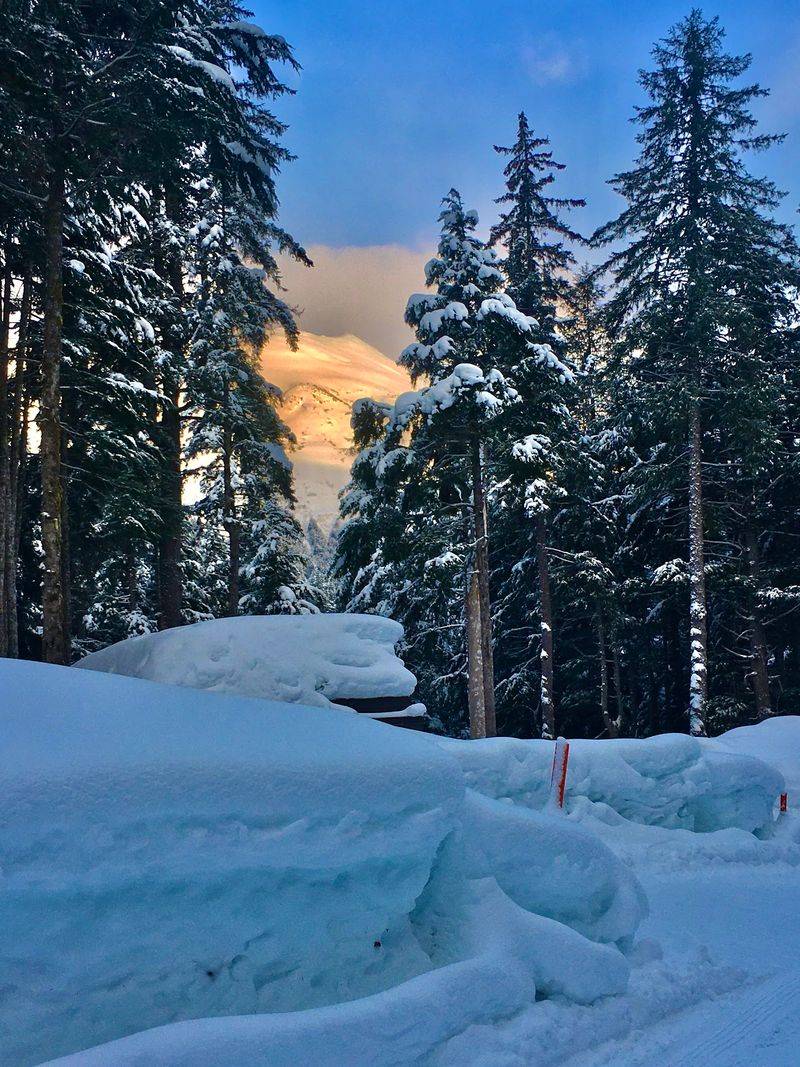
Snow arrives here with real commitment.
Alyeska Resort offers 1,610 skiable acres, 76 named trails, and an average of more than 650 inches of summit snowfall annually. Terrain suits beginners and experts alike, with plenty of steep options.
Ski-season dates depend on conditions; Alyeska’s 2025–26 season ran from November 29 through April 26.
Downhill runs are only part of the winter menu. Nordic skiing takes you through hushed forests where the only sound is your own breathing.
Snowmobile trips open up wide white country beyond the trees. Dog mushing offers a classic northern experience with a team pulling hard.
Dog mushing is among the winter activities available in the Girdwood area. Guided experiences offer visitors a chance to experience Alaska’s sled-dog tradition firsthand.
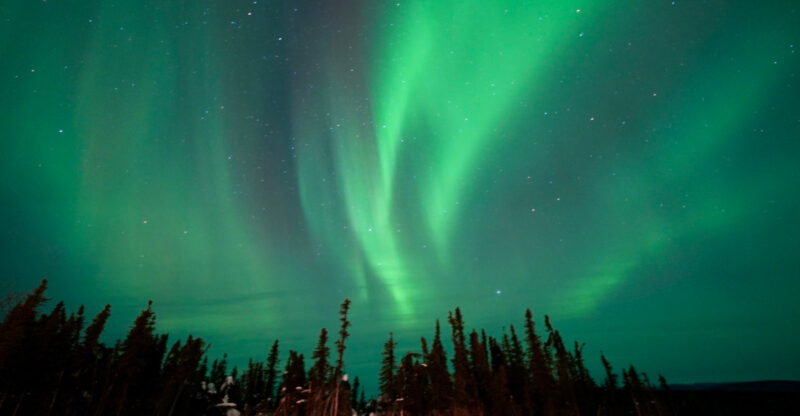
Dark winter skies bring another possibility. Northern Lights can appear over Girdwood on clear winter nights, although sightings are never guaranteed.
Clear, cold nights give you the best odds. I recommend checking aurora forecasts and keeping your boots by the door.
Tram Views And Skybridges
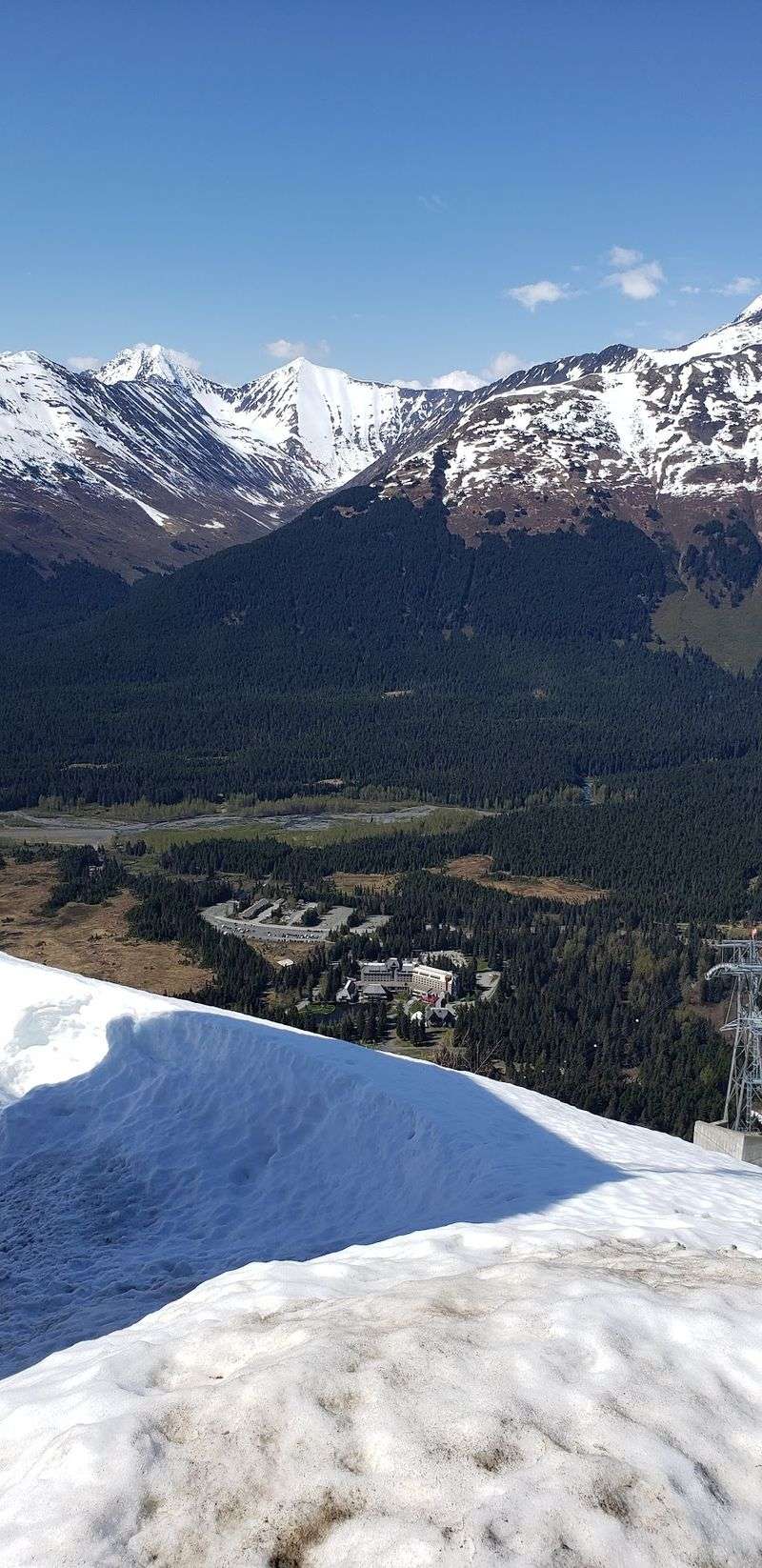
Going up changes everything.
The Alyeska Aerial Tram carries up to 40 passengers per car to an upper terminal about 2,300 feet above sea level in roughly three to seven minutes.
From the top, Turnagain Arm stretches out below in silver bands. Seven glaciers glisten in the distance, easy to pick out on clear days.
The summit has a deli and a fine dining restaurant for hungry visitors. A small museum shares local stories worth a few minutes.
Skiers use the tram in winter to reach prime upper terrain. Snowboarders do the same, riding up while the valley sleeps below.
Summer turns the mountaintop into a hiking hub. Trails climb higher above the tram station for those with energy to spare.
Many hikers climb the steep North Face Trail and then take the aerial tram back down. Others simply ride back and call it a perfect afternoon. Paragliding is not currently part of Alyeska Resort’s public activity lineup.
The Veilbreaker Skybridges hang about 2,500 feet above the valley floor and are typically offered from July through September when weather and operating conditions allow.
Summer Trails Through The Rainforest
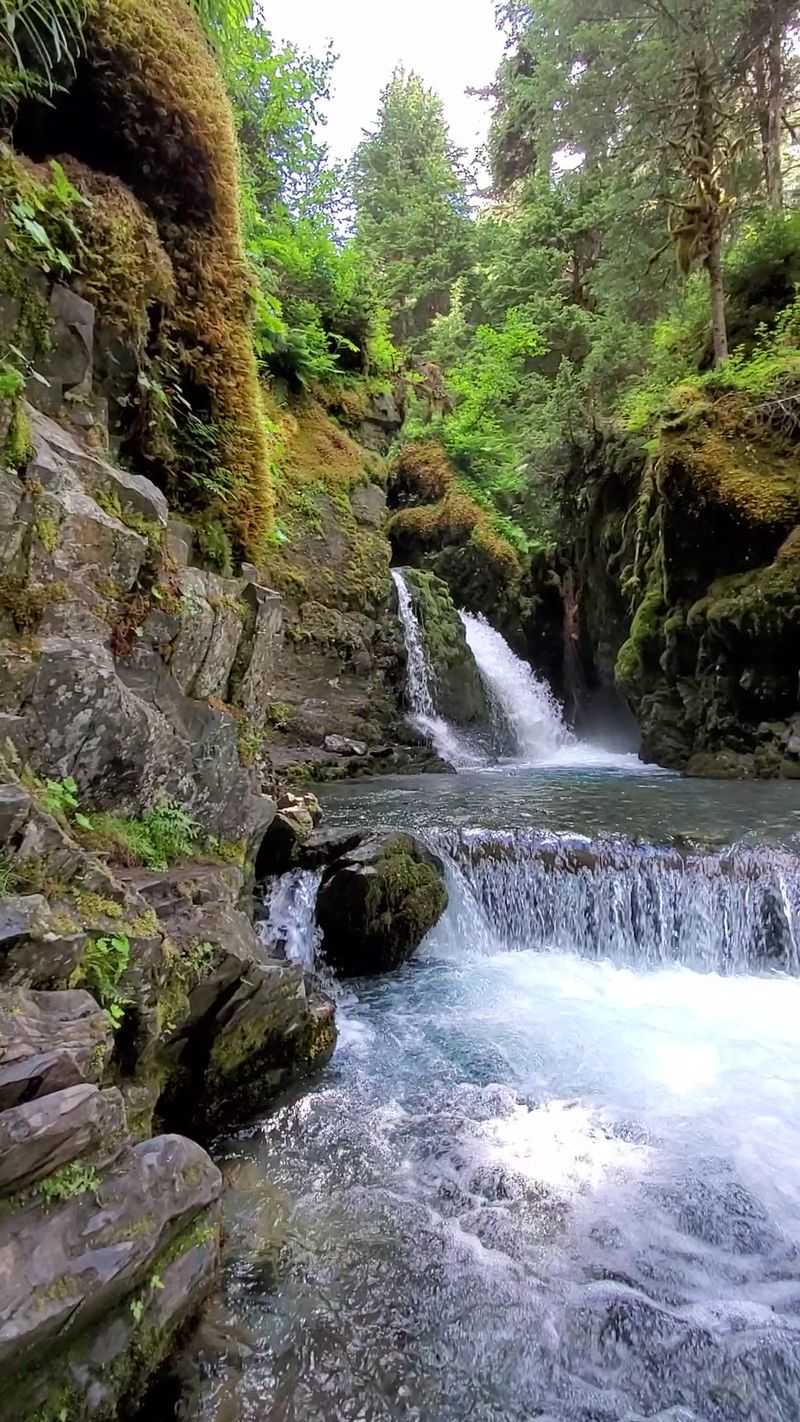
When the snow retreats, the trails take over. Miles of paths thread through temperate rainforest, mossy and green and wonderfully quiet.
Winner Creek Trail is the crowd favorite for good reason. It rolls at a moderate grade through thick forest toward a scenic gorge.
Winner Creek’s former hand tram over Glacier Creek is no longer in operation. The current out-and-back route turns around at Glacier Creek, where the hand tram once provided a crossing.
Crow Pass Trail asks for more effort and gives back alpine country. Along the way you pass gold-mining relics and reach glacier views.
Bring layers, water, and bear awareness before heading up. Weather shifts fast at elevation, even in July.
Mountain bikers get their turn in summer too. Downhill terrain opens up, delivering thrills that rival winter runs.
Beyond trails, the season offers plenty. Flightseeing tours reveal glacier fields from above, and glacier cruises bring you close to the ice.
Gold panning at historic Crow Creek Mine connects you to the town’s mining roots. Visitors can still try recreational gold panning at historic Crow Creek Mine.
Dog sledding even continues on glaciers during the warm months. Summer in Girdwood keeps handing out reasons to postpone your flight home.
Forest Fairs And Slush Cup
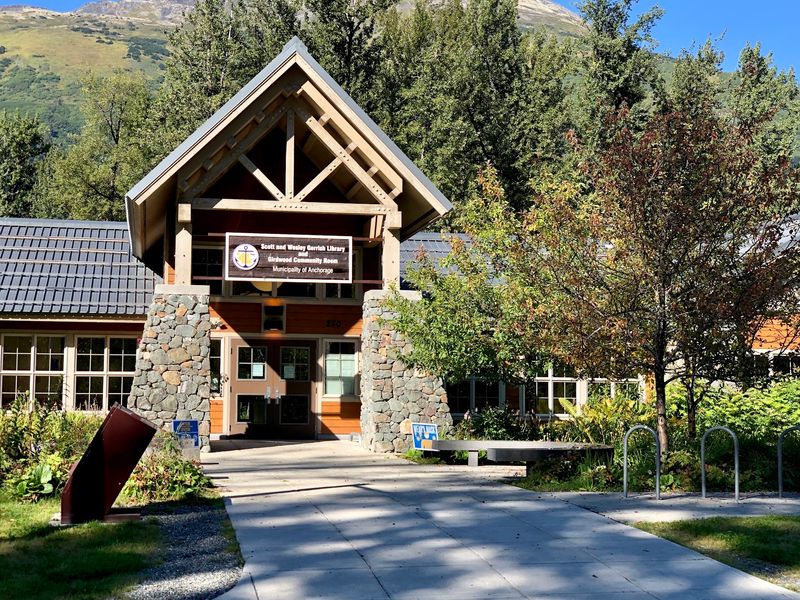
About 2,000 year-round residents live in Girdwood, according to the Municipality of Anchorage. Though part of the Municipality of Anchorage, the town keeps its own independent character.
Residents favor a relaxed, rural rhythm built around the outdoors. The local mix includes former miners, artists, environmentalists, and Olympic athletes.
That blend creates conversation you will not find in bigger places. The Girdwood Center for Visual Arts showcases local artisans in a cooperative gallery.
Artist volunteers staff the cooperative gallery, giving visitors opportunities to meet and talk with the artist working that day.
Festivals anchor the calendar. The Girdwood Forest Fair fills the first weekend of July with crafts, artwork, food, games, music, and dancing.
Spring Carnival arrives with the Slush Cup as its headline event. Costumed skiers launch themselves across an icy pond, with mixed results.
Autumn brings Oktoberfest celebrations at Girdwood Brewing Company, a popular local gathering spot. A dachshund parade is part of the tradition, and yes, it is delightful.
Planning, Weather, And Neighbors
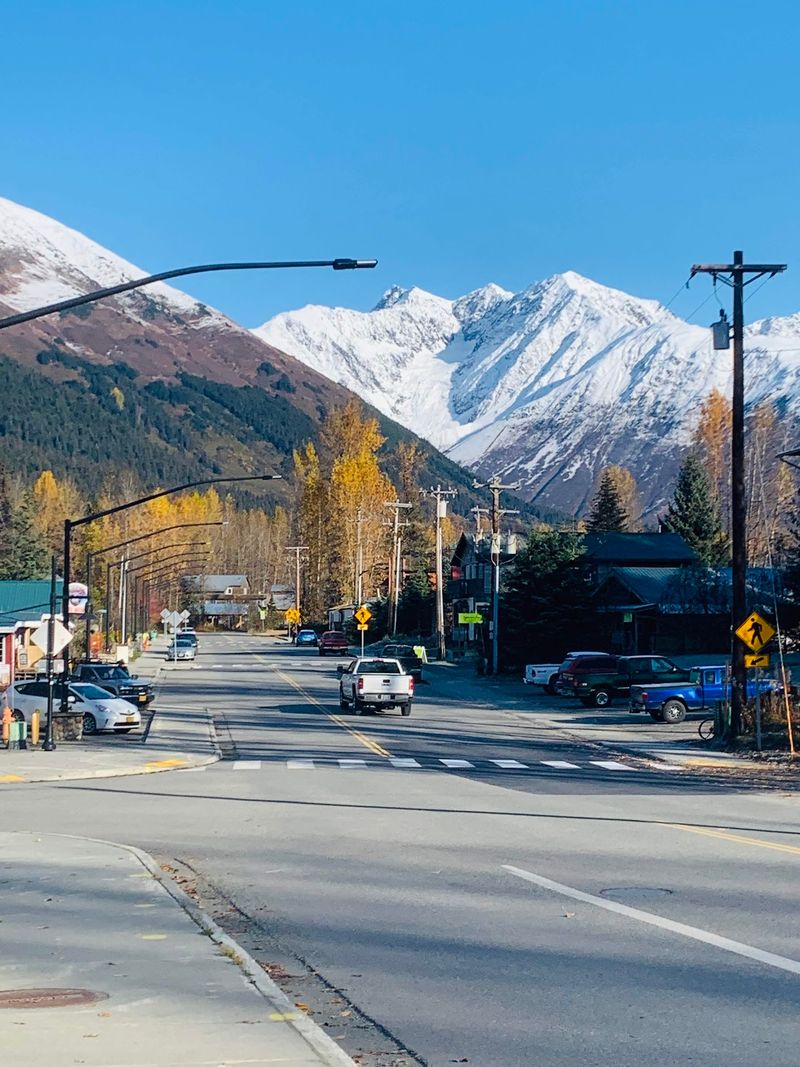
A little planning stretches a good trip into a great one. Skiers should aim for December through March, when snow conditions peak and daylight lasts longer than deep winter.
Hikers do best between June and August, with the longest days of the year. Early fall delivers golden leaves, cooler air, and thinner crowds.
Rain comes with the rainforest, so pack layers and a shell. Locals say to grab sunny days while they last, and that advice holds.
Getting here is simple. The scenic Seward Highway runs 36 miles south from Anchorage, and motorcoach or shuttle service works without a car.
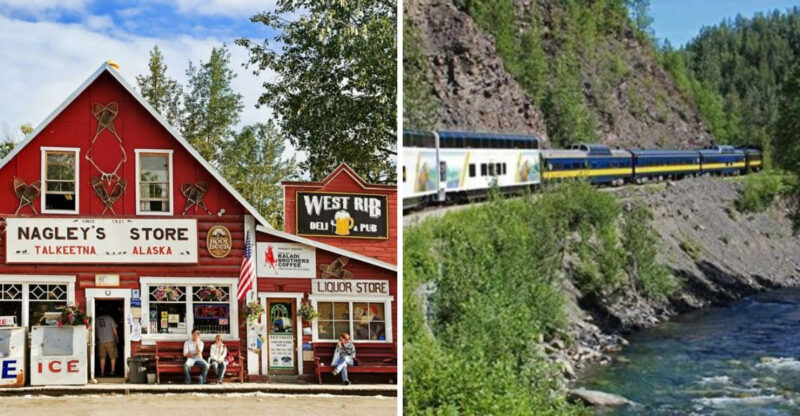
The Alaska Railroad offers a beautiful alternative route. You can also ride the rails onward to Whittier and Prince William Sound.
Nearby stops enrich the itinerary. The Alaska Wildlife Conservation Center rescues and rehabilitates animals, housing bears, wolves, moose, caribou, bison, and foxes.
Educational programs and animal encounter tours run there regularly. Prince William Sound sits less than 10 miles away, with glacier cruises showing tidewater ice calving into the sea.