This Peaceful Connecticut Trail Follows The River And Makes A Beautiful Walk On A Crisp Fall Day
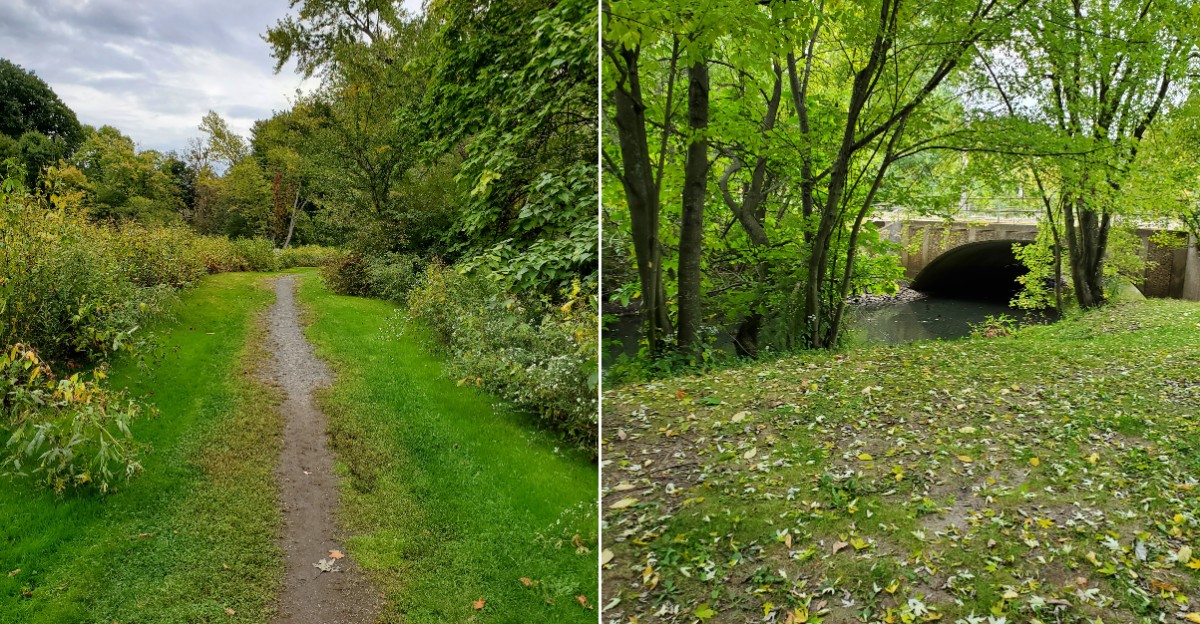
Crunching leaves under your shoes can be the most satisfying soundtrack to an October afternoon.
Add the sound of a nearby river, and you have a pretty good reason to leave your phone in your pocket for a while.
Fall walks do not need steep climbs or complicated hiking plans to feel rewarding.
A gentle trail beside the water can offer enough scenery to make an ordinary afternoon feel like a proper escape.
Along one Connecticut riverside trail, autumn brings a chance to enjoy changing leaves and the quieter pace of a waterside walk.
The appeal comes from noticing small things.
A reflection moves across the river, a colorful leaf drifts past and the air feels pleasantly cool after months of summer heat.
You can take your time without treating the outing like a race.
Sometimes the most enjoyable outdoor plans are the simplest ones, especially when the scenery gives you a good excuse to keep walking.
1. Meet The Little Loop With Big River Views
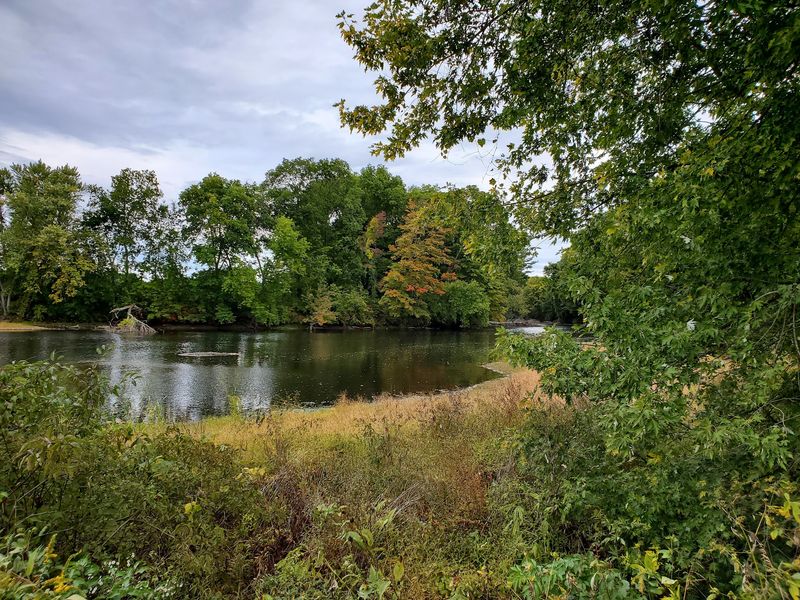
Two rivers on one easy walk? That’s a pretty good deal for an afternoon outdoors.
The Nancy Conklin Nature Trail in Farmington, Connecticut, offers a peaceful route without demanding a long hike or a difficult climb.
The path follows the Pequabuck River before continuing near the Farmington River, giving walkers plenty of waterside scenery to enjoy along the way.
One of its nicest features is the mostly level terrain. You can take your time looking at the water and enjoying the trees without worrying about steep hills.
The trail is managed in part by the Farmington Land Trust, which maintains a section connecting to a longer path on town property.
That explains why published distances aren’t always the same. The Land Trust describes its portion as roughly 0.6 miles round trip, while the Town of Farmington lists the complete loop at approximately 1.4 miles.
For a longer outing, following the full circuit gives you more time beside the rivers.
The trailhead is accessible from Meadow Road in Farmington, making it convenient for a short nature break.
Autumn adds another reason to visit, especially when the surrounding trees begin changing color.
You don’t need special hiking experience to appreciate this route.
Just comfortable shoes and a little free time can make for a lovely afternoon.
2. Where Two Rivers Shake Hands
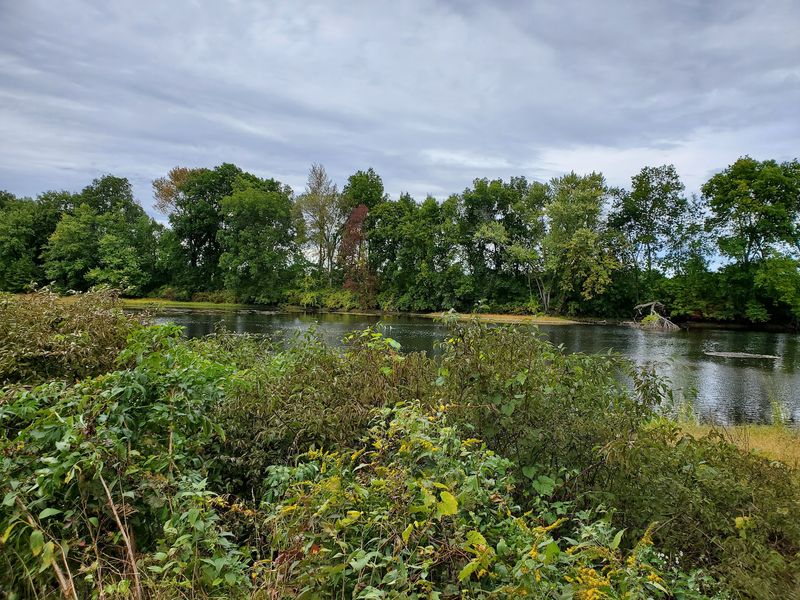
Rivers rarely introduce themselves, but here you can watch two of them meet. The trail leads you to the confluence of the Pequabuck River and the Farmington River.
A confluence is simply the spot where two waterways join together. Kids often love learning that word, and it gives your walk a fun goal to reach.
Getting there means following the Land Trust section along the Pequabuck first. After that, you continue onto the town path that carries you to the meeting point.
Stop for a minute when you arrive. It is a good place to notice how the water moves and how the two channels come together.
Bring a phone or camera if you enjoy taking photos of water and trees. Autumn light can make the scene especially pleasant on a clear afternoon.
Watching two rivers merge feels calming in a quiet, simple way. You can stand there, take a breath, and let the busy week drift downstream for a while before turning back.
3. Why Autumn Opens The Curtains
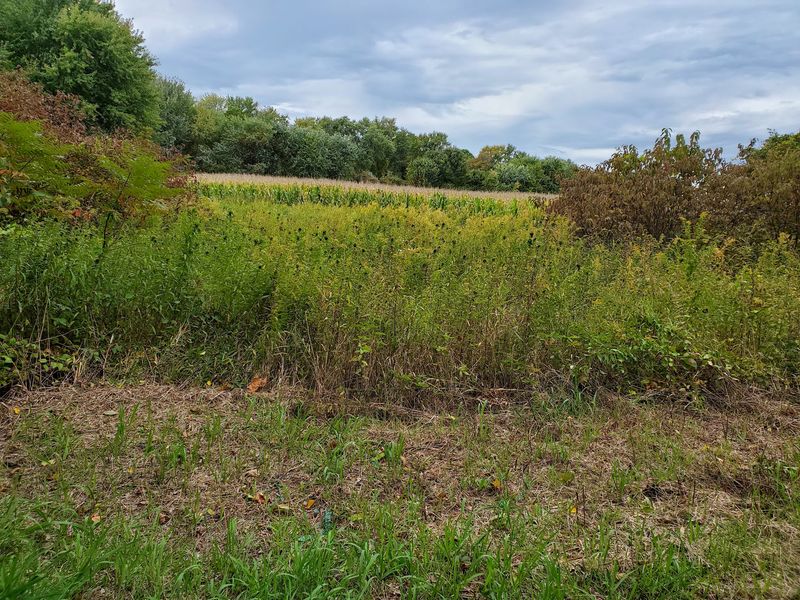
Leaves are lovely, yet they also hide a lot. When they drop, this trail reveals views that summer visitors simply miss.
According to the Farmington Land Trust, the bare seasons open up views along the Farmington and Pequabuck Rivers. Those views stretch to the north and east of the trail.
Summer offers a different picture. During the warm months, you mostly notice the planted fields to the west.
So fall gives you a nice mix of both worlds. You may still see the open farmland, while the rivers come into clearer focus through thinning branches.
Dress in layers for a crisp day. A light jacket and comfortable shoes make sense, since you will be outside the entire time.
Timing your trip after peak color can still pay off. Even late in the season, those wide river views give you plenty to look at as you walk the flat path.
4. An Old Stone Arch With Staying Power
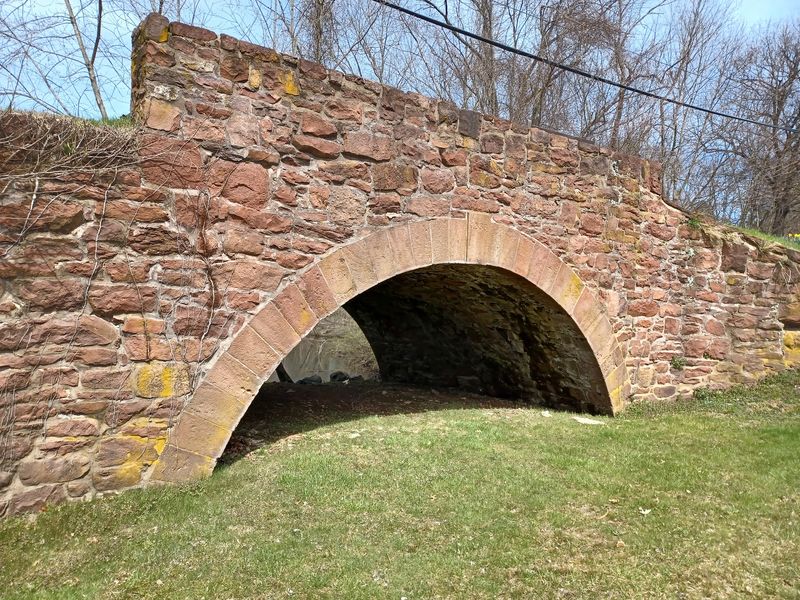
How often do you get to cross paths with a bridge that’s nearly two centuries old? Along the Nancy Conklin Nature Trail in Farmington, an old stone arch bridge adds a little history to an otherwise peaceful riverside walk.
The bridge dates back to 1835, when stone construction was a common way to create sturdy crossings over waterways. Its curved arch was designed to distribute weight, helping the structure withstand years of use.
By the 1970s, a newer bridge had been built nearby. Fortunately, the original stone crossing was preserved rather than demolished.
Today, it remains an interesting feature of the trail, giving walkers another reason to slow down and look around.
Think about how much has changed since those stones were first put together. The bridge predates the invention of the telephone and the earliest professional baseball leagues.
That’s quite a stretch of American history for one small structure beside a river.
The surrounding natural scenery makes the old crossing especially appealing during autumn, when colorful leaves add to the atmosphere.
You might arrive expecting a simple walk through the woods, but this little piece of history gives the outing an unexpected twist.
And it’s a lovely reminder that even short nature trails can have stories worth discovering.
5. Centuries Of Cows And Farm Fields
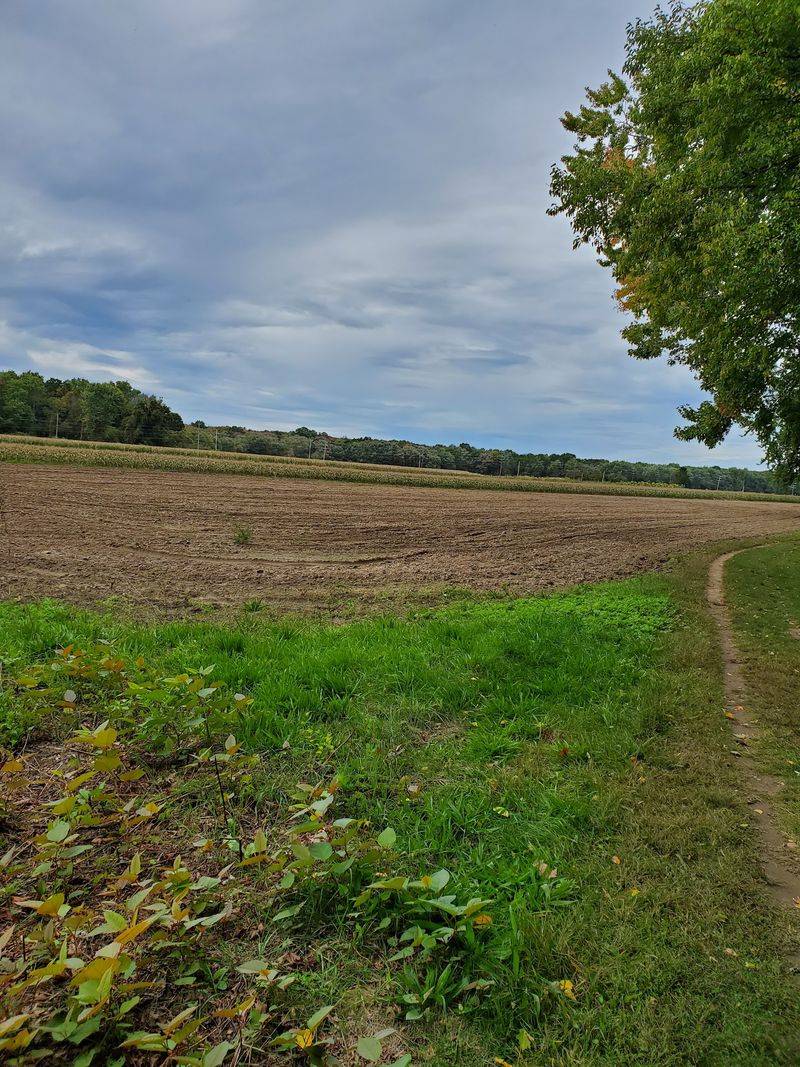
Long before hikers arrived, cows had first dibs on this path. The land has an agricultural history that spans about 365 years.
The Farmington Land Trust notes that cows were driven to the river for pasture for centuries. Picture whole herds plodding toward the water along this same ground.
Farming still shapes the view today, with planted fields stretching along the western side of the area. Depending on the season, crops such as corn can add to the rural scenery, making the surrounding landscape feel especially peaceful and connected to its agricultural past.
Early property records add more color. The land beside the trail was first granted to Roger Newton, the first minister of Farmington.
Later, ownership passed through the Hooker family and then the Cowles family. In 1974, Mr. and Mrs. Sheffield Cowles donated the parcel to the Farmington Land Trust.
That gift is why you can walk here now. It is a nice reminder that open space often exists because someone chose to protect it for others.
6. A Garden Club Tribute With A Name Attached
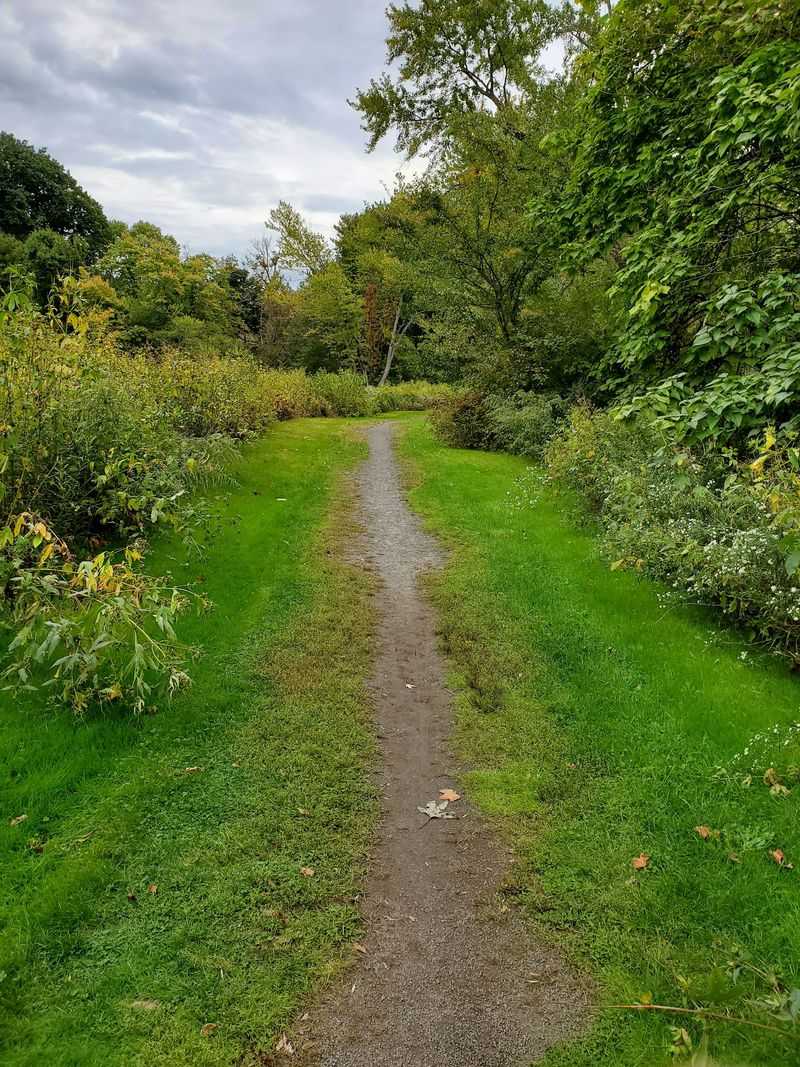
Ever wonder who the person behind a trail name was? Nancy Conklin was one of the founders of the Farmington Garden Club.
The club cleared a portion of this trail to honor her. That makes every step a small tribute to someone who cared about her community.
Trails named for local people often carry quiet stories like this. Knowing the backstory can make a simple walk feel a bit more meaningful.
The setting holds more history too. The Land Trust says the area reflects early settlement, immigration, industry, dairying, and even a literary past.
That literary link comes from playwright Winchell Smith. The Pequabuck River flows below his Georgian mansion along the northern boundary of the area.
Another story is less certain. The parcel may have served as a campsite for the Comte de Rochambeau and his troops in 1781 and 1782, though that remains a possibility rather than proven fact.
7. Bring The Dog, The Binoculars, Or Even Skis

Flat ground welcomes all kinds of fun. The Land Trust describes this spot as a good fit for dog walking, bird watching, and cross-country skiing.
Dog owners should keep their pets leashed while exploring the trail. It’s a simple way to protect wildlife and make the walk more comfortable for everyone.
Bird fans may want binoculars handy. River edges and open fields offer two different habitats to explore in one outing, with opportunities to spot different species along the way.
Winter brings another option once snow falls. The level loop is suitable for cross-country skiing when conditions allow, so the trail remains appealing well beyond autumn.
Plan ahead before you go. Bring enough water, snacks, and anything else you might need for the outing.
It’s also smart to take care of restroom stops beforehand, since facilities may be limited or unavailable.
A small parking lot is available near the trailhead off Meadow Road. Arriving with your gear ready helps you make the most of a short but scenic walk.
8. Stretching Your Walk Into A Bigger Adventure
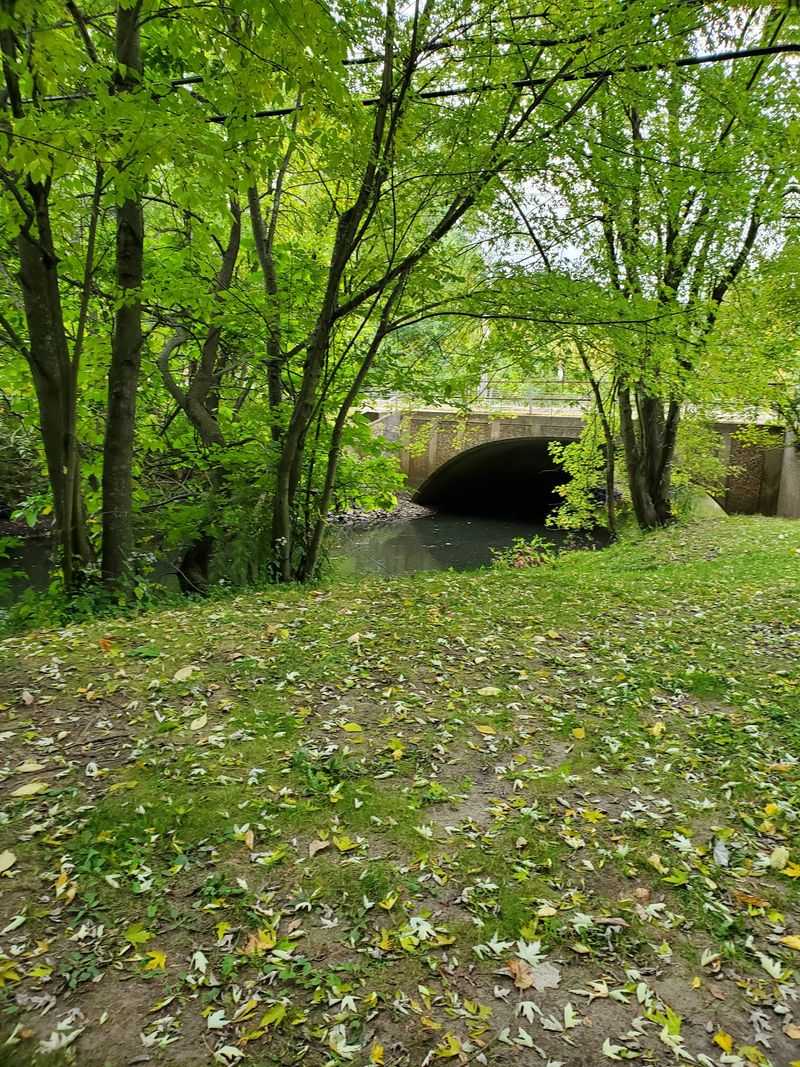
Short trails are great, but sometimes your legs want more. Luckily, this loop connects to other paths around town.
After the river confluence, the town path continues toward community gardens. From there, the route returns along Meadow Road back to where you started.
You can also extend things by linking to the Farmington Flats Loop Trail. That gives you a longer outing without needing to move your car.
The Conklin Nature Trail parking lot also serves as a starting point for the Meadow Road Trail. That path connects to the larger Farmington Canal Heritage Trail system.
Bring a simple map or check the Town of Farmington website before heading out. Knowing the connections helps you choose a distance that fits your mood.
A quick loop works for a cool morning break. A longer combo suits a full fall afternoon, and both start from the same small lot.