This Peaceful Georgia Beach Feels Like A Caribbean Escape Without Leaving The State
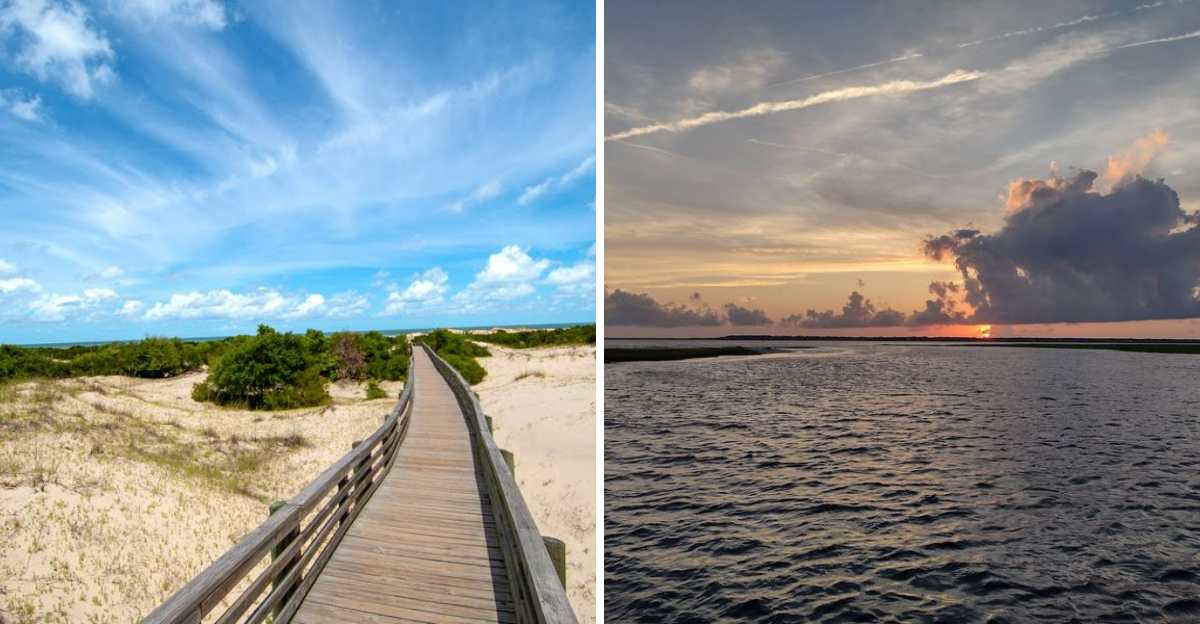
I did not think Georgia had a beach like this. I have lived here my whole life and still felt like I stumbled onto something from a completely different country.
The water was clear enough to see my own feet. The sand looked untouched, almost too perfect to be real.
No crowds pushing past me. No noise from boardwalk vendors or blaring speakers.
Just quiet, open coastline that felt more like a private island getaway than anything I expected to find here. Georgia has coastline most people never bother exploring past the usual spots, and that turned out to be a huge mistake on my part.
I brought a book I never opened because I could not stop staring at the water. Georgia keeps proving it has more range than people give it credit for, and this beach is proof.
A Ferry Ride That Sets The Mood Perfectly
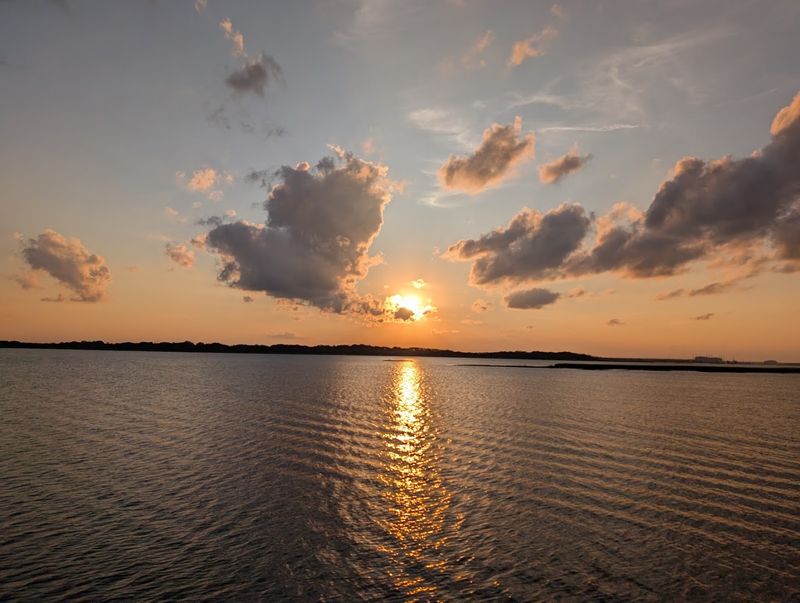
The adventure starts before you even touch the island. Boarding the ferry from St. Marys, Georgia, already feels like crossing into another world.
The ride takes about 45 minutes, and every minute counts.
Dolphins sometimes follow the boat along the route. The water stretches wide and calm around you.
You can feel your shoulders drop as the mainland fades behind you.
The ferry schedule changes seasonally, with multiple departure and return times available during much of the year. Reservations are strongly recommended because space fills up fast.
Arrive at least one hour before departure to check in at the visitor center.
The ferry fee is separate from the national park entrance fee. Budget accordingly before your trip.
Bringing snacks for the ride is a smart move since there are no vendors on the island.
This is Cumberland Island National Seashore, reached by ferry from the mainland visitor center in St. Marys, Georgia. The moment you dock, wild horses may greet you near the shore.
That first glimpse sets the tone for everything that follows.
Nearly 18 Miles Of Completely Empty Beach
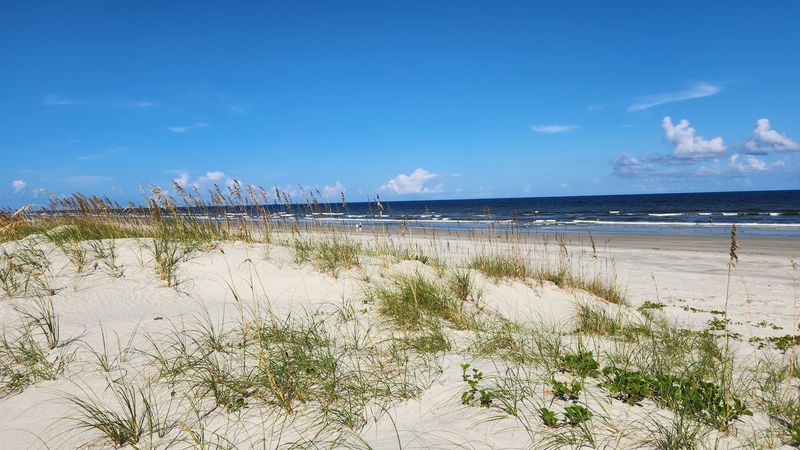
Most beaches come with crowds, vendors, and beach chairs stacked to the sky. This place has none of that, and that is exactly the point.
Nearly 18 miles of undeveloped shoreline stretch before you with almost no one in sight.
The sand near the water is firm and easy to walk on. Further back toward the dunes, it gets softer and deeper.
Both textures offer a completely different beach experience in the same place.
Beachcombing here is genuinely rewarding. Shark teeth, whole shells, and interesting natural debris wash up regularly.
Bring a small bag because you will want to collect things.
Swimming is allowed anywhere along the shore at your own risk. There are no lifeguards on duty, so stay aware of your surroundings.
Rip currents can occur, so check conditions before getting in.
The beaches near Sea Camp and Dungeness are the most accessible from the ferry docks. Both offer stunning views without a long trek.
Visiting on a weekday gives you an even better chance of having the shoreline almost entirely to yourself.
Wild Horses Roaming Free Across The Island
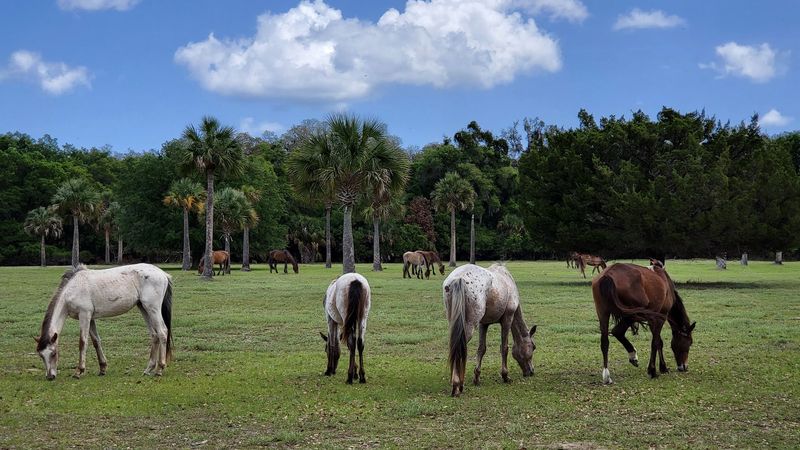
Seeing a wild horse twenty feet away from you is not something you forget easily. These animals roam freely across dunes, marshes, forests, and open fields.
Nobody feeds them, manages them, or controls where they go.
The population is estimated at somewhere between 100 and 200 horses. They descended from domestic horses brought to the island long ago.
Over generations, they adapted fully to island life.
The Dungeness Historic District is the best place to spot them consistently. Salt marshes and open grassy areas attract them throughout the day.
Early morning visits often yield the best sightings.
Keep a respectful distance at all times. These are wild animals and can be unpredictable if approached.
Park rangers remind every visitor about this rule before boarding the ferry.
Watching a horse graze calmly near crumbling mansion walls is a surreal experience. The contrast between wild nature and old architecture creates a scene unlike anything else in the Southeast.
Bring a camera with a good zoom lens to capture the moment without disturbing them.
The Mysterious Dungeness Ruins Worth Every Step
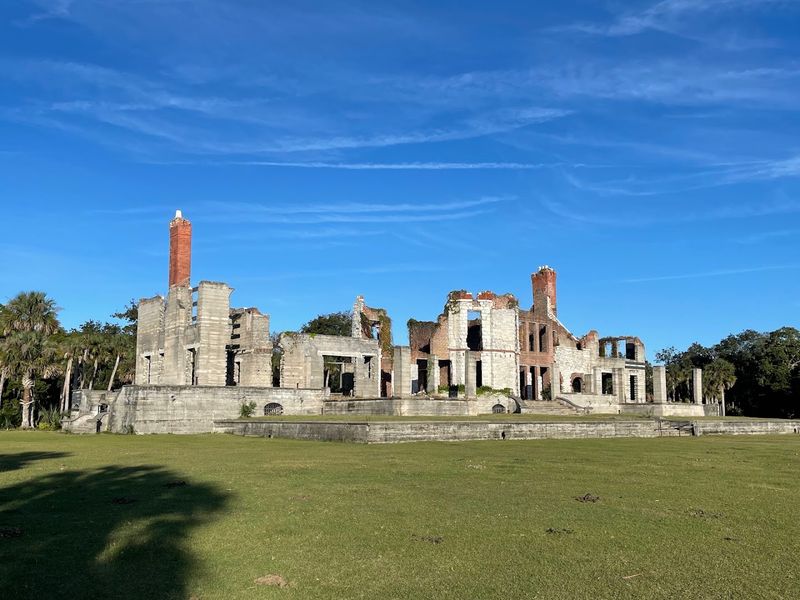
Crumbling walls covered in ivy and surrounded by ancient oaks create a scene straight out of a forgotten novel. The Dungeness ruins were once the grand mansion of Thomas Carnegie, built in the late 1800s.
A fire left behind only the shell, but what a shell it is.
Walking through the grounds feels cinematic. Tall chimneys rise above the tree line.
Spanish moss drapes over everything like a soft gray curtain.
Wild horses and deer wander through the ruins casually. They treat the old estate like a grazing field, which somehow makes it even more magical.
The contrast of wildlife and history feels completely unscripted.
The ruins are within walking distance of the Dungeness ferry dock. Most visitors explore this area first before heading toward the beach.
A short salt marsh boardwalk nearby adds another layer to the experience.
Photography opportunities here are outstanding. Every angle offers something dramatic, layered, and genuinely beautiful.
Plan to spend at least an hour wandering through the grounds before moving on to the next part of the island.
Plum Orchard Mansion Hidden Deep In The Island

Not many people know there is a 22,000 square foot mansion sitting quietly in the middle of this island. Plum Orchard is that mansion, and it is one of the most impressive historic structures in the entire Southeast.
Built in 1898 for George Carnegie and his wife Margaret, it still holds much of its original furniture.
Free tours are sometimes available to visitors, making it an incredible value. The interior gives a vivid picture of what elite island life looked like over a century ago.
Walking through furnished rooms in a mansion this remote feels genuinely surreal.
The mansion sits deep enough into the island that many day visitors never reach it. Taking the guided van tour is one way to get there without a long hike.
Biking is another solid option for those who want to explore at their own pace.
The architecture is regal and well-preserved compared to the Dungeness ruins. Seeing both structures in one visit shows two very different chapters of the same family story.
Check the official park website for current tour schedules before your visit.
First African Baptist Church And Its Quiet Power
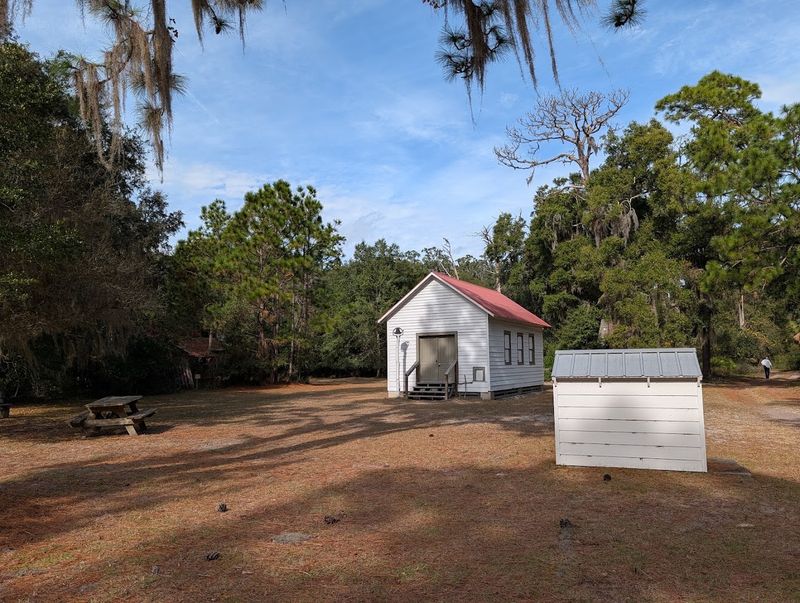
There is something profoundly moving about a one-room church standing in the middle of a barrier island wilderness. The First African Baptist Church was established in 1893 by African American residents of the island and their families.
It is small, simple, and absolutely unforgettable.
The church sits near the northern end of the island. Reaching it requires either a long hike or the guided van tour.
The journey there is part of what makes arriving feel so meaningful.
The wooden structure has been carefully preserved over the decades. Its quiet presence among towering oaks creates a deeply reflective atmosphere.
Many visitors describe standing inside as one of the most moving moments of their entire trip.
The church is famous for another reason beyond its history. A well-known wedding ceremony took place here in 1996, drawing international attention to the island.
That event introduced many people to a place they had never heard of before.
Visiting this church adds real historical depth to any trip here. Pair it with the Plum Orchard tour for a full northern island experience.
The combination makes for an incredibly rich and layered day of exploration.
Over 50 Miles Of Trails Through Wild Ecosystems
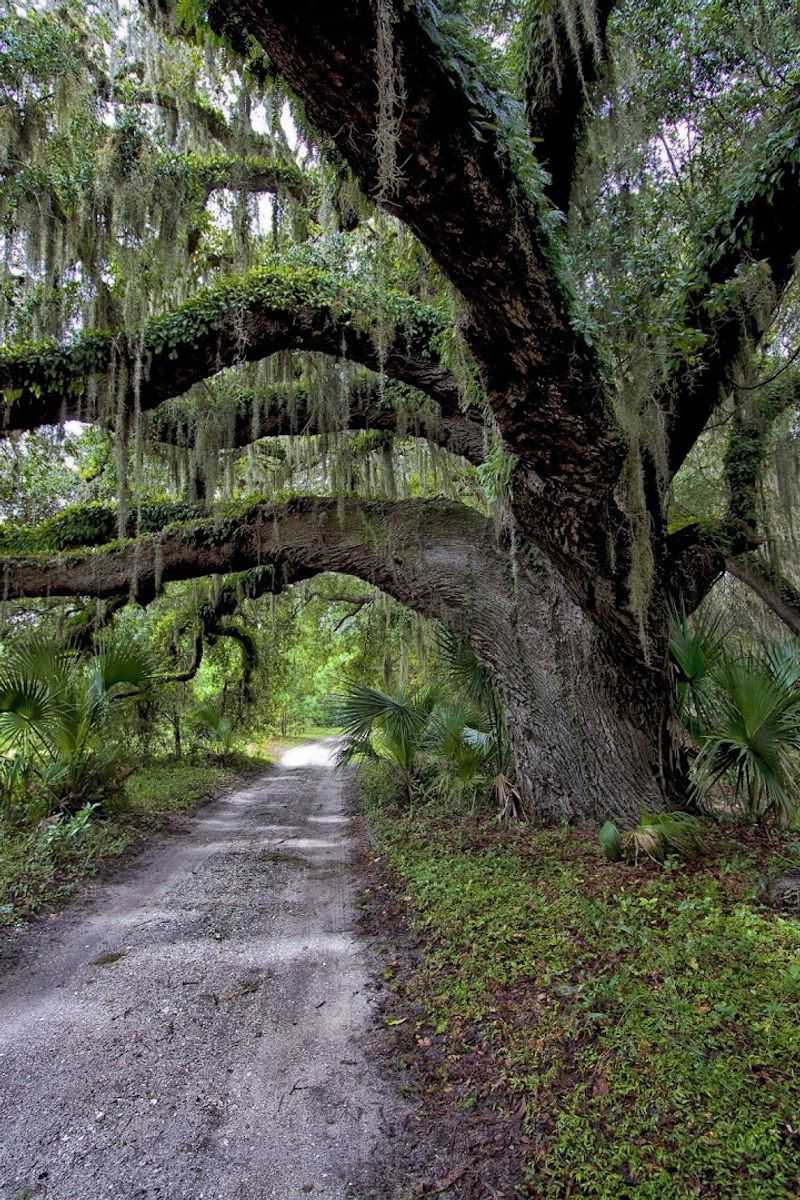
Fifty miles of trails sounds like a lot until you actually start walking and realize you never want to stop. The island holds an extraordinary range of ecosystems packed into one accessible wilderness.
Ocean, salt marsh, freshwater wetland, dune fields, and oak forest all exist within walking distance of each other.
Live oaks draped in Spanish moss line many of the main trails. Resurrection ferns cover the branches and turn brilliant green after rain.
The forest sections feel ancient, cool, and completely removed from modern life.
Wildlife encounters on the trails are frequent and genuinely exciting. Deer, armadillos, wild turkeys, and bobcats all share the island.
Bird watchers will find hundreds of species depending on the season.
Loggerhead sea turtles nest on the northern beaches during warmer months. Alligators inhabit the freshwater ponds scattered across the island.
Staying alert and respectful keeps these encounters safe and memorable.
Biking is another way to cover more distance, but bicycles must remain on designated roads and permitted beach sections rather than hiking trails. Bringing your own bike costs a $10 ferry fee, and rentals are also available on the island.
E-bikes with pedal assist under one horsepower are permitted on the trails.
Stargazing And Camping Under Zero Light Pollution
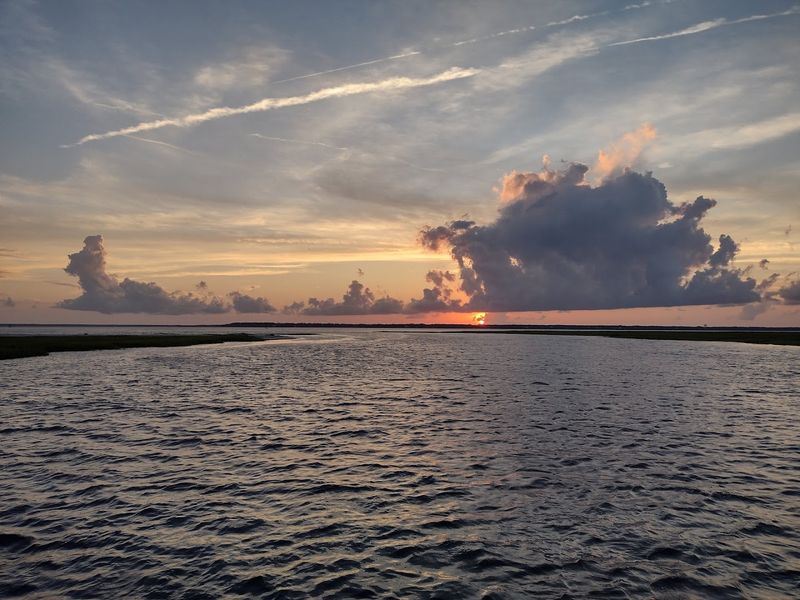
Camping under a sky this dark is a completely different experience from anything near a city. The island has five campgrounds ranging from developed sites with facilities to fully primitive wilderness spots.
The further from the ferry dock you camp, the more remote and quiet it gets.
Sea Camp is the most accessible campground and offers bathrooms and showers nearby. Wilderness campsites further north provide total solitude and an unfiltered outdoor experience.
Both options deliver the kind of quiet that most people rarely encounter.
With no artificial lighting anywhere on the island, the night sky opens up dramatically. Stars appear in numbers that feel almost impossible if you grew up near a city.
The Milky Way is visible on clear nights without any equipment needed.
Early spring and late fall are the most comfortable seasons for camping here. Summer brings heat, humidity, and aggressive insects, so bug spray becomes essential gear.
February and March offer cooler temperatures and far fewer bugs.
Reservations for campsites should be made well in advance, especially for weekends and holidays. The island gets a limited number of daily visitors, which keeps the camping experience genuinely peaceful.
Waking up to birdsong and ocean air is worth every bit of planning required.
What To Pack Before You Board The Ferry
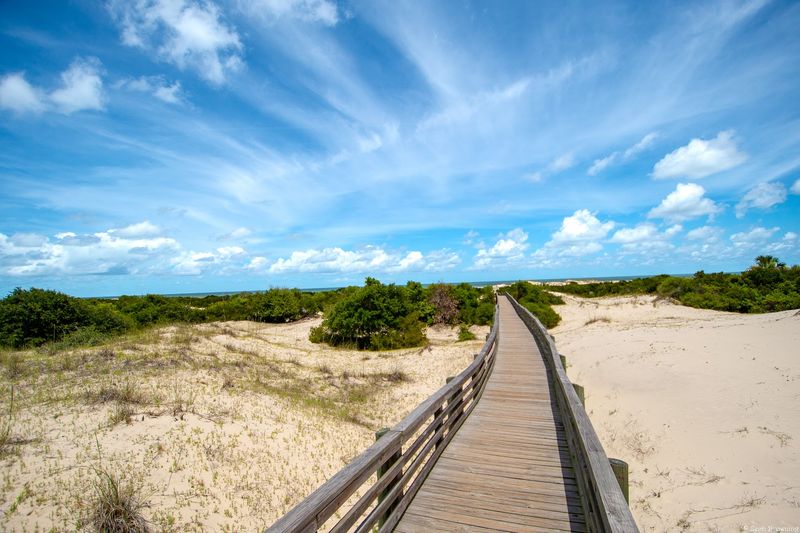
Preparation makes or breaks a day on this island. There are no stores, no food vendors, and no restaurants anywhere once you arrive.
Everything you need must come with you from the mainland.
Water is the most important thing to bring. The island has limited drinking water stations, but nothing is for sale on-site.
Carry more than you think you will need, especially in warmer months.
Snacks and a full meal are equally essential. Pack food that travels well and does not require refrigeration.
A good cooler bag works perfectly for a long day of hiking and exploring.
Sunscreen and bug spray are non-negotiable items. The sun reflects intensely off the sand and water.
Mosquitoes and small biting flies can be relentless, particularly in summer and along wooded trails.
Closed-toe walking shoes protect your feet far better than sandals on sandy trails and through wooded areas. A hat and light rain layer round out your kit nicely.
The island is open 24 hours and accessible year-round, so visit the official site at nps.gov/cuis for current ferry schedules, fees, and seasonal tips before you plan your trip.