This Pennsylvania Amish Market Is Where $25 Buys Surprisingly Much
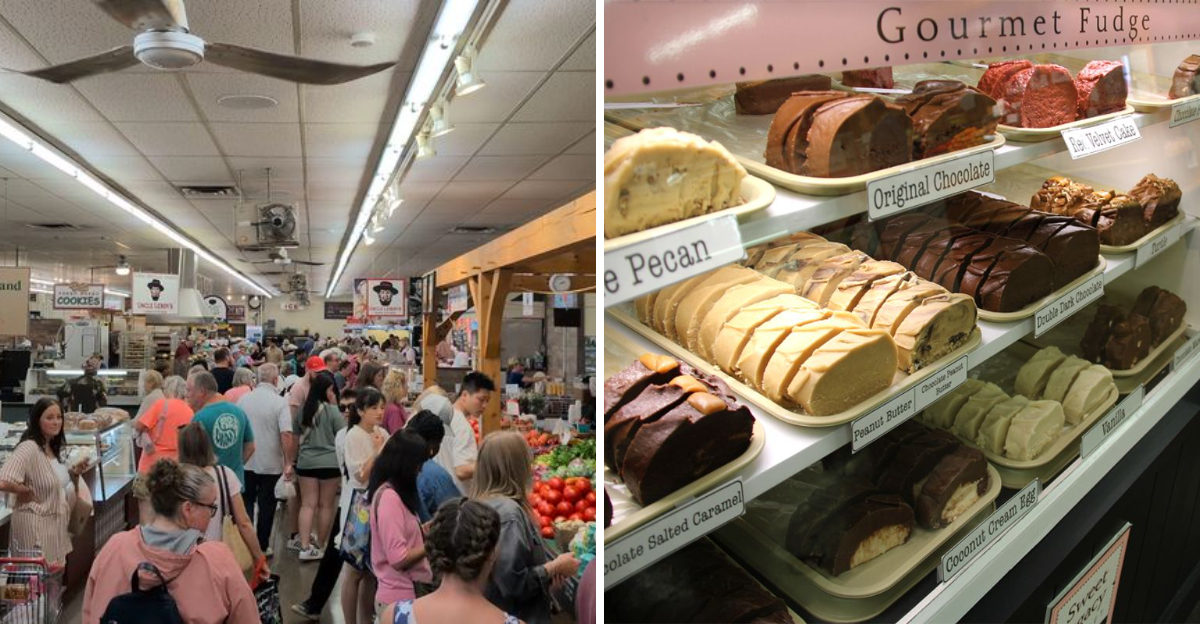
Remember when twenty five dollars actually meant something? At this Amish market, it still does.
Your wallet is about to feel powerful again.
Picture tables stacked with pretzels still warm from the oven. Picture fruit pies, smoked meats, and jams made the slow old-fashioned way.
The prices look like a glorious typo.
This is Lancaster County, Pennsylvania, doing what it does best. Generations of families sell what they grow, bake, and make by hand.
Nothing here pretends to be fancy because it does not need to.
You can fill a bag with real food and still have change left over. Twenty five dollars stretches into a feast and a few souvenirs.
Try doing that at a regular grocery store.
Bring cash and an empty tote. You will leave with both full and happy.
The Starting Point
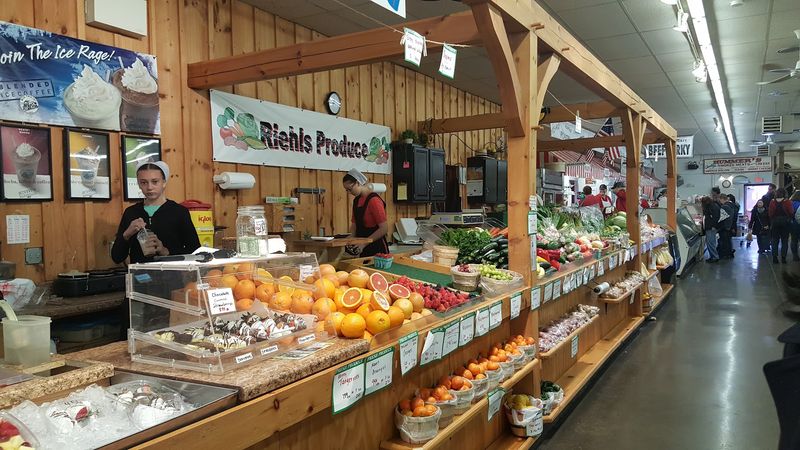
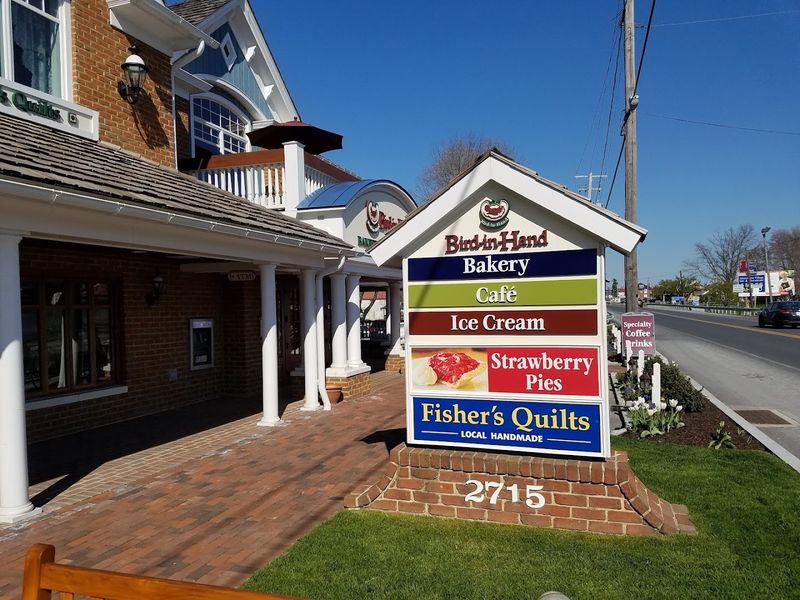
Bird-in-Hand Farmers Market is the kind of place that makes you rethink every grocery run you have ever made. The building is not flashy.
There are no neon signs or loyalty point programs.
What greets you instead is a wide, open market floor packed with vendors selling goods made by hand, grown in local fields, or baked before sunrise. The energy is calm but purposeful.
People know exactly what they came for, and they leave with full bags and happy faces.
Lancaster County has a long tradition of Amish and Mennonite farming communities, and this market sits right in the middle of that tradition. It is open seasonally, so checking current hours before visiting is a smart move.
The parking lot fills quickly on weekends, which tells you everything you need to know about how locals feel about this place.
Once you enter, the question is not whether you will spend your $25. The question is how well you will spend it.
The address is 2710 Old Philadelphia Pike #9706, Bird in Hand, Pennsylvania.
Fresh-Baked Bread That Costs Less Than A Latte
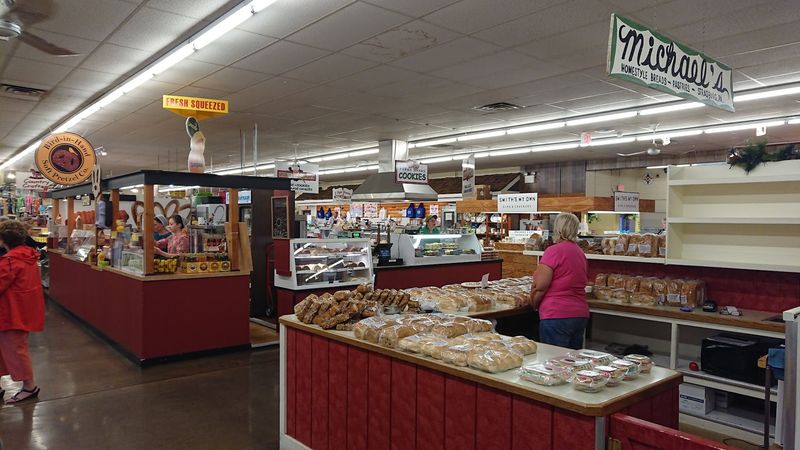
Bread here is not an afterthought. It is the opening act, and it earns that spot every single time.
The loaves are golden, dense, and carry that faint warmth that tells you they were baked not long ago.
A standard loaf runs around four to five dollars, which means your $25 budget can include bread and still leave room for plenty more. The variety is worth pausing over.
From traditional white to whole wheat to cinnamon swirl, each option looks like it belongs on the cover of a cookbook rather than a market shelf.
What makes Amish bread stand out is the process behind it. No shortcuts, no preservatives, no industrial ovens running twenty-four hours a day.
Recipes are often passed through generations, and that history shows up in the texture and taste. Slice it thick, add a little butter from another vendor nearby, and you have something that feels genuinely satisfying.
It is the kind of bread that makes store-bought feel like a polite fiction. Grab a loaf early because the popular varieties tend to sell out before noon on busy market days.
Homemade Jams And Jellies Worth Every Cent
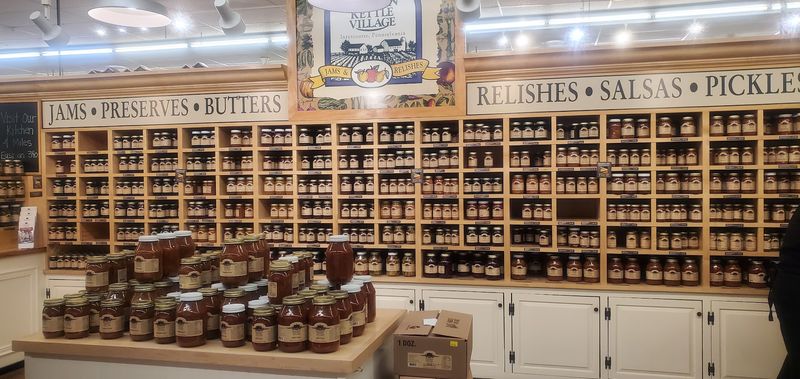
Standing in front of a table lined with thirty different jam jars is a genuinely difficult experience, and I mean that as a compliment.
The colors alone are worth the trip: deep red strawberry, bright orange peach, purple grape that almost glows under the market lights.
Prices typically land between four and seven dollars per jar, making them one of the smartest purchases your $25 can make. These are not mass-produced spreads.
Every jar is filled with fruit that was likely grown nearby, cooked down with care, and sealed while still warm.
Amish preserving traditions go back centuries, rooted in the practical need to store summer harvests through long winters. That same approach still drives how these jams are made today.
The sugar content is often lower than commercial brands, letting the actual fruit flavor come through clearly. Spread it on that fresh market bread and the combination is almost embarrassingly good.
Many vendors also offer small samples, so tasting before buying is completely encouraged. Bring an extra jar home as a gift and watch the recipient immediately ask where you found it.
Locally Grown Produce That Looks Like It Belongs In A Painting
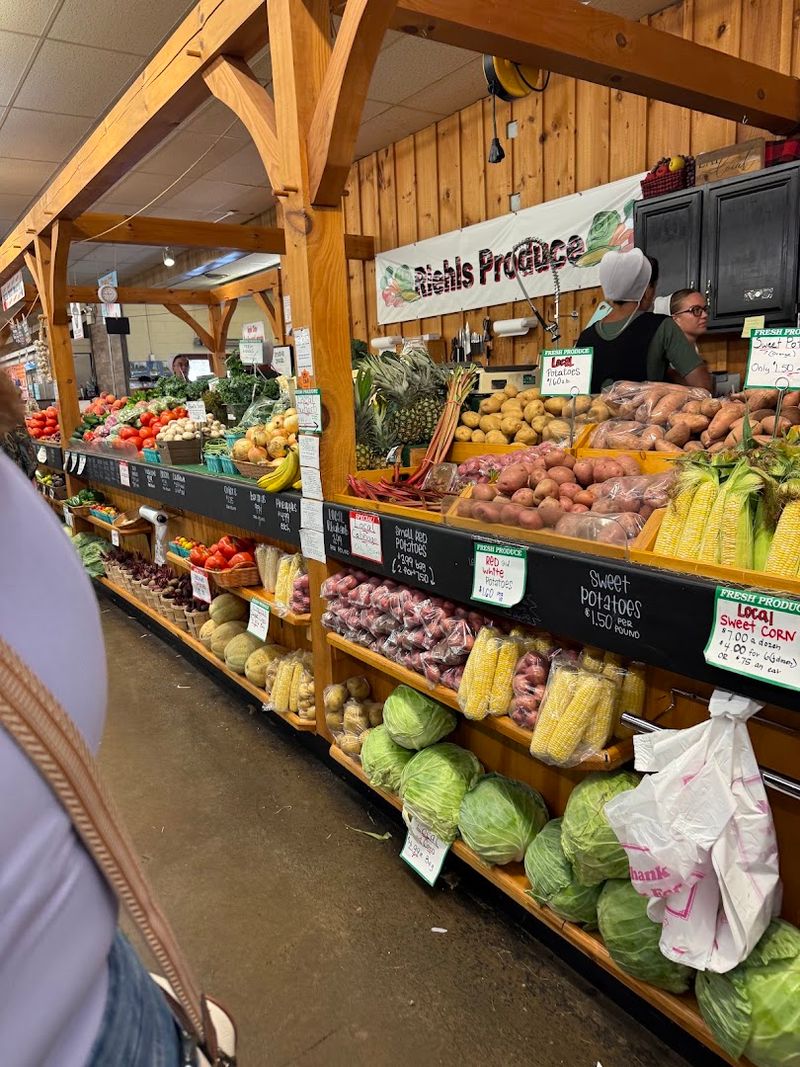
There is a specific shade of red that a tomato reaches when it is grown in real soil under real sun, and the produce at this market has it.
The vegetables are stacked with a kind of casual confidence, like they know they do not need any help looking good.
Seasonal availability drives what you find here, which means every visit feels slightly different. Summer brings corn, peppers, and zucchini in abundance.
Fall shifts the table toward squash, apples, and root vegetables. Whatever is on display was almost certainly harvested within the past few days.
Buying produce at this market is one of the highest-value moves your $25 can make.
A full bag of vegetables for under ten dollars is not unusual, and the quality outpaces most supermarket options by a noticeable margin.
Lancaster County soil in Pennsylvania is famously fertile, and the farming families who work it have been doing so for generations. You are not just buying food here.
You are buying the result of a long and careful relationship between people and land. That is worth a lot more than the price tag suggests.
Handcrafted Cheeses That Deserve A Spot On Your Table
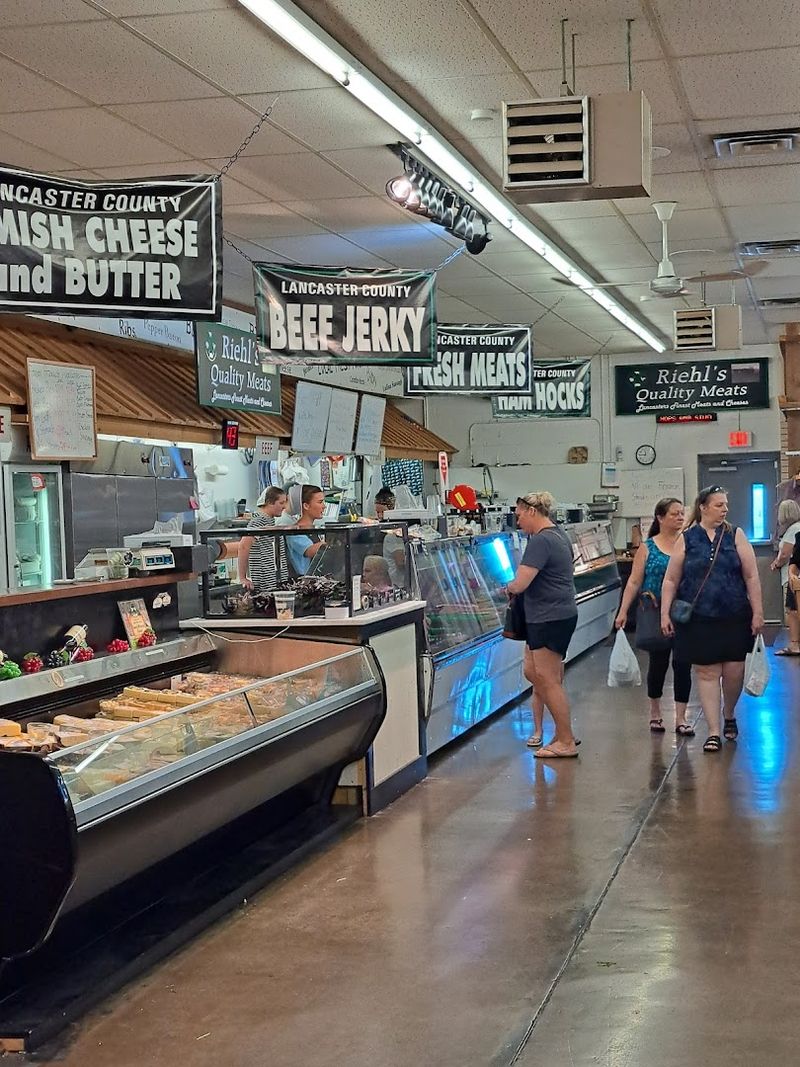
Cheese is one of those things that is easy to take for granted until you taste a version made by someone who genuinely cares about it.
The cheese vendors at this market tend to carry varieties that range from mild and creamy to sharp and aged, with a few smoky options that are hard to walk past without buying.
Prices vary by type and size, but most selections fall comfortably within a modest budget. A good wedge of sharp cheddar or a block of colby can land around five to eight dollars, which is fair for the quality you are getting.
Samples are often available, which helps narrow down a decision when everything looks equally tempting.
Amish dairy farming emphasizes quality over volume, and that philosophy shows up in every bite.
The milk used in these cheeses often comes from cows raised on open pasture, which affects the flavor in ways that are hard to explain but easy to taste.
Pair a sharp variety with the market bread and jam and you have assembled an impromptu snack board that would cost triple the price at a specialty food shop. That is the quiet magic of this place.
Whoopie Pies And Baked Sweets That Are Too Good
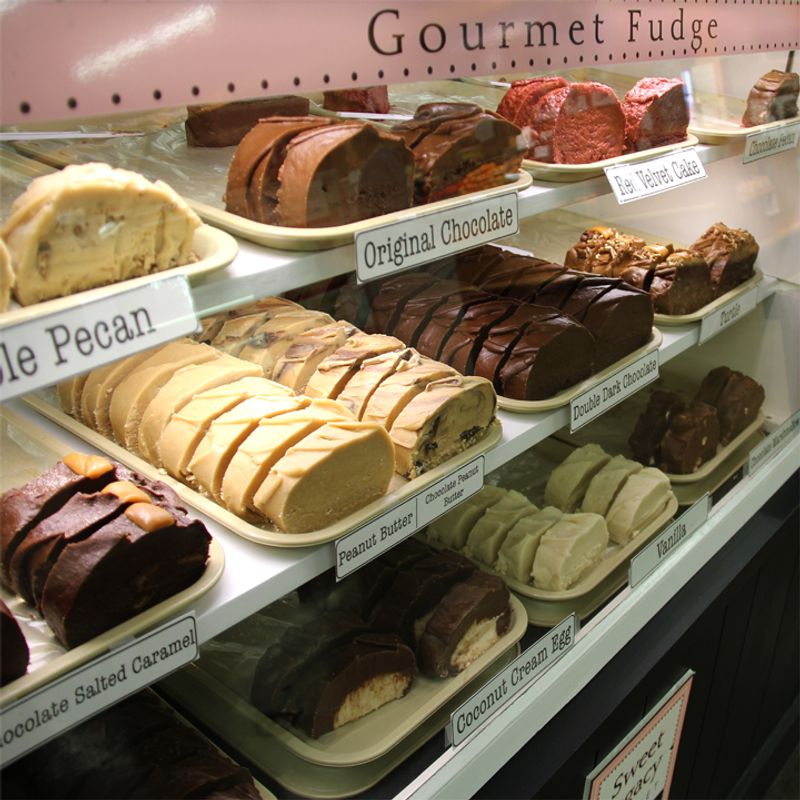
Nobody warned me that the dessert section would require serious self-control.
Whoopie pies are stacked in neat rows, each one the size of a small sandwich and filled with a cream that is sweet without being aggressive about it.
One costs around two dollars, which makes resisting a two-pack feel almost irresponsible.
Beyond whoopie pies, the baked goods spread includes shoofly pie, snickerdoodles, molasses cookies, and fruit-filled pastries that rotate with the season.
Everything is made in small batches, and the freshness is obvious from the texture alone. Nothing here has the slightly stale edge that packaged sweets carry.
Shoofly pie deserves a special mention because it is a Lancaster County original. Made with molasses and a crumbly topping, it is rich and deeply flavored in a way that feels old-fashioned in the best sense.
It is the kind of dessert that does not need decoration or explanation. The Amish baking tradition is built on straightforward ingredients used skillfully, and these sweets are the clearest proof of that.
Budget at least five dollars for the sweet section and prepare to wish you had budgeted more.
Handmade Crafts And Useful Goods Worth Taking Home
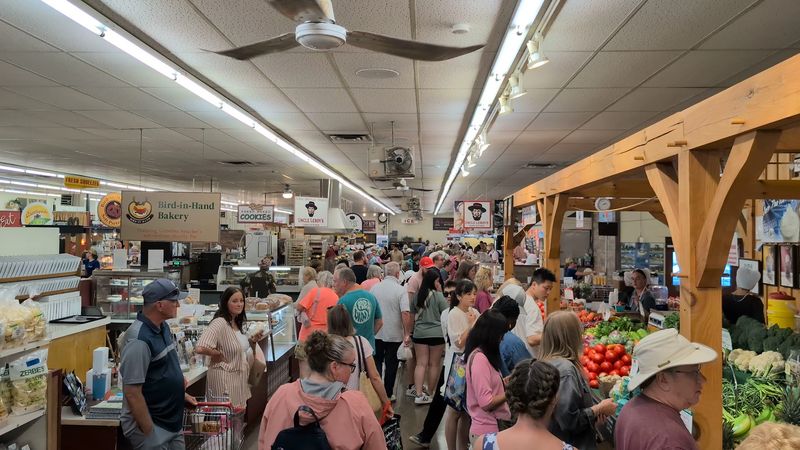
Not everything at this market is edible, and that is a good thing. Scattered among the food vendors are tables carrying handmade goods that have a satisfying weight and purpose to them.
Wooden spoons, quilted potholders, small woven baskets, and hand-stitched items show up regularly depending on the season and the vendor rotation.
Prices on crafts vary widely, but smaller items like potholders or wooden utensils often fall within the five to ten dollar range, making them realistic additions to a $25 shopping run. These are not decorative trinkets.
They are functional objects made to last, which is a refreshing contrast to most retail goods these days.
Amish craftsmanship is guided by the idea that what you make should be useful and well-built. A wooden spoon from this market will outlast a dozen plastic ones from a big-box store, and it will look better doing it.
Picking up a small handmade item here also means supporting a local artisan directly, with no middlemen involved.
That directness is part of what makes the whole market experience feel different from ordinary shopping. It feels more like a transaction between neighbors than a commercial exchange.
Why $25 Goes Further Here Than Almost Anywhere Else
Twenty-five dollars at a typical grocery store buys a modest pile of items, most of them processed, most of them forgettable.
At this market, that same amount can cover a loaf of fresh bread, a jar of jam, a wedge of cheese, a bag of seasonal produce, and a whoopie pie with change left over. That math is hard to argue with.
The value here is not just financial. It is experiential.
Every purchase connects directly to the person who made or grew it.
That is increasingly rare, and it adds something intangible to the whole trip that a receipt cannot fully capture.
Bird-in-Hand Farmers Market operates on a model that has worked for generations because it prioritizes quality, community, and honest pricing over marketing budgets and packaging.
Visitors who come once tend to come back, and locals treat it as a regular part of their week rather than a novelty.
If you are in Lancaster County and you have a spare hour and twenty-five dollars, this market is one of the most satisfying ways to spend both.
Go early, bring a bag, and leave room in your schedule to linger a little longer than planned.