This Pennsylvania Forest Trail Looks Like It Belongs In A Fairy Tale
A forest trail unfurls like something imagined in a dream, its atmosphere shifting with every breath of mist and rain.
In Cook Forest State Park, the Emerald Path turns into a surreal ribbon of living green as moss spreads across the pavement and softens the world into shades of enchantment.
The transformation feels sudden, almost secretive, as if the woods decide on their own when to reveal their most whimsical mood.
Visitors move along a quarter-mile loop where colors glow brighter after a storm and the ground itself seems to shimmer.
Each turn invites a deeper sense of wonder as the forest grows quieter, greener, and strangely comforting.
The experience lingers long after the walk ends, a reminder that some of Pennsylvania’s most magical moments unfold far from crowds and noise.
A Carpet Of Living Green Transforms The Trail

During rainy seasons, something magical happens along this forest path that photographers and nature lovers travel miles to witness.
The asphalt becomes completely covered in lush, vibrant moss that creates an otherworldly green carpet beneath visitors’ feet.
This natural phenomenon occurs when moisture levels remain consistently high, allowing the moss to thrive and spread across the entire surface.
The transformation is so complete that the pavement underneath becomes nearly invisible, replaced by what looks like a living emerald ribbon winding through the forest.
Sunlight filtering through the canopy above adds to the enchantment, creating dappled patterns across the verdant surface.
The effect is most dramatic after several days of rain when the moss reaches peak saturation and displays its most brilliant hues.
Visitors often describe feeling transported into a fantasy realm, where every step feels like walking through an illustrated storybook.
Accessibility Makes Magic Available To Everyone
Not every enchanted forest requires a challenging hike to reach, and this trail proves that point beautifully.
The path meets ADA accessibility standards, featuring a smooth, paved surface that accommodates wheelchairs, strollers, and visitors with mobility challenges.
This thoughtful design ensures that people of all ages and abilities can experience the forest’s magic without barriers.
The quarter-mile loop maintains a gentle grade throughout, eliminating steep climbs or difficult terrain that might exclude some visitors.
Families with young children in strollers find the surface ideal for easy navigation, while older adults appreciate the stable footing.
The trail’s inclusive design reflects a commitment to sharing natural wonders with the broadest possible audience.
Benches positioned along the route provide rest spots for those who need them.
This universal accessibility transforms what could be an exclusive experience into one that welcomes everyone into the forest’s embrace.
Ancient Trees Stand As Silent Witnesses
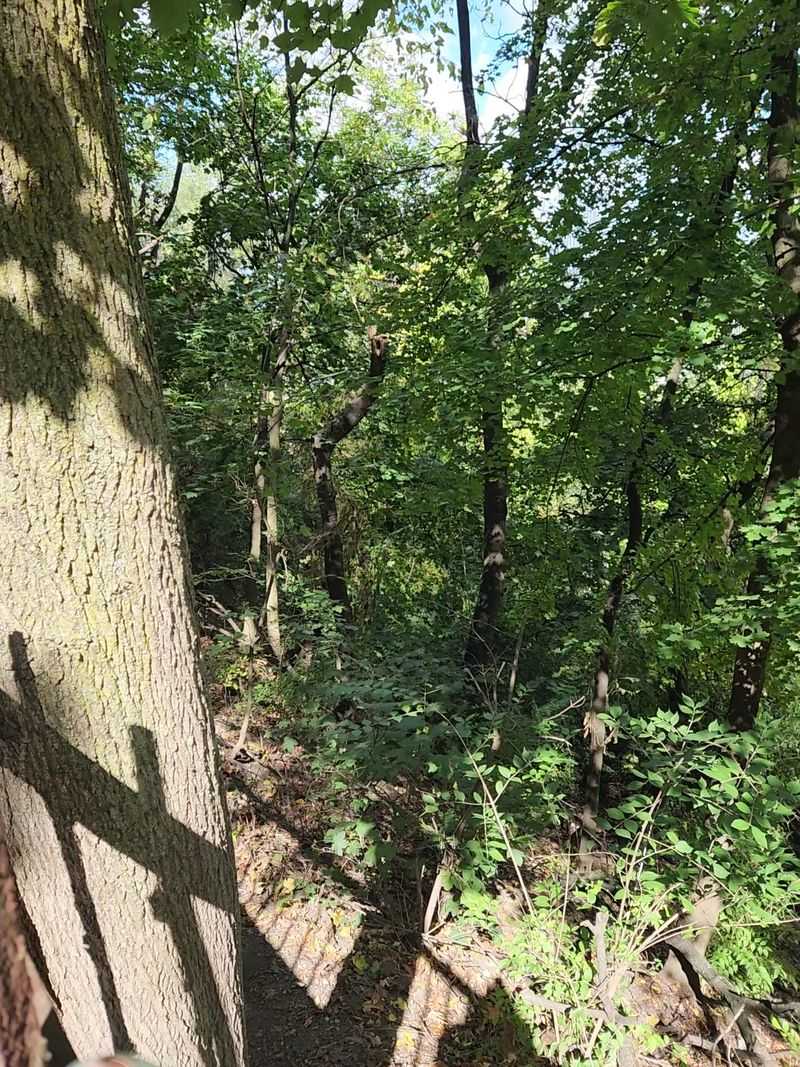
Walking this trail means stepping into the presence of trees that have stood for centuries, watching generations of visitors pass beneath their branches.
The mature hardwood forest surrounding the path includes specimens that predate modern Pennsylvania, their massive trunks testifying to decades of patient growth.
These ancient giants create a cathedral-like atmosphere with their towering canopies filtering sunlight into soft green glows.
Both living trees and standing deadwood contribute to the trail’s character, with weathered snags displaying spiral patterns carved by time and weather.
Some beech trees along the route bear distinctive black bear scratch marks, physical evidence of the wildlife sharing this forest ecosystem.
These natural markings tell stories of the forest’s wild residents without requiring interpretation signs.
The diversity of tree species provides year-round interest, from spring buds to autumn colors.
Observant visitors notice how different species contribute unique textures and shapes to the forest tapestry.
Slippery Surfaces Require Careful Navigation
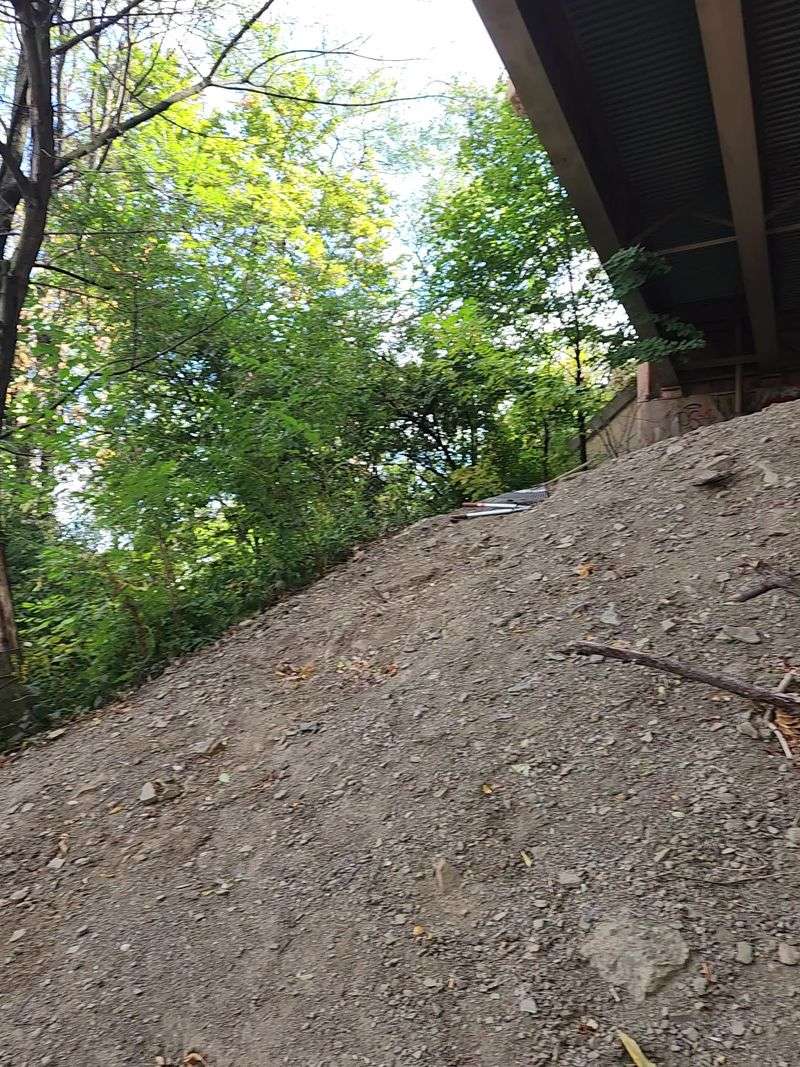
Beauty comes with a practical caveat that every visitor should understand before setting foot on this mossy wonderland.
When wet, the moss-covered surface becomes remarkably slippery, transforming the gentle path into terrain requiring cautious movement.
Park officials consistently advise wearing footwear with excellent traction, as smooth-soled shoes can lead to unexpected slides.
The same moisture that creates the trail’s enchanting appearance also reduces friction between feet and surface, making slow, deliberate steps necessary.
Children and older adults particularly need to exercise extra caution, perhaps using walking sticks for additional stability.
Many experienced visitors recommend treating the wet trail like walking on ice, adjusting pace and attention accordingly.
Despite these precautions, the experience remains worthwhile for those who approach it mindfully.
Taking extra time to navigate safely means more opportunity to absorb the surrounding beauty anyway.
Smart visitors balance their desire for magical photos with respect for the trail’s slick reality.
History Stretches Back To The 1970s
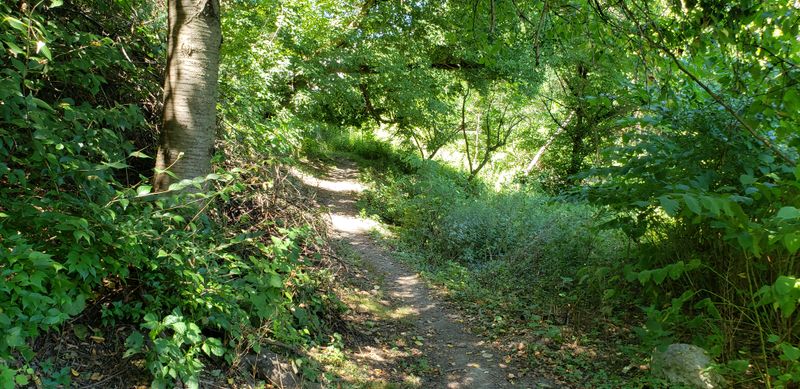
This magical pathway didn’t appear by accident but resulted from intentional planning decades ago when park developers envisioned accessible forest experiences.
Construction of the trail coincided with the building of the Sawmill Theater in the 1970s, creating infrastructure that would serve visitors for generations.
The original designers likely never imagined how nature would eventually transform their practical pathway into something extraordinary.
Over the intervening decades, the trail has matured along with the forest surrounding it, developing character that only time can create.
The moss phenomenon appears to have developed gradually as the forest ecosystem established stable moisture patterns.
What began as a simple paved loop has evolved into one of the park’s most photographed and beloved features.
Understanding this history adds depth to the experience, connecting today’s visitors with the vision of planners who worked before most current guests were born.
The trail represents both human intention and nature’s creative response working in harmony.
Connections Lead To Deeper Forest Exploration

Those who complete the quarter-mile loop and crave more forest time will discover the trail serves as a gateway to extended adventures.
The Emerald Path connects directly to the Black Bear Trail, which ventures deeper into the Forest Cathedral area where some of Pennsylvania’s most impressive old-growth timber stands.
This network design allows visitors to customize their experience based on time, energy, and interest levels.
Hikers can start with the accessible paved section to gauge their comfort level before committing to more challenging routes.
The transition from paved to natural trail surface happens gradually, giving families a chance to decide whether younger members are ready for dirt paths.
This connectivity transforms a short accessible walk into a potential all-day hiking adventure.
Trail maps available at the parking area show multiple route options branching from the Emerald Path.
Thoughtful signage at junctions prevents confusion while encouraging exploration beyond the mossy loop.
Wildlife Signs Tell Forest Stories
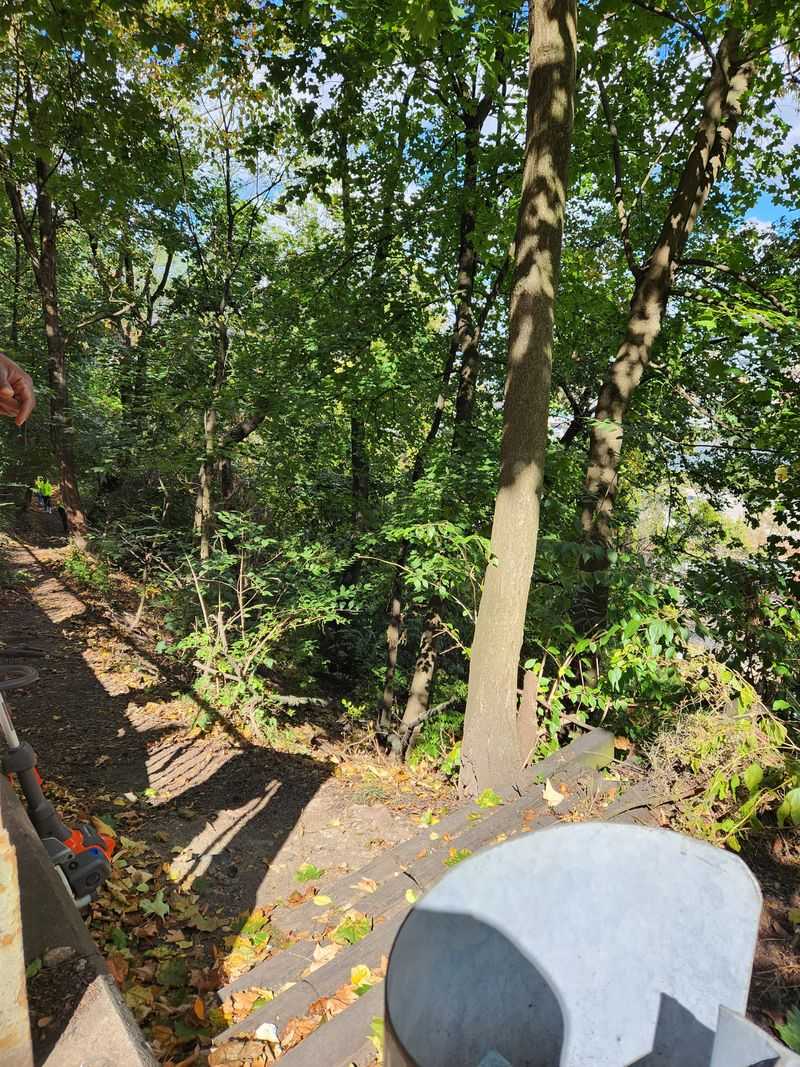
Sharp-eyed visitors discover that the forest communicates through subtle signs left by its wild inhabitants, creating a living storybook for those who know how to read it.
Bear scratch marks on beech trees stand out as particularly dramatic evidence, showing where black bears have marked territory or sharpened claws.
These vertical scratches often reach several feet up the trunk, testifying to the size and strength of the animals leaving them.
Beyond bear signs, observant walkers spot other wildlife evidence including deer tracks in soft ground near the trail edges and bird nests in the canopy above.
Woodpecker holes dot standing dead trees, while squirrel middens of discarded pinecone scales accumulate beneath feeding perches.
Each sign represents a chapter in the ongoing story of forest life.
Bringing a field guide or using a nature identification app enhances the experience of decoding these natural messages.
Children especially enjoy the detective work of spotting and interpreting wildlife clues.
Seasonal Changes Create Different Experiences

The trail reveals dramatically different personalities depending on when visitors arrive, making repeat trips worthwhile across different times of year.
During dry summer periods, the moss may retreat or brown, revealing more of the underlying pavement and creating a completely different visual experience.
Spring brings the most reliable emerald display as snowmelt and frequent rains keep moisture levels consistently high.
Autumn transforms the experience again as fallen leaves carpet portions of the trail, creating layers of color against whatever moss remains visible.
Winter visits offer stark beauty with bare branches revealing forest structure usually hidden by foliage.
Each season provides legitimate reasons to return and experience the trail anew.
Weather patterns matter more than calendar dates for predicting the moss display, with wet years producing better green coverage than dry ones.
Checking recent visitor photos on social media before planning a trip helps set realistic expectations for current conditions.
Nearby Arts Center Enhances The Visit
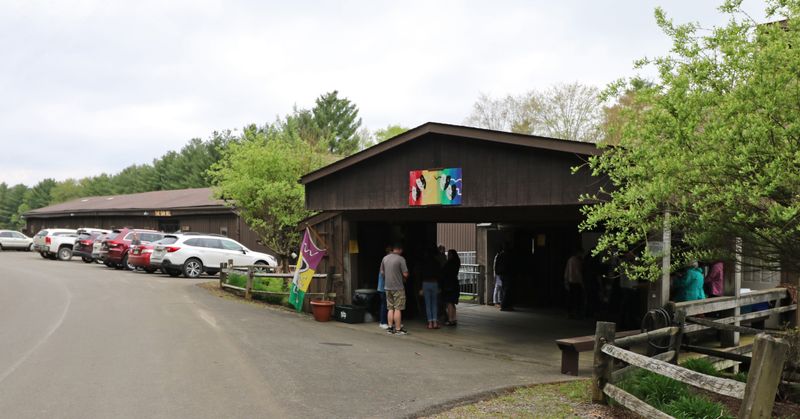
Just a short walk from the trailhead, visitors discover the Sawmill Center for the Arts, adding cultural enrichment to their forest adventure.
Located at 170 Theatre Lane, Cooksburg, PA, this facility showcases traditional crafts and offers hands-on classes throughout the season.
The combination of natural beauty and artistic expression creates a well-rounded day trip experience.
The center’s gift shop features locally made items that provide meaningful souvenirs far superior to generic tourist merchandise.
Demonstrations of traditional crafts like woodworking and weaving connect visitors to the region’s cultural heritage.
The adjacent Verna Leith Sawmill Theater presents professional productions including plays and musicals during summer months.
Planning a visit that includes both the trail walk and arts center activities makes efficient use of travel time to this somewhat remote location.
The facilities provide welcome amenities including restrooms and water fountains that enhance comfort during forest exploration.
Photography Opportunities Abound for All Skill Levels
Camera enthusiasts from beginners to professionals find endless inspiration along this photogenic pathway, with lighting and composition opportunities changing throughout the day.
Early morning visits capture mist rising through the forest canopy, creating ethereal backdrops for the vibrant green trail.
Late afternoon sun produces dramatic side-lighting that emphasizes the moss texture and creates long shadows through the trees.
The trail’s gentle curves provide natural leading lines that draw viewers’ eyes through photographs, while the surrounding trees frame shots beautifully.
Macro photography enthusiasts can spend hours capturing detailed close-ups of moss structures, water droplets, and tiny forest organisms.
Wide-angle shots emphasize the immersive nature of the green tunnel effect.
Overcast days often produce the best color saturation for moss photography, eliminating harsh shadows and allowing the green to glow evenly.
Tripods prove useful for low-light conditions under the forest canopy, though the paved surface makes handheld shooting more feasible than on rough trails.