This Pennsylvania Museum Keeps A Buggy Factory Frozen Exactly As Workers Left It In 1922
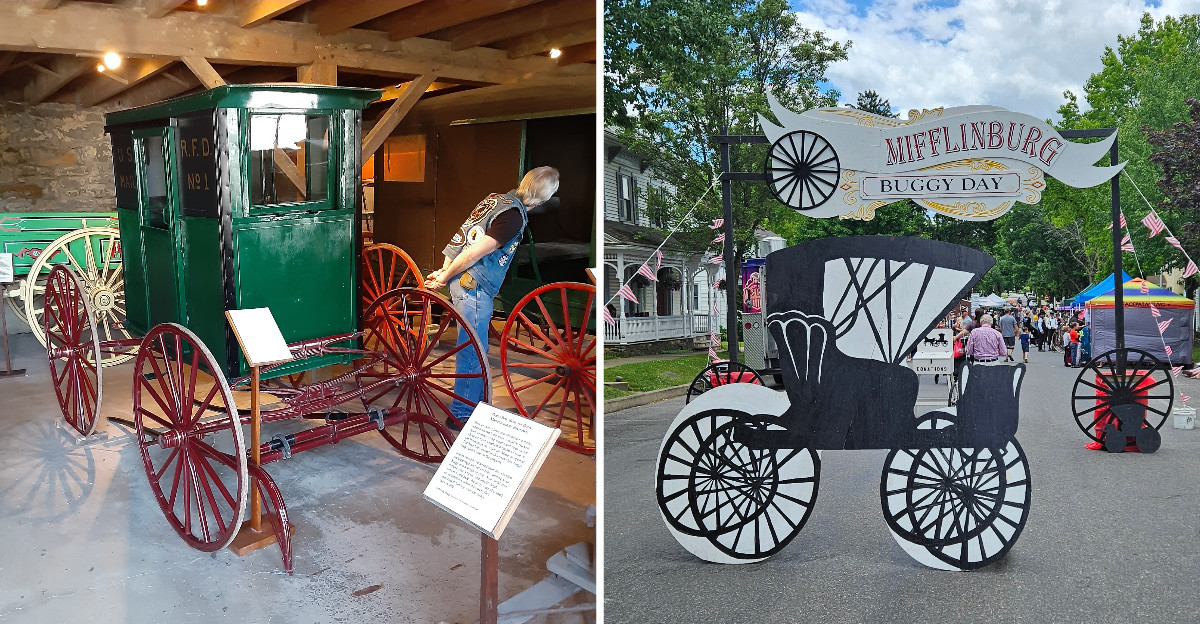
In May 1922, the workers at a family buggy shop stopped building carriages. Their workshops have been kept that same way ever since.
That is not a reconstruction or a clever display. The original buildings still stand, along with the house where the owner’s family lived.
One small Pennsylvania town once rolled out buggies by the hundreds, and this complex saves a real piece of that story.
I like how the place refuses to tidy up history. The benches, tools, and half-finished feel of a working shop tell you what life was like before the car took over.
It feels less like a museum and more like a door someone forgot to lock.
So what does a buggy factory look like after a century of waiting? And who keeps it that way?
A Small Town Museum With A Whole Factory Behind It
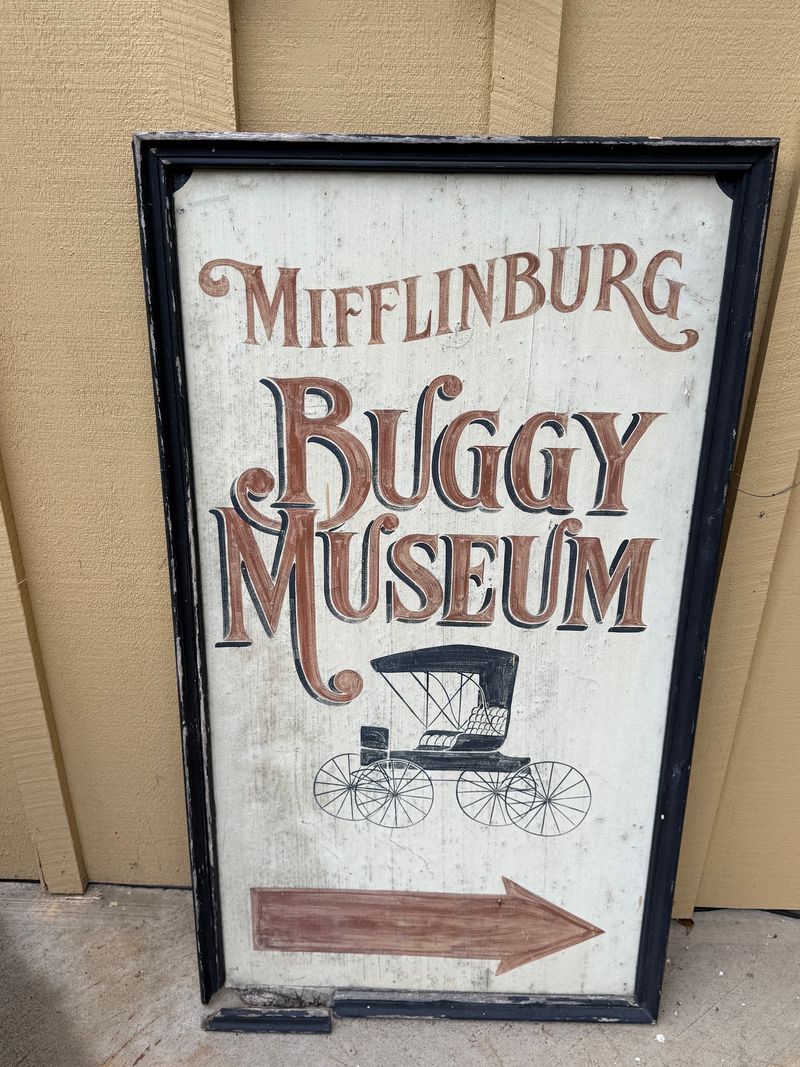
Mifflinburg once built buggies the way Detroit later built cars. The Mifflinburg Buggy Museum exists to make sure nobody forgets that.
The museum sits in Mifflinburg, a Union County town in central Pennsylvania. Its focus is the town’s heritage in buggy manufacturing, told through the real buildings where the work happened.
Most museums gather objects from all over and arrange them in tidy rooms. Here, the main exhibit is the site itself, kept where it has always been.
The complex includes a modern visitor center with buggies on display and a gift shop. Behind it stand four buildings from the late 1800s, including a family residence and original workshops.
That mix gives the visit two speeds. You can browse polished carriages in comfort, then follow a guide into rooms that look like the workers just stepped out for lunch.
It’s a compact place, not a sprawling campus. Still, the depth of detail packed into those few structures can easily fill an afternoon.
For anyone who enjoys learning how ordinary people made a living, the setting is hard to beat. Few towns can point to a factory and say it never really closed its doors.
How One Family Kept The Wheels Turning
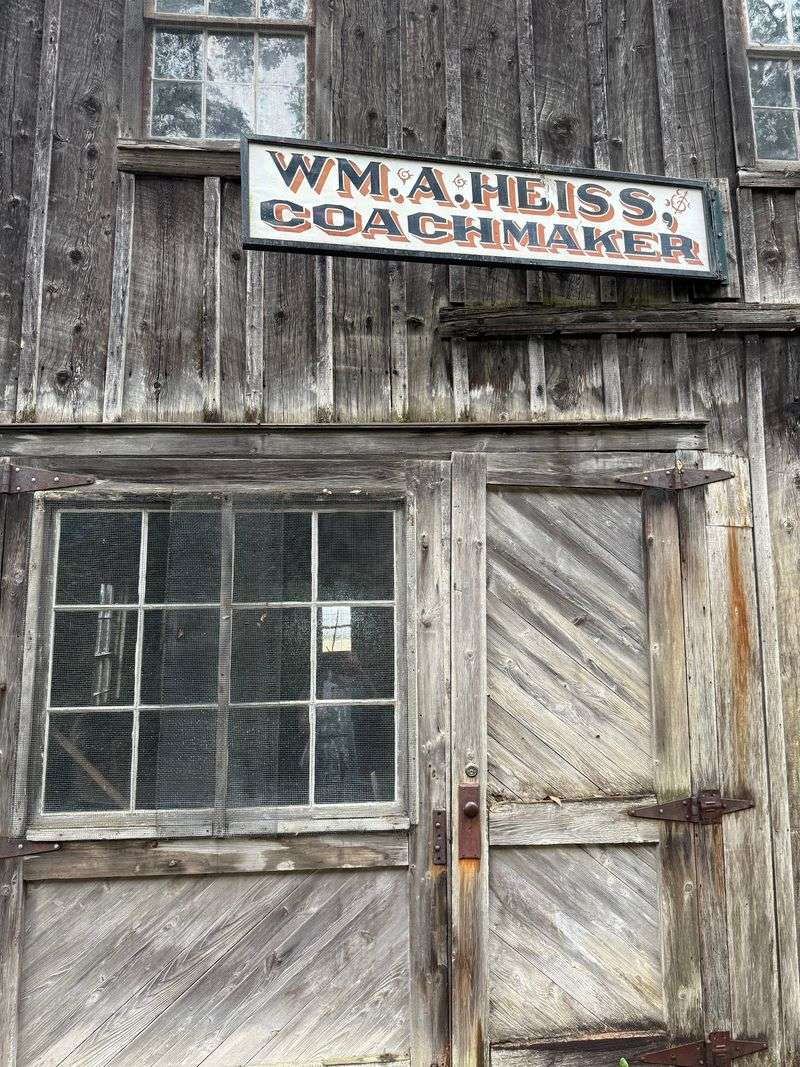
Behind every buggy was a family with a lot of work to do. At this site, that family was the Heiss family, and their business was the Heiss Coach Works.
The Mifflinburg Buggy Museum tells their story through the house they lived in and the shops where they worked. The tour moves between those buildings, so home life and work life sit side by side.
Buggies weren’t the only thing coming out of the shop. Sleighs and pony carts also left the property, which helped the business adapt to changing needs.
Then the automobile arrived and changed everything. Production at the shop stopped in May 1922, and the workshops were left in that condition.
That timing is what makes the place so unusual. You aren’t seeing a shop rebuilt from memory, but one that simply paused when its era ended.
Members of the community have worked for decades to preserve this industrial history. Their effort turned a closed business into a time capsule anyone can visit.
It’s a quiet reminder that big changes in transportation hit real kitchens and real paychecks. The Heiss story makes that shift feel personal instead of abstract.
Workshops That Still Look Ready For Monday Morning
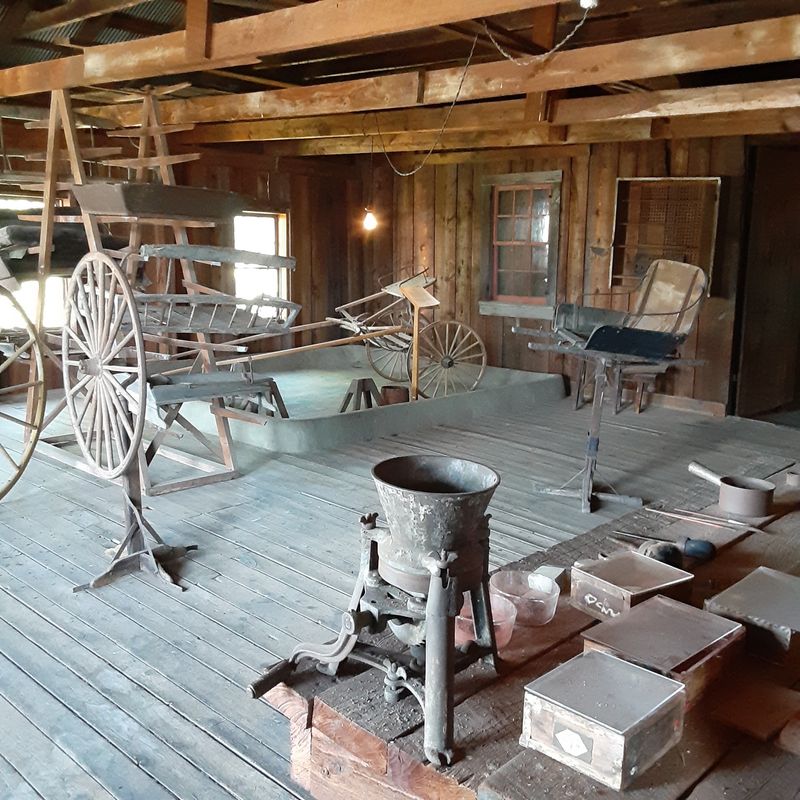
Some rooms feel staged. The original workshops at the Mifflinburg Buggy Museum feel paused, like someone hit a giant pause button in 1922.
Two of the historic buildings are actual factory workshops. They’ve been kept in the same condition as when production stopped.
That means you see the spaces where buggies were truly built, not a display about building them. The difference is easy to feel once you’re standing inside.
The factory section offers a close look at the production process and craftsmanship behind each buggy. It shows how much care and skill went into vehicles we now see as simple.
Guides walk you through what happened in each area. Their explanations connect the tools and spaces to the steps of making a finished carriage.
For fans of late 19th-century manufacturing, this part is the real prize. It’s rare to find an industrial workspace that skipped renovation entirely.
Bring curiosity and a few questions. The rooms reward slow looking, and the details are what make the story stick long after you leave.
You Get To Peek Inside The Owner’s Own House
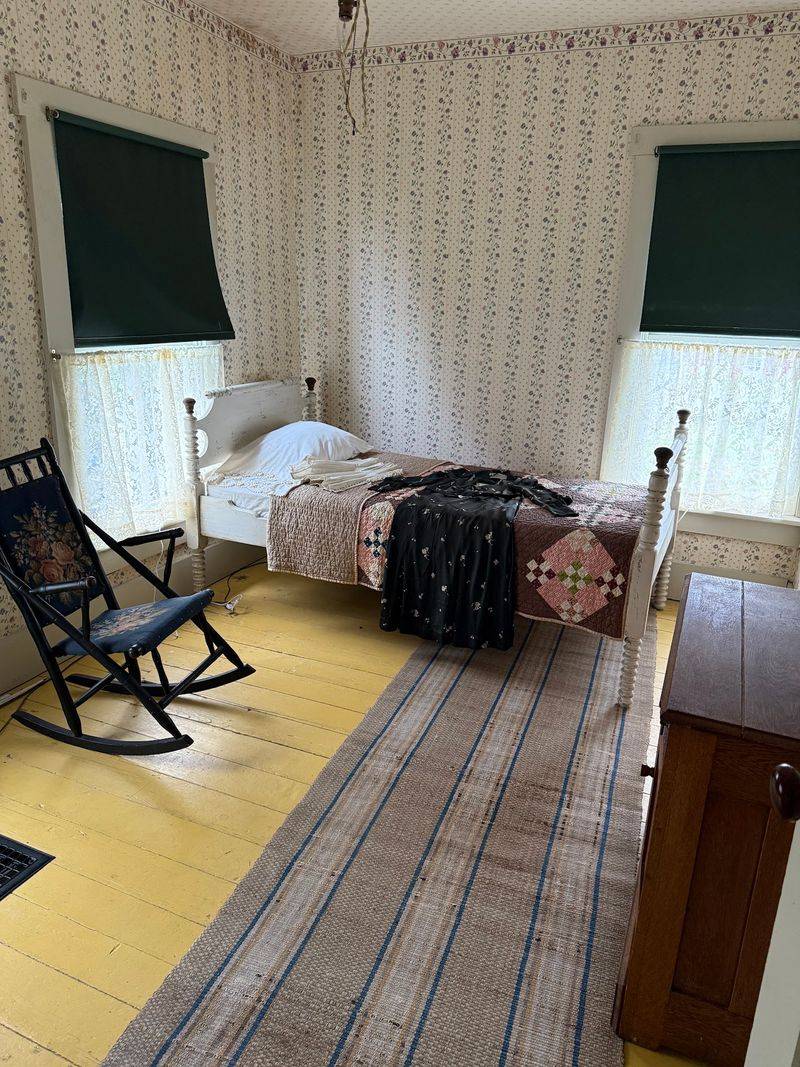
Ever wondered where a buggy maker went home at night? At this museum, it was only a few steps from the shop floor.
The residence of the Heiss family is part of the guided tour. It’s been restored with real attention to detail, and it helps bring the past to life.
Seeing the house next to the workshops changes the whole picture. Work and family weren’t separate worlds here, they shared the same small patch of ground.
The home gives the factory a human face. Instead of just machines and benches, you start thinking about meals, chores, and the people who kept the business running.
It’s a smart pairing, honestly. A factory alone can feel cold, but a kitchen and parlor nearby make the history feel warm and lived in.
Guides share stories about how the family lived and worked. Those little details often become the parts people remember most.
If you enjoy old homes as much as old machines, this stop delivers both. The house might even be the reason you linger a bit longer than planned.
Gleaming Buggies Fill The Visitor Center
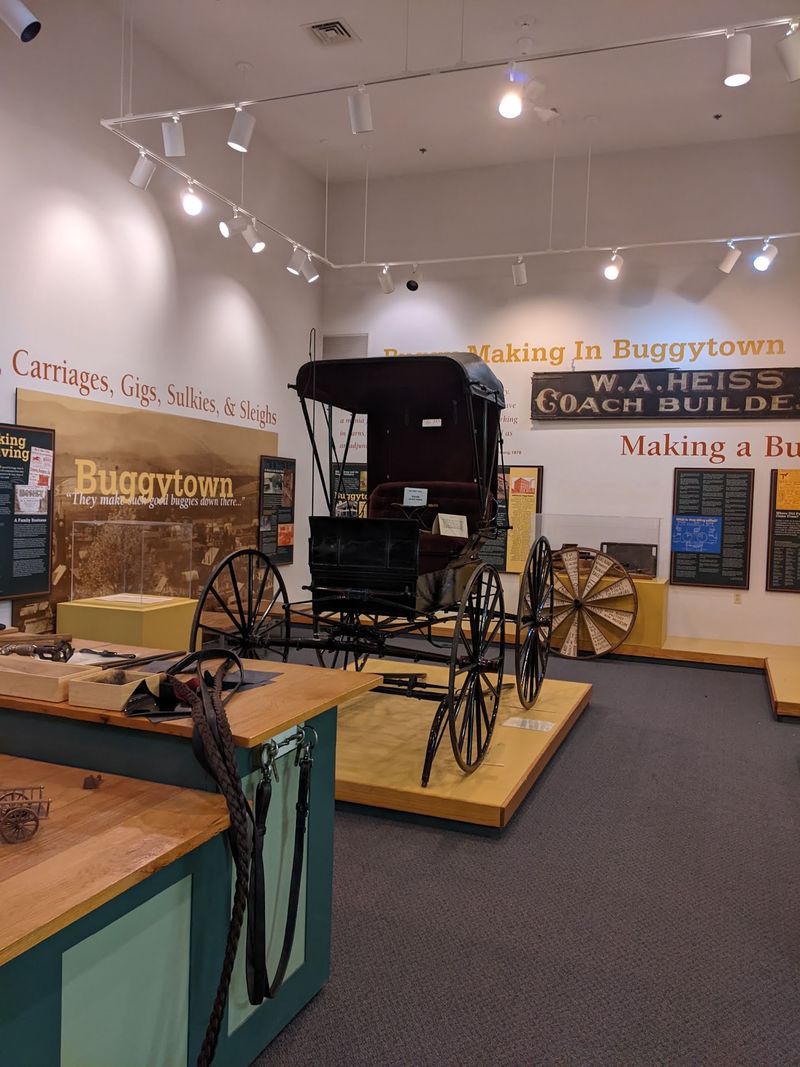
Polished wood, bright wheels, and carriages that look ready for a Sunday ride. The visitor center is where the shine lives.
This modern building holds several buggies on display, some restored to pristine condition. It also includes traditional museum exhibits and some simple homegrown displays.
The reconditioned buggies are a big draw. They spark the imagination and make it easy to picture how people once got around town.
Here’s a nice bonus for summer visits. The visitor center is air-conditioned, which makes it a comfortable place to start or finish.
A gift shop rounds out the space. Picking up something small is one easy way to support the museum’s preservation work.
Even a quick stop here is rewarding. Still, the visitor center is really the opening act for the historic buildings out back.
Think of it as a warm-up for your eyes. Once you’ve admired the finished buggies, the workshops show you exactly how much effort went into each one.
Guides Who Know Every Wheel And Bolt
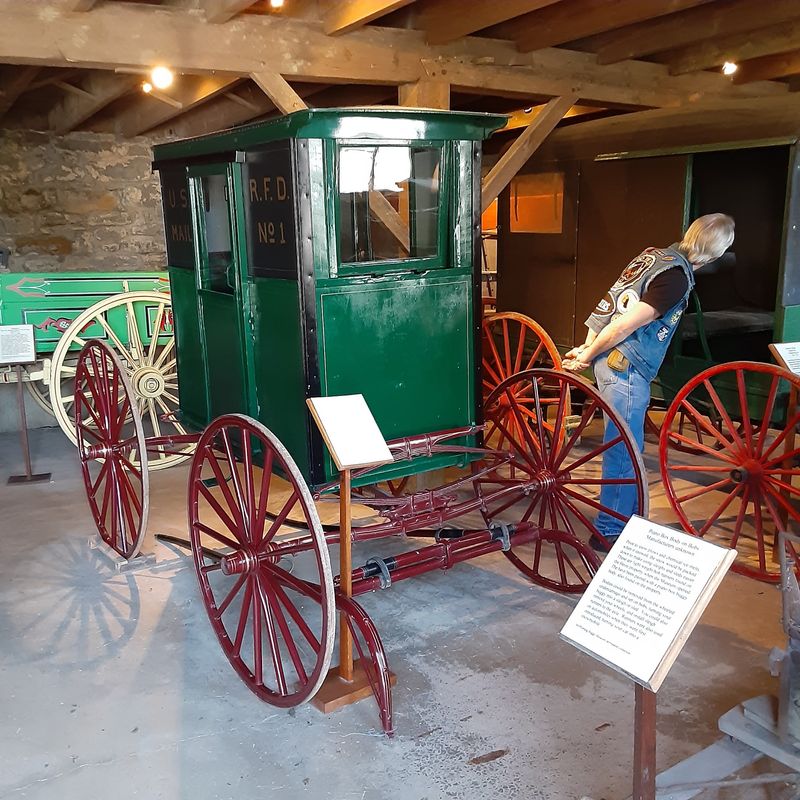
A great tour guide can turn a dusty room into a storybook. That talent shows up again and again at the Mifflinburg Buggy Museum.
The guided tour covers the multiple historic buildings on the property. It’s the main way to see the residence and the workshops up close.
Staff and guides bring obvious passion for the town’s history. They share stories, answer questions, and help connect the buildings to the people who used them.
That personal touch matters at a site like this. Without someone explaining the details, a workshop might just look like a cluttered old room.
The tour carries a modest fee, separate from donation-only entry to the visitor center. It stays an affordable outing for families, couples, and curious retirees.
Come ready with questions about wheels, paint, or family life. The guides tend to welcome curiosity, and the conversation makes the tour richer.
History buffs often prize this kind of visit. It feels more like chatting with a knowledgeable neighbor than listening to a recorded lecture.
Buggy Days And Other Reasons To Return
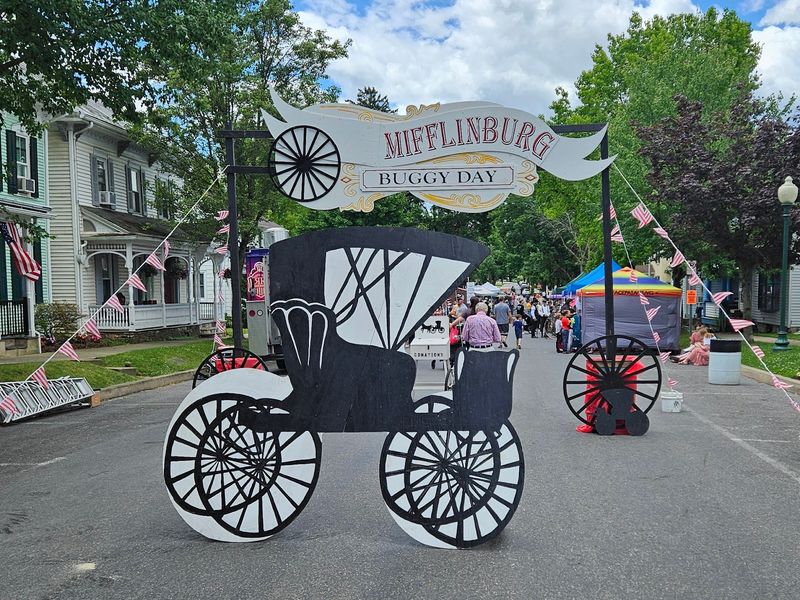
A museum about buggies naturally deserves a party about buggies. Mifflinburg delivers with an event called Buggy Days.
The festival brings extra activity to the museum grounds. It offers plenty to see and gives the historic site a lively, community feel.
The museum has also hosted programs like History Camp. Events like these help younger visitors connect with local heritage in a hands-on way.
Dates and details change from year to year. The museum shares upcoming events on its Facebook page, so it’s smart to look there first.
Special events can be a great way to plan a day trip. They often pair well with the regular tour and a stroll around town.
Even outside festival time, the museum stays active. Community support, raffles, and donations all help keep the buildings preserved.
For Pennsylvania families hunting for an affordable weekend outing, an event day adds extra value. Just confirm the schedule before you pack the car.
Plan Ahead So You Don’t Miss The Best Part
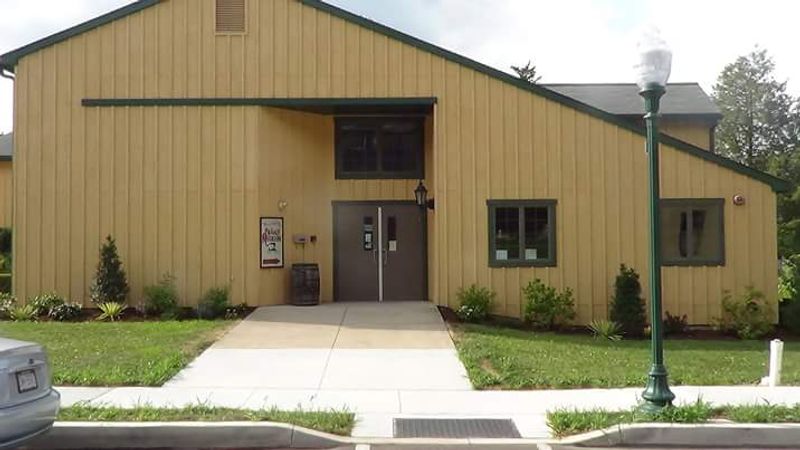
Here’s the practical bit that can make or break your day. You’ll find the museum at 598 Green St, Mifflinburg, PA 17844.
Free street parking makes arriving easy. The town is a manageable drive from many parts of central Pennsylvania.
Entry to the visitor center works on a donation basis. Touring the historic buildings costs a small fee, and it’s a good value for the time spent.
Now the important tip. Arriving without arranging a tour ahead of time may mean you only see the visitor center and gift shop.
That would be a shame, since the historic buildings are the heart of the visit. Calling ahead to confirm tour details is the safest move, especially for groups.
Weather matters too. The four historic buildings date to the late 1800s and have no air conditioning, so hot days can feel warm inside.
Hours and tour availability can shift with the seasons. Check ahead before making the drive, and you’ll get the full experience.