This Pennsylvania Museum Lets You Wander Through 100 Acres Of 1800s Farm Life
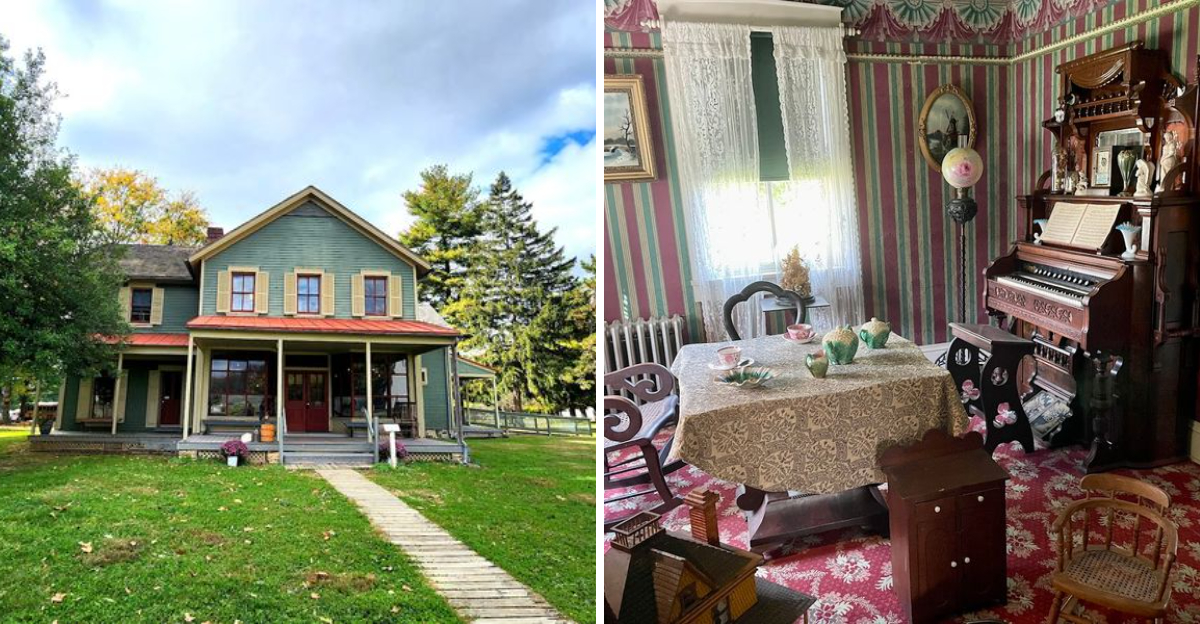
Most museums ask you to look at history through a pane of glass, and this Pennsylvania one decided that was a completely inadequate arrangement.
I visited a Lancaster County farmland with the casual energy of someone filling a free day, and left three hours later having apparently lived inside an entirely different century.
The scale gets you first.
One hundred acres of working 1800s farm life does not announce itself the way you might expect.
The moment it clicks that everything around you is authentically preserved and genuinely alive, something shifts in a very satisfying way.
Interpreters in period dress go about their work with a commitment that pulls you in completely.
The animals are real, the tools are real, and the whole experience has a texture that no exhibit case has ever managed to replicate.
Pennsylvania has been quietly running one of the best living history experiences in the country, and it deserves considerably more credit than it gets.
The Big Picture
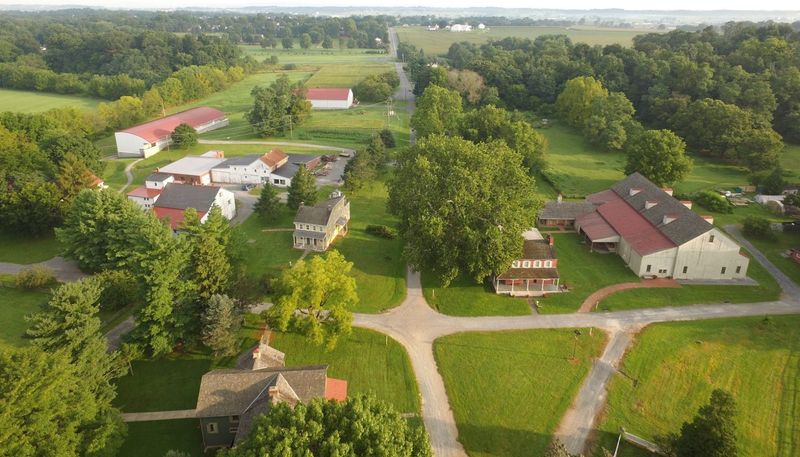
Landis Valley Village & Farm Museum is not a replica or a theme park. It is a living, breathing collection of over 100 acres filled with authentic 18th and 19th century Pennsylvania German heritage.
The scale alone is enough to make your jaw drop before you even buy a ticket.
The museum preserves more than 20 historic structures, thousands of artifacts, and working demonstrations that show how rural Pennsylvania families actually lived, farmed, and built community.
Nothing here feels staged or sanitized. Everything feels genuinely earned by time.
Founded in the early 20th century by brothers Henry and George Landis, the museum grew from a personal passion for preserving what was quickly disappearing from the American landscape.
What started as a private collection became one of Pennsylvania’s most respected historic sites at 2451 Kissel Hl Rd, Lancaster. A full visit easily fills half a day, and you will probably wish you had more time.
The Historic Village Streetscape
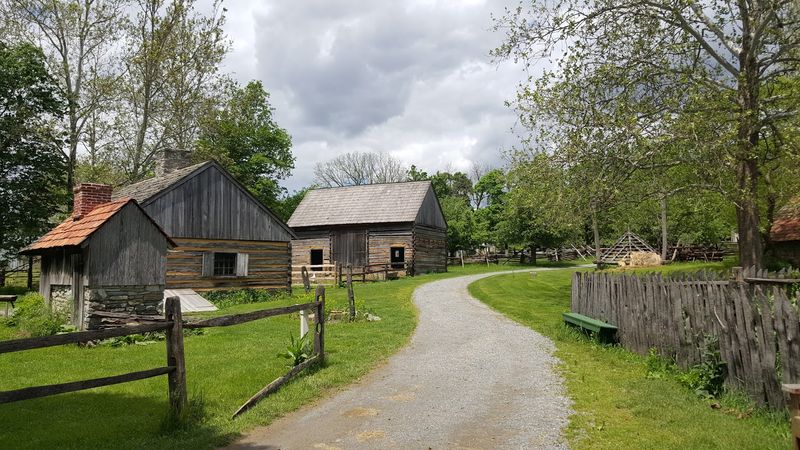
The village streetscape at Landis Valley feels like someone quietly rearranged the calendar without telling you. The buildings lining the path are not reconstructions.
They are original structures that were carefully relocated and restored to create a cohesive village scene that mirrors 19th century Pennsylvania German community life.
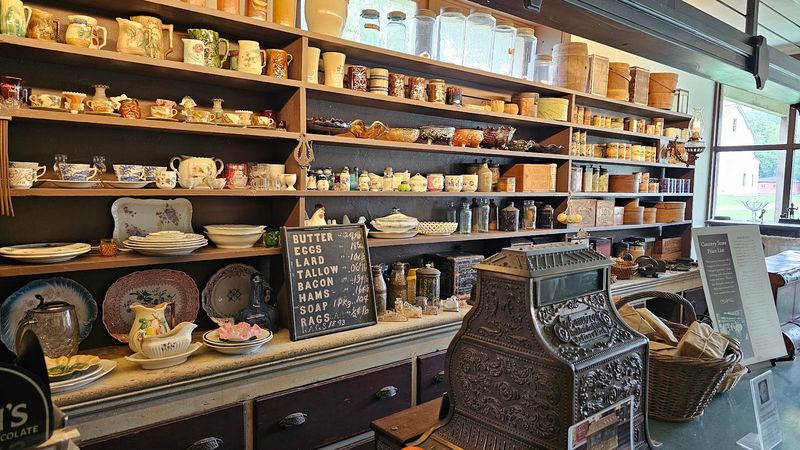
You can walk from a tavern to a print shop to a country store without crossing a parking lot or spotting a single modern sign.
The layout is intentional and thoughtful, giving visitors a sense of how these buildings would have actually existed in relation to each other. It rewards slow walkers and curious minds.
Each building along the streetscape has its own story, its own original contents, and its own atmosphere. Some smell like old wood and candle wax.
Others carry the faint scent of iron from tools left exactly where they belong. The sensory details here do more storytelling than any exhibit label ever could.
Plan to linger here longer than you think you will.
Working Craft Demonstrations You Can Watch
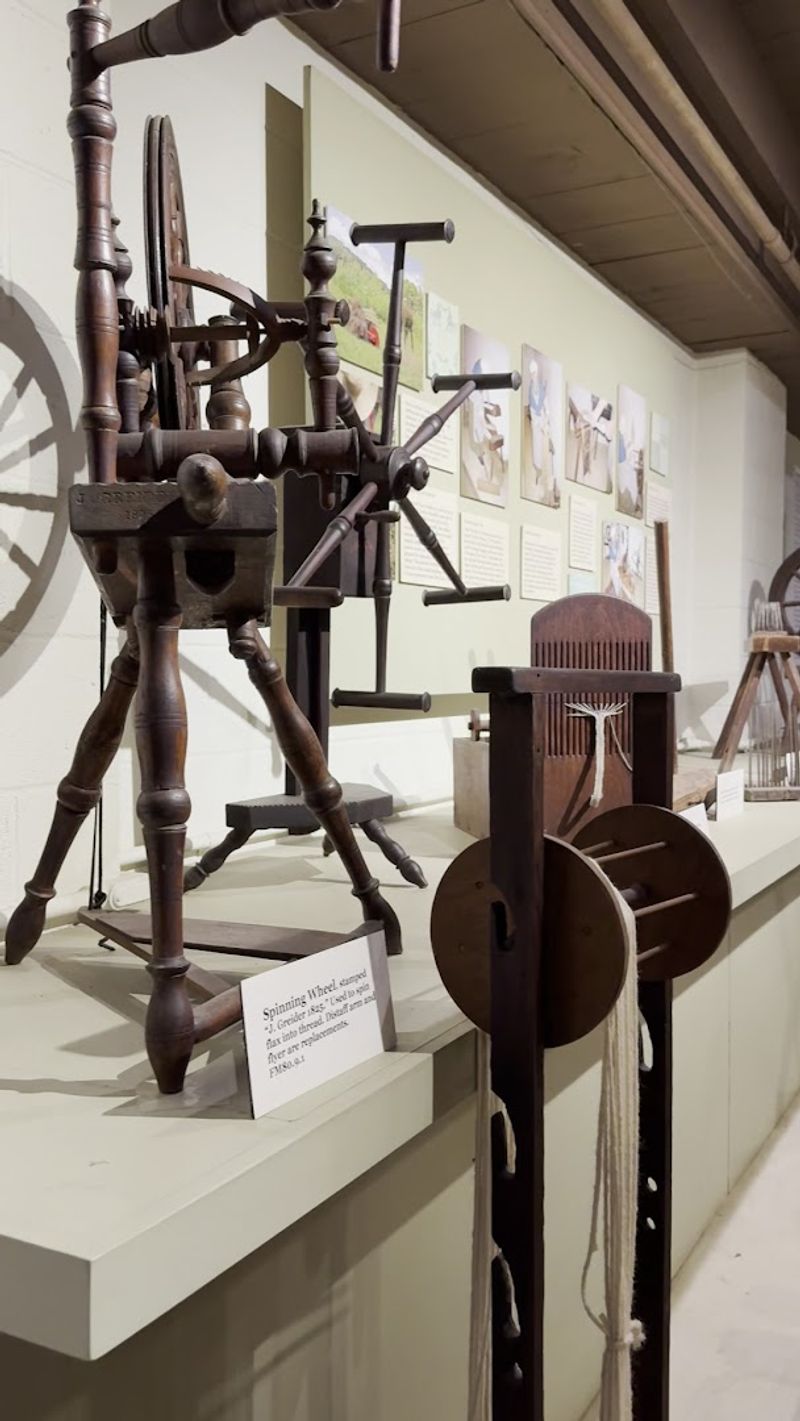
There is something quietly thrilling about watching a person make something useful with their hands using only the tools available 200 years ago.
Landis Valley’s costumed interpreters do exactly that, and they are genuinely skilled at what they demonstrate. This is not a performance.
It is a real craft being practiced in real time.
Depending on the day and season, you might catch a tinsmith shaping a lantern, a weaver working a period loom, or a blacksmith hammering iron at a working forge.
The museum rotates its demonstrations to reflect what would have actually been happening on a Pennsylvania farm during different times of the year. That seasonal accuracy makes every visit feel a little different.
Kids especially light up around these demonstrations because the interpreters are approachable and genuinely enjoy explaining their craft.
Adults tend to get equally absorbed, asking questions that go well beyond what the exhibit labels cover.
I watched a woman spend twenty minutes talking to a weaver about thread count and left looking like she had just discovered a new hobby. Totally understandable.
The Landis Valley Heirloom Seed Project
Most museums preserve objects. Landis Valley also preserves living things.
The museum’s Heirloom Seed Project is one of the most quietly remarkable programs at the site, maintaining varieties of vegetables, herbs, and flowers that date back generations.
Some of these plant varieties would no longer exist without this effort.
The project keeps historical agriculture alive in a way that goes beyond display.
Seeds from the collection are actually grown on site in the museum’s gardens, and many varieties are available for purchase in the museum store.
You can take a piece of 19th century Pennsylvania home and plant it in your own backyard, which is a genuinely cool thing to be able to say.
The kitchen garden near the farmstead buildings is worth visiting on its own. It is planted and maintained using period-appropriate methods and tools, making it as much an educational exhibit as it is a functional growing space.
The variety of plants is impressive, and the garden layout reflects authentic Pennsylvania German domestic traditions.
It is the kind of detail that most museums skip entirely, and it makes Landis Valley stand out in a real way.
The Farmstead Buildings And Animal Life
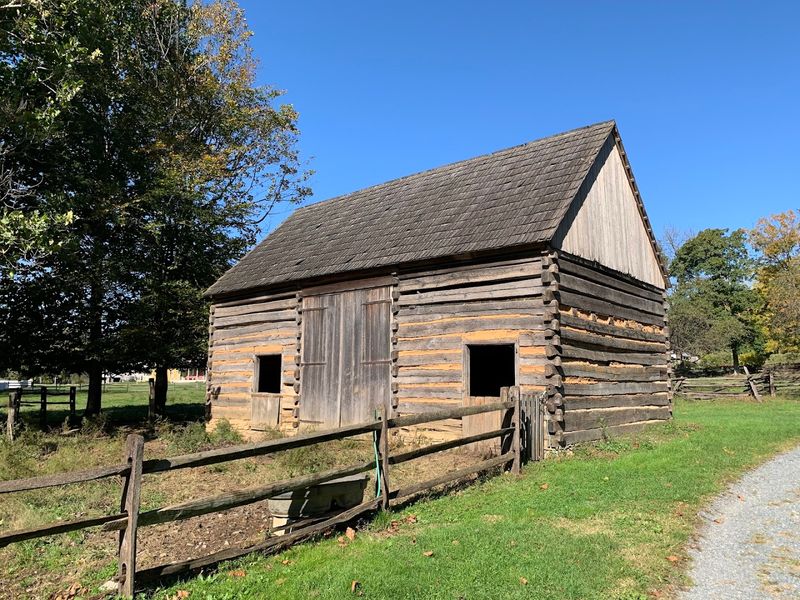
A farm museum without animals would feel like a kitchen without a stove. Landis Valley gets this right by maintaining heritage breed animals as part of the living history experience.
These are not random barnyard animals. They are historically appropriate breeds that would have been found on Pennsylvania German farms during the 1800s.
Walking through the farmstead area, you encounter working barns, smokehouses, a wash house, and outbuildings that give a full picture of how a self-sufficient farm household operated across every season.
The structures are original or period-accurate, and the details inside them are dense with authentic tools, equipment, and household items that tell the story of daily labor without needing much explanation.
Heritage breeds like Conestoga horses and period-appropriate poultry add a layer of authenticity that photographs simply cannot capture.
Seeing the scale of these animals next to the equipment they were used with reframes your understanding of what farm work actually demanded from people and animals alike.
It is grounding in the best possible way, and it makes the whole experience feel earned rather than curated.
The Museum’s Artifact Collection
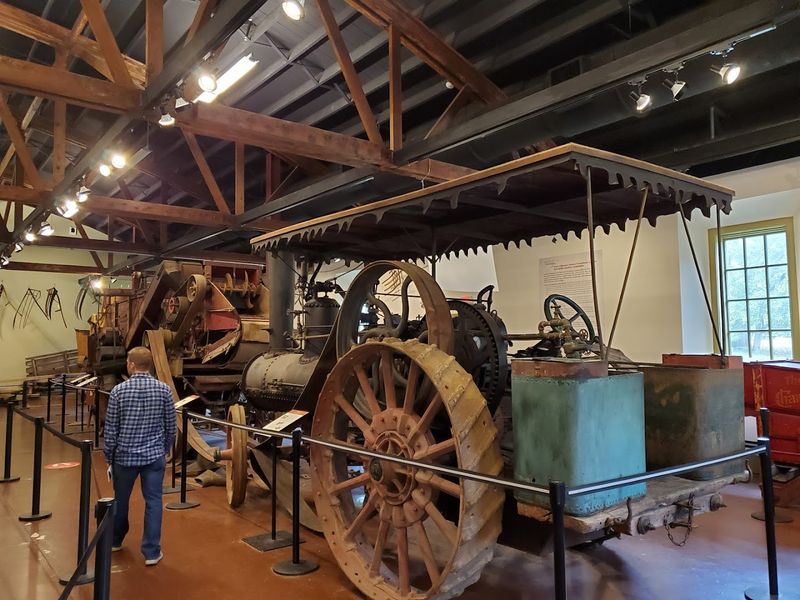
If you are the kind of person who stops to read every label in a museum, Landis Valley will absolutely wreck your schedule in the best way.
The artifact collection here spans over 100,000 objects, ranging from intricate fraktur artwork to hand-forged farm tools to decorated pottery that reflects the distinct visual culture of Pennsylvania German settlers.
What makes this collection different from a typical history museum is context. These objects are displayed within the actual buildings where similar items would have been used.
A butter churn sitting in a farmhouse kitchen hits differently than the same churn behind glass in a climate-controlled gallery. Placement matters, and Landis Valley understands that completely.
The fraktur pieces deserve special attention.
These hand-lettered and illustrated documents were a uniquely Pennsylvania German art form, used to mark births, baptisms, and marriages with decorative calligraphy and folk imagery.
Seeing originals up close, with their faded ink and careful brushwork, is a reminder that artistic tradition runs deep even in the most practical of communities.
The collection is extensive enough that you genuinely cannot see everything in one visit.
Seasonal Events And Living History Programs
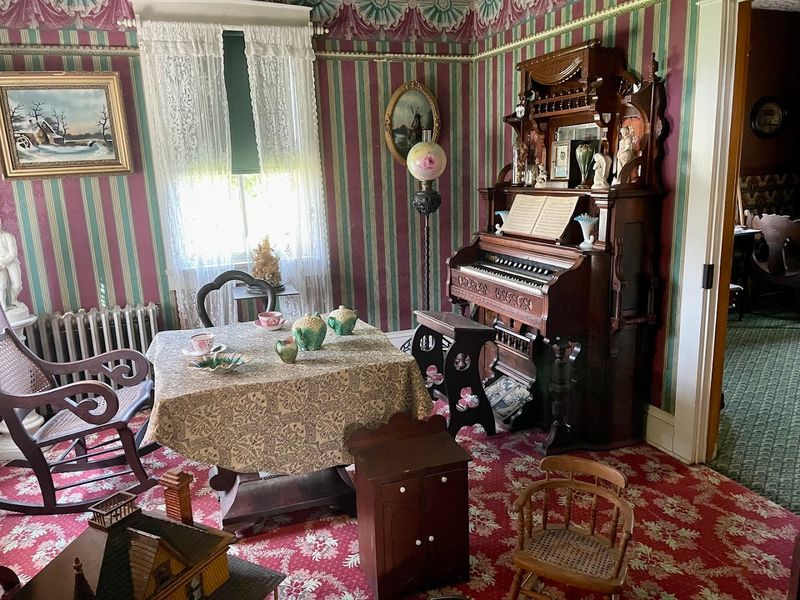
The museum does not coast on its buildings and artifacts alone. Landis Valley runs a full calendar of seasonal events and living history programs that give the site a different energy depending on when you visit.
The fall harvest festival is particularly popular, drawing crowds who come specifically for the demonstrations, food, and atmosphere that the season brings out.
Spring planting events, summer craft weekends, and holiday programs round out the year and give repeat visitors a genuine reason to come back.
Each event is designed to reflect what would have actually been happening on a Pennsylvania German farm during that time of year, which keeps the educational thread running through even the most festive gatherings.
School groups and family visitors tend to get the most out of these programs because the interactive format makes history feel personal rather than distant.
I visited on a quiet weekday and still stumbled into a demonstration that I ended up watching for forty minutes. Imagine what a full event day looks like.
The museum’s website keeps an updated calendar, and checking it before you visit is absolutely worth the two minutes it takes.
Planning Your Visit
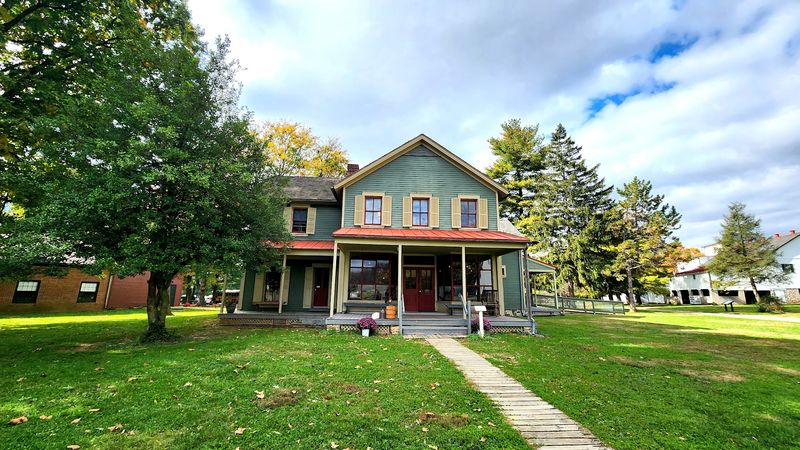
Comfortable shoes are not optional here. The museum grounds cover over 100 acres, and a thorough visit involves a lot of walking across uneven terrain, gravel paths, and grassy areas between buildings.
Wear layers in cooler months because the open farmland setting means the wind has opinions about your comfort level.
The museum is open seasonally, so checking current hours before heading out saves frustration. Admission is reasonably priced for what you get, and the museum store is genuinely worth browsing.
That is where you will find those heirloom seeds, along with books, reproduction crafts, and Pennsylvania German folk art items that are harder to find elsewhere.
Landis Valley is easily reachable from the city and from most Lancaster County destinations. Parking is free and plentiful, which is a small but real comfort after a long drive.
Plan for at least three hours if you want to see the major buildings and catch a demonstration or two. Go longer if you have kids or a deep interest in material culture.
Either way, you will leave with a lot more appreciation for what everyday life actually required two centuries ago.