This Picturesque State Park In California Is So Secluded, It’s Almost Forgotten
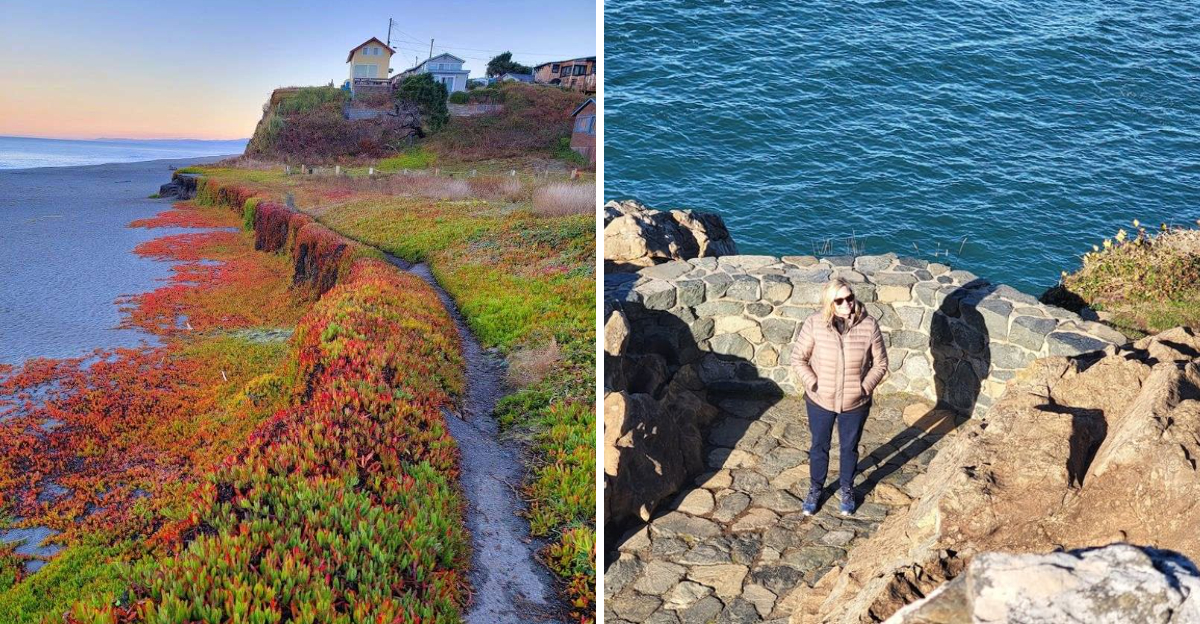
The road narrows. The trees close in. The ocean stays just out of sight a little longer than expected.
Nothing about this place feels immediate. It unfolds slowly, in pieces, as if it’s meant to be discovered rather than taken in all at once. The air feels cooler. Quieter. Different.
Movement replaces noise. Wind through branches. Water against rock. Footsteps on soft ground. It’s the kind of setting that doesn’t compete for attention, yet somehow holds it completely.
Views appear when they’re ready, not all at once. A break in the trees. A stretch of coastline. A sense that you’ve stepped into something that hasn’t been rushed or reshaped.
There are still parts of California where the experience feels this undisturbed and real.
Sue-meg State Park is one of them, and it leaves an impression that doesn’t fade quickly.
Sits High Above The Pacific
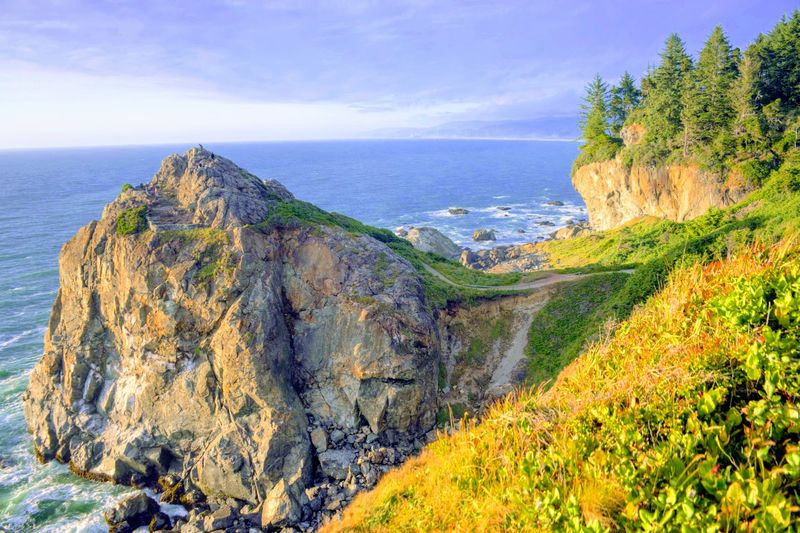
Perched on a rocky promontory that juts boldly into the Pacific, Sue-meg State Park commands some of the most dramatic coastal elevation found anywhere along California’s northern shoreline.
The land rises steeply above the ocean, giving visitors a sense of standing at the very edge of the continent.
That height changes everything about how the park feels, from the way the wind moves through the trees to the unobstructed views stretching out toward the horizon.
Unlike flat beach parks where the ocean feels close and accessible, here the sea feels vast and powerful, visible from above in a way that is both humbling and quietly thrilling.
The cliffs drop sharply in places, so staying on marked trails is strongly recommended for safety. Signage throughout the park helps guide visitors to the safest and most scenic overlook points.
The elevation also means that sound travels differently here.
Waves crashing far below create a low, steady rumble that carries through the forest, and on calm days that sound is almost the only thing a visitor can hear.
Arriving in the early morning tends to offer the clearest views before coastal fog rolls in from the west.
Offers Sweeping Coastal Cliff Views
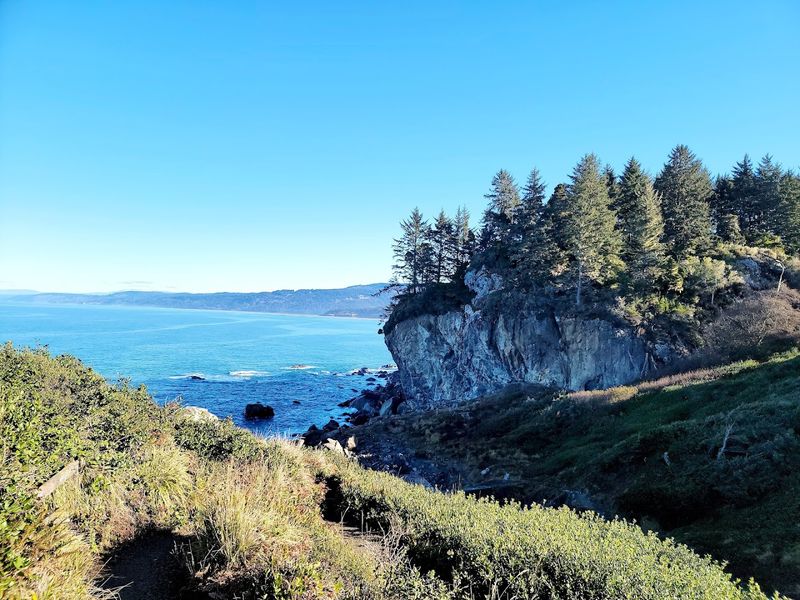
Few things at Sue-meg stay with visitors quite as long as the view from the cliff overlooks.
Rocky outcroppings break through the surface of the water below, and on clear days the coastline curves in both directions with no development in sight.
That kind of uninterrupted natural scenery is increasingly rare along the California coast, which makes these viewpoints feel genuinely special rather than just scenic.
The Rim Trail is the best way to access multiple overlooks in a single outing, winding through forest and then opening suddenly onto exposed headlands where the full scale of the Pacific becomes visible.
Each overlook has its own slightly different angle, so walking the full trail rather than stopping at just one point is worth the extra time.
The trail itself is not overly strenuous, making it accessible to most fitness levels.
Photographers tend to favor the late afternoon light when the sun drops lower in the sky and casts a warmer tone across the cliffs and water.
Early morning visits offer softer light and a better chance of spotting wildlife on the rocks below. Binoculars are a practical addition to any packing list for this particular park activity.
Home To Recreated Yurok Village Sites
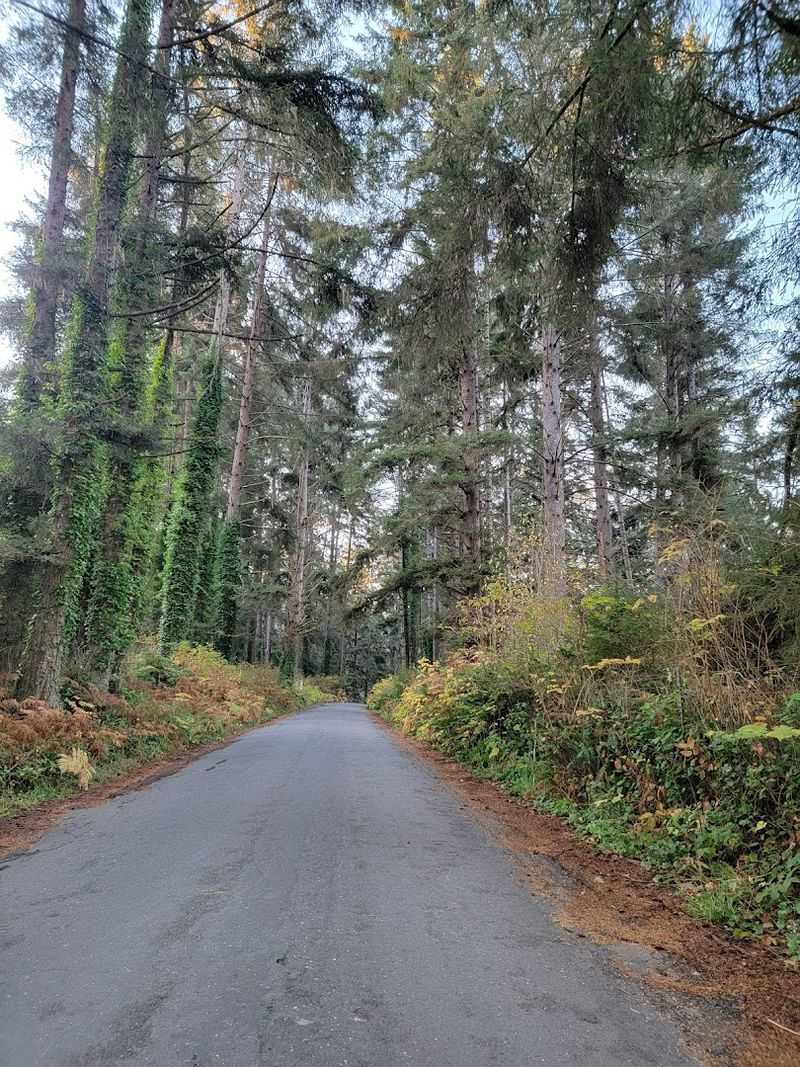
Hidden within the park’s forested interior is Sumeg Village, a carefully reconstructed Yurok village that offers a rare and grounded look at traditional coastal indigenous life.
Built in collaboration with members of the Yurok Tribe, the village includes a sweat house, a dance house, a redwood dugout canoe, and several traditional plank houses constructed using methods that reflect Yurok building practices.
The structures are not replicas built for display purposes alone but were created as living cultural spaces.
The Yurok Tribe continues to use Sumeg Village for ceremonies and cultural gatherings, which means visitors are asked to be respectful and attentive to any posted guidelines about access during those times.
Approaching the site with genuine curiosity and quiet respect tends to make the experience more meaningful.
Reading the interpretive signage posted throughout the village provides useful context before exploring the individual structures.
Sumeg Village is one of the most distinctive features of the park and sets it apart from most other California State Parks.
The opportunity to see traditional Yurok architecture in the landscape where it belongs, rather than in a museum, is something that tends to leave a lasting impression.
Summer months may offer docent-led programs at the village for a more guided experience.
Agate Beach Is A Hidden Gem For Exploring
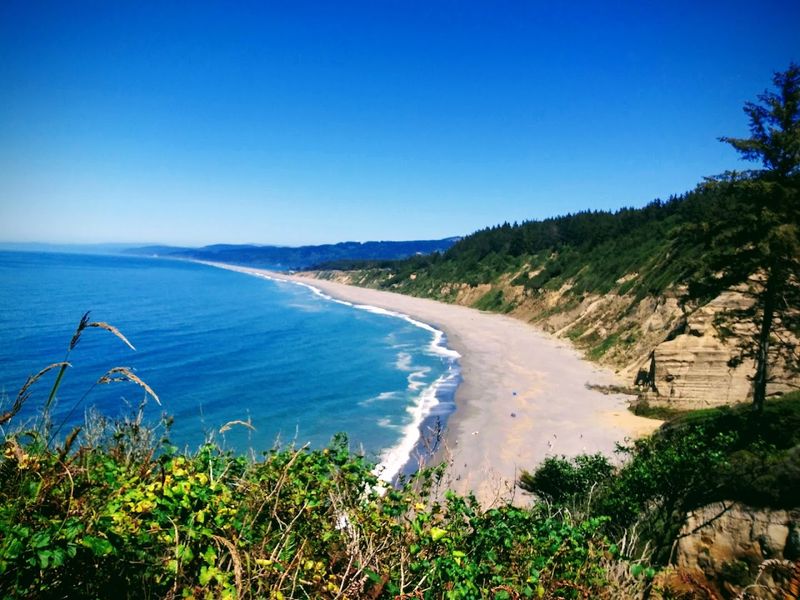
Agate Beach sits below the park’s forested bluffs and has been drawing rock enthusiasts and curious beachcombers for generations.
The beach gets its name from the smooth, semi-translucent agate stones that wash ashore and collect among the sand and gravel.
Finding a good agate requires patience and a sharp eye, since they often look like ordinary wet rocks until the light catches their surface just right.
California State Parks allows visitors to collect stones from Agate Beach with a limit of one armload per person per day, which keeps the resource available for future visitors without depleting it.
Bringing a small bag and wearing waterproof shoes is practical advice, since the beach can be wet and the tideline is where the best stones tend to gather.
Low tide tends to expose more of the beach and reveal stones that are usually underwater. Beyond the rock hunting, the beach itself is a pleasant place to spend time.
The surrounding cliffs and forested headland create a sheltered feeling that is different from open coastal beaches.
The sound of the waves here is closer and more immediate than at the cliff overlooks above, and the beach tends to stay quieter than popular California coastal spots even during summer months.
Tide Pools Reveal Marine Life At Low Tide
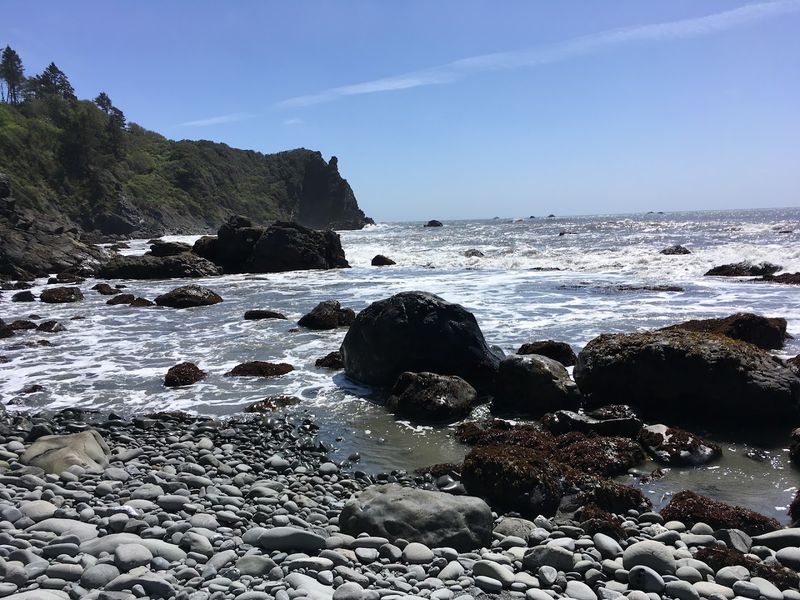
When the tide pulls back along the rocky shores of Sue-meg State Park, it leaves behind a world that most people never get to see.
The tide pools here hold sea anemones, hermit crabs, sea urchins, small fish, and occasionally sea stars, all going about their lives in shallow pockets of trapped seawater.
Standing over a tide pool and watching that activity for even a few minutes tends to shift the pace of a visit in a noticeable way.
Checking a tide chart before visiting is genuinely useful because the best pool access happens during low tide windows, which shift daily based on lunar cycles.
Wearing sturdy shoes with good grip is important since the rocks can be slippery with algae and wet from wave spray.
Staying aware of wave patterns before stepping onto exposed rocks is also a basic safety practice that should not be skipped.
The marine life in these pools is protected under California law, so touching, collecting, or disturbing the animals is not permitted.
Observing without interfering is the standard approach and actually makes for better viewing anyway, since the animals behave more naturally when left undisturbed.
Children often find tide pools to be one of the most memorable parts of any visit to the park.
Dense Forest Trails Add To The Seclusion
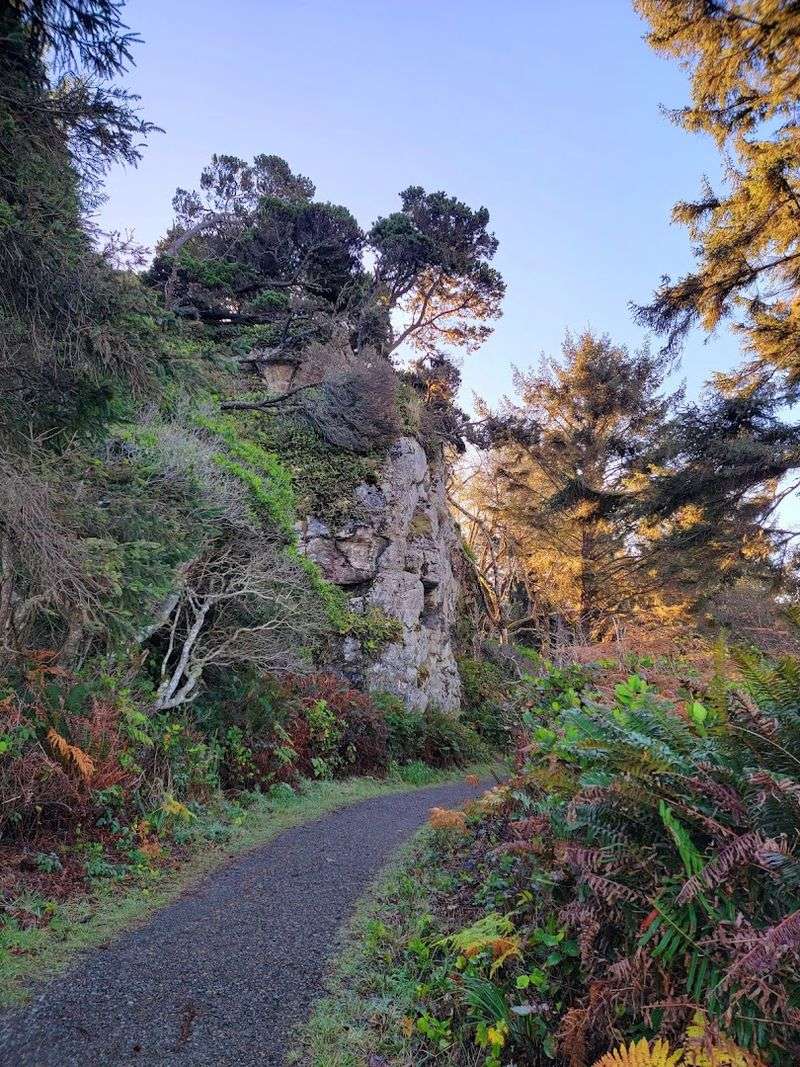
Stepping onto the forest trails at Sue-meg feels like entering a different climate zone entirely.
Coastal redwoods, Sitka spruce, western hemlock, and grand fir create a canopy thick enough to filter most of the sky, and the air underneath carries a cool, damp quality that feels noticeably different from the open headlands just a short walk away.
That shift in atmosphere is part of what makes hiking here feel layered and interesting rather than repetitive.
The trail network covers several miles and connects the forested interior with coastal overlooks, the village site, and the beach access points.
Most trails are well-maintained and clearly marked, though some sections can be muddy after rain, so checking conditions before heading out is a practical habit.
Trail difficulty ranges from easy flat walks to slightly more uneven terrain near the cliff edges. Sound behaves differently under the forest canopy too.
Wind that is strong and audible on the headlands becomes almost imperceptible among the trees, replaced by the quieter sounds of birds and the occasional rustle of branches.
Birders tend to find the forest sections particularly rewarding since the dense vegetation supports a wide variety of species that are harder to spot in open areas of the park.
Fewer Crowds Than Nearby Redwood Parks
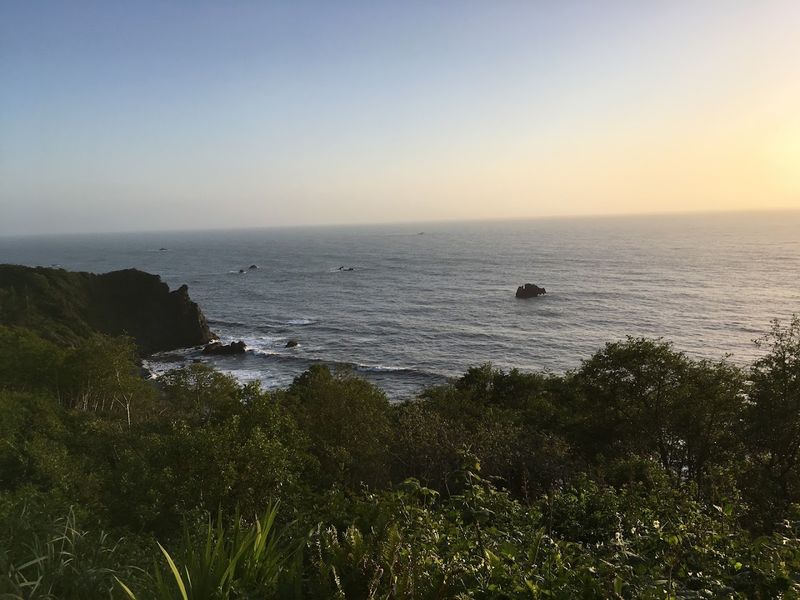
Redwood National and State Parks to the north draw significant visitor numbers throughout the year, and the popular sections near Crescent City and Orick can feel noticeably busy during summer weekends.
Sue-meg State Park, positioned about 25 miles north of Eureka along a quieter stretch of coastal highway, tends to attract a smaller and more intentional crowd.
That difference in scale changes the entire atmosphere of a visit. Parking areas at Sue-meg are manageable even during peak season, and the trails rarely feel congested.
Visitors who have come from busier parks often comment on how different the pacing feels here, with more space to stop, look around, and simply be present without navigating around large tour groups.
Weekday visits offer even more breathing room for those with scheduling flexibility. That relative obscurity is partly what makes the park worth knowing about.
It has not been heavily featured in mainstream travel media the way some northern California parks have, which has helped preserve its quiet character.
The park still offers a full range of amenities including campgrounds, a visitor center, and maintained trails, so the lower crowd levels do not come at the expense of a well-supported visit experience.
Campgrounds Overlook The Ocean
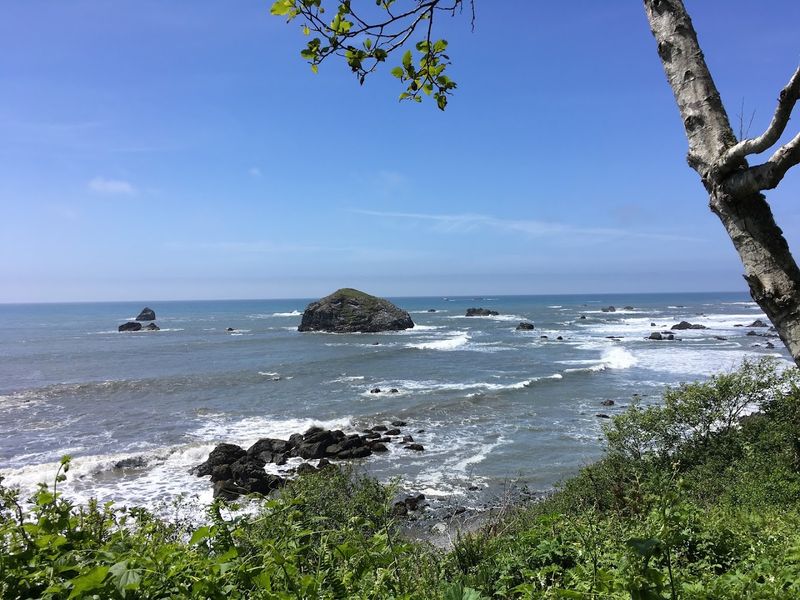
Spending a night at Sue-meg means waking up to the sound of the ocean before seeing it, which is a particular kind of morning that is difficult to replicate anywhere else.
The park has three family campgrounds, two group campsites, and a hike or bike campsite, giving different types of visitors a range of options for overnight stays.
Several of the individual campsites sit close enough to the bluff edge that the ocean is visible through the trees from the picnic table.
Reservations are recommended, especially during summer months when coastal camping in California fills up well in advance.
Booking through the California State Parks reservation system as early as possible is the most reliable approach for securing a preferred site.
Campfire rings are available at most sites, and firewood is sometimes available for purchase within the park. Nights at the campground carry a distinct atmosphere that daytime visitors do not get to experience.
Fog often moves in after dark and muffles the surrounding environment, while the sound of waves below becomes more pronounced.
Temperatures drop noticeably after sunset even in summer, so packing layers and a warm sleeping bag is practical advice regardless of how mild the daytime felt during the drive in.
Formerly Known As Patrick’s Point State Park
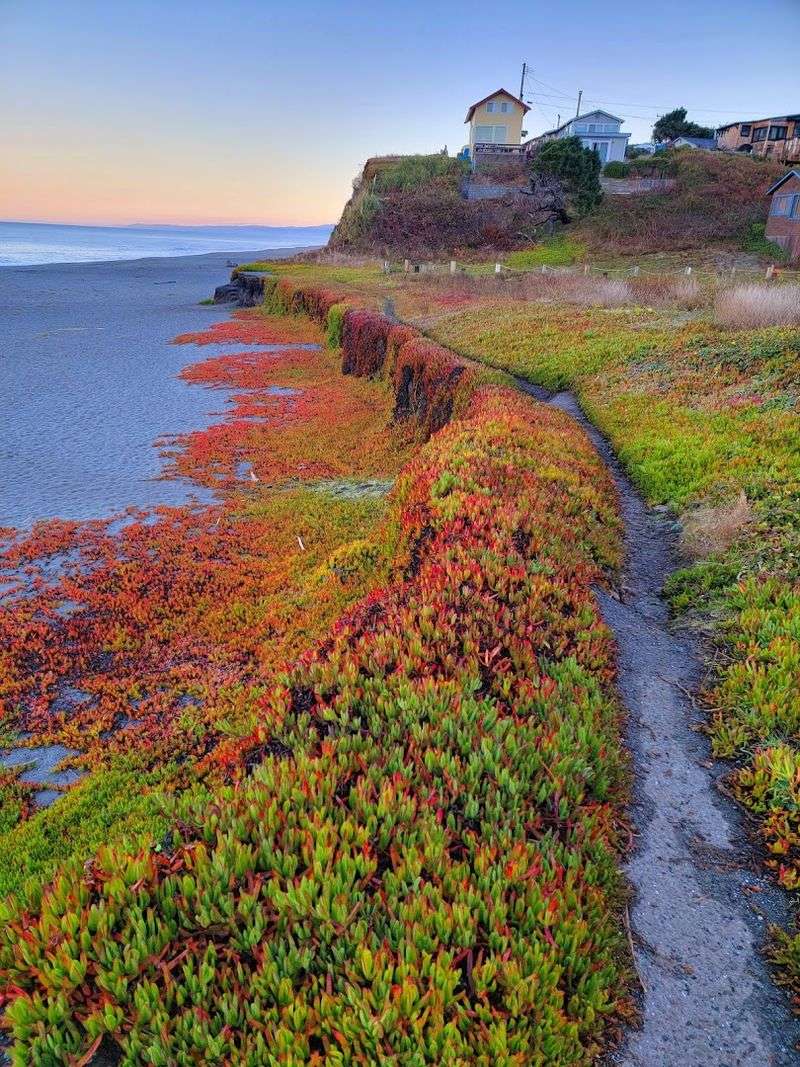
For decades, most Californians knew this stretch of Humboldt County coastline simply as Patrick’s Point State Park.
The name stuck around for so long that many older maps, guidebooks, and campground reservation records still reference it that way.
Patrick’s Point was named after an Irish immigrant named Patrick Beegan, who reportedly homesteaded in the area during the mid-1800s, though the land’s history stretches back far longer than any settler’s arrival.
The park officially operated under that name for much of the twentieth century, building a loyal following of campers, hikers, and tidepoolers who returned year after year.
Those who grew up visiting it under the old name may still slip and use it out of habit, and that is not unusual. The transition to a new name takes time to settle into common use.
Understanding the old name actually adds useful context for planning a visit, since some GPS systems and older travel websites may still list the park under its former identity.
Searching either name should pull up accurate results, but confirming details directly through the California State Parks website at parks.ca.gov is always a reliable way to get current information before heading out.
Renamed To Honor The Yurok People
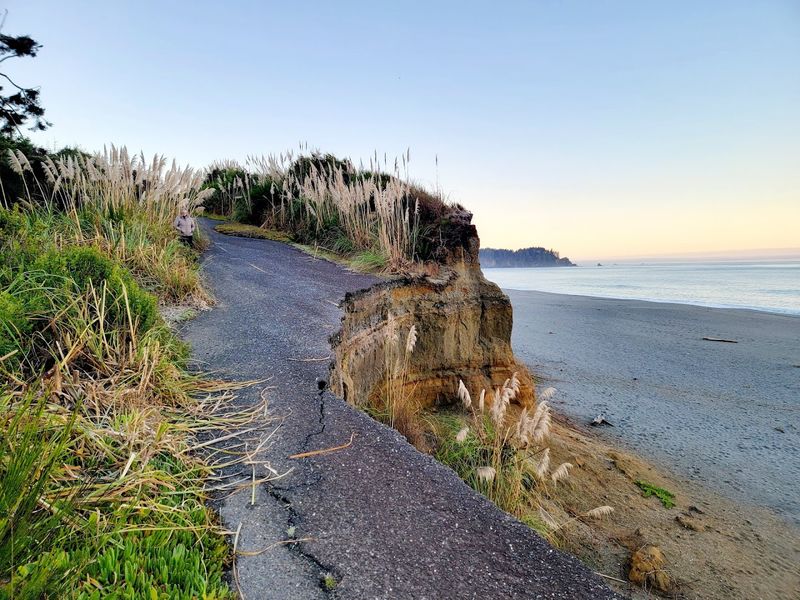
In 2021, California State Parks officially renamed the park to Sue-meg, restoring the original Yurok name for this promontory.
The decision came after years of collaboration between state park officials and the Yurok Tribe, whose ancestral connection to this land predates European settlement by thousands of years.
The renaming was not just symbolic but part of a broader effort to acknowledge the historical displacement and cultural erasure that indigenous communities across California have experienced.
Sue-meg is the Yurok word for the area, and using it restores a layer of identity that had been quietly erased for over a century.
The Yurok Tribe is one of the largest federally recognized tribes in California, with deep roots along the Klamath River and the northern coast.
Their relationship with this particular stretch of coastline is woven into their language, their ceremonies, and their traditional ecological knowledge.
Visitors who take time to learn even a little about the name change tend to experience the park differently, with more awareness of whose land they are walking on.
Informational materials at the park’s visitor center provide helpful background on the Yurok people and the significance of the renaming for anyone curious to learn more.
Wildlife Sightings Are Common Year-Round
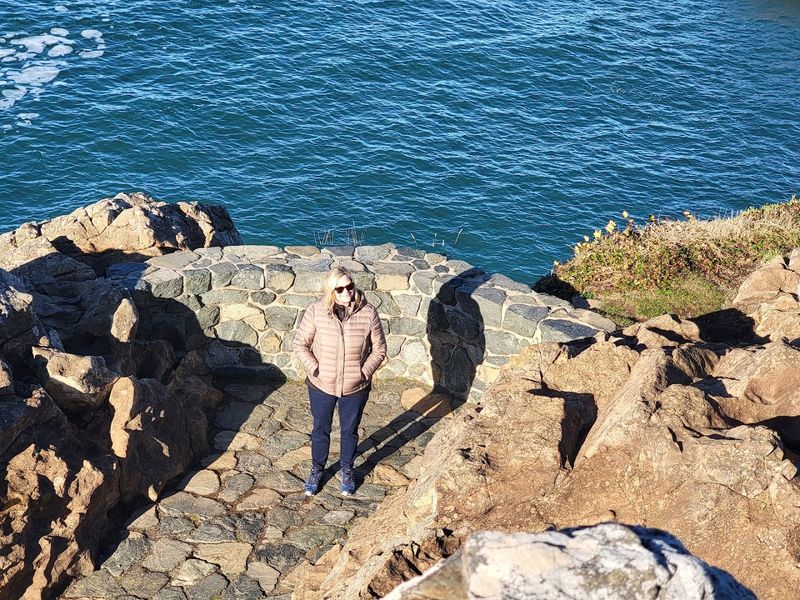
The wildlife at Sue-meg does not follow a single season, which makes the park genuinely worth visiting at almost any time of year.
Harbor seals and Steller sea lions are regularly spotted on the rocks below the cliffs, often lounging in groups that are visible from the overlook points along the Rim Trail.
Gray whales pass through the waters offshore during their spring and fall migrations, and a pair of binoculars makes spotting them considerably easier.
Bald eagles have been observed in the park, along with a variety of shorebirds and forest species that take advantage of the diverse habitat.
The mix of coastal headland, dense forest, and beach creates conditions that support a wide range of wildlife in a relatively compact area.
That habitat diversity is one reason the park punches above its weight in terms of wildlife encounters per visit.
Black bears are present in the broader region, and following standard food storage guidelines at the campground is a standard expectation rather than an optional precaution.
The park’s visitor center can provide current information on recent wildlife activity and any specific guidance for the season.
Staying patient and quiet along the trails tends to improve the odds of meaningful wildlife sightings considerably.
Fog Often Adds To Its Quiet, Remote Feel
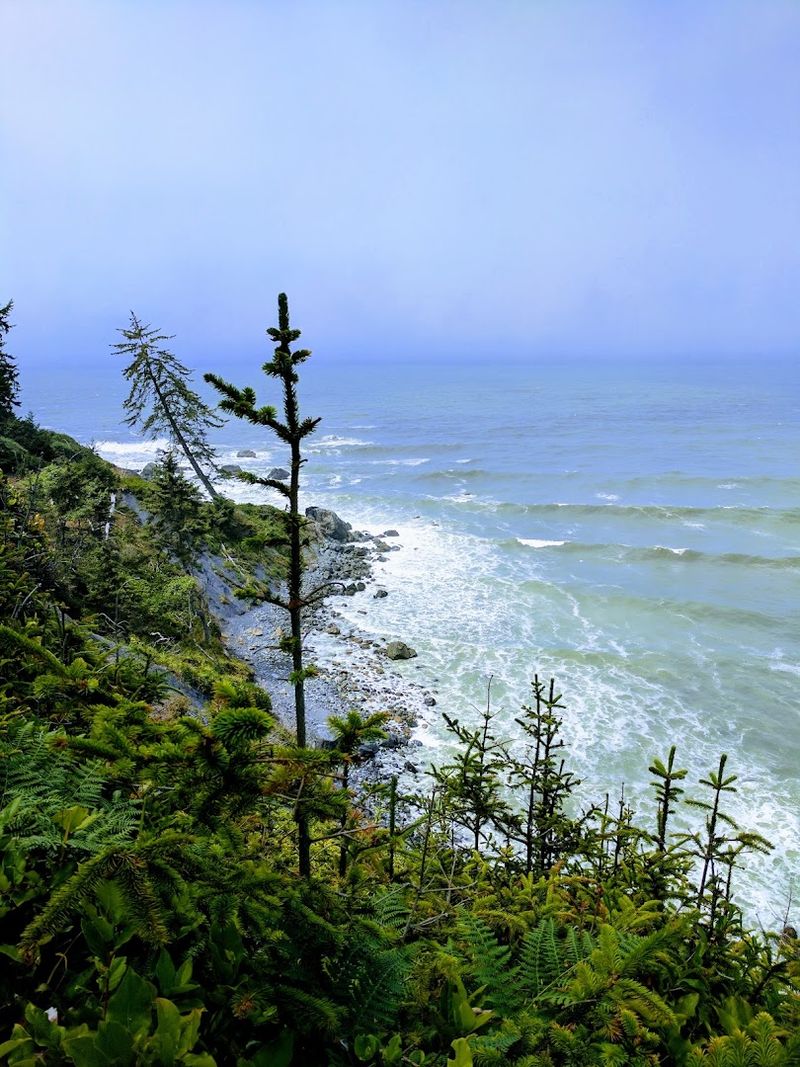
Fog is not just weather at Sue-meg State Park but something closer to a defining feature of the experience.
The park sits in one of the foggier sections of the California coast, where marine layer from the Pacific rolls in frequently, especially during summer mornings and evenings.
That fog changes the light, softens the edges of the landscape, and creates a quiet that feels almost physical in its density.
Visitors expecting bright sunny beach conditions may find the fog disorienting at first, but most people who spend time in it tend to settle into its rhythm.
The forest trails feel especially atmospheric when fog is present, with visibility limited to the nearest trees and the sounds of the park muffled and close.
Photography in foggy conditions at Sue-meg tends to produce images with a moody, layered quality that clear-day shots rarely capture.
Temperatures at the park stay cool year-round, ranging roughly from the low 40s to the mid-60s Fahrenheit depending on the season.
Rain is common between October and April, with annual precipitation averaging around 60 inches.
Dressing in moisture-wicking layers and keeping a light rain jacket accessible is practical advice for any season, since conditions can shift within a single afternoon without much warning.