This Polish Connecticut Market Is A Must-Visit For Pierogies, Kielbasa, Bread, And Pastries
A good food market can ruin a perfectly sensible shopping list in under five minutes.
One glance at the deli case, then another at the bakery section, and suddenly dinner plans start changing on the spot.
That is especially true when pierogies are involved.
This Polish market gives Connecticut shoppers a chance to stock up on traditional favorites without turning the trip into a full grocery-store marathon.
The fun is in how quickly one craving leads to another.
You might come thinking about kielbasa and leave carrying bread that smells too good to save for later.
Then the pastries start making their own argument.
Everything feels familiar enough for longtime fans of Polish food, but curious shoppers can just as easily discover a new favorite.
That mix makes browsing half the experience.
The hardest part is pretending you came in for one thing when the bag in your hand is clearly telling a different story.
1. Polish Tradition Fills This Old-Fashioned Market
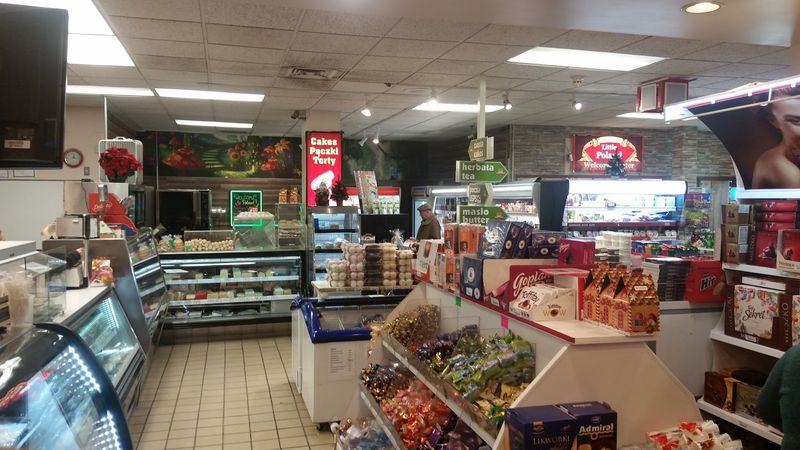
This grocery trip can turn into quite an outing. Shelves rise high with imported favorites.
The atmosphere feels busy but personal, much closer to a neighborhood market than a sprawling supermarket.
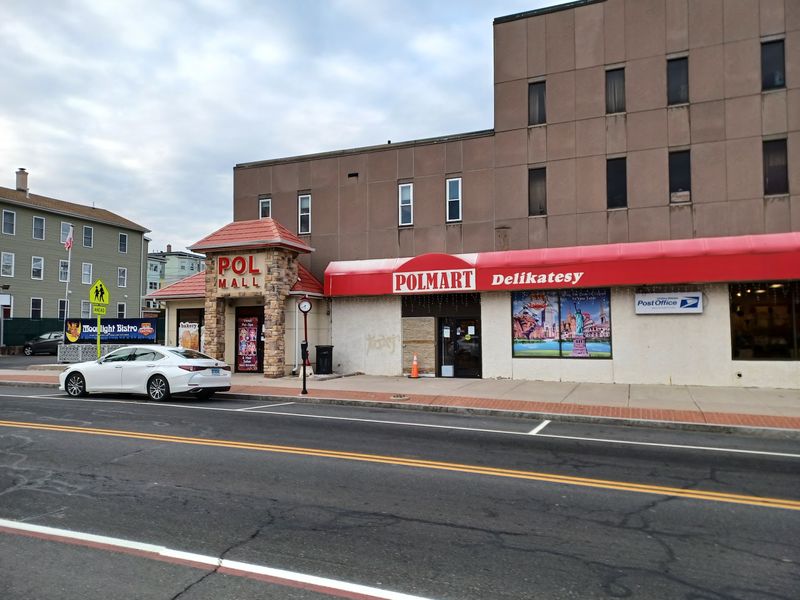
Polmart has been serving New Britain since 2003, building its identity around Polish foods and products from across Europe. Shoppers can browse deli items, preserves, sweets, baking ingredients and pantry staples, with Polish souvenirs and household goods mixed into the selection.
The building holds more than groceries. Venus Polspa offers salon services under the same roof, while Moonlight Bistro adds prepared food and another reason to stay awhile.
Perhaps the most unusual feature is the fully functioning U.S. Post Office branch inside.
The entrance even carries the word “POCZTA,” Polish for “post,” a detail Visit New Britain describes as unique among U.S. post offices.
That combination makes an ordinary errand surprisingly convenient. Shoppers can pick up imported groceries, browse gifts and handle mail without making another stop.
The store sits within New Britain’s Little Poland neighborhood, where Polish businesses remain an important part of Broad Street’s identity. It is the kind of place where one shopping list can easily grow once you start browsing.
2. Its Cultural District Makes The Market Feel Right At Home
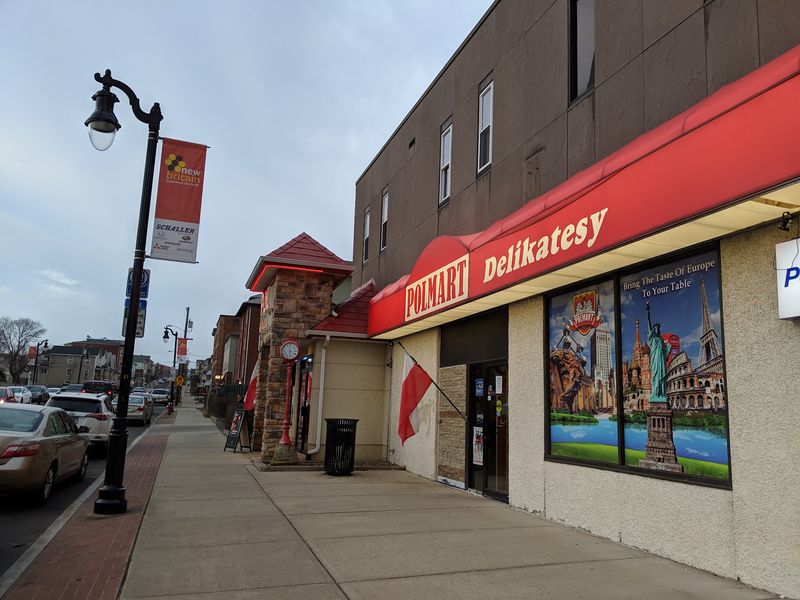
This stretch of Broad Street feels like its own little world. Polish businesses fill the neighborhood.
The culture is easy to notice without making the district feel staged for visitors.
That identity became official in September 2008, when New Britain’s Common Council designated Broad Street as Little Poland. The resolution recognized the contributions of Polish residents and business owners, and the area has continued to build around that heritage.
More than 100 businesses operate along Broad Street, with many connected to the Polish community. Polmart fits naturally into that mix, serving everyday shoppers rather than feeling designed only for tourists.
The neighborhood also hosts the annual Little Poland Festival, first held in 2012. It has grown into a major regional celebration, spreading across several blocks with cultural performances and food vendors.
The 2026 festival drew tens of thousands of visitors.
Polmart stands at 123 Broad Street in New Britain, close enough to pair with nearby bakeries or shops during the same outing. Parking is available around the district, although festival days bring heavier crowds than an ordinary visit.
What makes the neighborhood memorable is how lived-in it still feels, with weekly errands unfolding inside a place shaped by generations of Polish-American history.
3. The Specialty Store Has Served Shoppers Since 2003
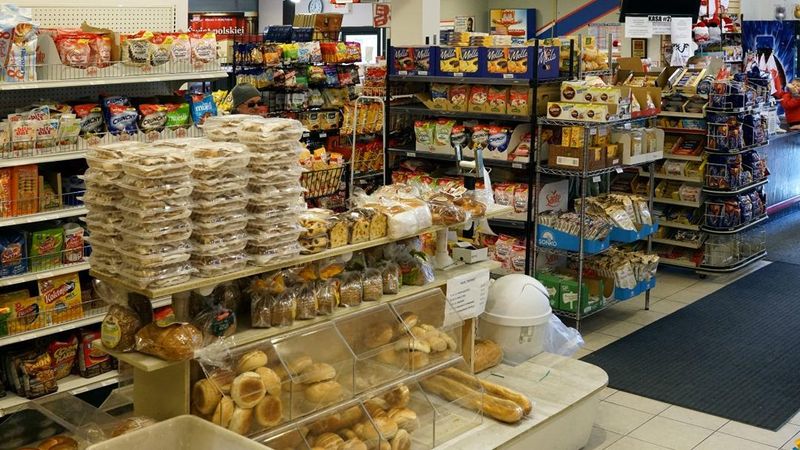
Since 2003, this specialty store has been building a reputation as one of the larger resellers of Polish products on the East Coast. Two decades in the same neighborhood explains the steady rhythm inside, where regulars know exactly which aisle holds what.
Departments are clearly divided even in a compact space. There is a bakery, a cakes and pastries case, dairy, a deli, general groceries, meats and fish, health and beauty items, and a rack of periodicals near the front.
Grocery shelves are where the browsing gets interesting. Spices, sweets, teas, coffees, baking goods, preserves, jams, and jellies arrive from Poland and elsewhere in Europe, often in packaging you will not see in a standard supermarket.
Not everything here is edible, either. Elegant tablecloths, table runners, and napkins sit near t-shirts, hoodies, and sweatshirts, along with scented candles and assorted souvenirs imported from Poland.
That mix makes the store practical for two very different trips. One week you might come in for dinner ingredients, and the next you might be hunting for a holiday gift or a tablecloth for a family dinner.
Hours run through the week, with shorter Sunday hours, so it helps to check before a long drive.
4. The Deli Brings Authentic Polish Flavors Forward
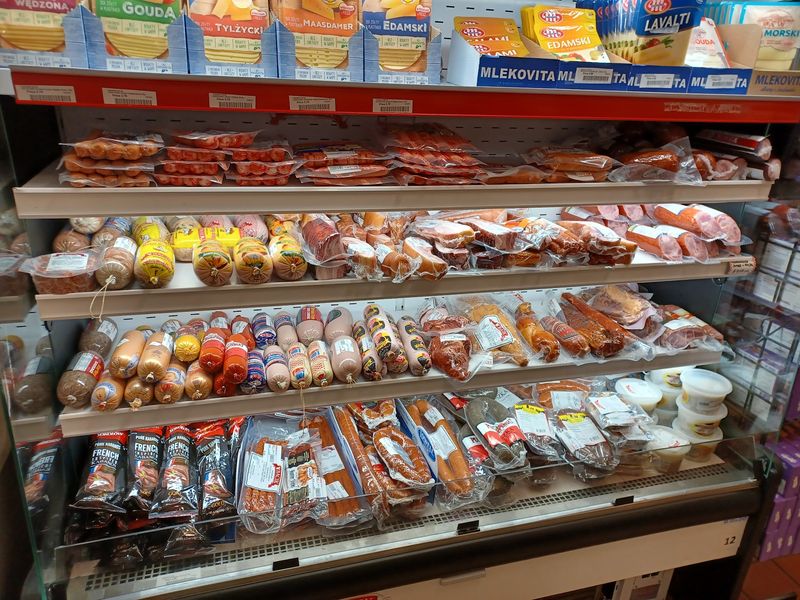
The deli case is hard to ignore. It stretches across the counter with familiar Polish favorites and plenty of choices for taking home. Freshness is a big part of the appeal.
Meat and cold cuts arrive five times each week from butchers in Chicago, New York, and the state. That frequent delivery schedule keeps the selection moving, while cheeses add even more variety beside the sliced meats.
Prepared dishes make the counter especially useful around lunchtime. Pierogi are made in the store with fillings such as potato and cheese or sauerkraut with mushrooms.
Golabki bring traditional stuffed cabbage into the mix, while blintzes offer another homemade option.
The ready-made menu goes well beyond those staples. Bigos brings a hearty Polish stew, and cabbage-and-mushroom croquettes provide something crisp and savory.
Soups rotate, while dishes such as zapiekanka and meat-filled dumplings give shoppers plenty to explore.
Staff can help explain unfamiliar foods, which makes browsing easier when a Polish name is new to you. Picking up a container of soup or a portion of pierogi can quickly turn an ordinary grocery stop into lunch.
The deli works just as well for stocking the refrigerator as it does for grabbing something ready to enjoy that day.
5. Pierogi And Kielbasa Cover The Classics
Pierogi are the reason many first-timers walk through the door, and the selection does not disappoint. Current prepared-food choices include pierogi filled with sauerkraut and mushrooms, potato and cheese, or meat.
Because they are prepared fresh rather than pulled from a freezer bin, texture is the payoff. A quick pan-fry in butter can give the edges a light crisp while keeping the filling soft, making them an easy option to finish at home.
Kielbasa holds equal weight at the counter. Traditional Polish sausage is a headline item here, and some varieties are described as house cured, a detail sausage fans tend to notice immediately.
Shoppers frequently single out the smoked options, including Lithuanian-style kielbasa, for their depth of flavor. Even a small piece goes a long way in soups, on a roll, or sliced onto a plate with mustard and bread.
The prepared food section brings both worlds together with sauerkraut and kielbasa, a plate that needs nothing else beside it.
A practical tip: buy a mix. Savory pierogi for dinner, sweet cheese or blueberry ones for dessert, and a length of sausage for the week ahead covers several meals from a single visit.
6. Fresh Bread Arrives From Multiple Bakeries
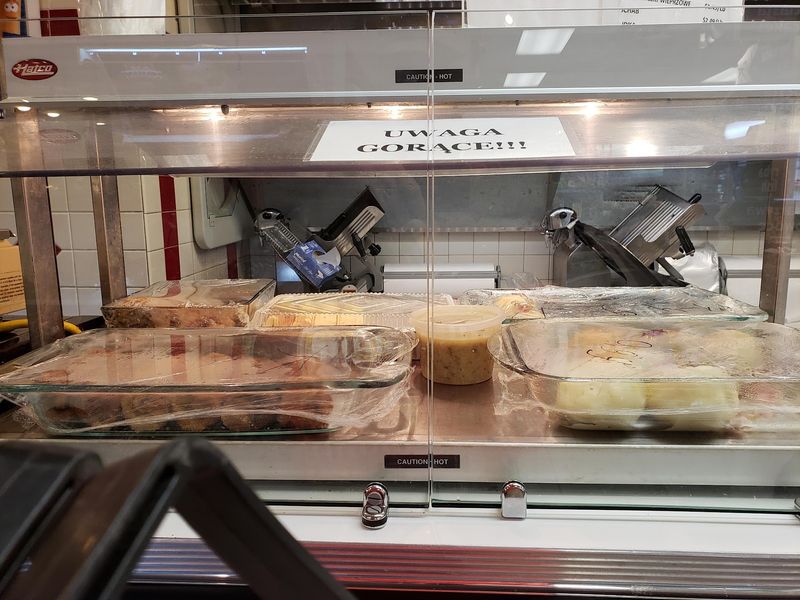
Six different bakeries deliver to this market every single day. That single detail explains why the bread shelf looks different depending on when you walk in.
Rye is the star for many shoppers, with dense, dark loaves that hold up under butter, cold cuts, or a bowl of soup. Rolls and lighter breads round out the selection for sandwiches and breakfast.
Because deliveries come from several sources rather than one central supplier, variety stays high. One bakery might specialize in a chewy sourdough rye while another sends softer loaves, so the shelf rarely feels repetitive.
Fresh bread is one of the qualities visitors mention most often, and timing helps. Morning shoppers get first pick, since popular loaves can sell out before closing on busy days.
The store opens at 8 in the morning through the week, which makes it easy to fold a bread run into an early errand loop.
Worth knowing: Polish rye keeps well for several days and slices beautifully once it has settled. Buy a whole loaf rather than half, wrap it in a cloth or paper bag instead of plastic, and it will still taste good midweek.
7. Cakes And Pastries Sweeten The Grocery Run
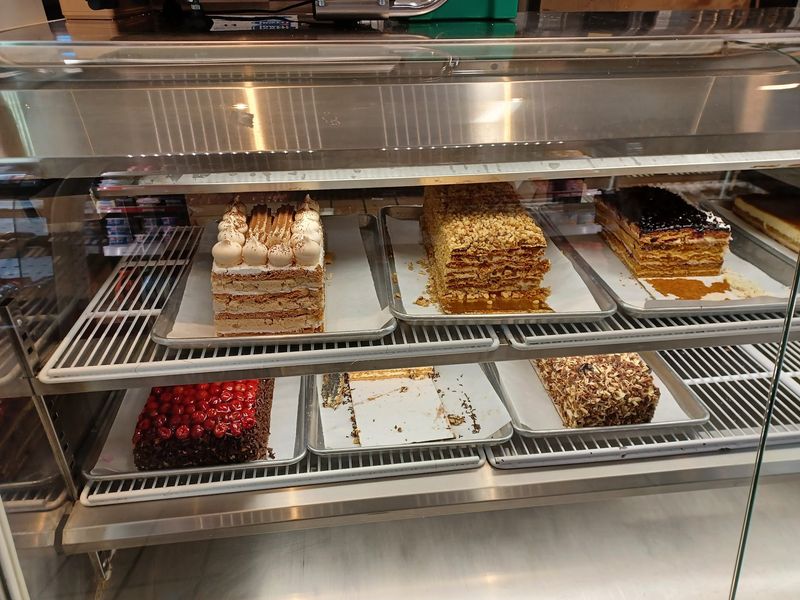
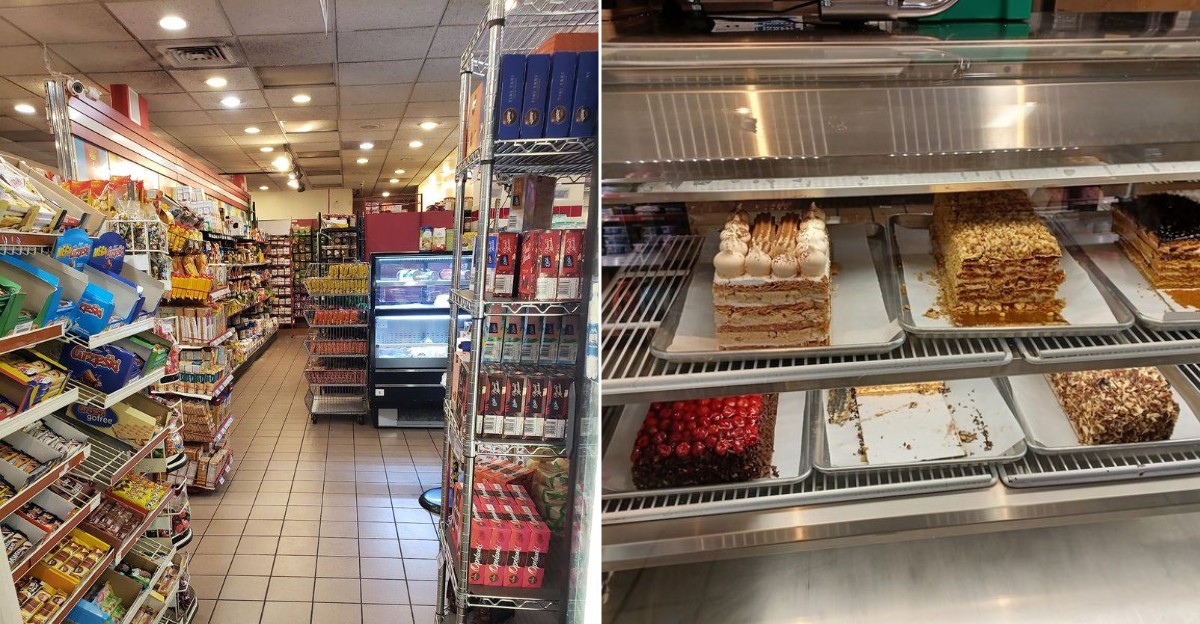
Sweet choices are everywhere here. The bakery case makes that obvious fast.
It is easy to arrive for groceries and leave thinking about dessert.
Fresh deliveries help keep the selection moving. Breads and cakes arrive every day from six different bakeries, giving shoppers plenty to browse without relying on the same small lineup from one visit to the next.
Whole cakes work well for celebrations, while individual pastries make it easy to take home something smaller. The prepared-food counter adds another sweet option with nalesniki, thin Polish crepes offered with sweet cheese or apple filling.
They are an easy dessert to warm up later when you want something simple.
The shelves beyond the bakery case are just as tempting. Imported chocolates and wrapped European candies bring familiar Polish brands into the mix, and the colorful packages make the sweets section especially fun to explore around the holidays.
That variety is what makes dessert shopping feel less predictable. You can come in planning to grab groceries and end up comparing cake flavors or adding candy to the basket.
With fresh bakery deliveries arriving daily, the selection gives repeat shoppers a reason to look again each time.
8. Hard-To-Find Imports Make Browsing Half The Fun
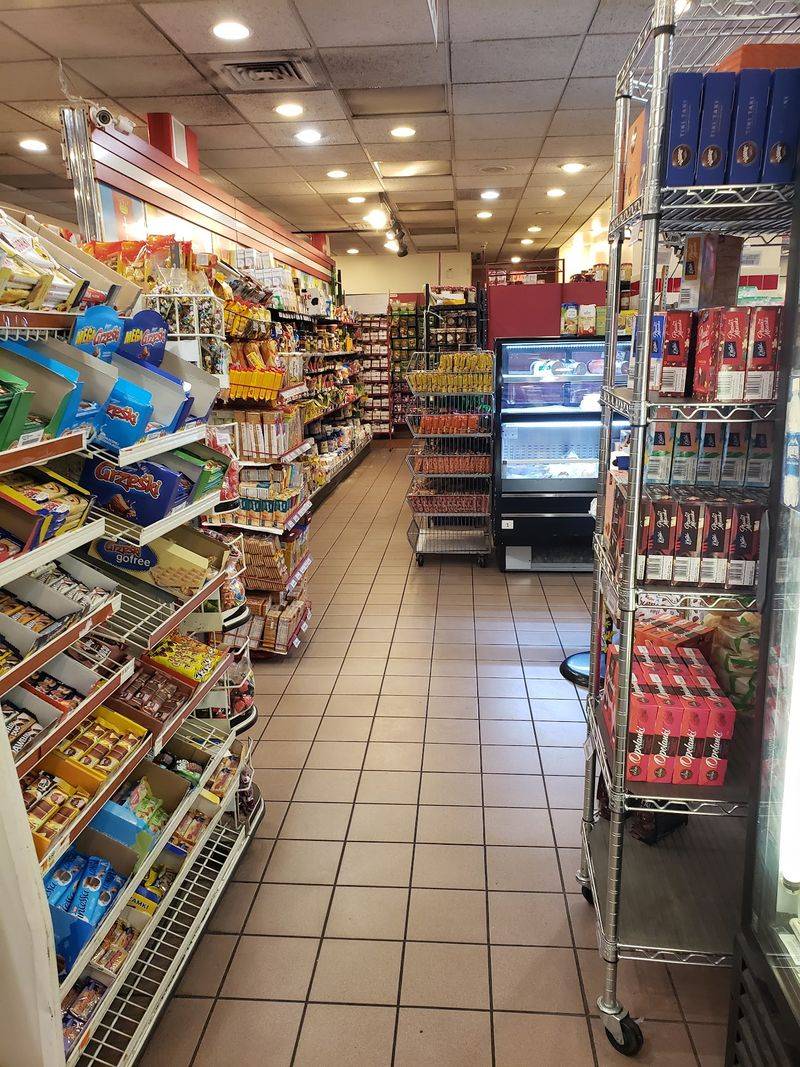
Here is where a quick errand quietly becomes a half hour of wandering. As one of the larger resellers of Polish products on the East Coast, the market carries imports that are genuinely difficult to find elsewhere in Connecticut.
Spices, sweets, teas, coffees, baking ingredients, preserves, jams, and jellies fill the grocery shelves in packaging that rewards curiosity. Reading labels becomes part of the experience, and staff will happily translate when something looks intriguing.
Mustards and pickles have their own quiet fan club among shoppers, who often stock up on jars they cannot get at a regular supermarket. Store-made pickles sold by weight are another long-standing favorite.
Non-food imports widen the appeal considerably. Tablecloths, runners, and napkins share space with Polish-themed t-shirts, hoodies, and sweatshirts, plus scented candles and souvenirs brought over from Poland.
For visitors with Polish roots, the effect can be unexpectedly emotional. Shoppers sometimes describe spotting products they had not seen since childhood visits to a grandparent’s kitchen.
Give yourself extra time on a first trip. Aisles are cozy and the inventory is dense, so the best approach is a slow lap around the whole store before you commit to what goes in the basket.