This Postcard-Perfect Virginia Village Is So Tiny And Peaceful You’ll Wonder How It Stayed Hidden
Why does this village make you want to lower your voice?
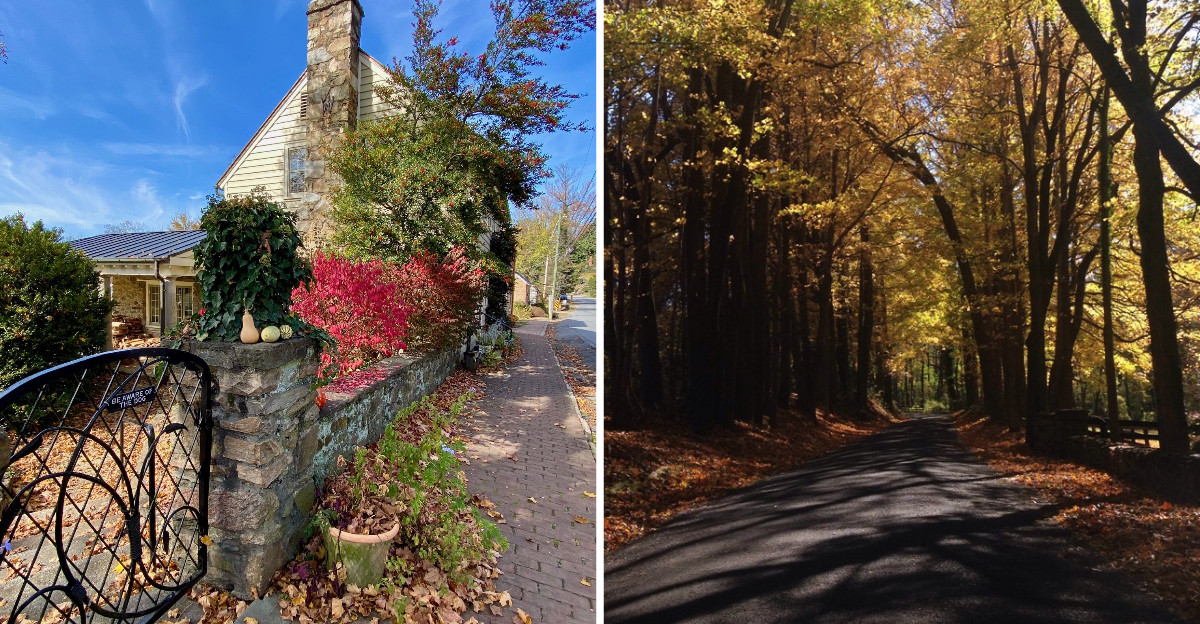
Virginia has a tiny historic community where brick houses, old stone walls, and open fields create a kind of quiet that feels almost staged, except it is not.
Preservation has helped protect much of what gives the place its character, so the details still have room to matter.
A doorway, fence, or narrow street can hold your attention longer than expected.
There is no giant attraction demanding a reaction. The village wins you over slowly.
And somehow, that makes the whole place feel even more postcard-perfect than if it were trying harder.
A Village With Quaker Roots
Early Quaker settlement helps explain why this small village has such a distinct past.
Quakers began settling the immediate area in 1733, and a grist and sawmill followed along the South Fork of Catoctin Creek by the early 1740s.
The settlement around the mill became known as Janney’s Mill, but the village itself developed more formally after the Revolutionary War and was laid out around 1784.
By the 1790s, the growing community was known as Waterford. Farming, milling, shops, and small manufacturing businesses helped it grow into an important service center for the surrounding countryside.
Quaker beliefs also shaped community life.
Local Friends were known for pacifism and opposition to slavery, positions that became especially significant during the Civil War, although Waterford itself included residents with sharply different loyalties and backgrounds.
For visitors, that history adds meaning to an ordinary stroll. A self-guided walking guide can help connect the streets with earlier village life.
Most buildings here are part of a working residential community. Many historic houses remain privately owned, so porches, yards, and driveways should be treated as private property.
Old Houses, Small Details
Looking closely makes the village streets much more interesting than a quick drive.
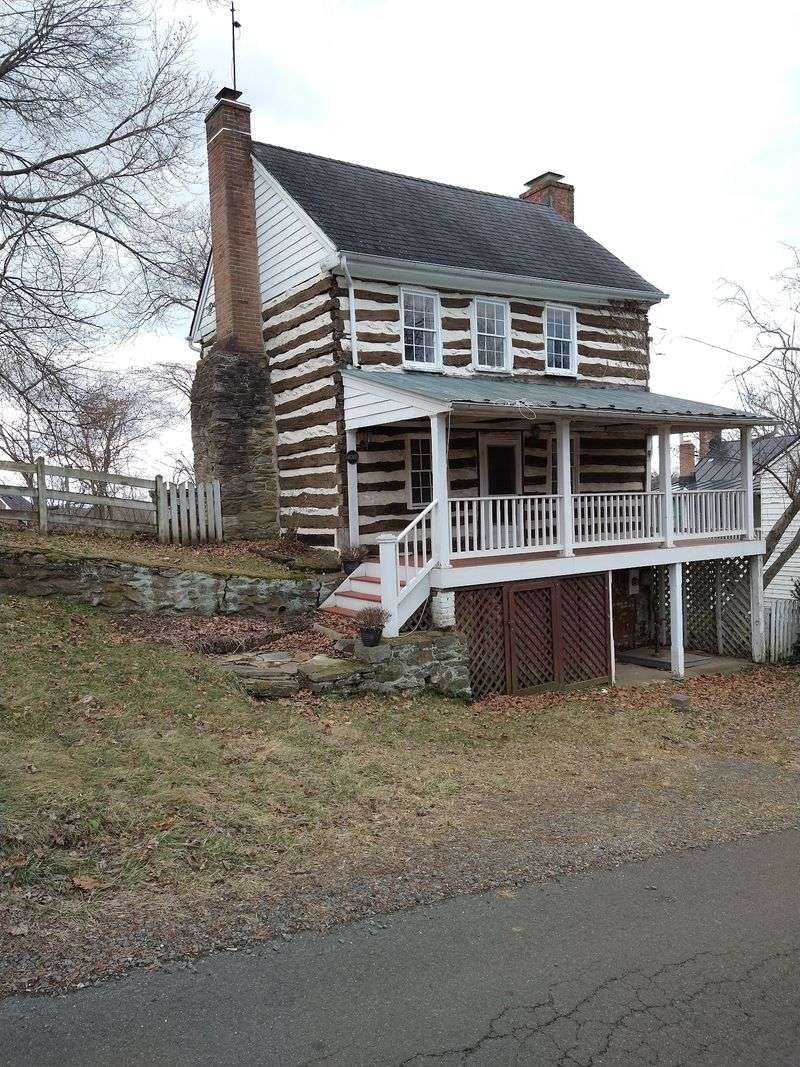
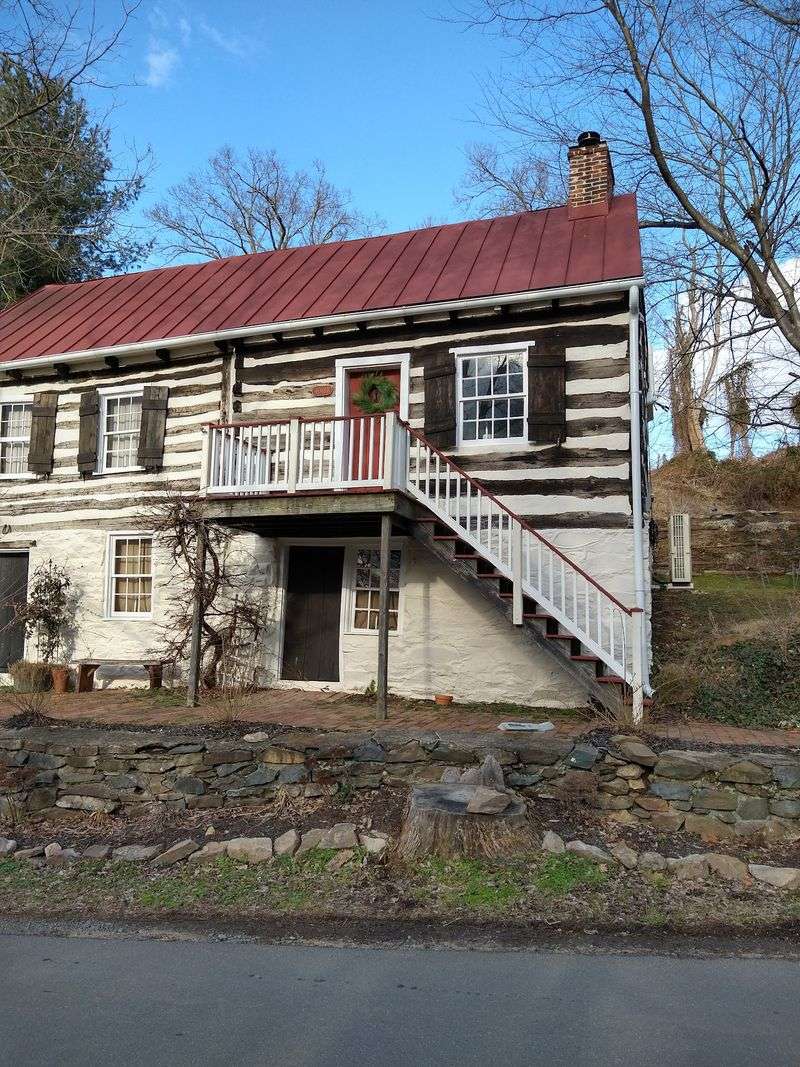
Buildings here include brick, stone, frame, and log construction. Their different shapes show how homes and workspaces changed over many generations.
Waterford retains an unusually intact collection of late 18th- and 19th-century buildings, with Federal-period architecture especially prominent throughout the village.
Some houses stand alone, while others sit close beside their neighbors. Doors, windows, walls, chimneys, and rooflines reveal changes made across different periods without requiring anyone to step onto private property.
The buildings are best appreciated outdoors during a normal visit. Historic importance does not mean a house is open to the public.
Narrow streets deserve attention even when traffic seems light. Waterford is an old village with hills, brick walkways, irregular edges, and roadways that were never designed for modern sightseeing traffic.
One block can reward more attention than several hurried stops. Changes in brickwork, stone, siding, and building placement become easier to notice at walking speed.
The surrounding fields also matter to these views. They allow the village’s older buildings to remain part of a rural setting that has survived with remarkably few modern intrusions.
Preservation Behind The Peace
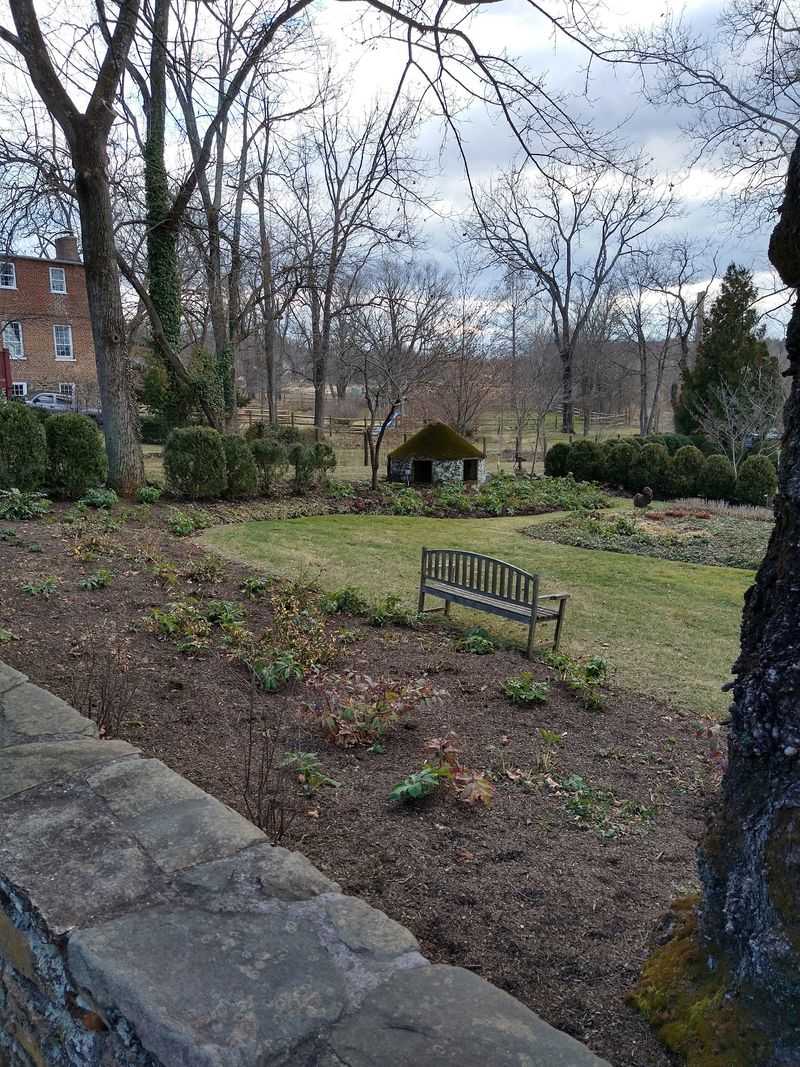
Nothing about a protected village happens by accident.
The Waterford Foundation began in 1943 when residents and supporters organized to preserve the village’s architecture, traditions, and rural character.
Its work eventually expanded beyond individual buildings to include the farmland and open views surrounding them.
Waterford entered the National Register of Historic Places in 1969 and became a National Historic Landmark District in 1970. The designation covers 1,420 acres, including both the village core and the agricultural landscape around it.
That broad boundary is important. Waterford’s significance comes not only from its old buildings but from the relationship between the village, fields, roads, creek, and surrounding farms.
Conservation easements and other preservation tools now protect numerous properties and areas within the district.
Updated National Historic Landmark documentation approved in 2023 also recognized Waterford’s long-running preservation campaign as nationally significant in its own right.
Visitors can help with small choices. Staying on public streets and marked trails protects both private property and conserved land.
Checking current Waterford Foundation information before a trip is useful because tours, open houses, building access, and special programs change throughout the year.
Landmarks Along The Lanes
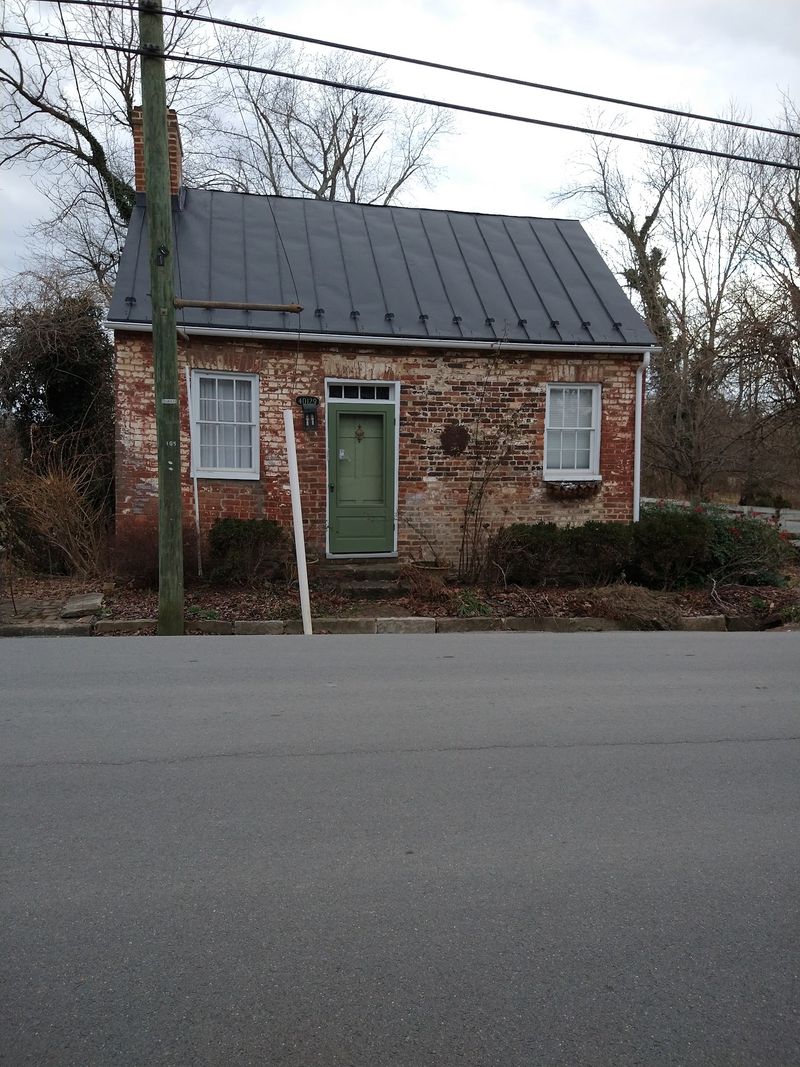
A walking guide makes it easier to recognize important landmarks without hurrying between them.
The Waterford Mill dates to 1818 and is the third mill known to have occupied its site.
Built to process the region’s wheat, the substantial brick structure became one of the village’s most important commercial buildings.
Elsewhere, the Fairfax Meetinghouse reflects an earlier chapter.
Quakers built their first log meetinghouse on the site in 1741, replaced it with a stone building in 1761, and enlarged it about a decade later. The former meetinghouse is now a private residence, although the historic cemetery remains accessible.
The village also has a small stone jail. Built after the Civil War on land reserved for public use, it continued serving the town until Waterford’s incorporation ended in 1936.
The Second Street School tells another essential story.
Built in 1867 by Waterford’s Black community with assistance from the Freedmen’s Bureau and Quaker supporters, the one-room school served African American students until 1957. It later became the setting for a living-history education program.
Historic importance does not mean every building welcomes visitors inside each day. Public access should be checked individually before arriving.
Creekside Paths And Open Fields
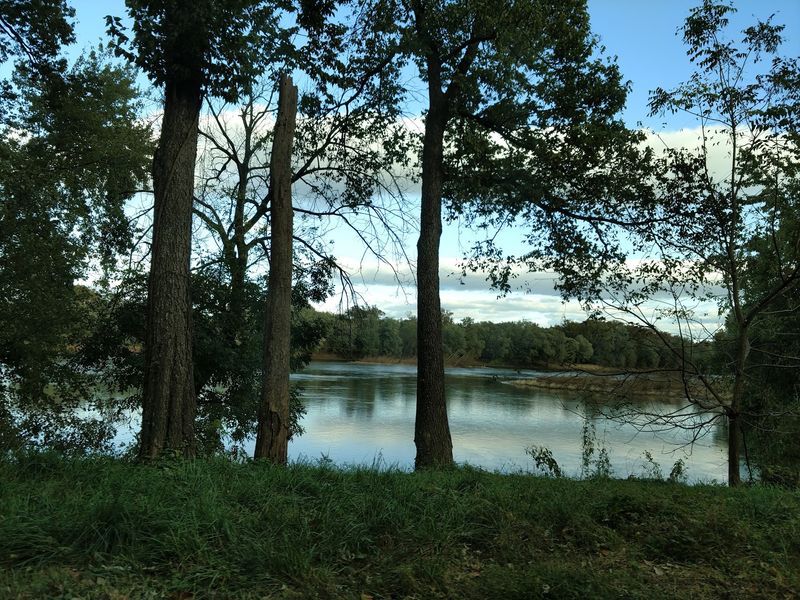
The fields and creek provide a different view of Waterford beyond its compact streets.
The South Fork of Catoctin Creek powered mills here for generations and played a central role in the community’s early growth.
Today, Phillips Farm preserves 144 acres of open land within the National Historic Landmark. Its conservation helps maintain the agricultural setting that makes Waterford unusual among surviving historic villages.
The Phillips Farm Interpretive Trail runs approximately 1.3 miles along the eastern bank of Catoctin Creek. The mostly flat route loops back through the village, with entrances behind the Waterford Mill and Second Street School.
A side trail reaches the remains of an old mill dam and includes two water crossings, so conditions there require more care. Another option, the Western Trail, runs about one mile through meadow and woodland on an incline.
The interpretive route passes historic and natural features, including a large old white oak that has become one of the farm’s recognizable landmarks.
Weather can change trail conditions, so comfortable shoes and water remain useful even on a relatively short outing.
Crafts Take Center Stage
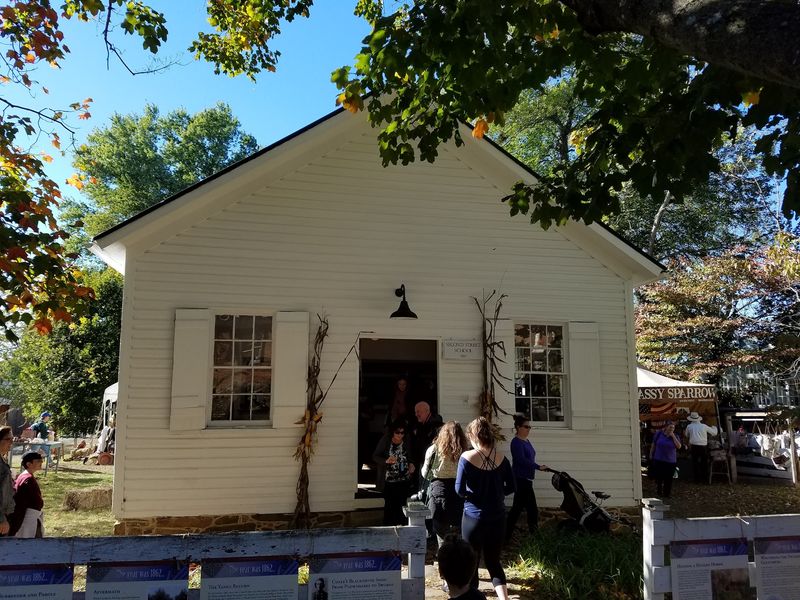
A quiet village can have a very busy calendar.
The Waterford Fair returns October 2 through October 4, 2026, filling the National Historic Landmark with demonstrating artisans, living-history programs, art, entertainment, and historic-property tours.
Juried craftspeople demonstrate traditional and contemporary work throughout the village, giving visitors a chance to see techniques rather than simply finished objects.
The fair offers a very different experience from an ordinary afternoon. Streets that normally feel still become active with scheduled programs, performances, demonstrations, and visitors.
Historic home and property tours are part of the event, but different locations open on different days. Private houses should never be assumed to be accessible outside a scheduled tour.
Anyone seeking the quietest possible visit should choose another date. Visitors interested in traditional crafts, architecture, and living history may find the fair one of the most detailed ways to experience Waterford.
The event also supports the preservation and educational work of the Waterford Foundation, connecting present-day craft traditions with the historic spaces around them.
The Pleasure Of Slowing Down
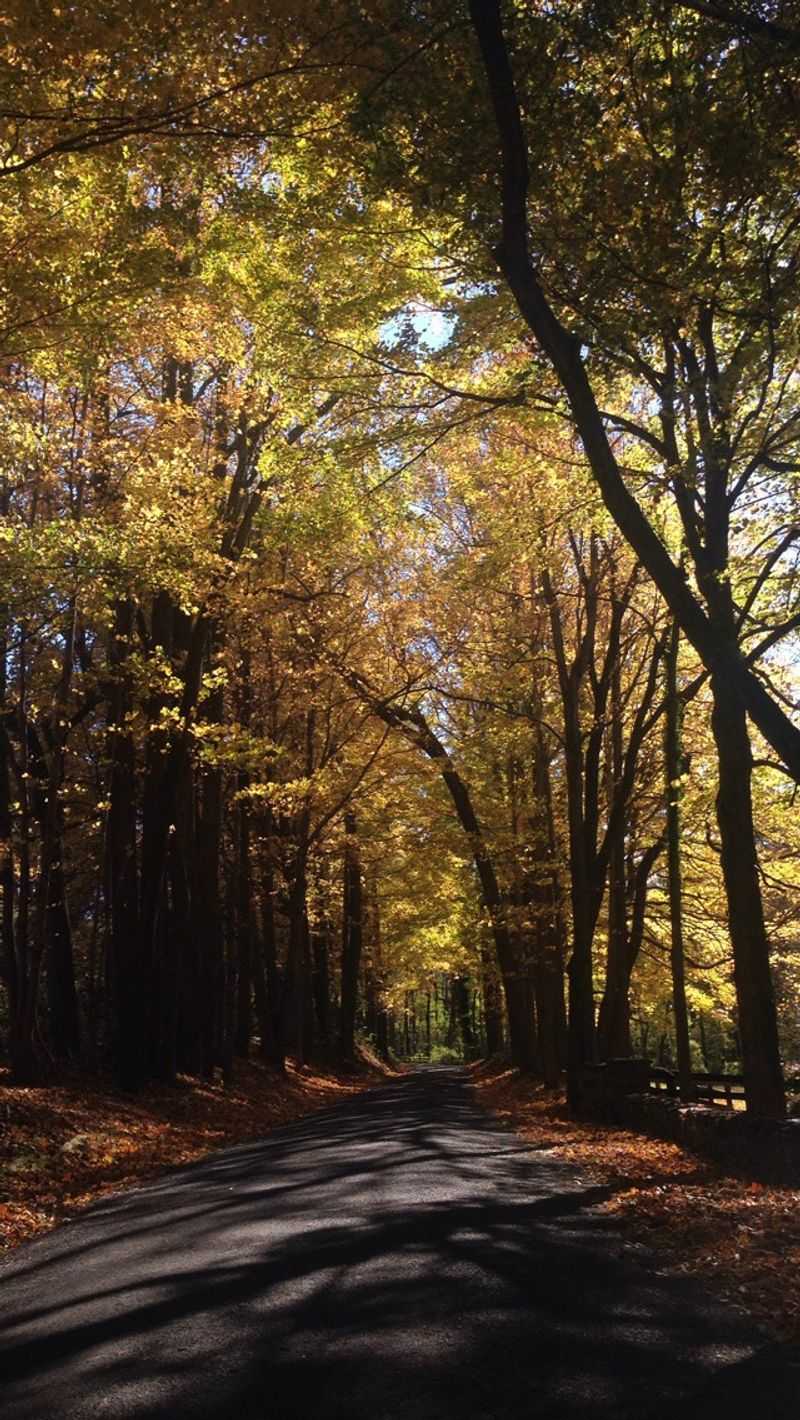
The village is small, but that does not make it empty. Its houses, lanes, fields, and views reward attention without demanding a packed schedule.
For a peaceful outing, a simple plan works well. One walk and a few chosen stops can be plenty.
Because people live here, quiet manners matter more than getting the perfect photograph.
Keeping driveways, yards, and entrances clear helps preserve the character of a community that is still very much inhabited.
Parking is available along village streets where permitted, with additional public parking at the Waterford Old School. Public restrooms are available there when the building is open.
The historic district is not a purpose-built visitor complex, so services are limited. Bringing water and checking current access information beforehand makes the outing easier.
Spring brings fresh green fields and flowering trees, while autumn changes the surrounding countryside with warmer color.
The Virginia countryside is part of the appeal, yet it rewards patience. A pause beside a field or stone wall can reveal just as much character as another marked landmark.
Plan A Thoughtful Day
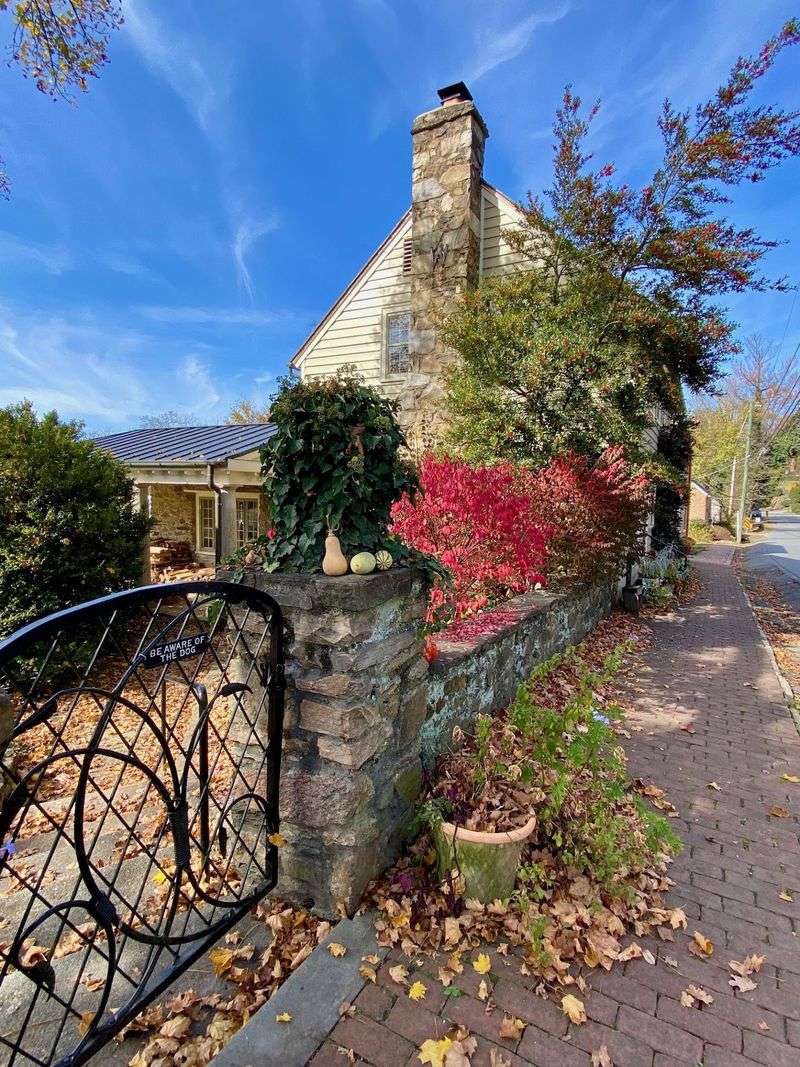
A good visit starts with current information about the village, weather, trails, and any scheduled events.
Waterford sits in Loudoun County in Northern Virginia, surrounded by countryside that is considered an integral part of its historic significance.
It remains a residential village rather than a Virginia ttraction enclosed behind gates.
Beginning with the public walking routes and choosing a few nearby landmarks keeps the day flexible if access or trail conditions change.
A self-guided village booklet can identify historic buildings along the streets, while Phillips Farm adds a longer outdoor route for anyone wanting more time on foot.
Daylight makes it easier to read signs, watch for traffic, and notice details in brick, stone, woodwork, and old road patterns.
Private property boundaries should remain in mind throughout the visit. Many of the houses that make Waterford look so remarkably preserved are still homes.
Before heading home, take one last slow look at the fields around the village.
Waterford’s appeal comes from the whole setting rather than one landmark, and that is exactly what decades of preservation work were designed to protect.