This Quiet California Town Is Known For Its Slower Pace And Easygoing Feel
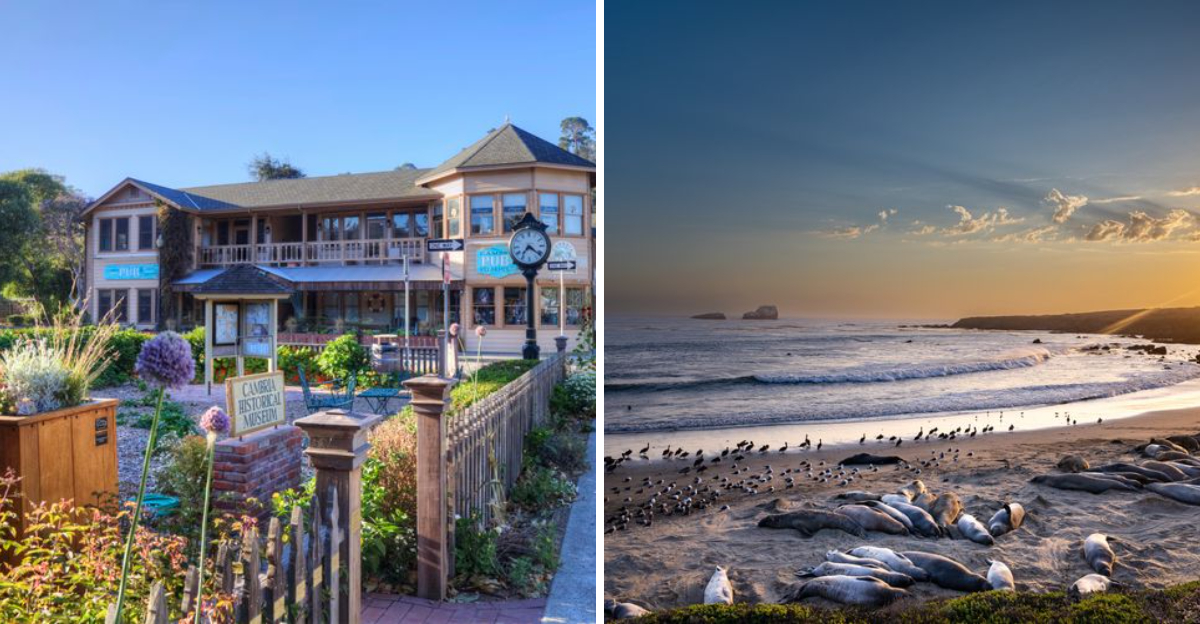
What if you could escape the rush and find a place where time moves at a slower pace? Cambria offers just that – a coastal village where the sound of waves replaces the noise of everyday life.
Nestled along California’s central coast, this charming town is more than just a peaceful getaway; it’s a place where natural beauty meets serene simplicity.
Whether you’re strolling through quiet streets, exploring rugged coastlines, or savoring local flavors, Cambria has a way of drawing you in with its authentic charm.
Here, mornings are foggy and calm, and afternoons unfold at their own pace.
The village’s unhurried vibe makes it the perfect spot for travelers seeking quiet reflection, scenic beauty, and a break from modern hustle.
With its small-town warmth, unique shops, and welcoming locals, Cambria offers a genuine experience that feels miles away from touristy destinations.
If you’re craving a destination where you can disconnect and reconnect with the peaceful side of life, Cambria’s gentle rhythm is waiting for you.
It’s a place to breathe deeply, explore at your own pace, and let the natural surroundings do the rest.
1. Scenic Coastline With Rocky Cliffs
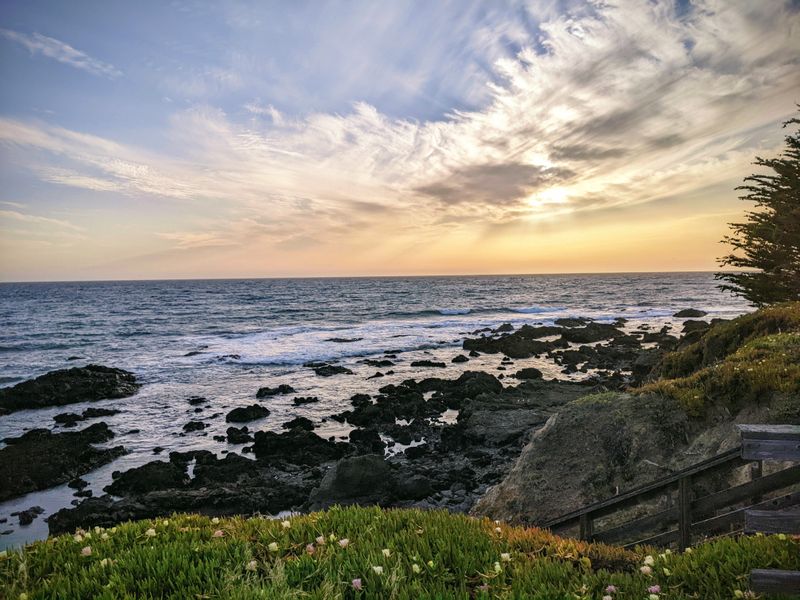
Rugged beauty defines the stretch of shore where Cambria meets the Pacific Ocean. Rocky outcroppings jut from the water, creating tide pools that fill and empty with each wave cycle.
Sandy patches appear between the stones, offering spots to sit and watch the horizon shift from gray to gold as daylight changes.
Visitors often walk slowly here, pausing to examine shells or seaweed left behind by the tide.
The coastline doesn’t demand anything from those who visit; it simply exists as a backdrop for quiet reflection or leisurely exploration.
Seabirds glide overhead, and seals sometimes surface near the rocks, adding movement to an otherwise still scene.
Benches along the shore provide places to rest, and the sound of crashing waves becomes a constant, soothing presence.
Fog rolls in during certain times of year, softening the edges of everything and creating a dreamlike quality.
Paths wind along the cliffs, allowing for easy walks that don’t require much effort but offer plenty of reward. This coastline embodies the unhurried spirit that draws people to Cambria in the first place.
2. Monterey Pine Forests Surround The Town
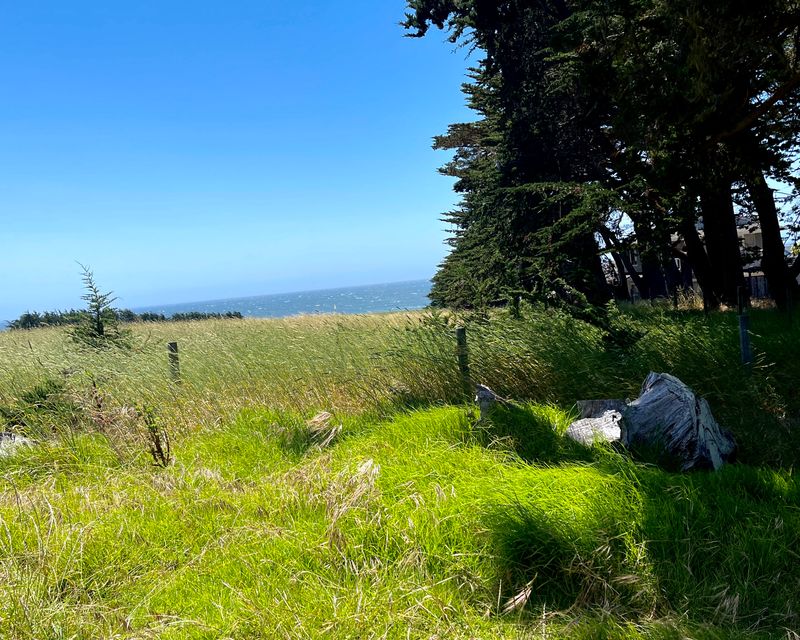
Towering pines create a canopy that filters sunlight into soft, dappled patterns across the ground.
Cambria sits within one of only five native Monterey pine forests in the world, making the landscape both rare and visually striking.
Walking beneath these trees feels different from strolling through open spaces; the air smells of pine needles and earth, and the temperature drops a few degrees in the shade.
Fallen cones and needles carpet the forest floor, cushioning footsteps and adding to the sense of being somewhere removed from everyday life.
Locals often mention how the trees shape the town’s character, providing a natural barrier that keeps Cambria feeling tucked away.
Birds nest in the branches, and squirrels dart between trunks, adding small bursts of activity to the otherwise peaceful setting.
The pines also influence the town’s weather, trapping coastal fog and creating misty mornings that linger longer than in nearby areas.
Photographers find endless subjects here, from twisted branches to light breaking through the needles.
These forests aren’t just scenery; they’re part of what makes Cambria feel like a place apart from the rest of California.
3. Moonstone Beach Boardwalk Stretches Along The Shore
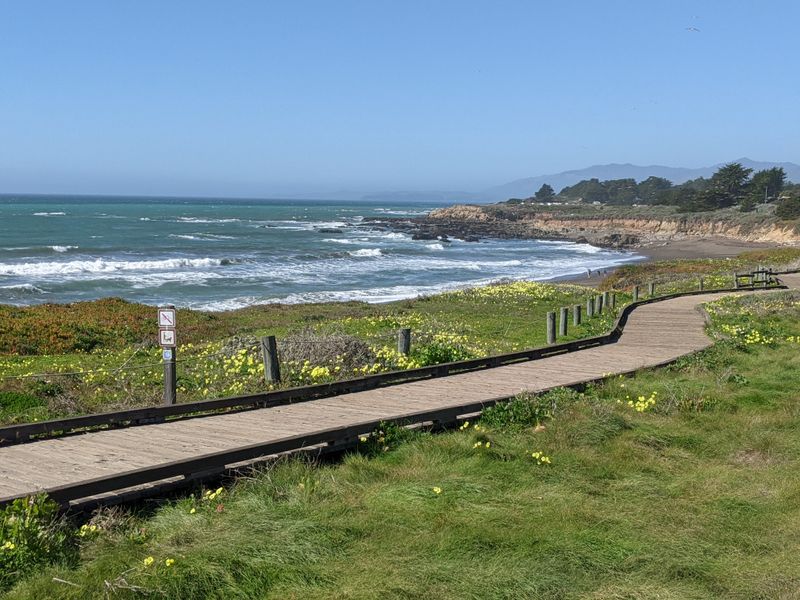
A wooden boardwalk runs for about one mile along the coastline, offering an easy path for walkers of all ages.
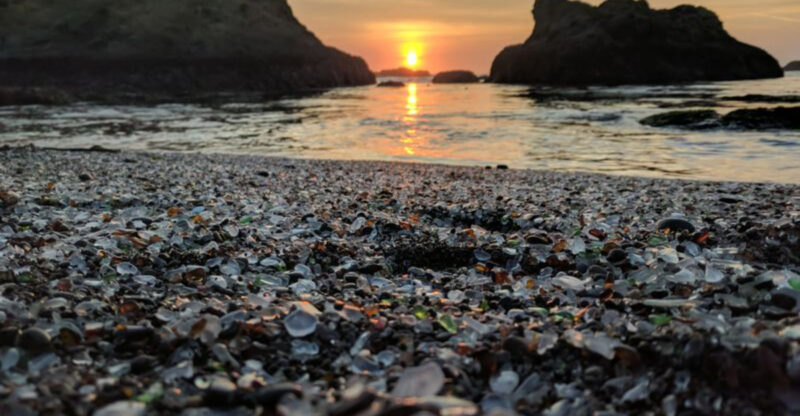
Smooth stones cover much of the beach, giving Moonstone Beach its name and creating a unique texture underfoot for those who venture down to the waterline.
Several access points along the boardwalk lead directly to the sand and rocks, allowing visitors to explore tide pools filled with starfish, anemones, and small crabs.
Benches appear at regular intervals, positioned to face the ocean and provide spots to sit without blocking the view for others.
The boardwalk remains relatively flat, making it accessible for strollers and wheelchairs, and the path rarely feels crowded even on weekends.
Mornings bring beachcombers searching for the translucent stones that wash ashore, while afternoons attract those simply wanting to watch the waves.
The rhythm of walking here tends to slow naturally; something about the repetitive sound of water and the open horizon encourages a more measured pace.
Cypress trees lean over portions of the path, shaped by years of coastal wind into sculptural forms.
This boardwalk serves as both a destination and a connector, linking different beach access points while providing its own experience.
4. Fiscalini Ranch Preserve Offers Miles Of Hiking Trails
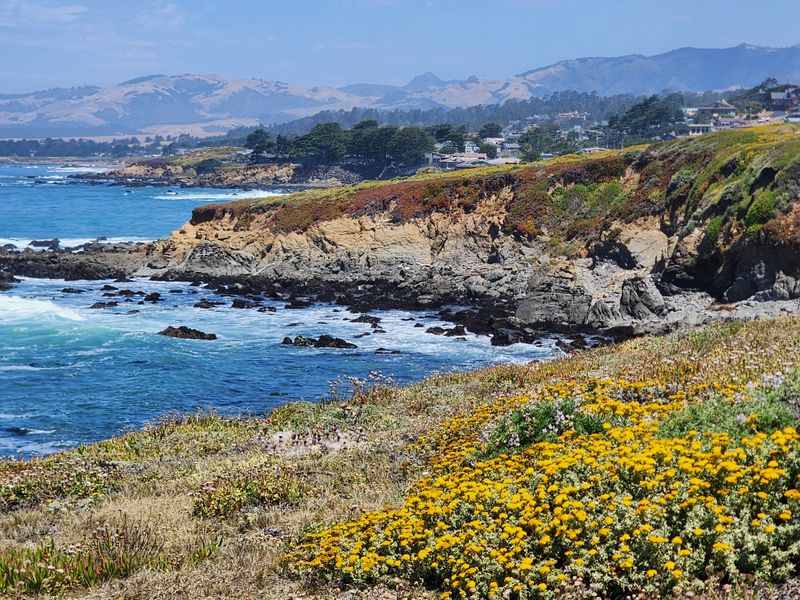
Four hundred and thirty acres of protected land stretch between Cambria’s two main village areas, creating a natural buffer that preserves both coastline and inland habitat.
Trails wind through different environments, from bluff-top paths with panoramic ocean views to forested sections where the sound of waves fades beneath bird calls.
Hikers can choose their own distance and difficulty level, with some routes staying flat and easy while others include gentle slopes.
The preserve doesn’t charge admission or require reservations, making it an accessible option for anyone wanting to spend time outdoors. Wildflowers bloom in spring, adding splashes of yellow, purple, and orange to the grasslands.
Dogs are welcome on leash, and many locals use the trails for daily walks, creating a friendly atmosphere where strangers often exchange greetings.
Benches and viewing platforms appear at scenic points, thoughtfully placed without disrupting the natural feel of the landscape.
Sunset walks along the bluff trail are particularly popular, as the western exposure provides unobstructed views of the sun sinking into the Pacific.
The preserve represents community commitment to conservation, maintained by volunteers and protected from development.
5. Hearst Castle Sits Just Nine Miles North
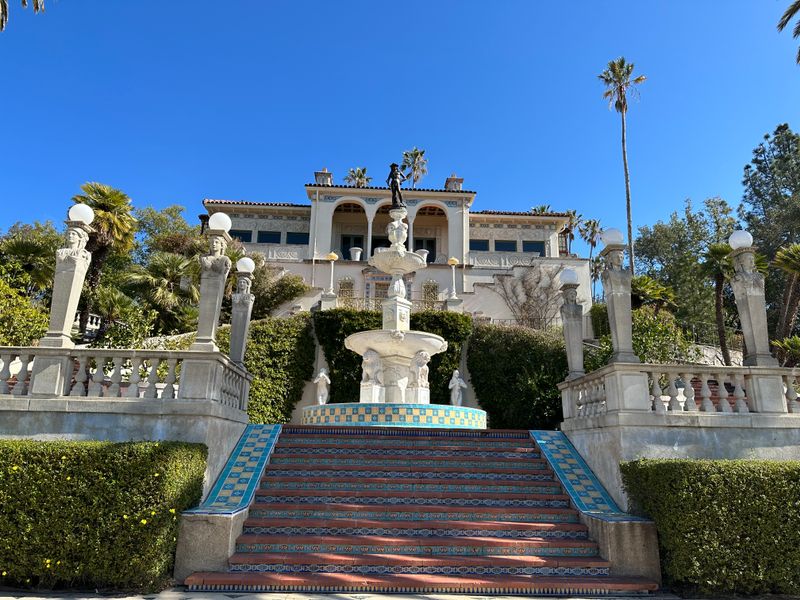
Perched on a hilltop overlooking the coast, this historic estate draws visitors from around the world to see its grand architecture and art collections.
Built by newspaper magnate William Randolph Hearst between 1919 and 1947, the castle includes multiple guest houses, gardens, and terraces spread across the property.
Guided tours lead through ornate rooms filled with European antiques, tapestries, and artwork collected during Hearst’s travels.
The estate’s pools – one indoor Roman pool with intricate tile work and one outdoor Neptune pool surrounded by colonnades – often appear in photographs as iconic California landmarks.
Visitors typically spend several hours exploring the grounds, and the tours require a bit of walking up stairs and across outdoor spaces.
The location at 750 Hearst Castle Road, San Simeon, makes it an easy day trip from Cambria, just a short drive up Highway 1. Reservations are recommended, especially during peak travel seasons when tours can fill up days in advance.
The castle’s influence on Cambria’s economy remains significant, as many tourists choose to stay in town while visiting the estate.
After a tour, the drive back to Cambria offers coastal views and a return to the quieter pace that defines the village.
6. Elephant Seal Rookery Provides Year-Round Wildlife Viewing
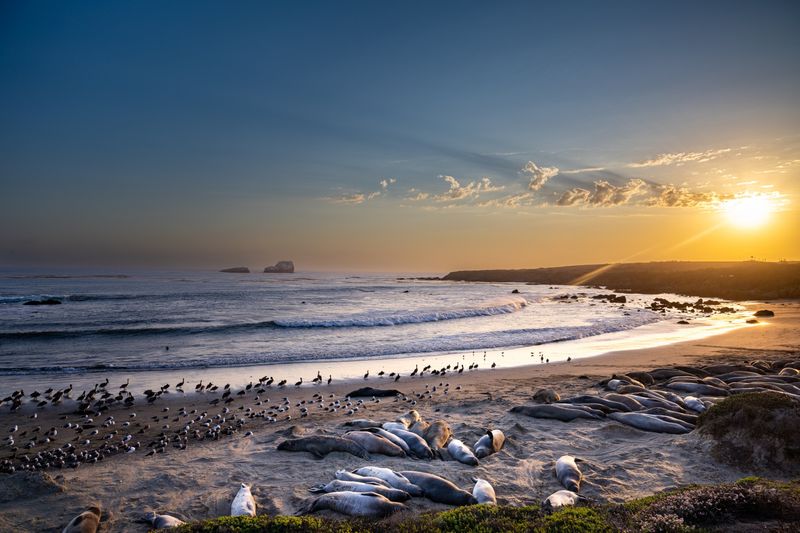
Just north of Cambria, a stretch of beach serves as home to thousands of northern elephant seals throughout the year.
The Piedras Blancas Elephant Seal Rookery allows visitors to observe these massive marine mammals from elevated viewing platforms along Highway 1.
During winter months, females give birth to pups on the sand, creating a nursery scene that attracts photographers and nature enthusiasts.
Males can weigh up to 5,000 pounds and engage in dramatic territorial displays, rearing up and clashing with rivals.
Spring brings molting season, when seals lie on the beach in large groups, shedding their skin in patches.
Summer sees juveniles returning to practice swimming and socializing before heading back out to sea. Fall marks the beginning of breeding season, when activity on the beach intensifies again.
Volunteer docents from Friends of the Elephant Seal often staff the viewing area, answering questions and providing information about seal behavior.
The rookery requires no admission fee and remains open daily, making it one of the most accessible wildlife viewing experiences on the California coast.
Parking areas fill quickly during peak viewing times, but the turnover tends to be steady as visitors typically spend thirty minutes to an hour at the site.
7. Mild Mediterranean Climate Keeps Temperatures Moderate
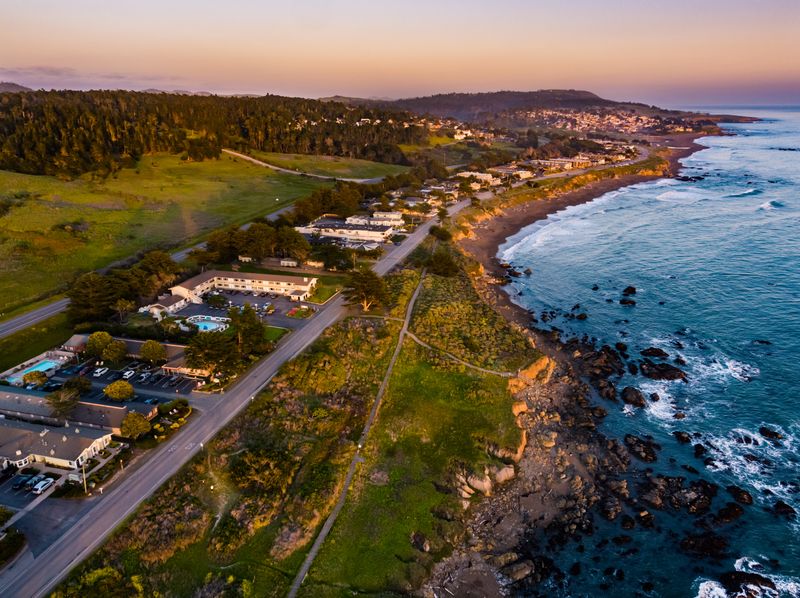
Coastal breezes regulate the temperature in Cambria throughout the year, preventing extreme heat or cold.
Summer days often start foggy, with the marine layer burning off by early afternoon to reveal sunshine and temperatures in the mid-sixties.
Visitors expecting typical California beach weather sometimes arrive unprepared for the cooler conditions, so layers become essential even in July and August.
Winter brings gentle rain rather than storms, with wet periods followed by clear days that showcase the landscape’s green transformation.
The lack of temperature extremes means gardens bloom almost year-round, and outdoor activities remain comfortable in any season.
This climate pattern creates a natural slowdown in pace; the cool mornings encourage leisurely coffee rather than rushed starts, and the mild afternoons invite long walks instead of seeking air conditioning.
Locals rarely need heating or cooling systems to run constantly, contributing to the town’s energy-conscious culture.
The fog that rolls in serves as natural air conditioning, dropping temperatures and adding moisture that the pine forests absorb.
Planning a visit doesn’t require careful attention to seasonal weather patterns, as conditions remain relatively stable and pleasant throughout the calendar.
8. Vibrant Arts Community Fills Galleries And Studios
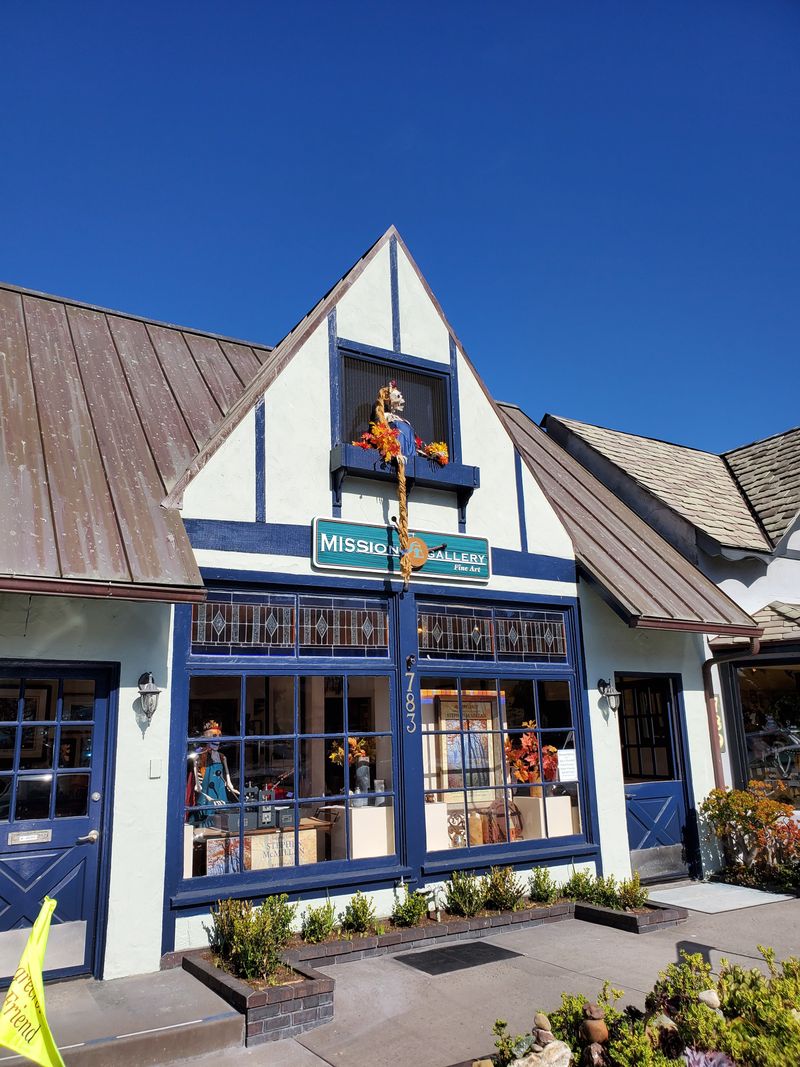
Artists have found inspiration in Cambria for decades, creating a community that values creativity and self-expression.
Small galleries line the streets of both the East and West Villages, displaying everything from coastal landscape paintings to abstract sculptures and handmade jewelry.
Many galleries operate on a smaller scale, where visitors can meet the artists themselves and learn about their processes and inspirations.
The Cambria Scarecrow Festival takes place annually in October, when hundreds of decorated scarecrows appear throughout town, each one created by local artists, businesses, or families.
Art and Wine Festival events bring together local wineries and artists, though the focus remains on visual arts and crafts rather than any particular beverage.
Studios open their doors during special events, allowing the public to see working spaces and watch demonstrations of pottery, glassblowing, or painting techniques.
The artistic atmosphere influences the town’s overall aesthetic, with attention to detail visible in storefront displays, public benches, and even street signs.
This creative energy doesn’t feel forced or commercialized; instead, it emerges naturally from a community that values handmade objects and original work.
Browsing the galleries becomes an activity in itself, offering a way to spend a rainy afternoon or break up a day at the beach.
9. Historic Architecture Mixes Victorian And Modern Styles
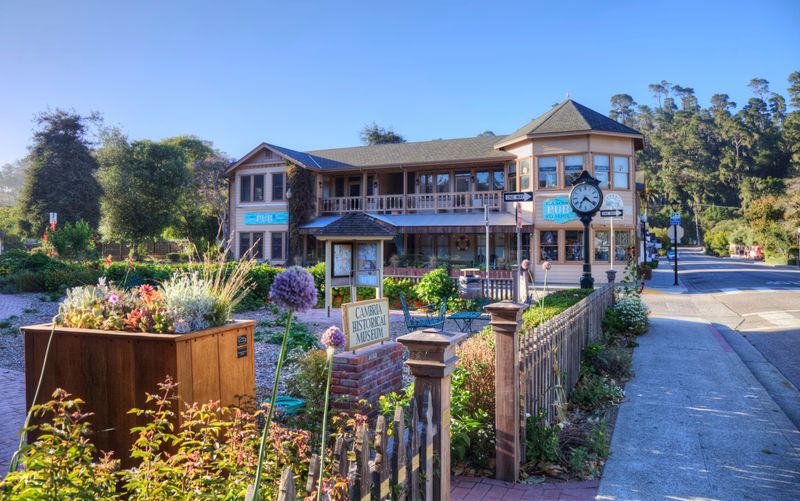
Walking through Cambria reveals layers of architectural history, from cottages built in the late 1800s to contemporary homes designed to blend with the landscape.
Victorian-era buildings feature the characteristic details of that period – decorative trim, bay windows, and steep rooflines – though often on a smaller scale than grand city examples.
The Old Santa Rosa Catholic Church at 1174 Main St, Cambria, CA 93428, built in 1870, stands as one of the town’s oldest structures, its simple white exterior and bell tower representing early California mission-inspired design.
East Village retains more of the historic character, with wooden storefronts and narrow streets that encourage slow browsing.
West Village shows more modern development, though building codes and community standards ensure new construction respects the town’s aesthetic.
Many homes incorporate stone or wood siding that weathers naturally in the coastal environment, avoiding the overly polished look of suburban developments.
Window boxes, cottage gardens, and painted shutters add individual touches without creating visual chaos.
The mix of styles doesn’t feel jarring because scale remains consistent; even newer buildings stay low and modest rather than dominating their surroundings.
This architectural variety tells the story of Cambria’s evolution while maintaining the intimate, walkable feel that defines the town.
10. Small Population Creates Tight-Knit Community Feel
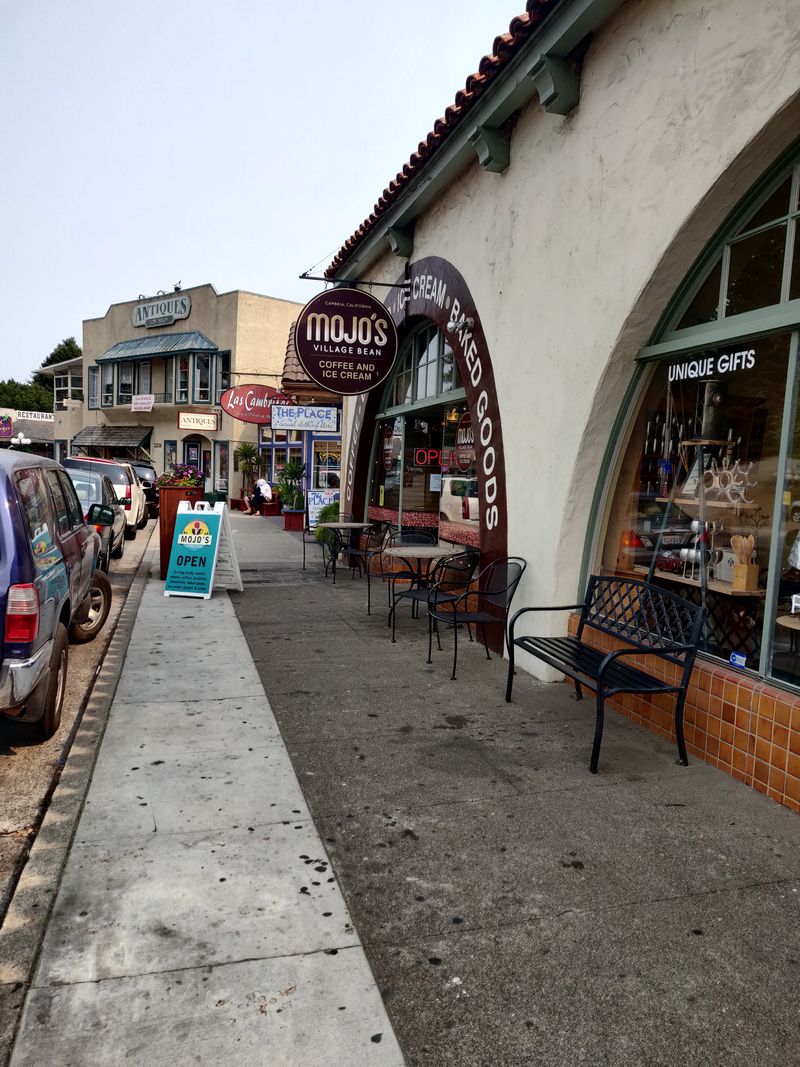
With fewer than six thousand residents, Cambria maintains the kind of community connection that larger towns often lose.
Shop owners recognize regular customers, and locals gather at the same coffee spots and markets, creating informal networks of familiar faces.
This small population also means less traffic, shorter lines, and a general absence of the crowding that can make coastal destinations feel overwhelming.
Community events tend to be volunteer-driven, with residents pitching in to organize festivals, maintain trails, and support local causes.
The scale of the town allows for walking as a primary mode of transportation, at least within each village area, reducing the need for constant driving.
Newcomers often comment on how quickly they feel welcomed, as the community values friendly interactions without being intrusive.
This tight-knit atmosphere extends to local businesses, many of which are independently owned and operated by people who live in town.
The population size also helps preserve the quiet environment; there simply aren’t enough people to generate significant noise or congestion.
For visitors, this translates to a vacation experience that feels more like staying in a neighborhood than visiting a tourist destination.
The community’s commitment to maintaining its character shows in land-use decisions and development restrictions that prioritize quality of life over growth.
11. Gateway Location To Paso Robles Wine Region
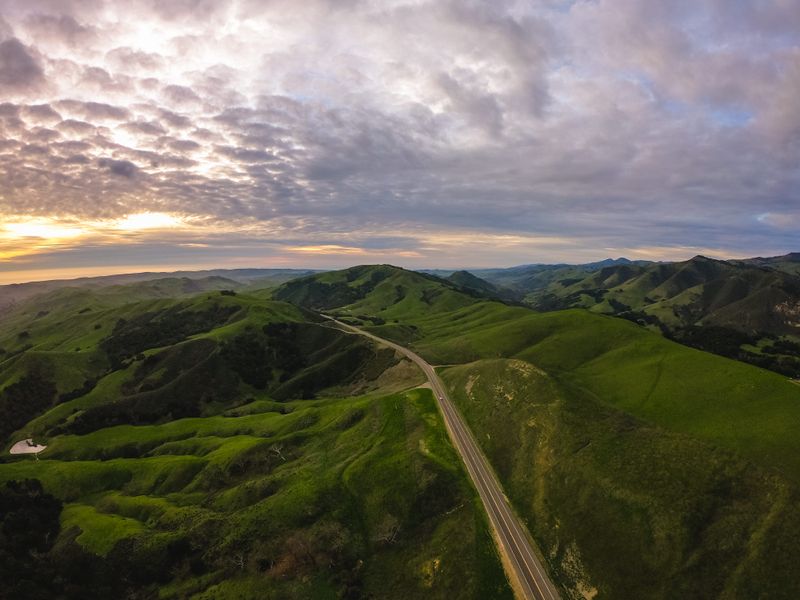
Thirty minutes inland from Cambria, rolling hills covered in grapevines mark the beginning of Paso Robles wine country.
More than two hundred wineries operate in the region, ranging from small family-run operations to larger estates with tasting rooms and event spaces.
The inland location brings warmer temperatures and drier conditions than the coast, creating ideal growing conditions for varieties like Zinfandel, Cabernet Sauvignon, and Rhône-style grapes.
Many visitors base themselves in Cambria and make day trips to the wineries, enjoying the contrast between coastal coolness and inland warmth.
Tasting rooms tend to be casual and welcoming, without the formality or pretension sometimes found in more established wine regions.
The drive between Cambria and Paso Robles passes through scenic countryside, with oak-studded hills and ranch land creating a quintessentially Californian landscape.
Some tasting rooms offer food pairings or allow picnics on their grounds, making it easy to spend several hours at a single location.
The proximity to this wine region adds another dimension to a Cambria visit without requiring a long drive or overnight stay. After a day of exploring vineyards, returning to the coast provides a natural cool-down and change of pace.
12. Distinctive Lodging Options Range From Inns To Cottages
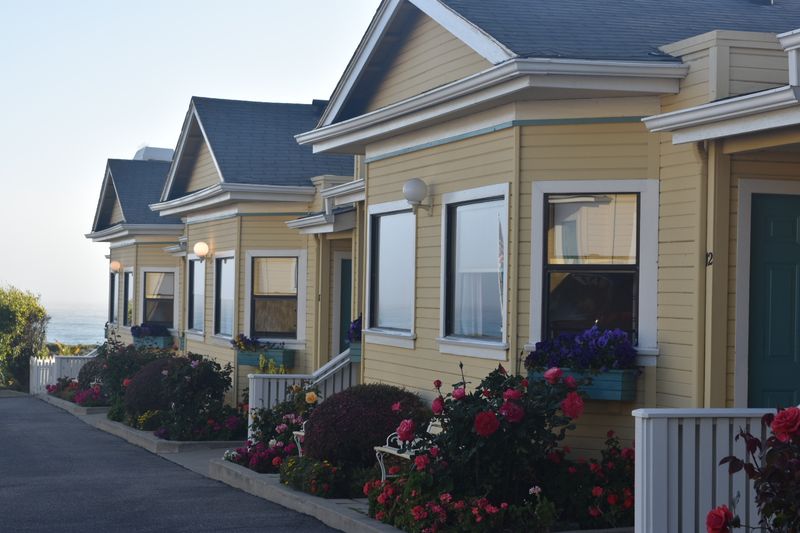
Accommodations in Cambria lean toward smaller, independently owned properties rather than chain hotels.
Ocean-view inns along Moonstone Beach offer rooms where the sound of waves provides a natural sleep aid, and many include fireplaces for cool evenings.
Victorian homes converted into bed-and-breakfasts provide a different experience, with antique furnishings and communal breakfast areas that encourage conversation among guests.
Some properties feature individual cottages with kitchenettes, appealing to families or those planning longer stays who want space to spread out.
The lodging style matches the town’s overall character – comfortable without being luxurious, welcoming without being overly formal.
Many inns keep their room counts small, ensuring quieter stays and more personalized service from staff who often live locally.
Booking ahead becomes important during peak seasons, as the limited number of rooms means availability can be tight on weekends and holidays.
Rates tend to reflect the boutique nature of the properties, falling somewhere between budget motels and high-end resorts.
The variety of lodging types allows visitors to choose an experience that matches their preferences, whether that means waking to ocean views or staying in a garden-surrounded cottage.
Many guests return to the same properties year after year, building relationships with owners and staff that add to the sense of coming home.