This Quiet Connecticut Church Looks Ordinary From The Street But Reveals A Kaleidoscope Of Color The Moment You Step Inside
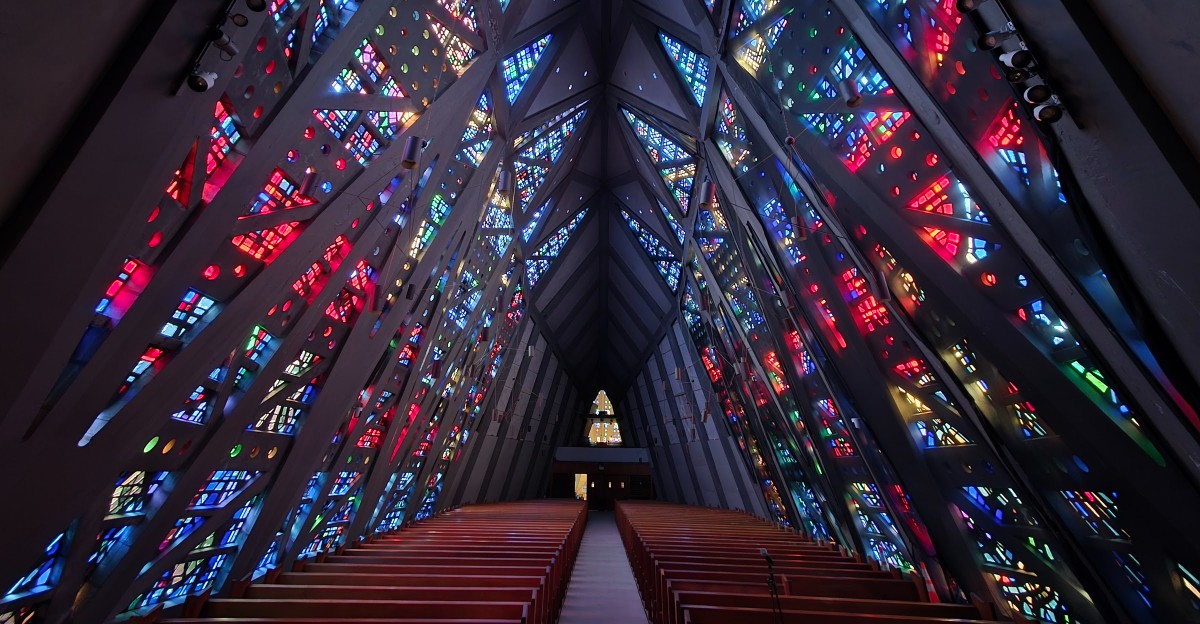
From the street, you might never guess what’s waiting inside this church.
Then you enter, look around, and suddenly understand why its interior attracts so much attention.
An extraordinary Connecticut church surprises visitors with a colorful interior that contrasts dramatically with its relatively understated exterior appearance.
And we’re not talking about a few decorative windows adding a splash of color.
The visual impact comes from the way the interior brings together light and architectural detail, creating an atmosphere that feels completely different from the outside.
It’s the kind of contrast that makes you stop and look upward.
I wonder how many people have passed the building without realizing what was inside.
That’s what makes unusual architecture so fascinating. Sometimes a building saves its most remarkable feature for the people who actually walk through the door.
1. Why Everyone Calls It The Fish Church
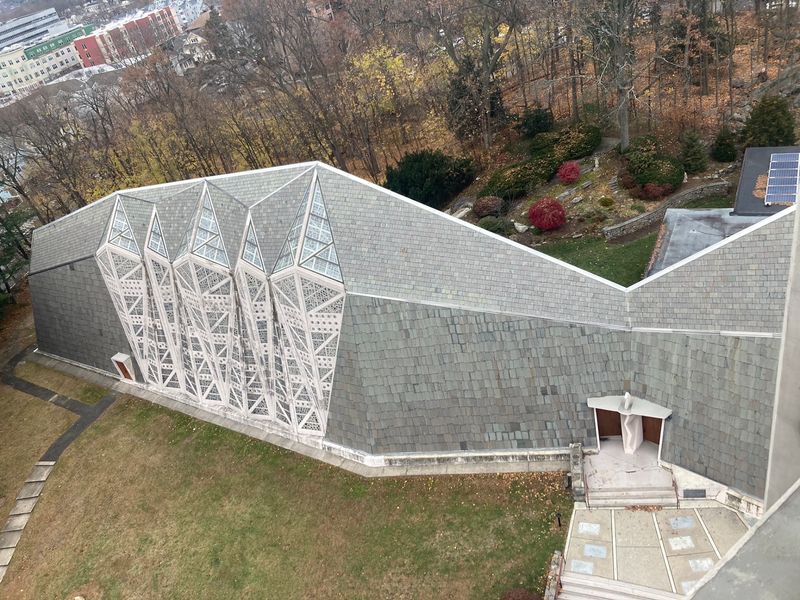
Who builds a church shaped like a fish? Apparently, an architect with some seriously impressive projects on his résumé.
The unusual design makes much more sense once you know the meaning behind it. Even the building’s nickname comes directly from its shape.
First Presbyterian Church in Stamford is widely known as the Fish Church. Viewed from above, its floor plan resembles a fish, while the distinctive outline is also visible from the side.
The design reflects one of Christianity’s earliest symbols, used by believers centuries ago.
Architect Wallace K. Harrison designed the sanctuary, which was dedicated in March 1958.
His career also included major projects such as the United Nations headquarters and Rockefeller Center in New York.
The church was an ambitious engineering project, too. Its striking structure uses angled, folded concrete plates that lean toward each other, creating a shape often compared to hands joined in prayer.
This approach made the sanctuary an important early American example of thin-shell precast concrete construction. The technique was especially unusual for a religious building at the time.
In 2021, the church received National Historic Landmark designation, recognizing its architectural importance.
More than six decades after its dedication, the building remains an active place of worship. Its fish-inspired design continues to make it one of Stamford’s most recognizable landmarks.
2. Prepare For Walls That Are Basically Made Of Light
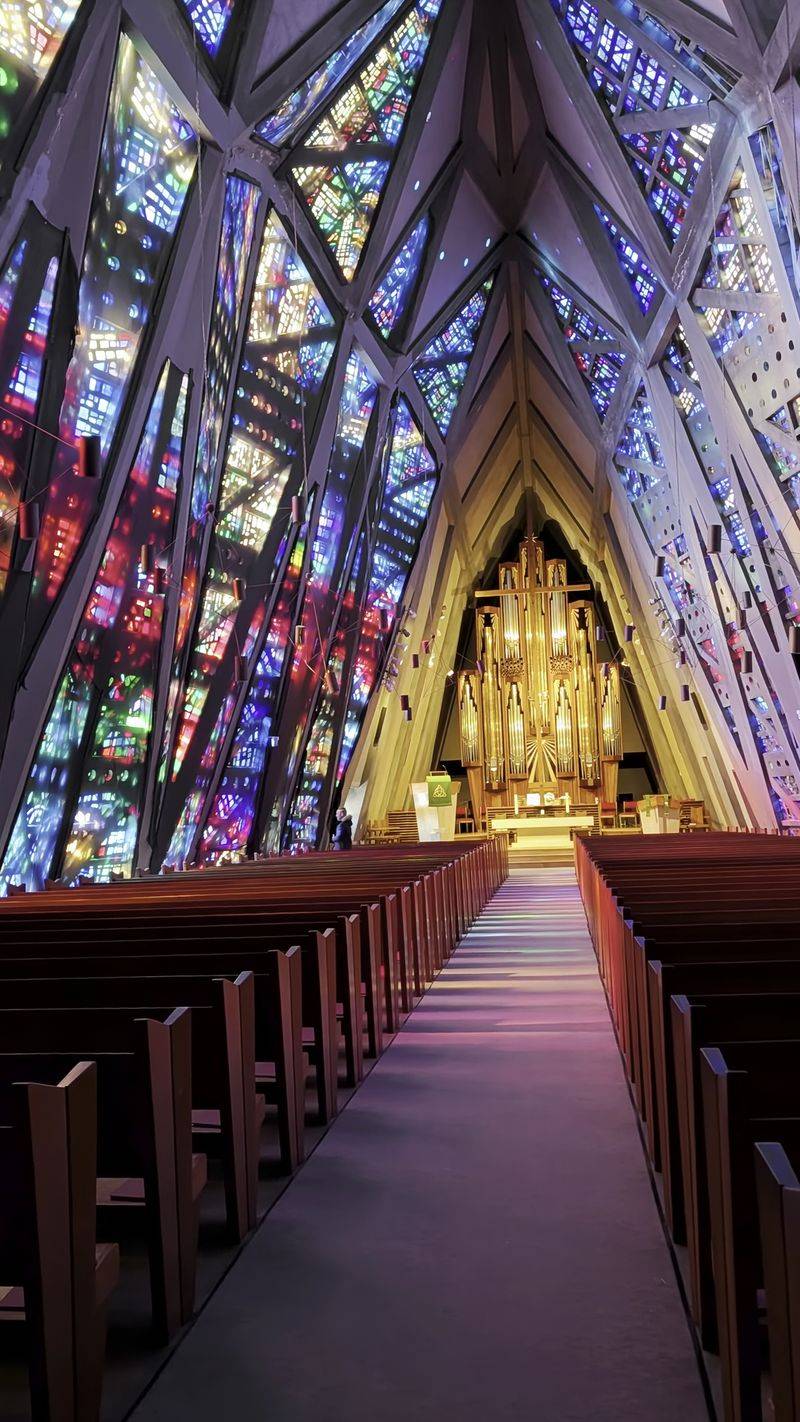
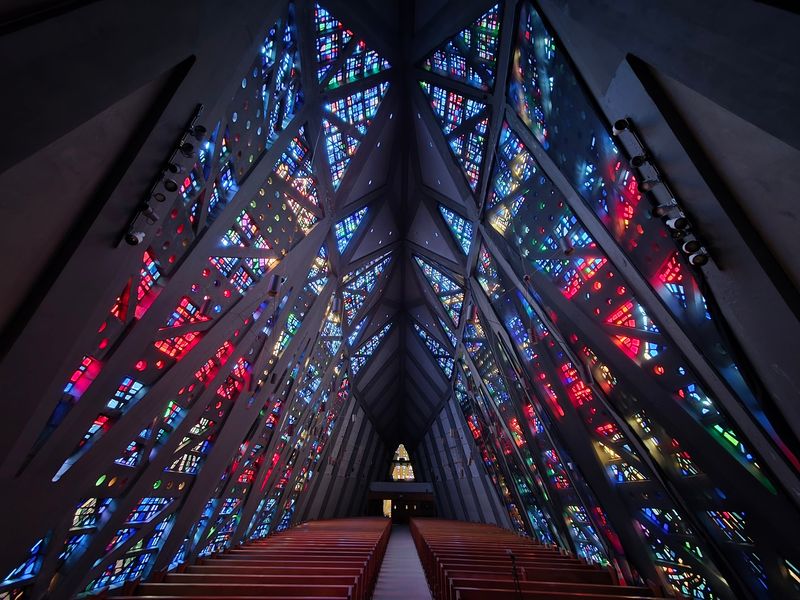
Sixty feet tall. That’s how high the nave rises, and nearly all of it is stained glass.
Most churches set colored windows into solid walls. Here, the glass basically is the wall, so color surrounds you on every side.
The glass uses a method called dalle de verre. It’s a 20th-century French technique that sets thick, faceted slabs of colored glass into concrete.
Each piece is about an inch thick. The sanctuary holds more than 20,000 of them in 86 different hues.
Faceted glass works a bit like a cut gemstone. The chipped edges catch light and scatter it, which helps explain the sparkling effect.
Blues dominate much of the space, which fits Harrison’s famous sapphire question perfectly. Reds and golds break through and keep things lively.
Your best move is to visit while the sun is out. Light changes through the day, so the room shifts its mood as the hours pass.
Bring patience instead of a rush. The longer you look, the more shapes and colors start popping out of the glow.
3. A French Studio Near Chartres Crafted This Glass
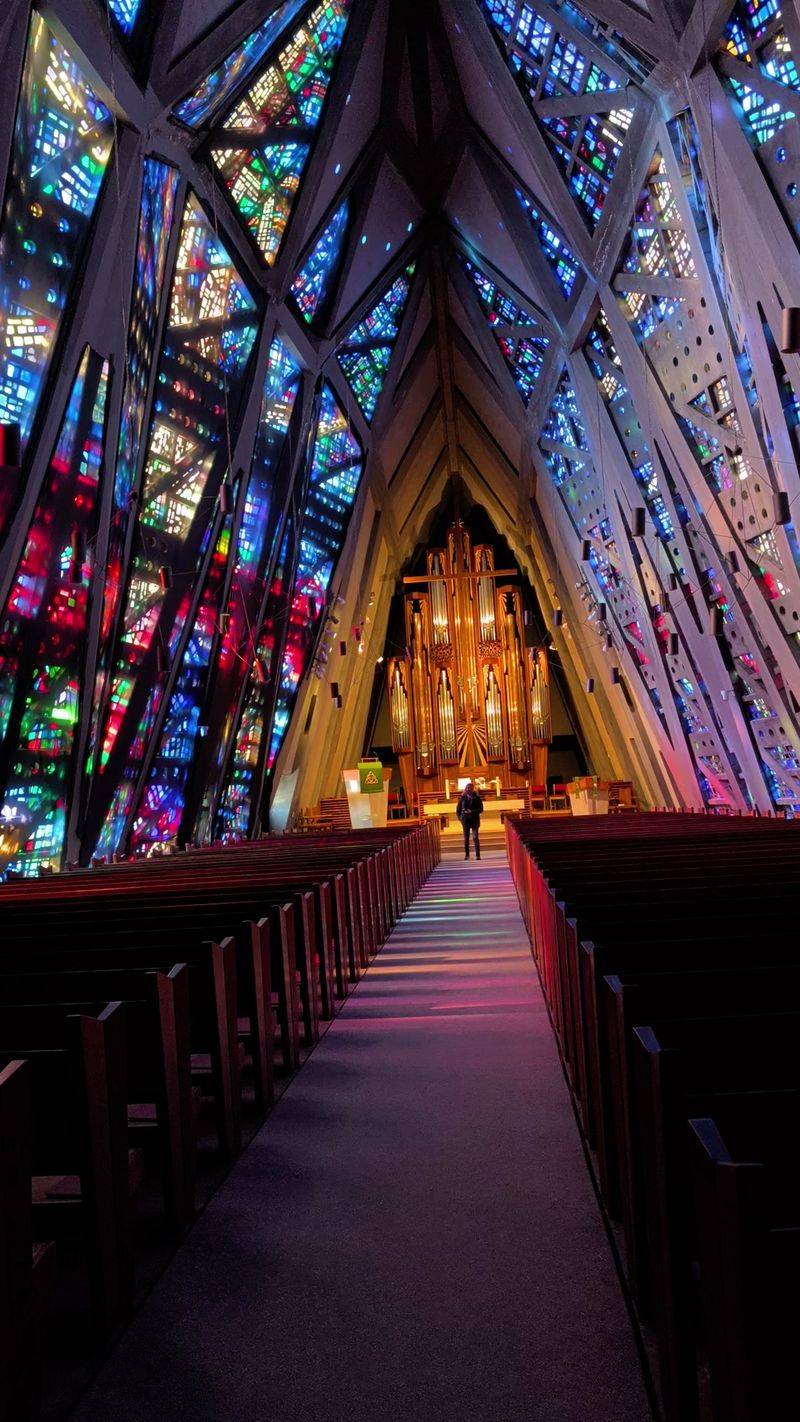
Here’s a fun connection across the ocean. The glass panels were made by French artist Gabriel Loire.
His studio sits near Chartres, a town famous for its grand medieval cathedral. That studio still operates today.
Loire was known for working in dalle de verre. He helped make the thick, chunky glass style popular in modern church buildings around the world.
Think about the trip those panels took. Glass shaped in France ended up glowing on a street in Connecticut.
The goal was big. The design aimed to bring the emotional pull of a Gothic cathedral into a modern American building.
Gothic cathedrals rely on soaring height and colored light. Harrison and Loire kept those ideas but swapped out stone arches for folded concrete.
It’s a little like covering a classic song with new instruments. The tune feels familiar, yet the sound is completely fresh.
When you visit, look closely at the edges of individual pieces. The rough, chipped surfaces show the handwork behind each panel, and that detail makes the scale even more impressive.
4. The Glass Tells A Story From One Side To The Other
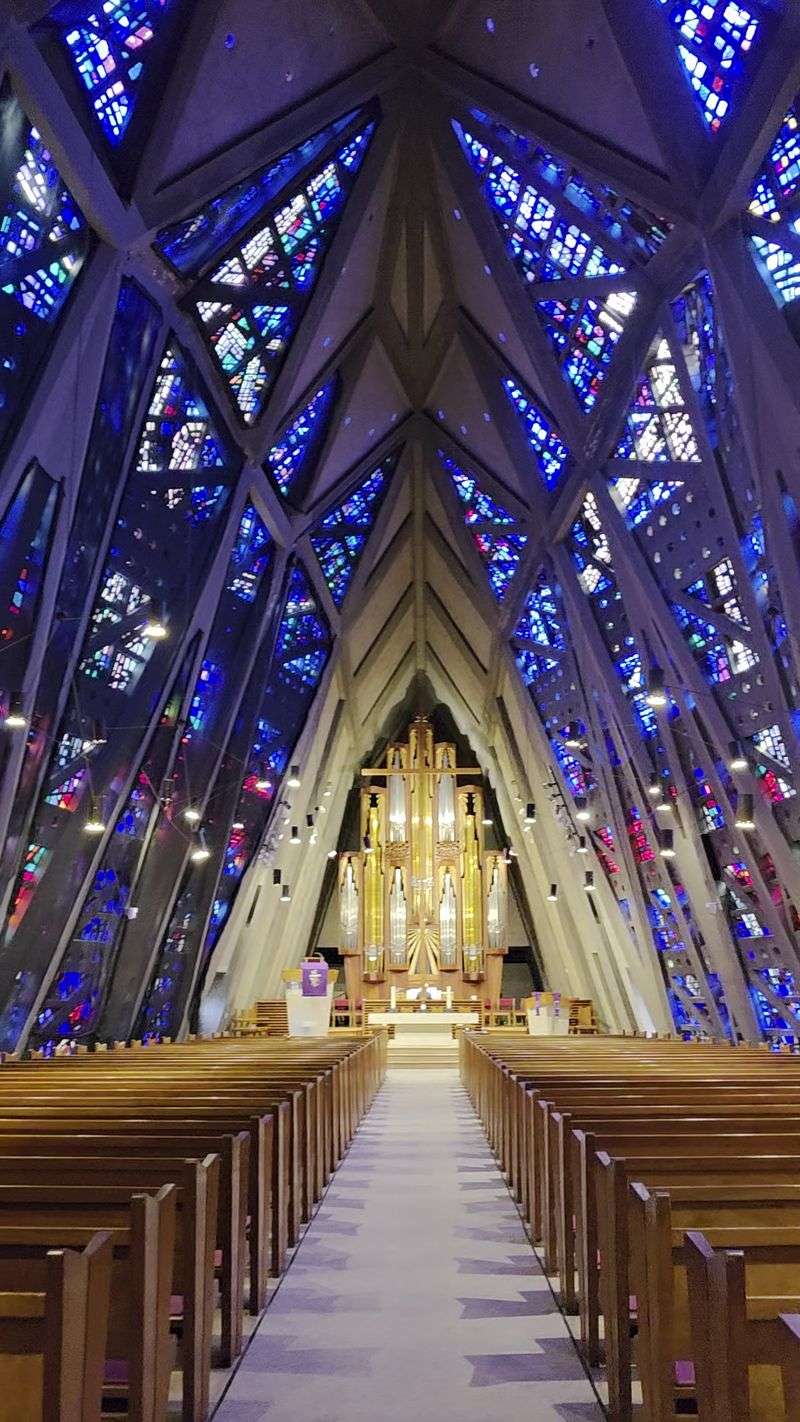
Pretty colors are only half the show. The walls also tell a story, and it reads from one side of the sanctuary to the other.
The right side shows the story of the Crucifixion. The left side turns toward the hope of the Resurrection.
Even the narthex, the area at the back of the church, joins in. Its glass panels show symbols of communion and peace.
Some figures can be tricky to spot at first. The designs blend into the swirl of color, so your eyes need time to adjust.
That makes it a bit like a giant puzzle made of light. Kids and grown-ups alike can hunt for shapes together.
A smart tip is to ask the church office for any printed guides about the glass. Materials explaining the imagery can make the figures much easier to find.
Once you know what to look for, the whole room changes. Colors that seemed random suddenly line up into scenes.
It’s a quiet way to experience an old story. No words needed, just glass, concrete, and sunlight working together.
5. Look Up At A Cross With Roots In Canterbury
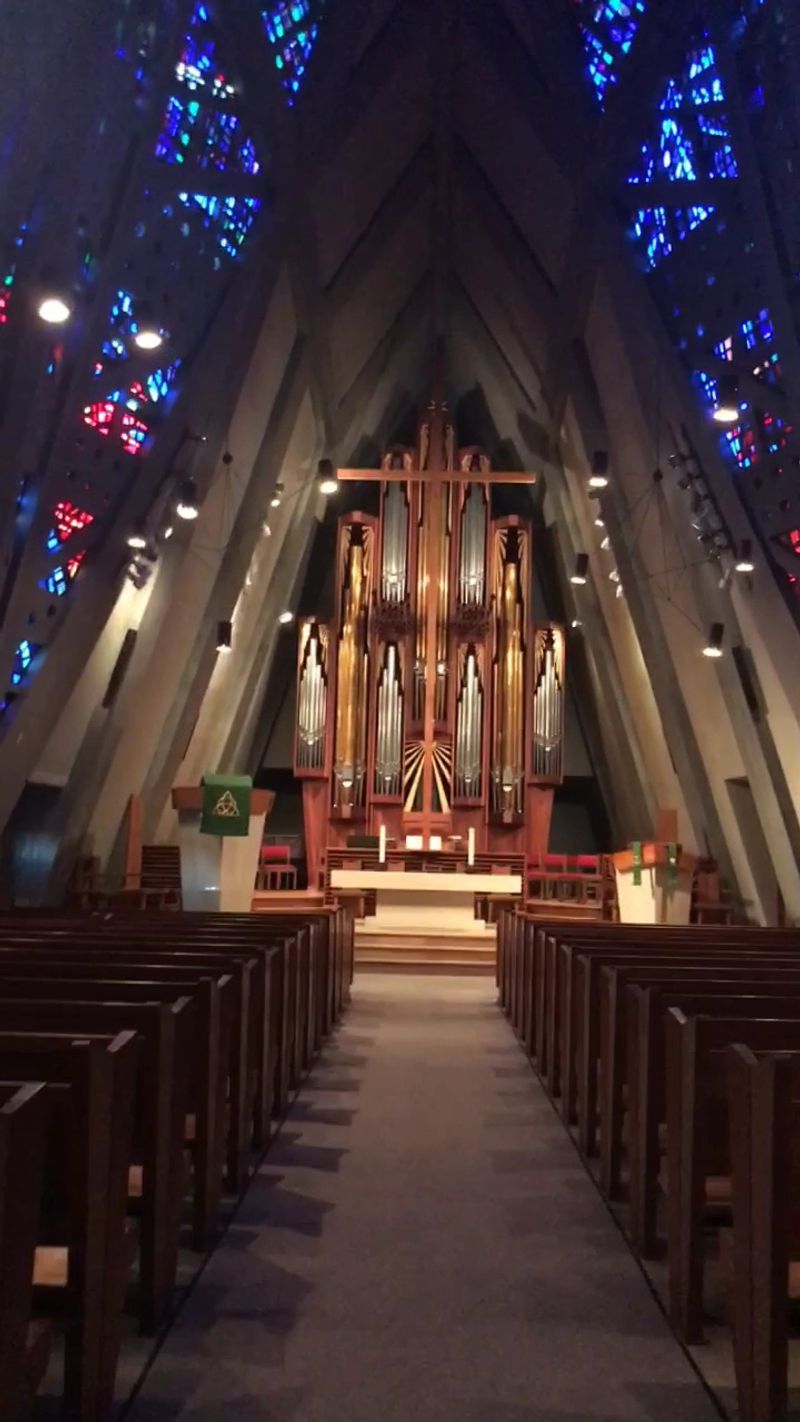
A 32-foot cross rises over the chancel, and its wood has quite a backstory. The cross is faced with wood from Canterbury Cathedral in England.
Canterbury Cathedral dates back many centuries. So this modern sanctuary carries a small piece of very old Christian history.
I love that mix of new and old. The concrete and glass feel futuristic, while the cross ties everything back to deep tradition.
Music plays a big role here too. The church houses a large Visser-Rowland pipe organ.
Picture those big organ notes bouncing around a room made of glass and concrete. It’s the kind of sound you feel in your chest.
The church has hosted concerts, including brass and organ performances. Checking the church calendar is a good way to catch one.
Concerts are also a great excuse to see the space with a crowd and full sound. The building was designed to inspire, and music makes that even stronger.
Sit back, look up at the cross, and let the organ do the rest. It’s an easy way to spend an afternoon.
6. You Can Hear The Bell Tower Before You See It
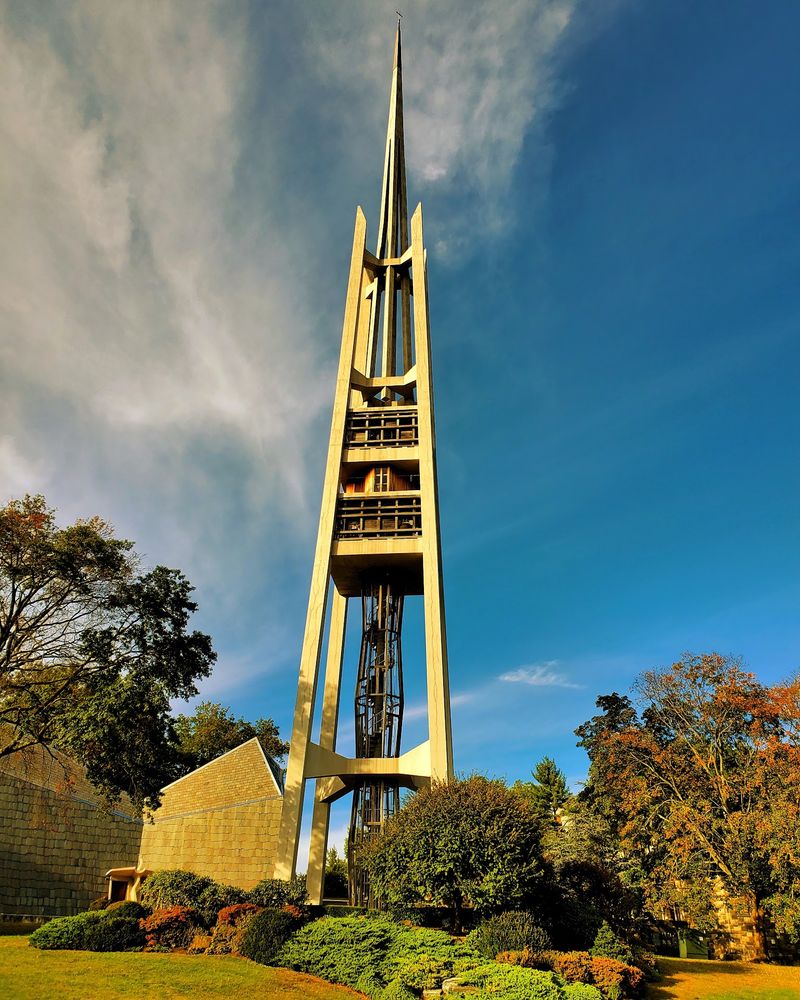
Sound travels a long way from this spot. The carillon bells can be heard up to about 1.5 miles away.
They ring from the Maguire Memorial Tower, a freestanding structure beside the church. It stands 260 feet tall, which is roughly 79 meters.
Inside hangs a carillon of 56 bells. A carillon is played like an instrument, so the bells can perform real melodies, not just simple chimes.
The history adds a neat twist. The original carillon had 36 bells and was called the Nestle Carillon.
That name referenced the Nestle Corporation’s presence in Stamford during the 1940s. Later, more bells joined the set and expanded its range.
For visitors, the tower works as a handy landmark. Its tall, thin shape stands out above the neighborhood.
Try lingering outside for a bit when you arrive. If the bells start playing, the moment feels like a bonus concert.
Honestly, few buildings greet you with a song. This one can serenade half the neighborhood without breaking a sweat, and that’s a pretty charming welcome.
7. Stones Along The Path Carry Centuries Of Stories
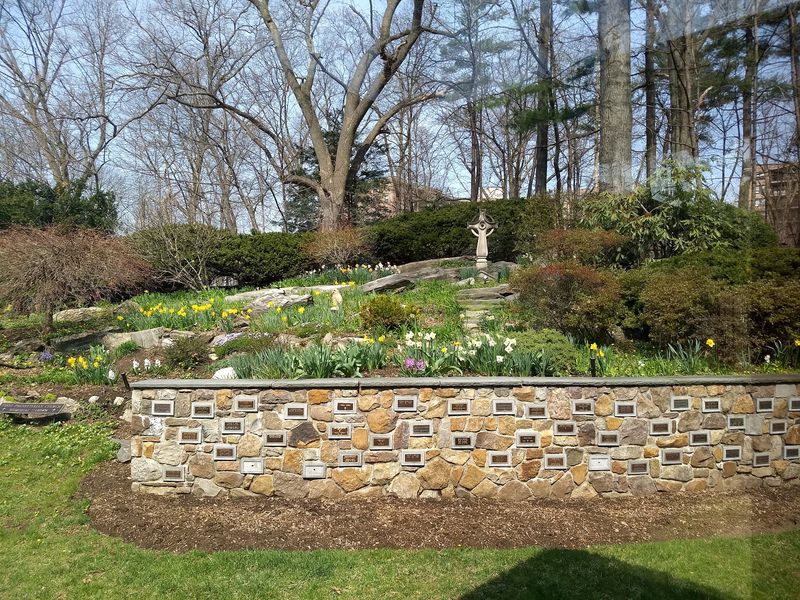
History hides right under your feet on the way in. The Memorial Walk leading to the main entrance holds more than 100 stones.
Each stone honors an important figure in the Judeo-Christian tradition. The lineup stretches from Abraham all the way to modern times.
That’s a lot of history packed into one short stroll. Slow down, and you’ll start recognizing names.
The collection keeps going indoors. The corridor outside the chapel has its own set of over 100 stones.
Those came from important Christian sites around the world. Former pastor Dr. George Stewart gathered them during his travels.
Imagine packing a rock from every big trip you take. That’s basically a travel scrapbook made of stone.
Out along Bedford Street, a stone wall adds even more. Its tablets mark key events, institutions, and people in Stamford history from 1641 to 1975.
Many focus on religious impact in the city. It’s a great stop for anyone who loves local history or old stories.
Give yourself extra time here. The outside deserves as much attention as the glowing inside.
8. Plan Your Visit Around Weekday Office Hours
Sunshine puts on quite a show here. Thousands of pieces of colored glass transform ordinary daylight into something extraordinary.
The effect changes throughout the day, so even the time of your visit can make a difference. And the good news?
You may not need a special event to experience it.
The Fish Church in Stamford welcomes worshippers and visitors, although access to the sanctuary should be confirmed before arriving. Since this is an active church rather than a museum, visiting arrangements can vary.
Weekday office hours are listed as 9:30 AM to 5 PM, Monday through Friday, with a lunch closure from 12:30 PM to 1:30 PM. Sunday follows a different schedule, with worship services taking priority.
Bright weather is especially rewarding. Sunlight passing through the stained-glass walls fills the sanctuary with vivid colors.
Overcast skies create a softer effect, while morning and afternoon light bring their own changes.
The surrounding grounds also deserve some attention. Visitors can admire the building’s unusual architecture and explore accessible outdoor areas at a comfortable pace.
The church stands at 1101 Bedford Street, Stamford, CT 06905, making it a convenient stop while exploring Fairfield County. Confirm visitor access before heading over, particularly if you hope to see the sanctuary.
Give yourself enough time to appreciate the details. The remarkable glasswork makes this much more than a quick photo stop.
9. Keeping A Glass Giant Shining Takes Real Work
Concrete and glass can look tough forever, yet even landmarks need care. The church has worked hard to protect this one-of-a-kind building.
It has received grants to fix leaks and wear in the dalle de verre glass. The concrete ribs needed attention too.
Experts found a problem called alkali-silica reaction, or ASR. It’s a chemical process that caused serious cracking in the concrete.
Fixing that takes specialized repairs and protective coatings. It’s careful, detailed work, like restoring a giant piece of art.
The building also serves a busy congregation. Since 2008, a program called Creative Learning @ FPC has offered after-school help.
Students from six nearby schools get homework support, mentoring, and translation help. Many are learning English as a second language.
The church also takes part in community gardening, refugee resettlement, and monthly shelter volunteering. So the colorful walls hold plenty of everyday kindness.
That’s what makes the First Presbyterian Church feel so special. It’s a landmark, a classroom, and a neighborhood helper all at once.
Not bad for a fish.