This Quiet Connecticut Town Has So Many Black Bear Sightings Locals Know To Stay Alert
Connecticut has a quiet town where black bear sightings have become familiar enough that residents know to stay alert.
The setting still feels peaceful, which makes those unexpected encounters even more surprising. One minute, the yard looks completely ordinary.
A little later, a large furry visitor may be wandering through like it owns the place. That possibility changes how locals think about outdoor spaces.
Trash gets checked more carefully. Bird feeders can suddenly seem like a risky invitation.
Would you stay calm if a black bear appeared just beyond the back porch?
Most sightings end without drama, but people here know better than to get careless. Living near wooded areas means remembering that wildlife does not follow neighborhood boundaries.
The town has not lost its charm because of that. It simply comes with a very real reminder that nature is never too far away.
Around here, keeping one eye on the tree line is just part of the routine.
1. Quiet Streets With A Wild Side
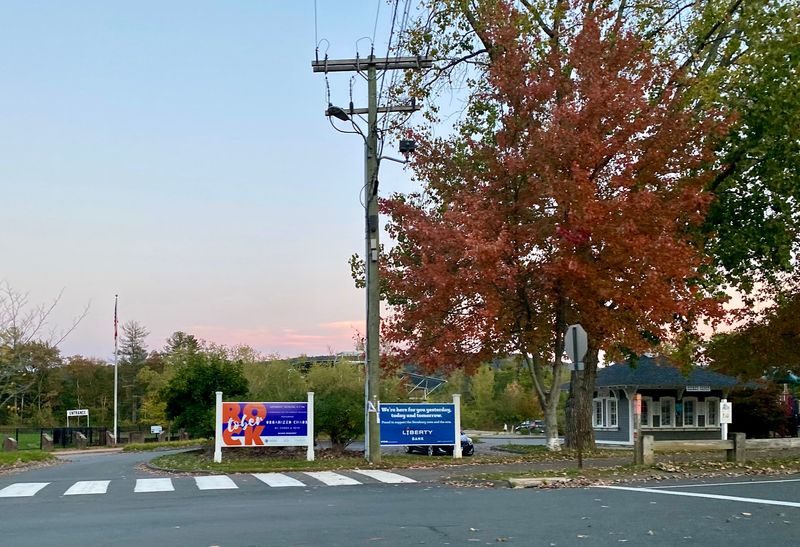
What if the quietest-looking street in town came with a chance of spotting a black bear before breakfast? Simsbury has that kind of surprise.
The town feels polished and peaceful, but the woods never seem very far away.
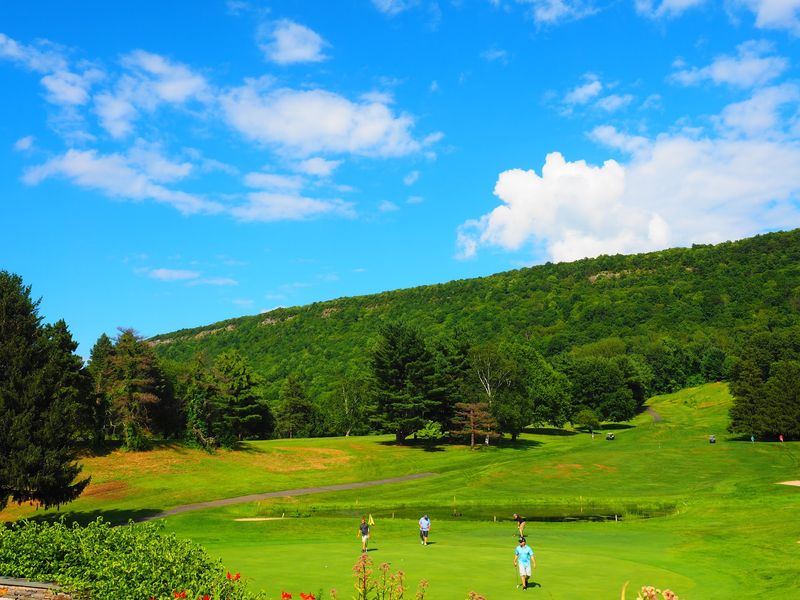
Tree-lined roads, historic homes, and the long green rise of Talcott Mountain give the area a calm, almost storybook look. Simsbury was founded in 1670 and had 24,517 residents in the 2020 Census, so it combines deep local history with the feel of a comfortable modern suburb.
That leafy setting also explains why wildlife can seem unusually close. Black bears are most concentrated in the northwestern part of the state, and wooded ridges often meet residential streets with very little separation.
Sightings can turn an ordinary morning into something worth talking about, whether a bear crosses a yard or wanders past a driveway. The point is not that Simsbury feels threatening. Quite the opposite.
Its appeal comes from how easily everyday suburbia blends with a landscape that still feels genuinely wild. Enjoy the trails, shaded streets, and peaceful neighborhoods, but keep one thought in mind: the woods behind the house may be much busier than they look.
2. Bear Sightings Are Part Of Local Life
Morning routines can get interesting fast in Simsbury. One glance through the window might reveal a black bear wandering across the yard.
Around here, that kind of surprise is not exactly rare.
The town has repeatedly ranked among the state’s busiest places for reported bear sightings. Simsbury logged 967 reports in 2024, more than any other municipality that year, and remained near the top again in 2025.
That level of activity has even inspired the nickname “Sims-Beary.” The joke captures how familiar these encounters have become without making them seem ordinary enough to ignore.
Residents naturally adjust their habits. Garbage gets secured more carefully, pets receive extra supervision outside, and yards often get checked before someone heads out early in the morning or around dusk.
Reporting a sighting also serves a purpose beyond neighborhood conversation. Wildlife officials use those reports to follow bear activity and understand how often animals are moving through residential areas.
Despite the numbers, the general attitude is awareness rather than alarm. Most encounters involve a bear passing through before heading back toward cover.
Living here simply means remembering that suburbia and wildlife share the same landscape. In Simsbury, the woods can feel surprisingly close even from your own backyard.
3. Spring And Summer Bring More Activity
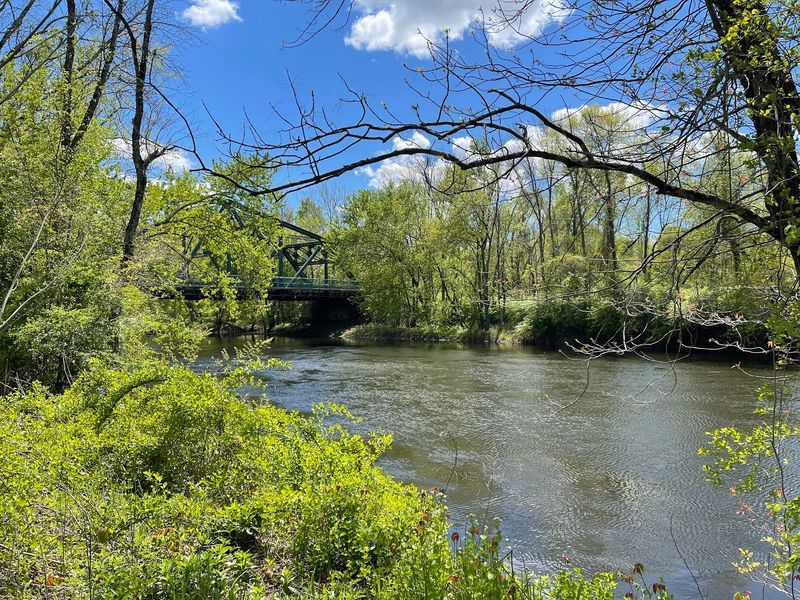
Winter buys Simsbury a few relatively quiet months. Once temperatures climb and dens open up, that pause ends quickly.
Bears emerging in spring are hungry and highly motivated. Natural food is still limited early in the season, so anything easy and calorie-rich becomes worth investigating, including whatever sits in a backyard.
Through late spring and summer, sightings around neighborhoods tend to peak. Bears that find reliable food near houses grow more comfortable returning, and comfort is what turns an occasional visitor into a regular.
Autumn brings its own surge. Before hibernation, bears eat aggressively to build fat reserves, which sends them roaming farther and lingering longer wherever calories are available.
For residents, seasonal timing is genuinely useful information. Wildlife officials advise taking bird feeders down between March and November, a window that lines up almost exactly with the busiest stretch of activity.
Summer cookouts deserve extra thought too. Grease trays and grill grates hold strong smells long after the food is gone, and a bear’s nose is remarkably sensitive.
Plan yard routines around the calendar and the warm months feel much less eventful. Ignore the seasons and a bear will happily remind you which one it is.
4. Backyards Can Become Unexpected Wildlife Routes
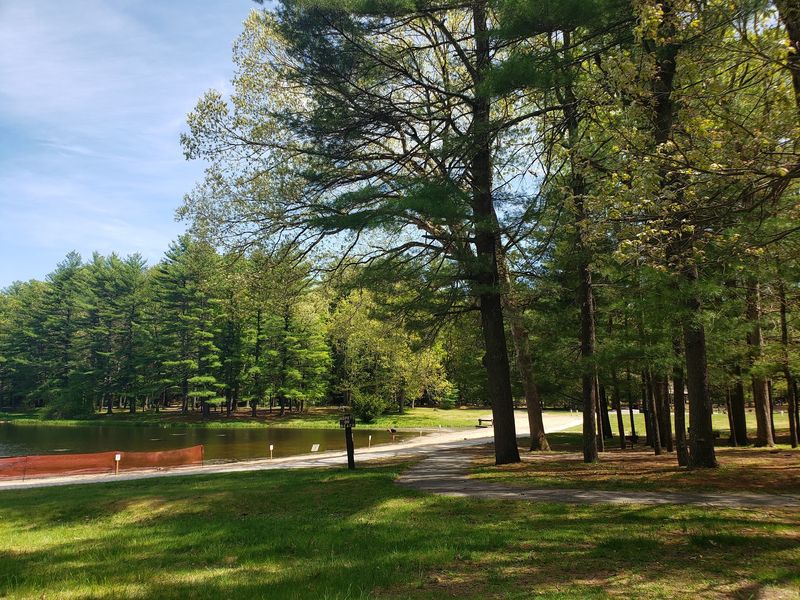
Bears do not read property lines. They follow food, water, and cover, and a string of Simsbury backyards can form a surprisingly convenient corridor between wooded areas.
Bird feeders are the classic invitation. Seed is dense, sweet-smelling, and effortless compared with foraging in the forest, which makes a hanging feeder something like a roadside snack stand.
Pet food left on a porch works the same way. So does an unsecured garbage can, a compost pile with food scraps, or a cooler forgotten on the patio after a family gathering.
Curiosity does the rest. Bears in residential areas have been seen investigating decks, poking around sheds, and even climbing on children’s playsets, mostly because nothing has taught them to stay away.
That growing comfort is the real concern. A bear that repeatedly finds food near houses may start checking doors, screened porches, and open garages, which is when a fun sighting becomes a genuine problem.
Fixing it is refreshingly low-tech. Bring feeders in, feed pets indoors, rinse recycling, and store anything fragrant behind a closed door.
Neighborhoods where most households follow those habits tend to see bears passing through rather than settling in.
5. Trash Day Requires A Little Extra Attention
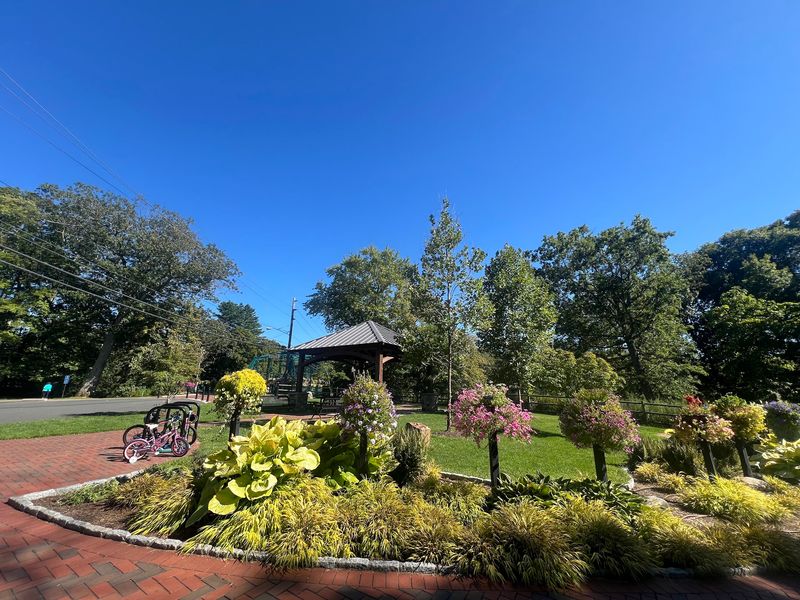
Garbage night carries a little suspense here. Bears learn schedules, and a row of curbside bins on a quiet street is basically a menu delivered on time each week.
The single most repeated piece of local advice is to skip the night-before habit. Keeping secured bins in a garage, shed, or other enclosed space until the morning of pickup removes the easiest opportunity a bear will ever get.
Bear-resistant containers help considerably for households that cannot store bins indoors. Latching lids and sturdy construction turn a quick raid into an unrewarding effort.
Smell control matters just as much as physical strength. Washing barrels regularly with a strong disinfectant, spraying the interior with ammonia, or hanging mothballs inside can all make a container far less interesting to a nose that works over long distances.
Simsbury households arrange collection through private haulers rather than a municipal route, so pickup days vary by neighborhood and vendor.
One hauler serving the area, USA Waste and Recycling, can be reached at 888-312-7292, and questions about local wildlife guidance can go to town offices at 933 Hopmeadow Street, Simsbury, 06070. Small routine changes, big difference.
6. Northwest Of Hartford Is Bear Country
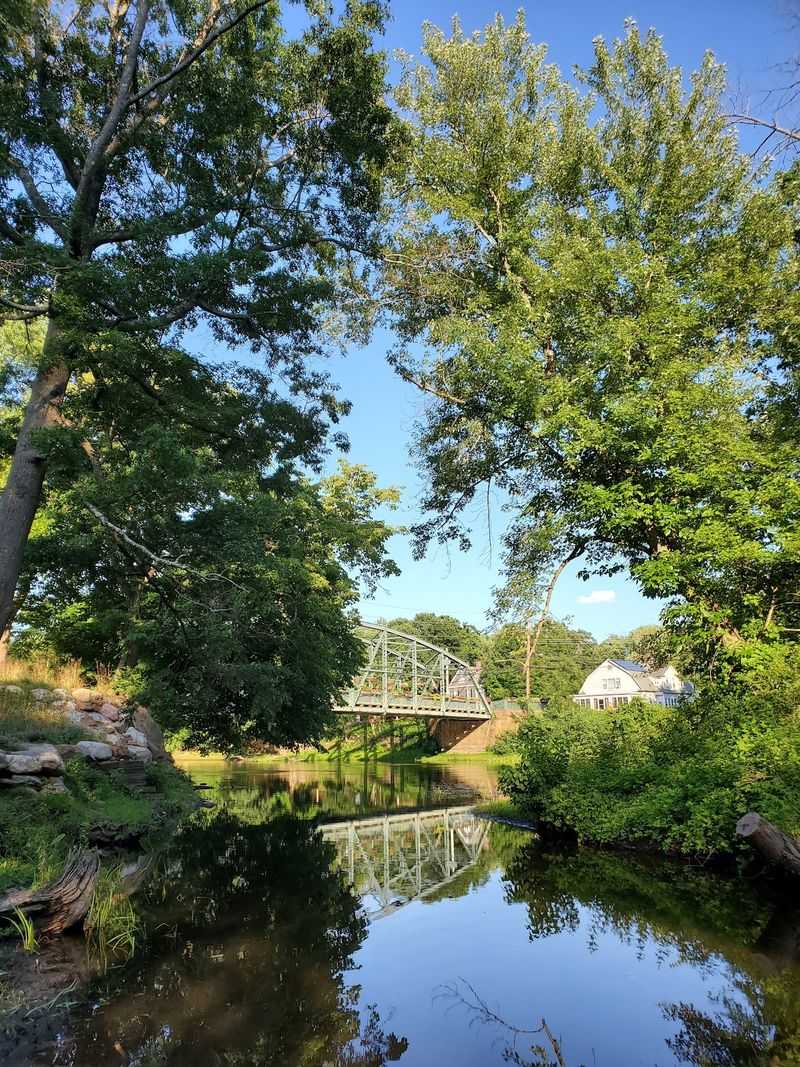
Geography explains a lot. Simsbury sits roughly 12 miles northwest of Hartford, in a stretch of the Farmington Valley where forest, ridge, and river corridor all meet.
The state’s black bear population is estimated at somewhere between about 1,000 and 1,200 animals, and that population has continued to grow and spread. Bears are most concentrated in the western half of the state, including western Hartford County.
It was not always this way. Bears were nearly wiped out of the state during the 1800s, when land clearing for farms left little forest behind.
Reforestation changed the story. As abandoned farmland grew back into woods and legal protections took hold, bears returned and steadily expanded through the Connecticut River Valley region and beyond.
Simsbury happens to sit in a sweet spot within that recovery. Large protected forest blocks, connected ridges, and abundant water give bears everything they need within easy reach of neighborhoods.
Understanding that context reframes the sightings. They are less a sign of something going wrong and more evidence of a landscape that healed enough to support big animals again.
Living in bear country is simply part of the address, and locals treat it that way.
7. Residents Know The Basics Of Staying Bear-Safe
Practice makes people calm. In Simsbury, bear safety is less a pamphlet topic and more a set of habits people repeat without thinking about it.
The core checklist is short. Secure garbage, take down bird feeders from March through November, clean grills after every use, and never leave pet food outdoors.
Wildlife officials describe the goal as turning a property into a no-bear-food zone. When nothing pays off, bears stop bothering to check.
Encounters call for a different set of moves. Guidance is to stay calm, avoid running, make yourself look as large as possible, speak firmly, and back away slowly to give the animal room to leave.
Approaching a bear is the one thing to never do, especially a mother with cubs, since a sow may react defensively to anything near her young. Keeping dogs leashed helps here too.
Officials also use aversive conditioning in dense residential areas, applying loud noises and other unpleasant experiences so bears learn that neighborhoods are uncomfortable places to linger.
All of it works better when the whole street participates. One household leaving food out can undo careful effort by a dozen neighbors, which is why bear talk comes up so often at community gatherings.
8. Nature Feels Surprisingly Close To Home
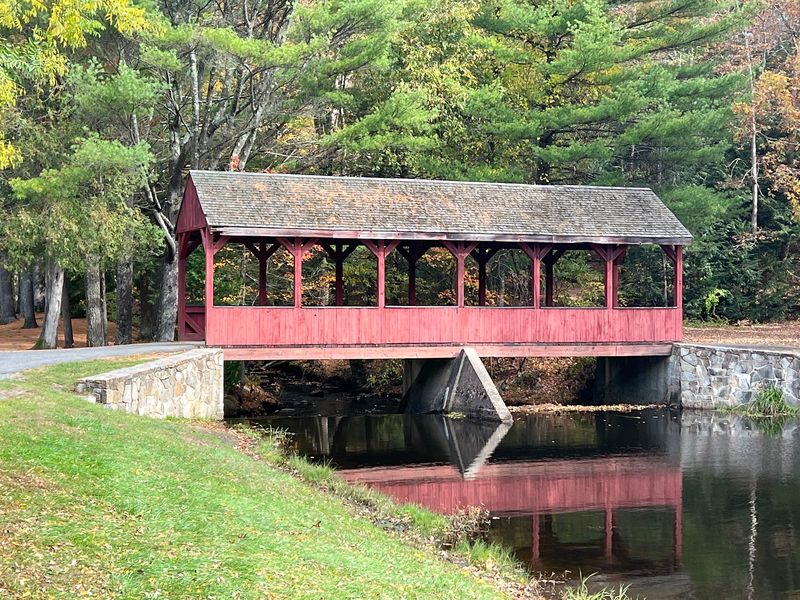
Take the bears out of the conversation and Simsbury is still a remarkably green place to live. The trails start close to town, and the forest gets deep fast.
West Mountain Trails offer long stretches of hiking with rocky outcrops, shifting forest types, and views that reward the climb. Footing can be uneven in places, so sturdy shoes are worth it.
The McLean Game Refuge covers more than 4,400 acres spread across Simsbury, Granby, and Canton. Cold water streams, trap rock ridges, and varied woodland make it valuable habitat for bears, deer, coyotes, and a long list of birds.
Walking there, the connection between town and wilderness stops feeling abstract. The same forest that holds those trails also touches the edges of neighborhoods a short drive away.
Visitors often describe the area as peaceful and easy to explore at a relaxed pace, with quiet paths and plenty of shade in summer.
Bring water, tell someone your route, and make a little noise on blind corners so wildlife hears you coming.
That mix of convenience and genuine wildness is the whole appeal. In Simsbury, nature is not a weekend destination. It lives next door.