This Quiet Virginia Coastal Town Deserves More Attention
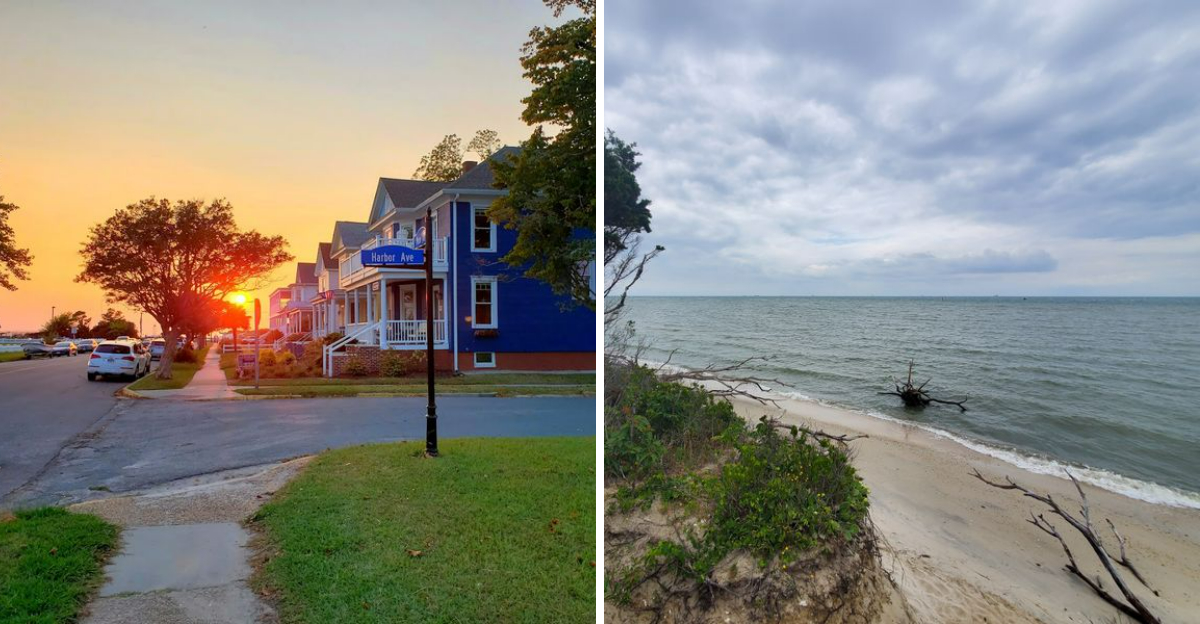
I once drove to a weekend I never planned. Just got in the car and headed toward water.
I had no idea I was about to fall for a town that taught me to slow down. Virginia has more faces than most visitors ever see, and this one, tucked quietly on the Eastern Shore, is among the most beautiful.
Nineteenth-century homes, empty beaches, sunsets that refuse to end. Nobody pushes, nobody rushes.
The silence here is not emptiness. It has weight.
And the longer you stay, the less you want to leave.
A Calm Public Beach Just Steps From Town
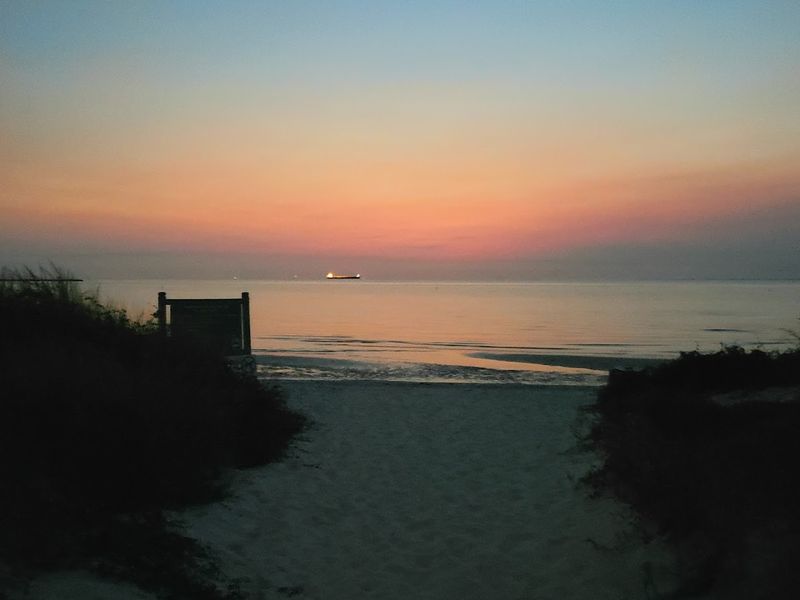
Most beaches charge you just to exist near them. Cape Charles gives you a full stretch of calm Chesapeake Bay sand and asks for nothing in return.
This is one of the most appealing free public beaches in this part of Virginia, and almost nobody knows it. The water is shallow and warm, the bay side stays calm, with shallow, easy water.
Families, solo travelers, couples, everyone finds their space without feeling crowded.
The location is almost unfairly convenient. Walk five minutes from the main street and you are there.
No shuttle, no parking drama, no entry fee. Just sand under your feet.
Sunsets here are the kind that stop conversations. The sky goes orange and pink over the water, and there is no crowd fighting for the view.
Early mornings are even better. The bay is glassy, the light is soft, and the whole place feels like it belongs to you alone.
No loud music. No resort looming over the shoreline.
No one trying to sell you anything. Just open sky, calm water, and the occasional sound of a boat in the distance.
It is free. It is beautiful.
Come here first.
Kiptopeke State Park And Its Surprisingly Wild Side
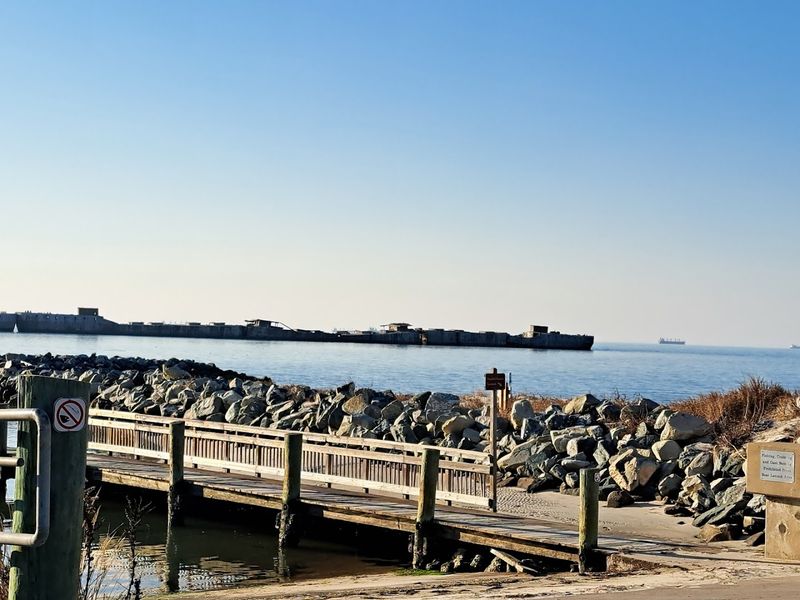
Most state parks give you a trail and a parking lot. Kiptopeke gives you hiking, fishing, swimming, camping, excellent birdwatching, and sunken World War II ships sitting just offshore.
Not bad for a place most people have never heard of.
The park covers over 560 acres along the Chesapeake Bay, and the variety of what you can do here is genuinely impressive for its size. Trails pass through maritime forest, wetlands, and open meadows.
A public fishing pier stretches out into the bay. No boat, no experience required.
Just show up and cast a line.
The birdwatching is the real headline. During fall migration, hawks, falcons, and songbirds funnel down the peninsula in numbers that stop people mid-sentence.
The hawk observatory has been counting raptors since 1977, and peak days can be staggering even for people who have seen it before.
Then there are the ships. Concrete hulls from World War II were deliberately sunk just offshore to form a breakwater.
You can see them from the shore. It gives the park an unexpected, almost eerie quality that is hard to forget.
Camping here means falling asleep to the sound of the bay. That alone is worth the trip.
A Small-Town Downtown That Still Feels Alive
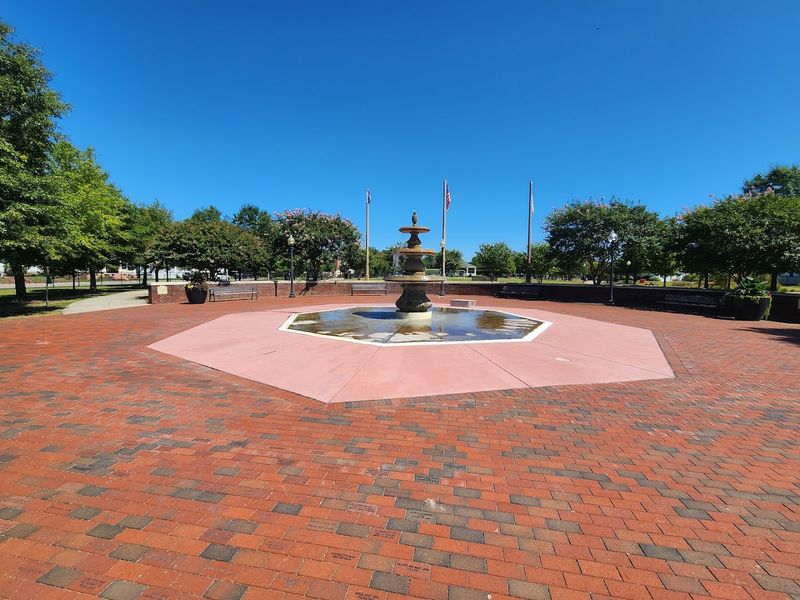
Most small town main streets feel like they are quietly waiting to close forever. Mason Avenue in Cape Charles is the opposite.
It pulls you in and keeps you longer than you planned.
The downtown is compact, walkable, and full of personality. Victorian buildings line the streets, beautifully preserved and home to independent shops, art galleries, and restaurants that exist for the community as much as for visitors.
Nothing feels manufactured. The town has its own taste, and the shops reflect that honestly.
Mason Avenue runs straight toward the bay, so the water is never far from your mind even when you are browsing an antique store or sitting in a coffee shop. That connection to the water gives the whole area a quiet nautical pull that is hard to explain but easy to feel.
The food is solid and unfussy. Seafood is well represented, and the quality of what comes off local boats is consistently good.
Coffee shops are worth lingering in. Nothing is overpriced or trying too hard.
Walk it on a quiet Tuesday afternoon in the off-season and it still feels alive. Real people, real businesses, real town.
That is rarer than it should be, and it is one of the best things about Cape Charles.
The Chesapeake Bay Bridge-Tunnel Connection
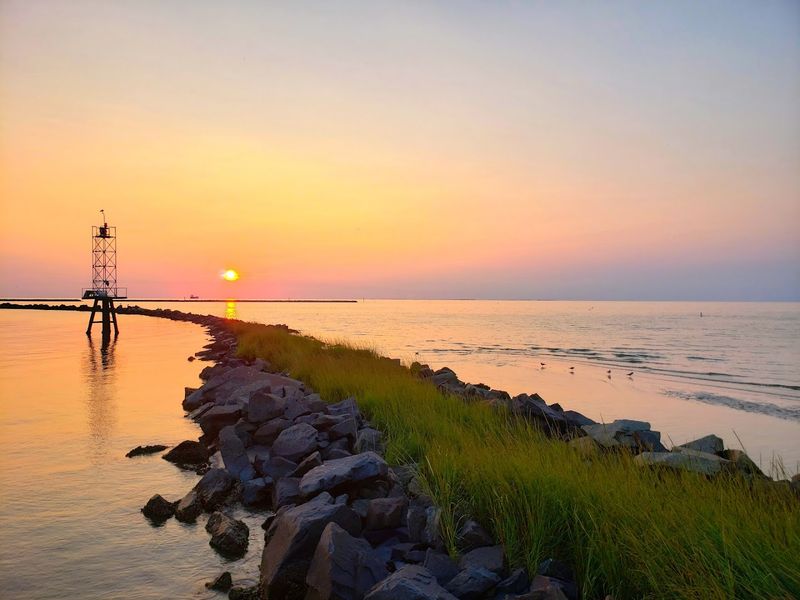
The drive to Cape Charles is not just a drive. It is 17.6 miles of open water, sky in every direction, and one of the most memorable road crossings on the East Coast.
The Chesapeake Bay Bridge-Tunnel connects Virginia Beach to the Eastern Shore by alternating between high bridges and tunnels that dip beneath the shipping channels. You descend into the water and emerge back into daylight on the other side.
It is oddly thrilling every single time, even if you have done it before.
The toll is not cheap, but the views alone justify it. Cargo ships move through the channel far below.
The bay stretches out in every direction. Stopping at the rest area near the tunnel sections to stand outside and take in the scale of it is worth the extra few minutes.
Once you cross and head north through the Eastern Shore, the pace drops immediately. Fields stretch out on both sides of the road.
Farmstands appear along the highway. By the time you roll into Cape Charles, the transition feels complete.
The crossing does something to you before you even arrive. It signals that you are somewhere different now.
Cape Charles picks up exactly where the bridge-tunnel leaves off.
Local Seafood That Keeps Things Simple
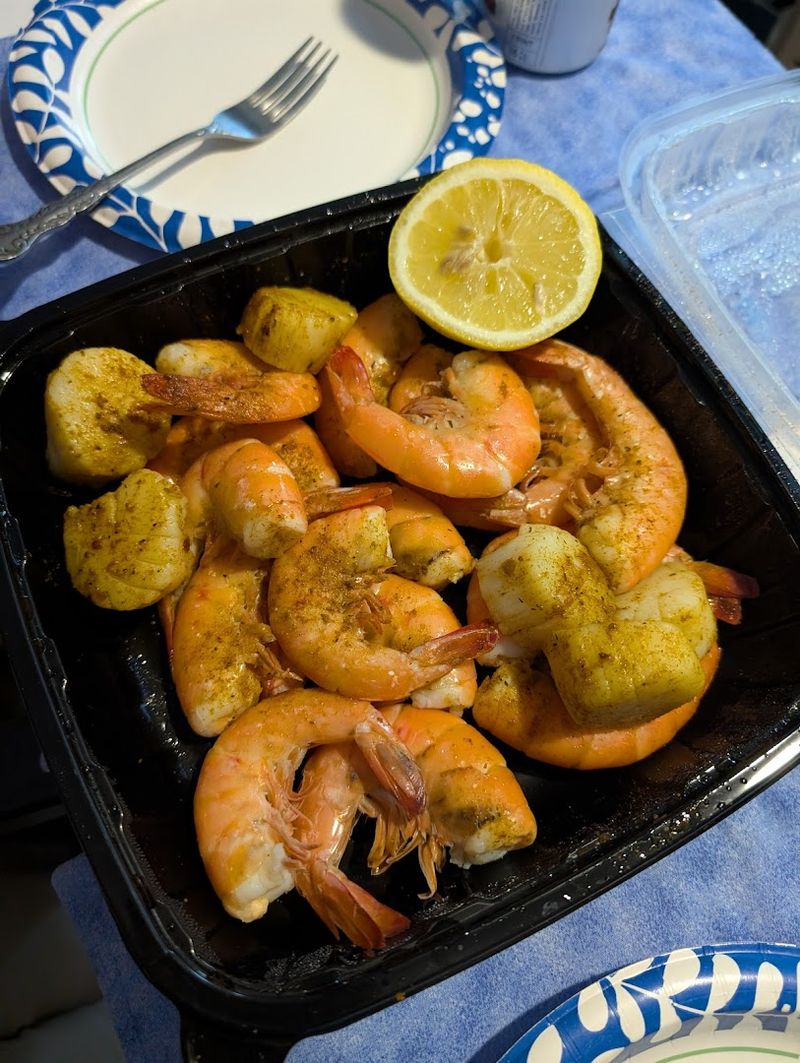
There is a version of seafood you eat because it is on the menu. Then there is the version you eat within sight of the water it came from.
Cape Charles is firmly in the second category.
The Chesapeake Bay has a long-standing reputation for its seafood, and the difference between something caught that morning and something shipped across the country is noticeable from the first bite. Blue crabs, oysters, clams, flounder, rockfish.
All of it shows up fresh, in season, without fanfare.
Blue crabs are the regional star. Sweet, briny, specific to this place.
Eating them at a table with newspaper spread out and a pile of crabs in front of you is the kind of meal you reference later when you are eating something forgettable.
Eastern Shore oysters have quietly built a serious reputation among people who care about these things. Clean water, mineral flavor, genuinely worth planning around.
Most places keep things simple and focused on the food. The town is too small and too genuine for that.
Good food, served by people who care, in spaces that feel real. No theatrics required.
The best thing on any menu here is usually whatever came off a boat most recently. Order that.
Birdwatching On The Eastern Shore Flyway
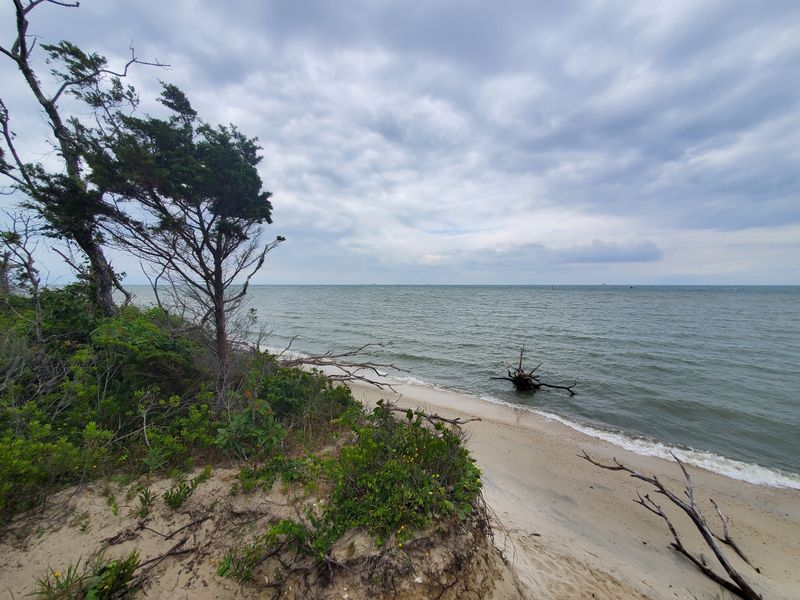
Every fall, thousands of hawks, falcons, and eagles funnel down the tip of the Delmarva Peninsula before crossing the Chesapeake Bay. Most people drive right past it without knowing.
The ones who stop remember it for years.
Cape Charles sits at a geographic pinch point where migratory birds concentrate in numbers that are hard to believe until you see them yourself.
The hawk watch platform at Kiptopeke State Park has been counting raptors since 1977, and peak days in September and October can bring thousands of birds overhead in just a few hours.
You do not need to be a birder to be impressed. When hundreds of broad-winged hawks spiral up in a thermal column and then stream south in a long flowing line, it is visually spectacular regardless of whether you know what you are looking at.
The scale alone is remarkable.
Shorebirds work the beaches and mudflats. Warblers and songbirds move through in spring.
The Eastern Shore of Virginia National Wildlife Refuge, just outside town, protects more than 1,400 acres of habitat and has trails and observation platforms open to visitors year round.
A basic pair of binoculars is enough. The birds are plentiful enough that you do not have to look hard.
They come to you.
Victorian Architecture Worth Slowing Down For
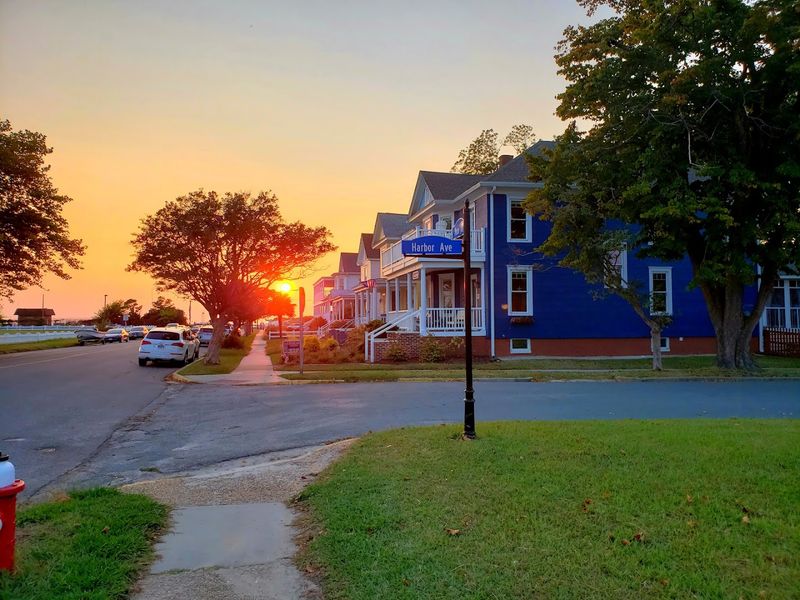
Cape Charles was built in a hurry in the 1880s, thrown up almost overnight as the southern terminus of a major railroad. Somehow, that urgency produced one of the most cohesive collections of Victorian architecture on the East Coast.
Because everything went up in roughly the same era, the streets have a rare visual consistency. Ornate porch railings, decorative gable trim, bay windows, carefully maintained gardens.
Block after block of it, remarkably intact. Walking through the residential streets feels like the calendar stopped somewhere around 1900 and nobody complained.
The historic district is listed on the National Register of Historic Places, and the preservation here has been serious and sustained. Nothing has been torn down and replaced with something generic.
The streetscape feels authentic rather than restored, which is a distinction that matters more than it sounds.
There is no admission fee, no guided tour, no schedule. You just walk and look, and the houses reward your attention at every block.
Several bed and breakfasts occupy these historic homes, so you can actually sleep inside the architecture rather than just admire it from the sidewalk. These are not museum exhibits.
People live here, tend these gardens, and sit on these porches. That lived-in quality is what makes it genuinely worth slowing down for.
Kayaking And Paddleboarding On Calm Bay Waters
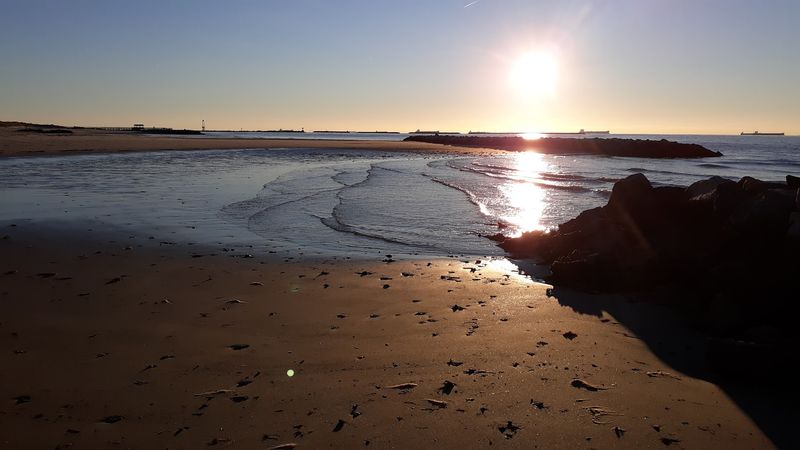
The Chesapeake Bay on a calm morning is about as close to a perfect paddling environment as you will find on the East Coast. No serious surf, no punishing currents.
Just open water and a horizon that goes on forever.
Launching from the town beach puts you directly onto the bay in minutes. The Eastern Shore is flat and wide, so the views from the water feel genuinely expansive.
Paddling north or south along the shoreline takes you past marshes, sandy points, and stretches of undeveloped coast that look largely unchanged from a century ago.
Wildlife shows up without warning. Great blue herons stand motionless in the shallows.
Osprey fold their wings and drop into the water for fish. Bottlenose dolphins appear occasionally, and encountering them from a kayak at water level is something you do not forget quickly.
Rentals are available locally, so you do not need to bring your own gear. Guided tours are an option for people who want context about the bay ecology while they paddle.
Evening paddles are worth staying for. The light turns the water a warm copper color as the sun drops, the wind dies down, and the whole bay goes quiet.
It is a genuinely beautiful way to end a day here.
Why Cape Charles Still Feels Like A Real Town
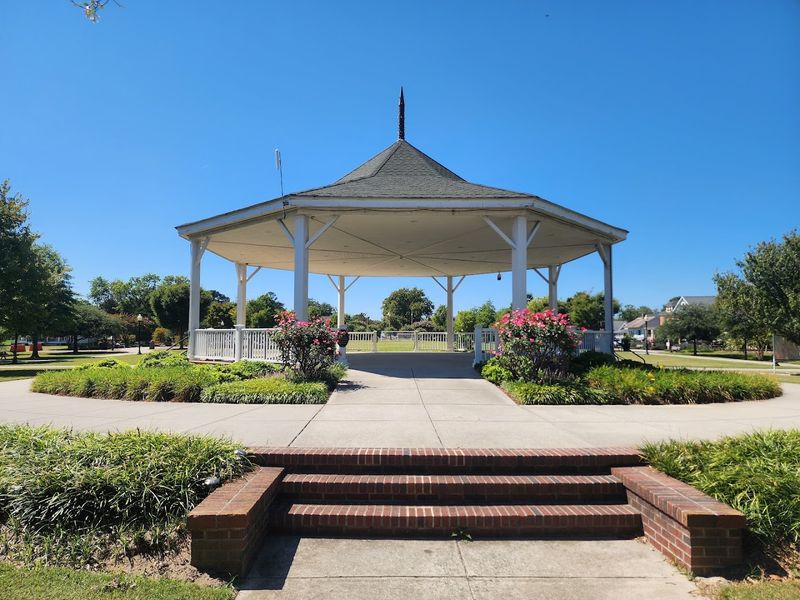
There is a version of every coastal town that has been hollowed out and refilled with souvenir shops and overpriced brunch spots. Cape Charles is not that version, and the difference is immediately obvious.
The population is just over 1,100 people. This is not a resort town built around visitors.
It is a real community where people live, work, and take care of each other. Visitors are welcome, but they are guests rather than the entire point.
The pace takes a little adjustment if you are coming from a city. Things open a bit later.
Conversations take longer. Nobody is in a hurry, and nobody expects you to be either.
Within half a day, most people stop fighting it and start enjoying it.
The harbor has a working quality that keeps the town grounded. Fishing boats come and go.
The smell of salt water and diesel is part of the atmosphere. That economic life predates tourism and exists independently of it, and you can feel that when you walk around.
People say hello on the street. Shop owners have actual conversations with you.
That kind of genuine human interaction is something travel promises constantly and delivers rarely.
Cape Charles will not be a secret forever. Right now, it still is.