This Re-Created 1611 Virginia Pioneer Village Is Free To Explore And Few People Know It Exists
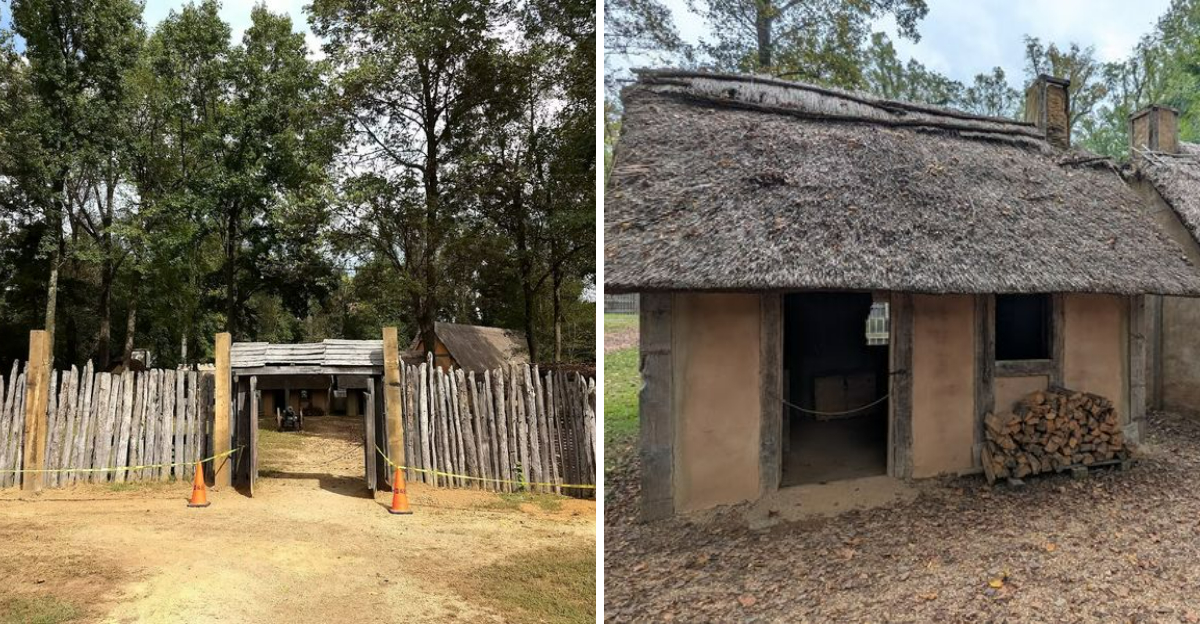
Virginia has been keeping a secret, and most people drive right past it without a second glance. There is a road sign near Chester that reads Citie of Henricus, and for years locals ignored it too.
Then someone turned off the highway. What they found was a fully re-created 1611 English pioneer village, preserved, staffed, and open to visitors.
No crowds, no long lines, no admission fee. Just history you can actually walk through and touch.
The kind of place that makes you feel like you stumbled onto something most people will never see. Virginia is full of history, but this one sits quietly off the main road and asks nothing of you except your curiosity.
If you have ever wanted to understand what life looked like over four hundred years ago, this is where that answer lives.
The Second English Settlement In America You Never Learned About
History class skipped this one entirely, and honestly, that feels like a crime. Most Americans know Jamestown, but the second successful English settlement in the New World barely gets a footnote.
Founded in 1611 by Sir Thomas Dale, the Citie of Henricus was established just four years after Jamestown. It was meant to become Virginia’s new capital city.
The original site sat along the James River and was considered more livable and more promising than Jamestown.
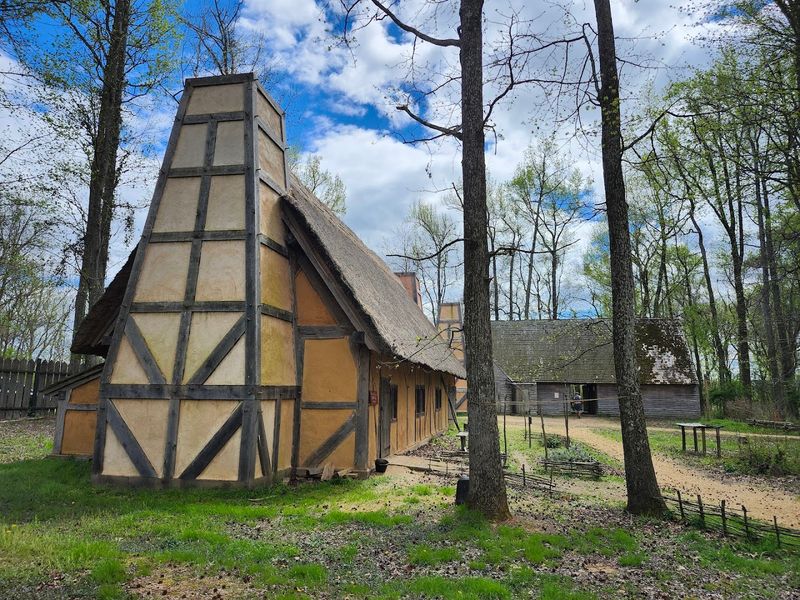
Today, that story is brought back to life at Henricus Historical Park, located at 251 Henricus Park Rd, Chester, VA 23836. The park re-creates the original settlement with 14 colonial structures built to reflect 17th-century construction.
Walking through it feels like flipping to a page in history that someone forgot to include in the textbook.
The park holds over 400 years of layered history, touching on English settlers and Virginia Native peoples. Admission is completely free year-round.
That combination of depth, detail, and zero cost makes this one of the most underrated historical sites in the entire state.
Fourteen Re-Created Colonial Structures That Actually Look The Part
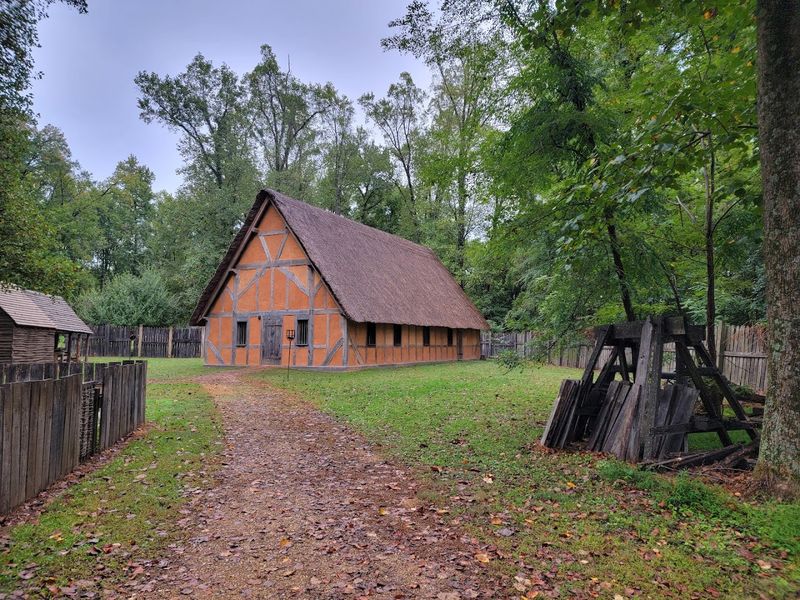
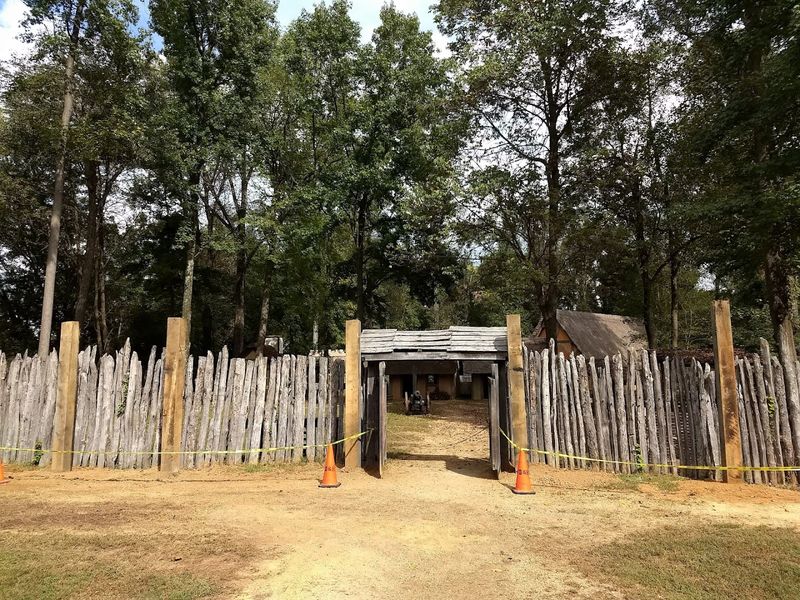
Some historical reconstructions feel like movie sets with nothing behind the walls. This place is different, and you notice it the moment you step through the fort entrance.
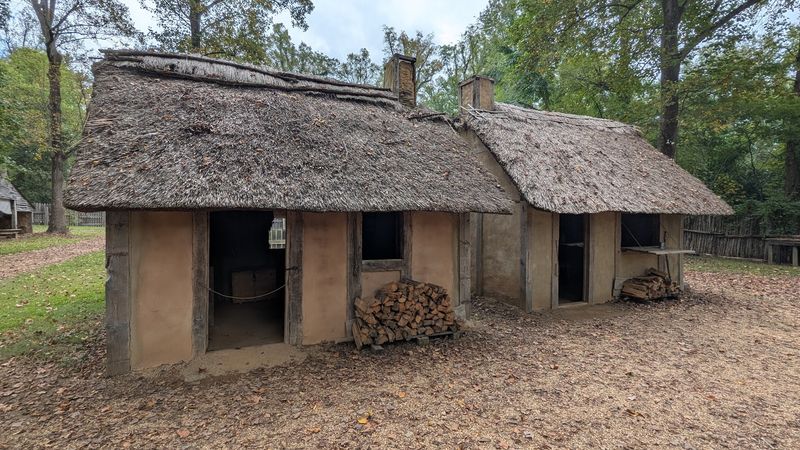
There are 14 re-created colonial structures spread across the grounds. Each one was built using period-appropriate methods and materials.
The church is especially striking, described by visitors as both simple and beautiful, with a quiet dignity that feels completely authentic.
The parsonage and hospital are also standout buildings. They give real context to daily life in the 1600s, showing how settlers prayed, healed, and survived in a landscape that was completely foreign to them.
Every structure has a specific purpose and story attached to it. Nothing feels like filler.
The attention to detail across the whole site is genuinely impressive, from the timber framing to the thatched roofing techniques used on several buildings.
Visitors are encouraged to step inside, look around, and ask questions. The self-guided format means you move at your own pace.
Spend five minutes in one building or thirty, the choice is entirely yours. That kind of freedom makes the experience feel personal rather than rushed.
The Real Story Of Pocahontas Happened Right Here
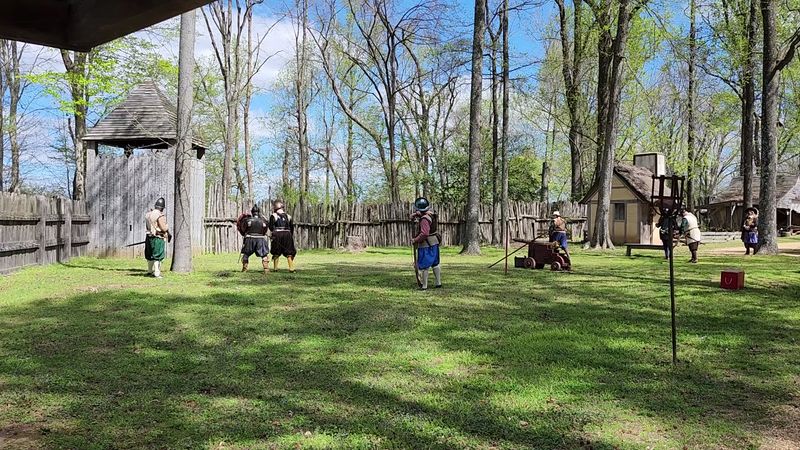
Forget everything the animated movie taught you. The actual history of Pocahontas is far more complex, and a significant chapter of it unfolded at this very site.
Pocahontas was brought to Henricus after being captured in 1613. During her time here, she was baptized and given the English name Rebecca.
This was a pivotal moment in early colonial history, one that eventually led to her marriage to John Rolfe and a temporary peace between the English settlers and the Powhatan Confederacy.
The park interprets this story with care and historical accuracy. The interpreters discuss her presence at Henricus in context, acknowledging both the English and Native perspectives without glossing over the complexities involved.
For anyone who grew up with a simplified version of this story, hearing the fuller picture here is genuinely eye-opening. It reframes what you thought you knew and replaces it with something far more human and far more interesting.
This connection to Pocahontas alone makes the park worth visiting. It is one of the few places in the country where you can stand on ground that directly intersects with her actual documented history.
That is remarkable, and it deserves far more recognition than it currently gets.
The Virginia Indian Village Of Arrohateck Is Part Of The Experience
Colonial history told from only one perspective is incomplete history. This park understands that, and it shows in how the grounds are laid out.
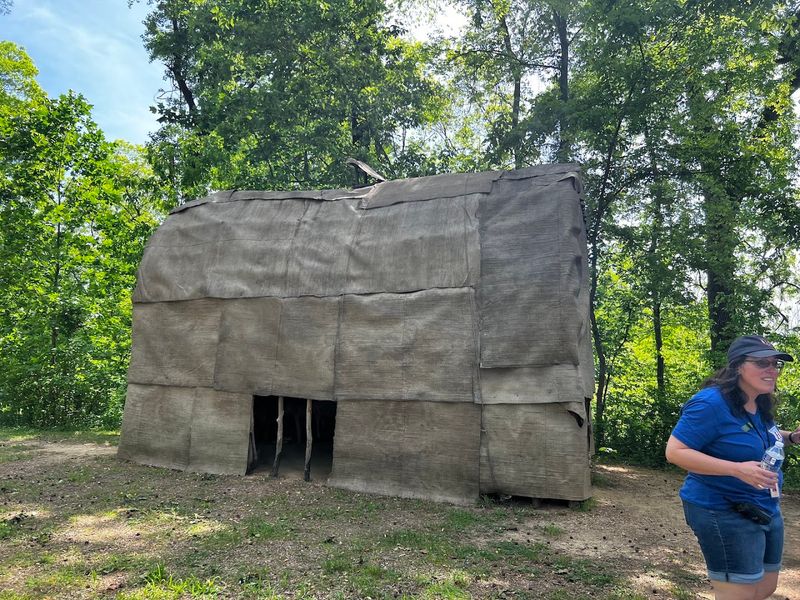
Alongside the English fort village, the park also re-creates the Virginia Indian town of Arrohateck. This addition gives the site a dual perspective that most colonial museums simply do not offer.
You see both sides of the same historical moment, and that changes how the whole story lands.
The Arrohateck representation includes traditional structures and educational displays about how the Powhatan people lived, hunted, made fire, and built their boats. Visitors who came with school groups have noted that kids learned more here than at any other colonial site they visited.
The interpreters who cover this section bring the same depth and passion as those in the English village. Questions about Native culture, tools, and daily life are welcomed and answered thoroughly.
Nothing feels rushed or surface-level.
Experiencing both villages in a single visit creates a more honest picture of early American history. It is the kind of balanced storytelling that sticks with you long after you have driven home.
Few places manage to pull that off as naturally and respectfully as this one does.
Surrounded By 810 Acres Of Protected Conservation Land
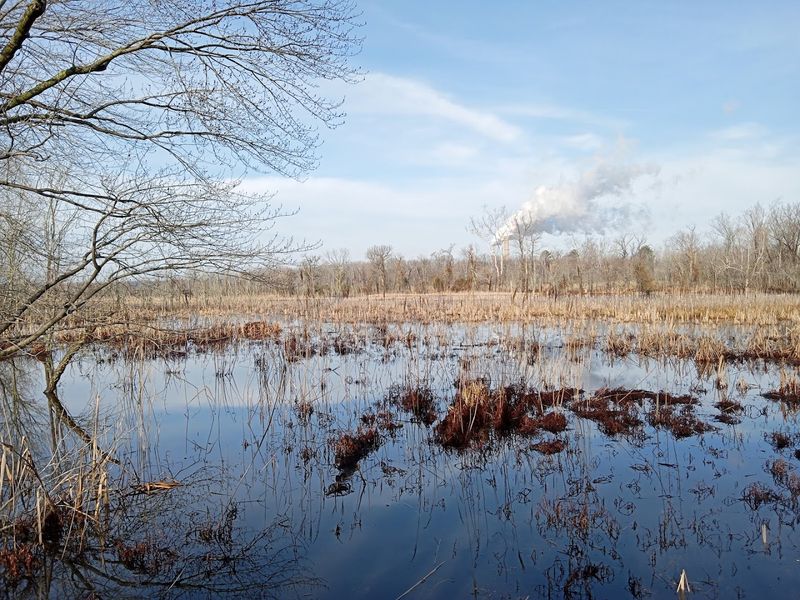
The history inside the park is compelling, but what surrounds it adds a whole other layer to the visit. Step outside the fort walls and you are standing inside an 810-acre conservation area.
The Dutch Gap Conservation Area wraps around the park and offers trails, marshland views, and excellent birding opportunities. The James River runs nearby, and the scenery along the water is genuinely beautiful.
It provides a natural backdrop that makes the whole experience feel grounded and peaceful.
Along the road leading into the park, there is a small pull-off where you can walk along a dock into the marsh. It takes only a few minutes but offers a completely different sensory experience from the colonial village.
The quiet out there is the kind that actually resets your brain.
The combination of historical exploration and outdoor access makes this spot appealing to a wide range of visitors. History lovers, nature walkers, families with kids, and anyone who just needs a slow afternoon outdoors will all find something worthwhile here.
Few historical parks in Virginia come with this kind of natural setting built right in. The conservation area is not just a backdrop.
It is a genuine bonus that extends the value of the visit well beyond the colonial structures themselves.
It Is Completely Free And Open Thursday Through Sunday
Free admission to a fully staffed, immersive historical park sounds too good to be true. It is not.
This place charges nothing at the gate, and that has been the case year-round.
The park is open Thursday through Sunday from 10 a.m. to 5 p.m., with the last entry into the historic site at 4 p.m. It is closed on Chesterfield County holidays, so checking the schedule before you go is a smart move.
Planning around those hours makes the visit much smoother.
A typical self-guided walk through the full site takes two to three hours. Some visitors have stayed four hours or more, especially when the interpreters are in full swing and the conversations get rolling.
There is no pressure to rush through anything.
Picnic tables are available on the grounds, which makes it easy to pack a lunch and turn the visit into a full day out. There is no food available for purchase on-site, so bringing your own snacks is genuinely useful advice.
Restrooms are available near the gift shop and are kept clean.
Free parking is plentiful, which removes the last remaining logistical headache. Everything about the setup is designed to make your visit as easy and enjoyable as possible from start to finish.
Special Events And Seasonal Programs Bring History To Life Even More
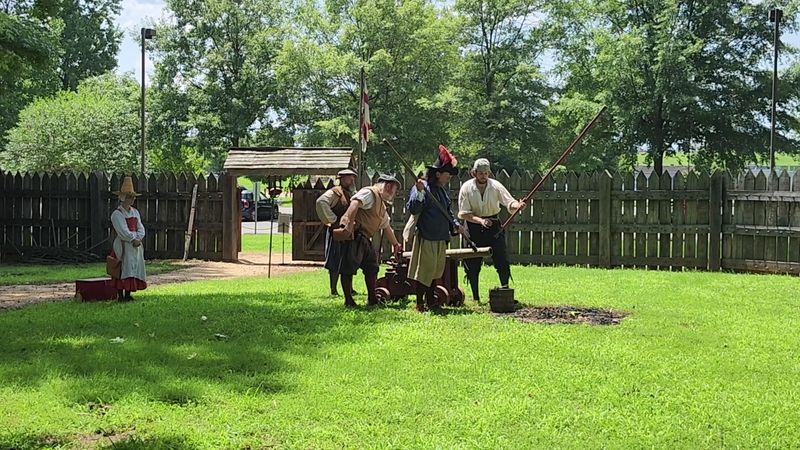
The regular self-guided experience is already excellent, but the seasonal events here make every visit feel a little different. Throughout the year, the park hosts special programs that encourage many visitors to return again and again.
One of the most popular events is Christmas Around the Centuries, a festive program where costumed interpreters showcase holiday traditions from different periods of history. Families have made it an annual tradition, and the combination of history and seasonal celebrations creates a warm, welcoming atmosphere.
Other events feature local food vendors, hands-on demonstrations, and family-friendly activities that bring extra energy to the grounds.
The park’s open-air setting makes it an ideal place for community gatherings while preserving its unique historical character.
Throughout the year, visitors can also enjoy additional living-history demonstrations and educational programs that highlight everyday life in early Virginia.
These experiences offer an engaging way to learn more about the people, skills, and traditions that shaped the settlement.
The event calendar changes throughout the year, and visiting during a special program adds even more to an already memorable experience.
A Perfect Day Trip From Richmond That Most Locals Have Not Taken Yet
Richmond sits just a short drive away, and yet most people who live there have never made the trip out here. That gap between proximity and awareness is genuinely baffling once you see what this place offers.
The drive from Richmond takes roughly 20 to 30 minutes depending on where you start. The route passes through some industrial-looking areas before opening up into the conservation landscape surrounding the park.
Do not let the surroundings on the way in throw you off. The destination is worth every mile.
Families with kids have consistently praised this spot for how well it engages younger visitors. The hands-on elements, live animals, interactive demonstrations, and costumed interpreters hold attention in a way that passive museum exhibits simply cannot match.
Children ask questions and actually get real answers here.
History buffs, casual explorers, school groups, and families all leave with something meaningful.
Making this trip once is usually enough to turn you into a regular. The history here is deep, the setting is beautiful, and the price is impossible to beat.