This Remote California Campground Sits 3,000 Feet Up Where Joshua Tree’s Darkest Skies Let The Milky Way Take Over
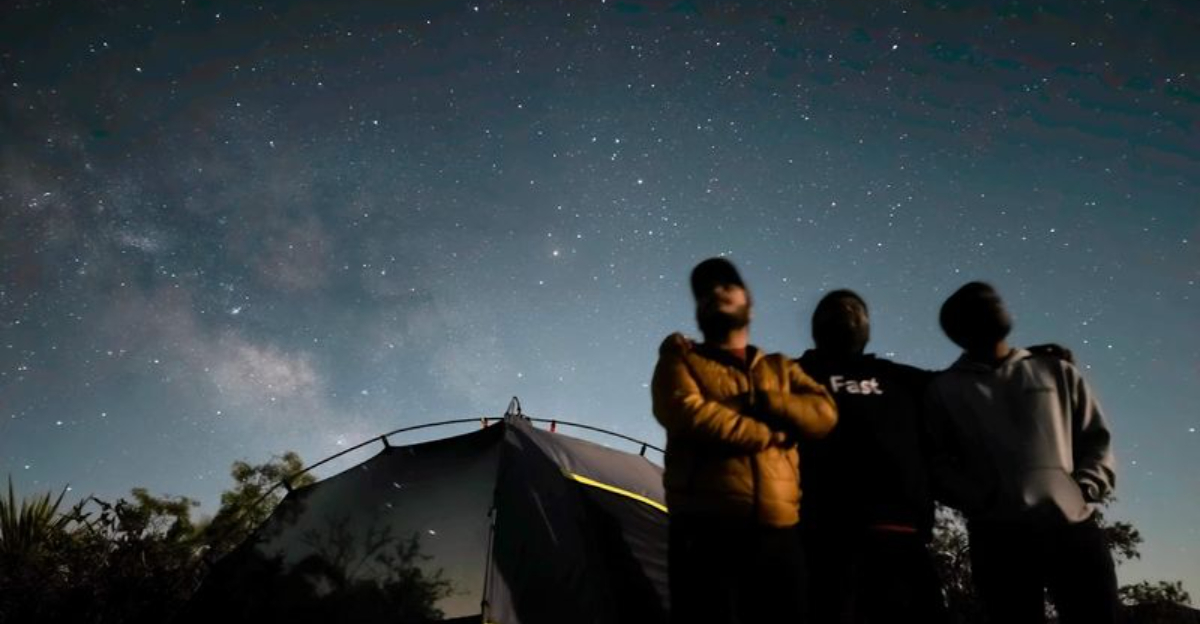
Some campgrounds are mostly about the tent. This one is about what happens after the tent disappears into the dark.
The desert cools down. The noise drops. Flashlights start looking tiny.
Then the sky takes over like it has been waiting all day for everyone to stop paying attention to the ground.
At about 3,000 feet up, this campground gives California’s night sky room to show off.
That is the whole magic here.
There’s no city glow stealing the scene. No crowded skyline.
Just open desert and a night sky that makes people lower their voices without really knowing why.
By day, the campground feels sunny and far from ordinary. After dark, it becomes something else.
The kind of place where stargazing is not an activity you add to the trip. It is the reason the trip suddenly feels unforgettable.
The Milky Way Puts On The Main Show After Dark
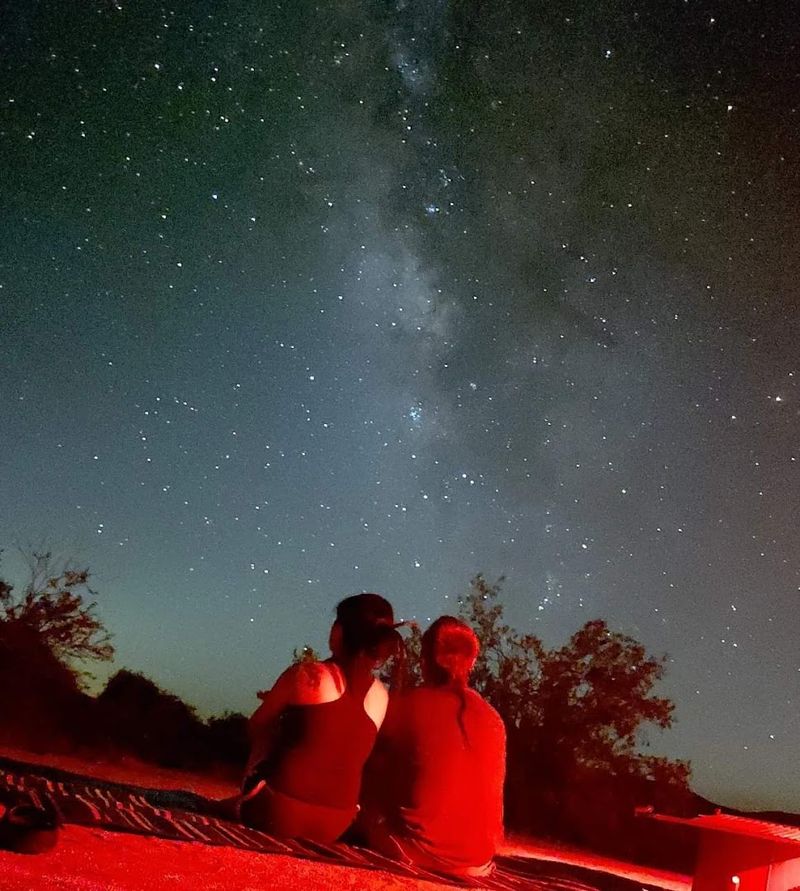
After the last light fades from the western horizon at Cottonwood Campground, something remarkable happens overhead.
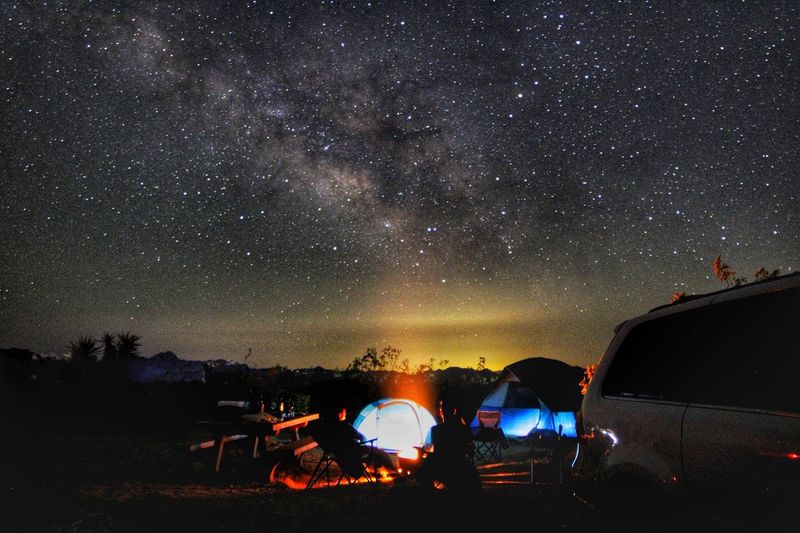
The Milky Way becomes fully visible without binoculars or telescopes, stretching across the sky in a wide, textured band that can genuinely stop a person mid-step.
Joshua Tree National Park holds International Dark Sky Park designation, and Cottonwood benefits from that status more than almost any other campsite in the park.
The campground sits far from major highways and urban centers, which keeps light pollution low enough that even faint star clusters become easy to spot.
On nights with a new moon, the darkness reaches a level that feels almost disorienting at first, especially for anyone used to city or suburban skies.
Bringing a red-light headlamp rather than a white flashlight helps preserve night vision and keeps the experience fully immersive.
Star trails, satellite passes, and occasional meteor streaks are all part of a typical night here.
Campers who stay up past midnight during clear conditions often describe the sky as the most memorable part of the entire trip.
Checking moon phase calendars before booking a site can make a real difference in how dramatic the display turns out to be.
The 3,000-Foot Desert Setting Makes The Nights Feel Bigger
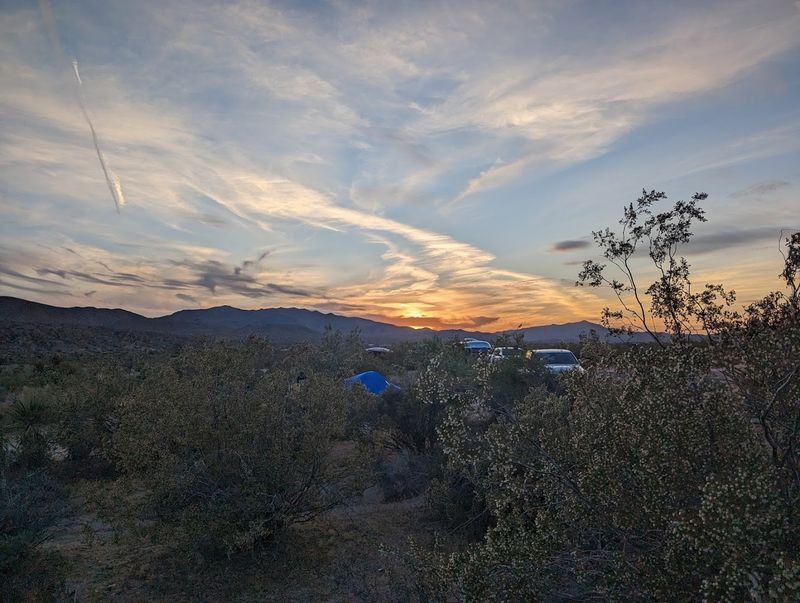
Elevation does something interesting to desert camping.
At 3,000 feet above sea level, Cottonwood Campground sits high enough that temperatures drop noticeably after sundown, making the nights cooler and more comfortable than lower desert areas during much of the year.
The air feels thinner and cleaner, and the horizon stretches in every direction without obstruction.
The surrounding landscape at this elevation consists mainly of creosote bush, ocotillo, and cholla cactus rather than the boulder piles and Joshua trees found further north in the park.
That openness is part of what makes the sky feel so vast here.
Without tall rock formations or dense vegetation blocking the view, the full dome of the night sky stays visible from most campsites.
Temperatures at this elevation can dip into the mid-40s Fahrenheit or lower even during fall and spring visits, so packing an extra layer or a warmer sleeping bag than expected tends to be a smart move.
Wind can also pick up through the open desert terrain, particularly in the evening hours. Planning for those conditions rather than being caught off guard by them makes for a much more enjoyable stay overall.
Cottonwood Has Joshua Tree’s Darkest Campground Skies
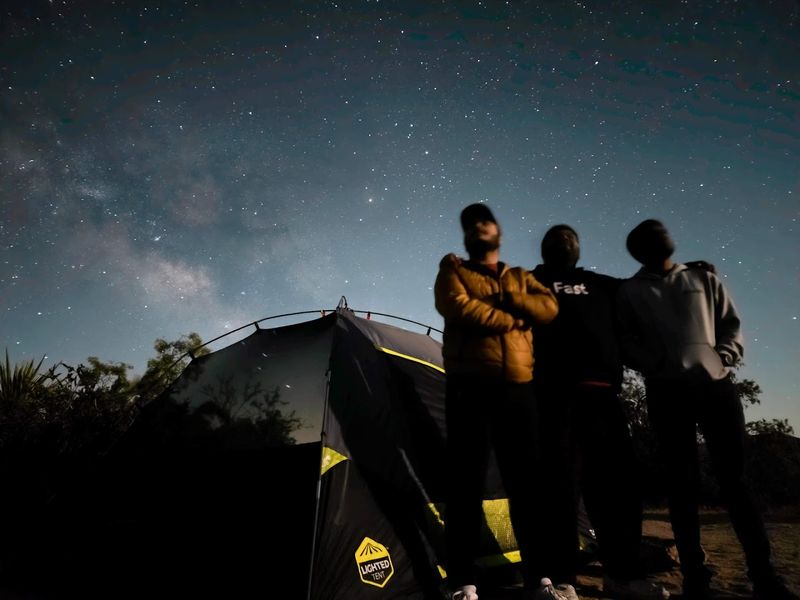
Among all the campgrounds inside Joshua Tree National Park, Cottonwood consistently stands out as one of the darkest.
Its location in the southern Colorado Desert section of the park places it farther from the towns and roads that introduce light pollution into the northern areas.
That geographic separation makes a measurable difference in sky quality on clear nights.
The Colorado Desert ecosystem surrounding Cottonwood is lower and drier than the Mojave Desert environment further north, but the elevation and open terrain combine to give stargazers an unusually clear and unobstructed view.
Even during a full moon, multiple visitors have reported seeing the Milky Way clearly with the naked eye, which speaks to just how dark the baseline sky conditions are at this location.
Astrophotographers tend to appreciate Cottonwood for that reason, setting up cameras on tripods while others simply lie back on sleeping pads and watch the sky shift overhead.
No special equipment is required to enjoy the experience, though a basic star map app used in red-light mode can add helpful context.
Arriving before full dark and letting eyes adjust naturally for at least 20 minutes makes a noticeable difference in what becomes visible.
The Remote Southern Location Keeps The Crowds Feeling Far Away
Getting to Cottonwood Campground requires entering Joshua Tree National Park through the southern Cottonwood entrance rather than the more popular north or west gates.
That alone filters out a significant portion of casual day visitors who tend to stick to the northern attractions. The result is a campground that feels genuinely quieter and more spacious than its 62 sites might suggest.
Most of the park’s famous boulder formations, arch features, and high-traffic viewpoints sit 20 to 30 miles north of Cottonwood.
Visitors who want to explore those areas will need to drive deeper into the park, which is very manageable but does require some planning.
For campers whose main goals are stargazing, desert hiking, and unplugged relaxation, that distance from the crowds becomes an advantage rather than a drawback.
Cell service is essentially nonexistent at Cottonwood, which adds to the sense of being properly away from things.
There are no restaurants, stores, or services within easy walking distance, so coming fully stocked with food, water, and supplies is necessary rather than optional.
Reservations are required year-round, and booking well in advance is strongly recommended since sites fill up faster than many people expect for such a remote location.
The Campsites Keep Things Simple In The Best Desert Way
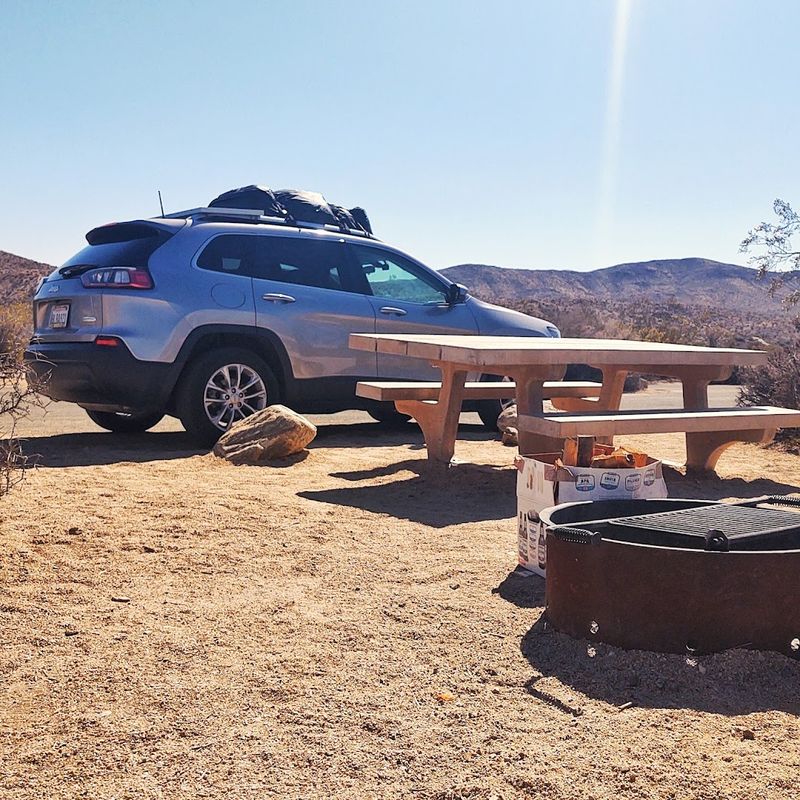
Each of the 62 sites at Cottonwood Campground comes with a picnic table and a fire ring with a built-in cooking grate, which covers the basics without overcomplicating the setup.
The ground tends to be sandy and gravelly in texture, which works well for tent stakes but can require leveling blocks for RVs since many sites are not perfectly flat.
Knowing that ahead of time saves a lot of frustration on arrival.
Unlike most campgrounds in Joshua Tree, Cottonwood offers flush toilets and potable drinking water, which are genuine luxuries in a park where pit toilets and dry camping are the norm at many sites.
There are no showers and no electrical hookups, so the experience stays firmly in the traditional camping category.
Water spigots are located throughout the campground, making it easy to refill bottles before heading out on a hike.
Some sites are sized for tents only while others accommodate RVs, though larger rigs have reported challenges with tight or sloped spots.
Checking site-specific details on the reservation platform before booking helps match the right site to the right setup.
The overall vibe is uncomplicated and grounded, which suits the surrounding desert landscape perfectly.
Cottonwood Spring Adds A Historic Oasis Walk Nearby
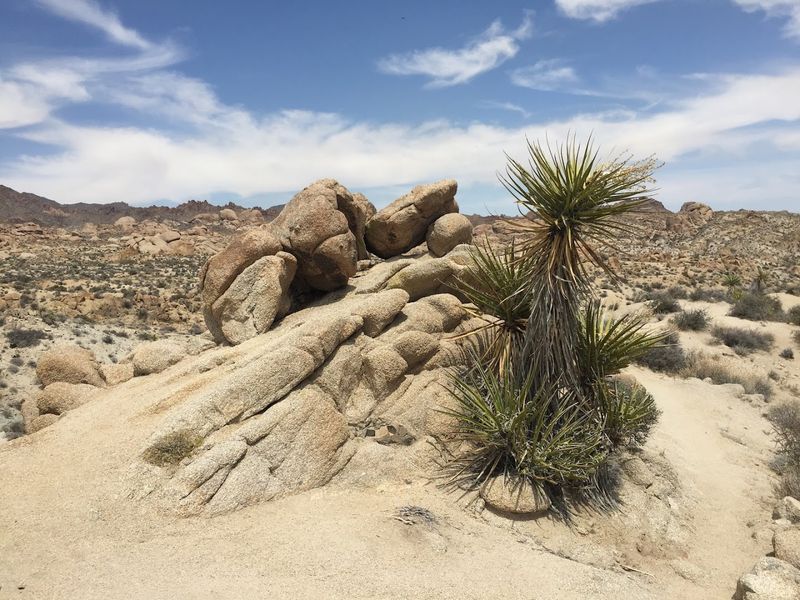
A short walk from the campground leads to Cottonwood Spring, a natural water source that has drawn people to this part of the desert for thousands of years.
The spring supports a small but lush oasis of fan palms and other vegetation that looks almost startlingly green against the surrounding dry landscape.
Birds congregate here in impressive numbers, making it a reliable birdwatching spot during both spring and fall migration seasons.
The spring sits near the Cottonwood Visitor Center, which offers interpretive displays about the area’s natural and cultural history.
The walk from camp to the spring is easy and flat, suitable for most fitness levels, and takes only a few minutes at a relaxed pace.
Early morning visits tend to be particularly rewarding when the light is soft and bird activity is at its highest.
Historically, the spring served as a water stop along desert travel routes and was used by miners and early settlers moving through the region.
That layered history gives the oasis a quiet depth that goes beyond its scenic value.
Spending even a short time at the spring before or after a longer hike adds meaningful context to the broader desert environment that surrounds Cottonwood Campground.
Sunrise Hits Differently When The Desert Is This Quiet
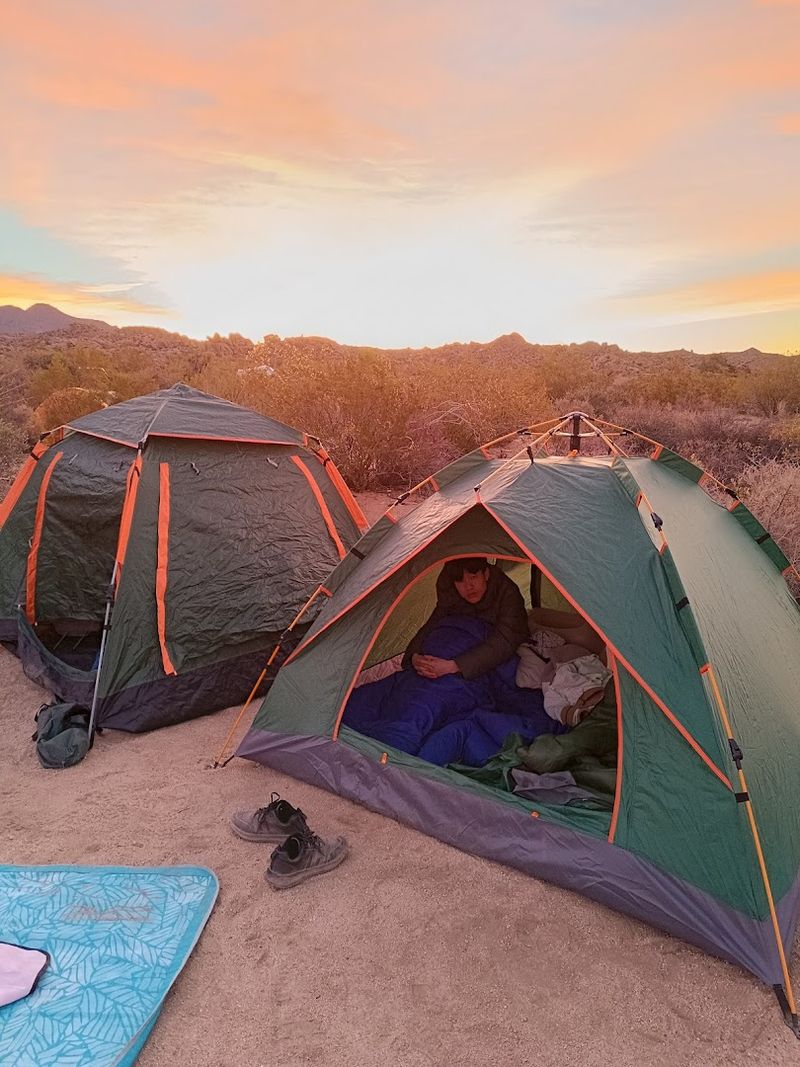
There is a particular quality to desert mornings at Cottonwood that is hard to replicate anywhere else.
The air is cool and still, the light arrives in warm horizontal bands across the open scrubland, and the sounds that fill the silence are almost entirely natural.
No highway noise, no construction sounds, no ambient city hum interrupts the experience.
Waking up before sunrise and stepping outside the tent to watch the sky shift from deep blue to orange to gold is one of those simple camping experiences that tends to stay with people.
The flat terrain around Cottonwood means the sunrise is visible from most sites without needing to hike anywhere first.
A thermos of hot coffee or tea prepared the night before and kept in an insulated container makes the early wake-up feel like a genuine reward rather than a sacrifice.
Morning is also the best time to spot wildlife moving through the campground area, including roadrunners, cactus wrens, and various lizard species that become active as temperatures rise.
The combination of dramatic light, desert quiet, and animal activity in the early hours creates a rhythm to the day that feels restorative in a way that is genuinely difficult to find elsewhere.