This Remote Colorado Mountain Town Is So Underrated Even Most Locals Have Not Heard Of It
You have driven past the exit. You have probably done it more than once, on your way to somewhere with a chairlift and a parking problem.
There is a town up in the Colorado mountains that most road trips skip. It has a main street you can cross end to end in ten minutes.
It has a bar where someone will ask where you are from before your drink arrives. The mountains around it are the kind that make you stop talking mid sentence.
There is no lift ticket line, because there is no lift. What you get instead is quiet, and quiet has become the rarest thing in this state.
Cell service comes and goes, which locals treat as a feature. You will find one good breakfast and eat it twice.
Go before someone builds a boutique hotel. The drive is long, and that is the point.
The Town Built From Famous White Stone
Marble, Colorado sits about 100 miles southwest of Denver as the crow flies, though the drive takes far longer. The town takes its name from the stone under your feet.
The Yule Marble Quarry here supplied stone for the Lincoln Memorial. It also provided the single block used for the Tomb of the Unknown Soldier.
That block weighed over 50 tons when it left the quarry. Moving it down the valley in 1931 was one of the hardest jobs in Colorado’s history.
You would expect a town with that resume to have gift shops and tour buses. Instead you get gravel roads and about 130 year-round residents.
Marble sits at roughly 7,950 feet in the Crystal River Valley. Snow arrives early and stays late, which keeps the crowds thin.
Many Coloradans drive right past the turnoff near Carbondale without knowing what is up there. The road to Marble branches off Highway 133 and climbs east.
Bring your own supplies. Services are limited, and the nearest full grocery store is a solid drive away.
What you gain is silence. Real silence, broken mostly by water and wind through spruce trees.
Crystal Mill, The Most Photographed Building In Colorado
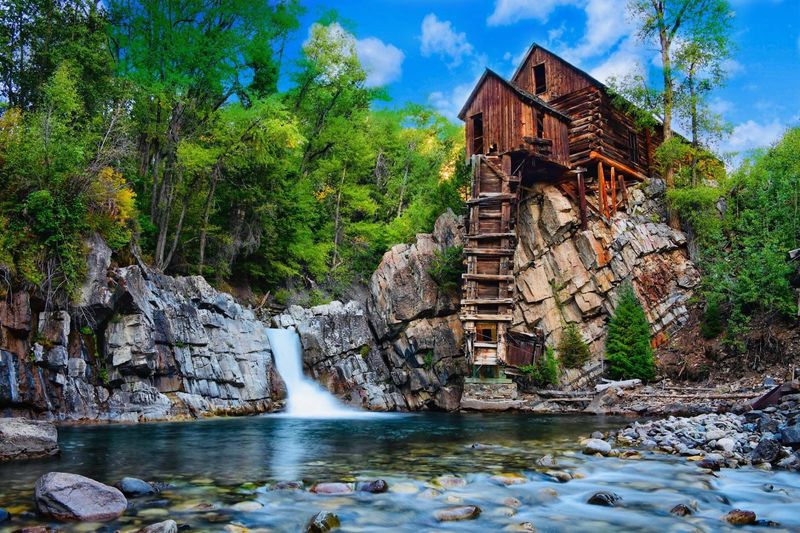
Crystal Mill has appeared on more Colorado calendars than almost any other structure. The weathered wooden building clings to a rock ledge above the Crystal River.
Built in 1893, it was not a mill at all. It housed a water-powered air compressor that ran drills for nearby mines.
The wooden penstock dropped water down to a turbine below. Miners called it the Sheep Mountain Power House.
Getting there is the hard part, and that is exactly why it stays quiet. The road is about six miles of rough four-wheel-drive track from town.
Stock SUVs often struggle. Locals run high-clearance rigs, and guided Jeep tours leave from Marble in summer.
You can also hike or bike it. Plan on a long day and plenty of water, since the elevation climbs steadily.
The mill sits on private land. A small fee is usually collected for access and upkeep, so bring cash.
Late September delivers gold aspens against dark timber. Photographers arrive early for soft light on the boards.
Respect the ropes and do not climb the structure. The wood is over 130 years old and fragile.
A Ghost Town Waiting At The End Of The Road
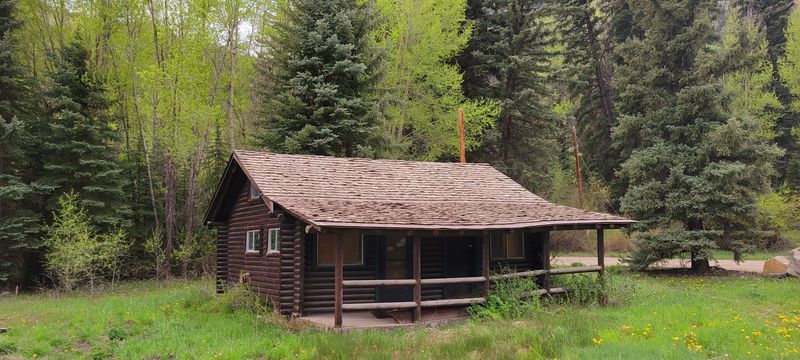
Crystal City sits two miles beyond the famous mill, and hardly anyone continues that far. The reward is a cluster of old cabins in a tight green valley.
Silver drew miners here in the 1880s. At its peak the settlement held several hundred people, a newspaper, and a couple of hotels.
Today a handful of the buildings are privately owned summer cabins. Others lean quietly into the grass.
Snow buries the road for much of the year. The route typically opens in late June and closes with the first heavy storms.
Stay on the road and off porches. People still use these structures, and Colorado ghost towns survive only when visitors behave.
The valley narrows dramatically past Crystal. Steep walls block afternoon sun, so temperatures drop fast even in July.
Ambitious drivers continue toward Schofield Pass. That stretch is genuinely technical and should be left to experienced off-roaders with proper vehicles.
For most travelers, Crystal City makes a fine turnaround point. You get history, wildflowers, and almost no company.
Pack out everything. There are no trash cans anywhere up here.
Beaver Lake Sits Right In The Middle Of Everything
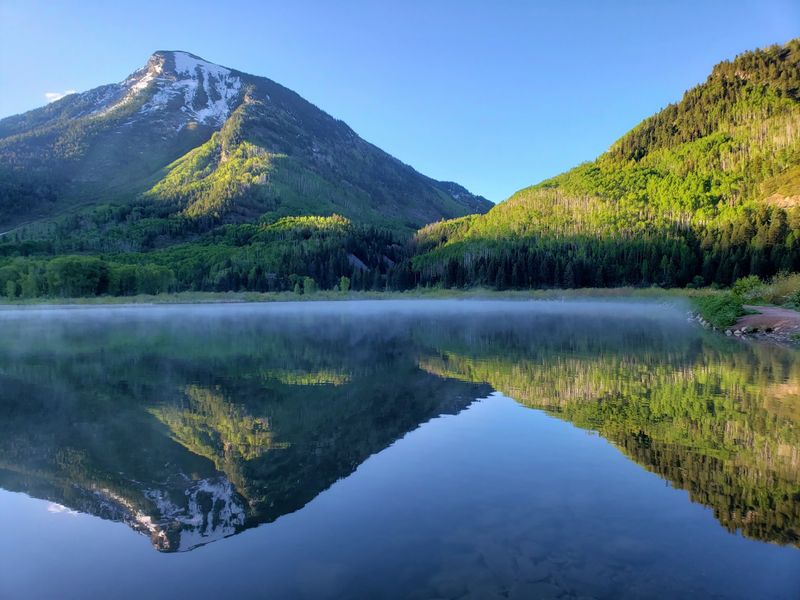
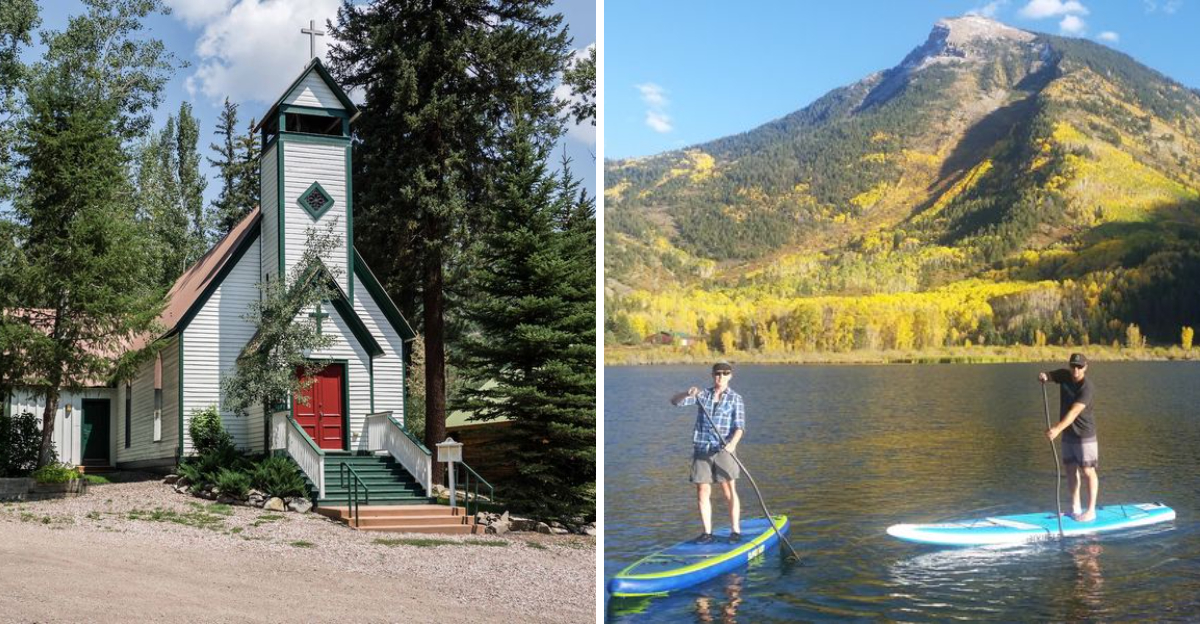
Beaver Lake edges the town of Marble, which means you can walk to it from most cabins. The water reflects the surrounding peaks on still mornings.
Fishing here is popular and low-key. Anglers report rainbow and brook trout, and a Colorado license is required.
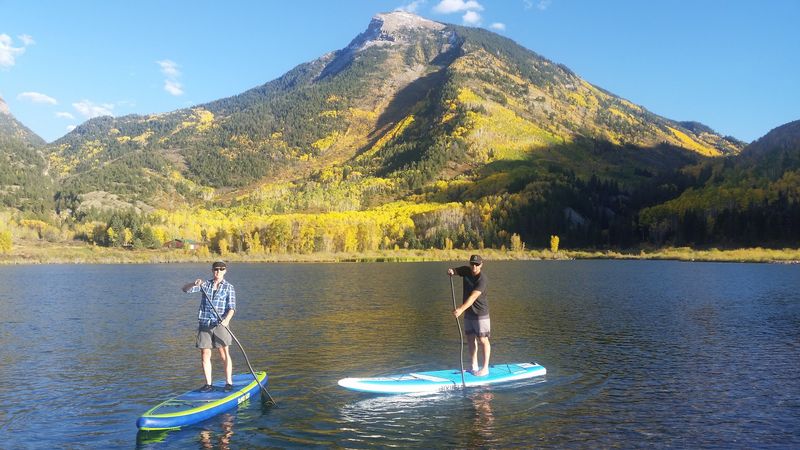
No motorboats disturb the surface. Kayaks, paddleboards, and canoes are the usual traffic.
Picnic tables sit near the shore under tall evergreens. Families spread out without ever feeling crowded.
Mornings bring mist and birdsong. Afternoons often bring quick mountain storms, so check the sky before you settle in.
Water stays cold year-round. Swimming is possible but brief for most people.
Below the lake, the Crystal River runs clear and fast. Fly fishers work the pools along the valley through summer and early fall.
Winter turns the whole basin white and silent. Some visitors bring snowshoes and follow the shoreline.
You will not find rental shops in town. Bring your gear from Carbondale or Glenwood Springs.
The simplicity is the point. A lake, some trout, and mountains that block the rest of the world.
Where Sculptors Come To Chip Away At Stone
Marble hosts one of the country’s more unusual summer gatherings. Sculptors travel here to work with Yule marble at the source.
The Marble Institute of Colorado runs carving programs in town. Students range from beginners to professional artists.
Classes happen outdoors. You may hear chisels and grinders drifting through the trees on a July afternoon.
Yule marble is prized for its brightness and fine grain. Geologists trace it to limestone transformed by heat and pressure deep in the earth.
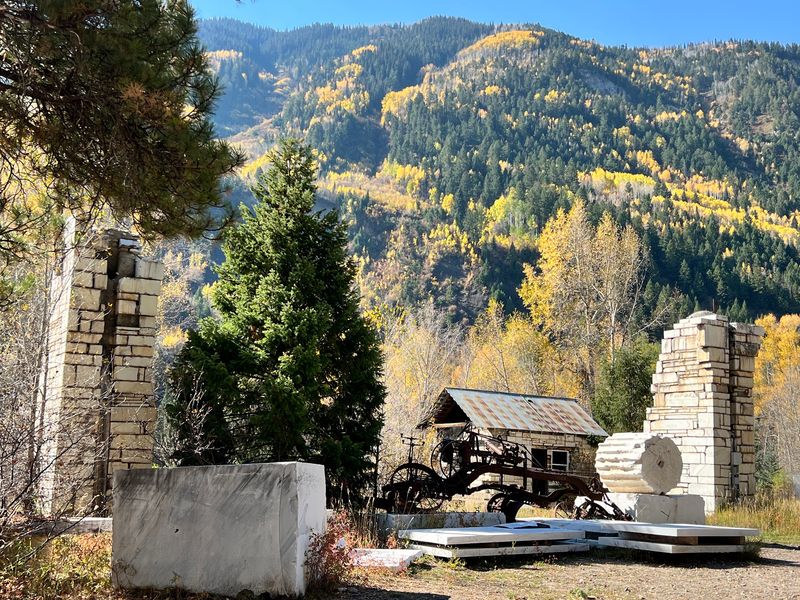
Finished pieces and rough blocks sit around the townsite. Walking the streets feels a bit like touring an open-air studio.
Visitors are usually welcome to watch from a respectful distance. Ask before photographing anyone at work.
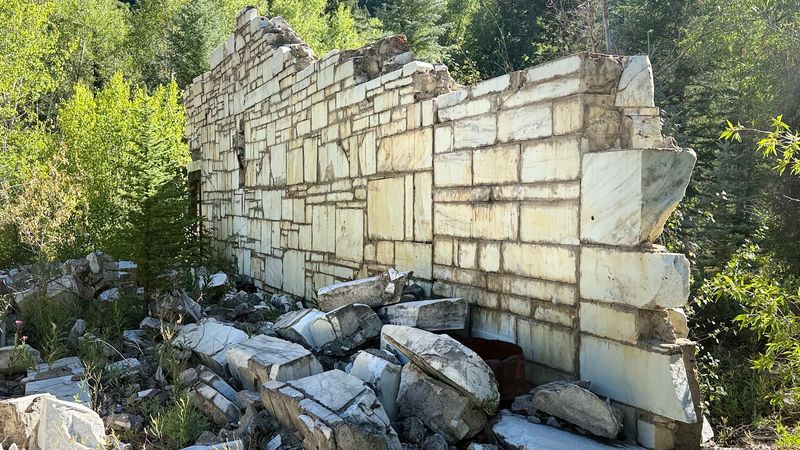
The old mill site south of town holds massive abandoned blocks and ruins. Interpretive signs explain how stone moved down the valley by rail.
Those ruins are photogenic and easy to reach on foot. Wear sturdy shoes, since footing is uneven.
Registration for programs fills early. Check schedules in spring if carving appeals to you.
Even without a chisel, the craft here is worth seeing.
Trails That Climb Into The Maroon Bells Wilderness
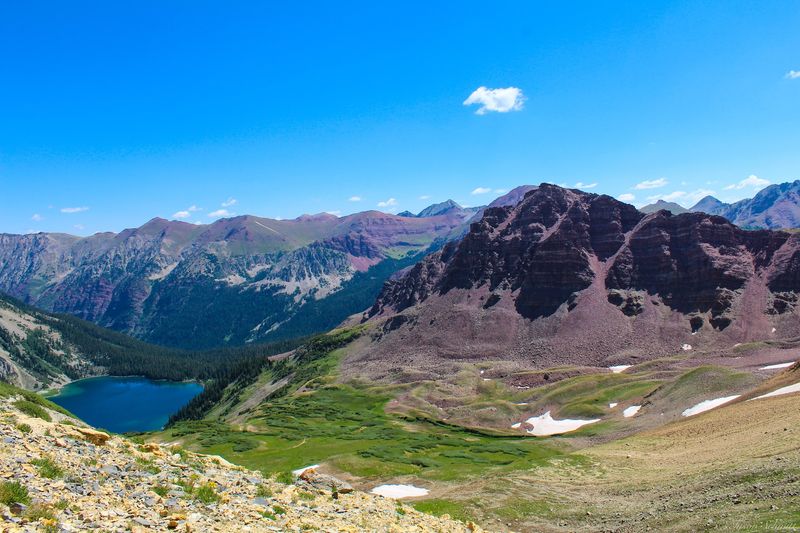
Hikers who know Marble come for its back door into the Maroon Bells-Snowmass Wilderness. The trailheads sit minutes from town, not hours.
Lead King Basin is the local favorite. Wildflowers there peak in mid to late July, filling meadows with color.
The basin loop can be driven by capable four-wheel-drive vehicles. Hiking it is slower and far more pleasant.
Trails climb toward Geneva Lake, Fravert Basin, and the shoulders of high peaks. Elevation gain is serious, so pace yourself.
Altitude matters here. Give yourself a day to adjust before attempting anything long.
Afternoon lightning is a real risk above treeline. Start early and plan to be heading down by noon.
Bears and moose live in this valley. Store food properly and keep distance from any moose you spot near willows.
Cell service is unreliable to nonexistent. Download maps ahead and tell someone your route.
Fall brings aspen gold across the hillsides above town. The color usually peaks in the last week of September.
Compared to Aspen’s crowded trailheads, these paths feel almost private. That contrast is the whole appeal.
Getting There Takes Effort, And That Is The Filter
Marble sits about six miles up County Road 3 from Highway 133. The turnoff is easy to miss if you are not watching.
From Carbondale the drive runs roughly 30 miles. Allow extra time, since the last stretch is slow and winding.
Highway 133 crosses McClure Pass at 8,755 feet. Winter storms can make it slick, and chains are sometimes required.
The road into town is paved but narrow. Watch for cyclists, deer, and oncoming trucks around blind curves.
Once you park, most of Marble is walkable. Beyond that, rough roads demand real four-wheel drive and high clearance.
Rental cars are not built for the Crystal Mill route. Guided tours exist for good reason.
Gas up before you leave the highway. There is no station in town.
Lodging is limited to a few small inns, cabins, and campgrounds. Book well ahead for summer weekends.
Winter access to town remains open, though side roads close. Some visitors come specifically for the quiet.
The effort keeps numbers low. That difficulty is precisely why the place still feels undiscovered.
Small-Town Life With Big Mountain Manners
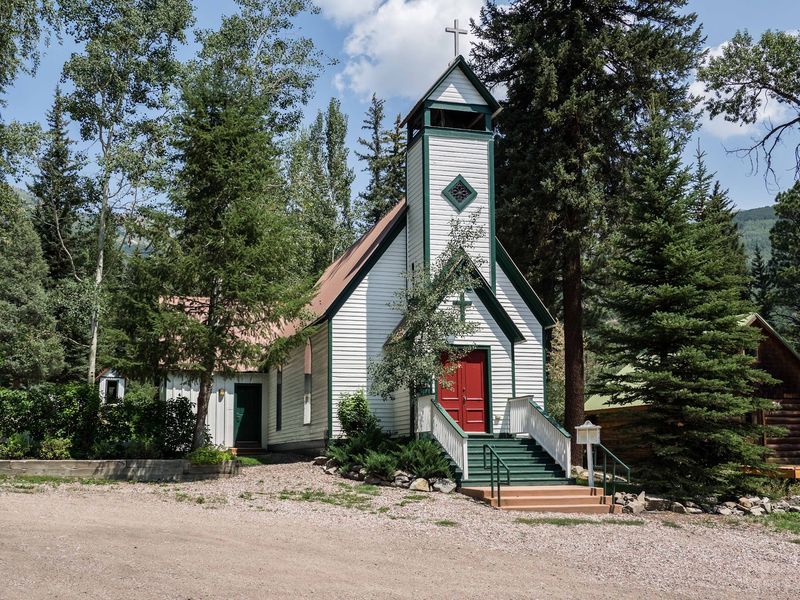
Marble runs on neighborly habits more than commerce. Roughly 130 people live here year-round, and everyone knows the roads.
A small general store operates seasonally. Hours shift, so do not count on it for dinner plans.
Restaurant options are minimal and change with the seasons. Most visitors pack coolers and cook at their lodging.
Locals ask two things of guests. Drive slowly, and keep the noise down.
Dust from speeding vehicles coats homes and gardens all summer. Easing off the gas earns real goodwill.
The town has a marble-themed community feel, with white stone used in odd and charming places. Look for it in walls, benches, and yard art.
Fourth of July draws a modest local celebration. It is homemade rather than staged for tourists.
Trash service is limited, so carry out what you bring in. Restrooms are scarce beyond town.
Fire restrictions are common in dry summers. Check current rules before lighting anything.
Treat Marble like a friend’s living room, not an attraction. Do that, and this quiet corner of Colorado will keep rewarding the few who find it.