This San Francisco Street In California Is So Crooked It Became World Famous
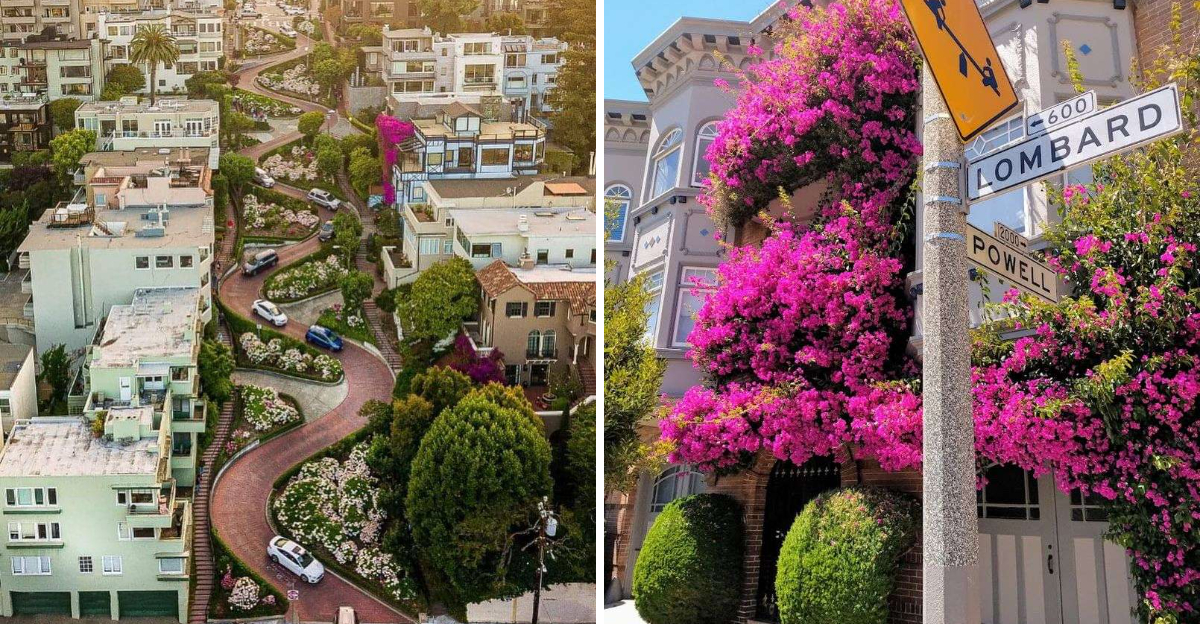
Eight hairpin turns. One impossibly steep hill. And a line of cars waiting just for the chance to crawl down it.
Lombard Street in San Francisco isn’t just another city road – it’s one of the most photographed streets in the world.
What started as a practical solution to a dangerously steep hill turned into a bucket-list stop that draws millions of visitors every year.
From above, the red brick road zigzags in tight curves through manicured gardens bursting with seasonal color. From below, it looks like a rollercoaster frozen in place between elegant homes in Russian Hill.
Drivers inch their way down, gripping the wheel as pedestrians line the sidewalks snapping photos. Tourists hike to the top just to watch the pattern unfold.
The view stretches toward the Bay, the breeze rolls in, and suddenly it feels less like a street and more like a San Francisco rite of passage.
Few places capture California charm and creativity quite like this twisting stretch of pavement.
Whether you walk it, drive it, or simply stand at the bottom taking it all in, Lombard Street delivers exactly what people come for – a quirky, unforgettable piece of the city that refuses to look like anywhere else.
1. The Famous Eight Hairpin Turns
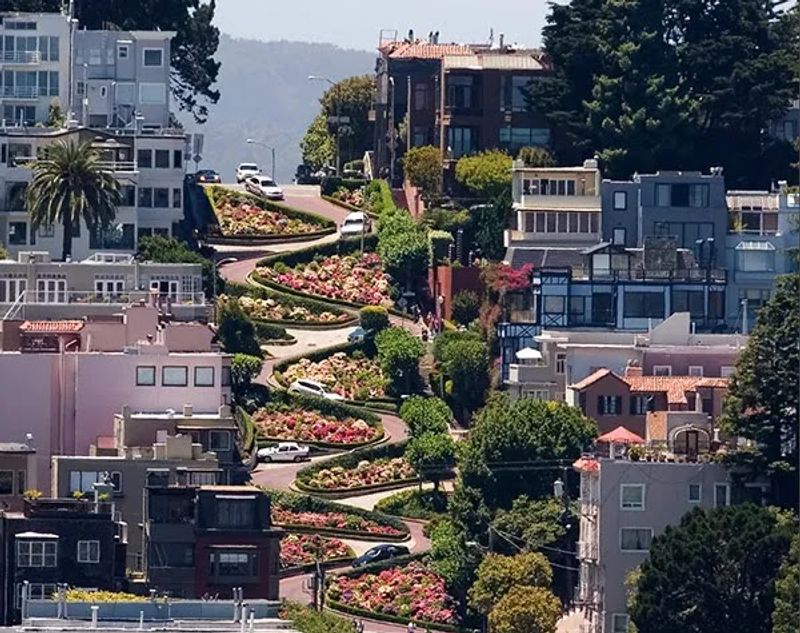
Lombard Street earned its world-famous reputation because of eight consecutive hairpin turns that wind down a single block between Hyde Street and Leavenworth Street.
The turns were added in 1922 when city planners realized the natural 27-percent grade was far too steep for vehicles to navigate safely.
By creating the switchbacks, engineers reduced the slope to a more manageable 16 percent, making the street accessible to cars while also protecting pedestrians.
The one-way street runs downhill only, and drivers must follow a strict 5-mile-per-hour speed limit as they carefully steer through each curve.
Red bricks pave the entire roadway, giving the street a classic and distinctive appearance that photographs beautifully.
Landscaped gardens line both sides of the street, featuring hydrangeas and other flowering plants that bloom throughout most of the year.
The design has become so iconic that it appears in countless movies, television shows, and travel guides.
Visitors can either drive down the street themselves or walk along the staircases on either side to get a closer look at the engineering marvel and enjoy the surrounding views of the city and bay.
2. A Solution To Steep Hills
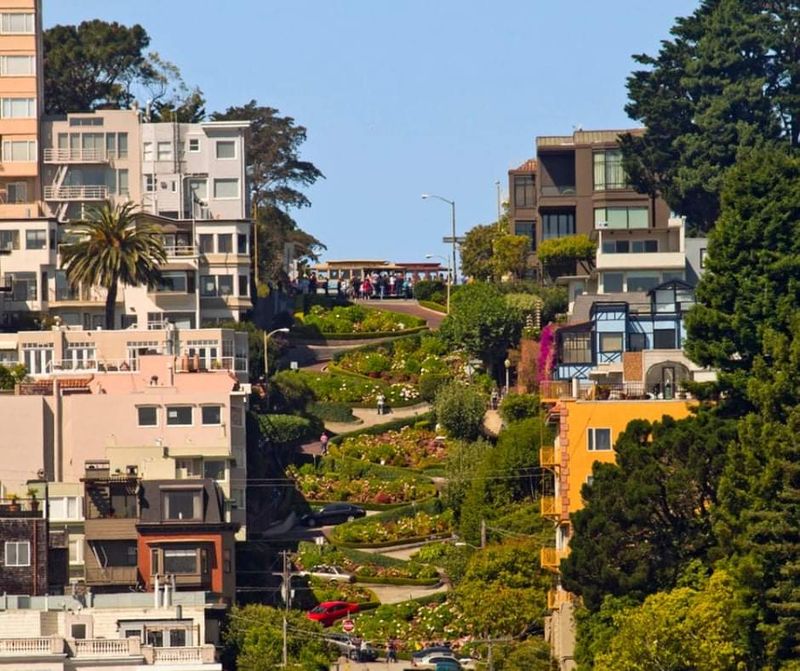
Before 1922, the section of Lombard Street between Hyde and Leavenworth was one of the steepest residential streets in San Francisco.
The natural gradient made it nearly impossible for early automobiles to climb or descend safely, and pedestrians also struggled with the incline.
Property owner Carl Henry came up with the idea to create a series of switchbacks to solve the problem.
His proposal was approved by the city, and construction began to transform the dangerous slope into a winding roadway that would be safer and more practical for everyone.
The switchback design allowed vehicles to travel a longer distance while covering the same vertical drop, effectively reducing the steepness.
This engineering approach has been used in mountain roads around the world, but Lombard Street brought the concept into an urban residential neighborhood.
The transformation proved successful almost immediately, and the street became functional for daily use by residents and visitors alike.
Over time, the unique design attracted more attention, and what started as a practical solution evolved into one of the most photographed streets on the planet, drawing tourists who appreciate both the engineering ingenuity and the visual beauty of the curves.
3. Beautiful Year-Round Gardens
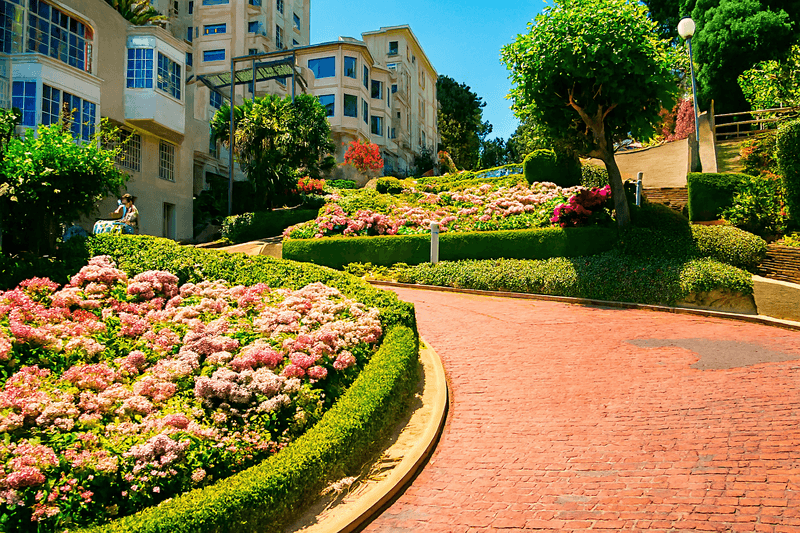
The gardens that line both sides of Lombard Street add charm and color to the already striking design.
Hydrangeas are among the most prominent flowers, and their large blooms create a soft and inviting atmosphere throughout the year.
Local residents and the city work together to maintain the plantings, ensuring that the flowerbeds remain healthy and vibrant.
The mild San Francisco climate allows many plants to bloom nearly year-round, which means visitors can enjoy the greenery and blossoms no matter when they arrive.
The combination of red brick pavement and bright flowers creates a visual contrast that photographers love.
The gardens soften the hard edges of the street and make the space feel more welcoming and less like a typical city road.
Walking along the sidewalks or staircases that flank the street offers a chance to appreciate the landscaping up close.
The scent of flowers and the sight of neatly trimmed shrubs enhance the experience, making it more than just a quirky road but also a peaceful urban garden.
The gardens are believed to serve a practical purpose by helping to stabilize the hillside and prevent erosion.
The roots of the plants could hold the soil in place, which is important given the steep slope and the constant flow of foot and vehicle traffic.
4. A Major Tourist Attraction
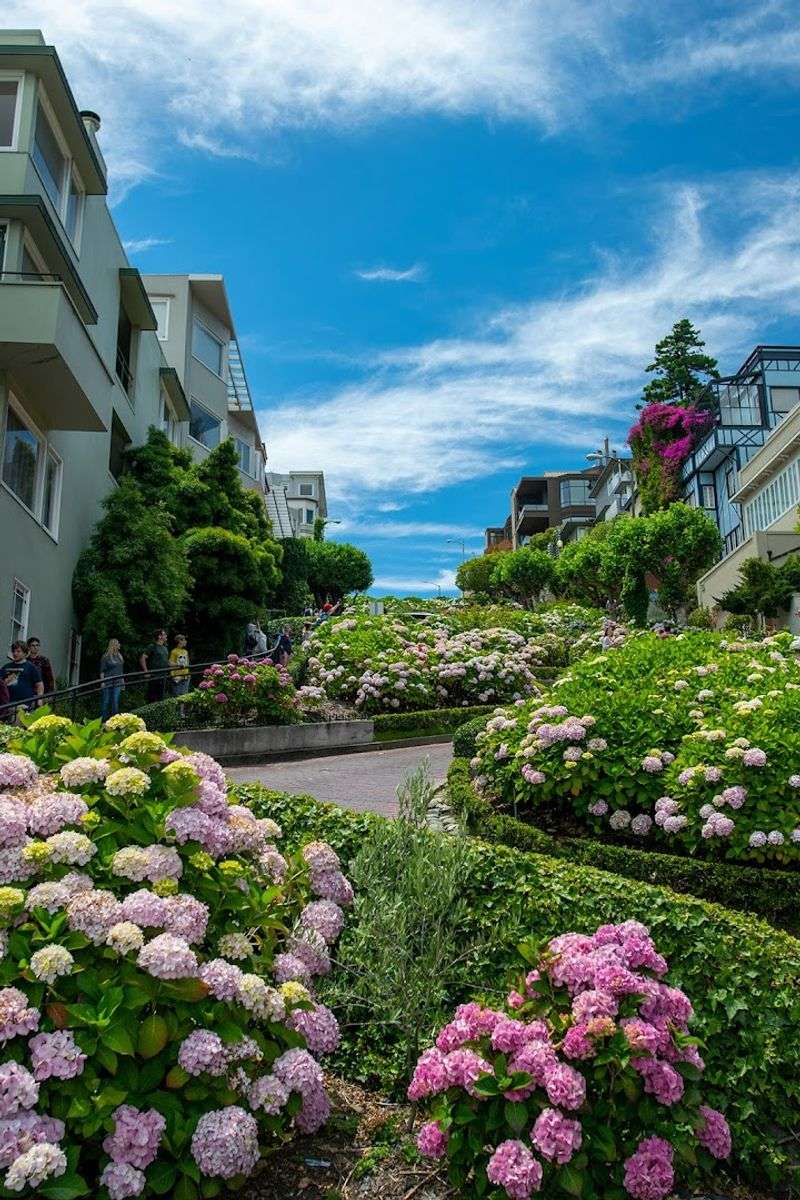
Around two million visitors make their way to Lombard Street each year, making it one of the most visited attractions in San Francisco.
Tourists come from all over the world to see the famous curves in person and to capture photos or videos of the unique street.
The popularity has turned the area into a bustling spot, especially during weekends and peak travel seasons.
Lines of cars often form at the top of the street as drivers wait for their turn to navigate the hairpin turns, while pedestrians gather along the sidewalks to watch and take pictures.
The street has become a must-see destination for first-time visitors to the city, often appearing on travel itineraries alongside other famous landmarks.
Social media has amplified its fame, with countless posts and images shared online, further attracting curious travelers.
Local residents have mixed feelings about the constant stream of visitors, as the crowds can create noise and congestion in what is otherwise a quiet residential neighborhood.
Some neighbors have expressed concerns about traffic, litter, and the impact on their daily lives, leading to discussions about how to balance tourism with community needs.
Despite these challenges, the street remains open to the public and continues to draw crowds who want to experience one of the most unusual and photogenic streets in the world.
5. Reservation System And Traffic Management
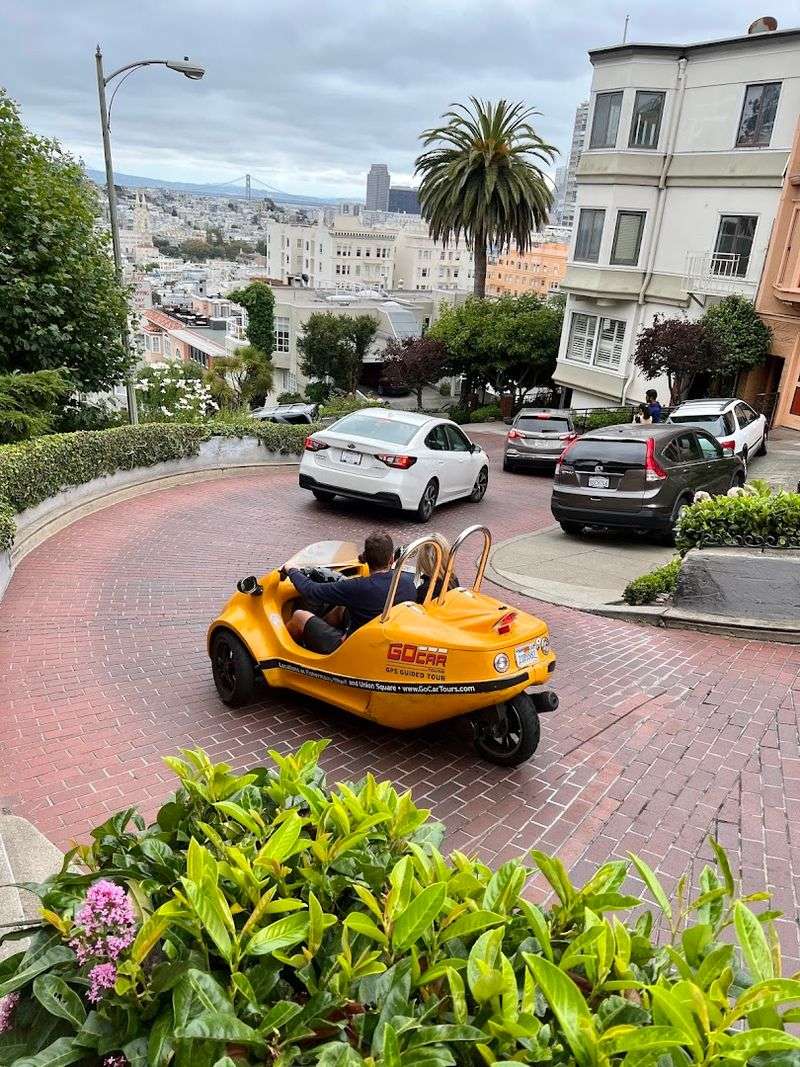
To address growing congestion and concerns from local residents, San Francisco officials have explored various traffic management solutions for Lombard Street.
One proposal involved implementing a reservation system that would require drivers to book a time slot in advance before being allowed to drive down the famous block.
The idea behind the reservation system was to limit the number of vehicles entering the street at any given time, reducing wait times and easing the burden on the neighborhood.
The proposal also included a potential fee, which would help fund maintenance and enforcement while discouraging casual visitors who might skip the street if there was a cost involved.
While the reservation system has been discussed, it has not been fully implemented on a permanent basis as of recent years.
City officials continue to evaluate options that balance the needs of tourists with the quality of life for residents who live on or near the street.
Traffic control measures such as posted speed limits, one-way designations, and occasional road closures during peak times have been used to manage the flow.
Police officers and traffic monitors are sometimes stationed at the top of the street to help direct cars and ensure safety for both drivers and pedestrians walking along the staircases.
6. Featured In Movies And Television
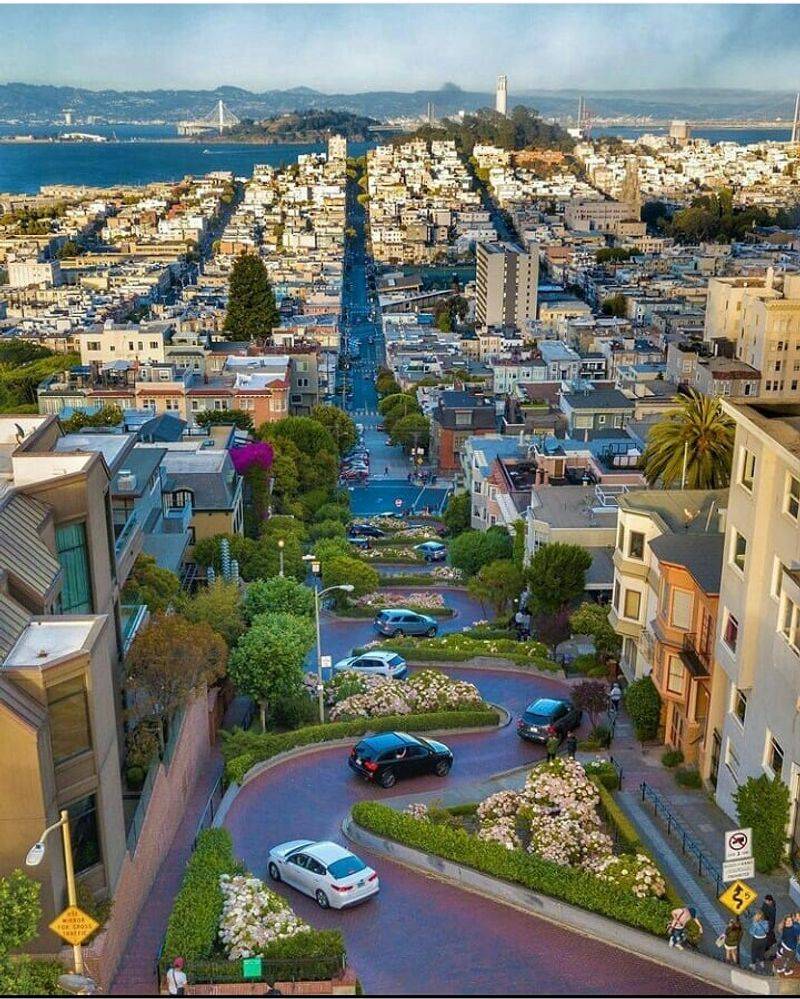
Lombard Street has appeared in numerous films and television shows over the decades, cementing its status as an iconic San Francisco landmark.
One of the most notable appearances was in Alfred Hitchcock’s 1958 thriller “Vertigo,” where the protagonist’s residence is located at 900 Lombard Street, just a short distance from the famous crooked section.
The street’s dramatic curves and picturesque setting make it a favorite location for filmmakers looking to capture the essence of San Francisco.
Car chase scenes, romantic moments, and establishing shots of the city often feature the winding road and its surrounding architecture.
The visual appeal of the street translates well to the screen, offering a sense of place that immediately signals to audiences that the story is set in San Francisco.
The combination of steep hills, historic homes, and lush gardens creates a backdrop that feels both charming and distinctive.
Television shows ranging from crime dramas to travel documentaries have also highlighted Lombard Street, introducing it to viewers who may never have visited the city.
These appearances have helped maintain the street’s fame across generations and continue to draw new visitors who recognize it from their favorite movies or shows.
The street’s cinematic history adds another layer of interest for tourists, who often seek out the exact spots where famous scenes were filmed.
7. Debating The Crookedest Street Title
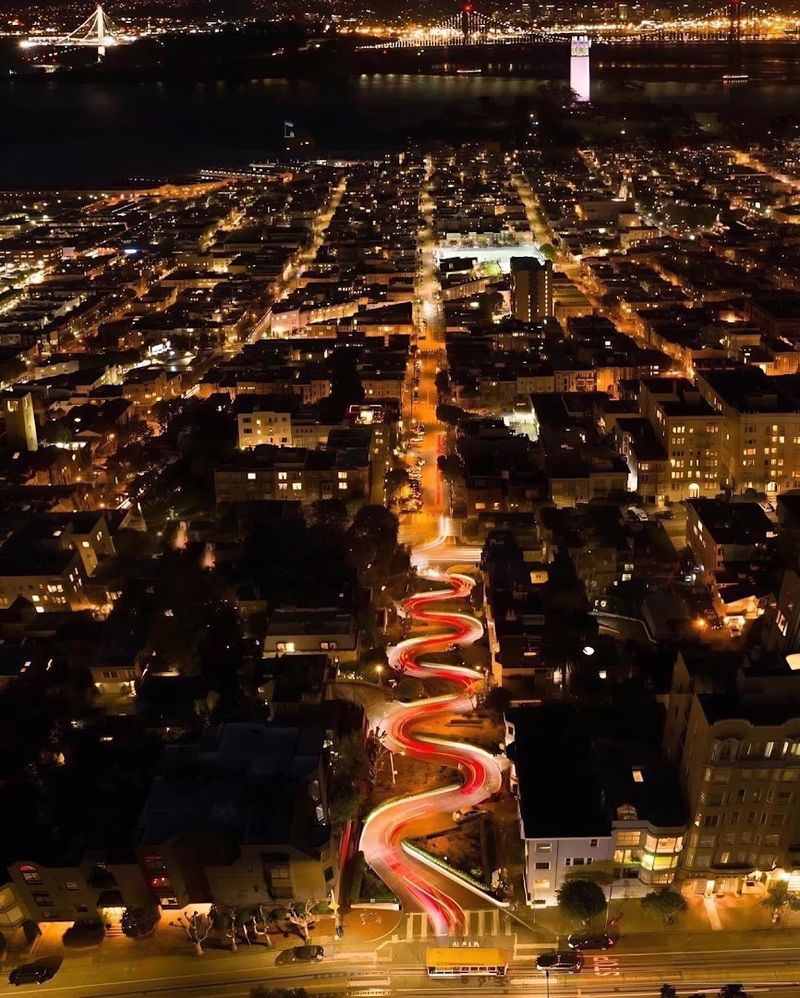
Lombard Street is often called “the crookedest street in the world,” but some locals and geography enthusiasts argue that this title may not be entirely accurate.
Vermont Street, located in the Potrero Hill neighborhood of San Francisco, features seven sharp turns over a two-block stretch, and some believe it has a tighter turning radius than Lombard.
The debate centers on how “crooked” is defined, whether by the number of turns, the sharpness of the curves, or the total change in direction over a given distance.
Vermont Street is less famous and receives far fewer visitors, which has allowed Lombard Street to maintain its reputation as the most crooked street despite the competing claim.
Lombard Street benefits from its central location, beautiful landscaping, and well-maintained appearance, all of which make it more accessible and visually appealing to tourists.
Vermont Street, by contrast, is situated in a quieter residential area and lacks the same level of publicity and foot traffic.
Regardless of which street holds the true title, Lombard Street’s fame has become self-reinforcing, with its status in popular culture and travel guides ensuring that it remains the go-to destination for visitors seeking the quintessential crooked street experience.
The friendly rivalry between the two streets adds a fun layer of local trivia for those who enjoy exploring lesser-known corners of the city.
8. Visiting Tips And Best Times
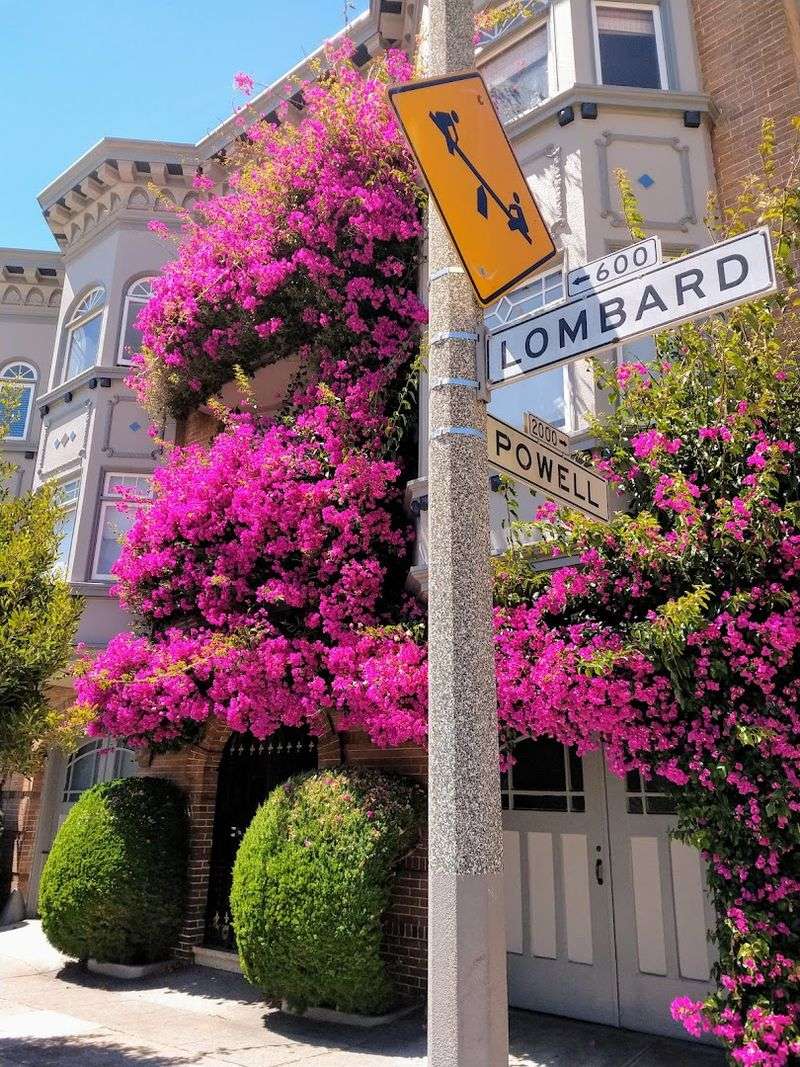
Planning a visit to Lombard Street requires some consideration of timing and logistics to make the most of the experience.
Weekdays tend to be less crowded than weekends, and early morning or late afternoon visits often allow for shorter wait times and fewer people in photos.
Summer months bring the highest number of tourists, while fall and spring offer milder weather and slightly smaller crowds.
Winter visits can be quieter, though San Francisco’s fog and cooler temperatures may affect visibility and comfort.
Parking near Lombard Street can be challenging, especially during peak hours, so many visitors choose to use public transportation or rideshare services.
The street is accessible via several bus lines, and walking from nearby neighborhoods is also an option for those who enjoy exploring the city on foot.
Visitors who prefer to walk rather than drive can use the staircases on either side of the crooked section to get an up-close view of the turns and gardens.
This option allows for a more leisurely pace and better photo opportunities without the pressure of navigating the curves in a vehicle.
Bringing a camera or smartphone is essential, as the street offers countless angles and perspectives for photography.
Patience and courtesy toward both drivers and pedestrians help ensure a pleasant experience for everyone sharing this unique and beloved San Francisco landmark.
9. Photography Opportunities Everywhere
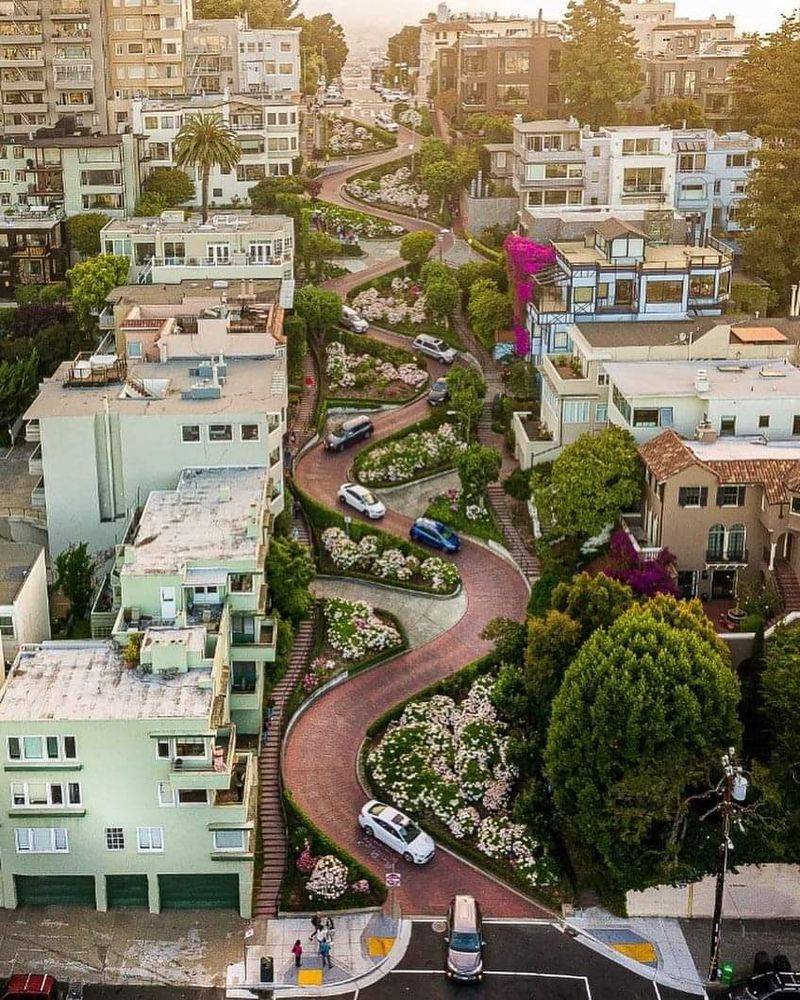
Photographers from around the world consider Lombard Street one of the best urban photography locations in America.
The combination of zigzagging turns, vibrant flowers, and Victorian homes creates countless angles for memorable shots.
Early morning light offers the clearest views before crowds arrive, while sunset bathes the street in golden tones.
The top of the hill provides sweeping views that capture all eight turns in a single frame.
Street-level shots reveal interesting details like the red brick pavement and lush gardens that border each curve.
Many visitors spend hours experimenting with different perspectives to capture their perfect Lombard Street memory.
10. The Surrounding Russian Hill Neighborhood
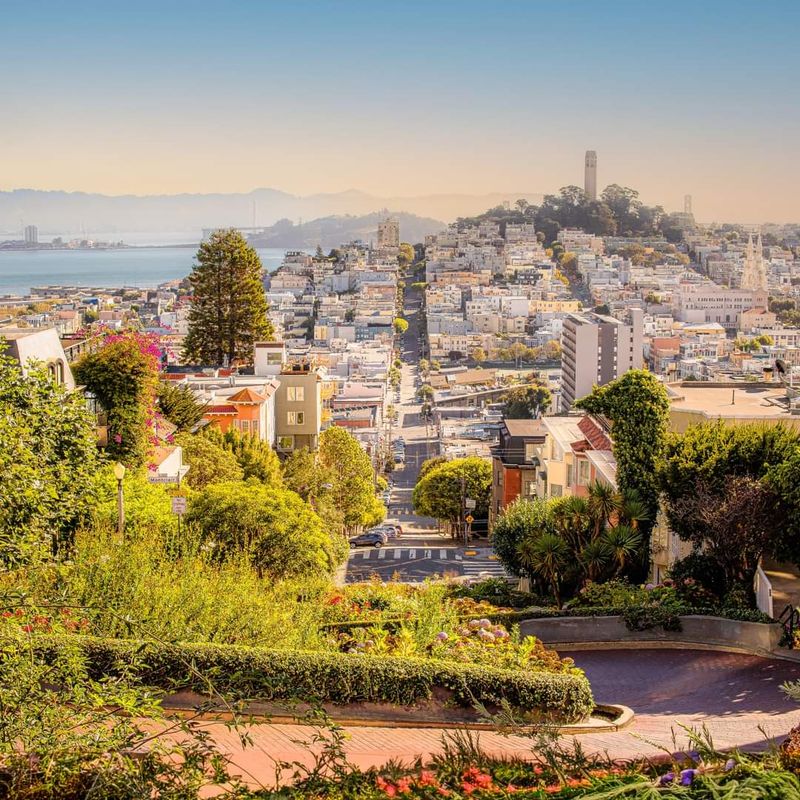
Russian Hill, the neighborhood surrounding Lombard Street, offers its own collection of attractions worth exploring beyond the famous curves.
Historic cable car lines run nearby, connecting visitors to other iconic San Francisco destinations throughout the day.
Charming cafes and local shops dot the streets within walking distance, providing perfect spots to rest after climbing the steep hills.
The neighborhood maintains a residential character despite tourist traffic, with beautiful architecture dating back over a century.
Walking tours often include Russian Hill’s hidden staircases and pocket parks that reveal stunning bay views.
Exploring the surrounding blocks gives visitors a fuller appreciation of why this area became one of San Francisco’s most desirable neighborhoods.