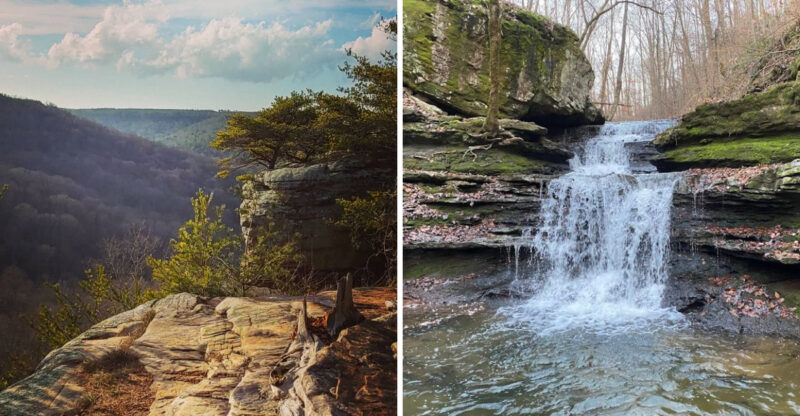
This Scenic Alabama Park Features A 104-Foot Waterfall That Feels Unreal
Some places hit you where you least expect it. Not gradually, but instantly, the moment you see them.
I wasn’t expecting much when I headed to this corner of Alabama, but what I found left me speechless. A curtain of water falling freely from 104 feet down a sandstone cliff, surrounded by forest that smells like pine and cool mountain air, is not something that easily leaves your mind.
Alabama hides places like this better than it should, and that is exactly where its charm lies. Some places have to be felt, and this is one of them.
Once you stand before that view, everything you had planned for the day suddenly stops mattering.
A 104-Foot Waterfall Surrounded By Forest
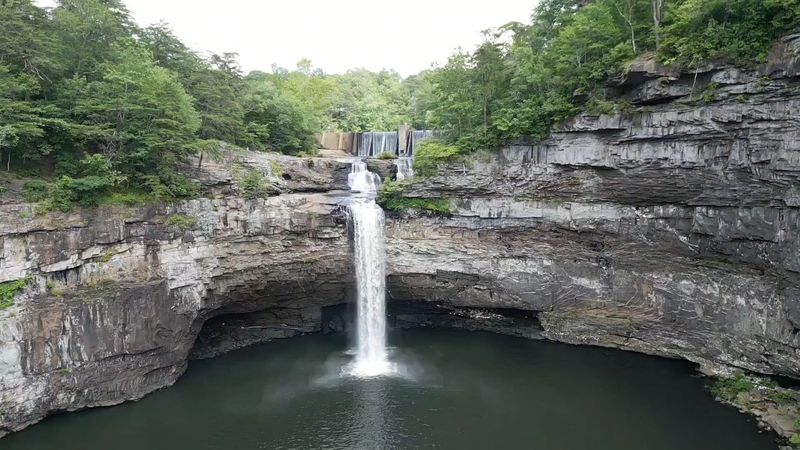
Nothing prepares you for the moment you round that last bend and see it. The West Fork of the Little River drops 104 feet straight down a sandstone cliff, and the sound hits you before the view does.
From the parking area at 7104 Desoto Pkwy NE in Fort Payne, a short walk leads you down cement steps to an overlook platform. You can step out onto the rock above the falls and peer over the edge, which feels intense at first.
For a more thrilling experience, a trail takes you all the way down to the basin. It is a moderate hike with steep sections, exposed roots, and large boulders, so wear proper footwear and bring water.
The trail follows the river through a narrow, wooded path that stays cool even in summer. Humidity holds in the trees, and the sound of rushing water grows louder with every step.
Reaching the basin feels like a reward. The water is ice cold, the air is misty, and the full height of the falls towers above you.
More Than 35 Miles Of Trails To Explore
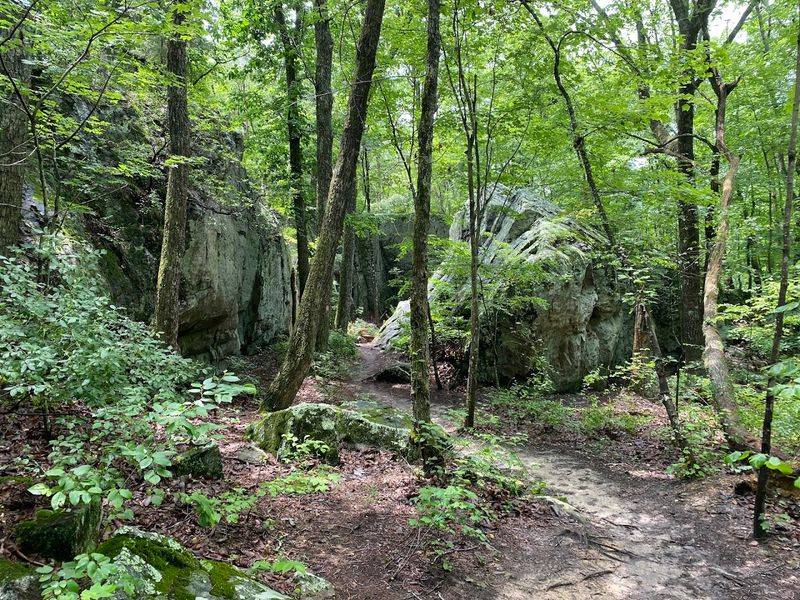
You will not run out of things to do here, and that is the whole point. DeSoto State Park sprawls across 3,502 acres atop Lookout Mountain, with thirty-five miles of trails winding through forests, creek crossings, and dramatic rock formations.
The Talmadge Butler Boardwalk Trail is paved and accessible for all ability levels. It connects right from the country store, so you can grab a snack and head straight out.
For something with more grit, the DeSoto Scout Trail delivers a longer, strenuous backcountry experience. Mountain bike trails are layered into the network too, which adds a different energy entirely.
Trail maps are available at the visitor center and country store. Cell service is limited throughout the park, so download your maps before you arrive.
That is not just a suggestion.
The trails are well-marked with clear signage along the trees. Two hours or a full day, the variety makes this one of the most rewarding trail systems in Alabama.
Smaller Waterfalls Hidden Along The Trails
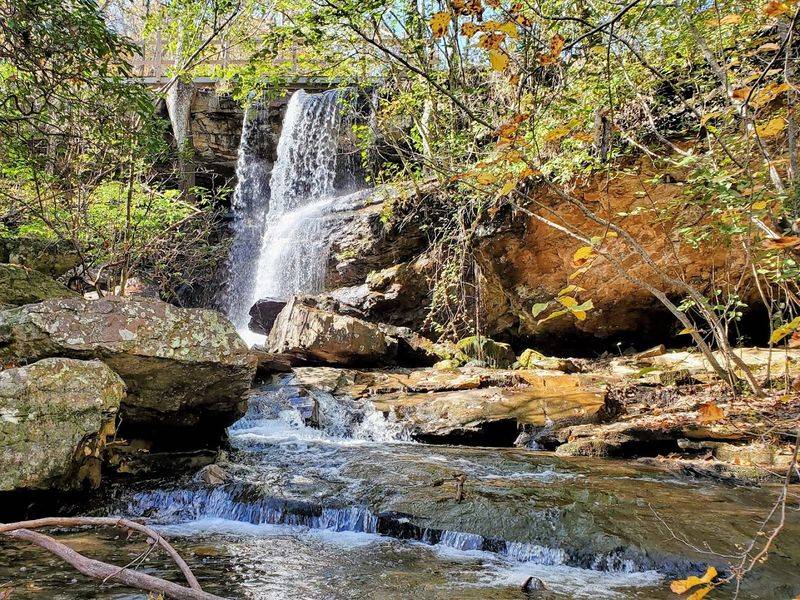
Most people come for the big waterfall and leave without knowing about the others. They are missing the best part.
Laurel Falls is accessible via the trail network and rewards hikers with a quieter, more intimate experience. Even when water flow is low, the hike through the surrounding forest is worth the effort.
Lost Falls lives up to its name. Finding it feels like a small adventure, and the payoff is a secluded cascade that most day visitors never reach.
The Azalea Cascade adds a softer, botanical feel to the mix, especially during spring bloom season.
All three are connected through the park’s trail system. Combining them into one longer hike makes for a full, satisfying day outdoors.
The variety of landscapes keeps the walk from ever feeling repetitive.
Pack a lunch, start early, and plan to be surprised more than once. Give yourself a full day for this one.
Camping Options Across The Park
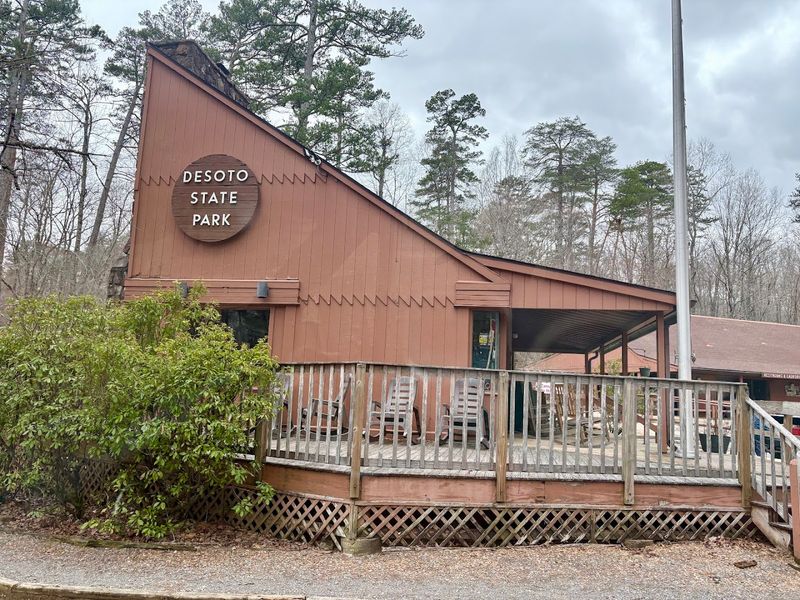
Some campgrounds make you feel like you are roughing it in a parking lot. This is not that.
The improved campground at DeSoto State Park has 94 full-hookup sites with electricity, water, and sewer, plus bathhouses that visitors consistently describe as spotless.
Pull-through RV sites are spacious enough for slides and awnings, and most spots offer a reasonable amount of shade and privacy. Each site comes with a picnic table and grill, which covers the basics without any fuss.
Primitive and backcountry campsites are also available for those who want to earn their quiet. The primitive camping area is especially peaceful, with very little noise and a genuine sense of being away from everything.
Cell service is limited throughout the park, so it helps to plan ahead. Plan accordingly and let people know your itinerary before you head in.
Wildlife is active in the area, including deer that wander through the campsites regularly. The park requires you to take trash to designated disposal areas rather than leaving it at your site.
Some campers have returned year after year, driving 13 hours because the experience is that consistent and genuinely enjoyable.
Lodging Options Available Throughout The Park
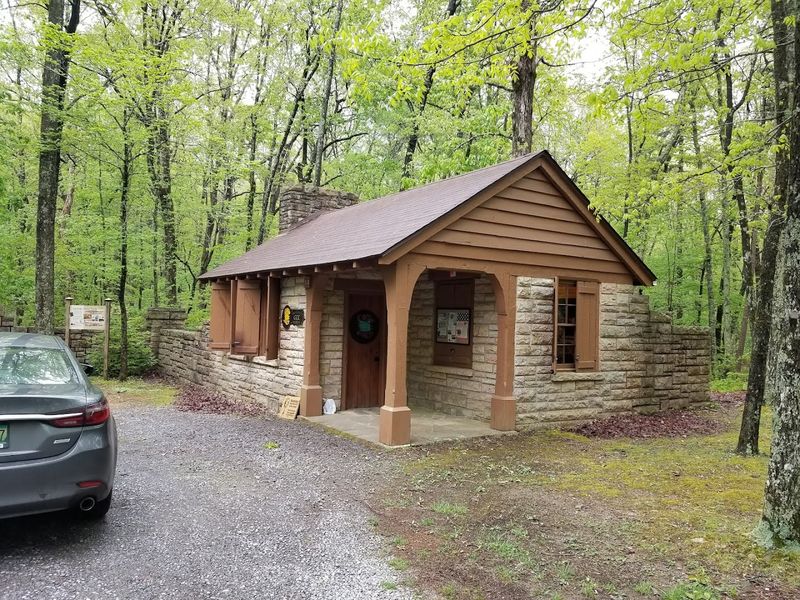
Not everyone wants to sleep on the ground, and DeSoto State Park has clearly thought about that. The lodging options range from rustic cabins with wood-burning fireplaces to modern chalets and motel-style rooms at the main lodge.
The CCC-era cabins carry a genuine historical charm. Built by the Civilian Conservation Corps, they have stone and wood construction that feels rooted in the mountain landscape.
Many sit along the creek, so you fall asleep to the sound of moving water.
Dog-friendly cabins are available, which is a detail that matters more than people realize when you are planning a trip with a pet. The cabins include fully equipped kitchens, fire pits, and front porches, making them comfortable for multi-day stays.
The indoor wood-burning fireplace in the cabins does leave a faint campfire scent inside, which is charming to some and worth knowing about if you are sensitive to smoke. The lodge rooms are clean and functional without being luxurious, which fits the park’s character well.
Families have held reunions here for decades, returning to the same cabins year after year. That kind of loyalty says something real about the experience.
The Park Restaurant And Country Store
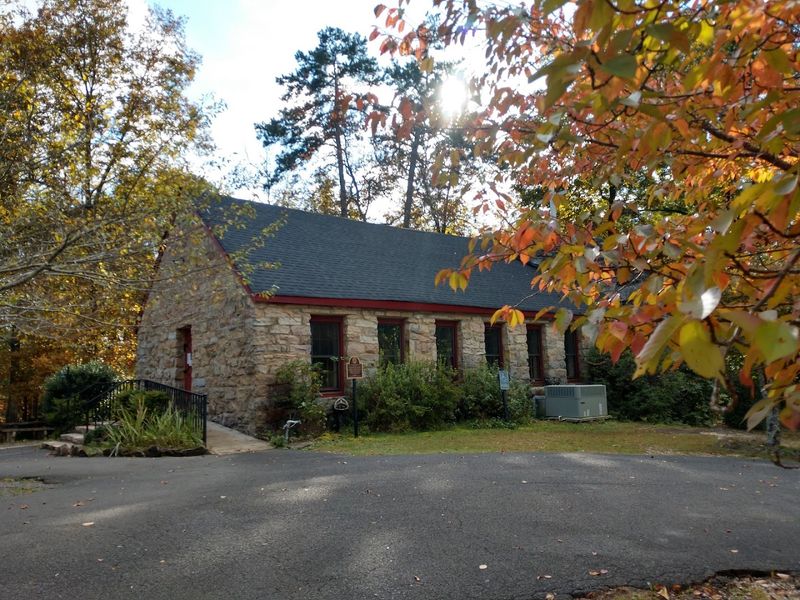
A park restaurant with a canyon view is not something you expect to find, but here we are. The restaurant at DeSoto State Park serves meals with a backdrop that most fine dining spots would pay serious money to replicate.
Dinner gets consistently strong marks from visitors. The food is described as flavorful, well-prepared, and served with genuine warmth.
Breakfast is available too, though some guests find it less impressive than the evening meals. Still, eating with a view of the mountain landscape makes almost anything taste better.
The restaurant operates on weekends, so check hours before building your entire trip around a meal there. The country store near the main campground fills in the gaps nicely, stocking basic food items, camping supplies, snacks, and firewood.
You can grab fire starters and lighters at the store as well, which saves a separate trip into town. The staff at the country store are frequently praised for being helpful and friendly without being pushy about it.
The store also serves as the check-in point for the campground. Having everything in one spot, food, supplies, information, and registration, makes the arrival process smoother than most state parks manage to pull off.
More To Do Beyond The Trails
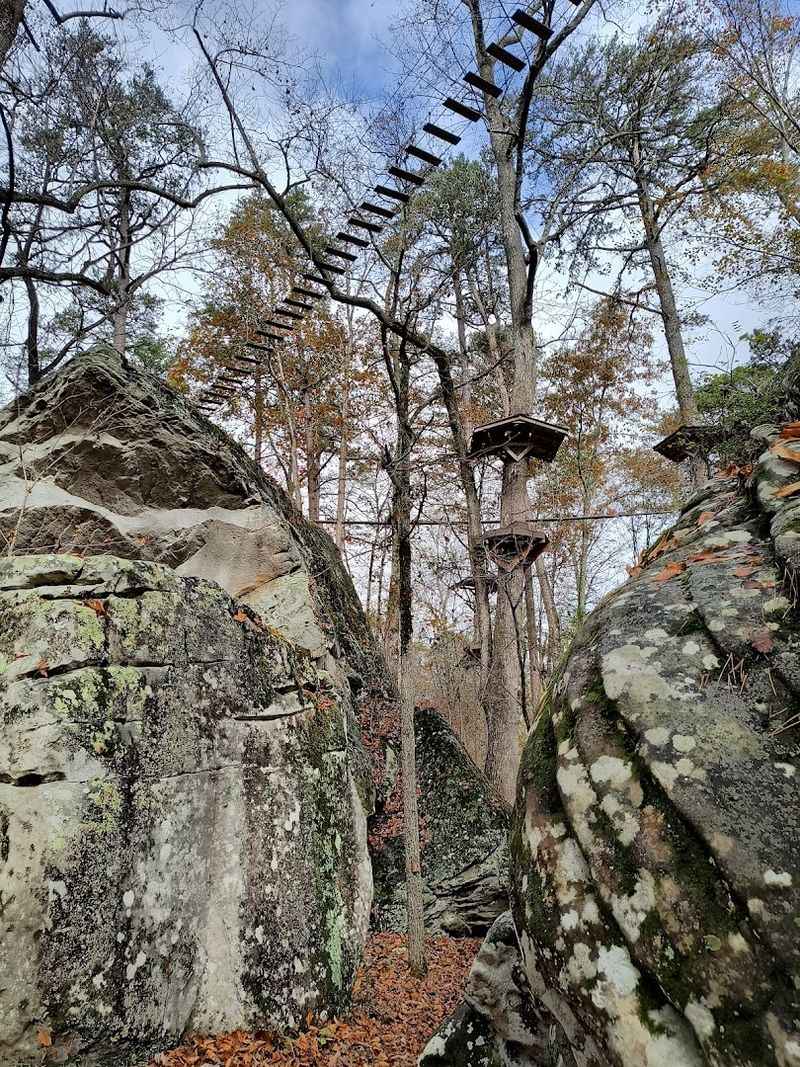
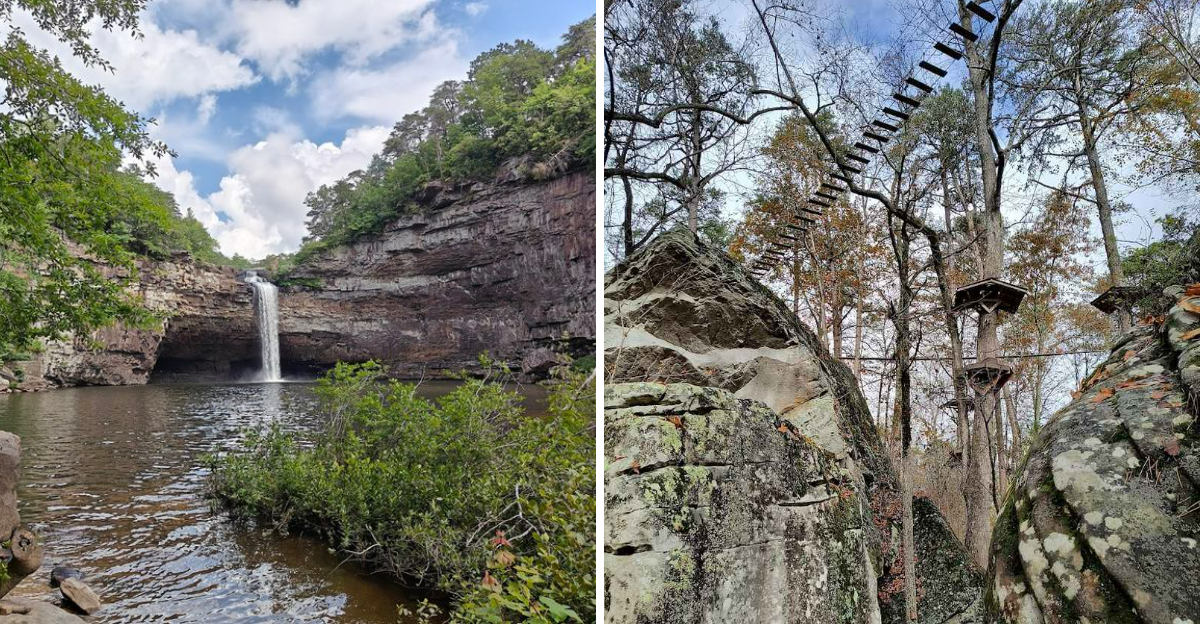
Hiking is the main draw, but DeSoto State Park has quietly added some unexpected thrills to the menu.
Teenagers especially seem to love it, and it adds a completely different kind of excitement to a park visit that might otherwise be focused entirely on quiet trails and scenic overlooks.
Kayaking tours are also available nearby, offering a group-friendly option for families or friends looking to share something active on the water.
The park has a seasonal swimming pool on-site, along with a playground that keeps younger kids entertained between trail walks. Picnic areas are spread throughout the park and are open daily during daylight hours.
Fishing and boating are available at the DeSoto Falls Picnic Area, where the West Fork of the Little River provides access to the water. A small boat ramp is on-site for those who bring their own equipment.
The variety of activities means the park works equally well for solo hikers, couples, and large family groups. There is always something else to try, which makes longer stays feel effortless and genuinely fun.
The CCC Museum And Benefield Interpretive Center
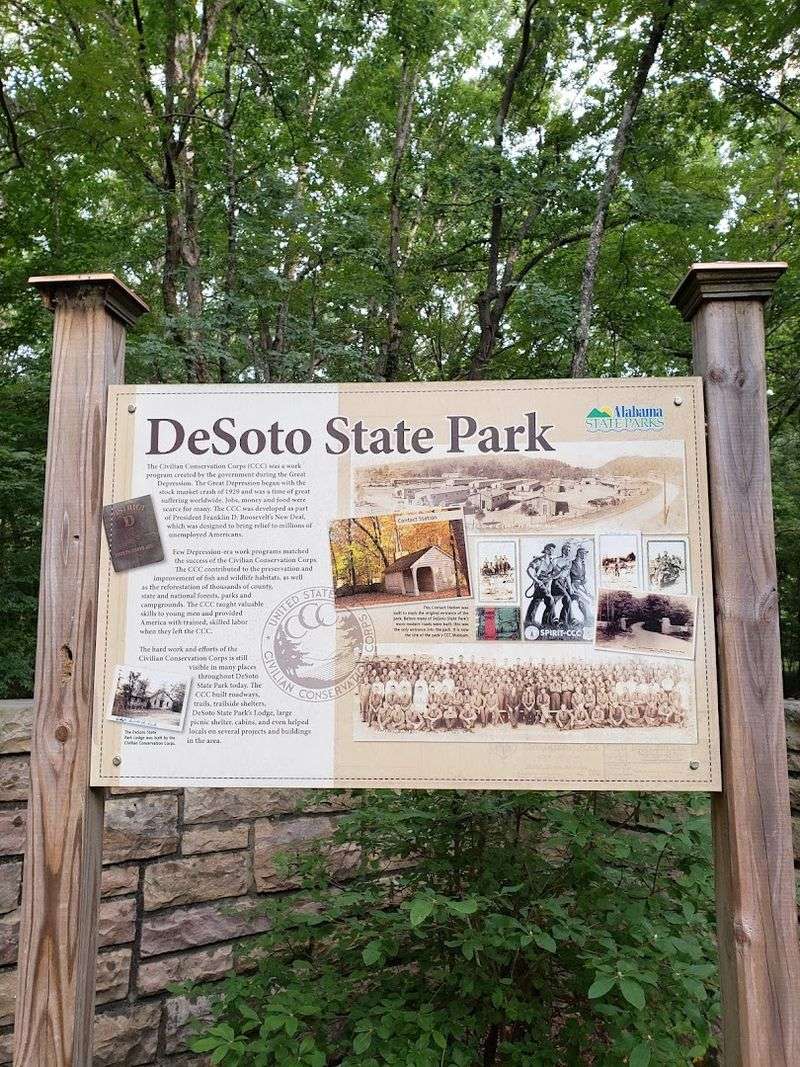
History and nature do not always share the same space this comfortably.
The Civilian Conservation Corps Museum inside DeSoto State Park tells the story of the workers who built the park’s original structures during the 1930s, and the buildings themselves are the best evidence of that craftsmanship.
The Benefield Interpretive Center adds a natural science layer to the visit, covering the local ecosystem, geology, and wildlife of Lookout Mountain. It is the kind of stop that takes maybe 30 minutes but leaves you seeing the trails and landscape differently afterward.
Kids who might otherwise rush past rocks and trees tend to slow down after visiting the interpretive center. Context changes everything, and knowing what kind of sandstone you are standing on or which birds are calling overhead makes the outdoor experience richer.
The museum is a good rainy-day option as well, giving the visit some structure when the weather does not cooperate. It also provides a clear picture of how much labor went into creating a park that now feels completely natural and effortless.
Together, these two facilities make DeSoto State Park more than just a pretty destination. They give it a history and an identity that most state parks never manage to communicate this clearly or engagingly.
Wildlife And Scenery Across Lookout Mountain
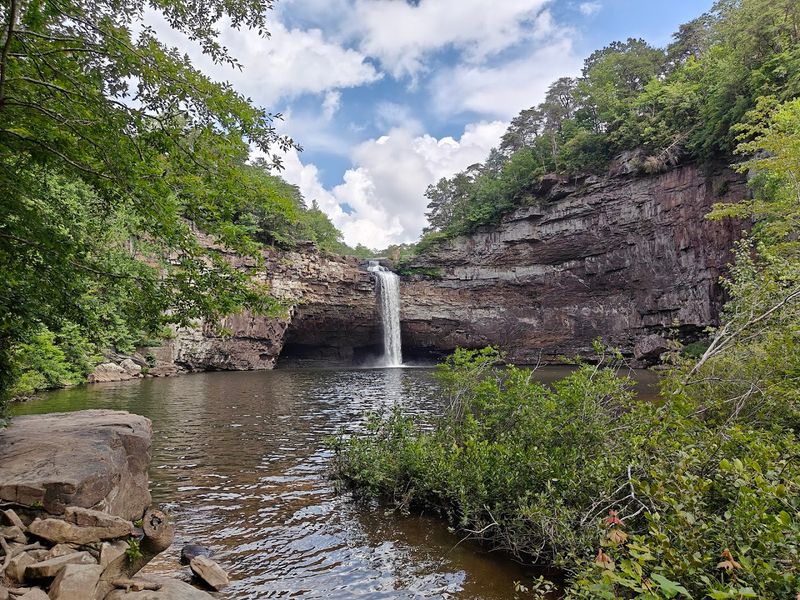
The mountain air at DeSoto State Park smells like pine and wildflowers in a way that is almost disorienting if you spend most of your time in a city.
Lookout Mountain sits at an elevation that keeps temperatures noticeably cooler than the surrounding lowlands, even in August.
Deer wander through the campground with a casual confidence that suggests they know exactly who owns this place. Wildlife sightings are common, and fall foliage draws visitors from hours away just for the color alone.
Wildflowers bloom along the trails in spring, adding bursts of color to the already green landscape. The fragrance during that season is strong enough to notice without even stopping to look.
Bears are active in the area, which is why the park asks campers to bring trash to designated disposal points rather than leaving it at campsites. The 3,502 acres give wildlife plenty of room to move without being crowded by visitors.
The overall atmosphere is calm and unhurried in a way that feels increasingly rare. A single afternoon or a full week, the mountain has a way of slowing everything down to exactly the right pace.