This Scenic Amtrak Route From Los Angeles, California Follows Historic Route 66 Through The Desert
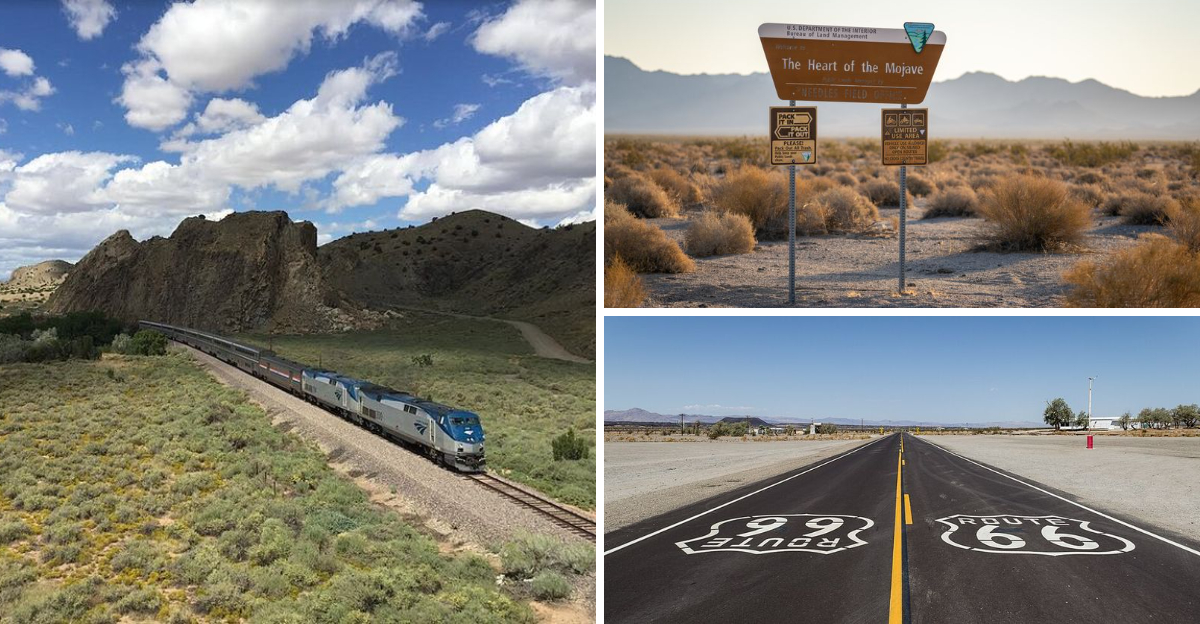
Hollywood once followed these rails west to east. Film stars, musicians, and writers chose this route for its privacy, its comfort, and the way the landscape unfolded like a long, uninterrupted scene.
The nickname “Train of the Stars” came naturally, earned through decades of quiet glamour rather than marketing.
A legendary rail line where Hollywood once rode, and the scenery still steals the show mile after mile.
The experience remains intact today aboard the Southwest Chief, where distance feels intentional and scenery takes center stage.
Wide windows frame deserts, mesas, and mountain passes as the train traces long stretches of historic Route 66. Travel here favors observation over urgency, rewarding patience with views that change by the hour.
Service is provided by Amtrak, carrying passengers between Los Angeles and Chicago across more than two thousand miles.
The rhythm of the rails replaces schedules, and time stretches in a way modern travel rarely allows. Some journeys are remembered for where they lead. Others are remembered for how they feel, and this one still belongs firmly in the second group.
1. Once Called The “Train Of The Stars”
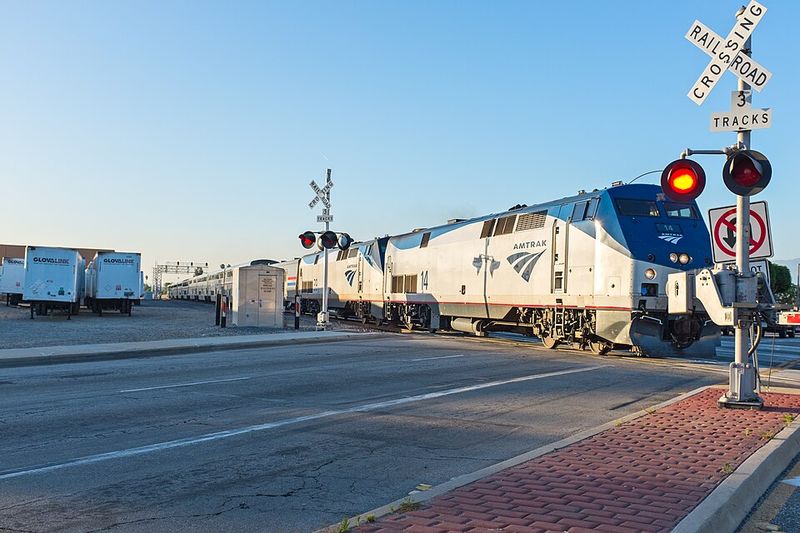
Hollywood celebrities once made this train route their preferred way to travel between Los Angeles and Chicago.
The Southwest Chief’s predecessor, the Super Chief, launched in 1937 as the flagship train of the Atchison, Topeka and Santa Fe Railway.
Stars like Judy Garland, Humphrey Bogart, and Elizabeth Taylor rode in style, enjoying luxurious accommodations and impeccable service. The train earned its glamorous reputation through both speed and elegance.
It featured fine dining, private sleeping quarters, and observation lounges where passengers could watch the desert landscape roll past. The Super Chief became synonymous with luxury travel during the golden age of American railroads.
That legacy continues today on the Southwest Chief, though the atmosphere has become more accessible to everyday travelers.
Modern passengers still enjoy many of the same scenic views that captivated those early Hollywood riders.
The route remains one of Amtrak’s most popular long-distance journeys, connecting major cities while offering glimpses into America’s railway heritage and the glamorous era when train travel represented the height of sophistication.
2. Introducing The Southwest Chief Amtrak Route
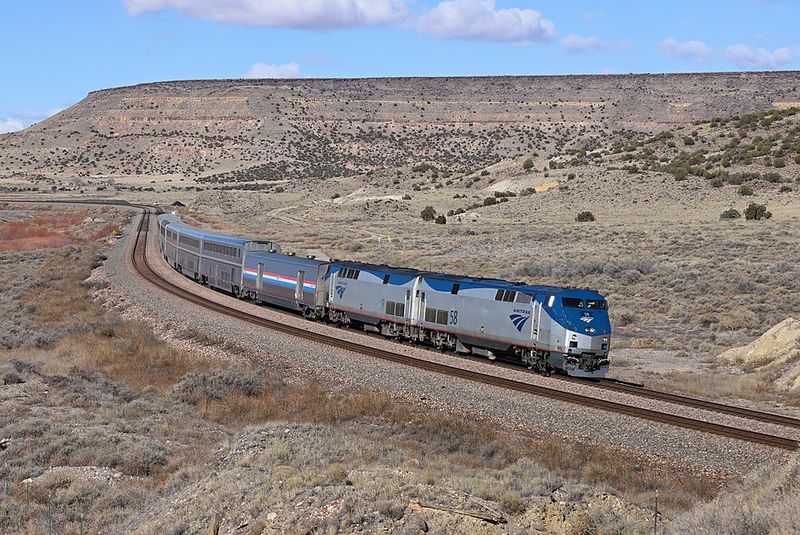
Stretching across eight states, this train route connects two of America’s largest cities through some of the country’s most diverse terrain.
The Southwest Chief departs Los Angeles heading east, crossing California deserts before entering Arizona, New Mexico, Colorado, Kansas, Missouri, Iowa, and finally Illinois.
The entire journey covers 2,265 miles and takes approximately 43 hours of continuous travel.
Major stops along the way include Flagstaff, Albuquerque, and Kansas City, giving passengers opportunities to explore regional attractions.
The train runs daily in both directions, with one eastbound and one westbound departure each day.
Travelers can choose to ride the entire route or select shorter segments between any of the stations along the way.
This route stands out among Amtrak’s long-distance services for its combination of natural beauty and historical significance.
The train follows pathways established more than a century ago, when railroads first connected the Southwest to the rest of the nation.
Today’s passengers experience comfortable modern amenities while traveling through landscapes that have captivated travelers for generations, making the Southwest Chief a popular choice for both practical transportation and scenic leisure travel.
3. Departure From Los Angeles Union Station
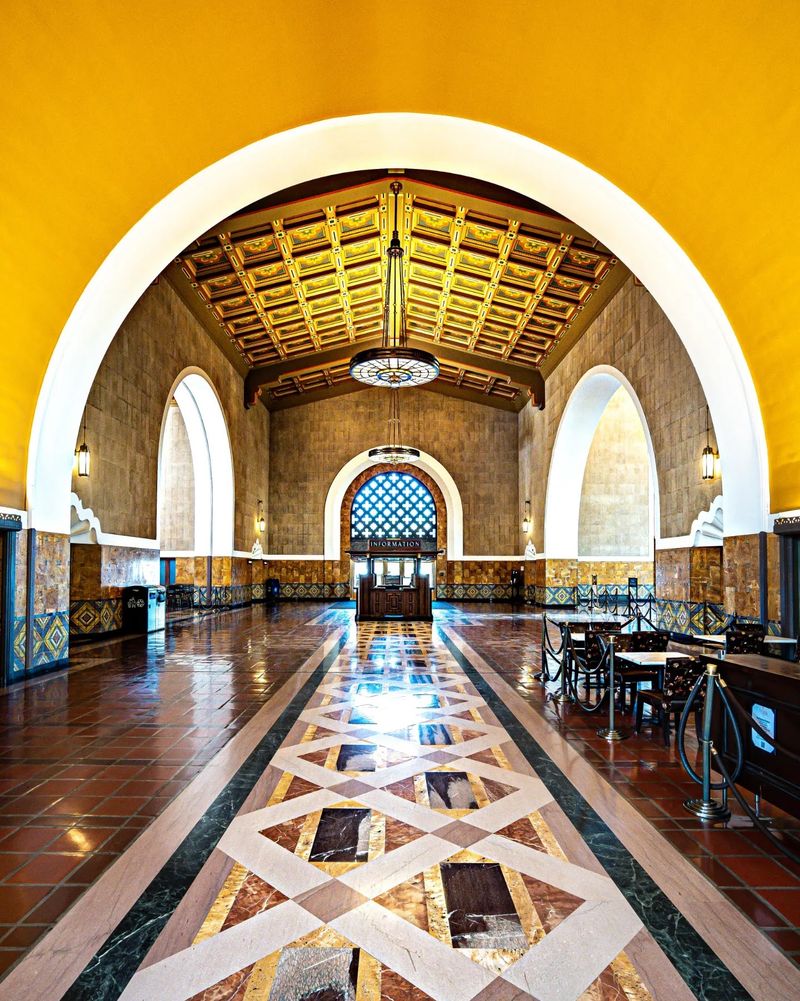
The journey begins at one of California’s most beautiful transportation landmarks.
Los Angeles Union Station opened in 1939 and combines Spanish Colonial Revival, Mission Revival, and Art Deco architectural styles.
The station is located at 800 North Alameda Street, Los Angeles, CA 90012, in the heart of downtown near historic neighborhoods and cultural attractions.
Passengers boarding the Southwest Chief typically arrive at the station well before the scheduled departure.
The waiting areas feature high ceilings, comfortable seating, and vintage details that recall the golden age of rail travel.
Large windows allow natural light to fill the main hall, creating a pleasant atmosphere for travelers preparing for their cross-country adventure.
The train usually departs in the evening, allowing passengers to settle into their accommodations before nightfall.
As the Southwest Chief pulls away from the platform, it begins navigating through the greater Los Angeles area before heading into the open desert.
This departure timing means travelers wake up the next morning already deep in the southwestern landscape, with the urban sprawl of Southern California left far behind and Arizona scenery unfolding outside their windows.
4. A Historic Rail Line With Hollywood Roots
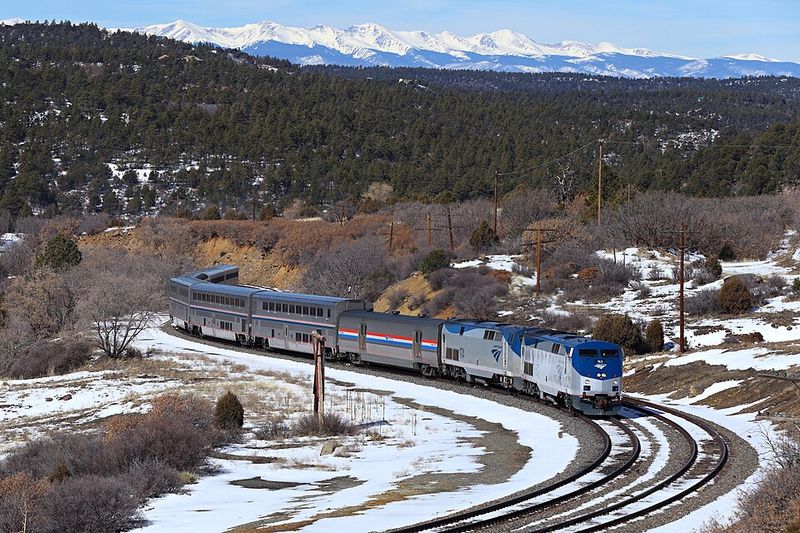
Long before Amtrak took over passenger rail service in 1971, the Atchison, Topeka and Santa Fe Railway operated this route.
That railroad company built its reputation on reliable service through challenging terrain, connecting the Midwest to the Pacific Coast.
The Santa Fe Railway became famous for promoting southwestern tourism, commissioning artists to create romantic images of desert landscapes and Native American culture that appeared in advertisements nationwide.
The railway company understood the marketing value of luxury and speed.
When the Super Chief debuted, it cut travel time between Los Angeles and Chicago to just 39 hours and 45 minutes, an impressive achievement for the era.
The train featured Harvey House dining service, known for excellent food and professional waitstaff, elevating the onboard experience to restaurant-quality standards.
Hollywood studios appreciated the convenience and privacy the train offered their stars.
Unlike air travel, which was still developing during the 1930s and 1940s, the train provided comfortable overnight accommodations where celebrities could rest between cities.
This connection between the railway and the entertainment industry helped cement the route’s glamorous reputation, a legacy that still adds romantic appeal to the Southwest Chief today.
5. Paralleling America’s Legendary Route 66
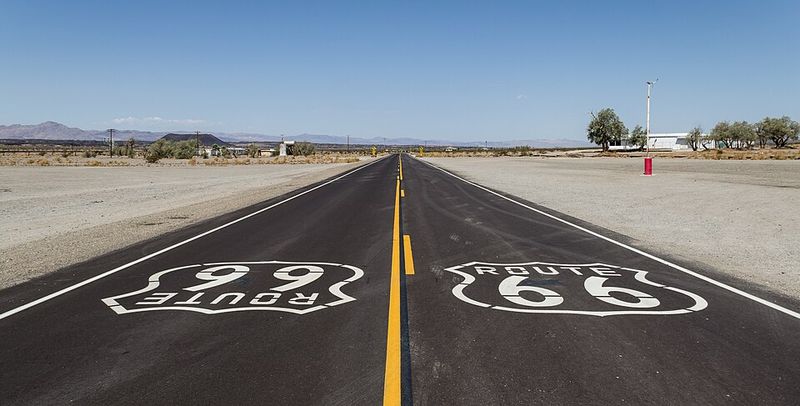
Between Los Angeles and Albuquerque, the train tracks run alongside segments of the famous Mother Road.
Route 66 became America’s main highway connecting Chicago to Los Angeles when it was established in 1926, just a decade before the Super Chief began service.
Both the highway and the railway served the same purpose: linking the Midwest to Southern California through the challenging terrain of the Southwest.
Passengers can spot remnants of old Route 66 from their train windows in several locations.
Abandoned gas stations, vintage motels, and weathered roadside signs appear periodically, offering glimpses into mid-20th-century American road culture.
These structures stand as monuments to an era when cross-country road trips represented freedom and adventure for American families.
The parallel paths of rail and road tell the story of American westward expansion and transportation evolution.
While Route 66 was officially decommissioned in 1985, replaced by modern interstate highways, the Southwest Chief continues to operate along its historic railway corridor.
Travelers on the train experience landscapes that Route 66 motorists once saw, though from the different perspective of rail travel, which offers a steadier, more relaxed way to absorb the passing scenery.
6. Southern California Desert Landscapes
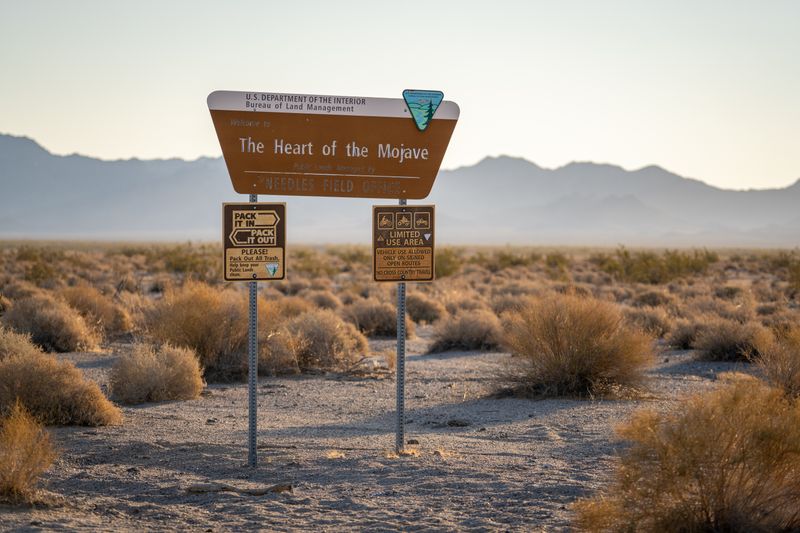
After leaving the Los Angeles metropolitan area, the train enters the Mojave Desert. This arid region covers much of southeastern California, characterized by Joshua trees, creosote bushes, and distant mountain ranges.
The landscape appears harsh and empty at first glance, but passengers who watch carefully may spot wildlife adapted to desert conditions, including jackrabbits, roadrunners, and various bird species.
The Mojave represents one of North America’s four major desert regions.
Summer temperatures here regularly exceed 100 degrees Fahrenheit, though the train’s climate-controlled cars maintain comfortable conditions year-round.
The desert’s stark beauty becomes particularly dramatic during sunrise and sunset, when low-angle light illuminates the sand and rock formations in shades of gold, orange, and purple.
This section of the journey typically occurs during nighttime hours for eastbound passengers, though westbound travelers see it during daylight.
The desert stretches for miles in every direction, broken occasionally by small towns that developed along the railway corridor.
These communities depend partly on the train for connectivity to larger cities, maintaining a relationship between rail transportation and remote settlement that dates back more than a century to when the railroad first opened this region to development.
7. Arizona Stops And Grand Canyon Access
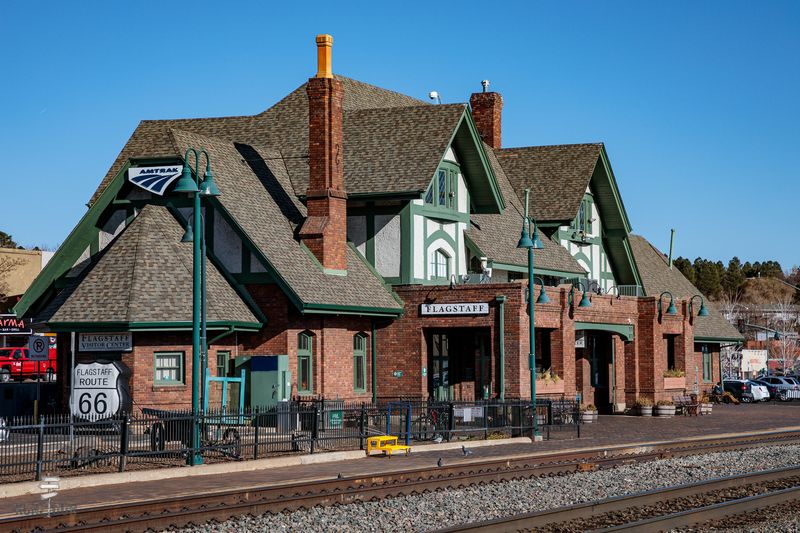
Flagstaff serves as the Southwest Chief’s gateway to Grand Canyon National Park. The station sits at 1 East Route 66, Flagstaff, AZ 86001, in a city that combines college-town energy with outdoor recreation access.
Passengers planning to visit the Grand Canyon can disembark here and arrange shuttle transportation to the park’s South Rim, located about 80 miles north of the city.
The train also stops in several smaller Arizona communities.
Winslow gained fame from the Eagles song “Take It Easy,” and the town has embraced that musical connection with a park and statue commemorating the lyrics.
Williams, another stop along the route, operates its own historic railway to the Grand Canyon, offering an alternative way for visitors to reach the national park.
Arizona’s landscape transitions as the train moves east across the state. Passengers see high desert terrain, ponderosa pine forests near Flagstaff’s elevation of 7,000 feet, and painted desert scenery.
The route crosses through or near several Native American reservations, including Navajo and Hopi lands, regions where indigenous communities have lived for centuries.
These areas offer cultural context to the landscapes visible from the train windows, reminding travelers of the Southwest’s deep human history beyond the railway’s relatively recent arrival.
8. New Mexico Scenery And Albuquerque Highlights
Albuquerque represents the Southwest Chief’s longest scheduled stop, giving passengers time to step off the train and stretch their legs.
The station is located at 320 First Street Southwest, Albuquerque, NM 87102, in the downtown area near Old Town and within view of the Sandia Mountains.
The stop typically lasts about 20 minutes, enough time for passengers to purchase authentic Native American jewelry and crafts from vendors who set up on the platform, continuing a tradition that has existed for more than a century.
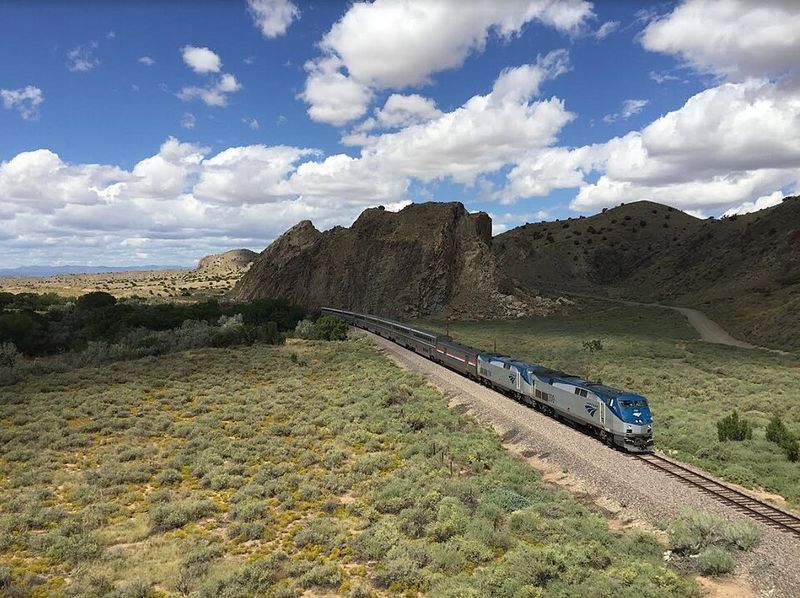
Before reaching Albuquerque, the train passes through spectacular New Mexico landscapes.
Passengers see red rock formations, mesas, and wide-open spaces that define the state’s character.
The route traverses Apache Canyon, a narrow passage that provides dramatic views of layered rock walls and rugged terrain that challenged early railroad builders.
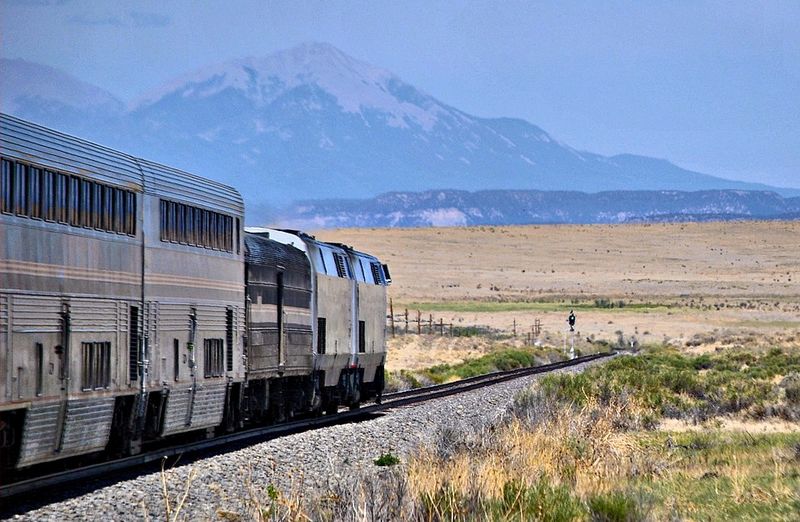
East of Albuquerque, the train climbs through Raton Pass in the Sangre de Cristo Mountains, one of the route’s most scenic segments.
This mountain crossing reaches elevations above 7,600 feet, offering views of pine forests and rocky peaks.
The engineering required to build a railway through this terrain demonstrates the ambition and skill of 19th-century railroad construction crews who carved this pathway through challenging topography.
9. Plains, Prairie Towns, And the Midwest Stretch
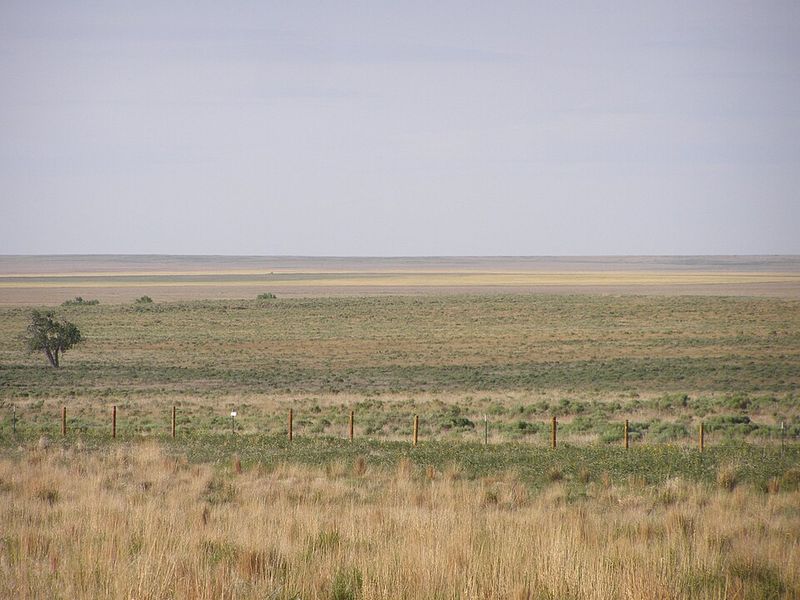
After crossing the Rocky Mountains in Colorado, the Southwest Chief enters the Great Plains. This region presents a completely different landscape from the Southwest’s deserts and mountains.
Passengers see vast expanses of grassland, agricultural fields, and farming communities that depend on the rich soil and relatively flat terrain for their livelihoods.
Kansas City represents a major stop in this section of the route.
The city straddles the border between Kansas and Missouri, serving as a hub for rail transportation since the 19th century.
Here, some passengers disembark to explore the city’s barbecue restaurants, jazz history, and museums, while others continue eastward toward Chicago.
Small towns appear regularly along this portion of the route, many of them established because of the railroad’s presence.
These communities often grew up around grain elevators and cattle shipping facilities, their economies historically tied to agriculture and rail transportation.
The landscape’s openness allows passengers to see far into the distance, with horizons that stretch uninterrupted for miles.
The sky dominates the view, often displaying dramatic cloud formations and weather systems that move across the plains.
This section may seem less dramatic than the southwestern portions, but it offers its own beauty in simplicity and scale.
10. Onboard Experience And Scenic Viewing Cars
The Southwest Chief features several accommodation options for the 43-hour journey.
Coach class provides reclining seats with leg rests, suitable for passengers traveling shorter segments or those comfortable sleeping upright.
Sleeper service includes private roomettes and larger bedrooms with beds that fold down from the walls, offering more comfort for overnight travel.
The Sightseer Lounge Car stands out as a passenger favorite.
This car features floor-to-ceiling windows that wrap around the upper level, providing panoramic views of passing landscapes.
Passengers can sit here for hours, watching the scenery change from desert to mountain to prairie.
The lounge remains accessible to all passengers regardless of their ticket class, creating a communal space where travelers can socialize and share the experience.
Dining service includes a traditional dining car where meals are prepared onboard. Breakfast, lunch, and dinner service operates during specific hours, with menus that change seasonally.
Sleeper passengers receive meals as part of their ticket price, while coach passengers can purchase meals separately.
The dining car often seats passengers together at four-person tables, encouraging conversation between strangers who share the journey.
This social aspect recalls earlier eras of train travel when the dining car served as the train’s social center.
11. Arriving In Chicago After A Cross-Country Journey
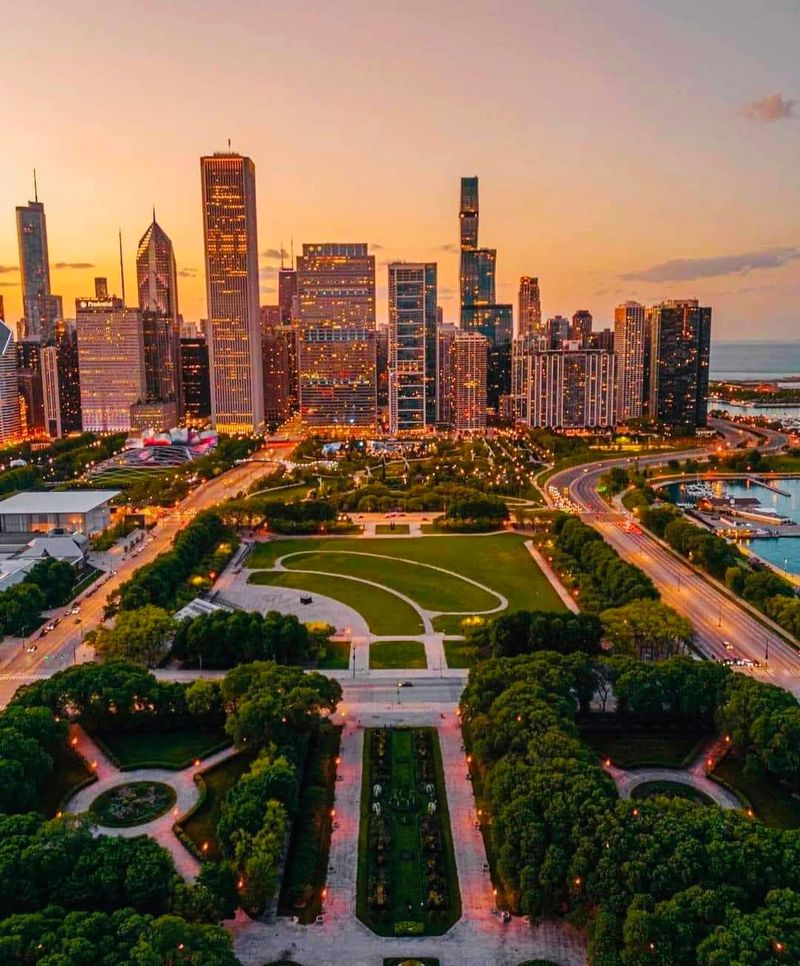
The Southwest Chief concludes its eastbound journey at Chicago Union Station. The station is located at 225 South Canal Street, Chicago, IL 60606, in the Loop district near downtown attractions and business areas.
This massive transportation hub serves as Amtrak’s central connecting point, where passengers can transfer to other long-distance routes or regional services throughout the Midwest and East Coast.
Arrival typically occurs in the afternoon, giving passengers the rest of the day to explore Chicago or catch connecting trains.
The station’s architecture reflects Chicago’s importance as a railway center, with grand halls and classical design elements that convey the significance of train travel in American history.
Many passengers ending their journey here feel a sense of accomplishment after crossing the country by rail. The contrast between Los Angeles and Chicago demonstrates the route’s geographic span.
Passengers who boarded in warm, sunny Southern California arrive in a city with distinctly different climate, architecture, and urban character.
This cross-country experience offers perspectives on America’s regional diversity that faster forms of transportation cannot provide.
The slower pace of train travel allows passengers to witness the gradual transitions between landscapes and cultures, creating a deeper understanding of the country’s vastness and variety than air travel permits.