This Scenic California Bay Cruise Offers One Of The State’s Most Unforgettable Wildlife Encounters
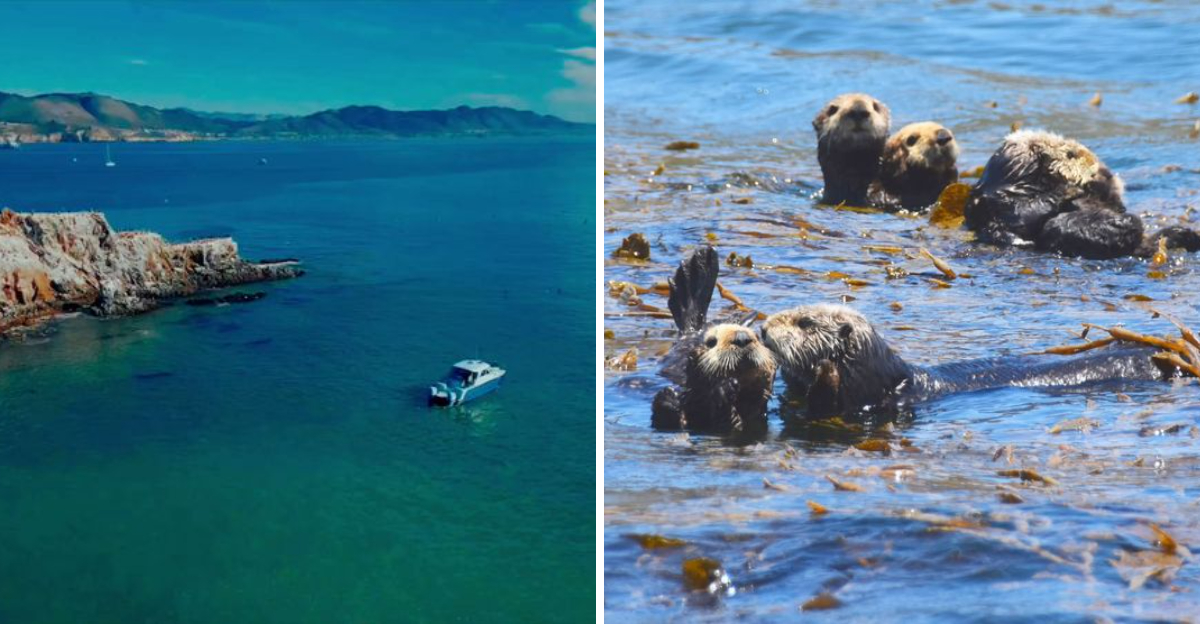
San Luis Obispo Bay delivers one of the most exciting marine wildlife experiences on California’s Central Coast.
Visitors come here for close encounters with some of the ocean’s most captivating creatures. Humpback whales breach just beyond the boat. Sea lions lounge across sunlit rock formations.
Every trip feels different. The bay’s nutrient-rich waters support an incredible surge of marine life during migration season.
Wildlife activity ramps up fast, creating viewing opportunities that rival California’s top coastal hotspots.
Nature lovers often describe the experience as unforgettable.
SLO Tours has built a reputation for intimate, small-group excursions that keep the focus on both access and education.
Boats carry fewer passengers. Views stay unobstructed. Crew members share detailed insights about whale behavior, feeding patterns, and the region’s marine ecosystem.
The migration season runs from July through October. Whale sightings peak during these months. Guests regularly spot humpbacks feeding, tail-slapping, and breaching in spectacular displays.
Sea lion colonies remain active year-round, adding constant energy with playful swims and echoing barking calls.
1. Family-Owned Operation Since 2009
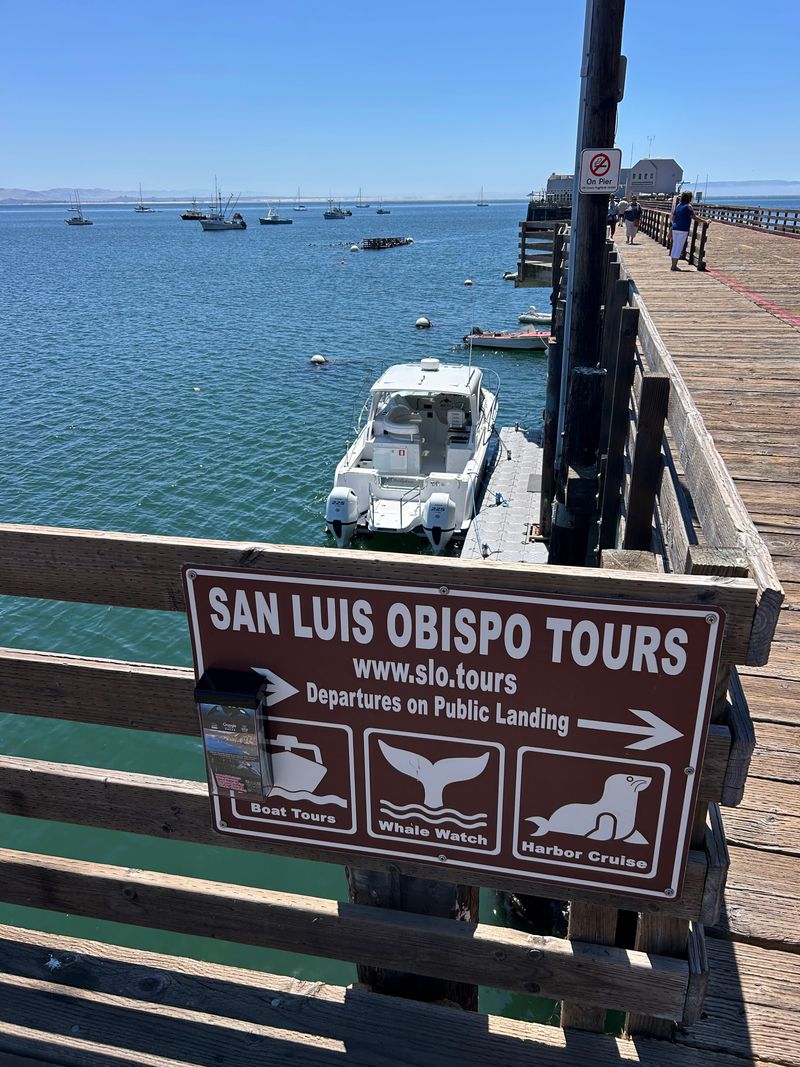
Captain Michael Brink founded SLO Tours more than a decade ago with a simple vision: sharing his passion for marine life with visitors who might never otherwise experience the magic of close wildlife encounters.
His dedication to creating memorable, educational experiences has shaped every aspect of the business, from the carefully chosen vessels to the way each tour unfolds on the water.
The company operates from the charming harbor area of Avila Beach at 3975 Avila Beach Dr, San Luis Obispo, where preparation and safety briefings take place before each departure.
Guests appreciate the personal touch that comes from dealing directly with the captain and his small team, who remember repeat visitors and tailor experiences to different comfort levels and interests.
Unlike larger commercial operations that shuttle dozens of passengers through scripted tours, this family-run business maintains an authentic connection to the local marine environment.
Captain Brink’s enthusiasm remains infectious even after thousands of trips, and his commitment to conservation education ensures guests leave with deeper appreciation for the creatures they encounter.
The longevity of the operation speaks to its quality and the loyalty of returning customers who bring friends and family back season after season.
Booking directly through their website allows for flexible scheduling and the opportunity to ask specific questions about what to expect during different times of the year.
2. Intimate Six-Passenger Maximum
Most whale watching operations pack thirty or more passengers onto large vessels, creating crowded conditions where many guests struggle to find good viewing positions.
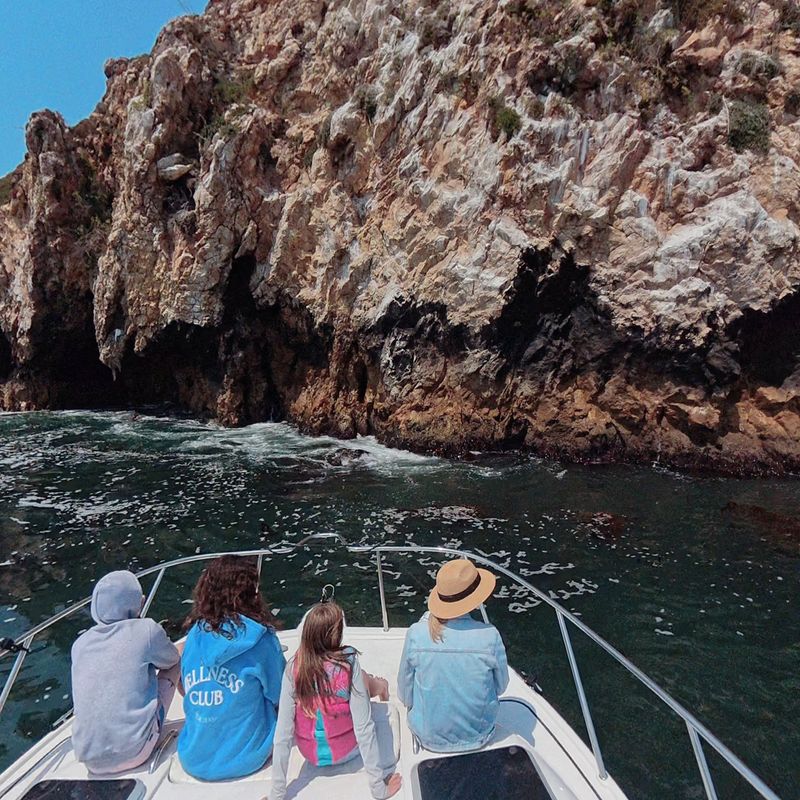
SLO Tours takes the opposite approach by capping every excursion at just six passengers, ensuring everyone has ample space along the railings and unobstructed sightlines when wildlife appears.
The small group size transforms the experience from a crowded tourist activity into something more like a private charter.
Conversations flow naturally between passengers and crew, questions get answered thoroughly, and the captain can adjust the route based on the group’s interests and energy levels without worrying about disappointing dozens of people.
Families with young children particularly benefit from this arrangement, as parents can keep close watch without competing for space or worrying about little ones getting lost in a crowd.
The intimate setting also allows for better photography opportunities, since guests can move freely and position themselves for the best angles when whales surface or sea lions emerge nearby.
Advanced reservations become essential during peak season precisely because of these limited spots.
The company maintains this policy even when demand exceeds capacity, prioritizing quality over quantity in a way that sets it apart from competitors focused on maximizing ticket sales.
3. Orca: A 26’ Zodiac RHIB
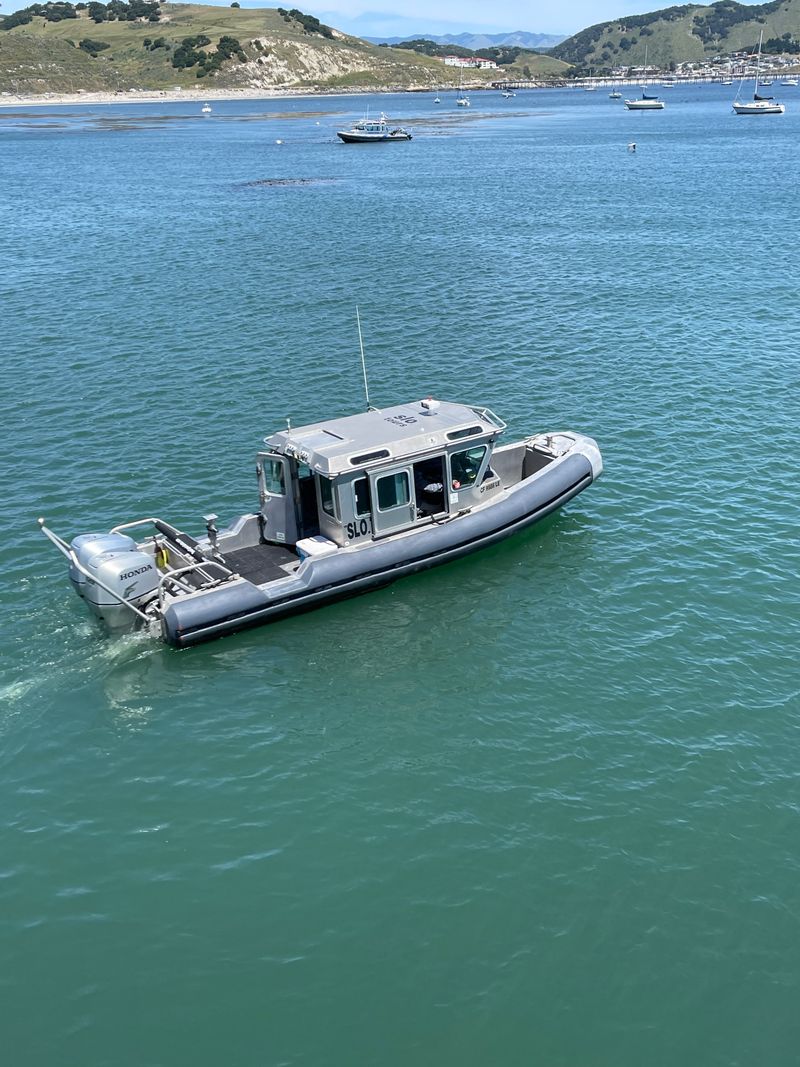
Vessel selection matters enormously for marine tours, and SLO Tours chose the Orca specifically for its stability and passenger comfort.
The Zodiac RHIB design features one rigid V-shaped hull that significantly reduces the rocking motion that causes seasickness, making the experience accessible even to those who typically struggle with boat travel.
The 26-foot length provides enough deck space for six passengers to spread out comfortably while remaining maneuverable enough to navigate closer to wildlife and explore areas where larger vessels cannot venture.
The boat’s shallow draft allows approaches to rocky outcroppings where sea lions congregate and entry into sea caves that remain off-limits to deeper-keeled craft.
Covered seating areas offer protection from sun and wind, while open deck sections allow unobstructed viewing and photography when conditions permit.
The vessel’s quiet engine design minimizes disturbance to marine life, increasing the likelihood of extended wildlife encounters rather than brief glimpses before animals dive to escape noise.
Regular maintenance and safety inspections keep the Orca in excellent condition, with all required Coast Guard equipment aboard and readily accessible.
The RHIB’s reputation for smooth rides has earned praise in countless reviews from passengers who expected a rougher experience based on previous boat trips.
4. Peak Whale Watching: July Through October
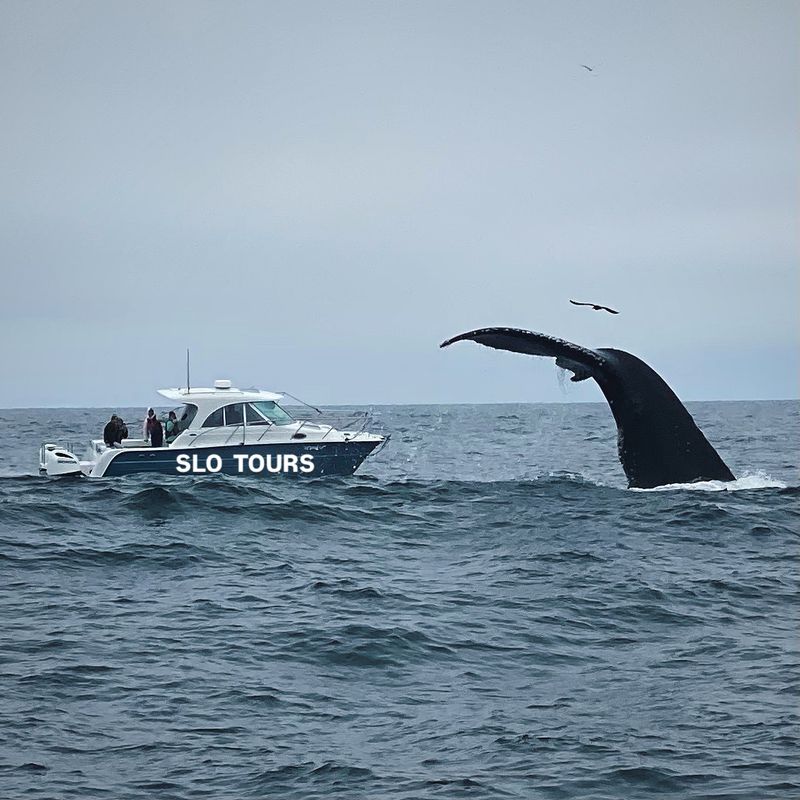
Humpback whales follow predictable migration patterns along the California coast, and the waters around San Luis Obispo Bay become a feeding ground during summer and early fall months.
SLO Tours schedules whale watching excursions from July through October to coincide with this annual phenomenon, when sighting success rates reach their highest levels of the year.
During these months, nutrient-rich upwelling currents bring massive amounts of krill and small fish to the surface, attracting hungry whales that need to build energy reserves before their long journey to breeding grounds.
Passengers often witness dramatic feeding behaviors including lunge feeding, where whales burst through the surface with mouths agape, and cooperative bubble-net feeding where multiple whales work together.
The relatively calm summer seas also make for more comfortable viewing conditions compared to the rougher winter months when gray whales pass through but weather conditions can limit tour operations.
Clear skies and warm temperatures mean guests can focus on wildlife rather than battling cold winds or dealing with rain gear.
Booking early in the season provides the best selection of departure times, while late September and October often feature slightly fewer crowds as summer vacationers return home.
The captain maintains a detailed log of sightings throughout the season, helping to identify productive areas where whales tend to congregate.
5. Year-Round Sea Lion Colonies
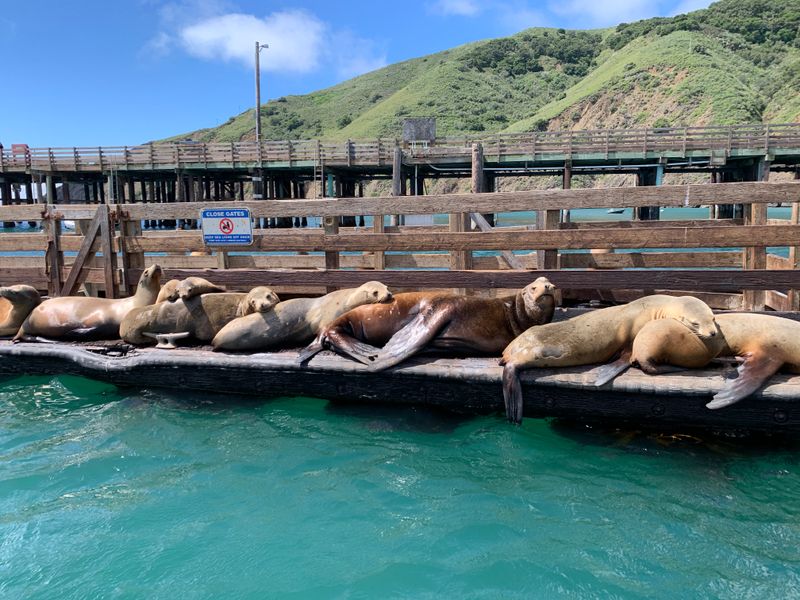
While whale watching follows seasonal patterns, the sea lion populations around San Luis Obispo Bay provide reliable wildlife encounters throughout the entire year.
These charismatic marine mammals establish haul-out sites on rocky outcroppings and floating docks, where they rest, socialize, and engage in the loud vocalizations that give them their distinctive character.
California sea lions display fascinating social behaviors that captivate observers, from playful wrestling matches between juveniles to territorial disputes among adult males.
The animals show remarkable agility both in water and on land, often launching themselves onto rocks with surprising grace despite their considerable bulk.
Harbor cruises pass close enough to these colonies for guests to observe individual animals and their interactions without disturbing their natural routines.
The captain provides context about sea lion biology, explaining how to distinguish males from females, identify age differences, and understand the social hierarchy visible in their positioning and behavior.
Photographers appreciate the reliable nature of these encounters, since sea lions remain relatively stationary when hauled out and their expressive faces and poses create compelling images.
The animals occasionally approach the boat out of curiosity, swimming alongside for short distances and sometimes performing underwater acrobatics visible through the clear water.
6. Fossil Point Sea Caves Exploration
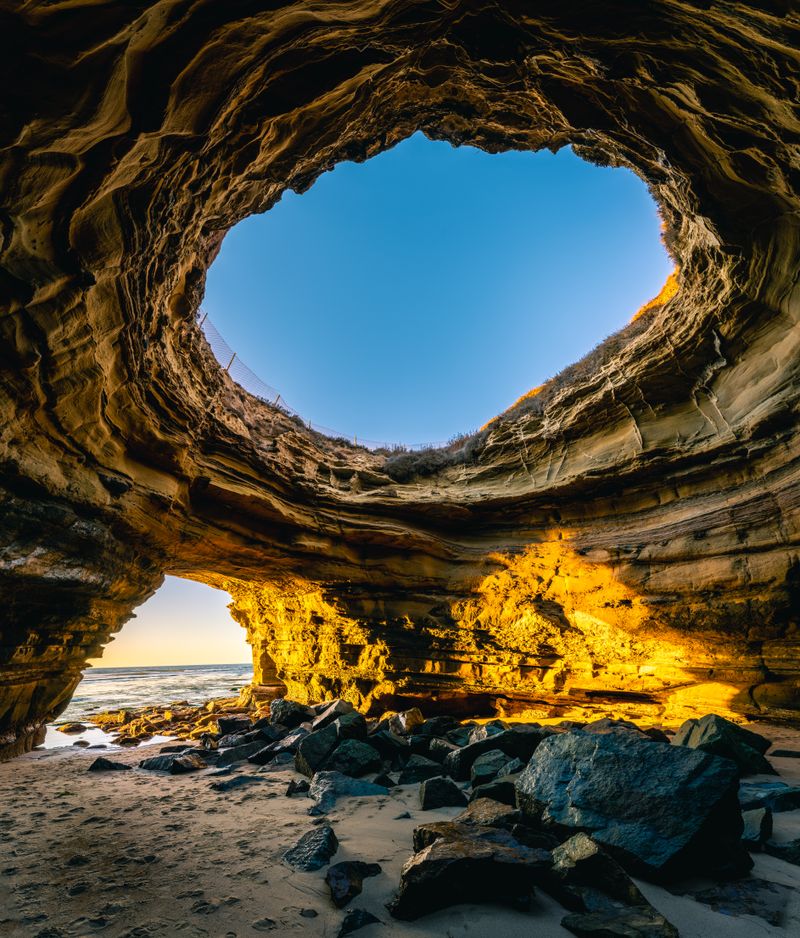
The coastline near Avila Beach features dramatic geological formations carved by millennia of wave action, and the sea caves at Fossil Point rank among the most impressive accessible by boat.
SLO Tours includes these natural wonders in their harbor cruise itineraries, navigating carefully into cave openings where light filters through water and reflects off ancient rock walls.
The caves earned their name from the fossil deposits embedded in the surrounding rock, remnants of marine life from millions of years ago when this area existed underwater.
Guides point out these preserved shells and other evidence of the region’s geological history, connecting past and present ecosystems in ways that deepen appreciation for the environment.
Inside the caves, the acoustics amplify the sounds of water lapping against stone and seabirds calling from hidden nesting sites.
The temperature drops noticeably, and the air carries the distinctive scent of saltwater and minerals that characterizes these enclosed coastal spaces.
Safety considerations limit cave exploration to calm weather conditions when swells remain minimal and visibility stays high.
The captain assesses conditions before each approach, sometimes circling the exterior and providing views into the caves rather than entering when wave action makes interior navigation risky for passengers and vessel alike.
7. Point San Luis Lighthouse Access
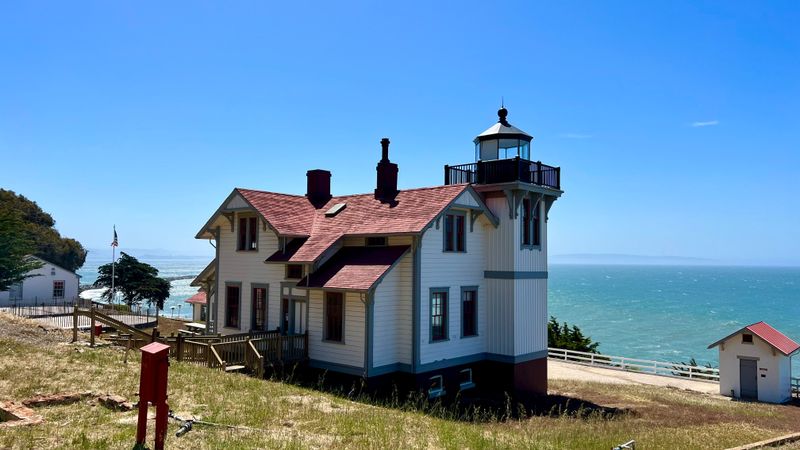
Perched on a remote coastal point accessible primarily by water, the Point San Luis Lighthouse has guided mariners since the 1890s and remains one of the most photogenic maritime landmarks on the Central Coast.
SLO Tours offers specialized lighthouse adventures that include beach landings, allowing guests to step ashore and explore areas that remain inaccessible to road-bound visitors.
The Victorian-era lighthouse structure showcases architectural details from a bygone era of maritime navigation, and the surrounding keeper’s quarters and outbuildings provide glimpses into the isolated lives of lighthouse families who maintained these crucial aids to navigation.
The location offers panoramic views of the coastline and ocean that photographers find irresistible.
Secret Beach, adjacent to the lighthouse, lives up to its name by remaining unknown to most visitors who stick to easily accessible coastal areas.
The secluded cove features tide pools teeming with marine life, smooth stones polished by endless wave action, and driftwood sculptures created by natural forces and occasional beachcombers.
Landing conditions depend entirely on surf and tide, so these tours require flexibility and understanding that beach access cannot be guaranteed on every trip.
The captain monitors conditions closely and makes real-time decisions based on passenger safety, sometimes substituting extended viewing from the boat when landing becomes inadvisable.
8. Marine Mammal And Seabird Diversity
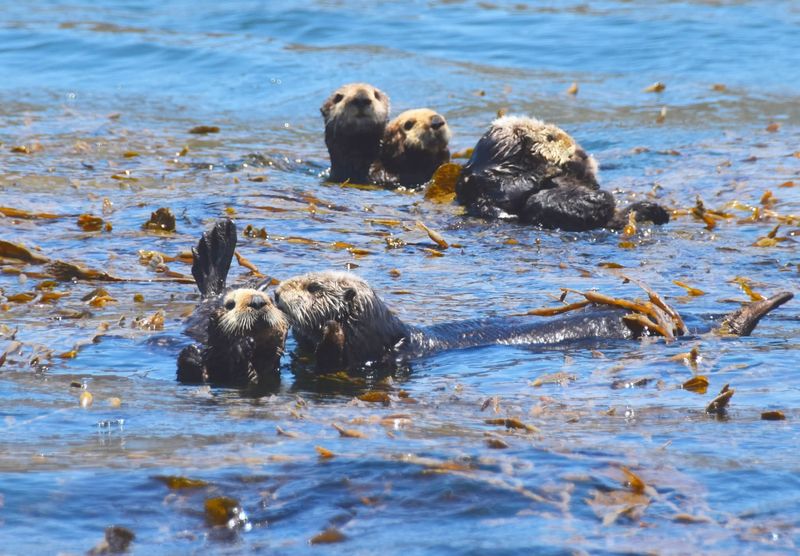
Beyond the headline attractions of humpback whales and sea lion colonies, the waters around San Luis Obispo Bay support an incredible diversity of marine life that reveals itself to patient observers.
Sea otters float on their backs in kelp beds, using rocks to crack open shellfish in displays of tool use that fascinate researchers and casual observers alike.
Harbor seals, more retiring than their sea lion cousins, rest on isolated rocks and beaches where their mottled coats provide camouflage against predators.
These smaller pinnipeds often go unnoticed until the captain points them out, their round heads bobbing in the water as they observe the boat with curious dark eyes.
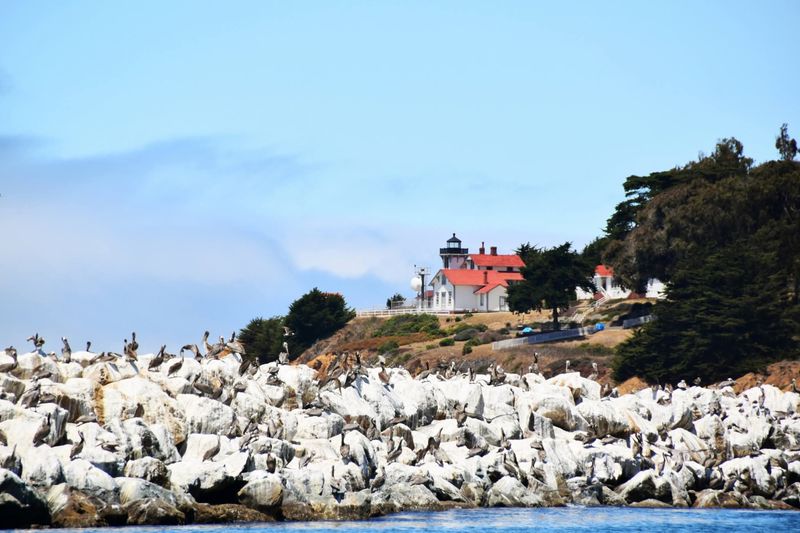
The seabird population includes brown pelicans that plunge-dive for fish, cormorants that swim underwater in pursuit of prey, and various gull species that follow the boat hoping for easy meals.
During migration periods, rarer species appear including shearwaters that skim wave tops and occasional puffins that delight birdwatchers lucky enough to spot them.
The captain’s extensive knowledge helps guests identify different species and understand the ecological relationships that connect these diverse animals.
Learning to spot the subtle differences between similar-looking birds or recognize the distinctive swimming patterns of different marine mammals adds depth to the experience beyond simple sightseeing.
9. Educational Focus And Conservation Message
Captain Brink approaches every tour as an educational opportunity rather than mere entertainment, weaving information about marine biology, conservation challenges, and ecosystem dynamics into the narrative throughout each excursion.
His teaching style remains accessible and engaging, avoiding academic jargon while still conveying substantive information that guests remember long after returning to shore.
The tours address current environmental issues affecting marine mammals, from entanglement in fishing gear to ocean pollution and climate change impacts on food sources.
Rather than delivering depressing lectures, the captain focuses on positive actions individuals can take and success stories where conservation efforts have helped species recover from near-extinction.
Guests receive guidance on responsible wildlife viewing practices that minimize disturbance to animals while maximizing observation opportunities.
Understanding why boats maintain certain distances from whales and avoid sudden movements near sea lion colonies helps passengers appreciate the ethical framework underlying tour operations.
Many visitors report that the educational component transformed their relationship with ocean environments, inspiring lifestyle changes like reducing plastic use or supporting marine conservation organizations.
The captain provides recommendations for further learning and ways to stay engaged with conservation issues after the tour ends, extending the impact beyond a single afternoon on the water.
10. Flexible Scheduling And Specialized Services
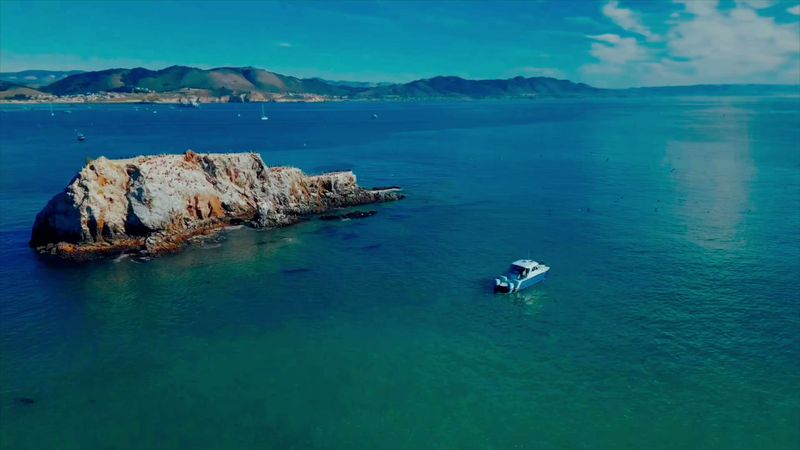
SLO Tours maintains a flexible approach to scheduling that accommodates the unpredictable nature of both wildlife behavior and weather conditions.
The company offers multiple departure times during peak season and works with guests to find slots that fit vacation itineraries while optimizing chances for successful wildlife encounters based on recent sighting patterns and ocean conditions.
Private charters become available for groups who want exclusive use of the vessel, whether for special occasions, photography expeditions, or simply the preference for a completely customized experience.
These arrangements allow for adjusted itineraries that spend more time in areas of particular interest or extend duration beyond standard tour lengths.
The company also provides ash scattering services for families who wish to honor loved ones with ocean memorials, handling these sensitive occasions with appropriate dignity and respect.
These trips accommodate up to six family members and include time for personal ceremonies in beautiful coastal settings far from shore.
Booking through the official website provides access to the most current availability and allows direct communication with the team about specific needs or questions.
The FAQ section addresses common concerns about seasickness, what to bring, cancellation policies, and age recommendations, helping guests prepare appropriately for their chosen experience.