This Scenic Drive Along The Pacific Coast In California Looks Like Something From A Movie
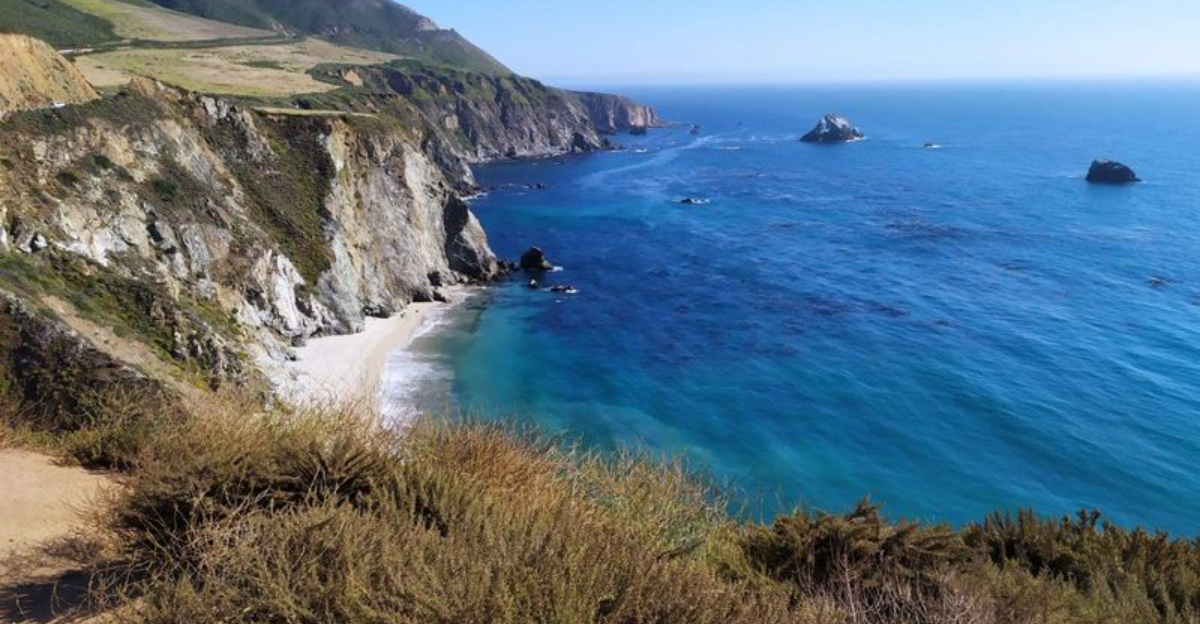
A coastal drive can make the whole car go quiet. Cliffs rise sharply, waves crash below, and every curve feels like it borrowed a scene from the big screen.
Suddenly the road becomes the destination.
A route like this turns California into pure movie magic. Ocean air does half the work, while the views handle the rest.
Drivers come for scenery and leave with the kind of memory that feels too dramatic to be casual.
No special plan is needed. Just the road, the water, and enough time to let every turn show off.
A Famous Highway 1 Stretch Worth Every Mile
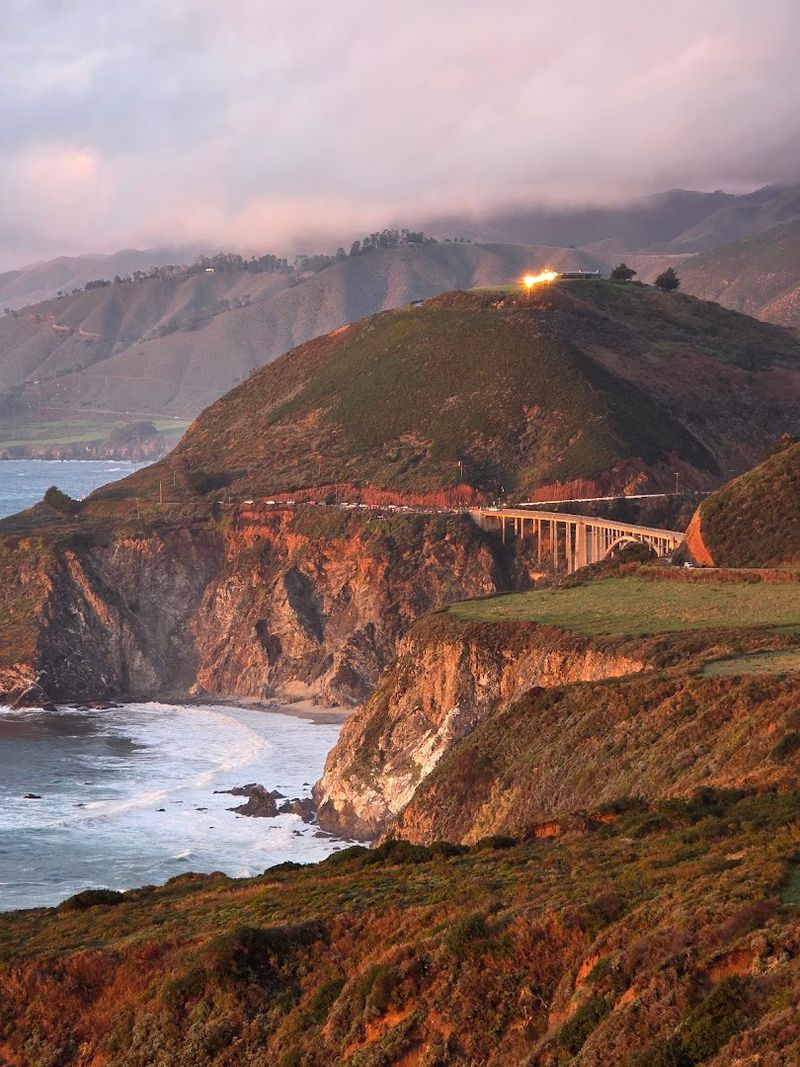
Stretching approximately 72 miles along one of the most dramatic coastal corridors in the entire country, the Big Sur section of California State Route 1 is a road that genuinely earns its reputation.
Most highways simply connect two places, but this one feels like a destination all on its own.
The pavement curves and climbs with the terrain rather than cutting through it, which means every mile brings a new angle of the Pacific Ocean into view.
Federally recognized byway information confirms the route runs through Big Sur and has earned both All-American Road and National Scenic Byway designations, two of the highest honors a road can receive in the United States.
Those titles are not handed out lightly, and the landscape here makes it easy to understand why this stretch qualified.
Rugged canyon walls, ocean overlooks, and the constant presence of the Pacific on one side create a driving experience unlike almost anything else on the West Coast.
Planning extra time is a smart move since the route rewards slow driving and frequent stops far more than a straight-through run ever could.
Traffic can back up on weekends, so a weekday visit tends to offer a calmer and more enjoyable pace along the highway.
Official Scenic Status That Sets It Apart
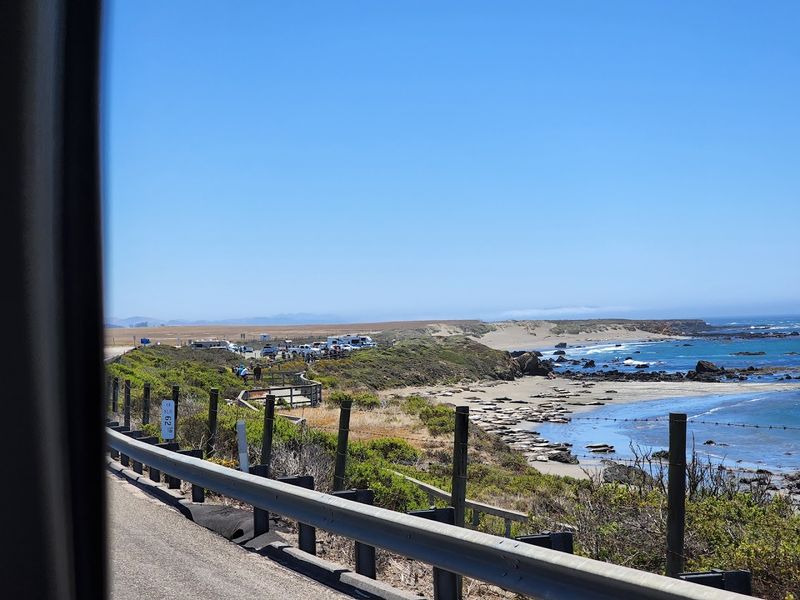
Not every pretty road earns a federal designation, but Big Sur’s Highway 1 holds two of them simultaneously.
The All-American Road title and the National Scenic Byway designation are both awarded by the Federal Highway Administration and represent the top tier of recognition for roads with outstanding natural, cultural, or recreational value.
Very few routes in the entire country carry both titles at once.
The All-American Road designation specifically requires that a route have qualities so exceptional that the road itself becomes the reason to travel, not just a way to get somewhere else.
Big Sur’s Highway 1 meets that standard with ocean cliffs, forested canyons, wildlife, and historical landmarks all present within the same corridor.
Travelers who understand what these designations mean tend to approach the drive with more intention and come away with a deeper appreciation for what makes it special.
Knowing the official status of the route also helps set realistic expectations before arriving. The drive is not a freeway experience and was never meant to be one.
Speed limits are low, pullouts are frequent, and the road itself demands attention from drivers, which actually works in everyone’s favor since slower driving naturally leads to better sightseeing and safer navigation of the winding coastal terrain.
Movie-Like Ocean Cliffs That Stop You Mid-Sentence
Standing at the edge of a Big Sur overlook for the first time tends to produce a brief silence before anyone says anything at all.
The cliffs along this stretch of coastline drop sharply into the Pacific and the ocean below crashes against the rocks with a force that can be heard well before it can be seen.
Fog often clings to the water in the mornings, softening the light and giving the entire scene a quality that feels more like a film set than a real place.
Cypress trees grow in twisted shapes along the bluffs, shaped over decades by constant coastal wind, and their silhouettes against the ocean horizon are immediately recognizable from countless photographs and film productions.
The combination of fog, cliffs, surf, and tree lines creates a visual layering effect that changes depending on the time of day and the season.
Morning light tends to produce the most dramatic atmosphere while midday brings clearer visibility and more vivid color in the water.
Rugged canyon views appear on the inland side of the road as well, so the scenery shifts between ocean panoramas and forested ridge lines throughout the drive.
Keeping a camera or phone accessible at all times is practical advice since the landscape changes quickly and scenic moments arrive without much warning along the route.
Bixby Bridge Views That Anchor The Whole Drive
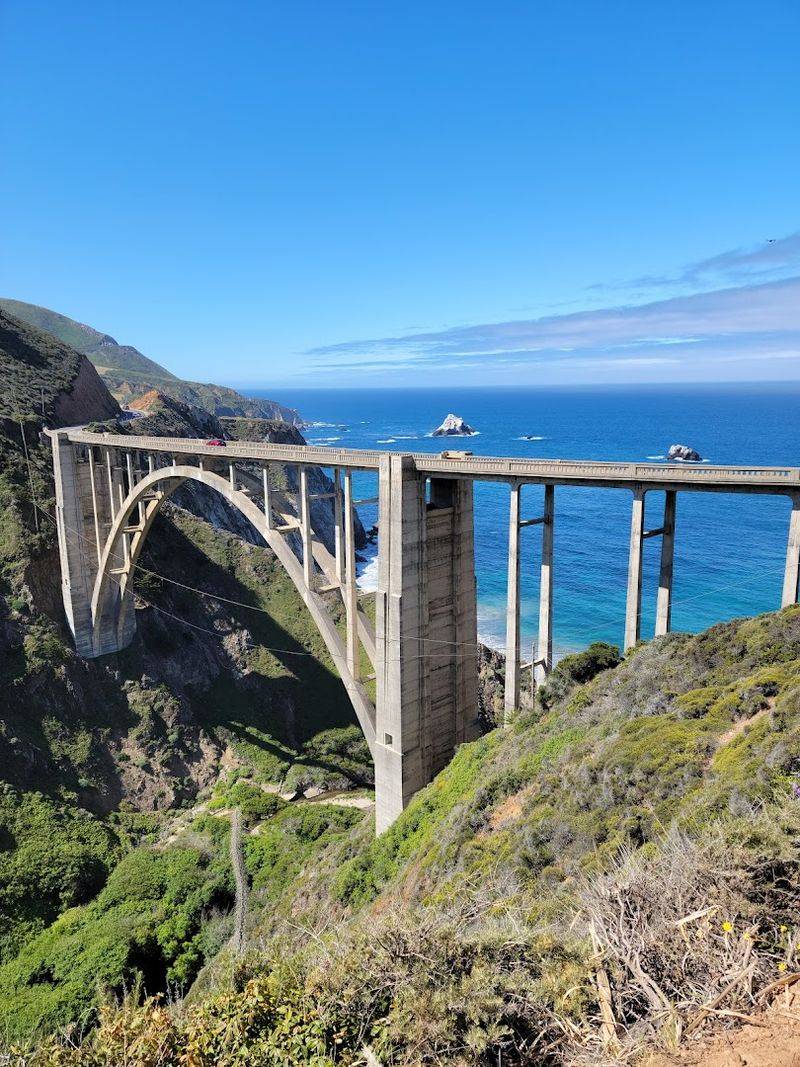
Bixby Creek Bridge is the kind of landmark that appears in so many photographs it almost seems fictional until a visitor sees it in person.
Spanning a deep canyon with the Pacific Ocean visible through the arches in the background, the bridge is one of the most recognized structures along the entire California coast.
Built in 1932, Bixby Bridge is a reinforced concrete open-spandrel arch bridge that stretches 714 feet in length and stands 280 feet above Bixby Creek.
Those dimensions made it one of the longest single-span concrete bridges in the world at the time of its construction.
The engineering alone is worth pausing to appreciate even before factoring in the dramatic natural setting surrounding it.
A small turnout on the north side of the bridge offers a popular viewing and photography spot where visitors can pull off safely and take in the full structure without stopping on the road itself.
Arriving early in the morning tends to mean fewer people at the turnout and better light for photographs.
The bridge itself carries active traffic so pedestrian access onto the bridge deck requires caution and awareness of passing vehicles at all times.
McWay Falls and the Cinematic Pull of Julia Pfeiffer Burns State Park
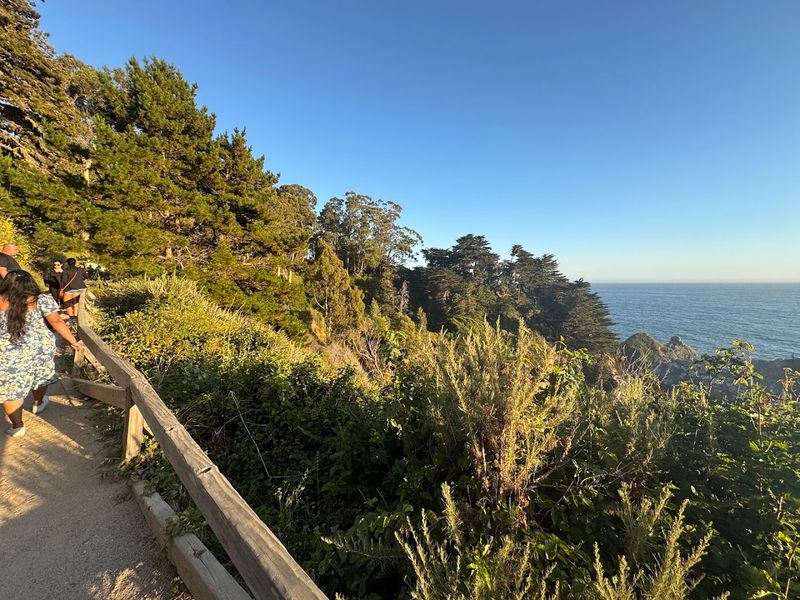
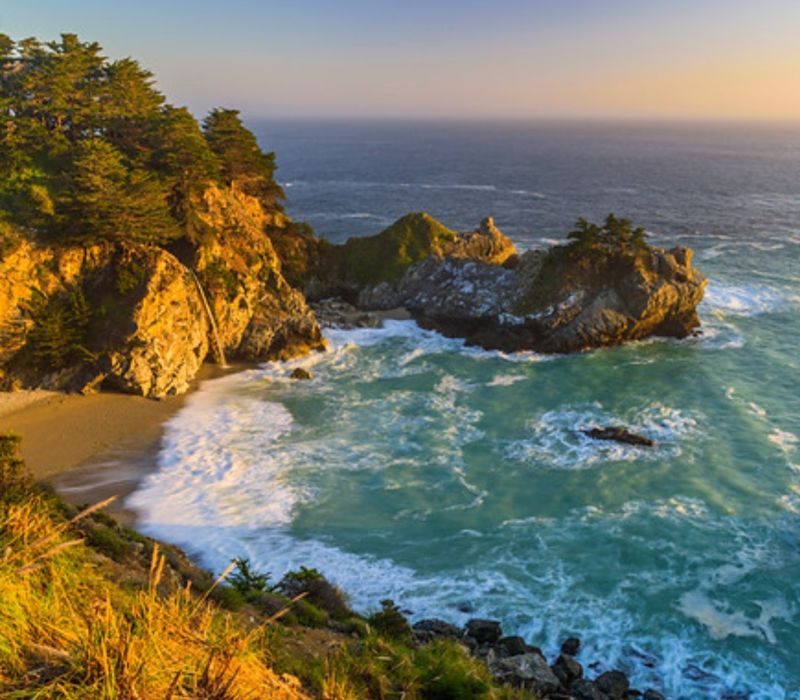
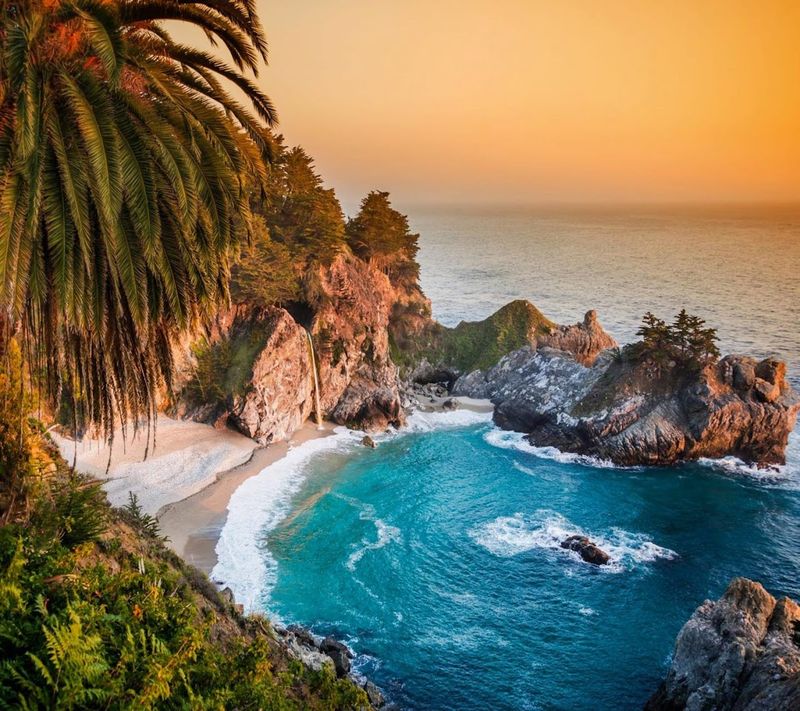
A waterfall that drops directly onto a beach and empties into the Pacific Ocean is not something most people expect to encounter on a road trip, but that is exactly what McWay Falls delivers inside Julia Pfeiffer Burns State Park.
The falls tumble about 80 feet down a granite cliff onto a small sandy cove below, and the combination of turquoise water, white sand, and dark rock creates one of the most visually striking scenes anywhere along the California coast.
Julia Pfeiffer Burns State Park is located at 52601 CA-1, Big Sur, CA 93920, and the park is accessible directly from Highway 1.
The overlook trail to view McWay Falls is a short walk from the parking area and takes most visitors only about ten to fifteen minutes to reach, making it one of the most accessible highlights on the entire drive.
The cove itself is not open to visitors but the overlook provides an unobstructed view that more than compensates for the restricted access.
The park also offers coastal bluff trails, canyon scenery, and redwood groves that add depth to a stop that could otherwise feel like a quick photo opportunity.
Spending at least an hour here gives enough time to absorb the surroundings without rushing back to the car.
Parking fills up quickly on weekends so arriving before late morning improves the chances of finding a spot without a long wait.
Redwood and Canyon Scenery Beyond the Ocean Views
Many visitors arrive expecting only ocean views and leave surprised by how much of the Big Sur experience happens inland.
The drive passes through canyon corridors where the road drops into shaded valleys filled with coastal redwoods, and the shift from open ocean panorama to dense forest canopy happens within the span of a few turns.
America’s Byways notes that rugged canyons, redwoods, sea lions, and marine life are all part of what makes this corridor distinctive as a federally recognized route.
Pfeiffer Big Sur State Park sits within one of these forested canyon areas and offers hiking trails that wind through old-growth redwoods alongside the Big Sur River.
Trails here range from easy riverside walks to more demanding ridge climbs with views over the entire canyon system below.
Sea lions and other marine mammals are often visible from certain coastal overlooks along the highway, particularly in areas where rocky outcroppings extend into the water.
Harbor seals tend to haul out on sheltered beaches and elephant seals can sometimes be spotted depending on the season.
The wildlife presence adds an unpredictable and genuinely exciting element to the drive that no amount of planning can fully prepare a visitor for in advance.
Worth Far More Than A Quick Drive Through
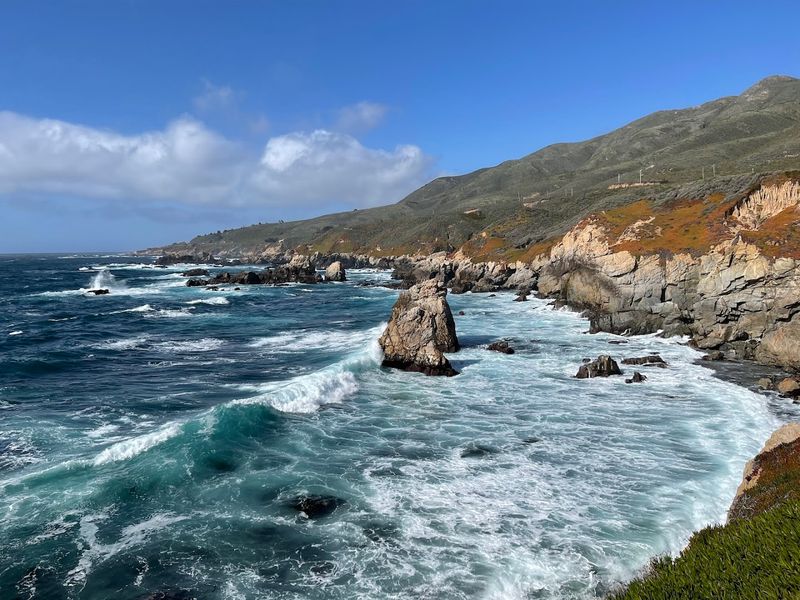
Federal byway guidance suggests the Big Sur stretch of Highway 1 takes roughly one and a half hours to drive straight through, but properly experiencing the route takes closer to five hours or more.
The difference between those two numbers represents everything that makes the drive worthwhile.
Pullouts, state parks, trailheads, beach access points, and overlooks are spread throughout the corridor, and each one adds something that a windshield view alone simply cannot provide.
Pacing matters enormously on a drive like this.
Rushing through to reach a destination at the other end means missing the waterfall, the bridge, the redwoods, the wildlife, and the dozen or so overlooks that offer genuinely different perspectives on the coastline.
Building a flexible itinerary that allows for unplanned stops tends to produce the most satisfying experience since some of the best moments along the route happen at unmarked pullouts with no particular feature listed on any map.
Bringing snacks and water is a practical consideration since services along the highway are limited and spaced far apart.
A few small markets, cafes, and roadside stops exist along the corridor but they are not abundant and can get busy during peak travel periods.
Filling up on fuel before entering the Big Sur section from either direction is a straightforward precaution that prevents an avoidable problem mid-drive.
No Entry Fee for the Drive and Current Road Conditions to Know
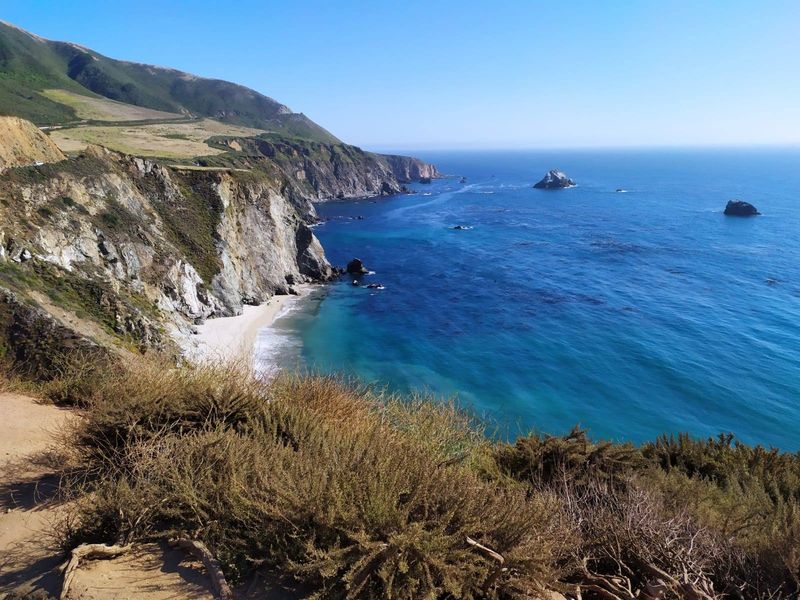
One of the genuinely appealing aspects of Big Sur Coast Highway is that the scenic byway itself does not charge an entry fee to drive. The road is a public state highway and anyone can travel it without paying a toll or purchasing a pass.
Individual state parks and certain day-use areas along the route do have their own fees, but the drive itself remains free and accessible as a bucket-list California road trip experience without requiring a significant financial commitment just to get started.
Road conditions are a different matter and require checking before departure.
As of the Caltrans update from May 5, 2026, State Route 1 in Central California has 24-hour one-way controlled traffic in effect approximately 5.3 to 6.3 miles north of Big Sur due to ongoing maintenance work scheduled through July 31, 2026.
Delays should be expected at that section and travelers should consult the Caltrans QuickMap website or call 511 for the most current traffic and closure information before heading out.
Checking conditions the morning of the drive is a smarter approach than relying on information gathered days in advance since road situations along this corridor can shift with weather, slides, or maintenance schedule changes.
The effort of a quick check before leaving can save several hours of frustration and help travelers plan realistic timing for the entire route from start to finish.