This Scenic 3-Mile Nebraska Hike Is An Easy Adventure Worth Taking
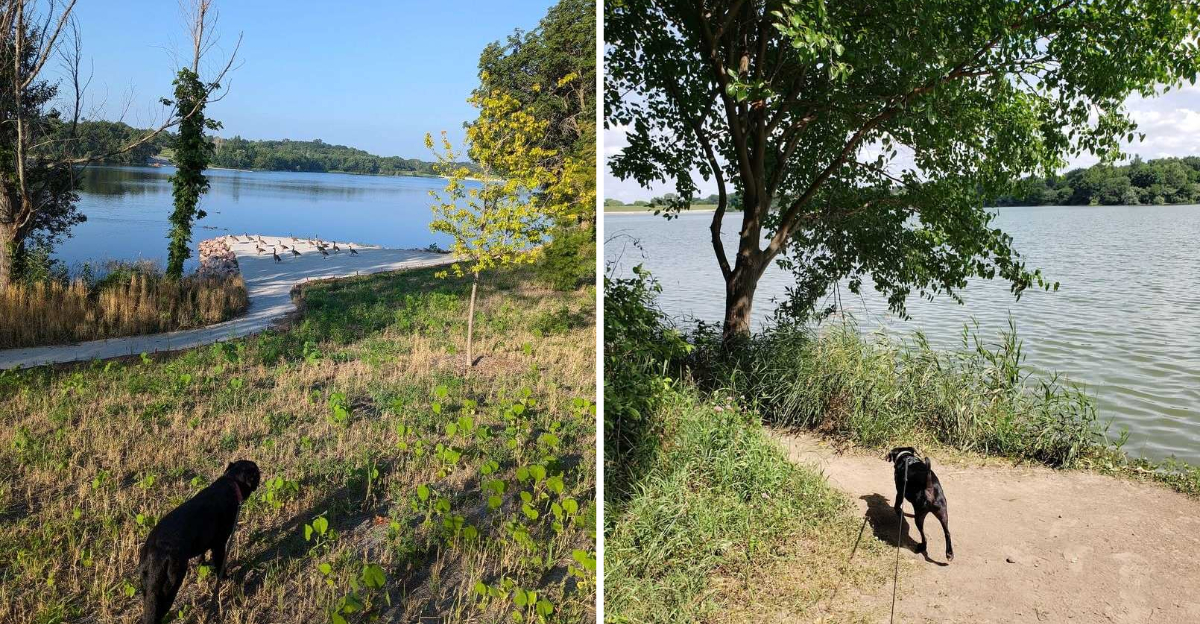
Three miles, almost no fuss, and a floating boardwalk waiting along the way? That is a pretty convincing reason to lace up your shoes in Nebraska.
This hike delivers enough surprises to make its easy distance feel like a genuine little adventure.
The paved route means you can focus less on your footing and more on what appears next.
Keep an eye out for wildlife, take your time around the lake, and do not rush home if sunset is getting close. There is even an unexpected story behind the trail’s name.
Best of all, you do not need an entire day or hardcore hiking skills to see what makes it special.
Where The Loop Begins
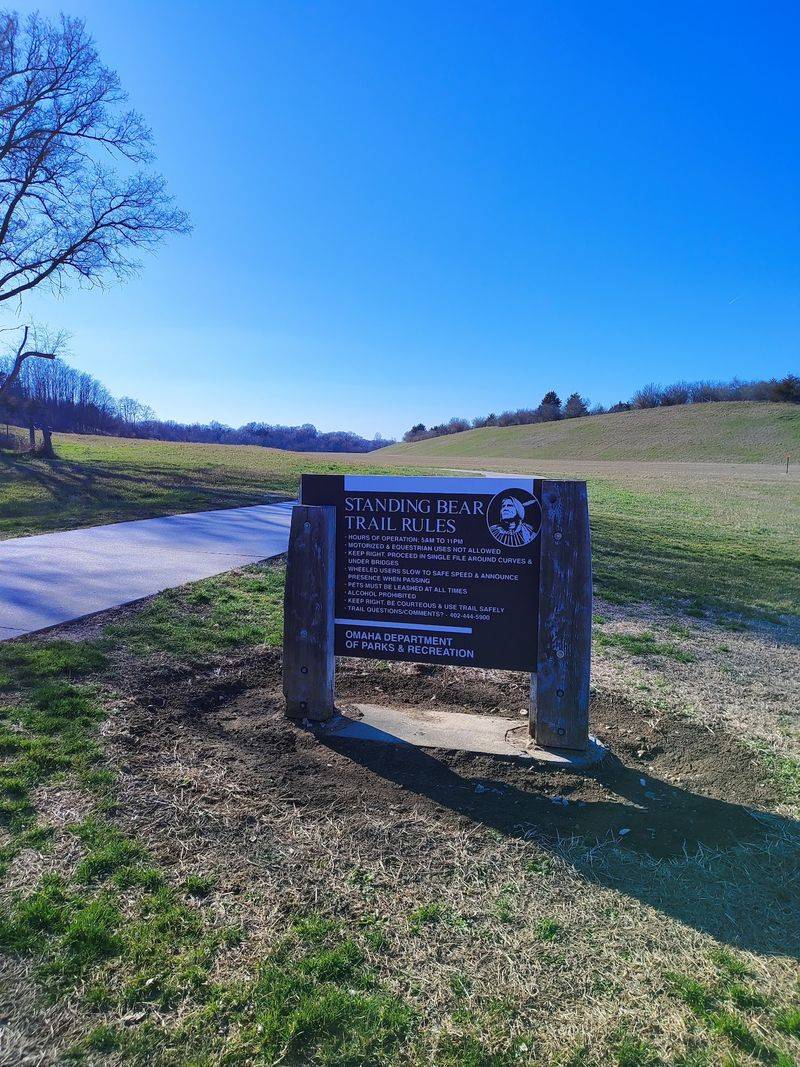
My first surprise came in the parking lot, of all places. There were plenty of open spots, and the trailhead sat only steps away.
Standing Bear Lake spreads across roughly 396 acres of Omaha parkland, with a 135-acre lake anchoring the middle. Five separate access points ring the property, so you can choose your starting line.
I entered from the 132nd Street side, which puts you close to the playground and picnic areas.
The park keeps regular hours, opening at 5 AM and closing at 11 PM daily. That early start is a gift for anyone chasing cool air and quiet water before work.
Tall, mature trees screen much of the shoreline, which is why the place feels tucked away instead of squeezed into a suburb. Traffic noise fades within a few minutes of walking.
Nebraska has plenty of open country, yet this pocket of calm sits inside city limits. You will find the whole adventure waiting at 6404 N 132nd St in Omaha.
Three Paved Miles, Zero Stress
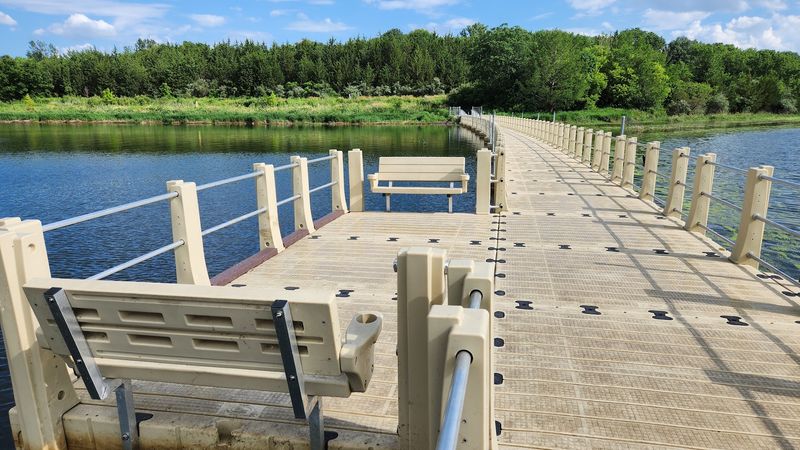
Comfortable shoes are honestly all the gear you need here. The loop runs about 3 miles, and I finished it in just over an hour.
Pavement covers nearly the entire circuit, and the path is wide enough for walkers, joggers, and cyclists to pass without shuffling. Strollers roll along easily too. I saw plenty of families setting a slow, chatty pace.
Most of the route stays flat, though the dam section adds a gentle rise. That small climb rewards you with the broadest lake view on the whole trail. Winter turns those same slopes into a favorite sledding hill for local kids.
A short dirt connector links the Hawk field area to the concrete path, which adds a woodsy feel if you want it. Wildflowers crowd the edges during late spring and summer.
Because the loop is a circle, you can reverse direction and the scenery feels brand new. I did exactly that on my second visit and noticed details I had missed.
Walking Right Over Water
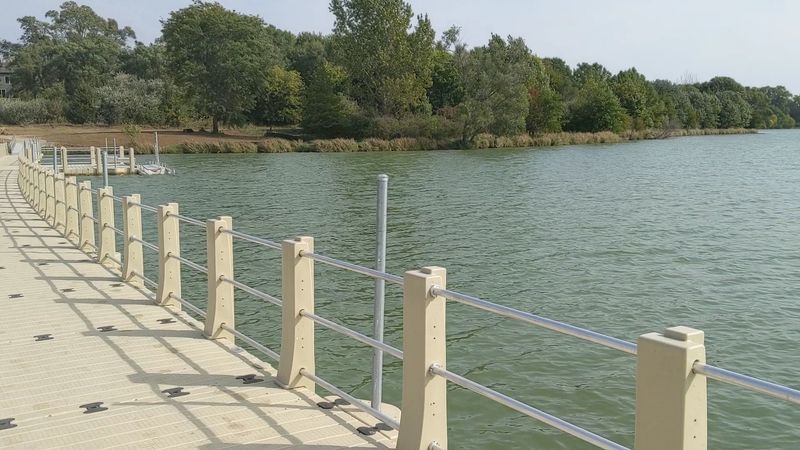
Halfway around, the trail does something unexpected: it leaves land entirely. A floating boardwalk carries you straight across the lake surface.
Built in 2020, this section completed the full loop and instantly became the highlight for most visitors. The deck sits low, so the water rests just inches below your feet.
Fish flicker under the boards, and ducks paddle past without much concern for foot traffic.
I stood in the middle for a while, watching the sky reflect on both sides. There is no other spot in the park where you feel this surrounded by water while staying completely dry.
Occasionally the boardwalk closes for maintenance or high water. When that happens, simply walk the loop out and back from the other direction, which still makes for a satisfying outing.
Winter brings a different thrill. On a frozen day, you can look out across ice while anglers drill their holes nearby.
Of all the walkways I have crossed in Nebraska, this floating stretch remains the one I describe first when friends ask where to go.
Paddling A No-Wake Playground
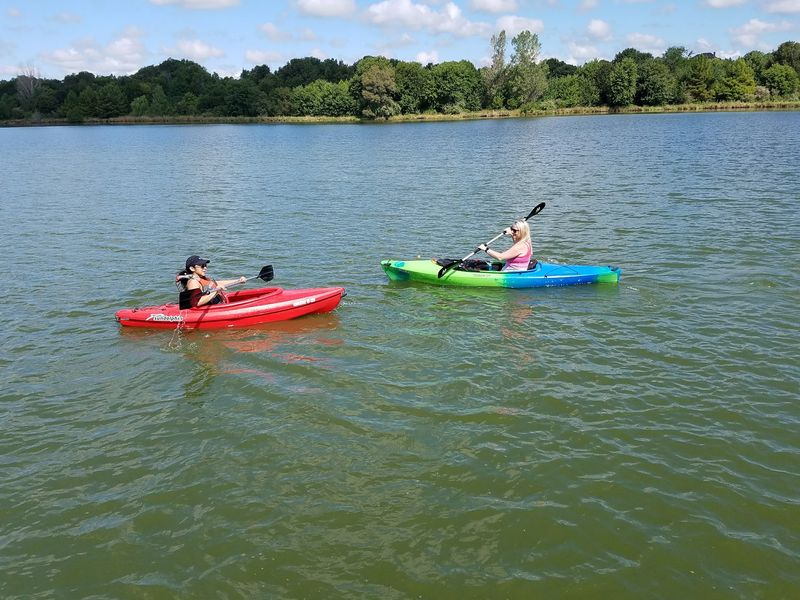
Paddlers, you are going to like this part. The entire 135-acre reservoir operates as a no-wake zone.
That single rule changes everything. Without large boat wakes rolling across the surface, kayaks and paddleboards glide over glassy water most mornings.
I have watched beginners find their balance here without any wobble drama.
The boat launch received a serious upgrade in 2023. There are now two ramps served by two separate docks, which cuts down on the traffic jams that used to form on busy weekends.
A dedicated kayak launch sits nearby, making it far easier to slide a boat in without soaking your shoes.
Late summer can bring algae to certain shallow corners, so scout your entry point before unloading gear. Shifting to a different access area usually solves the problem.
Tree-lined coves invite slow exploration, and the shoreline hides small inlets you cannot see from the trail. I paddled toward the west side and found the quietest water of the day.
Cast A Line Here
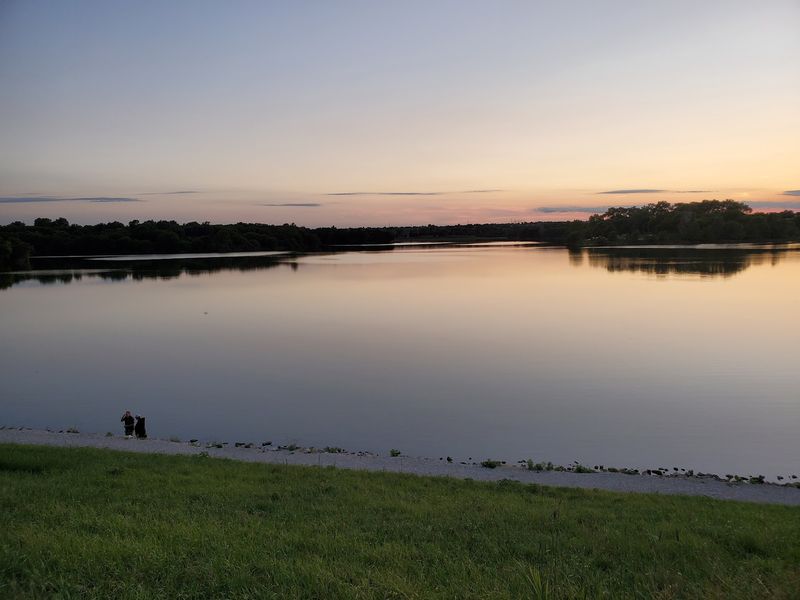
Bring a rod. Seriously, this lake keeps anglers busy year-round.
The water holds a long species list, including walleye, catfish, largemouth bass, and bluegill. Crappie, drum, saugeye, and yellow bass swim here too.
The Nebraska Game and Parks Commission has also added trout, which gives cool-weather visits an extra draw.
Depths reach around 24 feet, and habitat structures sit below the surface to help fish thrive. Rock shoals, rock vegetation barriers, and weighted cedar trees all play a part in that underwater design.
Kids do especially well along the shoreline, where small bluegill and young bass bite steadily. My favorite spots are the stone points that jut out into the lake, offering easy casting without a boat.
Ice fishing happens once winter locks things up, and I have seen small groups spread out on the frozen surface. Always check conditions first.
One request from me and every regular here: pack out your line. Loose fishing line tangles birds and fish, and it lingers for years.
Pipes That Sing
Now for the strangest thing I found in the park, and I mean that as a compliment. Somewhere along the shoreline, the wind starts making music.
Artist Douglas Hollis created a wind organ here, and it consists of several metal pipes set vertically into the ground. Each pipe has a carefully cut hole on its side. As air moves past, the pipes filter the breeze into soft, hollow tones.
On a still day you will hear nothing at all. Overgrown vegetation can muffle the effect too, so timing matters. My advice is to visit on a breezy afternoon, stand close, and stop talking for a minute.
The sound is subtle rather than dramatic. It hums, sighs, and fades, and the lake behind it makes the whole moment feel unusually calm.
Most visitors walk right past without realizing what they are looking at. I nearly did, until a gust gave the pipes away.
Public art tucked into a working park is an unexpected touch, and it turns an ordinary walk in Nebraska into something you will still be describing at dinner that night.
Birds, Deer And Foxes
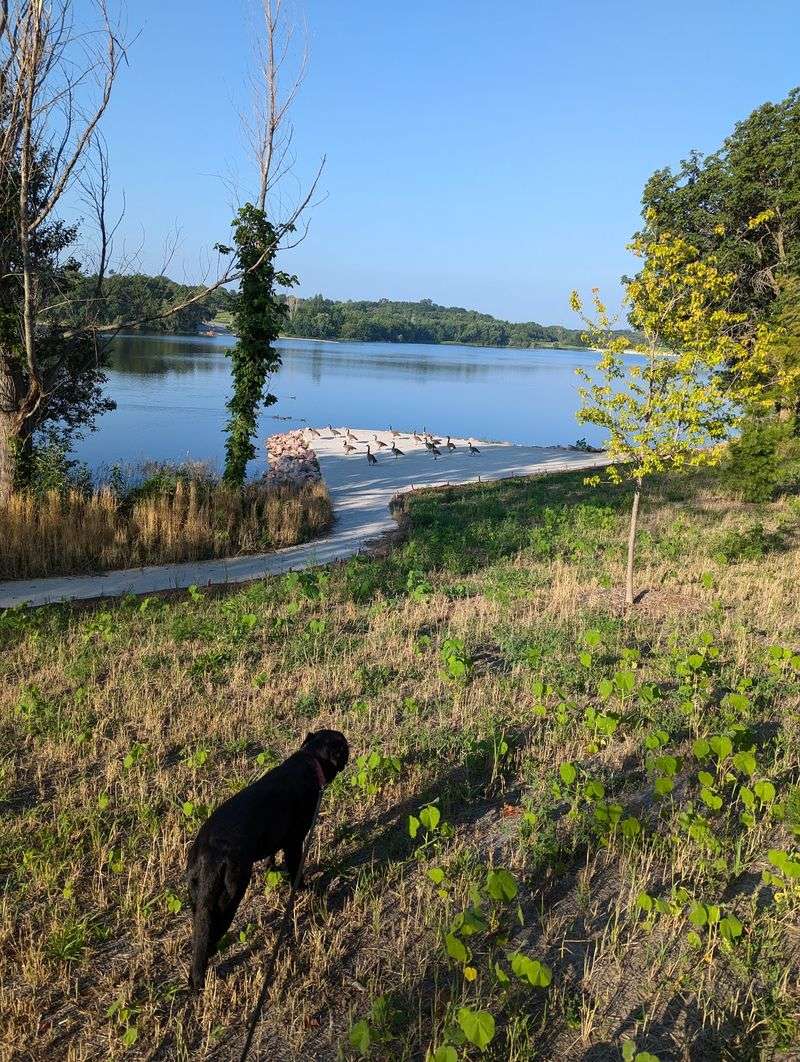
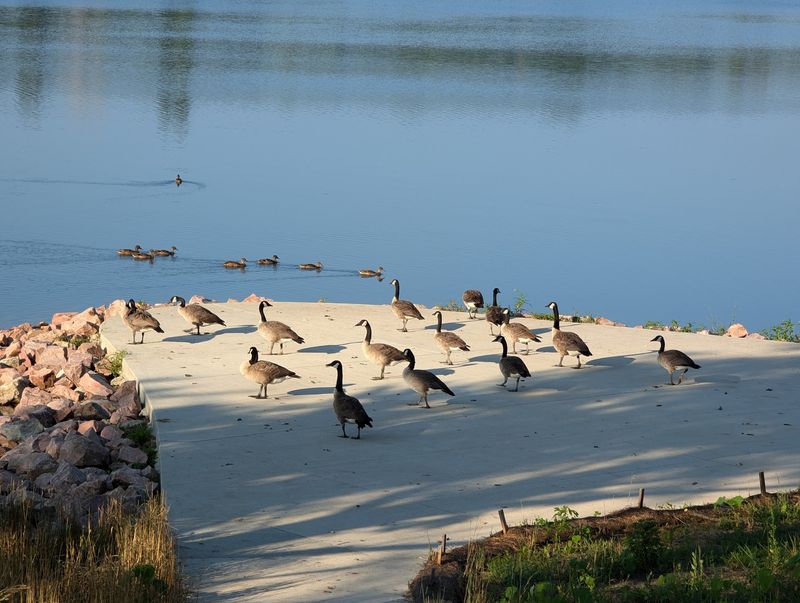
Keep your eyes up and your voice down, because the residents here have feathers and fur. A 131-acre wildlife area occupies the west side of the park.
That protected habitat gives native species room to live, and birdwatchers get the biggest reward. I spotted robins gathering nesting material and cardinals flashing red against the green.
Cormorants show up during migration, diving for fish with their hook-tipped beaks.
Mammals appear too, often surprisingly close to the pavement. Rabbits are common, deer step out near the tree line at dusk, and foxes occasionally cross the trail. Coyotes live here as well, though sightings are less frequent.
Early morning and the hour before sunset give you the best odds. Bring binoculars if you have them, and move slowly through the shaded stretches.
Dense plant life along the shoreline feeds insects, which feed birds, which keeps the whole system humming.
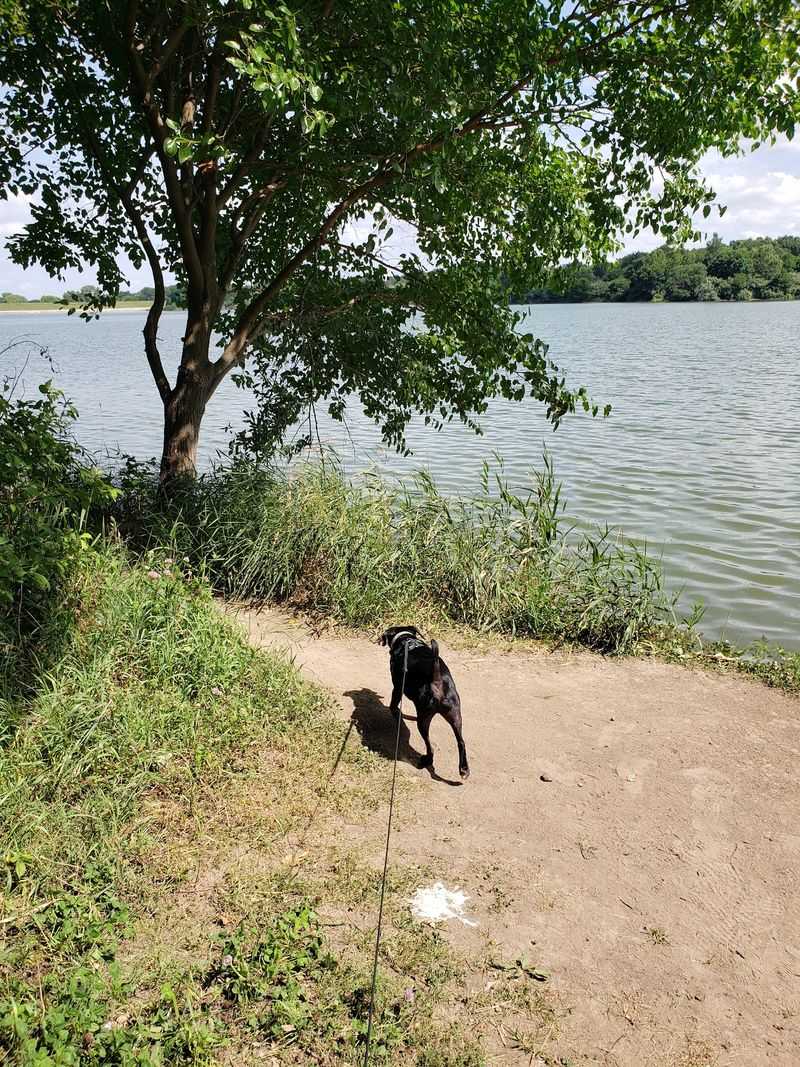
Leashed dogs are welcome on the trails, but keeping them close protects nesting wildlife. Few urban parks in Nebraska offer this much genuine animal activity within a 3-mile walk.
The Chief Behind The Name
There is real history attached to this shoreline, and it deserves a pause. A historic marker near one access point tells part of the story.
The park honors Chief Standing Bear, a Ponca leader whose courage reshaped American law. His tribe was forced from ancestral land along the Niobrara River in northeast Nebraska and moved to Indian Territory in Oklahoma.
After terrible hardship, he led thirty tribal members back home to keep a promise to his son. That journey led to a landmark court case in 1879.
Standing before the court, he declared, “I am a man. The same God made us both,” arguing that Native Americans held legal rights as human beings. The ruling changed history.
The park itself opened in 1977 and began as Dam Site 16, built for flood control on Papillion Creek. Practical engineering became public recreation, then took on a name with lasting meaning.
I read the marker before starting my loop, and the walk felt different afterward. Knowing why a place carries a name adds weight to every mile, and this Omaha park carries its name with real purpose.