This Scenic State Park In Nebraska Is One Of The State’s Best-Kept Gems
A good state park does not need crowds to prove anything.
Trails can stay quiet. Water can move at its own pace. Views can unfold without a dozen people blocking the best spot.
Nebraska keeps a few outdoor secrets so good they almost feel like they were misplaced on purpose.
Nothing feels overdone here.
The beauty comes through open space, fresh air, and scenery that feels easy to enjoy without a packed parking lot.
A place like this works because it gives visitors room to notice things.
The curve of a trail. The sound near the water. The way the sky seems bigger once the noise drops away.
Some parks chase attention. This one feels better because it never had to.
The Setting That Makes Everything Else Work
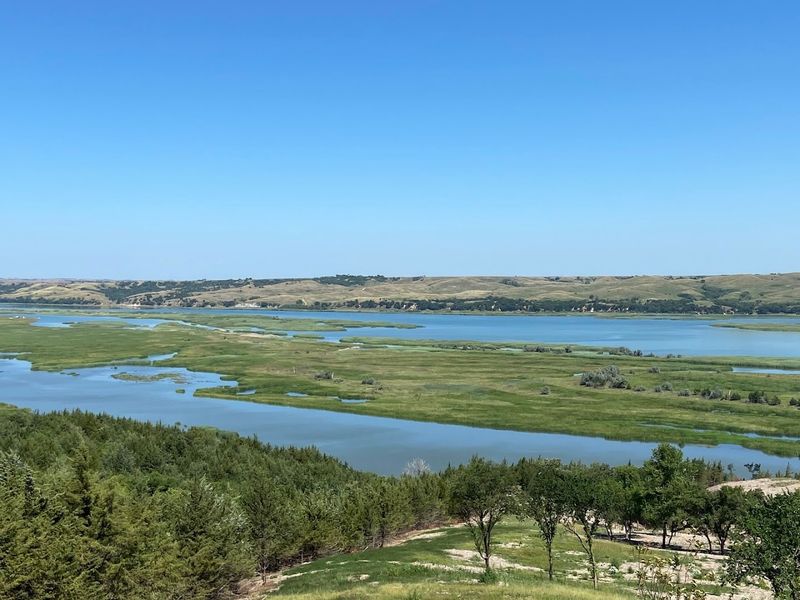
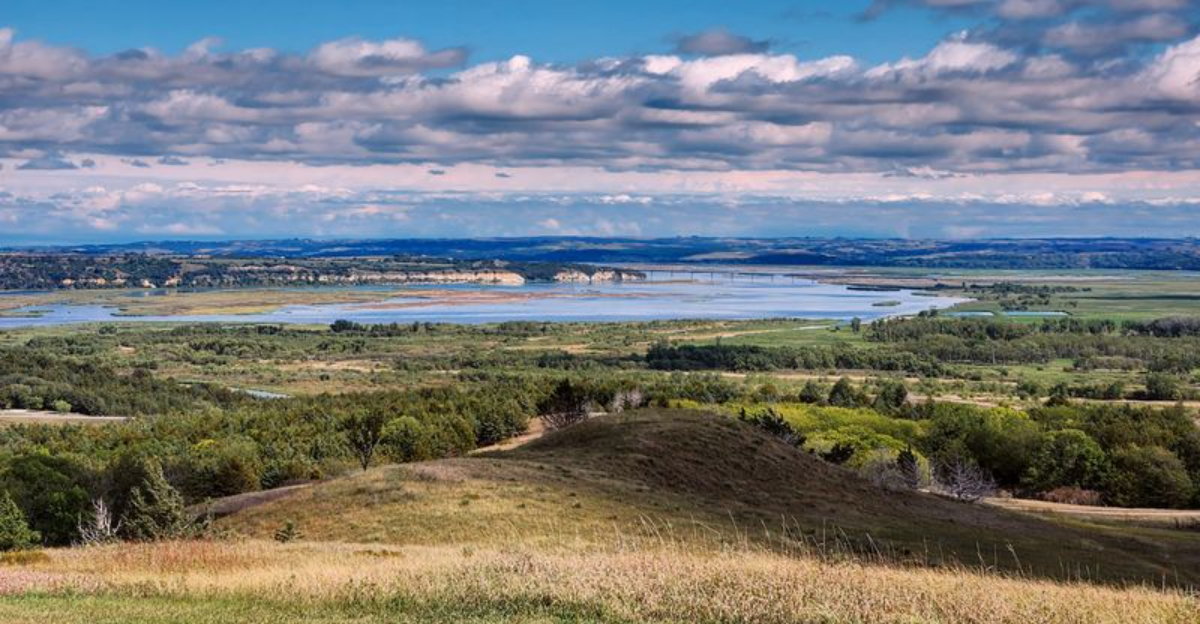
Standing on a bluff at Niobrara State Park and looking out over two rivers meeting below is the kind of moment that catches people off guard.
The park sits at the confluence of the Niobrara and Missouri rivers, and that geography shapes everything about the experience here.
Rolling plains, forested hillsides, and windswept meadows all come together in a way that feels much more layered than a typical flat Nebraska landscape.
The park sits at the eastern end of a 39-mile unchannelized section of the Missouri National Recreation River, which means the water and the land around it have stayed relatively wild.
Biologists and history enthusiasts alike tend to appreciate that the views from these bluffs are not far from what Lewis and Clark would have seen traveling through in 1804.
That kind of context adds quiet depth to what might otherwise just look like a pretty river scene.
For travelers who have never visited this part of the state, the setting tends to feel unexpectedly dramatic.
Wide skies, river valleys, and wooded pockets all visible from one spot make the park feel much larger and more rewarding than its modest reputation suggests.
Camping Options That Range From Primitive To Fully Powered
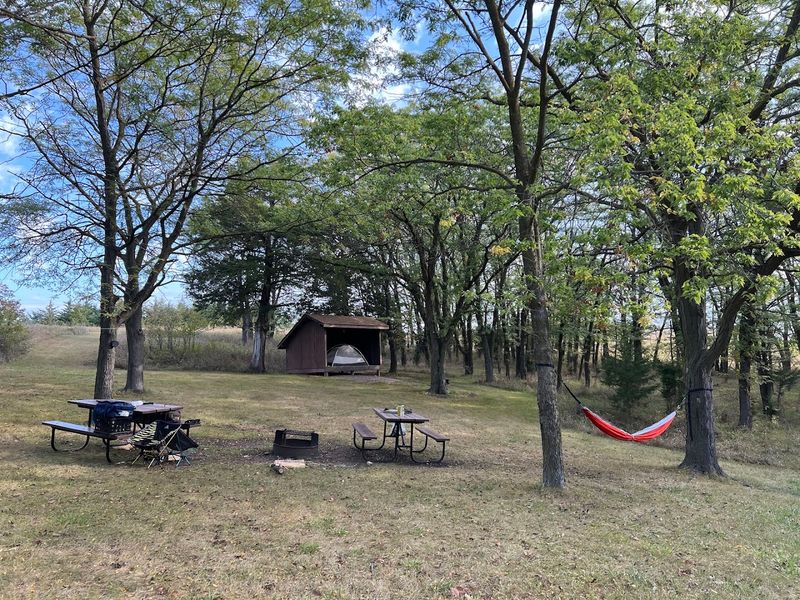
Not every great camping experience looks the same, and Niobrara State Park seems to understand that better than most.
The park offers tent camping, RV camping with electric hookups, Adirondack shelters for backpackers, and a primitive equestrian campground available on a first-come, first-served basis.
That range of options means the park works equally well for seasoned outdoor travelers and first-timers who want a gentler introduction.
There are 76 electric RV-compatible sites, with 50 of those offering both 30- and 50-amp hookups, and these sites are open year-round.
Tent sites are kept separate from the RV campground, which gives tent campers a noticeably quieter and more remote feel.
Some tent spots are tucked into the hills overlooking the rivers, and those particular sites tend to fill up fast during warmer months.
Amenities throughout the campground include coin-operated showers, modern restrooms, laundry facilities, dump stations, and Wi-Fi near the shower building.
A Nebraska State Park Permit is required for vehicle entry, and nightly site fees apply separately, so checking current rates before arrival helps avoid any surprises at the gate.
Fourteen Miles Of Trails That Show The Park From Every Angle
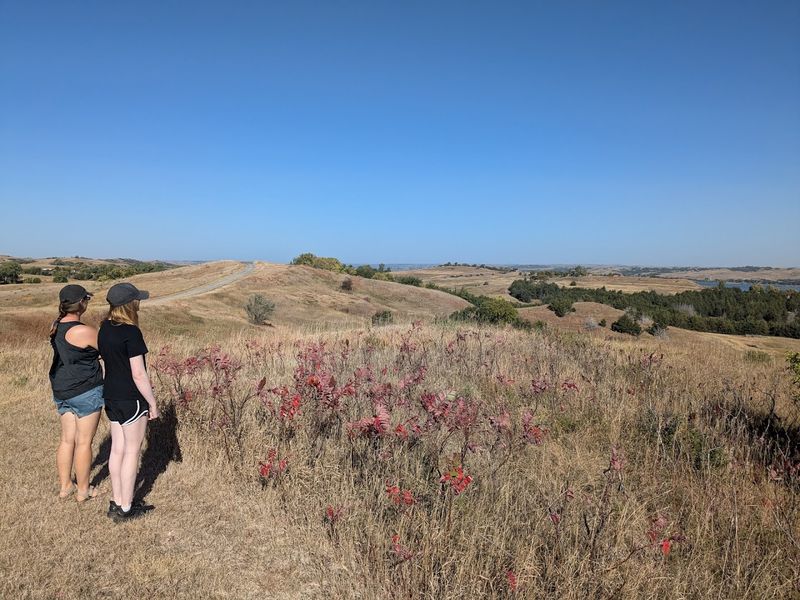
Fourteen miles of hiking trails at Niobrara State Park give visitors plenty of room to move through the landscape at their own pace.
The trails range from easy, flat strolls to hilly paths that require a bit more effort and good footwear, especially in the summer heat.
The Niobrara Loop Trail is a popular 1.6-mile option that works well for shorter visits or for warming up before tackling longer routes.
What makes the trail system feel rewarding is the variety of scenery packed into a relatively compact area.
Some sections pass through shaded, wooded stretches where the air feels cooler and quieter, while others open up onto prairie with unobstructed views that stretch far across the river valleys.
Bringing water is strongly recommended for any trail, particularly those exposed sections where shade is minimal and the sun can be intense during summer months.
Seven miles of paved roads also wind through the park, including a 3-mile hilly loop that works well for cycling.
Bikers who bring their own gear tend to enjoy that loop as a low-traffic, scenic ride.
Trails are well-maintained throughout the season, and the park staff keeps conditions in good shape for hikers and cyclists alike.
Horseback Riding Feels Like A Natural Fit For This Landscape
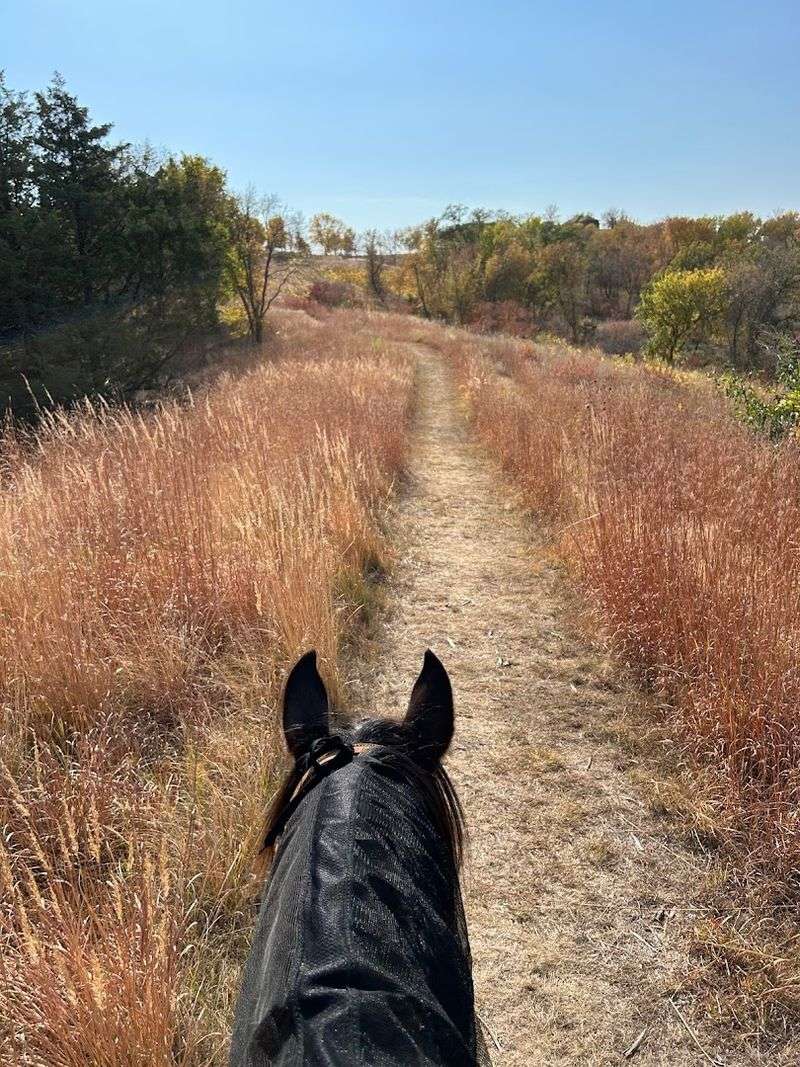
Horseback riding at Niobrara State Park is one of those activities that feels completely at home in this setting.
The park maintains its own string of horses, and supervised trail rides led by wranglers are offered during the summer months.
Riders are paired with horses based on personality and temperament, and the wranglers take time to explain helpful basics before heading out onto the trail.
The horse trails wind through hills and valleys that offer some of the more memorable views in the park.
Moving through that open landscape on horseback at a slower pace allows the scenery to settle in differently than it does on foot.
Prairie grass, river glimpses, and wide-open sky all become more immersive when the pace slows down and the surroundings take over.
A primitive equestrian campground is also available for visitors who bring their own horses, offered on a first-come, first-served basis.
Temporary fencing is recommended for those trailering in horses, since permanent panels are not set up at the equestrian sites.
Fishing And Boating Access Makes The River More Than A View
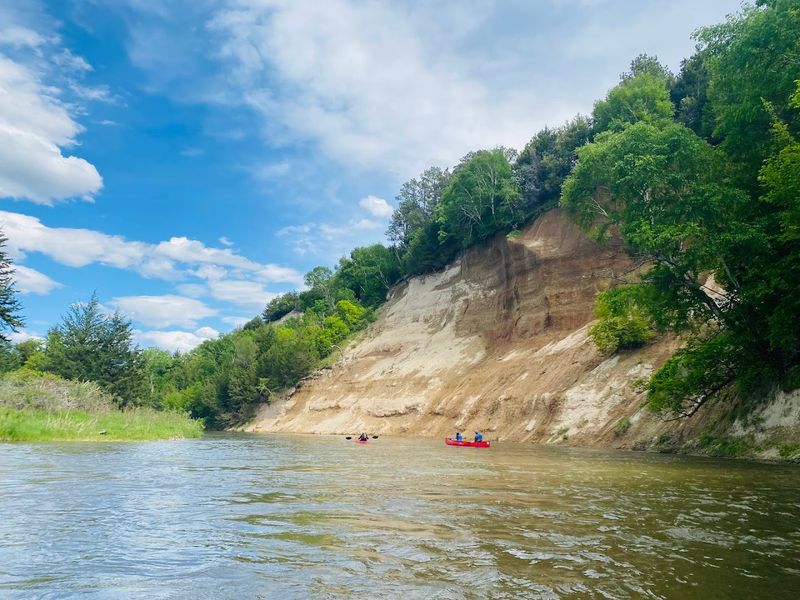
Rivers that frame a park’s scenery are even better when visitors can actually get into them, and Niobrara State Park makes that easy.
Fishing is available in both the Niobrara and Missouri rivers, as well as in a small lake within the park.
A handicap-accessible fishing bridge is available for catfishing, which makes the activity more inclusive for visitors with mobility considerations.
Boat ramps are located nearby, and the rivers also offer opportunities for kayaking and canoeing for those who prefer a more active experience on the water.
The setting along the Missouri National Recreation River keeps the water environment feeling relatively natural and unhurried, which is a contrast to more developed waterfront parks where boat traffic and noise tend to dominate.
Fishing conditions and seasonal water levels can vary, so checking with the park office before arrival helps set realistic expectations.
The interpretive center on-site is a good first stop for any visitor wanting to learn more about the rivers, the wildlife that depends on them, and the best spots to try during a particular visit.
Having that kind of local knowledge available makes the fishing experience more productive and the overall trip more satisfying.
Wildlife Watching That Rewards Patience and Quiet Observation
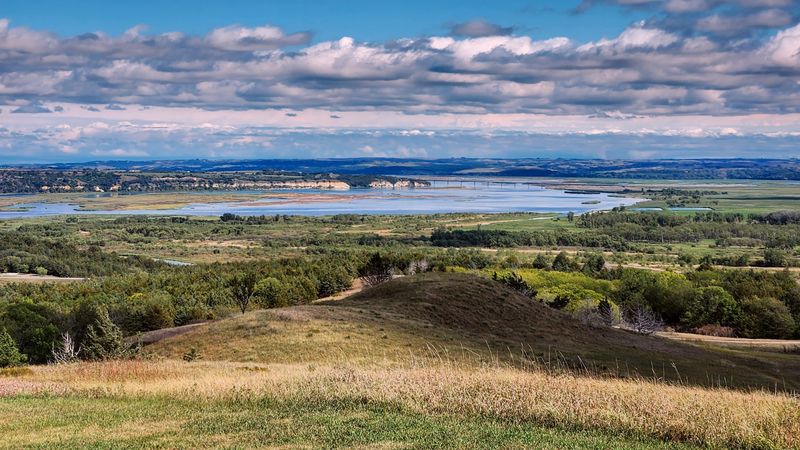
Biologists have logged at least 259 bird species at Niobrara State Park, and that number alone signals just how rich the wildlife environment here tends to be.
Bald eagles, ospreys, and wild turkeys are among the more striking sightings, but the park also supports white-tailed deer, foxes, beavers, mink, muskrats, coyotes, and the elusive whip-poor-will.
Early mornings and late evenings tend to be the most active windows for wildlife activity.
The park’s location at the river confluence creates a natural corridor that draws a wide variety of species throughout the year.
Birders in particular find the combination of prairie, woodland, and riverine habitat unusually productive for a single location.
Bringing binoculars and moving quietly through the trails significantly improves the chances of meaningful sightings rather than just distant glimpses.
Light pollution is minimal in this part of northeast Nebraska, which means nighttime wildlife sounds and stargazing can add an unexpected layer to the experience after dark.
Whip-poor-wills are more often heard than seen, and catching that call drifting through the trees on a quiet evening is one of those small park moments that tends to stick with visitors long after the trip is over.
Saturday Evening Buffalo Cookouts That Give The Park A Local Flavor
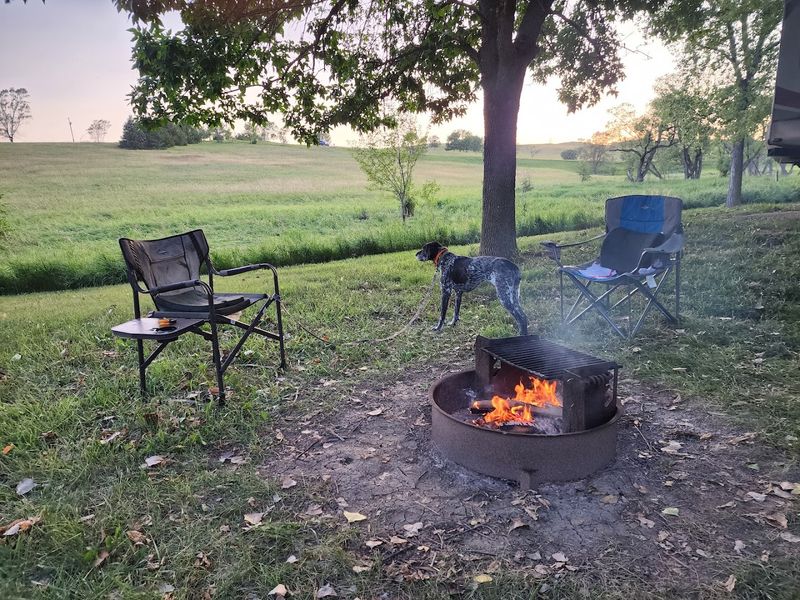
Some parks have a single seasonal event that becomes the thing people talk about for years afterward, and at Niobrara State Park that distinction belongs to the buffalo cookouts.
Held on Saturday evenings from Memorial Day through Labor Day, the cookouts give the park a festive community feel that stands apart from the quieter, more solitary outdoor experience the rest of the week tends to offer.
Buffalo as a regional food has deep roots in the Great Plains, and serving it in a park setting that sits along the Missouri River gives the meal a sense of place that restaurant versions rarely match.
The cookouts attract both campers who are already staying in the park and day visitors who drive in specifically for the evening.
Arriving a bit early tends to be a good idea, since these events draw consistent interest throughout the summer season.
For families introducing children to outdoor travel, the cookout adds a memorable anchor to the visit beyond trails and river views.
Having something specific and time-bound to look forward to gives a trip more structure and a natural gathering point.
The combination of good food, open air, and that bluff-top setting makes Saturday evenings at the park feel genuinely special without being overly produced or commercial.
Historical and Paleontological Layers That Add Depth to the Scenery
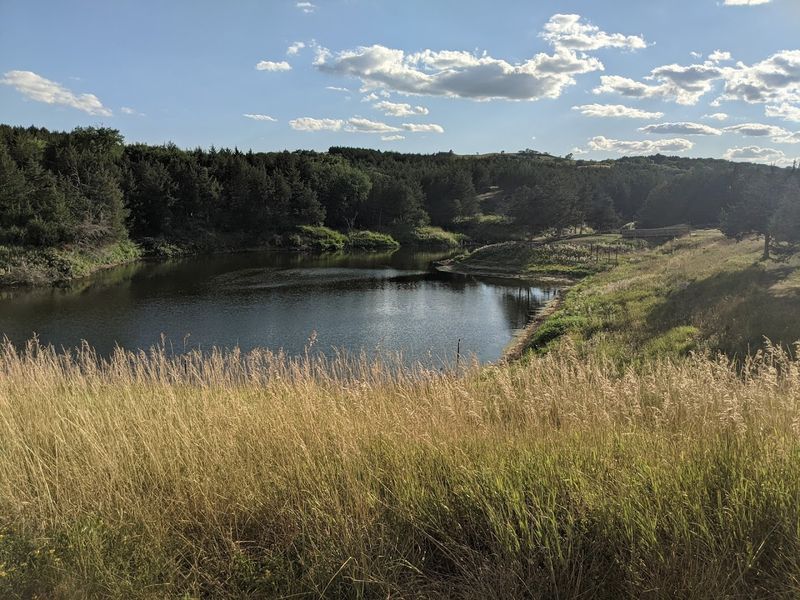
Niobrara State Park carries more history beneath its surface than most visitors initially expect.
In the 1980s, a complete mosasaurus fossil was excavated from the park’s grassy flatlands near the Missouri River, which is a remarkable find for a place better known for its river views and camping amenities.
That kind of paleontological significance quietly elevates the park beyond a simple outdoor recreation destination.
The park also includes a decommissioned railroad bridge spanning the Niobrara River, which is listed on the National Register of Historic Places.
Structures like that carry the weight of the region’s past in a way that interpretive signs alone cannot fully replicate, and seeing one still standing in a natural setting gives the park a layered character that rewards curious visitors.
The interpretive center on-site provides context for both the natural and human history of the area.
The park’s current location opened in 1987 after the Nebraska Game and Parks Commission acquired higher ground following repeated flooding at the original Niobrara Island State Park, which was established in 1930.
The Civilian Conservation Corps made significant improvements to the park during the 1930s, and that legacy is still part of the story the park carries today.