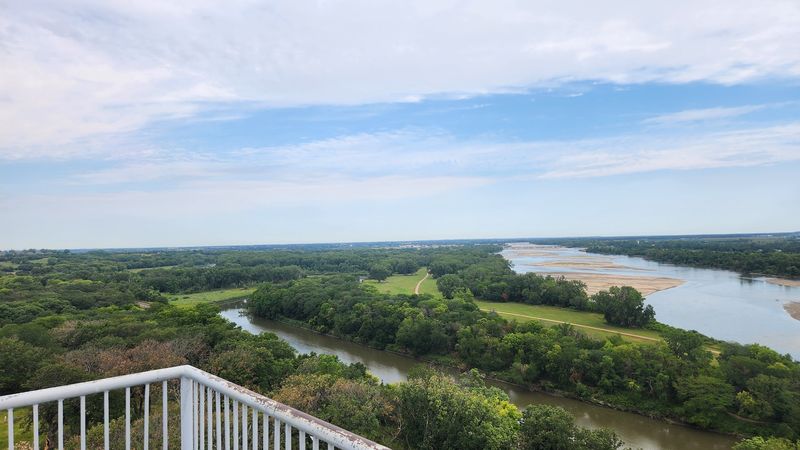
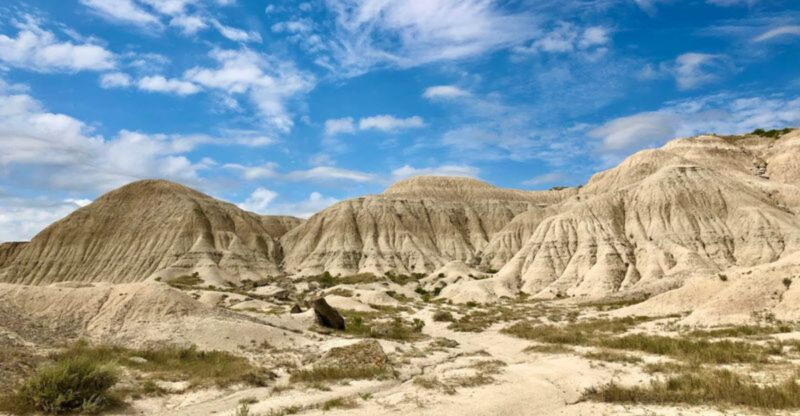
This Secluded Lake In Nebraska Has Crystal-Clear Water That Feels Like A Tropical Paradise
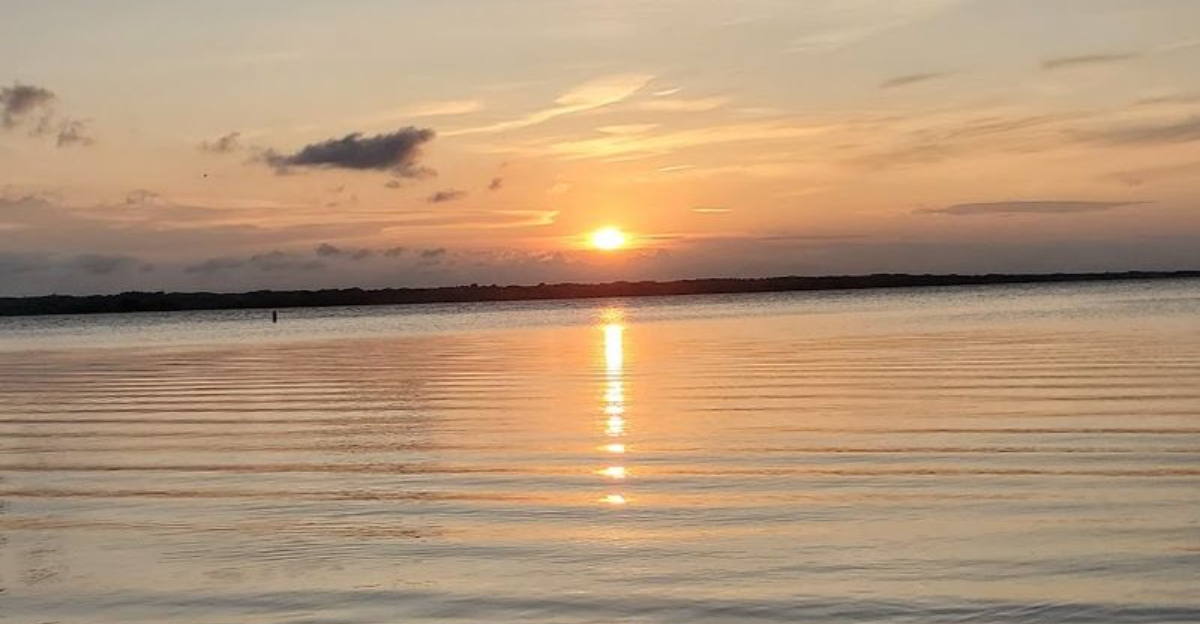
Clear water feels like a trick when it shows up this far from the ocean.
One look, and the usual Nebraska lake expectations start to shift. The shoreline feels quiet. The water glows brighter than expected.
Sandy areas, open sky, and wide space make the whole place feel made for slow summer days.
A lake this blue can make Nebraska feel like it borrowed a little tropical confidence.
The best part is the calm. This is not the kind of spot that needs boardwalk noise or resort drama. It works because the scenery stays simple.
Swim, boat, fish, float, or sit near the water and let the view do most of the planning.
The setting feels secluded without feeling impossible to reach. That balance makes it even better.
Travelers get room to breathe, water worth staring at, and enough quiet to make the drive feel like a smart escape.
Crystal-Clear Water Makes Every Swim More Inviting
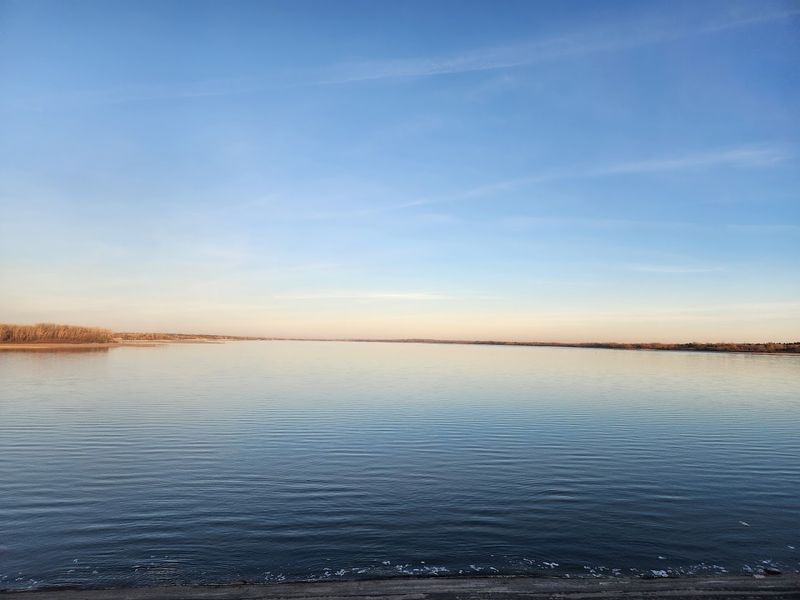
Few freshwater lakes in the Great Plains can match the clarity of the water found at Calamus Reservoir.
The Calamus River feeds the reservoir from groundwater that seeps cold and clean from artesian wells and natural springs, which helps keep the water noticeably clear compared to many other regional lakes.
That natural source makes a real difference when standing waist-deep and still being able to see the sandy bottom below.
A no-wake zone on the upper section of the lake creates a calm area specifically suited for swimming, reducing wave disturbance and boat traffic near the beach.
Swimmers tend to find the conditions comfortable during the warmer months, particularly from late spring through early fall. The relatively shallow swimming zones warm up nicely under the Nebraska sun.
Harmful algal blooms can occasionally affect water quality and may lead to temporary beach closures, so checking current conditions before visiting is a smart habit.
Swimming is also not permitted within 50 yards of boat ramps and docks for safety reasons. A Nebraska State Park Permit is required for entry, which can be purchased online or at the park entrance.
Wide Sand Beaches Bring A Coastal Feel To Nebraska
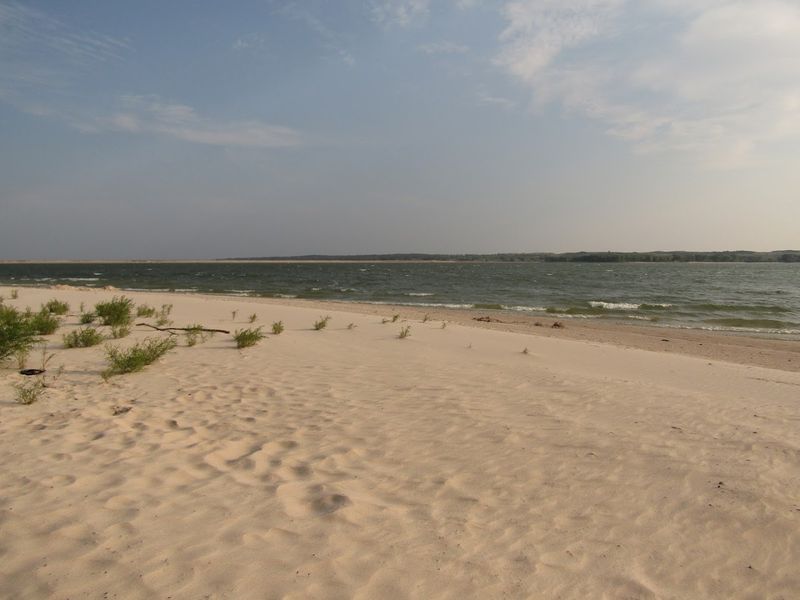
Standing on the beach at Calamus Reservoir, it is easy to forget that the nearest ocean is more than a thousand miles away.
The sandy shoreline here is a natural geological feature of the Sandhills region, not something imported or artificially created, which makes its appearance all the more striking.
The sand tends to look especially white and wide from mid-July through November when the water level drops slightly and more of the shoreline becomes exposed.
An unsupervised swimming beach is available for public use, giving visitors a dedicated space to lay out towels, build sandcastles, or wade into the water at their own pace.
The beach area is spacious enough that even on busier summer weekends, the crowd rarely feels overwhelming.
Families with children tend to gravitate toward the calmer, shallower sections closer to the shoreline edge.
The surrounding landscape of gently rolling Sandhills grass adds a natural frame to the beach scene that feels genuinely unique.
Sunlight reflecting off the pale sand and clear water creates a visual atmosphere that regularly surprises visitors expecting a typical muddy Nebraska lake.
Bringing sunscreen and water shoes is always a practical idea for a comfortable beach day here.
You Can Find Plenty Of Room Along The 5,124-Acre Lake
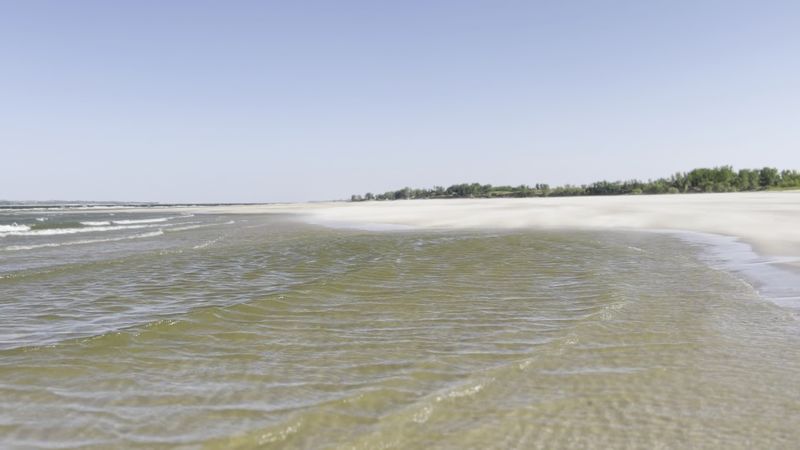
Space is one of the most underrated features of Calamus Reservoir, and with 5,124 acres of open water to spread across, crowding is rarely a concern.
The reservoir is bordered by an additional 4,958 acres of gently rolling land covered in native grasses, giving the entire recreation area a wide-open, unhurried feel that is hard to replicate at smaller or more developed lakes.
Approximately 31 miles of shoreline means there are plenty of quiet coves and open stretches to explore.
Visitors who prefer solitude can easily find a stretch of shore away from the main beach areas, particularly on weekdays or during the shoulder seasons of spring and fall.
Boaters, swimmers, anglers, and picnickers can all find their own space without stepping on each other.
The sheer scale of the lake helps absorb activity in a way that keeps the atmosphere calm and relaxed.
The surrounding land is primarily covered in native Sandhills grasses, which gives the scenery a natural and undisturbed quality that feels refreshing.
Wildlife sightings along the quieter shoreline stretches are not uncommon, adding an unexpected bonus to a simple walk or paddle.
Arriving early on summer weekends helps secure preferred spots near the beach or boat ramps.
Calm Mornings Are Perfect For Kayaks And Paddleboards
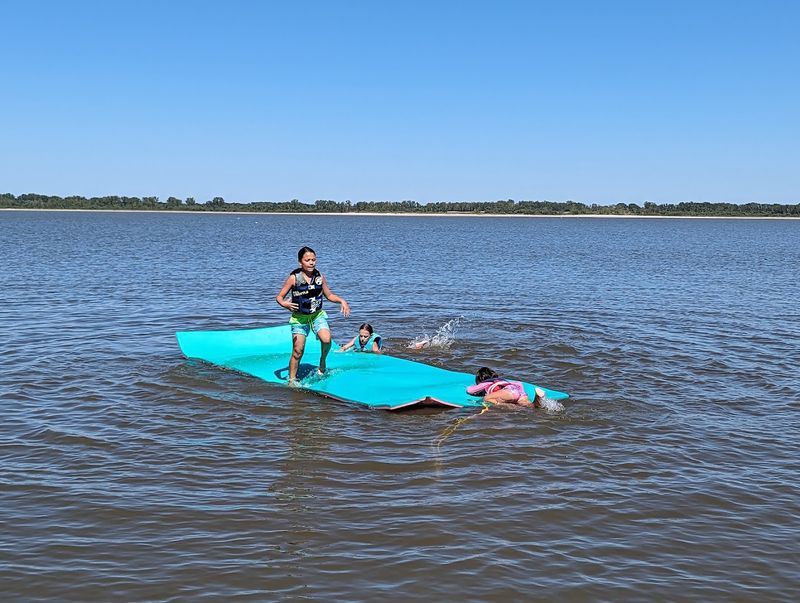
Early mornings at Calamus Reservoir have a particular quality that paddlers tend to seek out.
The water often sits almost completely still in the hours after sunrise, creating glassy conditions that make kayaking and paddleboarding feel effortless and meditative.
Wind tends to pick up as the day progresses, so getting out on the water before mid-morning generally offers the smoothest experience.
Calm, shallow sections of the reservoir make it a welcoming spot for beginners who are still building confidence on the water.
The no-wake upper section of the lake is especially well-suited for paddling, as it keeps motorized boat traffic away and preserves the peaceful atmosphere.
Experienced paddlers can venture further out to explore more of the 31-mile shoreline at their own pace.
The Calamus River, which flows through parts of the recreation area, also offers kayaking and canoeing opportunities with its slow currents and shallow depths.
Paddling along the river gives a different perspective of the Sandhills landscape compared to open-water paddling on the reservoir itself.
Visitors who bring their own equipment avoid any rental logistics, though checking with the park office about current access points before heading out is always a helpful first step.
Anglers Have Thousands Of Acres To Explore
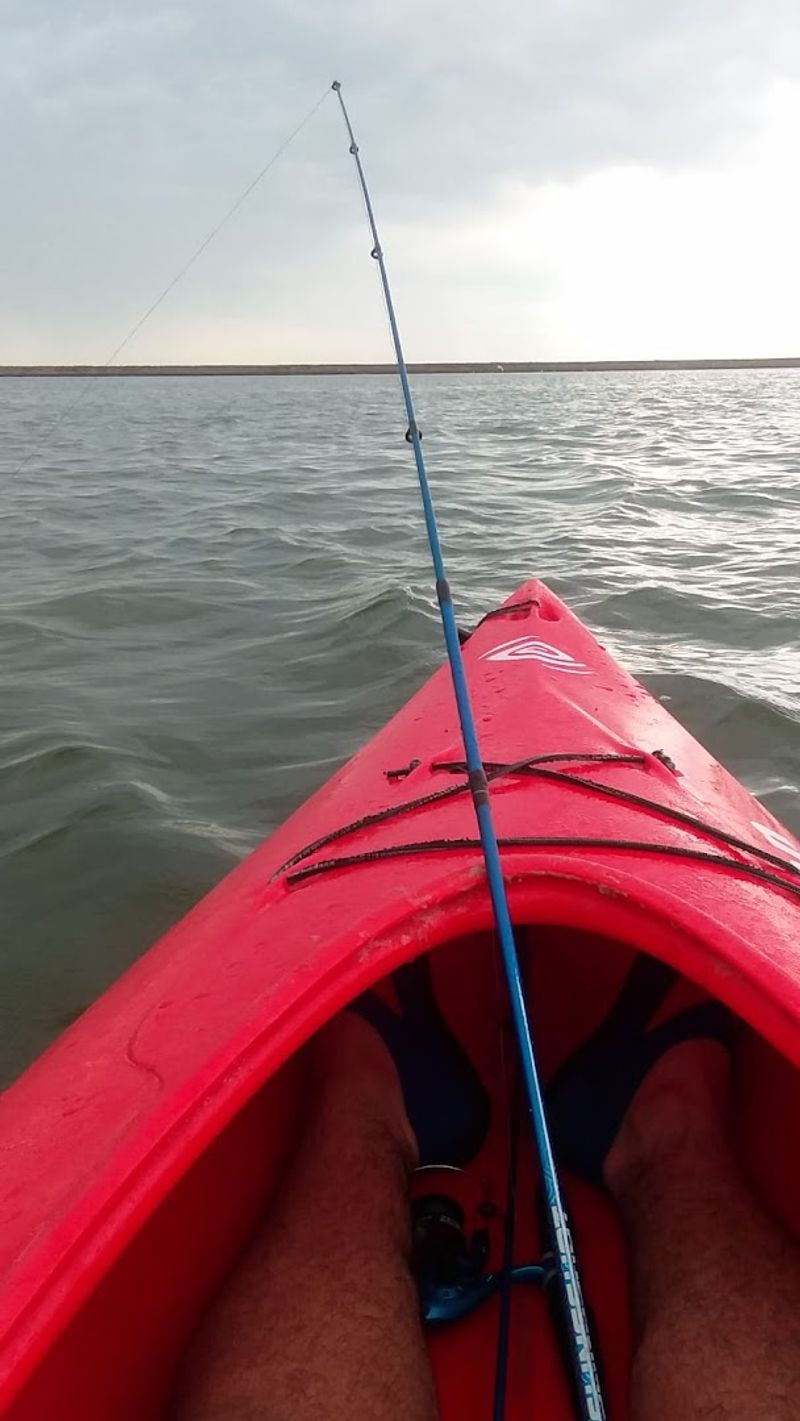
Fishing at Calamus Reservoir is available year-round, which makes it a destination that holds appeal well beyond the summer beach season.
The 5,124-acre lake supports a genuinely diverse range of fish species, giving anglers a reason to try different techniques and explore different parts of the water depending on what they are targeting.
Walleye, White Bass, Wipers, Channel Catfish, Crappie, Northern Pike, Muskie, Carp, and Drum have all been documented in the reservoir.
The sheer size of the lake means that productive fishing spots are spread across a wide area, rewarding anglers who take the time to explore rather than staying anchored in one location.
Trolling along the deeper mid-lake sections tends to work well for certain species, while shallower coves and near-shore areas attract others at different times of day.
Ice fishing is also an option during winter months when conditions allow.
Two fish cleaning stations are provided within the recreation area for public use, which is a practical convenience that many visitors appreciate after a long day on the water.
A valid Nebraska fishing license is required for all anglers, and regulations should be reviewed before heading out since rules can vary by species and season.
The Nebraska Game and Parks Commission website is a reliable source for current fishing information.
Lakeside Campgrounds Keep The Water Close
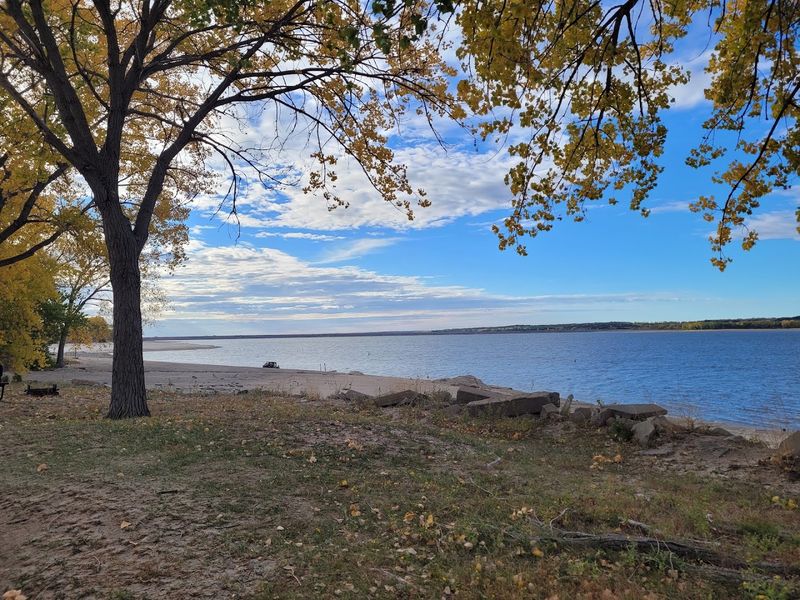
Spending a night at Calamus Reservoir means waking up within walking distance of the water, which is one of those simple pleasures that makes a camping trip genuinely satisfying.
The recreation area offers both modern and primitive camping options spread across three primary campgrounds: Homestead Knolls, Nunda Shoal, and Valley View Flat.
Each campground has a slightly different character in terms of its position relative to the water and surrounding landscape.
Modern facilities include 122 pads with electrical hookups available in both 30-amp and 50-amp configurations, which accommodates a range of RV sizes and camping setups.
An additional 55 non-pad sites are available for tent campers or those who prefer a more basic experience.
Modern restrooms, showers, and dump stations are accessible within the campgrounds, making multi-night stays comfortable without requiring visitors to pack in every necessity.
Camping is permitted throughout the year at Calamus Reservoir, which means fall and winter visits are entirely possible for those who enjoy off-season solitude.
The Sandhills nights tend to be quiet and dark, offering clear star-filled skies that urban visitors rarely experience.
Reserving a site in advance through the Nebraska Game and Parks Commission reservation system is strongly recommended for summer weekends and holiday periods.
Picnic Areas Turn A Swim Day Into An Easy Outing
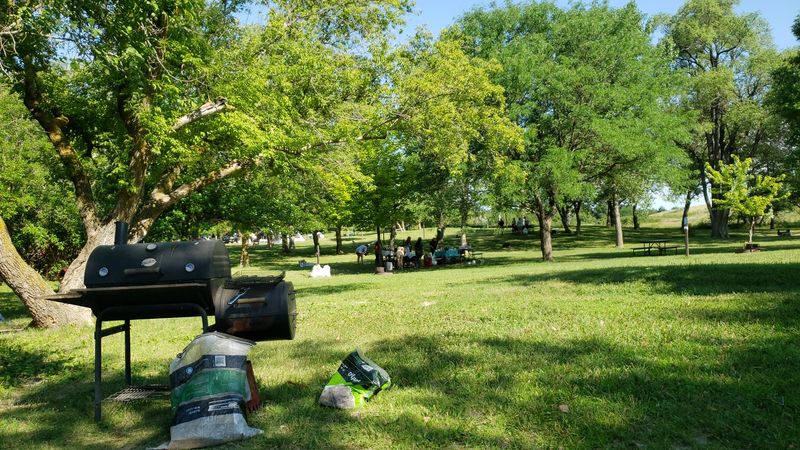
A swim day at Calamus Reservoir does not require much planning to turn into a full and satisfying outing, largely because the picnic facilities throughout the recreation area make it easy to settle in for several hours.
Picnic tables are scattered across the recreation area in designated spots, many of which come equipped with grills for those who want to cook a simple meal outdoors.
The combination of a swim, a meal, and an afternoon in the open Sandhills air tends to make for a genuinely relaxing day without a complicated itinerary.
Picnic areas near the beach and campground zones offer convenient access to restrooms and parking, which reduces the amount of back-and-forth that can wear down a family outing.
Shade options may be limited in some areas due to the natural character of the Sandhills landscape, so bringing a canopy or umbrella on sunny summer days is a practical idea. Packing a cooler with drinks and snacks ensures comfort throughout the day regardless of how long the visit runs.
Weekday visits to the picnic areas tend to be quieter than weekends, giving families and small groups more room to spread out.
The open views of the lake from many picnic spots add a pleasant backdrop to an otherwise simple outdoor meal. Grills in the picnic areas use charcoal, so bringing your own supply is necessary.
Sunset Adds Another Layer Of Color To The Water
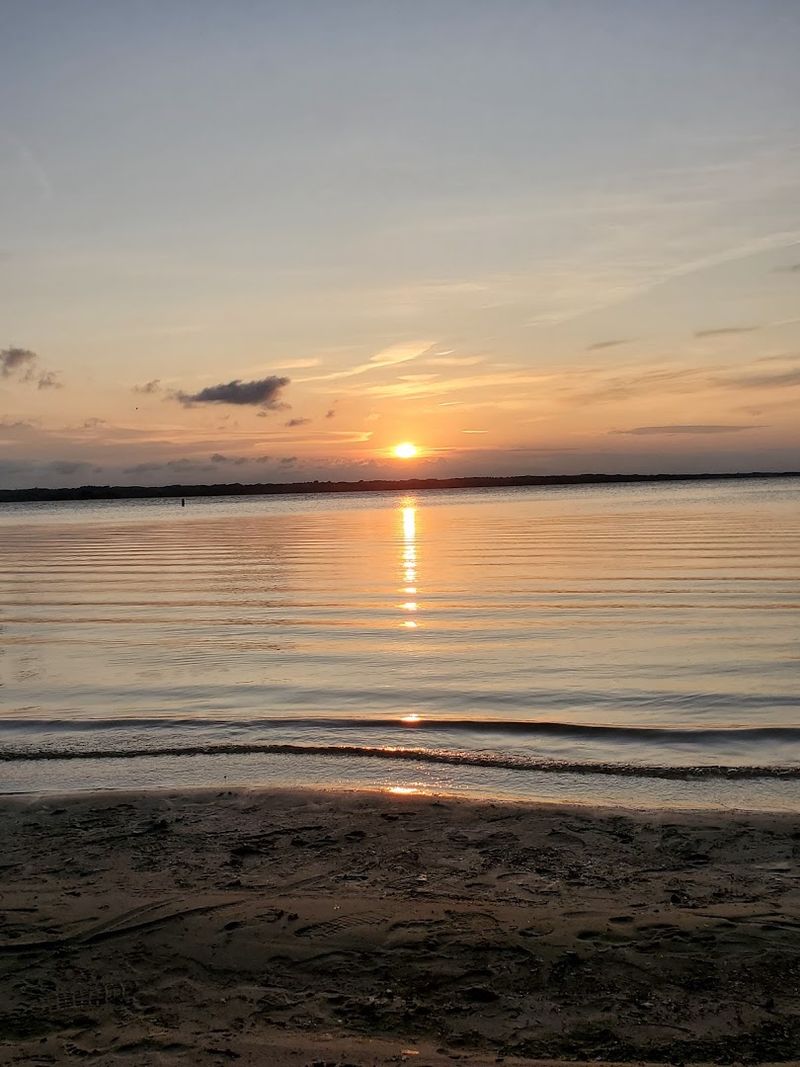
The sunsets at Calamus Reservoir benefit enormously from the wide, unobstructed sky that defines the Sandhills region.
Without city lights, tall buildings, or dense tree lines to interrupt the horizon, the full arc of the evening sky becomes visible in a way that feels almost theatrical.
As the sun drops toward the rolling hills, the colors shift from gold to orange to deep red, and the calm surface of the reservoir picks up those tones and mirrors them back across the water.
Photographers and casual observers alike tend to find the lakeside sunset view worth staying for, even after a long day in the sun.
The eastern shore of the reservoir can offer a particularly clear sightline toward the western horizon depending on where a visitor is positioned.
Early fall evenings are often cited as especially vivid because the lower angle of the autumn sun produces warmer and more saturated light.
Calm morning light at the reservoir also creates its own kind of quiet spectacle, with mist sometimes hovering over the water in the early hours before the wind picks up.
Planning a visit that includes both an early morning paddle and an evening sunset gives a fuller sense of what the reservoir looks and feels like at different times of day.
Bringing a camera with a wide-angle lens helps capture the full scope of the sky and water together.