This Senior-Friendly Connecticut Nature Trail Offers Benches, Shade, And A Peaceful Woodland Walk
Not every nature walk needs steep hills or a finish line. Sometimes a smooth path and a comfortable bench are exactly what make an afternoon feel good.
This trail is designed for an easier pace. The route stays gentle, and shaded sections help on warmer days.
Resting spots appear along the way, so there is no pressure to keep moving when a quiet pause sounds better.
For a calm outdoor break, this senior-friendly Connecticut trail makes woodland time feel simple and welcoming.
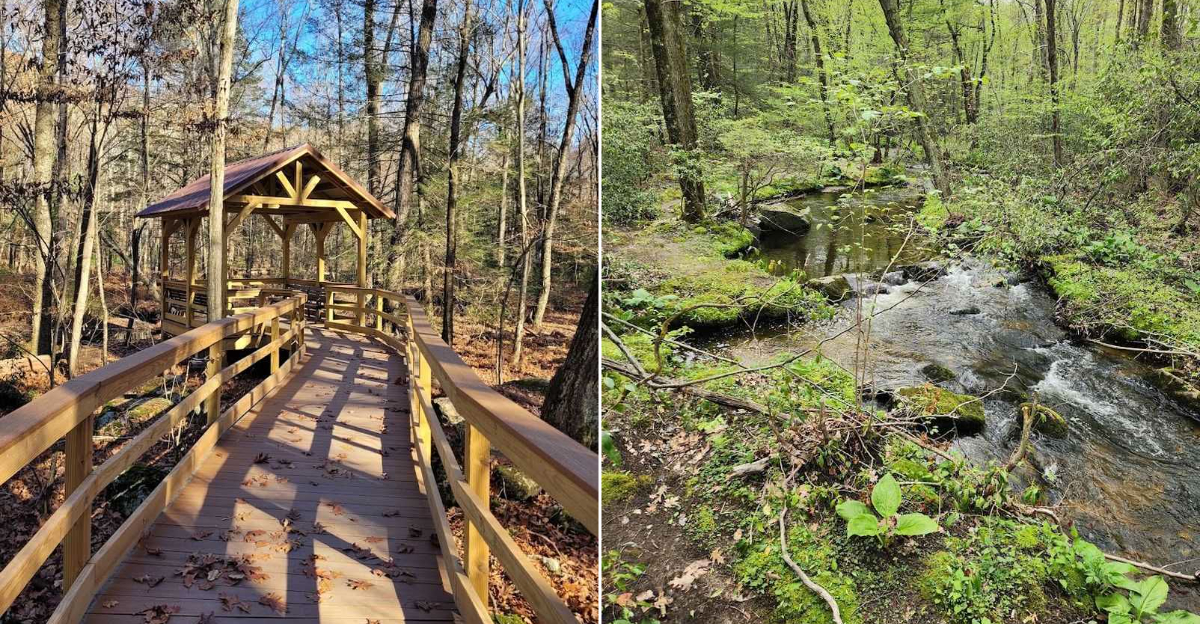
The scenery keeps things interesting without asking too much. Birds move through the trees, while a nearby brook adds a soft background sound. Boardwalk sections bring a little variety to the walk.
What I like most is how thoughtful it feels. The path makes room for comfort without losing the sense of being outdoors.
You can take your time, notice more, and let the woods set the pace for a while.
1. A Gentle Trail Built For Taking Your Time
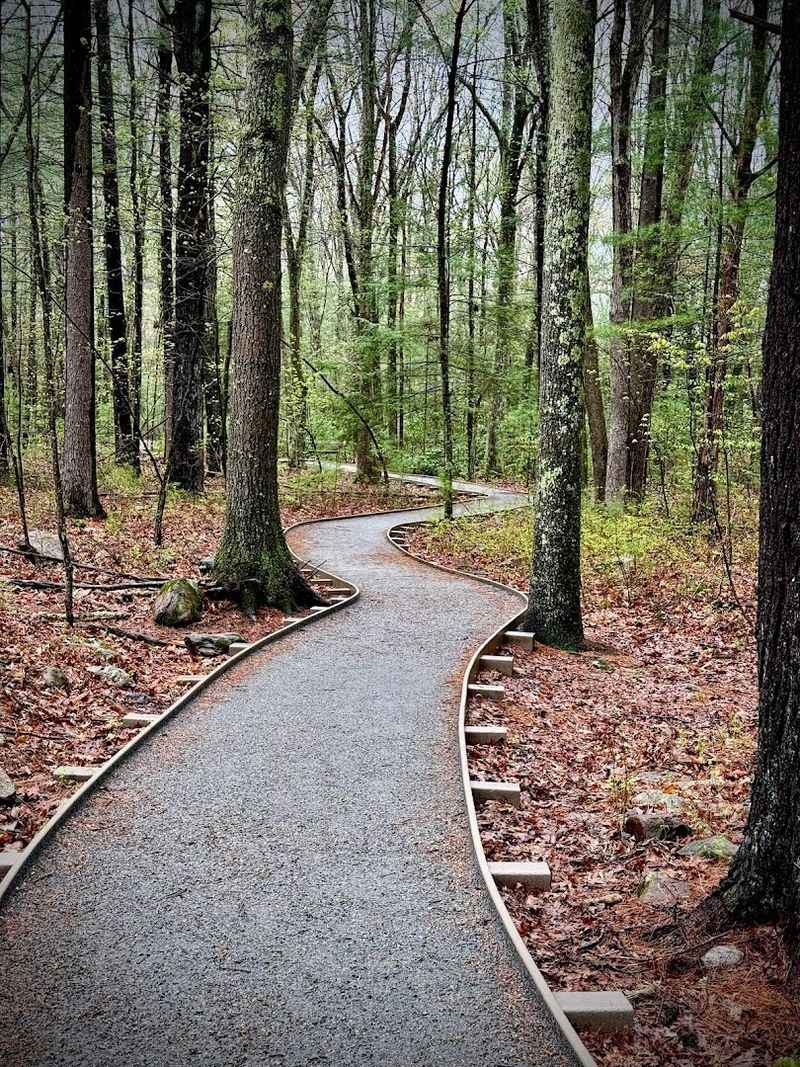
Accessibility shapes every part of the Wallace Barnes Nature Trail, giving visitors a comfortable way to explore the woods without steep grades or difficult obstacles.
The route welcomes people using wheelchairs, walkers, strollers, canes, and other mobility devices, making the experience easier to share across generations.
Benches, sheltered pull-offs, and interpretive signs appear along the way, creating natural places to pause and learn about the surrounding habitats.
The accessible route is described by the Environmental Learning Centers of Connecticut as a mile-long trail, although its current trail guide lists the marked section at roughly 0.7 miles.
Either way, the gentle design favors an unhurried outing rather than a demanding hike.
The trail begins at the Harry C. Barnes Memorial Nature Center, 175 Shrub Road in Bristol.
Construction started in April 2023, and the completed route opened the following year. Beyond this accessible path, the property includes more than three miles of additional trails through forests, wetlands, and areas near Freeman Hill Brook.
Free and open from sunrise to sunset, the trail offers a peaceful, thoughtfully designed connection with nature.
2. Smooth Paths Make The Walk Feel Easy
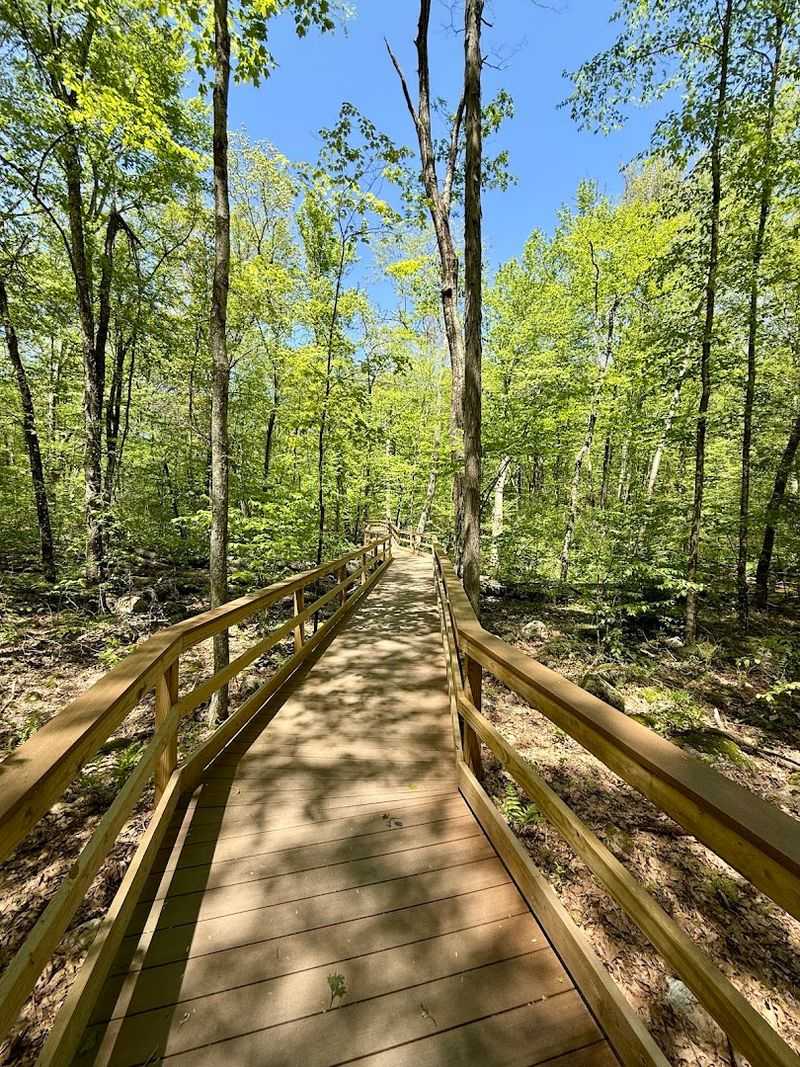
Underfoot, the trail surface is one of the most thoughtfully engineered details of the entire experience. The Wallace Barnes Accessible Nature Trail combines compacted stone dust sections with boardwalk stretches, creating a surface that feels stable and predictable with every step.
The stone dust portions are contained within a plastic lumber frame, and a protective lip runs along the full length of the trail to help keep wheelchairs safely on course. For vision-impaired visitors using canes, that same lip provides a useful physical guide.
No section of the accessible trail exceeds a slope of five to eight percent, which keeps the walk feeling level and unhurried throughout.
The boardwalk sections were constructed using recycled plastic lumber made from repurposed milk jugs, which reflects an environmentally conscious approach to trail building. That material holds up well in wet conditions, meaning the surface tends to remain usable even after rain.
The five-foot width of the boardwalks allows two people to walk comfortably side by side, making it easy for companions or caregivers to stay close. Every design choice seems aimed at removing barriers rather than adding them.
3. Boardwalks Pass Quiet Wetland Areas
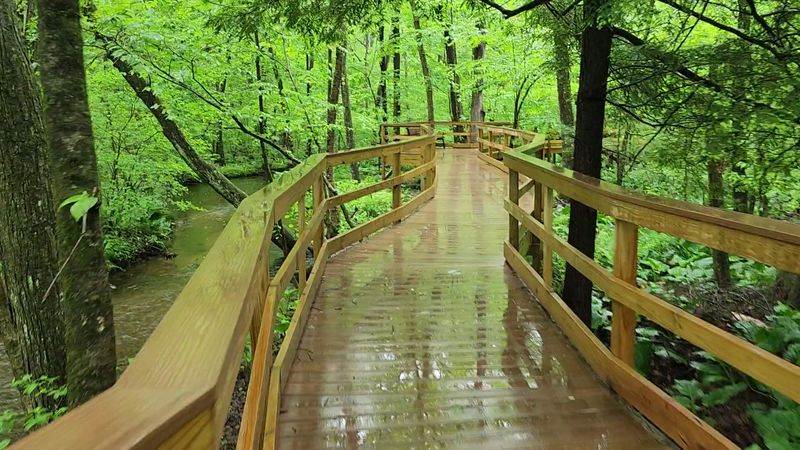
Wetland views bring some of the most memorable scenery to the Wallace Barnes Accessible Nature Trail. Elevated boardwalks carry visitors over sensitive ground and toward Freeman Hill Brook, opening the landscape beyond the shaded woodland sections.
The route moves through several habitats, including pine forest, mixed woods, wetlands, and areas near the brook. That variety keeps the walk visually interesting, with changes in light, vegetation, and perspective appearing throughout the loop.
Railings line applicable boardwalk sections, offering added support while preserving clear views across the surrounding habitat.
Project plans called for roughly 400 feet of elevated boardwalk with a five-foot-wide passage between railings where used. A pressure-treated frame supports plastic-lumber decking, creating a durable surface designed for wheelchairs, strollers, mobility aids, and visitors walking side by side.
Rather than disturbing wet soil and vegetation, the raised construction allows people to pass above these areas while enjoying a closer look at the ecosystem. The contrast between enclosed forest and brighter wetland openings gives the trail a changing rhythm.
Each boardwalk crossing feels like a natural viewing platform, adding space, texture, and a fresh perspective to this welcoming outdoor route for everyone.
4. Shaded Benches Offer Comfortable Breaks
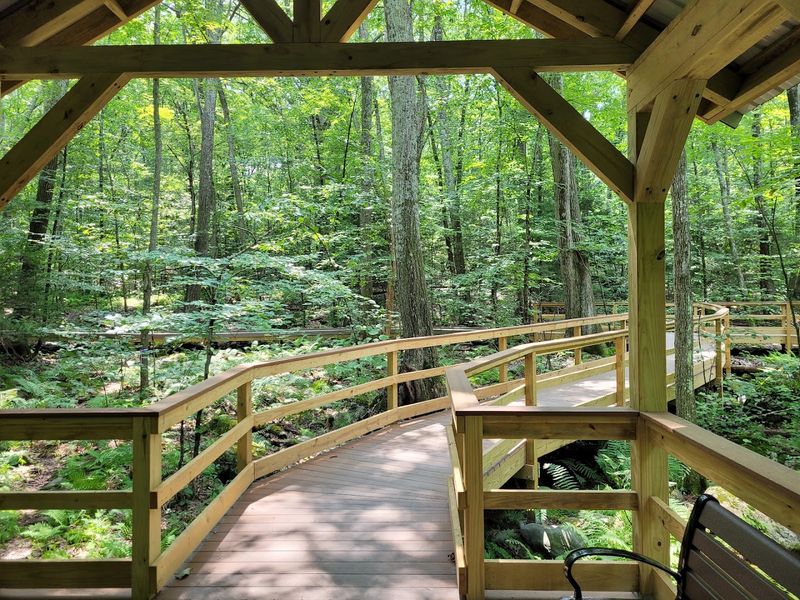
Rest stops on a trail can make or break the experience for seniors or anyone managing a mobility challenge, and the benches along the Wallace Barnes Accessible Nature Trail were clearly designed with that in mind.
Eight designated pull-off areas feature benches that are equipped with special handles to assist visitors who need support when sitting or standing.
Each bench is positioned on a slightly offset platform, which allows someone using a wheelchair to pull up alongside a family member or friend sitting on the bench. That small design detail makes a meaningful difference for companions who want to rest together rather than in separate spots.
Three shelters are also placed at key points along the route, each situated within a distinct habitat type, offering protection from unexpected rain or strong sun.
The shelters are positioned to provide views of the surrounding landscape, so a rest break can also double as a quiet moment of wildlife watching. Shade from the forest canopy covers much of the trail naturally, which helps keep the walk comfortable during warmer months.
For visitors who tend to take their time outdoors, knowing that a bench or shelter is never too far ahead makes the whole experience feel far more relaxed and accessible.
5. A Small Brook Adds A Peaceful Soundtrack
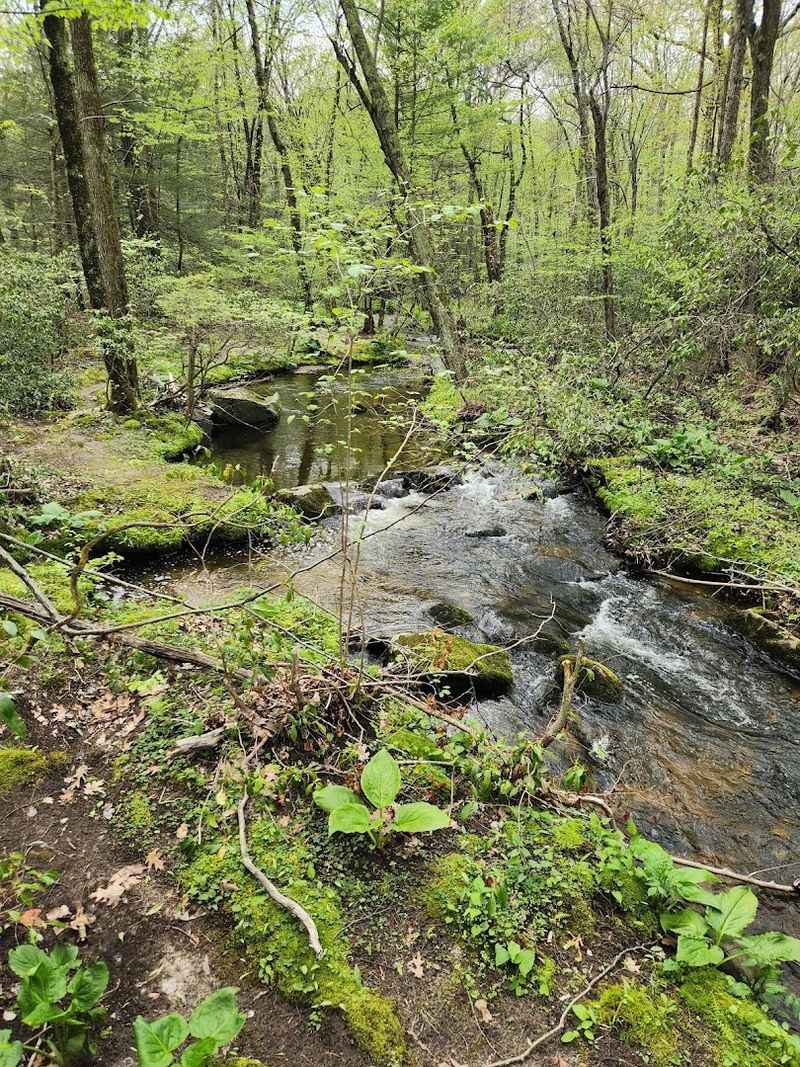
Running water has a way of making any outdoor space feel more alive, and Freeman Hill Brook delivers that effect consistently along the trail. Known for its clean, gently flowing current, the brook accompanies parts of the walk in a way that feels natural rather than incidental.
Two prefabricated bridges have been installed to allow visitors to cross over the brook safely, and the accessible trail passes near these crossings at a comfortable pace.
The red trail, a half-mile loop within the nature center, provides multiple views of Freeman Hill Brook, while the blue trail loop follows the brook through the western portion of the property for those who want to extend their visit.
The sound of moving water tends to lower the overall noise level of the walk, making it easier to hear birds and rustling leaves without distraction. Shelters along the trail are positioned with views of the stream and surrounding field, turning a simple rest stop into a moment of genuine calm.
A smaller waterway historically known as Negro Hill Brook also runs through the property, adding to the overall sense of water winding quietly through the landscape. The combined effect is subtle but genuinely soothing.
6. Wildlife Sightings Keep The Route Interesting
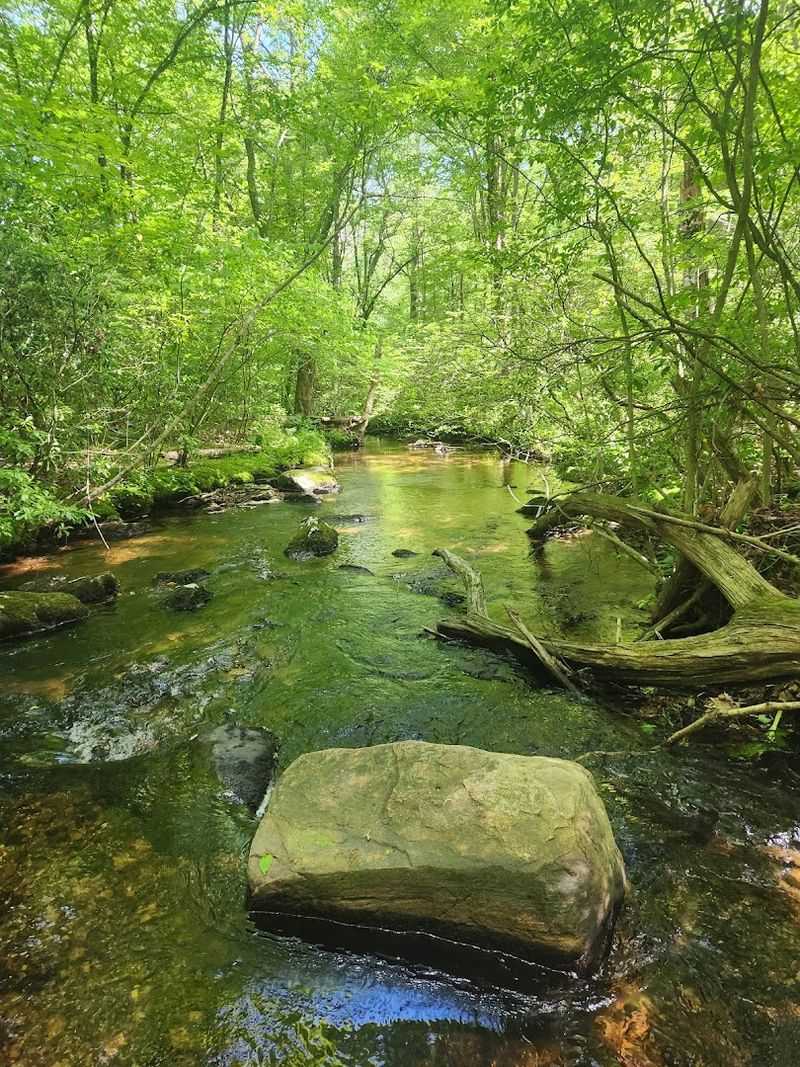
Wildlife adds an element of surprise to every visit, especially when a quiet pause reveals movement near the water or among the trees.
The Barnes Nature Center and neighboring Pigeon Hill Preserve protect a varied landscape of wetlands, pine woods, open fields, and shrub habitat, creating suitable conditions for numerous native species.
Visitors may encounter birds, amphibians, turtles, and mammals, although sightings depend on the season, weather, and time of day. Moving slowly and watching the edges of ponds, brooks, and dense vegetation often provides the best chance of noticing activity.
Hawks, robins, toads, beavers, muskrats, opossums, and snapping turtles are among the animals featured in educational resources from the Environmental Learning Centers of Connecticut.
Three shelters along the Wallace Barnes Accessible Nature Trail provide covered places to stop and observe without leaving the main route. Their placement in different habitats gives visitors changing views throughout the walk.
The nature center building also introduces guests to live animals used in environmental education, including reptiles, amphibians, and birds. Together, the indoor exhibits and surrounding preserve encourage patient exploration.
The experience feels most rewarding when visitors slow their pace, remain quiet, and allow the landscape to reveal its activity naturally.
7. Trailside Signs Share Local Nature Details
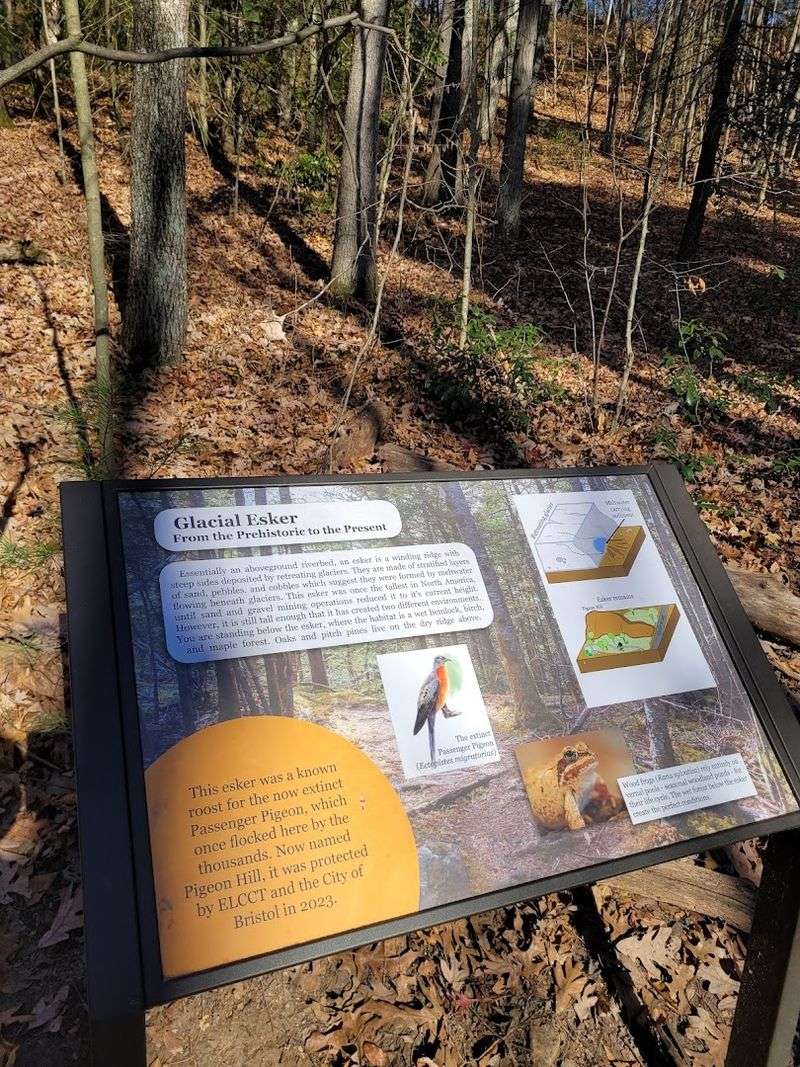
Information along the Wallace Barnes Accessible Nature Trail adds purpose to each pause, helping visitors understand the habitats unfolding around them.
Educational signs appear throughout the route, offering approachable details about the landscape rather than turning the walk into a dense science lesson.
Because the path passes through several environments, the topics change as the scenery does. Forest, wetland, brookside, and open habitat each provide a different opportunity to notice plant life, wildlife activity, and seasonal shifts.
Three sheltered viewing areas also create comfortable places to stop, read, and observe without leaving the accessible route.
More learning continues inside the Harry C. Barnes Memorial Nature Center.
The building includes an interpretive center, nature library, animal exhibits, and rotating activities that can provide extra context before or after time outdoors.
Seasonal change keeps the experience fresh. Spring brings new growth and louder wildlife activity, while autumn transforms the same surroundings through color, texture, and falling leaves.
That variety makes repeat visits worthwhile. Seniors can combine gentle movement with relaxed learning, while children gain clear points of interest along the way.
For families spanning several generations, the signs create shared conversation and help everyone engage with the trail at a comfortable, enjoyable pace.
8. One Relaxing Mile With Plenty To Notice
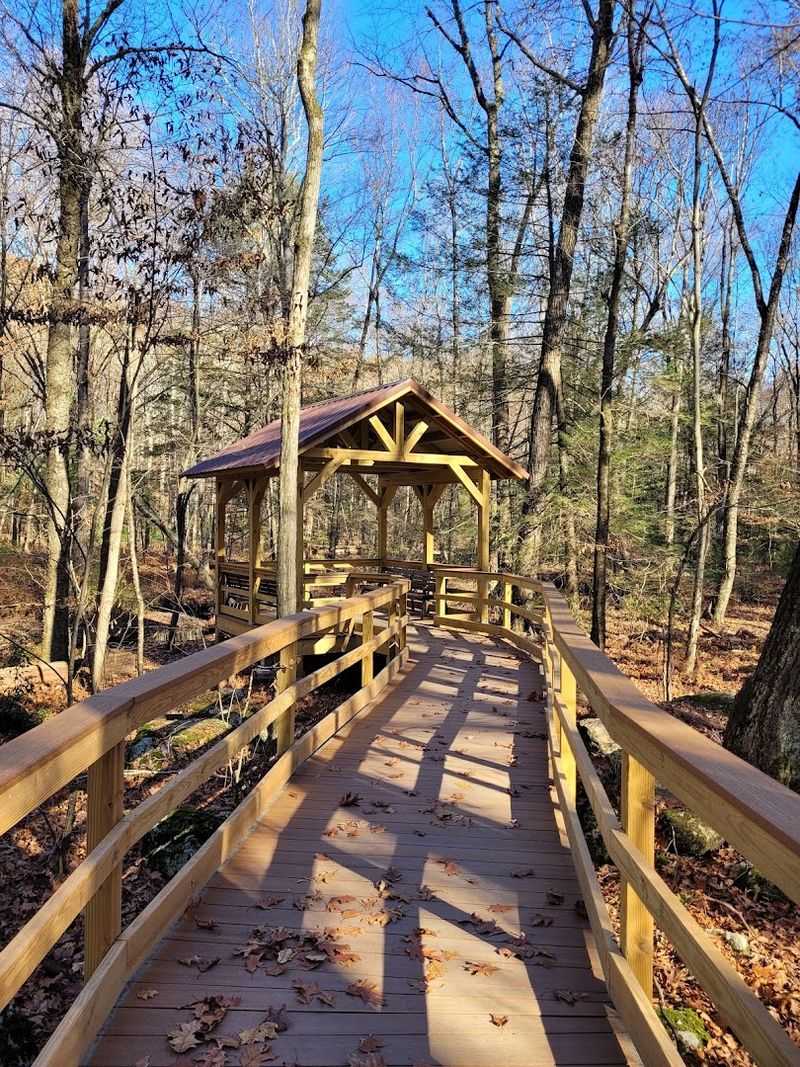
A one-mile loop might sound brief on paper, but the Wallace Barnes Accessible Nature Trail fills that distance with enough variety to make the walk feel complete rather than short.
The alternating sections of shaded upland forest and open wetland boardwalk mean the scenery changes regularly, which keeps attention engaged without requiring any physical effort beyond the walk itself.
The trail also connects to five additional trails for visitors who want to extend their time outdoors, including Elmer’s Way at half a mile, the blue trail at 0.7 miles, the yellow trail at 0.2 miles, the white trail at 0.3 miles, and the purple trail at 1.2 miles.
That flexibility makes the accessible loop a comfortable starting point rather than a ceiling, especially for visitors who arrive feeling uncertain about how much they want to tackle.
The grounds and trails are open daily from dawn to dusk and are free to the public, which removes any pressure around timing or cost.
The nature center building is open Thursday through Saturday from 10 AM to 4 PM and Sunday from noon to 4 PM, offering a natural endpoint for visits on those days.
For anyone looking for a genuinely low-stress outdoor experience, this trail consistently delivers exactly that.