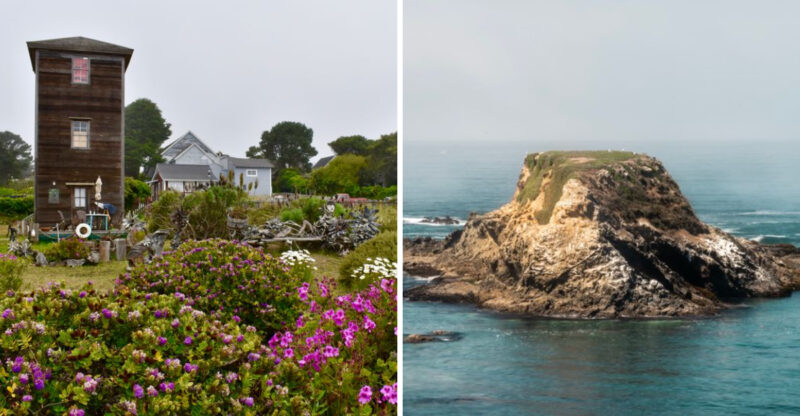
This Short Stair Hike In California Leads To Breathtaking Ocean Views
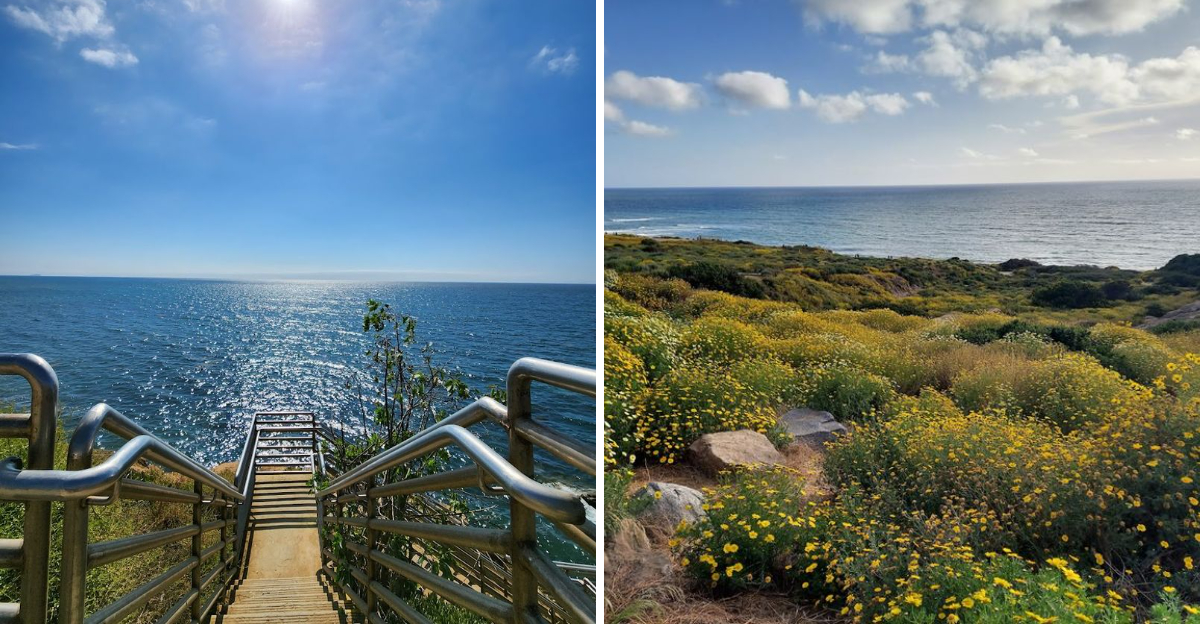
Waves crash against the cliffs below while seabirds glide over the open water. The sound of the ocean fills the air, and the horizon seems to stretch endlessly into the Pacific.
A short walk is all it takes for the scenery to unfold. Sandstone cliffs rise in layered formations, narrow stair paths wind toward scenic overlooks, and the view grows more dramatic with every step.
Few coastal spots in California deliver such a powerful ocean view after such a short and easy hike.
That experience awaits visitors at Sunset Cliffs Natural Park, a rugged stretch of coastline in San Diego where small stair hikes lead to some of the most striking viewpoints along the Pacific.
The trails remain approachable for most visitors, yet the scenery feels raw and untamed.
Locals come for sunset walks and quiet morning views. Travelers discover the park while exploring the coast and quickly realize why it has become one of San Diego’s most loved outdoor spots.
A visit here rarely feels rushed. The ocean, the cliffs, and the open sky create the kind of setting that encourages people to slow down and simply take it all in.
The Park’s Location And Basic Layout
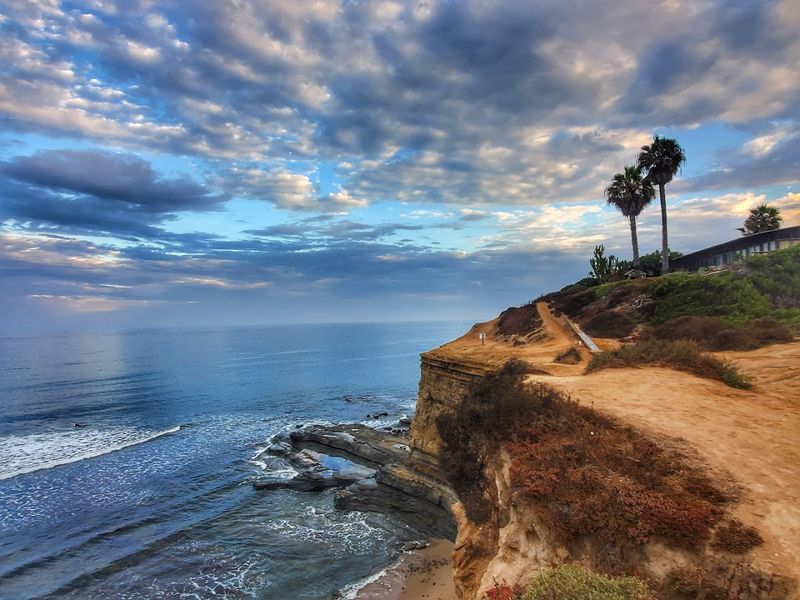
Sunset Cliffs Natural Park sits along the western edge of the Point Loma peninsula in San Diego, California.
The park stretches roughly 1.5 miles along the coastline and covers about 68 acres of protected land.
Sunset Cliffs Natural Park is located at Ladera St, San Diego, CA 92107, and the main parking area sits close to the trailheads.
The layout is relatively simple, with a paved upper path running parallel to the cliffs and several staircase access points leading down toward the water.
Most visitors start at the northern end near Ladera Street and work their way south along the bluffs.
The terrain shifts between flat coastal paths and short but steep stair sections that drop toward rocky coves and tide pool areas.
Signage throughout the park helps guide visitors, though some sections remain more rugged than others.
The park is managed by the City of San Diego and is free to enter, making it accessible for families, solo hikers, and casual walkers alike.
Arriving on a weekday morning tends to offer a quieter and more relaxed experience than weekend afternoons, which can draw larger crowds especially around sunset time.
The Famous Stair Hike At Ladera Street
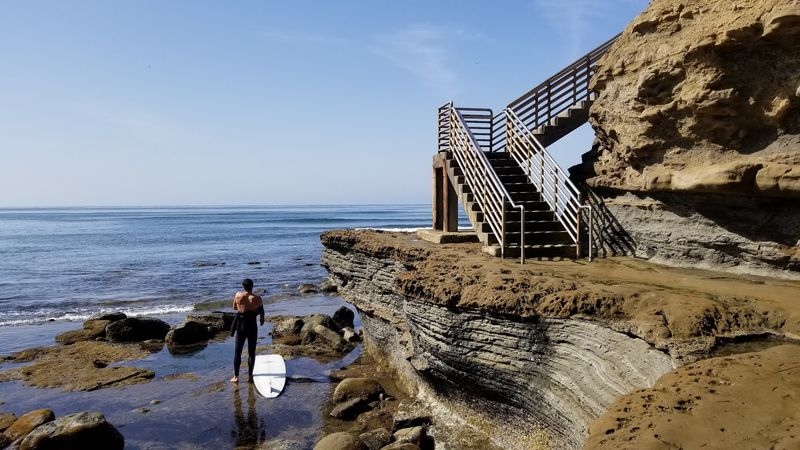
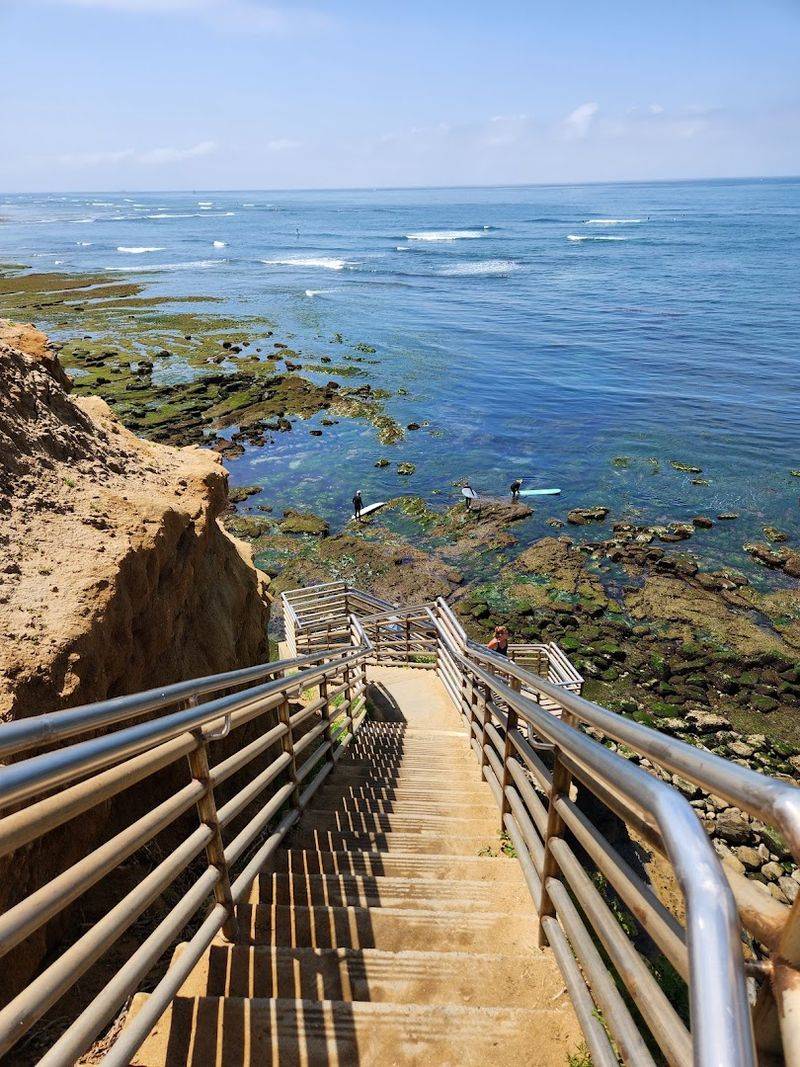
The staircase at Ladera Street is probably the most talked-about access point in the entire park.
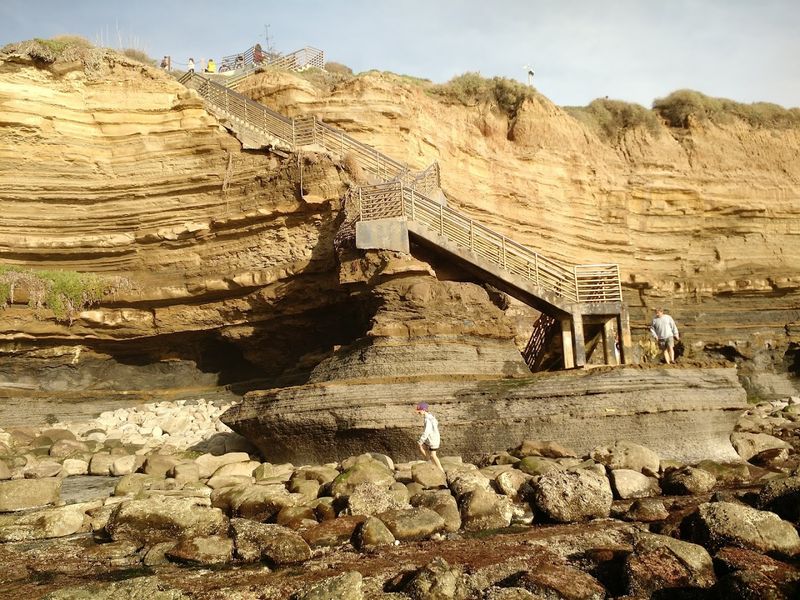
These steep concrete steps descend from street level down toward the rocky intertidal zone, and the drop feels more dramatic than the short distance might suggest.
At the bottom, the coastline opens up into a network of tide pools, sea caves, and wave-carved rock formations.
The stairs themselves are narrow and can get slippery when wet, so footwear with solid grip is strongly recommended before attempting the descent.
Sandals or flip-flops tend to create problems on the wet lower steps, especially if the tide is coming in.
Visiting during low tide makes the experience significantly safer and more rewarding, since more of the rocky terrain becomes exposed and explorable.
From the base of the stairs, views back up toward the cliffs offer a completely different perspective on the park’s dramatic geology.
The sandstone walls rise sharply above, streaked with rust and ochre tones that deepen in afternoon light.
The sound of waves echoing through nearby caves adds a sensory layer that photos rarely capture fully.
Planning the visit around a low tide window could make the whole trip noticeably more enjoyable and safe.
Trail Distances And Difficulty Levels
Multiple route options serve different types of visitors at Sunset Cliffs Natural Park.
The Sunset Cliffs Park Trail is the shortest at just 0.9 miles round trip, rated as easy and suitable for most ages and fitness levels.
It descends from the parking lot down toward the cliffs and beach, with side trails branching off for those who want to explore a bit further.
The Sunset Cliffs Coastal Trail runs 2.1 miles round trip and heads north along a wide dirt path toward Rum Runner Point.
Families with kids and casual hikers tend to find this route comfortable and manageable without much prior hiking experience.
Ocean vistas accompany most of the walk, keeping the scenery engaging from start to finish. The Sunset Bluffs Trail covers 1.2 miles round trip and descends toward the bluffs overlooking the Pacific.
Although the trail itself is rated easy, steep drop-offs near the cliff edges require careful attention and awareness at all times.
All trails reward hikers with panoramic coastal views that feel genuinely earned even after a short walk.
Checking trail conditions before visiting is always a smart move since erosion can occasionally affect access points along the bluffs.
What Makes The Views So Striking
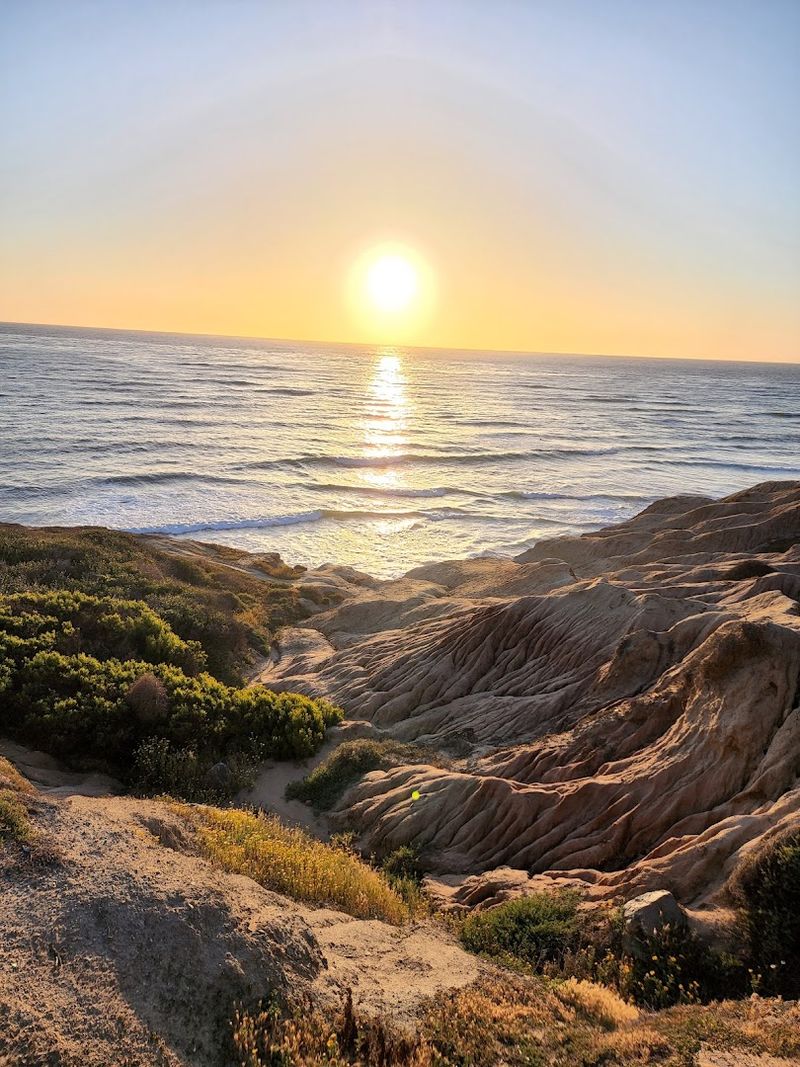
Few short hikes in Southern California deliver views that feel this immediate and expansive.
Standing at the edge of the bluffs, the Pacific Ocean spreads out in every direction with no buildings or barriers interrupting the sightline.
On clear days, the horizon appears sharp and distant, giving the scene a scale that feels almost cinematic without any effort. The geology of the cliffs adds a visual layer that goes beyond just water and sky.
Layers of compressed sandstone in shades of tan, rust, and deep brown create a textured backdrop that changes color depending on the time of day and the angle of sunlight.
Afternoon light tends to bring out the warmest tones, while morning visits offer cooler, softer hues with fewer crowds.
Wave action below the cliffs creates constant movement and sound, with swells crashing into coves and shooting upward through blowholes during higher surf.
Watching the water interact with the rock formations holds attention in a way that feels genuinely absorbing rather than performative.
Wildlife such as shorebirds, pelicans, and the occasional harbor seal adds life to the scene. The combination of geology, ocean, and wildlife makes each visit feel slightly different from the last.
Tide Pool Exploration Near The Stairs
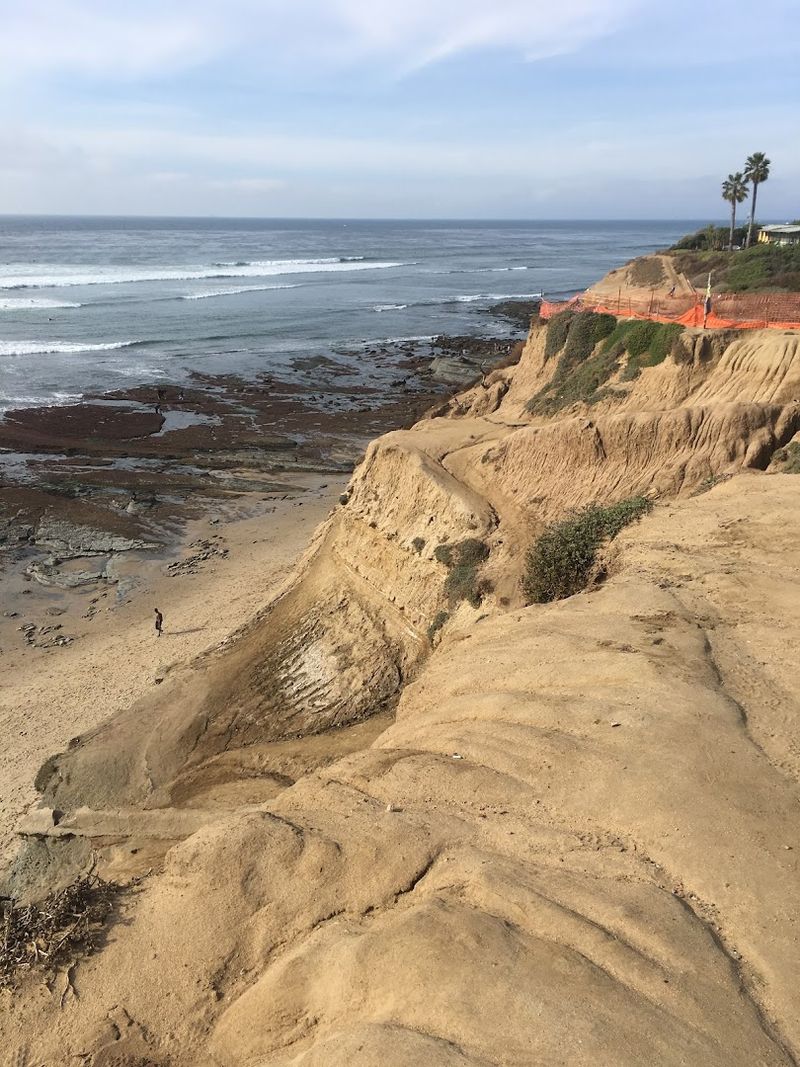
The tide pools accessible near the Ladera Street stairs rank among the most biologically rich intertidal zones in San Diego.
During low tide, the exposed rocky shelves reveal dense communities of hermit crabs, purple sea urchins, barnacles, and green anemones tucked into crevices and shallow pools.
The variety of life visible in just a small area tends to catch visitors off guard in the best possible way. Timing a visit to coincide with a low tide window is essential for getting the most out of the tide pool experience.
Tide charts for the San Diego area are freely available online and through several weather apps, making it straightforward to plan ahead.
Arriving within an hour or two of the lowest tide point typically provides the best access and visibility into the pools.
Touching or removing any marine life from the tide pools is prohibited under California law, since the area falls within a protected marine zone.
Staying on dry rocks and avoiding stepping directly into pools helps protect fragile organisms that can take years to recover from physical disturbance.
Wearing waterproof shoes or sturdy closed-toe footwear makes navigating the slippery surfaces noticeably safer and more comfortable throughout the exploration.
The Best Time Of Day To Visit
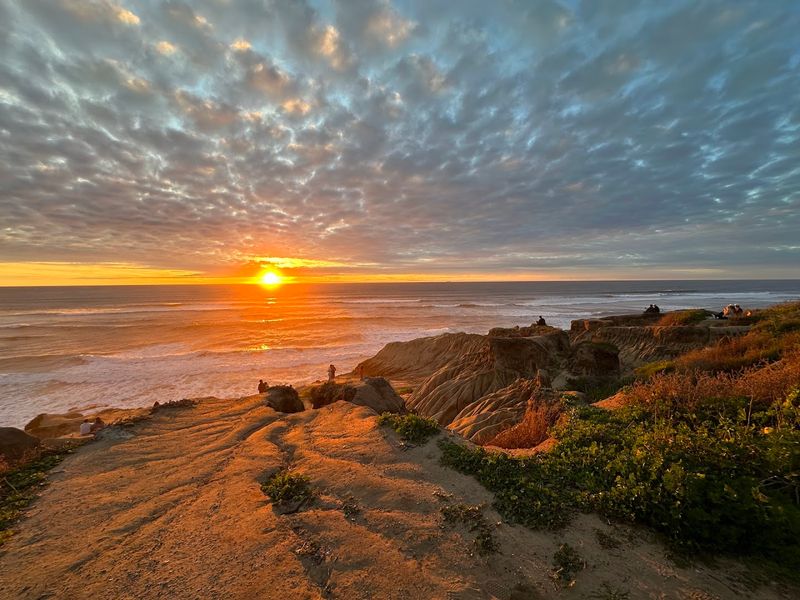
Timing plays a big role in how a visit to Sunset Cliffs Natural Park actually feels. The park earns its name most visibly in the late afternoon and early evening, when the sun descends toward the Pacific and casts long golden light across the cliffs and water.
Crowds tend to build significantly in the final hour before sunset, particularly on weekends and during summer months.
Morning visits offer a noticeably quieter atmosphere that suits hikers who prefer space and calm.
The light is softer and cooler in the morning, which brings out different tones in the sandstone and creates long shadows across the bluff edges.
Tide pools are also more accessible during morning low tides, which frequently align with early visiting hours depending on the season.
Midday visits during summer can feel uncomfortably warm since the exposed bluffs offer little shade along most of the trail routes. Sunscreen and a hat become genuinely useful rather than optional during those hours.
Visiting on a weekday rather than a weekend could reduce wait times for parking and give more room to move along the narrower stair sections.
Flexibility with timing tends to result in a much more relaxed and enjoyable overall experience at the park.
Parking and Getting There
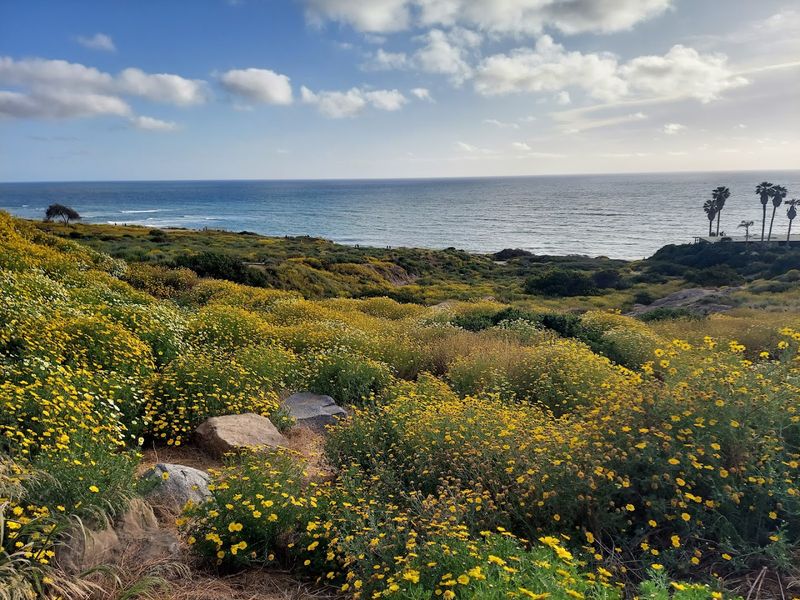
Getting to Sunset Cliffs Natural Park by car is relatively straightforward from most parts of San Diego.
Sunset Cliffs Boulevard runs directly alongside the park and serves as the primary road for access, with street parking available along the boulevard and on adjacent residential streets.
Parking is free but limited, and spots fill up quickly during peak afternoon hours and on weekends. Arriving at least 30 to 45 minutes before the target activity time tends to improve the chances of finding a spot close to the desired trailhead.
The Ladera Street area in particular can get congested since it serves as the most popular access point for both the stairs and the tide pools.
Walking a few extra blocks from a quieter side street is often a more practical option than circling repeatedly.
Public transportation options exist through the Metropolitan Transit System in San Diego, with bus routes serving the Point Loma area.
Cycling to the park is also feasible for those comfortable with road riding, since Sunset Cliffs Boulevard connects to several established bike routes in the region.
Rideshare drop-off works well for visitors who prefer not to worry about parking at all, particularly during the busy sunset window when turnover along the boulevard slows considerably.
Wildlife Commonly Spotted Along The Cliffs
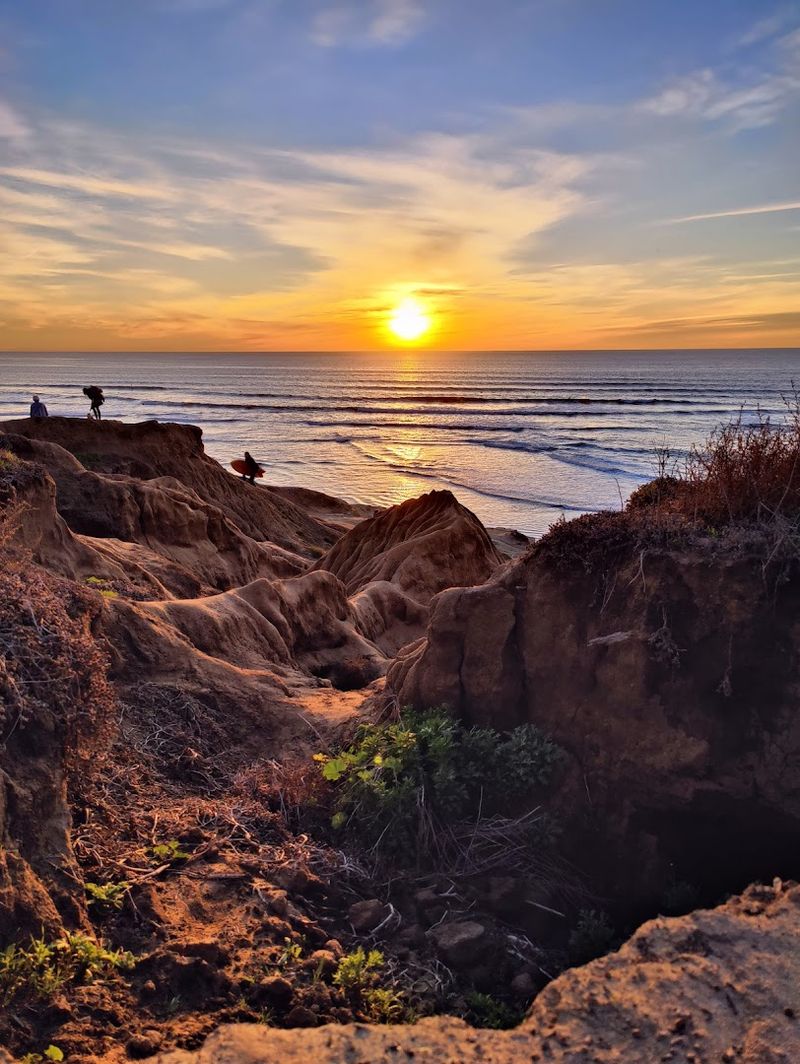
The wildlife at Sunset Cliffs Natural Park adds an unpredictable and genuinely exciting element to any visit.
Brown pelicans are among the most frequently spotted birds, often gliding in low formations just above the waterline or perching on exposed rocks below the bluffs.
California gulls, cormorants, and black oystercatchers also appear regularly along the cliff edges and rocky shoreline.
Harbor seals occasionally haul out on the lower rock shelves near the base of the cliffs, particularly during quieter morning hours when foot traffic remains light.
Spotting one up close from above while it rests on a sun-warmed rock is the kind of moment that tends to linger in memory long after the hike ends.
Maintaining a respectful distance from any resting seals is important since disturbance can cause them to flee into cold water unnecessarily.
During certain seasons, whale migration routes pass close enough to the San Diego coastline that spouts and flukes become visible from the bluffs with patience and a good pair of binoculars.
Gray whales typically move through the area between December and April.
Bringing binoculars along for any visit to Sunset Cliffs could significantly enhance the overall wildlife observation experience without adding any extra weight or cost to the outing.
Erosion And Safety Warnings On The Cliffs
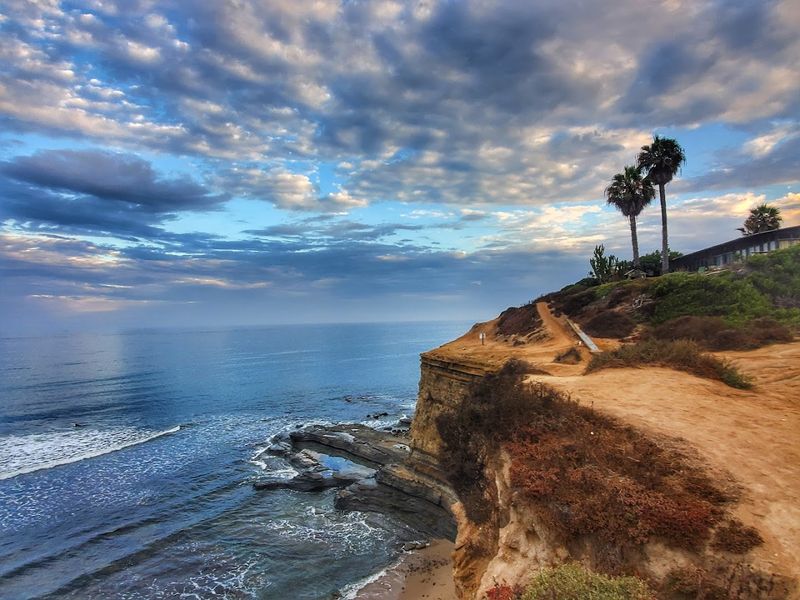
Sandstone erodes faster than most visitors realize, and the cliffs at Sunset Cliffs Natural Park are actively changing year by year.
The park posts warning signs near unstable sections of the bluffs, and those signs exist for very practical reasons rather than just legal caution.
Sections of cliff edge have collapsed in the past, sometimes without any visible warning beforehand. Staying on designated paths and keeping a safe distance from cliff edges is the most important safety practice throughout the park.
Leaning over edges for photos or stepping past warning barriers significantly increases the risk of a serious fall, especially since the ground near the edge may look solid but could be undercut below the surface.
Supervising children closely near any cliff section is essential since the drop-offs can be sudden and severe.
Wet conditions after rain make the sandstone and access stairs considerably more slippery and unpredictable than during dry weather.
Checking the forecast before visiting and postponing trips during or shortly after significant rainfall reduces exposure to the most hazardous conditions.
The City of San Diego periodically closes specific sections of the park for erosion-related repairs, so checking the city’s parks website before a planned visit could save a wasted trip to a temporarily inaccessible area.
Sea Caves And Coastal Geology
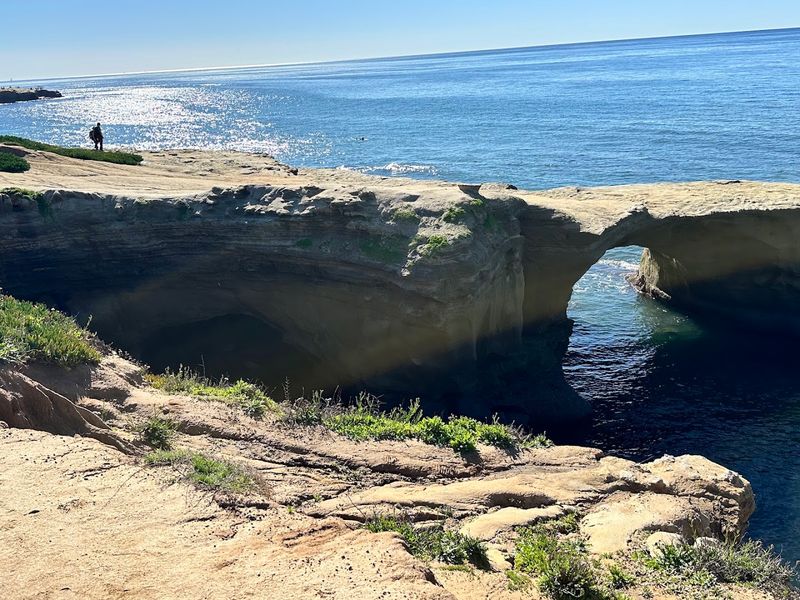
The sea caves scattered along the base of Sunset Cliffs rank among the park’s most visually dramatic features.
Wave action over thousands of years has carved openings and tunnels into the soft sandstone, creating hollow chambers that amplify the sound of the ocean in a way that feels almost theatrical.
Some caves are accessible on foot during very low tides, while others remain partially submerged even at low water.
The geology of the area reflects a long history of tectonic activity and sea level change along the Southern California coast.
The sandstone at Sunset Cliffs is part of the Point Loma Formation, a sequence of marine sedimentary rocks deposited millions of years ago when the region sat beneath a shallow sea.
Visible fossil fragments occasionally appear in the cliff faces, though removing any geological material from the park is prohibited.
Exploring near the cave entrances requires caution since wave surges can enter quickly and without much warning, particularly during higher swell events.
Checking surf reports before venturing close to any cave entrance provides a useful safety baseline.
The caves photograph best during midday when direct sunlight reaches into the openings and illuminates the interior textures, creating a strong contrast between the dark stone and the bright turquoise water pooling at the base.
Photography Tips For The Park
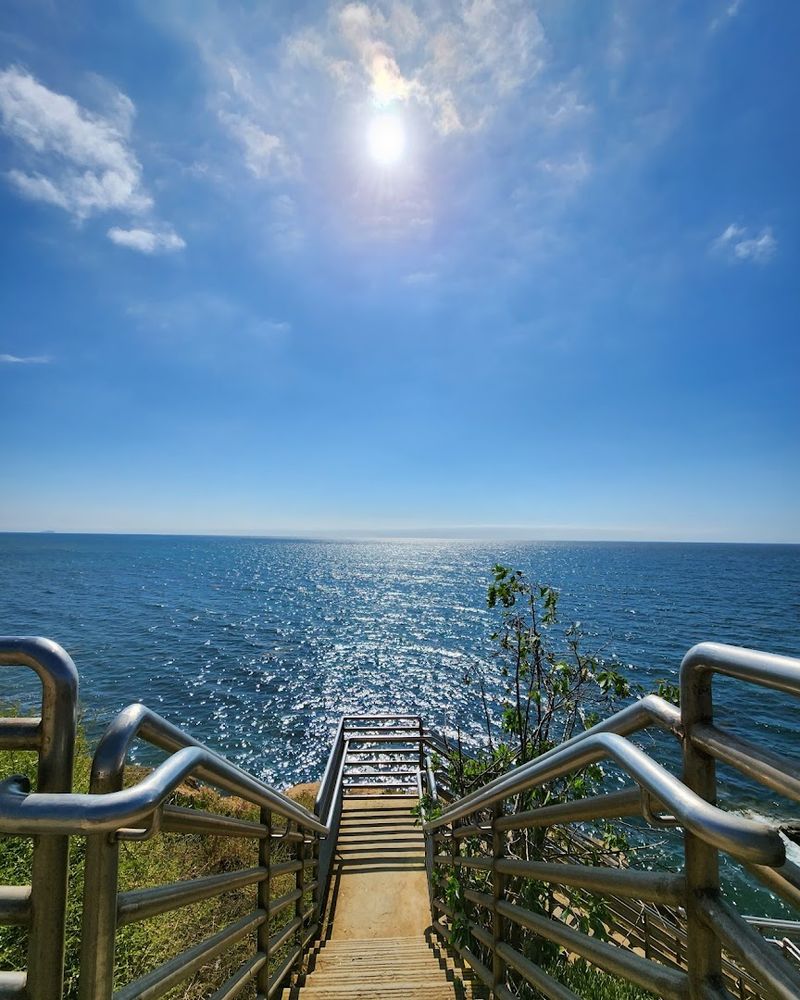
Sunset Cliffs Natural Park has earned a strong reputation among photographers in the San Diego area, and the reasons become obvious quickly once the light starts to shift in the late afternoon.
The combination of textured sandstone, dramatic cliff edges, and an unobstructed ocean horizon creates a naturally layered composition that works well with a wide range of camera setups.
Smartphone cameras perform surprisingly well here given the scale of the scenery.
Golden hour before sunset produces the most sought-after lighting conditions, with warm directional light catching the ridges and crevices of the cliff faces in ways that flat midday light simply cannot replicate.
Arriving 90 minutes before sunset allows time to scout positions, find a clean foreground element, and settle in before the best light arrives.
Popular shooting spots along the bluffs can fill with other photographers, so arriving early helps secure a preferred vantage point.
Long exposure photography works particularly well at the base of the stairs during low tide, where smooth water effects can be achieved with a neutral density filter and a tripod set on stable rock.
Protecting camera gear from salt spray is important near the water level since the mist can reach further than expected during active surf.
Keeping a lens cloth and a dry bag nearby makes the lower shooting positions much more practical and stress-free.
Rules, Etiquette, And Leave No Trace Practices
Sunset Cliffs Natural Park operates under a set of rules that help protect both the natural environment and the safety of everyone who visits.
Dogs are welcome in the park but must remain on a leash at all times, and owners are expected to clean up after their pets throughout the trail areas.
Fires and camping are not permitted anywhere within the park boundaries.
Leaving no trace is more than a guideline at Sunset Cliffs since the park’s ecosystem is fragile and sees heavy visitor traffic throughout the year.
Packing out all trash, avoiding picking wildflowers or disturbing rock formations, and staying on established paths all contribute directly to preserving the park for future visitors.
Littering in or near the tide pools poses a particular threat to marine life and can carry fines under California environmental regulations.
Noise levels matter more in some sections of the park than others, particularly near areas where wildlife rests or nests.
Keeping voices at a reasonable level near cliff edges and rocky shorelines helps avoid startling birds and seals that may be using those areas.
Respecting other visitors by not blocking narrow stair sections or congregating in large groups on small viewing ledges keeps the experience safer and more pleasant for everyone sharing the space on any given day.