This Small Georgia City Pushed Back Against A Billion-Dollar Data Center, And The Project Was Scrapped
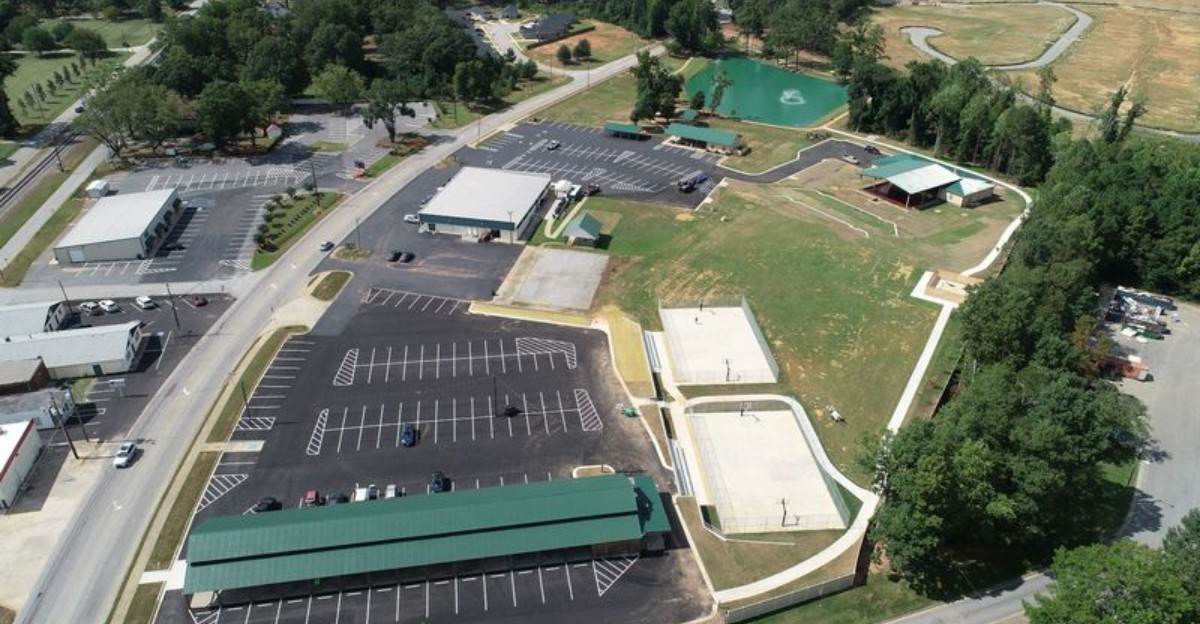
A billion-dollar data center planned for roughly 400 acres was withdrawn after opposition in a Georgia city of approximately 13,000 people. That is not a typo.
The proposed development would have covered roughly 400 acres, a substantial amount of land for a small Georgia city.
I like how this story flips the usual script. Big tech projects often roll into small towns with glossy promises and fast timelines.
This time, the neighbors had other plans, and they made sure everyone heard them.
The drama played out in a corner of Georgia better known for Civil War history than server farms. Residents asked hard questions about water, power, and what a giant building would mean for daily life.
I believe stories like this matter far beyond one city limit. So how did a small community stop something that big, and what happens next?
A Billion-Dollar Plan Landed In A Very Small Backyard
Data centers are the giant warehouses that keep the internet humming. Lovejoy, Georgia was suddenly in line to host one of the biggest around.
The proposal carried a price tag of around a billion dollars. That kind of money usually makes city leaders sit up straight and start smiling.
The planned site stretched across roughly 400 acres of land. For a city of about 10,000 residents, that is a huge chunk of real estate.
Data centers hold rows and rows of computer servers running nonstop. They store your photos, stream your shows, and power the artificial intelligence tools everyone keeps talking about.
Tech companies love Georgia for these projects right now. Land is available, the power grid is large, and metro Atlanta sits close by.
Lovejoy fit that picture almost perfectly on paper. It sits in Clayton County, just south of Atlanta, with highways and open land nearby.
Paper plans and real neighborhoods are two very different things, though. Residents of Lovejoy started looking closely at what this project would actually mean for them.
That close look changed everything. A deal that seemed unstoppable began to wobble once people started asking questions out loud.
Water, Power, And Peace And Quiet Topped The Worry List
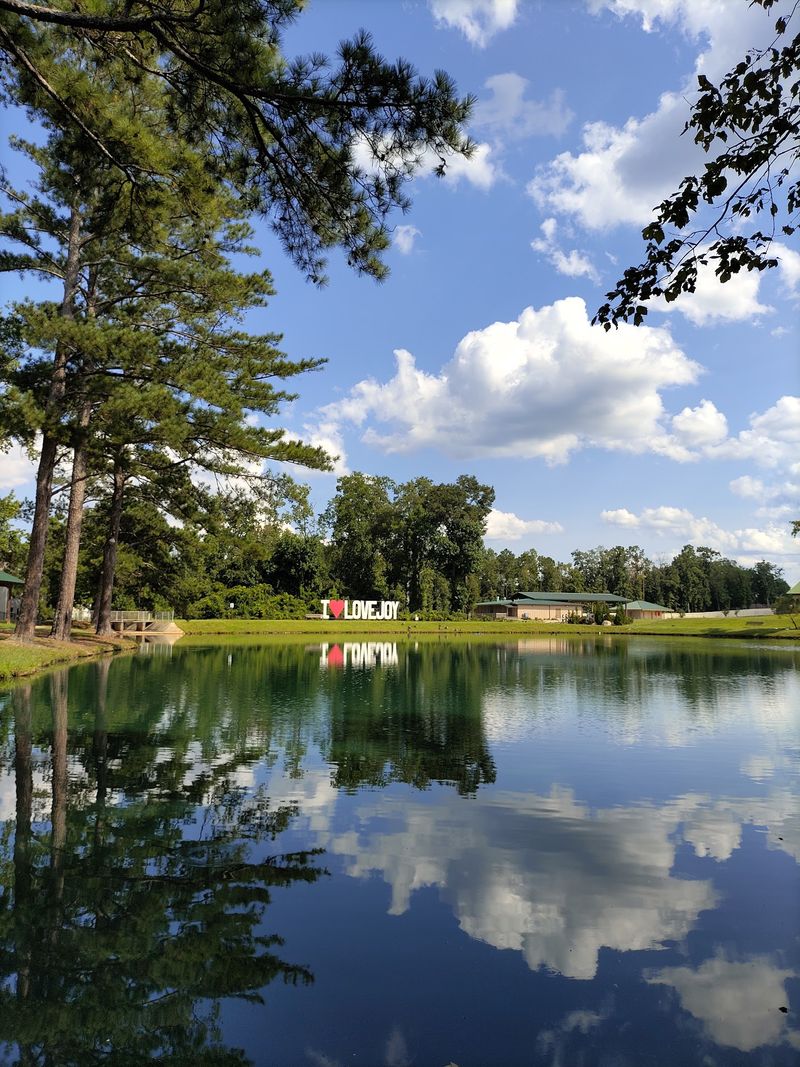
Servers run hot, and keeping them cool takes serious resources. That simple fact sat at the center of many concerns in Lovejoy, Georgia.
Large data centers can use significant amounts of water for cooling. In a growing county, residents naturally wondered how that might affect their own supply.
Electricity was another big question mark. These facilities draw enormous power around the clock, and people worried about strain on the grid and possible effects on bills.
Noise came up too. Cooling equipment and backup generators can create a steady hum that neighbors may not love hearing every evening.
Then there was the question of character. Many people in Lovejoy wanted their city to grow in a way that still felt like home.
None of these concerns were wild or far-fetched. Communities across the country have raised the same issues as data centers spread quickly.
What stands out here is how clearly residents connected the dots. They looked past the dollar signs and asked what daily life would look like afterward.
Here’s a practical tip for any town facing a similar plan. Ask early about water use, power demand, and noise, then ask again.
Folding Chairs And Microphones Turned Into Real Power
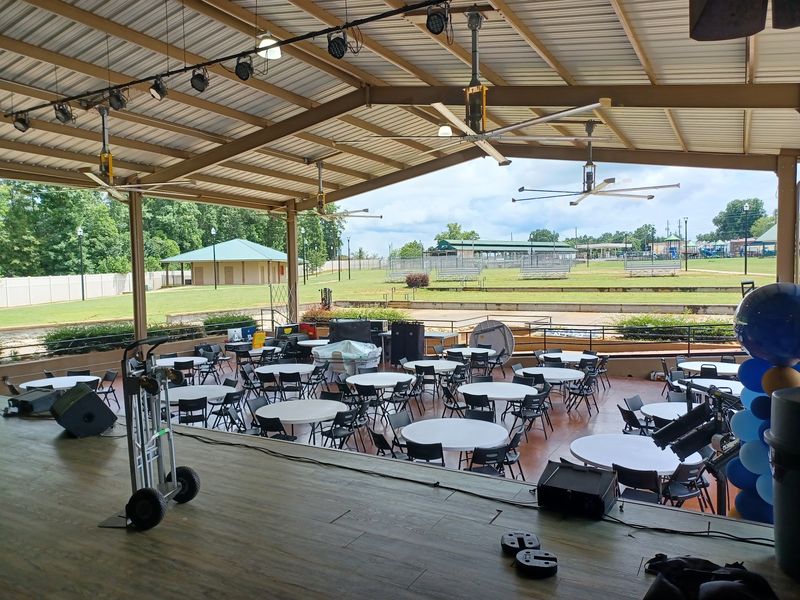
City council meetings rarely make anyone’s weekend plans. In Lovejoy, though, they became the main stage for one of the biggest local decisions in years.
Residents spoke up and pushed back against the proposal. Their unified voice made it clear the community was not simply going to nod along.
Small cities have one huge advantage here. Leaders often live just down the street, so public opinion is harder to tune out.
Showing up matters more than many people realize. A few speakers can be brushed aside, but a steady, united crowd sends a much louder message.
Civic engagement sounds like a textbook phrase from social studies class. In Lovejoy, it looked like neighbors paying attention, asking questions, and refusing to stay quiet.
The pushback wasn’t about tiny tweaks to the plan. It became a full rejection of the project as proposed.
Want to make your own voice count locally? Read meeting agendas, sign up for public comment, and bring neighbors who share your concerns.
Lovejoy proves that ordinary people still hold real influence. A microphone at a council meeting can carry surprisingly far.
And Just Like That, The Mega Project Was Off The Table
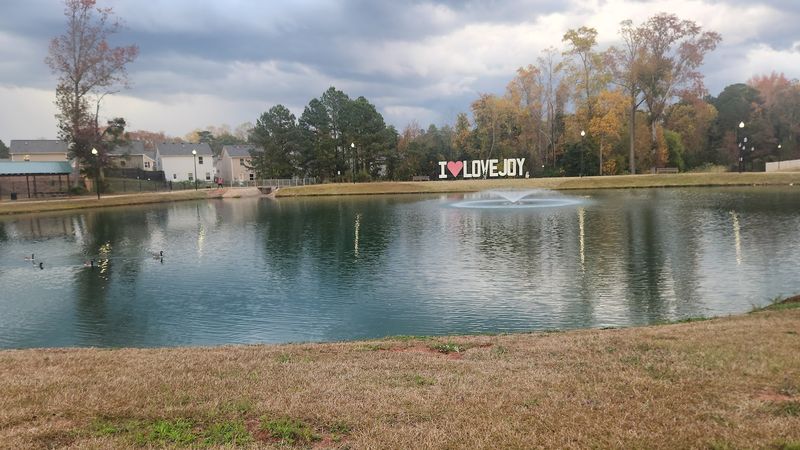
Scrapped. That’s the word that made headlines once the billion-dollar data center plan in Lovejoy, Georgia fell apart.
Many people assume these massive projects become unstoppable once plans are drawn. Lovejoy showed that assumption can be completely wrong.
The outcome reshaped the city’s near future in a big way. Roughly 400 acres that might have held rows of servers now face a different path.
For residents who pushed back, the result felt like proof that their concerns counted. That kind of win builds confidence for the next big local decision.
It also sends a message to developers watching from afar. Community support isn’t automatic, even when the dollar figure has nine zeros.
Of course, saying no to one project doesn’t freeze a city in time. Lovejoy still faces choices about growth, jobs, and how to use its land wisely.
The difference now is who’s steering the conversation. Residents showed they want a real seat at the table, not a spot in the audience.
Small city, big decision, clear result. You don’t see that combination every day, and it’s worth paying attention to.
Georgia Has Become A Magnet For Server Farms
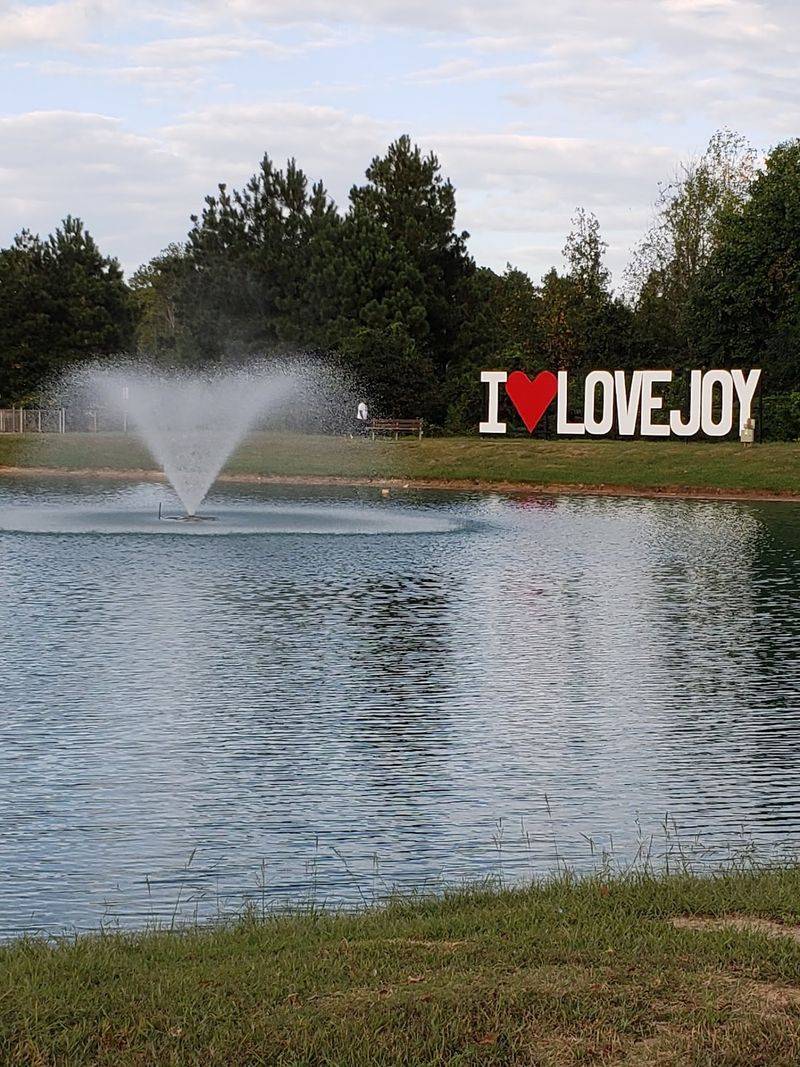
Metro Atlanta has quietly grown into one of the busiest data center markets in the country. That boom helps explain why a project ever eyed Lovejoy at all.
Tech companies need land, power, and fast connections. Georgia offers all three, which makes it a popular spot for these huge facilities.
The rise of artificial intelligence has poured fuel on the trend. AI tools need staggering amounts of computing power, and that power lives inside data centers.
As a result, many Georgia communities are seeing proposals land on their doorsteps. Some welcome the tax revenue, while others worry about resources and quality of life.
Lovejoy’s story stands out in that crowded landscape. It’s one of the clearer examples of a community saying no and making it stick.
Think of it as a test case other towns can learn from. The questions Lovejoy residents raised are the same ones popping up across the state.
Every streaming binge and quick online search depends on buildings like these somewhere. The real debate is where they go and who gets a say.
Lovejoy answered that second question loud and clear. The people living there wanted a voice, and they used it.
Twice The Size Of A Famous Atlanta Mall Is Hard To Ignore
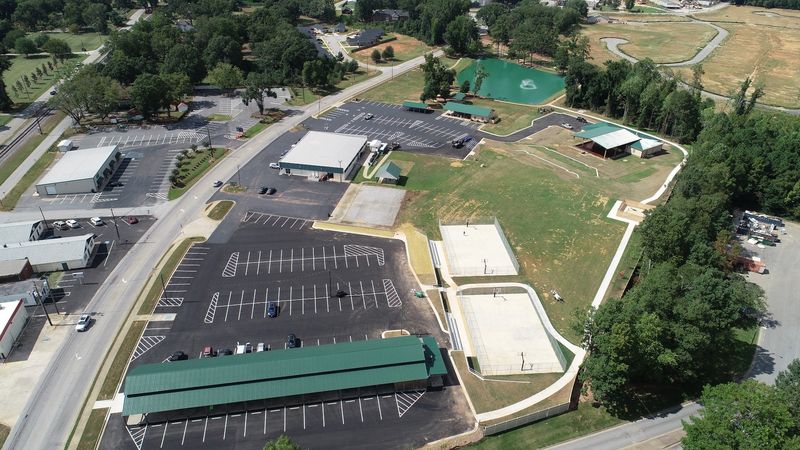
Try walking every hallway of a major Atlanta mall in one afternoon. Now double it, and you’re getting close to the scale people were talking about in Lovejoy.
Big numbers can feel abstract until you can picture them. A mall is something almost every Georgian has wandered through, snacks in hand.
Now imagine that footprint landing beside quiet streets and family homes. Suddenly, a corporate press release turns into something you might see from your kitchen window.
Size also hints at how much a facility needs to run. Larger data centers generally require more electricity, more cooling, and more supporting infrastructure.
For a small city, that is a lot to absorb at once. Roads, utilities, and local services all feel the pressure of something that large.
The mall comparison turned a technical debate into a kitchen-table conversation. People didn’t need an engineering degree to understand the basic scale of the plan.
Honestly, that one image probably did more than any spreadsheet. It’s hard to shrug off a building that could swallow two shopping centers whole.
Standing Your Ground Runs Deep Around Here
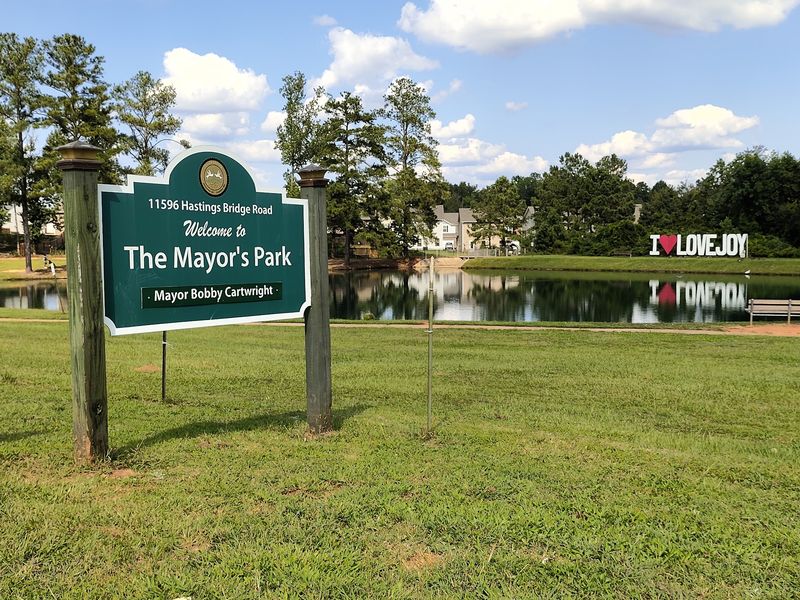
Lovejoy has been making history for a long time. The city was incorporated as a town on September 16, 1861, right as the Civil War was getting underway.
Just a few years later, it landed in the history books. Lovejoy was the site of the Battle of Lovejoy’s Station during the Atlanta campaign of 1864.
That clash centered on the railroad, which made the area strategically important. Control of rail lines mattered enormously during the fight for Atlanta.
Fast forward more than 160 years, and Lovejoy is once again tied to infrastructure. This time the debate is about data and electricity instead of tracks and trains.
History buffs will appreciate that twist. A place shaped by transportation has now weighed in on the digital highways of the modern world.
If you enjoy exploring the past, the area around Lovejoy rewards curiosity. Historic markers and nearby battlefield sites help bring that 1864 story to life.
It’s a fun reminder that small towns often carry big stories. Lovejoy’s latest chapter just happens to involve servers instead of soldiers.
Meet The Community That Made The Call

About 10,122 people called Lovejoy home as of the 2020 census. That’s small enough for neighbors to recognize each other but big enough to make serious noise.
The city sits in Clayton County, just south of Atlanta. You can find it on the map as Lovejoy, Georgia 30250, close to major routes heading into the metro area.
Lovejoy has an African American majority. That makes its stand an important voice in wider conversations about who gets to shape development decisions.
Growth has been part of the city’s story in recent years. Being near Atlanta brings opportunity, but it also brings pressure from big projects looking for space.
That mix of closeness and small-town feel is exactly what residents wanted to protect. Nobody needs a mall-sized server complex to feel connected to the big city.
For visitors, Lovejoy offers an easy hop from Atlanta with history nearby. It’s a good stop for anyone curious about Civil War sites or local community stories.
Most importantly, this is a place where people clearly care about their future. The data center debate simply put that care on full display.
Other Towns Are Probably Taking Notes Right Now
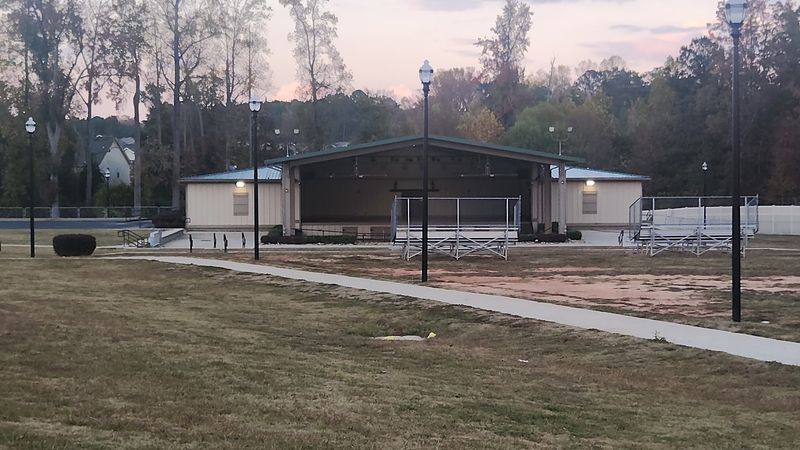
Every town facing a giant proposal can borrow a page from Lovejoy’s playbook. The lessons are simple, practical, and surprisingly easy to follow.
First, get the facts early. Ask how much land, water, and electricity a project needs before anyone signs anything.
Second, find your neighbors. One worried resident is easy to overlook, but a united community is a lot harder to ignore.
Third, show up consistently. Public meetings, comment periods, and local hearings are where decisions actually happen, so attendance matters.
Fourth, keep the conversation focused on real impacts. Lovejoy residents talked about resources and quality of life, which kept their arguments clear and relatable.
None of this means every development is bad. Some projects can bring jobs and tax dollars that help a city thrive.
The point is that residents deserve a real say. Lovejoy, Georgia proved that a small city can weigh the trade-offs and choose its own direction.
That might be the most inspiring part of the whole story. Nobody here needed a billion dollars to change the outcome, just persistence and a shared voice.